Passages: Acts 6:8-8:2; John 12:24-26
Ընթերցուածքներ՝ Գործ. Զ 8 – Ը 2; Յով. ԺԲ 24-26
Քրիստոս Ծնաւ եւ Յայտնեցաւ. Օրհնեալ է Յայտնութիւնը Քրիստոսի:
Krisdos Dzunav yev Haydnetzav +Christ is born and Revealed+
Orhnyal eh Haydnootiunun Krisdosi +Blessed is the revelation of Christ+
In the name of the Father, Son and Holy Spirit, Amen!
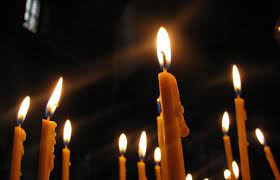
After each of the major feast days in the Armenian Church, Holy Nativity, Holy Resurrection, Transfiguration, Assumption of the Virgin Mary and the Exaltation of the Holy Cross, the following day is designated as Heeshadag Merelots – Remembrance of the Dead Day. We remember and pray for all our loved ones who have passed from this life into rest, with the hope of God’s love and forgiveness in the life to come. We also pray for our dead after certain Badarak’s, with the prayers of Hokehankist, Requiem service, remembering again our loved ones. As with every service and liturgy in the Armenian Church, we read the Holy Scriptures, the Word of God and more often than not during hokehankist, we read and hear the passage of John 12:24-26. But very few of us understand what today’s scripture passages is speaking about. “Truly, truly, I say to you, unless a grain of wheat falls into the earth and dies, it remains alone; but if it dies, it bears much fruit. He who loves his life loses it, and he who hates his life in this world will keep it for eternal life. If any one serves me, he must follow me; and where I am, there shall my servant be also; if any one serves me, the Father will honor him.” Though not very lengthy, it is arguably one of the most important passages of Christ teachings in my opinion.
For one, it is one of the last public statements or teachings that Christ gives before His betrayal, passion, and Crucifixion. It begins with the ultimate statement of “truly, truly” or in other places we read “Verily, Verilyy” – ճշմարիտ ճշմարիտ. This double emphasis, is a rhetorical method which gives importance to what is about to be said and Christ uses it in a few places. But what is being taught that puts this teaching that high up there? “unless a grain of wheat falls into the earth and dies, it remains alone; but if it dies, it bears much fruit” Contrary to what appears on the surface, this message is not about farmers planting seeds, but rather, Christ is giving us an earthly, physical example of the seed. Unless it dies, it remains alone – what does this mean? First, Christ is referring to himself, that He must die for our sins. And we know this because exactly one verse before this we read, “And Jesus answered them, “The hour has come for the Son of man to be glorified” (v. 23). But in addition to this Christ, as with all Scriptures Christ is calling us to imitate, meaning we are being called to martyrdom.
When we say martyrdom, we often picture someone being killed for a cause, a belief or their faith. Yet, in the Orthodox Church, martyrdom is more than the physical death. Marriage, for example, is considered martyrdom. We pray for long and healthy life in marriage but we refer to marriage as martyrdom because the two individuals who are getting married are called to sacrifice themselves for each other. Meaning let of their egos, their self desires, their selfishness for the love and care of their husband or wife. Likewise here, this seed that must die, that Christ is describing, is us. Unless we die, meaning unless we let go of our egos, our arrogance, our pride, our entitlement, but also our self-hatred, our thoughts and ideas of what we are worth, unless we die to those things, our faith, will not bear fruit. Because when a seedling is planted or begins to germinate, what happens? It cracks, it spreads apart for roots to come out, for it to bud. If it doesn’t break than it doesn’t bear fruit, it doesn’t grow.

Therefore my dears, we must break, we must deny or die to ourselves as Christ says, if we truly believe in Christ Jesus. That is why Christ continues by saying, “He who loves his life loses it, and he who hates his life in this world will keep it for eternal life.” Those who love their life will lose it and those who hate their life will keep it for all eternity. I love my love. I love being a priest, I love my family, I love each one of you. So what does this mean? And doesn’t scripture tell us not to hate? Especially in today’s society we view the word hate as something for enemies. Yet, Christ uses this word elsewhere, when he says, “If any one comes to me and does not hate his own father and mother and wife and children and brothers and sisters, yes, and even his own life, he cannot be my disciple.” (Luke 14:26) What and why is Christ calling us to hate? My dears, this goes back to what spoke about earlier. If we value our physical life, our materials, our education, our cars, our devices, our bodies, etc. more than we value our relationship with God, then we are living for self-gratification and not by self-sacrifice. We are living for the moment without any concern for what God has planned for us. That’s what society teaches us after all. Live for today, be happy, be satisfied and if you are not satisfied then leave it and find something better. If your marriage, your sex life, your friendships, your Church, your job, you parents, your school, your home, your gender, your body, your everything etc. if it doesn’t satisfy you then change it and leave it. Yet, Christ is telling us if that is all we are after, if all we want is to love this life, if we value all this above God our creator, who gave all these things to us as a blessing and called us to be stewards, caretakers of it, than we will lose it.
But if we hate it, meaning, if we understand that these things are temporary and God in His love for us, calls us for so much more, then we will receive what is more valuable than anything we have in this world. But my dears, this begins through our choice of self-denial and martyrdom. In the same way, no one can force the husband or wife to deny themselves for each other, in the same way no one can force a soldier to go and fight for freedom, in the same way a doctor cannot force us to take medicine, the choice is ultimately ours. That is why Christ concludes with, “If any one serves me, he must follow me; and where I am, there shall my servant be also; if any one serves me, the Father will honor him.” My dears, what are we living for? As I said in my sermon the other day, why are we in Church today? Why do we come? For the food, the music, the sights and smells? Why do we celebrate Christmas and Easter? Because of something that happened over 2000 years ago or because we are Armenian and feel some artificial obligation? Why do we pray for our dead? Why do we get married? Why and what are we living for my dears? If we believe in God, and the Good News of Christ Jesus, God born into our lives, then we must follow Christ, imitate Christ. All this is from the love of God for each one of us. God’s love that calls us to be with Him, not today but everyday; not in this moment but for all eternity.
But this can only happen when we die to ourselves, when we break and are transformed, when we put away our selfishness, we pick up our cross and follow Him. When we forgive each other through love; when we lift each other up; when we see someone alone and spend time with them; when we reach out a helping hand; when we feed the hungry, show mercy to those in pain. When we don’t look at the beggar in the street as lesser just because of their life’s choices or circumstances. When we repent of our own sinfulness and brokenness and come to be in Communion with God because we love Him above all else. That is when we will understand what this life means. That is when we will see Christ Jesus not dead on the Cross but alive and calling us to have real life in Him. That is when no matter what day of the year it is, Christmas or Easter, we will declare “Blessed is the Revelation of Christ”, blessed are we in that love. For to all of us this is the tiding of Great Joy. What will we choose? Amen!
 St. Gregory the Illuminator Armenian Church