Passages: Is. 36:22-37:11; 1 Thess. 4:1-11; Lk. 13:1-9
Ընթերցուածքներ՝ Եսայ. ԼԶ 22-ԼԷ 11; Ա Թեսաղ. Դ 1-11; Ղկ. ԺԴ 1-9
In the Name of the Father, Son and Holy Spirit, Amen!
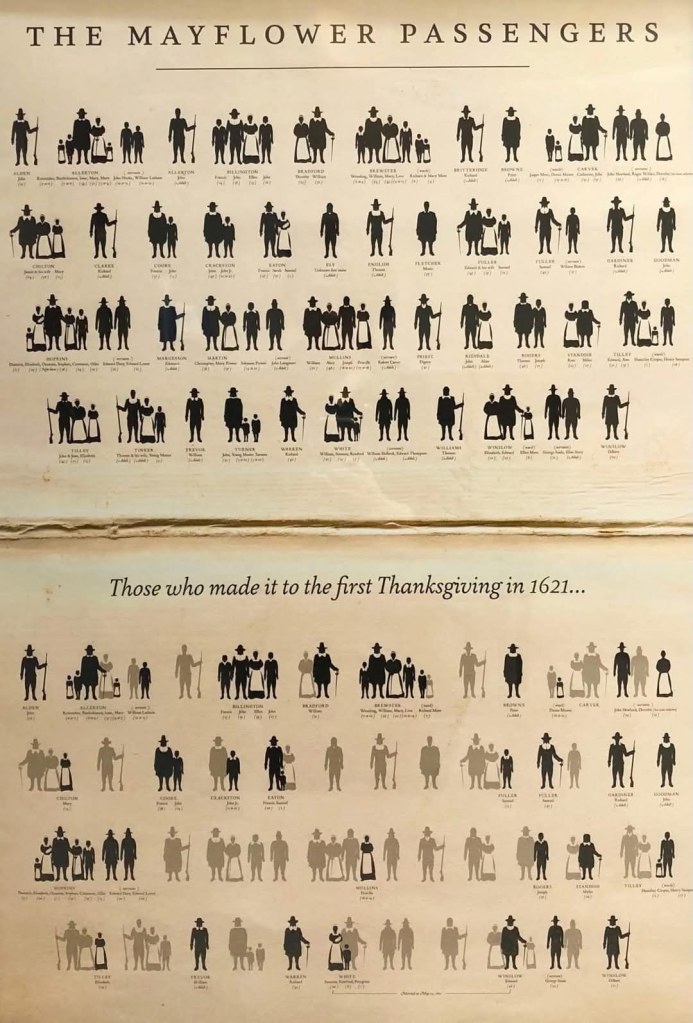
Samuel Fuller, William White, Susanna (Jackson) White, John Howland, John Alden, Isaac and Mary, Bartholomew, Remember, and Mary Allerton, John and Eleanor Billington, William and Dorothy Bradford, or Peter Browne. Who are these people? These are the names of some of the passengers who sailed West aboard the 1620 Mayflower ship in search of new life. Over 100 names of men, women, children, elderly and young, educated and uneducated, people from all walks of life. Some fleeing persecution, others looking to rebuild or begin to build a life with their families, with hopes, dreams and aspirations. When they sailed West, across the ocean blue, they hoped for a life with new beginnings. Each year since 1863 when Abraham Lincoln declared the last Thursday of November to be a day of Thanksgiving, we remember this story of the Mayflower and the first pilgrims who made their new home in a new world. Without going too deep into the dark realities that took place with the pilgrims and the natives of this land, I wonder if we have ever looked the story of the Mayflower’s journey to these shores? Every year for Thanksgiving we gather with loved ones and eat our fill of Turkey, and stuffing and all sorts of treats. Especially as Armenian’s we tend to over invite our guests, the more the merrier because we want to show our appreciation and love with all our friends and family.
In the story of thanksgiving we hear about the pilgrims and Wampanoag people sharing a harvest feast in Plymouth, Massachusetts. How they showed gratitude to one another by sharing a meal. Yet, what did they have to be thankful for? How many of us know the attendance list of one of the first Thanksgivings? I ask this question because did you know that out of the over 100 people that journeyed across the ocean on the Mayflower, in hopes of a new life, of new start only approx. 50 people survived into 1621 and participated in the first Thanksgiving? All these people, who had come across in hopes of something better never saw the opportunity. I can’t imagine those who did survive had a lot to be thankful for after having lost their loved ones. Or what about the story of when Abraham Lincoln did enact the holiday of Thanksgiving; it was when this country was divided at the height of the Civil War. When neighbors and friends, countrymen and all were fighting each other. What could they have been thankful for?
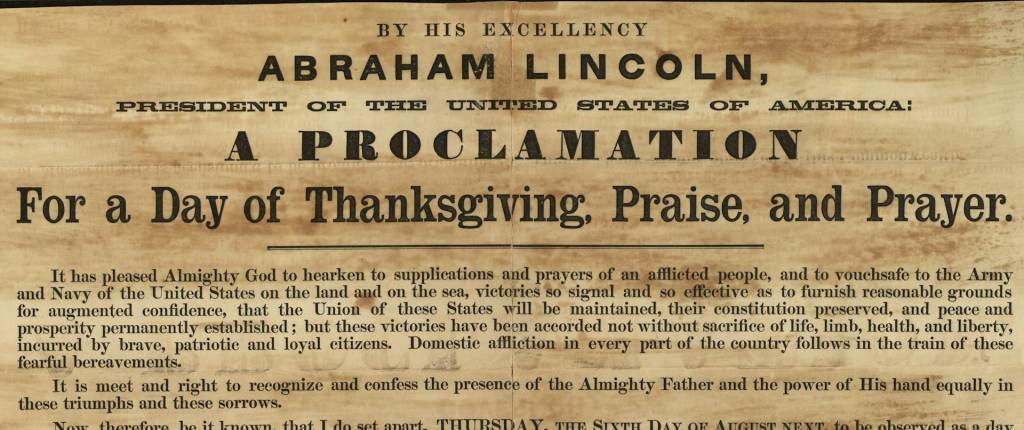
My dear brothers and sisters, it is often difficult to think about gratitude when we are in the midst of turmoil. When we want something better, strive and work for, journey forward in life with hopes and aspirations and when we fail. Those who sailed across the ocean to a new land faced storms, sickness and uncertainty along the way. As we can clearly see, majority did not even survive their first year in this new land. Yet, there was a celebration of Thanksgiving, a sharing of a meal to express gratitude. At the height of the Civil War, the country was divided over politics and religion. Over the idea of “free labor” and slavery. Yet, on October 3, 1863 we enacted the Holiday of Thanksgiving. But how?
In the Gospel today Christ gives the contrast of 2 groups of people who, “Galileans whose blood Pilate had mingled with their sacrifices… Or those eighteen upon whom the tower in Silo′am fell and killed them…” And he asks, were these people worse sinners then those others around them? One of the reasons Christ is asking this is because in Judaism and even for many of us today, when something terrible happens, we think that it is a punishment from God. That those Galileans were sinners, those 18 on whom the tower fell, those who did not survive the journey of the Mayflower, or those who were dying the in battlefields of the Civil war. They are all sinners and evil. Or we often make the argument that why do bad things happen to good people? Yet, Christ reminds us that we are all in need of repentance. Repentance my dears is our turning to God; repentance my dears is our recognition and acceptance that we cannot do this on our own. To repent is to remain hopeful in the face of uncertainty and despair. And that my dears is why the first pilgrims and those who celebrated Thanksgiving during the Civil War could do so.
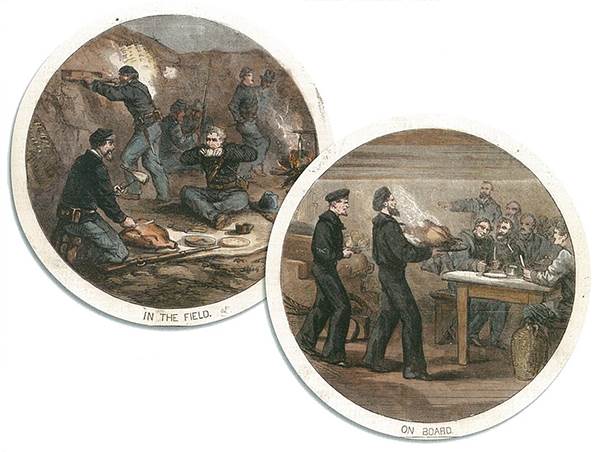
Over this past week, I heard so many comments from political bloggers and entertainers or other social media influencers of how we should not be celebrating Thanksgiving for various ridiculous reasons. Yet, the celebration and the act of Thanksgiving beyond just the holiday is not a neglect or denial of the problems we have in the world and in our life. Rather, it is a realization that God alone is who gives us strength to overcome. When Abraham Lincoln declared so in 1863, he did not deny the realities of the civil war, when the pilgrims and natives gathered on Plymouth, they did not deny the death, and loss they had faced. When we come to Church and offer up Divine Liturgy which is the celebration of Thanksgiving, the Holy Eucharist, we are not denying our pain, our sinfulness and darkness but rather we are acknowledging our hope is not dead. That God our Heavenly Father has not abandoned us, does not turn us away when we turn to Him. That is what repentance is my dears, our turning to Him. It is us remembering each other in prayer, it is us looking at all creation with hope, love and compassion and it is about us asking God to heal us, our country, our families, our world. During the Holy Badarak we receive that healing and hope through the body and blood of Christ, the Holy Communion, which is the meal we receive from this banquet table.
In history, it is the realization that all humanity is frail and sinful, and that no one is better or worse than those around them because we all need our Lord and Savior Christ Jesus. In our homes, it is the meal we share with each other, it is the time spent, the memories created, the love shared. Thanksgiving is not the denial of darkness but the acceptance and recognition of light. God’s light! God has called us to Holiness as St. Paul teaches, and Holiness in God produces fruit, creates life, gives and remains in hope, is compassionate and merciful; holiness does not look down on others, does not disrespect those who are different from us; holiness recognizes distress and disgrace and covers it up with love. Holiness begins with our repentance and turning to God.
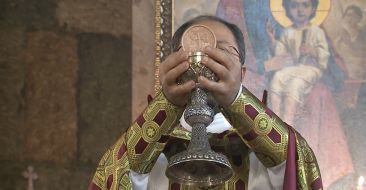
And so my dear brothers and sisters, I hope we all had a wonderful celebration of Thanksgiving. I pray that we recognize Thanksgiving not just as a holiday or a part of history but as a reminder that God’s love does not disappear when we fail. God does not punish us for our mistakes. And even when we are suffering, when we fall, when we feel like we are at war with each other, God hears our prayers and comes to us all equally. Let us come to one another in love likewise. Let us come to the Holy Table every Sunday where we celebrate Thanksgiving in repentance. Let us ask for the grace of the Holy Spirit to feed our souls with the light and wisdom of our Lord Jesus Christ, who is, was and will always be on this journey of life with us all Amen!
 St. Gregory the Illuminator Armenian Church