Passages: Is. 40:18-31; Hebrews 4:16-5:10; Lk. 18:9-14
Ընթերցուածքներ՝ Եսայ. Խ 18-31; Եբր. Դ 16 – Ե 10; Ղկ. ԺԸ 9-14
In the name of the Father, Son and Holy Spirit, Amen!
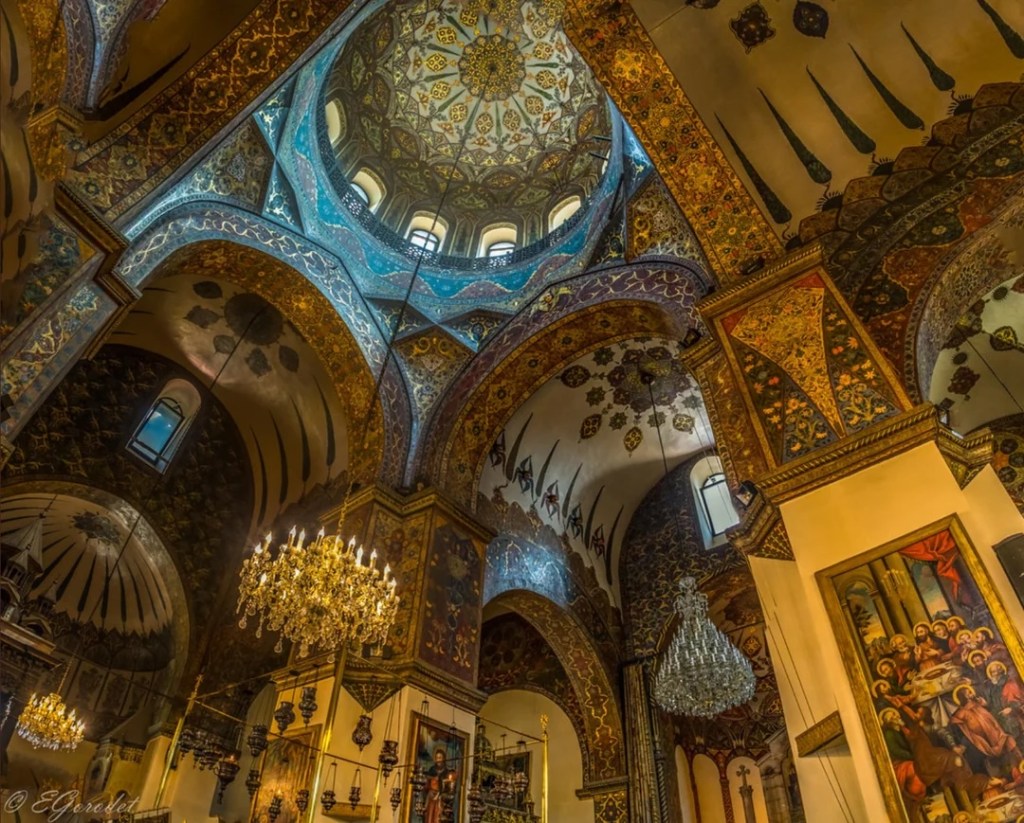
It’s so empty! Where are the adorning crosses, chalices, colors and all the beauty that we see and expect? My dear brothers and sisters, it is strange to see our Holy Altar so bear and simple. It is unfamiliar and perhaps disheartening, disappointing, frustrating to see all that we expect to see, gone. We have just celebrated Divine Liturgy. Our choir sang the Badarak, our Deacons chanted the prayers, and I as your priest asked Christ to sanctify the bread and wine, become the body and blood for our communion, for our faith, for the forgiveness of our sinfulness and healing of us all. Yet, the Altar remained simple and bear. Was this a real Badarak? Was this acceptable to God? So often we are used to seeing beautifully adorned Churches like Holy Etchmiadzin and Notre Dame of Paris, both who opened their magnificent doors this year. But what about the simple Church?
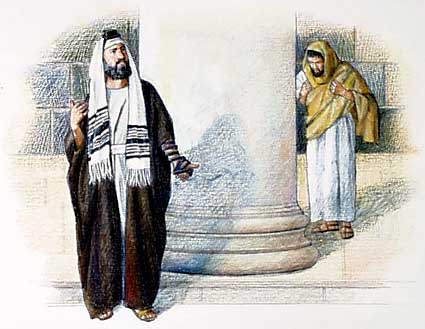
Out of curiosity, what do we need to celebrate Badarak, the Holy Eucharist? Physically what things do we need according to the Holy Church? The Chalice, the bread and wine, the Cross, the Gospel and the Vemkar (an anointed stone in the Holy Altar). Of course, we need a priest and Deacons; we need choir singers and the people. And yet, whether it is the chalice, the bread, wine, cross, Vemkar, the priest, the deacons, the singers and people, no where in the Traditions of the Holy Church, in the Holy Scriptures, or writings of the Church Fathers do we read about the splendor, the physical richness of the liturgy being limited to only the material things, in order for it to be acceptable before the Lord. On the contrary, we read in Ps. 51:15-17 “O Lord, open thou my lips, and my mouth shall show forth thy praise. For thou hast no delight in sacrifice; were I to give a burnt offering, thou wouldst not be pleased. The sacrifice acceptable to God is a broken spirit; a broken and contrite heart, O God, thou wilt not despise.” And in the Gospel today we read of the Pharisee and the Tax Collector – 2 very different individuals who are both praying in the Temple before God. Yet, Christ clearly teaches us that it is the Tax Collector, the one who is hated by society, the one who is perhaps uneducated to the “rules” of God, his prayer is acceptable over the Pharisees. Both the tax collector and pharisee are wealthy. They are part of upper society. Yet, before God, the humility of the tax-collector is what raised him up. It is for that reason that Abel’s sacrifice to God was acceptable over Cains in Genesis. Why the poor widow’s 2 pennies over the riches of the wealthy.
My dears, when we decorate our Churches, we don’t please God or gain favor through it, but rather we do those things because we want our Church home to be beautiful, respectable and uplifting. As Orthodox Christian’s we believe when we enter a Church we are entering into the Kingdom of God, before the eternal Altar. The icons, incense, candles, music all impact our senses, and we worship fully – body, soul and mind. Yet, if all of this is without humility, without repentance and an understanding that God doesn’t need these things, rather we need them, and we want to present our best to God for our benefit, than all this condemns us in the same way the haughtiness and arrogance of the Pharisee condemned him. In today’s world, it is easy to remain focused on the physical and material. Yes, we take care of our bodies by eating healthy, exercising, and wearing warm clothes in the winter, likewise, we take care of the physical needs of our Church. Yet, what is more important? The brand of clothing we wear, the job we go to, the language or languages we speak, the car we drive, the neighborhood we grow up in or school we attend? Or, is the love we have for one another, the compassion and mercy by which we have for those who are lost; which is more valuable before God? How we treat each other “witnesses” and is seen more than any elaborate Churches. Which is why Christ in today’s Gospel gives two parables – the Pharisee and Tax Collector is preceded by the Parable of the Unjust Judge.
This is why Christ reminds those boastful Pharisees and us of the Prophets words, “I desire mercy and not sacrifice.” (Hosea 6:6) We are called to be humble in body, soul and mind. It is through humility we shift our focus on who God has called us to be. Away from “me” and place it onto what is higher. Again, not because we gain favor from God but because by humbling ourselves we reflect God’s work. When we are humble, we can love others; we can accept not just our brokenness but recognize that this entire world is broken and that God desire all of us to be in Communion with Him through repentance. (I Timothy 2:4) In this season of Christmas, whether we celebrate with our friends on Dec. 25 or in the Armenian Church on Jan. 6, we are ultimately recognizing humility – God who humbled Himself and entered this broken world to bring healing, compassion and mercy. It was by humility that Christ Jesus suffered and died upon the Cross for our sinfulness. That is what we celebrate every Badarak, whether it is with colorful robes, multitude of candles, or if it is simply with that Cross, in a dimly lit Church, with simple bread, wine and the Word of God. It is in our humility that God hears our prayers and lifts us out of our sinfulness. Yes, take care of the physical, but live for and by the eternal. Fill the Church with beauty but recognize that it is with eyes of faith, of hope that its really beauty is revealed.
Therefore, my dears, as we prepare to end this year and make resolutions to be “better”, let us pray for the Holy Spirit to fill our hearts and minds and bring us clarity to be truly humble; to take care of our soul in the way we take care of our physical and material. Let us remember that God our Heavenly Father calls all of us, His children, to Him, regardless of what we may physically look like, dress like, etc. on the outside. And that when we enter our Churches, we present our best to God, worship with all our senses when we live a life imitating Christ Jesus. That will make a Badarak and life acceptable before the Lord; that will bring Christ into this world not just on Christmas but every day, whether we worship in Etchmiadzin, Notre Dame or a simple parish like St. Gregory. May the grace and love of our Lord and Savior Christ Jesus be with us all, Amen!
 St. Gregory the Illuminator Armenian Church