Passages: Is. 61:10-62:9; 2 Tim. 2:15-26; Jn. 6:15-21
Ընթերցուածքներ՝ Եսայ. ԿԱ 10- ԿԲ 9; Բ Տիմ. Բ 15-26; Յով. Զ 15-21
In the name of the Father, Son and Holy Spirit, Amen!
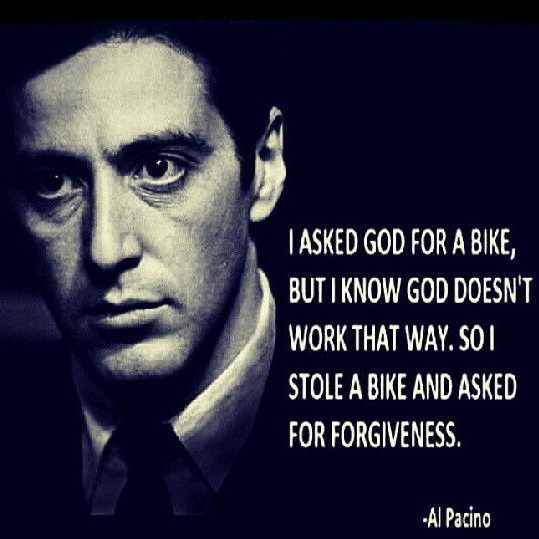
Jesus has failed my dear brothers and sisters. Now before you walk out or decide to call the Bishop or share on social media that Fr. Andreas has lost his mind, let me please explain. Jesus has failed you and I; Jesus has failed to be at my beck and call, to feed my stomach, to give me what I want and fulfill my so-called prayers. Jesus has failed as my glorified butler. So many of us my dears, look to God and relegate the Divine exactly as that, a butler. Al Pacino is quoted for saying that, “I prayed to God for a bike, but God didn’t give me bike. He doesn’t work that way. And so, I decided to steal a bike and apologize to God for stealing.”
My dear brothers and sisters, so often we struggle with recognizing who God is. We fail to recognize not God as all-powerful or all-knowing but rather personally. We don’t see how God the Father, Son and Holy Spirit fits into our lives. We come to Church, we might pray, we might even ask questions yet, all of us in some way try and make God fit into our way of life. That is why from our point of view, when faith doesn’t work Jesus fails; God doesn’t fit. This is so dangerous and damaging to our faith because we begin to create and formulate a version of Jesus, of God in our own image. Yet, Scripture teaches us that we are the ones who are created in Gods image and likeness. Through communion, through our life in the Church and reading the Holy Scriptures, are perception, our vision is guided into recognizing what that image and likeness means – not the other way around, where we begin to form God into our image and desire. You we see even in today’s Gospel that in the time of Christ, the Jews who recognized that Jesus must have the power of God, must be the messiah because of all the wonderful things He did and the way he taught, they desired to come and make, “to come and take him by force to make him king…” Yet, Jesus knowing this distanced himself.
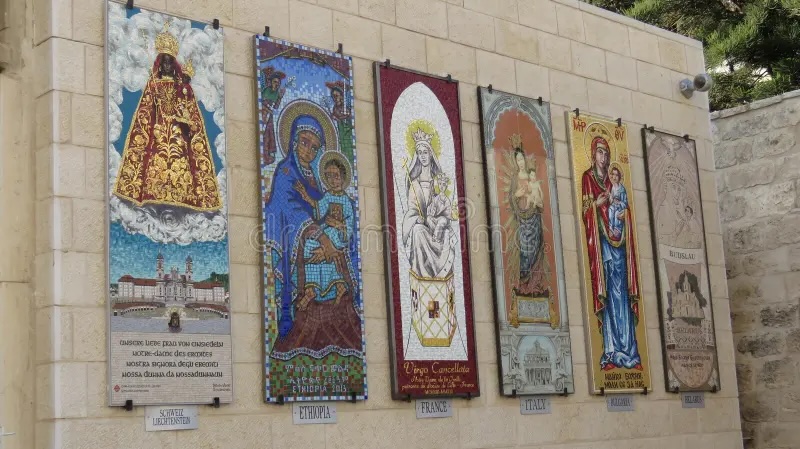
This sounds strange. Why would Christ distance himself when clearly he has come to be the messiah for his people? It is because the Jews had their own idea of what the Messiah must be like. Later on in the Gospel of John we read that Jesus rebukes the Jews because they follow not for faith but because they were fed physically. Meaning, the Jews and many of us look to Christ from a materialistic and humanistic point of view. A nice teacher, a good orator, a healer, someone to lift our spirits, someone who feeds our stomachs, someone who votes like I do, looks like I do, fits into my bubble. How often do we hear of arguments about the icons or images of Jesus Christ – black, white, middle eastern? Blonde hair, long beard, blue or brown eyed, etc.? There is a beautiful Church in Nazareth, known as the Church of Annunciation, where tradition says it was built on the remnants of the house of St. Mary, where the archangel Gabriel brought the news of her pregnancy. Something that I love in this Church is the images that it is surround by. Every ethnicity has an icon of St. Mary and Jesus in their culturally traditional clothes. The Armenian Theotokos and Christ are wearing a taraz, the Japanese are in a kimono, the Indian in a Sari and so forth. This is beautiful because it isn’t the idea that Jesus is from those cultures but rather, it enforces the idea that Christ is in all our cultures and Christ Jesus is not limited to our ideas but rather, we are transformed into God’s image and likeness – into children of His Kingdom. An image and likeness we begin to recognize through Communion with Christ Jesus who is the bringer of that Kingdom. And as St. Paul writes in Romans 14:17 “For the kingdom of God is not food and drink but righteousness and peace and joy in the Holy Spirit;”
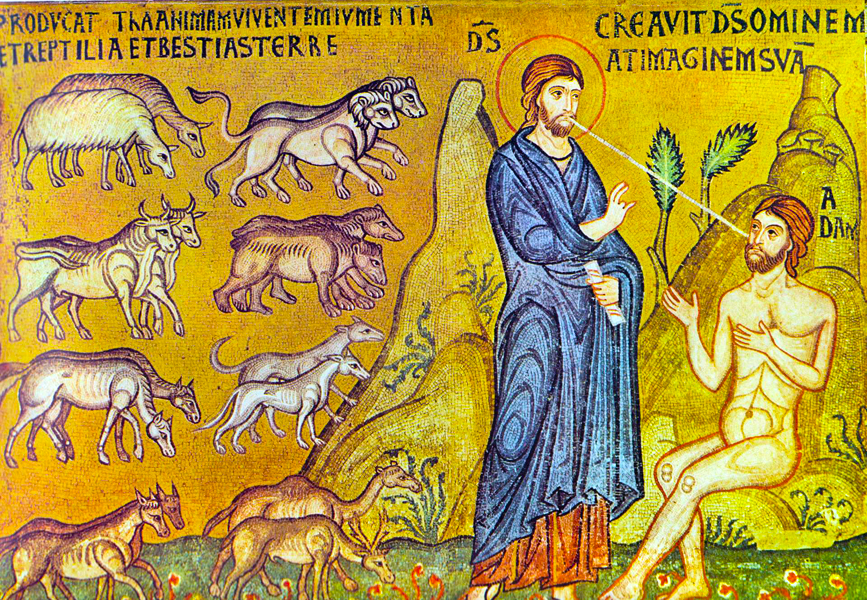
Meaning that God my dears is not our butler; God does not fit into our ideas but rather God is revealed to us through His Spirit, and we begin to recognize the righteousness, peace and joy through Communion with Him. Early Church writers teach that, the success that Christ in today’s Gospel rejected was not the recognizing of Him as Messiah but rather the excitement of people at having found a champion of the depressed, a potential political and economic liberator who would free the nation and feed the hungry. Meaning Jesus rejected the humanistic, our idea of who He was meant to be. Christ is not Armenian, American, white or black. Christ is not a political champion that divides people left or right. Christ is not someone who blesses our bank accounts, helps us pass school tests, or who fulfills any of these arbitrary desires we associate with “blessings.” Christ Jesus is God the Son, who demands our positive response to the teachings and commandments, by which we are formed into disciples. Christ commands us to follow Him, to obey the Word of God.
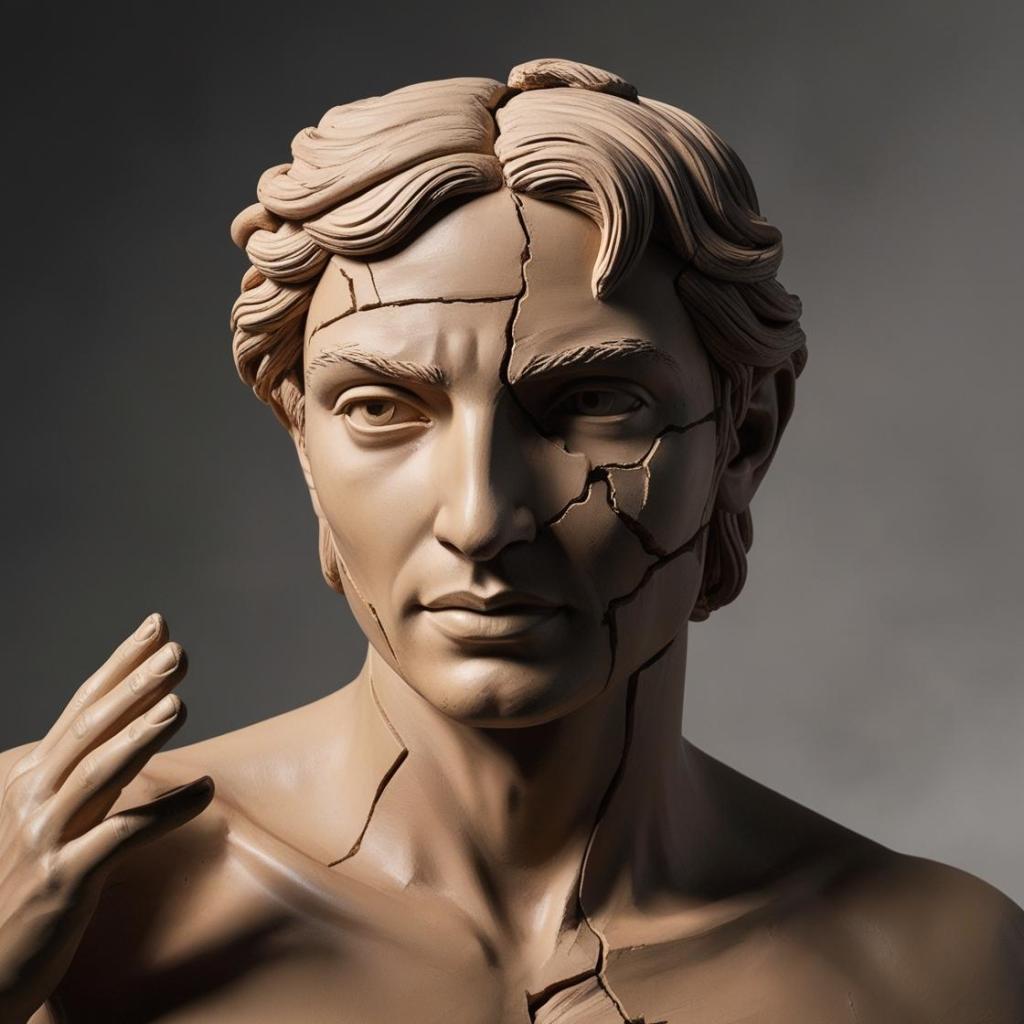
Our Church Fathers, like St. Irenaeus, tells us that when Christ was crucified and resurrected our image that we were created in was re-revealed to us and through the living out of faith, what we call discipleship and our responding to the grace of God, we begin to develop our likeness, we recognize who God truly is and we continue to live our life in such a way that others will recognize God through us. At times this is easy, and at time it involves crossbearing. Yet, anytime we try to approach God, approach the scriptures and Church from our arrogance and justification, when we try to make God fit into what we think is right, faith alludes us, God doesn’t make sense and in truth it is we who fail, not God. Each time we sin, we diminish our likeness to God, each time we reject and disobey God’s commandments, each time we try to justify our life, we fall short, and we end up in storms, in danger, in areas where we are filled with fear. Yet, look at how today’s Gospel ends, “They (the disciples) were frightened, but he said to them, “It is I; do not be afraid.” Then they were glad to take him into the boat, and immediately the boat was at the land to which they were going.”
My dears, when we humble our egos, when we truly confess our brokenness, sinfulness and accept our limitations of how much we think we know, when we approach with a desire for God and not of material or humanistic wealth and justification, we too will like the disciples willingly receive Him. No, God is not our butler, and God is not someone we go to as a last resort, nor is God someone we make fit our life when it is convenient. It is we who must be humbled, we who must be transformed and through discipleship and love, recognize who God truly is and begin adjusting our life to grow in the likeness we were created to be. It is good we are here; it is good to thirst and desire to know God and to be known by God. Let us live in such a way that our thirst will be quenched, and in such a way that will be an example for others to see. To look with hope in times of storms and uncertainty. Let us lift up in pray one another so that our perception of our Christian faith will continue to reveal His Heavenly Kingdom of righteousness, peace and joy. And by the Grace of the Holy Spirit, may we enter into that Kingdom and remain in Communion with our Heavenly Father, through Christ Jesus, now and always, Amen!
 St. Gregory the Illuminator Armenian Church