Passages: Is. 54:11-55:13; 2 Corinth. 6:1-7:1; Lk. 15:1-32
Ընթերցուածքներ՝ Եսայ. ԾԴ 11 – ԾԵ13; Բ Կորնց. Զ 1- Է 1; Ղուկ. ԺԵ 1-32
In the Name of the Father, Son and Holy Spirit, Amen!

Life is expensive my dears! Did you know that back in 1995 the average cost of a house was about $150K, in 2019 it was $260k and in 2023 it rose to $419K. In contrast, the average income in 1995 was $29,000, 2019 it was $56,000 and in 2023 it remained still $56,000. So, 31% of your income could be used in 1995 to pay for a home whereas, today it is almost 50% not including cost of living. Now I’m not about to give a lecture on income and expenses, yet, there is something important that we can learn from our current statues of the economy and how we live, which can be applied to our faith. We all need money to live in today’s world. Food, travel, pleasure and necessity, the upkeep of our homes and even our Church’s require money. We however, run into a problem my dears, when we overemphasis the physical wealth or lack thereof over much more important things.
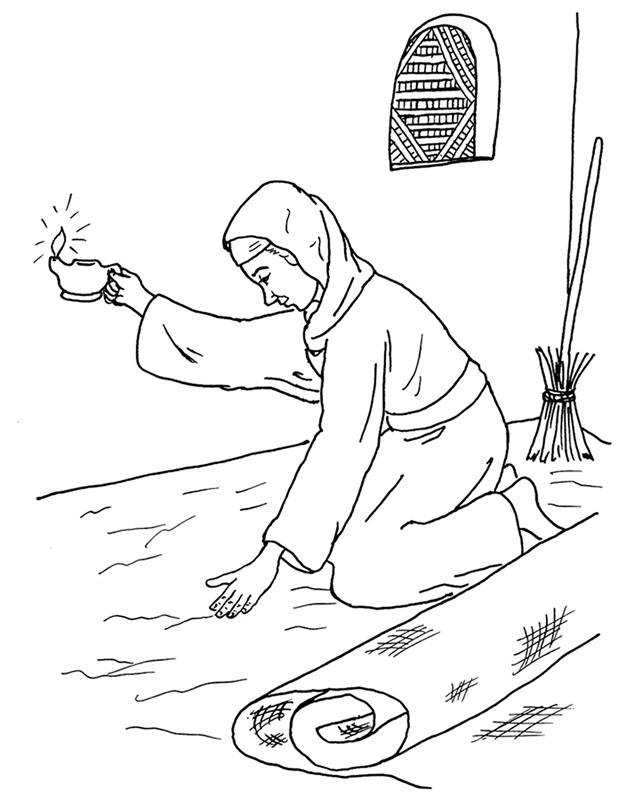
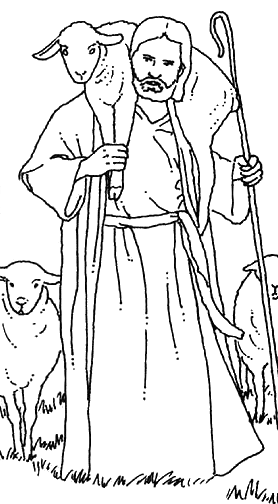
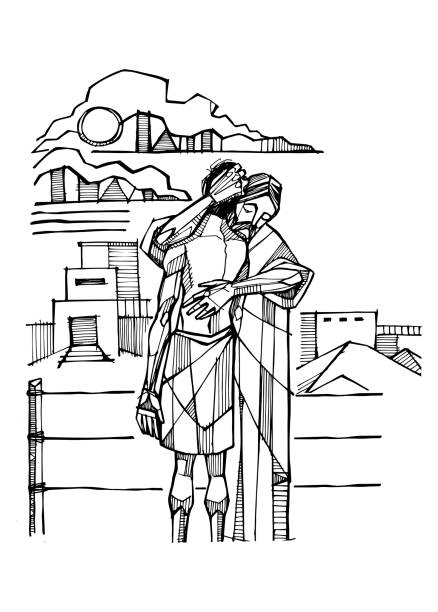
In today’s Gospel, we read 3 different Parables, a shepherd, who out of the 99, lost 1 of his sheep; a woman who out of 10 coins, lost 1 of them and finally, the well-known story of the Prodigal Son. A man who took his inheritance, squandered it and after falling onto hard times, turned back to his father, repented and was welcomed back. On the surface, all 3 of these stories present an economic crisis. The sheep are the livelihood for the shepherd. Food, wool and meat that the shepherd could sell to live by. The lost coin, physical currency that is needed for everyday purchases. And finally, a man who took what was materially owed to him by his father, money, clothes, property, etc. Scripture doesn’t say what the son’s inheritance was, only that he squandered and wasted it. Yet, Christ is not giving us an economy lesson by saying when things get lost or bad then start looking or asking for help. Nor is Christ telling us to approach our relationship with in a transactional way – that if we have faith then we will succeed. Rather, Christ Jesus wants us to look deeper.
What is real wealth and what do we do with it? In the season of Great Lent, we talk about repentance and reflection. About purposefully, spending time reading the Scriptures, learning and praying in ways that will help strengthen our faith. Repentance cannot be done arrogantly. Repentance demands humility and an evaluation, and diagnoses. This is why confession and private conversations with a priest are necessary in our Orthodox Christian lives. St. John Chrysostom says, if doctor’s can heal our physical ailments by diagnosing our bodies, by the grace of God, priests can help heal our spirit by diagnosing our soul. To repent therefore, is not about feeling bad for our mistakes. It is about turning to God, recognizing that fullness of life, freedom and healing is in “Thy Will Be Done.” By turning to God through confession we seek forgiveness and healing.
It is for this reason that St. Stepanos Siwnetsi, an Armenian Bishop from the 8th century comments on these 3 stories in this way: The 1 lost sheep signifies our relationship to God. We are the lost, the sinful who have fallen into iniquity. Rather than abandon us, our shepherd lifted the lost one on his shoulders, lifting us out of sin with his own body, as our Lord lifted the cross and went to His passion. The woman represents the human soul and the coins symbolize our perfect virtues, physical and spiritual: Humility, Patience, Wisdom, Gratitude, Justice, Love, Temperance, Generosity, Prudence, and Honesty. When 1 is lost, by the light which is the Word of God, she begins to “clean her house”, meaning live out the commandments of God, recognize her sinfulness and begins to put things in order until that which was misplaced is restored. My dears, these first two parables of Christ already ask us this crucial question of wealth.
Is our faith, is our communion with God and everything that is encompassed in that, does it bring us to repentance? Do we recognize our brokenness and seek to be lifted up? Can we humble ourselves and accept that we are all lost without the love, compassion and mercy of our Lord and that through a life of reevaluation, repentance and prayer can we be put back in order? Today’s Parables are a call to this recognition – God is the one who lifts us out of darkness, but we must choose to turn to Him, to repent. Which is finally why St. Stepanos reminds us that regardless of our age, our experience, how long or “strong” our faith is, we are either the older or younger son in the third parable. Though one initially sinned, they both sinned at the end in their heart. Yet, the love of the Father went out to them, and brings healing because in both cases eventually the Father goes out to them to bring them, to bring us, back.
My dears, brothers and sisters, what we need is not lessons of economy, that is not what the Church teaches but rather, “oikonomia” (pronounced economia) which is the original word from the Greek for “household management”. Oikonomia is God’s plan and act in salvation, a plan in which we participate in through our very lives by the choices we make, by the path we walk, by the way we treat one another, and the world around us. Oikonomia is not whether we can financially afford a home but rather how we manage our “home.” Through this season of Great Lent, we are once again reminded that repentance through humility, compassion, mercy, love and forgiveness and all virtues are true wealth which help put things in order. By the Word of God, the Holy Scriptures we recognize what is lost and find our way home, find healing from the True Physician of body, soul and mind.
Let us ask ourselves my dear brothers and sister, what is wealth for us and what do we do with that which God has given us? Are virtues such as humility, patience, gratitude, justice, love, etc. far more desirable in our heart or is our ego, pride, self-satisfaction, self-indulgence, self-justification and so forth more important? Do we live a life of faith that is a light in darkness, or do we squander away God’s commandments? Our hope is in Christ Jesus, God the Son, who sees us, and lifts us up upon his shoulders out of darkness. By the grace of the Holy Spirit, our mind is illuminated, and we are called back to the right path. And when we live a life of humility and repentance, through compassion, our Heavenly Father, seeing us in the distance will embrace us, forgive and heal us. “For once we were dead, and now we are alive; we were lost, but now are found.” Amen!
 St. Gregory the Illuminator Armenian Church