Passages: Is. 56:1-57:20; Eph. 4:17-5:14; Lk. 16:1-31
Ընթերցուածքներ՝ Եսայ. ԾԶ 1- ԾԷ 20; Եփես. Դ 17- Ե 14; Ղկ. ԺԶ 1-31
In the name of the Father, Son and Holy Spirit, Amen!

This past week the world-famous boxer George Foreman passed away. At the age of 17, George dropped out of school and became a thug. Later, he got into a lot of fights and so eventually overtime people recognized his talent for throwing a hard punch and he became a boxer. And George Foreman became a good boxer. During one of his fights, he was injured and shaken up and when they took him into the room to check on his well-being, he had a near death experience. In his near-death experience he says, he spoke with God and God came to him. George did not want to die, and he said to God, I’ll give you all the riches I have, to which God answered him I don’t want anything I want you! When he woke from this experience, it startled the doctors, who were there taking care of him because he jumped up and said I must go, I have to go. Everyone was confused and wanted to calm him down. He began yelling, I must get clean, I’m dirty and immediately jumped in the shower and got cleaned up. Without hesitation, he started running for the door and people yelled after him, “George stop you’re naked, you’re not wearing anything.” To which he responded, “the Lord called me I don’t care.”
Later on, as George grew in his faith, and he eventually became a pastor and opened up many opportunities for kids to be in athletics, such as boxing schools. George eventually ended up going back to boxing to raise money for his school and at the age of 47 retired as a world champion in boxing. We all know him with as George Foreman grill or the boxer, but he was also a pastor, who answered the call “I want you nothing else”.
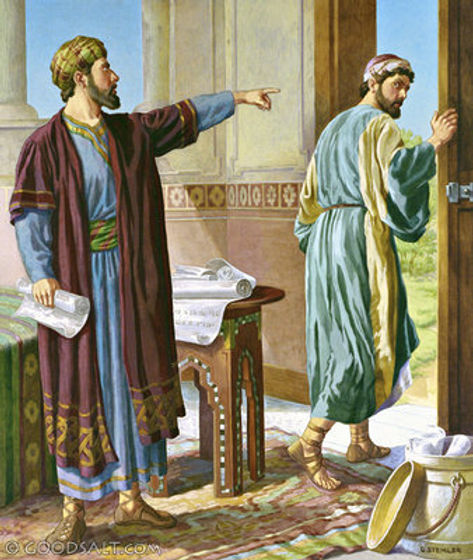
Today is a Sunday of the Unjust Steward. Last week in my sermon I spoke about the economy, not money the economy but oikonomia, the original Greek word which means managing our household. Today, we are talking about how we manage that household by reading the parable of the Unjust Steward, who is caught being unfair and cheating, skimming off the top as you would say, to which he needs to now answer to his boss. At the end of the parable, there’s an interesting line in it where Christ says we should use money, what we have in this world, to make friends for ourselves. What is Christ directing us to?
My dears, everything we have in this world, our bodies, our homes, our churches, our money, our career, our nation, our citizenship, our everything, these are gifts from God. These are gifts that we either squander or we use to do the will of God. It is the Sunday of the unjust stewards and we must understand, who is the steward? You and I, we are the stewards that will answer to God on that final day; we’re we unjust or we’re fair? Do we try to skim off the top, meaning do we try to justify our decisions of the way we live by thinking it’s only one small sin, it’s only one mistake? Or do we strive for faithfulness? God doesn’t need our money, God doesn’t want anything but our heart which is why Christ says I desire mercy not sacrifice. When we are fasting or giving alms or attending church during lent, we’re not sacrificing anything to God but rather in humility we are being self-sacrificing and understanding that there are higher things in life to aim for, the highest of them all being a just servant of God, being a child of God, answering the call of “thy will be done.”
That is why Saint Paul in today’s letter tells us don’t be like the gentiles. He doesn’t say don’t use what the gentiles use. St. Paul tells us don’t be like the gentiles, don’t be like unbelievers. If we claim to believe then we claim to answer Gods call; if we claim to answer Gods call, we will have to answer how we live in today’s polarizing world where everything is about the person me, my body, my rules, my home, my way or the highway, me, myself and I. My dears there is nothing that is mine, all is given to me by God. As a priest my family, my body, my home, my ministry, everything that each one of us has is given by God for a purpose – to be its steward. When God created Adam and Eve and put them in paradise after creating everything, he made them first and foremost stewards of this world. This can be translated and understood as taking care of the world through caring or our climate, but it goes deeper, it is oikonomia, the managing of this house, His House on a grander scale. It means taking care of the world, taking care of everything that God has given us not through our imaginations and justifications but through the very will of God the Master. This is done faithfully through humility, through love, through compassion, through mercy, through empathy. A just steward is to do the master’s will.
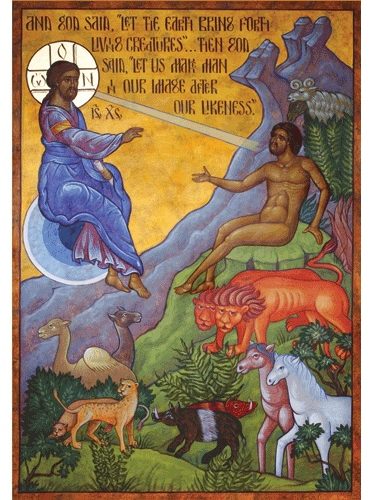
What kind of stewards are we and which master do we answer? Which is why the parable continues with Christ saying we cannot serve 2 masters – either God or money, the material. They’re not on equal, we either use what God has given us such as money or material goods to serve God by loving each other, by taking care of this world, or we usurp God by lifting money and everything in this world as a higher authority and desire and thereby becoming unbelievers and unjust stewards. If we believe my dears that nothing is above the love of God therefore, what kind of stewards are we? For this reason our church fathers have given us this Sunday in Great Lent to ask why and what are we preparing for with the resurrection of Christ on Easter Sunday. Are we preparing to crack eggs for Easter, chocolate bunnies or the nice weather? Or are we preparing for new life to be born in us, are we preparing for renewal of hope, are we preparing to answer our master as stewards. George Foreman got up and ran when he learned what it means to answer God. To be cleansed and to not care how he looks but cared for the higher purpose. We, my dears, have been cleansed by the blood of Christ, as baptized children of God, what kind of Stewards are we?
May the grace of God strengthen us may we answer as justified stewards living a life that does his will using what God has given us to lift each other up their love to have compassion so that on that glorious day together we will stand before our Lord and say and we will hear the words come to me my good and worthy servant and I will give you rest?
 St. Gregory the Illuminator Armenian Church