Passages: Acts 20:17-38; 1 John 3:2-6; John 9:39-10:10
Ընթերցուածքներ՝ Գործ. Ի 17-38; Ա Յով. Գ 2-6; Յով. Թ39 – Ժ10
In the name of the Father, Son and Holy Spirit, Amen!
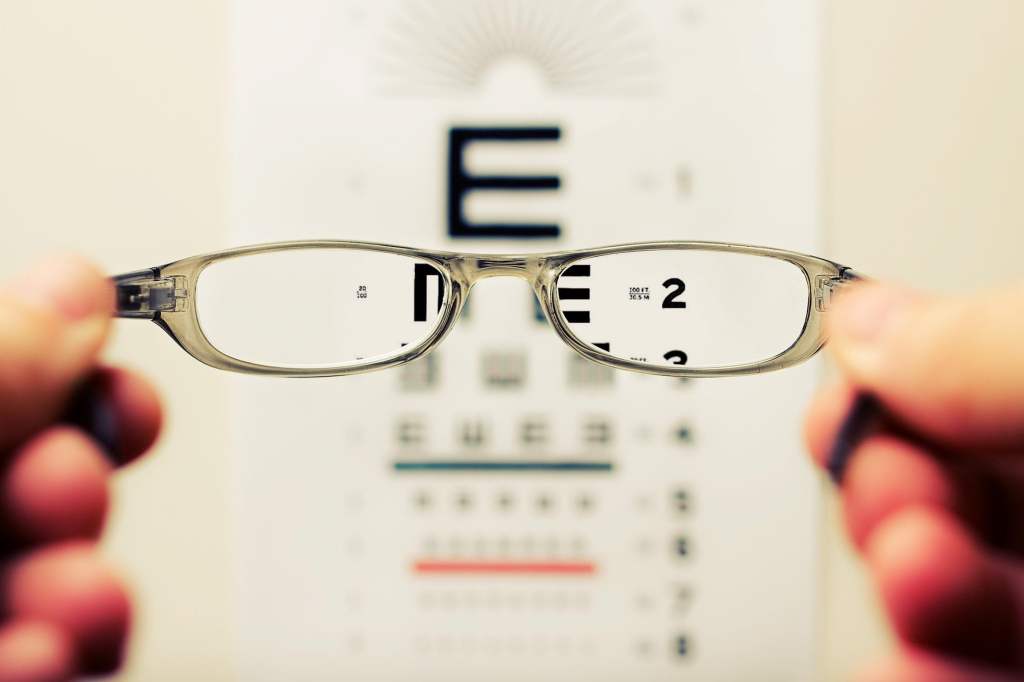
As babies we begin to see from the moment of birth, though our vision is limited initially. At first, babies see in black and white and some shades of gray however, within 2 months, babies recognize faces, and they begin tracking with eyes. From 4-6 months a baby’s vision has developed more and even their eye color perhaps begins to change. We don’t often think about our ability to see. We wake up and go about our day. Yes, some of us may need glasses or contacts but we so easily take for granted this beautiful ability from our birth. I was once speaking to someone who had begun suffering from macular degeneration, which is an eyes disease that progressively gets worse leading to blindness. What this person told me was that the knowledge of losing their sight, the possibility of blindness, felt worse than when their sight began to worsen. When they began to recognize how important their ability to see was and that they stood to lose this sense, this made them feel far worse than the actual physical ailment.
Therefore, it feels strange to read in the opening words of today’s Gospel of John, that Christ is bringing blindness: “And Jesus said, For judgment I am come into this world, that those who do not see will see; and that those who see might become blind.” Throughout Scriptures we read of how Christ brings healing to all, especially the blind. Yet, here it feels as though he is implying that through Him, there are certain people who will become blind. When we think about our own lives and the reality of sickness – all to often we ponder, why would God allow sickness in or lives? Maybe it is punishment, or God trying to teach us something? In fact, the disciples had this exact same question when they met a blind man earlier on in the ministry of Christ. We don’t know the man’s name; he didn’t approach Christ and in fact, he didn’t even call out and ask to be healed. All of his life he had lived in complete darkness, born blind with no idea what it meant to see. What is more, his physical condition was every bit as hopeless as if he had another horrible sickness, because his blindness left him with no physical worth in society; he was reject and just a beggar. But we read in John 9:1 that Jesus saw the man as he passed by and healed him.
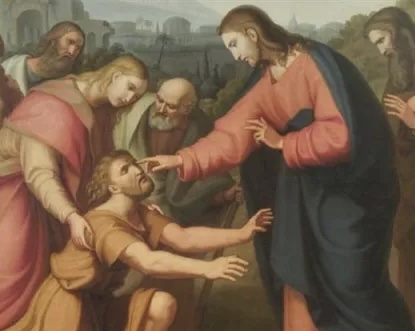
My dears, God does not punish us through sickness! God is not a retributive God who punishes those who choose sin, or allow famine, or pain or hurt to befall us out of anger. This idea comes to us from ignorance, that if something bad happens to us, God allows it as a punishment or as a balancing of scales. Yet, St. Paul writes in Hebrews (10) “This is the covenant that I will make with them after those days, saith the Lord, I will put my laws into their hearts, and in their minds will I write them; And their sins and iniquities will I remember no more. Now where remission of these is, there is no more offering for sin.” This means my dear brothers and sisters, that God’s love through Christ Jesus on the Cross has removed the stain of sin and thus the punishment of sins. Through by the Holy Spirit, God’s law – meaning His presence and love is written in our hearts and minds. Therefore, we are not punished for sins by God through suffering. Yet, this begs the question why does Jesus say that through Him, some will become blind?
During the Soviet Union, a young teacher who has been educated in the atheist soviet school system, is talking to her elderly mother who was born before the USSR took over and she is trying to convince her mother that God does not exist. She asks her mother, when you look at the apple on the tree and it falls to the ground, that is gravity; that is the law of Newton and everything that exists is bound to this law of nature. The elderly mother says, “perhaps.” “Therefore, if God exists, why doesn’t he fall from the sky?” asks the young teacher. “I don’t know,” says the elderly woman, but she asks, “you only see the apple falling. Do you see how it falls? You see the top, bottom and the process of decline, but what about the force of gravity, do you see that?” To which the young woman remained silent.
My dear brothers and sisters, our ability to see is a beautiful gift from God but, sight is not limited to what we see physically. There are things around us that we can only begin seeing through a deeper sense of wisdom, humility, compassion and love. I can stare at a piece of artwork for hours and only see paint, whereas an artist can count brush strokes, and see technique and expertise beyond just my ability to see. Christ sees the blind beggar through His divine love; in the same way He sees all of us in our suffering. In Psalm 139, St. David writes that God saw us before we are even born, unformed and imperfect in the same way a parent will look at their child and see hope for the future, and love. Which is why St. John Chrysostom also says that if we want to see God in Church, if we want to find Christ in the Chalice, we need to see Christ in the beggars and those rejected and hurt in the streets. This is sight beyond our physical ability to see and is far more valuable.
Yet, when we are arrogant, when we are full of hatred, when we are self-justifying, prideful, vengeful, resentful, lustful, etc. we become blind to the truth and love of God. Theophylact of Ochrid, a saint of the Eastern Orthodox Church teaches us, that the Pharisees by rejecting Jesus had become blind in their souls. Christ isn’t punishing them by taking their ability to see, rather the Lord desires to show them that it is better to be blind physically than to lack faith, to lack love, to lack hope. They chose blindness over divine sight.
The truth my dears is that God does not punish us with sickness or pain. These things exist in this world because of its brokenness. God desires us to be healed, to be loved, to be seen. But we condemn ourselves when we distance ourselves from Him; when we abuse our bodies, our minds, our neighbors, our environment, etc. This blindness is far more painful than physical blindness because physical ailments limit our physical abilities, but they never devalue who we are, whereas, through spiritual ailment such as spiritual blindness, we begin to devalue ourselves and those around us.
God loves us; God sees us; God heals us regardless of what this world says about us. And when we live a life of repentance, humility, love and compassion, when we come into Communion with our Heavenly Father, through Christ Jesus then the Holy Spirit will open our eyes to see more than what is in front of us. To see beyond darkness, hurt and rejection. As children of God, we are still babies and our vision is limited, but through faith and hope, our vision will improve; and we pray therefore for that sight. Let us recognize that the person next to us in the pew, and those out there who act different, think different, believe and live different than us, are just as loved and valuable to God and we are called to love them for beyond what we physically see of them. And know that God our Heavenly Father sees us, loves us and will strengthen not just our physical bodies but also our souls, to bring glory, love and compassion to His whole creation, now and forever, Amen!
 St. Gregory the Illuminator Armenian Church