Scripture Readings: Is. 13:2-11; 2 Corinthians 7:4-16; Mark 7:31-37
Ընթերցուածքներ` Եսայ. ԺԳ 2-11; Բ Կորնց Է 4-16; Մարկ. Է 31-37
In the Name of the Father, Son and Holy Spirit, Amen!
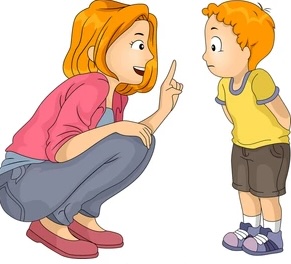
“You need to beat your children!” A number of years ago, the Canadian Indian comedian Russell Peters put out a comedy special where he spoke about how his traditional Indian father would discipline him by beating him. Naturally, he was not advocating for corporeal punishment of children but rather emphasizing the above all else, that a parent must discipline their child when that child misbehaves. Growing up in a traditional Armenian family, as the eldest son, anytime I stepped out of a line, and I will admit this was a daily occurrence, my father did not hesitate to discipline me with the fullest extent of a parent’s authority. At that time being on the receiving end of that “discipline” I felt as though I was being treated unfairly. However, years later, after having matured and become a father myself, I began to wonder, what did my father feel when I made those mistakes? What was going through his mind when he punished me?
St. Paul in his 2nd letter to the Corinthians brings wisdom to this question. In ch. 7:8 he writes, “For even if I made you sorry with my letter, I do not regret it (though I did regret it), for I see that that letter grieved you, though only for a while.” St. Paul, is the father of the Church in Corinth and he felt a regret because in his letters he was forced to rebuke, meaning punish and discipline his children. A true parent – spiritual, biological or educational – has no desire to rebuke, or punish their child. They take no joy in “beating” their children. However, what they desire to see is that their children grow to their fullest potential. Likewise, St. Paul acknowledges he takes no pleasure in punishing the Corinthians. However, when it comes to them, they remained rebellious and disobedient to almost everything St. Paul taught them about being a follower of Christ. In fact, in chapter 2, when St. Paul visited the Corinthians, we read that there was a man who led an opposition against him. This hurt him so much, that eventually St. Paul cut his visit short and returns to Ephesus where he writes a sorrowful, and tearful letter to Titus his student.
A couple of years ago, when I was driving with my father, he spoke to me about how he regretted, he felt hurt, each time my life choices, my decisions, my sins forced him to rebuke me, punish me rather than spend time with me. Yet, he added, though he felt remorse, he was grateful to God, that ultimately, through those punishments I examined my life; I grew into the God-fearing man I am today (no not perfect but), who is not only a father but also a spiritual father. My parent’s hurt turned into joy and gratefulness, when my eyes, and ears were opened to learning and growing, maturing into who my parents desired me to become.
My dear brothers and sisters, there are 2 things we need to remember clearly: First, God our Heavenly Father, does not take joy when we are punished for our sins. God is a loving Father, and because of that love God Himself feels hurt and regret when we reject Him, when we choose to live lives that are sinful. Ultimately a sinful life is not about making mistakes but about rejecting and denying what God has planned for us, ignoring his love, embracing our arrogance and shortcomings, rather than learning. When we don’t live to our fullest potential, when we remain blind and mute, ignorant and rebellious to what God desires for us, His children, we come face to face with those consequences! Yet, the 2nd thing we must remember is that those feelings of regret which St. Paul, our loving parents, and even God likewise feels, turn into joy when our discipline transforms into discipleship and repentance. When we read in Holy Scriptures, passages like Genesis 6:6-7 and 1 Samuel 15:11 about God’s regret, they describe God’s grief, disappointment, or sorrow over human sin and its consequences. This grief shows His love for us! That our sinful choices which may hurt us, also hurt Him.
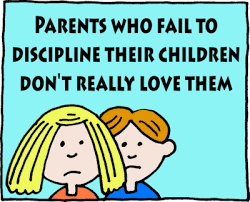
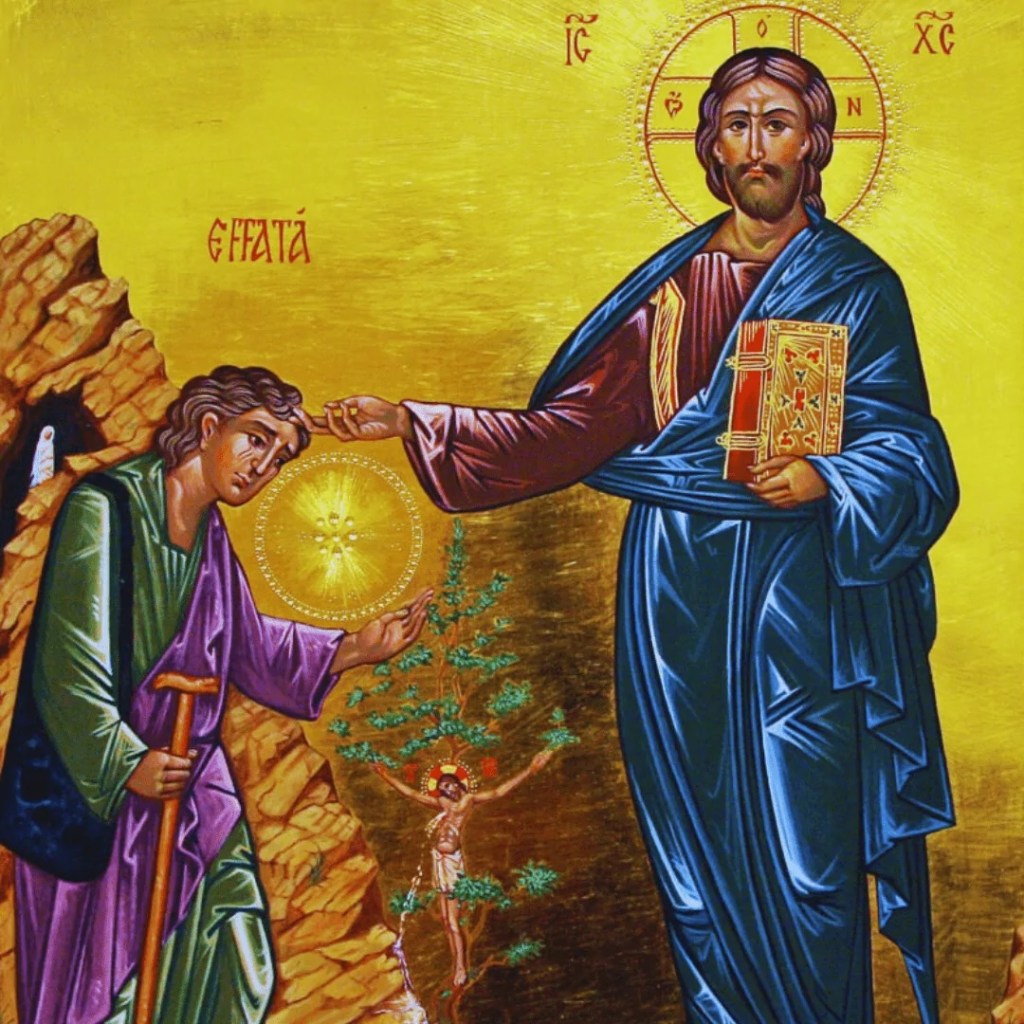
In Armenian the word for sin is mekhk! In modern Armenian that word also means pity. How? In today’s Gospel, when we read that a mute and deaf man was brought to Christ for healing, we read, “then looking up to heaven, He [Jesus] sighed…” to which the Church Father’s say, his sigh was a sign of divine compassion for humanities sufferings. God hurt because when we choose sin over God, His love pities us, has compassion on us because He had planned far greater things for us. Yet, even when we sin, even when we reject and abandon Him, He does not abandon us. Just like a loving parent, God’s guidance, compassion and mercy try to discipline and guide us to be illuminated. In Proverbs 13:24 we read, “Whoever spares the rod hates their children, but the one who loves their children is careful to discipline them.” These words from Proverbs on parental discipline emphasize that correcting our children is an act of love that prevents further destruction. The “rod” symbolizing a form of discipline (not necessarily always physical) is used to teach wisdom, to correct, and guide a child toward a good path.
My parents had no joy in punishing me; however, their love, which would not abandon me to my sins, drove them to guide me, disciple me even if in that moment the punishment was severe. Through the Holy Scriptures, the Holy Church, the lives of the saints, priests, parents, teachers, and through many other means God reveals to us and guides us. When we choose sin, through His love and compassion, though it may feel unfair to us in that moment because we are not getting what we wanted, God provides us with “rods” – means to be healed, to reflect, and to repent. Repentance is not a feeling of regret. Repentance is response to our hurt. It is a reflection and turning to God! When we repent, it is not a feeling of regret or avoiding consequences that our choices result in. When we repent, it is about turning to God, calling out in prayer, “Jesus Christ Son of God, have mercy upon me a sinner.” Heal me, open my eyes, my mouth, my ears. Heal my senses to recognize all you have done for me and continue to do. And Christ our Lord, will take us, sigh with compassion and call out, “Ephphatha – Be opened”. God will forgive us and heal us!
It is for this reason, this love and compassion, Christ came into this world, took on flesh, suffered, felt hungry and pain, ultimately, willfully being crucified for our sins, and through His resurrection, having defeated death, through faith we begin to heal and understand that love. This healing also recognizes that it is ultimately our choices that result in our punishment and not a vengeful parent or God that takes pleasure in hurting us. We choose hurt, when we enforce our will, our way, our arrogance, pride, etc. When we do this, we in fact hurt God so much so, that He is even ready to die for us, to make us whole. For everything God does is for us to grow into the image and likeness of Him in which we are created in; to be His children. However, this is only done when we turn the rebuking, the punishments, and instructions from God into an opportunity to repent. That repentance will turn His regret into joy – when our sinfulness through repentance turns into earnestness, eagerness to clear ourselves, longing, zeal and faith as St. Paul says. “There will be more joy in heaven over one sinner who repents than over ninety-nine righteous persons who need no repentance”. (Lk. 15:7)
Therefore, my dear brothers and sisters, if we feel rebuked, hurt or scathed by what God shows us through the Holy Scriptures, through the Holy Church, then let us be awakened. Let us turn to Him call out as a child calls out to a loving parent yearning to learn and grow. Let us repent and be transformed and our eyes will be opened; through the Holy Cross our sins will be healed, our brokenness will be restored, and we will learn to grow into who God our Heavenly Father has created us to be. No, we do not need to beat our children, as the comedian jokes. Yet, let us recognize the “rod” of a loving parent, of a Heavenly Father is there to guide us always. And when we grow and mature to this understanding, through the care and love of our parents, teachers, priests and God, we will be made whole again, as the children who glorify their Heavenly Father, the Son and Holy Spirit, Amen!
 St. Gregory the Illuminator Armenian Church