Passages: Is. 54:11-55:13; 2 Corinth. 6:1-7:1; Lk. 15:1-32
Ընթերցուածքներ՝ Եսայ. ԾԴ 11 – ԾԵ13; Բ Կորնց. Զ 1- Է 1; Ղուկ. ԺԵ 1-32
In the Name of the Father, Son and Holy Spirit, Amen!
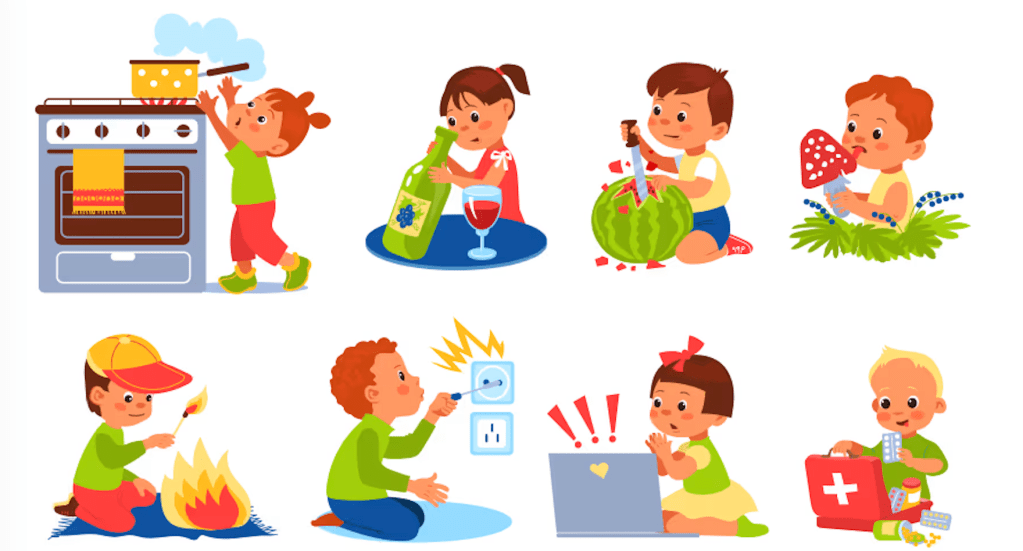
I remember as a kid I made a lot of mistakes. I’ll admit, even as an adult, I still make mistakes. However, as I get older, the mistakes I made had far more serious consequences. For example, if as a child I didn’t eat what was in front of me, my parents would punish me with no sweets or TV. As an adult if I neglect to eat healthy, it will impact my health negatively. If as a child, I broke the rules, I would be sent to time out. Yet, as an adult, when I drive fast and break the law, I get a speeding ticket, must pay a fine to the police, or could end up in jail. Regardless as an adult or child, my mistakes hurt my parents and loved ones, yet, ultimately, my mistakes truly hurt me. Well, my dears, we all make mistakes! Our mistakes have consequences; our mistakes leave a mark, but our mistakes do not define who we are. That is why there is a difference between a mistake and sin. Yes, we all make mistakes, yes, we are all sinful and fall short of the glory of God (Rom. 5:12-19) as we read in the Scriptures, but there is a difference between the two.
The first difference is intent my dears. If I play baseball or football and during the game I throw the ball so hard it hurts someone or damages someone’s property, that was a mistake or what we would call an accident. If I break the law while driving, and get pulled over, or get into an accident, again that is a serious mistake but still a mistake. Mistakes are a result of carelessness and poor judgement. Mistakes though they leave a mark, and the consequences can hurt, yet they do not devalue us in anyway shape or form. We can often easily fix a mistake. In fact, the most successful people in the world, are the ones who make the most mistakes, but only when they learn from those mistakes. Yet, if I purposefully choose to cause harm, if I choose to break the law with malicious intent, then my mistakes become a sin. When choosing to do wrong, when causing hurt to others physically, emotionally, spiritually or psychologically to lower them, my mistakes turn into a sin. Though mistakes can happen accidentally, sin is almost always with understanding. Knowing right and choosing wrong!
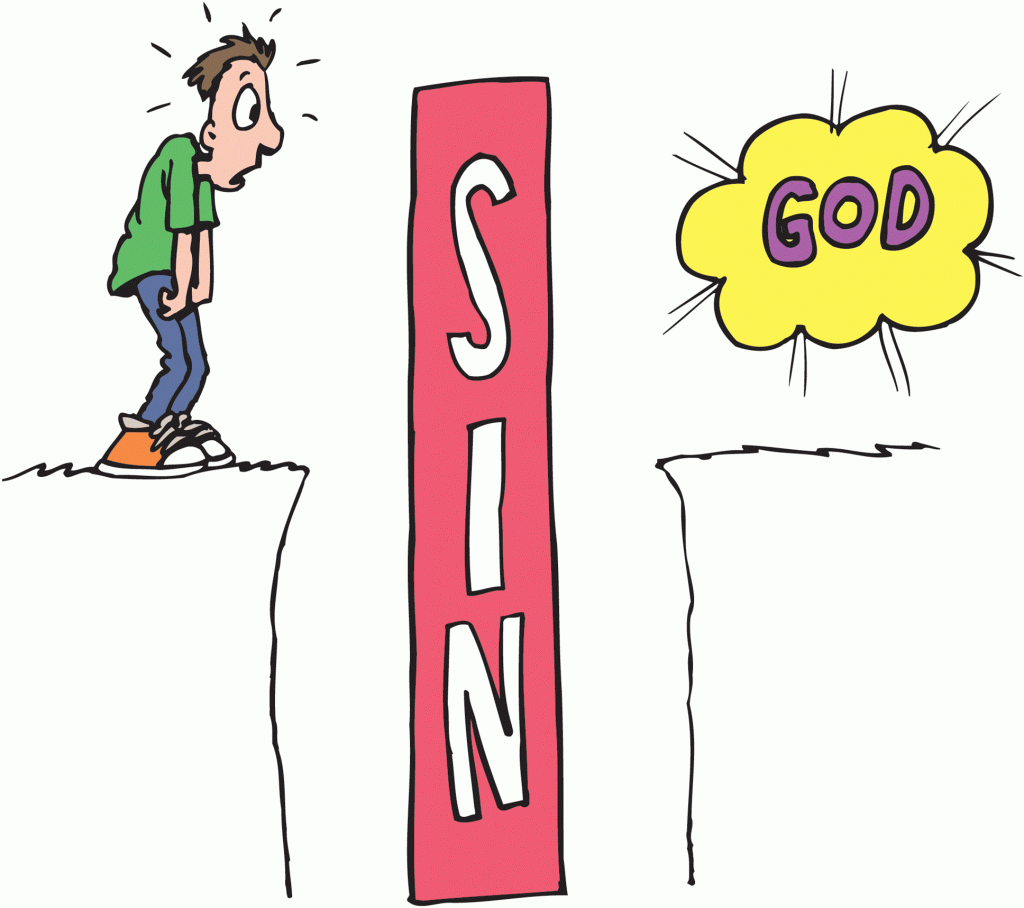
This leads into the second difference my dears. If I don’t learn from my mistakes; if I remain prideful, and search for self-justification from my mistake, than my mistakes become a sin. Intentionally and maliciously choosing to reject what is right, when I know right from wrong, and rejecting the opportunity to learn, to admit when I am wrong, is what changes our mistakes into a sin. And because of us this, many times it is sin that drives us to make further mistakes. Last week, on Expulsion Sunday, we recognized how Adam and Eve knowing the commandment of God, they chose “pride”, they chose self-justification and personal autonomy, by rejecting God’s love, God’s providence and guidance. Yes, they ate from the forbidden tree; they made a mistake. Yet, there sin began not from the tree but from the moment in their heart, they twisted the words of God. What do we read in Genesis? God commanded them not to eat of the tree and yet, when the Serpent, when the devil asked Eve, “Did God really say, ‘You must not eat from any tree in the garden’?” The woman said to the serpent, “We may eat fruit from the trees in the garden, but God did say, ‘You must not eat fruit from the tree that is in the middle of the garden, and you must not touch it, or you will die.’” Well my dears, God did not say, You must not eat fruit from the tree that is in the middle of the garden, and you must not touch it. Rather, God said you must not eat it.
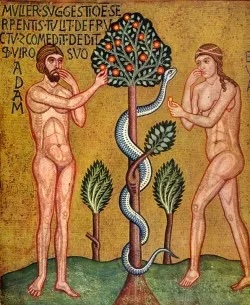
This means Adam and Eve’s mistake of allowing the serpent to converse with them, turned into a sin and led to further mistakes and sins, when they in their heart and mind already rejected right from wrong, before they even ate from the tree. And rather than apologize and learn from it, rather than repent, they began blaming God, and each other. With intent to lift themselves up, they in fact, devalued themselves, from what God had created them to be. Perhaps if they had asked for forgiveness, even though their mistake would have had a consequence, yet, God would have forgiven them. Yet, their mistake became a sin not when they ate from the tree of knowledge, but when they choose to reject God in their heart and mind.
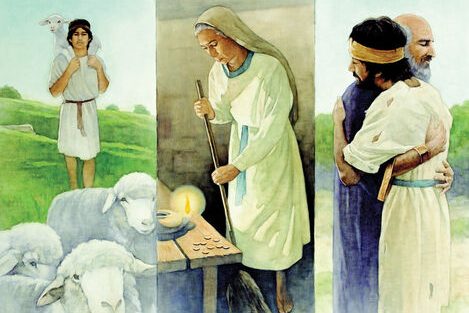
My dears, how many mistakes in our life do we have the opportunity to turn away from before they become a festering sin in our lives? How many mistakes do we not learn from daily? Today, we reflect on the Parable of the Prodigal Son. On this Sunday the Gospel reading includes 2 other parables – the lost sheep and lost coin. In all three passages, the underlying theme is what? Asking for forgiveness? Yes. But also joy! Joy in revaluing, reorienting, and understanding that we all will get lost in this life, we all will make mistakes. This is what we learn from Scripture as repentance – turning from mistakes towards joy, towards God. My dears the world will too often see us as useless, unworthy, and repulsive because of our mistakes. Even our own friends and family might use the mistakes of our past to condemn us. We even in our own eyes see ourselves as lesser because of the scars we have. Yet, when we repent, meaning when we turn to God, when we learn from the mistake, and pray for forgiveness, endure our Cross, then the mistakes we make, will not turn to a sinful life but rather will turn for an occasion of joy that God’s love is greater than our mistake, our hurt, our pain, our addiction and darkness. We will not remain lost; we will not remain devalued in our own eyes or the eyes of the world because we will recognize that God our Heavenly Father lifts us up each time we do make a mistake, each time we are tempted to fall into sin.
My dears, the greatest mistake which can turn into the greatest sin of our life is hopelessness; it is thinking in our heart and mind that our sins are far greater than the love of God. Yet, the greatest joy is when we learn that this is not true! For just as the prodigal son was filled with joy when he came back to his father, ready to live with the consequences but as long as it was in his father’s home, and he was embraced with love, we too through repentance, though will have consequences for the mistakes we’ve made, when we are with our Heavenly Father, the sins we have committed will be forgiven, we will be embraced in His love. My dears, this is the difference between mistakes and sin. While we all make mistakes, and while we all will sin, when we humble our pride, our ego, our hopelessness, when we turn to God through reading of Holy Scripture, daily prayer, attending Church purposefully not passively, than though our mistakes which may leave a scar, through the scars on the hands of Christ Jesus our Lord who is crucified, our sin will be forgiven.
Repentance is not about feeling bad for a mistakes or hoping that there are no consequences but rather it is recognition that by turning to God, mistakes or sins, and the scars that are in our lives are washed away through Christ. And through that washing, we will see and know who we truly are, regardless of our mistakes, regardless of our sin and continued darkness, we are a beloved child of God; and likewise, through repentance we will begin to see the true value of all people, all of God’s children, regardless of their mistakes, regardless of their scars, regardless of their sin and continued darkness.
For the love of God is greater than all our mistakes, His compassion and mercy wipe all our sins. When we repent and turn back to Him, He will embrace us and there will be joy not just for us but in the Heaven’s themselves as we read, “I tell you, there will be more joy in heaven over one sinner who repents than over ninety-nine righteous persons who need no repentance.” Don’t allow our mistakes to become sins. Rather, allow the Lenten time of prayer and fasting be for us a time of self-forgiveness, humility, repentance and learning. For the mistakes of our past, present and future, our darkness, pain and hurt are not where our value lies. We are the lost sheep that is searched for and found, the lost coin that is swept for and rediscovered and the prodigal child who when chooses to come home, will be embraced by God the Father, Son and Holy Spirit, Amen!
 St. Gregory the Illuminator Armenian Church