Passages: Is. 65:8-25; Phil. 3:1-4:9; Luke 17:20-18:14
Ընթերցուածքներ` Եսայ. ԾԵ 8-25; Փիլի. Գ 1- Դ 9; Ղկ. ԺԷ 20- ԺԸ 14
In the name of the Father, Son and Holy Spirit, Amen!
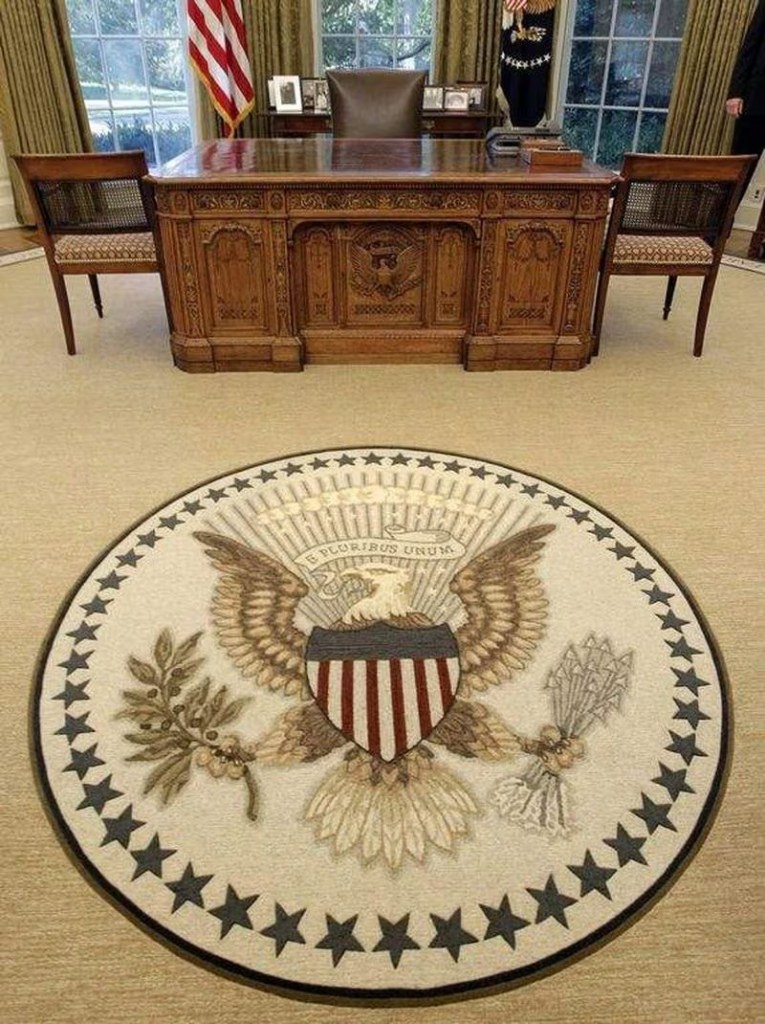
This past week, many people across the United States tuned into the State of the Union by the President of this country. Regardless of his comments, regardless of what reactions his comments received, people looked to him for answers because he is the president of this country and he is the one who has received authority to govern this land. As a leader, we look to him and other people like him for answers in times of uncertainty. When I say people like him, it isn’t an indication of his beliefs, personal life or practices but rather we look to his authority. We all have people who have certain authorities in our lives or perhaps we are individuals with certain authority. As parents, as a pastor or community leader, as a business owner and entrepreneur, or even as someone who is older and more experienced. There is a certain authority that comes with office, knowledge, position and age. An authority we look to when we have questions, when we want to learn something and for guidance. Even in the Scriptures, we read of how the Pharisees questioned Christ by questioning what authority he was teaching and doing all his miracles by. Yet, there is something very important that we must acknowledge my dears – if we have authority, if we are in a position of power, or if we are someone who people look to for answers, what kind of an example are we?
This question has little to do with our political viewpoints or some other arbitrary barometer because contrary to what society teaches us today, God’s love for us is not limited by our voting patterns. God does not care whether we think left or right, democrat or republican, donkey or elephant. Or as Armenian’s, God does not care if we are Ramgavar or Tashnagtsagan, a supporter of Pashinyan or Der Pedrosyan. Would you like to know what God cares about? God care about how we live my dears. What we do with our heart, mind, hands, feet, mouth, etc. God cares about what kind of an example are we as people with the authority we have. What do we, what does any political leaders, kings, queens, priests, parents, doctors, lawyers, business owners, students – what do we do with this life.
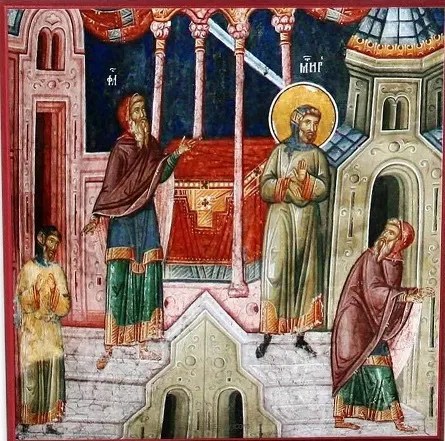
To learn this more clearly, look at today’s Gospel reading where we have 2 important parables – One shows a judge who is stubborn, hardhearted, “a judge who neither feared God nor regarded man” meaning he was pompous and arrogant. He cared about himself and the authority he had, not what responsibility that authority demanded of him. And only after being fed up from a certain widows nagging plea does this judge listen to her case. We read, “Though I neither fear God nor regard man, yet because this widow bothers me, I will vindicate her, or she will wear me out by her continual coming.” Following the parable we read of the Pharisee and Tax collector who both go to the temple to pray. Once again, we see the mindset, the spirit and heart of both men who have authority. The Pharisee who is arrogant, and fully of himself; proud of his authority without any regard to what that authority means. And the sinful and rejected tax-collector – who by the way, has even greater authority than the Pharisee. The Pharisee is who? A spiritual leader, a man who knows the laws of God. Meaning his authority is from God – only useful if you believe in God. The tax-collector has his authority from whom? The Roman government. In other words, it’s the priest vs. the IRS – guess who has more authority? Yet, the tax-collector, who could easily turn around and tax the pharisee who just insulted him, who had greater authority according to this worlds standards, he remains humble, beats his chest and “would not even lift up his eyes to heaven, but beat his breast, saying, ‘God, be merciful to me a sinner!’” What a contrast between these men of authority.
Nowhere in the Scripture’s does it indicate how they voted, who liked them or who agreed with them; No, my dears. What we read and what Christ reveals to us is – yes, there are people with authority in this life, who are called to a certain position and office. Maybe we ourselves are called to have certain responsibilities and authorities in this life. But what are we doing with that authority? How do we live? How do we live means, what do we do with our time? How do we treat those under us, above us, next to us and around us? Do we live judging others? Do we desire to grow and learn about God? Are we patient and forgiving? Do we respect our bodies, our earth and our communities? You see, though some of us in this life have been given a certain authority, all of us my dear brothers and sisters, each and every one of us, through our baptism has received a divine authority. An authority not of this world, not of paper, not of politics but of the grace and love of our Lord Jesus Christ, as St. Paul teaches us that what we gain is “…found in Him, not having my own righteousness, which is from the law, but that which is through faith in Christ, the righteousness which is from God by faith” (Phil. 3:9)
We have the authority as children of God to do what? To be an example of God’s love, healing presence, hope and mercy in this world. This authority demands a responsibility which is revealed to us in our own humility and recognition that what we have is given by God to us so that we will likewise give to others. Regardless of our age or gender, regardless of our political views or jobs. That is why I said God cares about what we do with this life. We don’t live a certain way to gain favor with God; God already loves us and has invited us to be in Communion with Him through His Son Jesus Christ. Rather, we live a certain way because it is a reflection, and recognition of the renewal and revelation of God in us and through us. If we look to earthly authorities for earthly answers than it is to the divine we look for Godly answers. The Divine which we are called to be imitators of – God’s presence in this world.
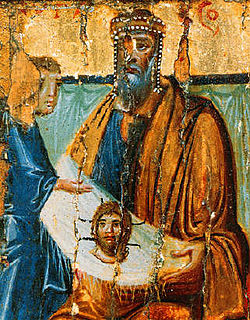
Over the last few weeks we have looked at the saints of the Church, especially those whom we remember during the Badarak. Saints who are examples to us of what it means to be an example of Christ’s presence in this world. Last week we reflected on those teachers, Apostles, martyrs, etc. who are examples to learn from. Yet, God calls all of us to that same sainthood. God calls even the earthly leaders and teachers, kings and commanders to be an example not of governing but of his love and compassion. That is why among the saints of the Badarak we remember Takavorats Havadatselots (the devout faithful kings). So many people argue about what President Trump posted on twitter (sorry X) or what flavor ice cream President Biden likes. We can quote policies, successes and failures of leaders; we can speak of statistics and spew information about celebrities and socialites. Yet, how many of us know about the Godly saints like King Abgar, King Trdat, or Emperor Constantine? King Abgar, who was king of the city of Edessa , who in the 1st century accepted Christianity and according to tradition had a correspondence with Christ Jesus. St. Abgar having become ill with a terrible disease and having heard of Christ’s miracles of healing, sent a letter to Christ inviting Christ to Edessa. The King’s messenger, Anania, arrived around the time of the Crucifixion and according to the tradition, the Lord sent the impression of his face on a towel through his disciple St. Thaddeus (Addai), the original icon made without hands, venerated throughout Orthodoxy. The King was cured by his faith and converted himself and his Armenian realm to Christianity.
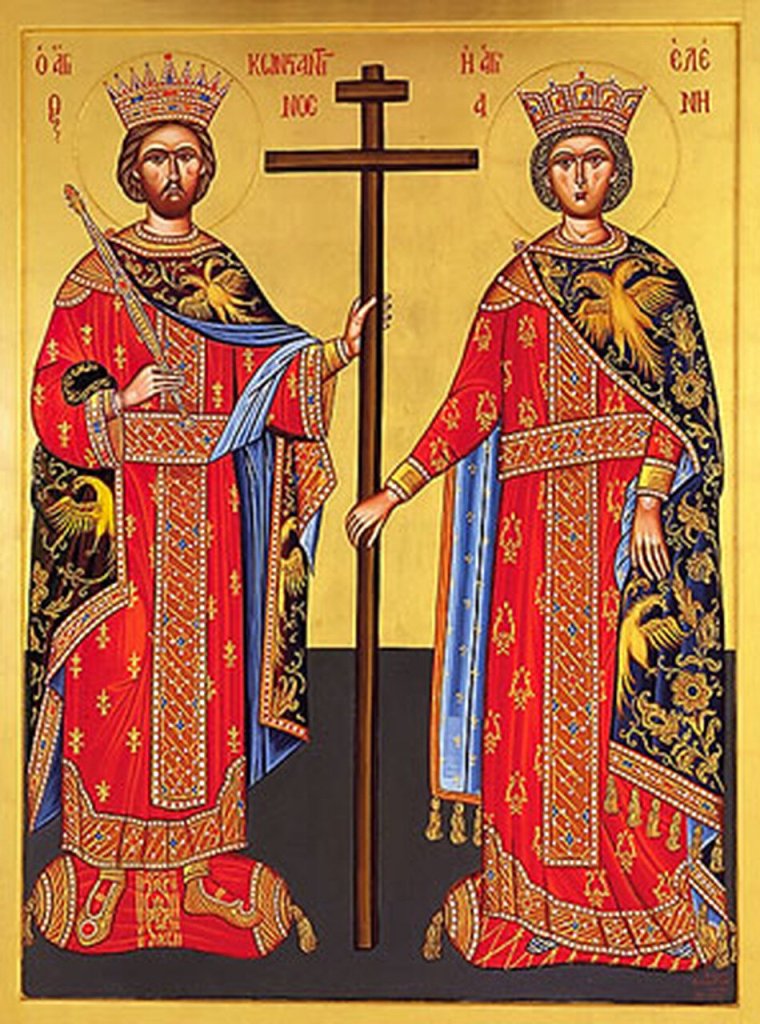
Or perhaps St. Constantine (324 -337) who is a saint of the universal church, remembered for his pivotal role in the acceptance of Christianity in the Roman Empire and the spread of Christianity as a world religion at a time when Christian’s were persecuted. Declaring official tolerance of Christianity of the Roman Empire in 313 by the Edict of Milan, he also in 325 convened the Council of Nicaea, from where we receive our Nicene Creed, to resolve doctrinal disputes in the church and who later, along with his mother, St. Helen, also commissioned the construction of the Church of the Holy Sepulcher in Jerusalem and the Basilica of Bethlehem. And I hope we all know who King Trdat was and what he did. My dears, what did these kings, queens and leaders do with their authority? What lives did they live and why are they remembered as saints?
And even moreso for us, what do we do? How do we live? As we are only a couple of weeks away from celebrating Palm Sunday and Holy Easter, as we are on the latter part of our Lenten journey this year, let us ask ourselves, how are we better by this journey? How are we more connected, how much better do we know our Lord? Like I said, we reflect on our work not to gain favor with Him but because as we read in James 4:7-10, “Draw near to God, and he will draw near to you. Cleanse your hands, you sinners, and purify your hearts…” In order to draw near to God, we must humble ourselves, put away our egos, and embrace the love of God for all of us. We need to ask ourselves, what kind of life are we living? What do we do with what God has entrusted us with? For “The Lord does not show Himself to a proud soul. The proud soul, no matter how many books it reads, will never know God, since by its pride it does not give place for the grace of the Holy Spirit, while God is known only by the humble soul.” – St. Silouan the Athonite, Writings, III.11)

Therefore, let us not worry about the authority of our world leaders but let us pray for them. Let us not focus on what authority we have but focus on using that authority to bring healing, reveal compassion and forgiveness and reflect God by how we treat others. Let us in times of struggle, turn and learn from our saints whom God has ordained and recognized to teach us. Let us live a life of prayer, repentance and mercy, giving All glory to our Lord, who call us to Him, embraces us as a parent and calls us His children. By the intercession of our saintly kings and the love our Lord, may we be a light to this darkened world who is looking for answers, Amen!
 St. Gregory the Illuminator Armenian Church