The Opportunity of Doubt

Passages: Is. 9:8-19; 2 Corinth. 1:1-11; Mk. 4:35-41
Ընթերցուածքներ՝ Եսայ. Թ 8-19; Բ Կորնց. Ա 1-11; Մկ. Դ:35-41

In the name of the Father, Son and Holy Spirit, Amen!

One day, I was with a group of friends, and we were having a conversation with a priest, and the priest asked us an interesting question. Have you ever doubted God in your life? Most of the group, even I, acknowledged that yes, sometimes we had doubted God’s existence or even His presence in our life. There was however, one girl in the group who said, no she had never doubted God. While some of us in the group felt like “wow, that must be so good, to never have doubt” the priest surprised us by saying to her how difficult it must be for her to trust God. Perhaps it was prophesy, perhaps the priest knew something we didn’t, because a few years later I learned that when that same girl had come into some hardship, she had completely abandoned her faith and God.

My dear brothers and sisters, do we doubt God? Is doubt a bad thing when it comes to our faith? Some of us think so. Yet, as the elderly priest explained to us when we were surprised by his answer to the girl, doubt gives possibility for growth. As modern people, we feel safest when we know and have certainty. We know it is going to rain, so we dress appropriately and take an umbrella. We know we have to maintain our health and so we, hopefully, follow the doctor’s orders. We know that the sun can burn and so we put on sunscreen. We know how bad Chicago traffic is and so we leave a bit early when we head downtown. We are comfortable when we know and doubt, especially in our faith makes us scared. We fear doubt and think that perhaps our faith is weak; if we doubt then we are sinning. Yet, even some of the greatest saints of the Church doubted.
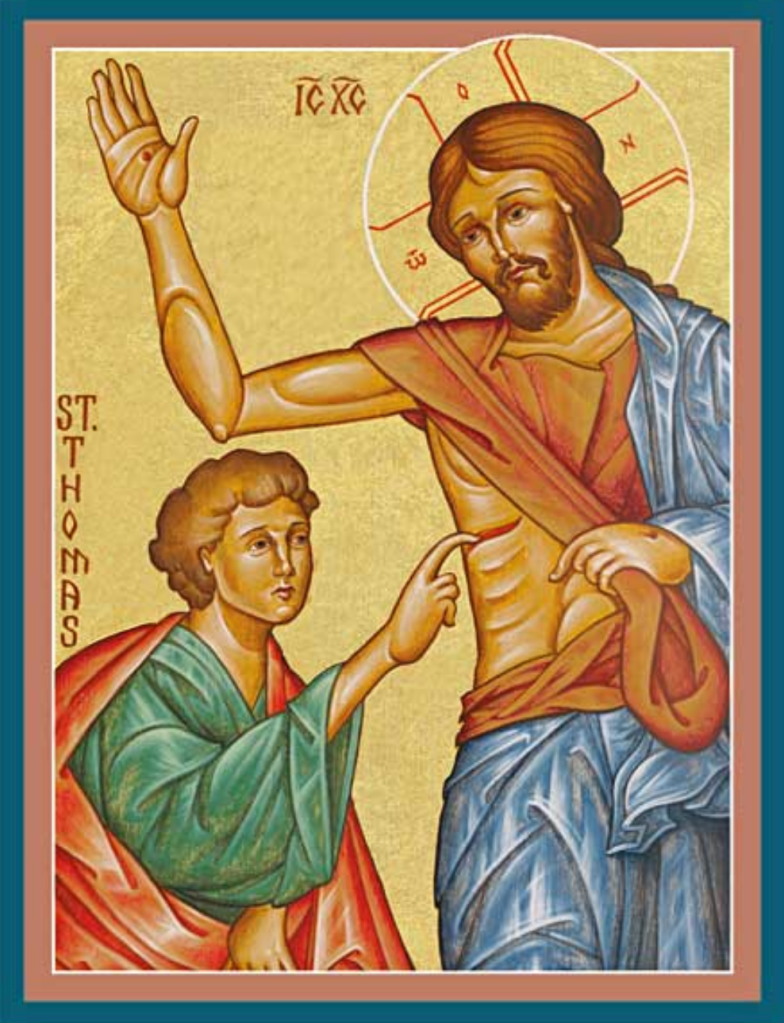
Yesterday, we remembered St. Thomas the Apostle to India. Yet, St. Thomas is known as Thomas the doubter because after the resurrection of Christ we read in the Gospel of John (20), “Now Thomas, one of the twelve, called the Twin, was not with them when Jesus came. So the other disciples told him, “We have seen the Lord.” But he said to them, ‘Unless I see in his hands the print of the nails, and place my finger in the mark of the nails, and place my hand in his side, I will not believe.’ Eight days later, his disciples were again in the house, and Thomas was with them. The doors were shut, but Jesus came and stood among them, and said, ‘Peace be with you.’ Then he said to Thomas, ‘Put your finger here, and see my hands; and put out your hand, and place it in my side; do not be faithless, but believing.’ Thomas answered him, ‘My Lord and my God!’” Yet, Thomas, is a saint of the God’s Holy Church and evangelized much of Asia including our Indian brothers and sisters, where he was eventually martyred. Or what about King David, in the Psalms (13) wrote about his struggle of faith. Well David hadn’t seen God and Thomas was asking to see Christ after the resurrection; they had reason to doubt. Well what about Matthew 28:16-17, after Christ was with the disciples and many other witnessess, for 40 days, after his Resurrection we read, “Then the eleven disciples went away into Galilee, to the mountain which Jesus had commanded them to. And when they saw Him, they worshipped Him but some doubted.” Doubt is not a bad thing in faith. Doubt is not weakness. Doubt is not sin. Doubt is opportunity!

In Isaiah 1:18 for example we read, “Come now, let us reason together, says the Lord: though your sins are like scarlet,they shall be as white as snow; though they are red like crimson, they shall become like wool.” This is so beautiful, “Come now, let us reason together.” This is a direct invitation from God to us to reason, to wrestle, to ask questions to work out and illuminate our hearts and minds to God. Yes, we are sinful, but we will be cleansed and made white as snow. Meaning my dears, that doubt is not a bad thing, to struggle or reason with faith is in fact necessary. Yes, we want to be certain in life about every thing but faith is not a thing, it is communion. Meaning that faith and knowledge can’t be understood or applied equally. We have knowledge, we know that 1+1= 2; we know that if we jump into the water, we will get wet; we know that if we have too much sugar, it’s not good for us. These are facts. Yet, faith which is communion with God is not a fact but a relationship. Unlike facts, relationships come from free will. God doesn’t force us to love Him, to believe in Him in the same way we can’t force others to love or like us. It’s our choice to, which we make; to trust, love, hope and believe in God. And this is what is scary or causes fear about doubt in us. We compare our communion to God with our relationships to others around us. What if I share my love or open my heart to someone who doesn’t return that love or worse abuses it? What if I get hurt? What if I get rejected? What if I’m wrong? We don’t know, we are uncertain of how others will be with us and so we are afraid. We take that fear of the uncertainty, we take that doubt and apply it to our Communion and relationship with God. Doubt is normal my dear brothers and sisters, especially in faith, in fact, it is healthy because to doubt gives us an opportunity to ask questions, to cry, to yell and search deeper for meaning and understanding.

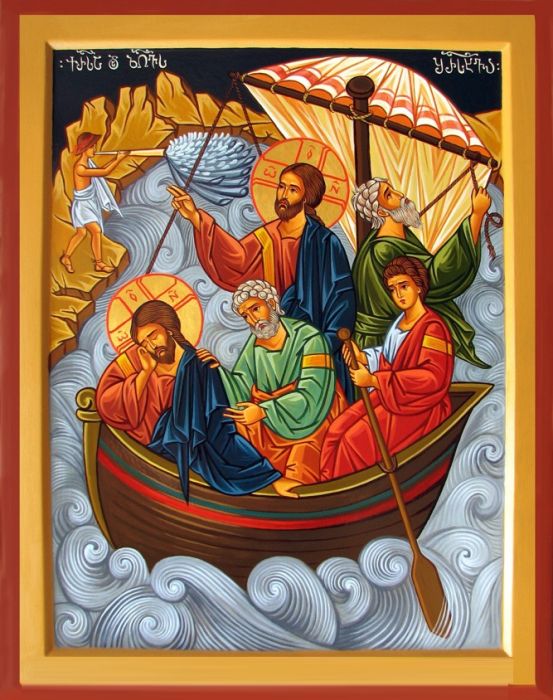
When someone asks me which is my favorite Church, I always answer – an empty one. Because in an empty Church I sit and pray and if I’m struggling with something in my faith, I yell and verbally and vocally argue with God. In the same way, in today’s Gospel when the storms arose around the disciples on the sea of Galilee, they turn and yelled at Christ, “Teacher, do you not care if we perish?” When we read this passage, we read it very quietly, but imagine that scene in the boat – there is a storm! The boat is sinking; the wind, rain and waves crashing into them. How do you think they were going to speak to Jesus? Quietly? No, they were yelling, they were afraid, they were uncertain and had doubt. And we might think that Jesus is arguing with them, yet, we read he rebuked the storm, but he told the disciples. You see if the disciples had no faith whatsoever they wouldn’t have woken Jesus or cried out to him. But rather, Jesus is reminding them that in faith, even if you doubt, trust in me, I will not abandon you.
My dears, there is nothing wrong in doubt when it comes to our faith. We doubt because we are afraid and we want to know, we doubt because we are struggling and wrestling to understand. Ultimately, it is our choice which path to take though. Do we freely choose to love God, learn about Him, trust and hope in Him or will succumb to our fears and walk away? If we have doubt, it is an invitation to come to Church, cry, yell, seek, read the Holy Scriptures, talk to the priest; give yourself an opportunity by giving yourself to God through the Church. Too many of us go through the actions, whether it’s volunteering, singing in the choir or writing a check, yet, how many of us sit down in the Church or call the priest and say Der Hayr, I want to learn about God? Doubt is an opportunity. Doubt is not the opposite of faith, rather through it we are challenged to go deeper into the communion that is true faith in God. A faith that will calm the storms of our life, that will overcome the burdens we carry, and illuminate our hearts and minds to God’s presence in times of uncertainty. To know God, is to love God; to love God is to choose God; to choose God is to seek God; to seek God is to wrestle with God; to wrestle with God begins with doubt. May our doubt open our hearts to grow, pray, learn and ultimately trust in the love and hope of God our Heavenly Father, whom we come into Communion with through Christ Jesus and the Holy Spirit; God will never abandon us, Amen!
Prophecy of Love

Passages: Is. 7:1-9; 1 Corinth. 13:11-14:5; Mark 2:1-12
Ընթերցուածքներ՝ Եսայ. Է 1-9; Ա Կորնց. ԺԳ 11- ԺԴ 5; Մարկ. Բ 1-12

In the name of the Father, Son and Holy Spirit, Amen!

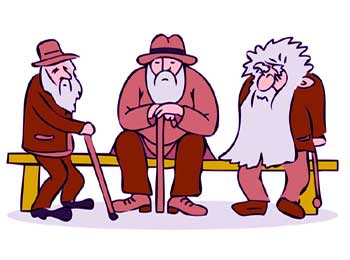
Story about Love - Three Old Man n Couples Choice Story wid Life Lesson

A woman came out of her house and saw three old men with long white beards Sitting in her front yard. She did not recognize them. Then she said, “I don’t think I know you, but you must be hungry. Please Come in and have something to eat.” “Is the man of the house home?” they asked. “No,” she said. “He’s out.” “Then we cannot come in,” they replied. In the evening when her husband came home, she told him what had happened. So, he said. “Go tell them I’m home, and invite them in!” The woman went out and invited the men in. “We cannot go into a house together,” they replied. “Why is that?” she wanted to know. One of the old men explained. “His name is Wealth,” he said pointing to one of his friends, and pointing to another one he said, “This man is Success, And I am Love.” Then he added, “Now, go and discuss with your husband which One of us you want in your home.” The woman went in and told her husband what was said. Her husband was overjoyed. “ “Since that’s the case, let Us invite in wealth. Let him come in and fill our home with wealth!” His wife disagreed. “Why don’t we invite Success?” But as their daughter was listening from the corner of the room. She jumped in with Her own suggestion. “Wouldn’t it be better to invite Love? Our home will Then be filled with love!” The woman went out and asked the three old men, “Which one of you is Love? Please come in and be our guest.” Love got up and started walking toward the house. Then the other two also Got up and followed him. Surprised, the lady asked Wealth and Success, “I only invited in Love, as You directed. Why are you all coming in?” The old men replied together, “If you had invited only Wealth or Success, The other two of us would have stayed. However, as you and your husband have come together and with your daughter invited Love into you home, Wherever He goes, we go with him, because wherever there is Love, there is also Wealth and Success!”

My dear brothers and sisters, I am sure some of you have heard this precious story in the past. It is both innocent and childlike but it is also deep with wisdom. Some of us might not even agree with this story as it might feel too philosophical and altruistic. Yet, within it is also a basic teaching of our Christian faith and therefore, is more than merely a childish story. St. Paul in his letter to the Corinthians speaks about love. We all know this passage well from weddings, greeting cards and movies. “Love is patient and kind; love is not jealous or boastful; it is not arrogant or rude. Love does not insist on its own way; it is not irritable or resentful; it does not rejoice at wrong, but rejoices in the right. Love bears all things, believes all things, hopes all things, endures all things.” (1 Corinthians 13:4-6) However, today’s reading continues on where in verse 1 of chapter 14 we read, “Make love your aim, and earnestly desire the spiritual gifts, especially that you may prophesy.” Make love your aim – our purpose, our desire. Not superficial or external expression of love but rather a deeper love, a divine love.  Why? So that we will also be graced with, receive the spiritual gifts of God especially prophecy.

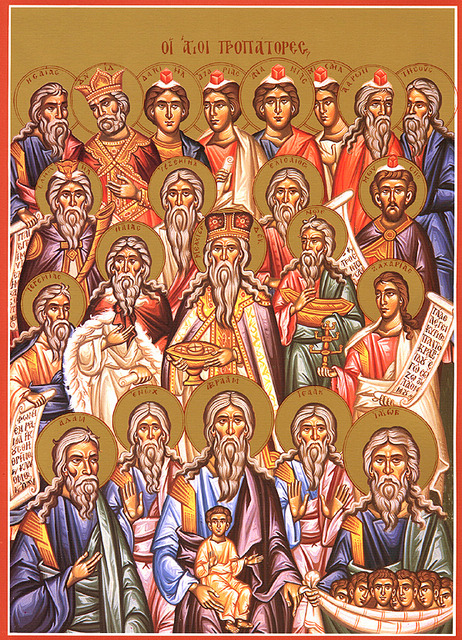
When we think about prophecy or prophets, what do we imagine or picture? Old men with beards in the Old Testament talking about, or revealing teachings about God. Great prophets like Isaiah, Daniel, Jonah, Malachi and Moses. Individuals that spoke directly to God. For example we read in the Book of Isaiah, “The vision which Isaiah saw…” A vision of God before the coming of Christ Jesus. Only a few short weeks ago we celebrated the feast of Holy Transfiguration where we saw Moses and Elijah, two prophets of God appear next to Christ confirming that Christ Jesus is the fulfillment, the completion of prophets and law. Yet, what does it mean when in the New Testament, after Christ, after the prophecies have been fulfilled, that we recieve the gift of prophecy? Sadly, modern day prophets are seen in a very negative light. Televangelists, preachers on street corners, etc. who pollute the Gospel message or even people who use crystals, tarot cards and other such demonic practices to speak about the divine. (and yes, the Church views those as demonic but that is a separate topic). After all, Christ warns us to be aware of false prophets.

So what about us? How and what does it mean to be a prophet today? My dears, God is love, God loves us and desires to be in Holy Communion with us. God created us, blesses us, heals us, has compassion on us through His divine love. To prophesize is first to experience God, through all our senses, our will, our life. To be in Holy Communion with God and share, reveal and teach about God, or as the Church fathers say, to be a witness of God to the rest of the world. To our families, friends, our Church and secular communities. Not for the priest to stand up once a week and talk about Jesus but for all of us together to live our faith because of the love of God, which we learn in the Church. Because when we live our faith truly as Christians, then not only will the world be full of God’s love, but we will see wealth, health, compassion and mercy lift us all out of darkness. In the Gospel today we read of the paralyzed man that is lowered through the roof of the house in front of Jesus and how Christ heals him. Why does Jesus do this? What does scripture say? Verse 5 “And when Jesus saw their faith, he said to the paralytic…” Whose faith? The friends who had brought their paralyzed friend. The faith of others brought healing to others. When we invite God into our lives, when we invite love into our homes, and come into Holy Communion with God then our faith grows, we are blessed with God’s grace and spiritual gifts like prophesy because those gifts, then become the means by which God’s love in us is revealed to the rest of the world. Our communion, our faith becomes the power of God’s presence.

We my dears, are the presence of God in this world. What does the world see? What do we show of our faith? I pray my dears, that as a Church family, as individuals, no matter our age, our careers, our struggles, our pain, that as a family in our homes and here our Church home we seek first the love of God. For where love is, all other blessings will follow. Where love is, healing will happen. Where love is, the spiritual of the Lord is also. May the Holy Spirit come and dwell in our lives, may we grow in our faith and wisdom of God’s love through Christ Jesus, so that we too by His Divine grace and Holy Communion will become prophets and teachers, healers and witnesses to the power of God, who came to heal us from our sins, free us from demons and bring salvation to all. In God’s love our sins are forgiven and we are healed, Amen!

Why Are We Asking?

Passages: Is. 5:1-10; 1 Corinth. 6:18-7:11; Matt. 19:3-12
Ընթերցուածքներ՝ Եսայ. Ե 1-10; Ա Կորնց. Զ 18-Է 11; Մատ. ԺԹ 3-12

In the name of the Father, Son and Holy Spirit, Amen!

During my seminary studies, I had opportunities to serve in various communities and capacities. As a student I had the opportunity to serve as a chaplain and I was accepted into the chaplaincy program of Columbia New York Presbyterian Hospital. More specifically, I was assigned to adult rehab and Pediatric ICU. As part of our ministry, much like doctors, we were on call as well wherever we were needed. Often times, during my visitations with families in the hospital, they would ask every kind of question. Yet, many times the words they would use were in such a way that they were trying to ask more than what was being said and so as ministers we were taught how to listen to more than just the words. For example, one day I received a call to go to the maternity ward where, there was a still birth. The family just sat in silence and appreciated my prayers. But as I was leaving the husband turned and asked, “do things like this happen often?” On the surface it seems like a simple question. Yet, what the father was asking on a deeper level is, why did this happen to my child? Questions like this are very profound and we all have them in various aspects of our life.

Why certain events take place, why don’t we succeed, why is the world the way it is? We all have questions and as children of God, we are encouraged to take our questions in prayer to God. St. Paul says in Heb. 4:16 “Let us then with confidence draw near to the throne of grace, that we may receive mercy and find grace to help in time of need.” In our time of need, in our time of questions and uncertainty we should come to God, ask, inquire, and seek. Yes, though our question might seem simple in words yet, God knows on a deeper level what it is we are asking. 

However, today’s Gospel puts a unique perspective on how we ask our questions. The Pharisees ask Jesus about divorce, is it right? And Christ answers them with scripture, to which, they ask a follow up question, “then whey would God allow it.” Jesus here reveals to us a very important characteristic of God. When we ask questions, when we act and make decisions and we fail, or fall into sin, we often do what? Blame others, blame God, blame our environment, blame society, blame the government, the education system, etc. We look for any and every possible reason as to why we failed, why we fell into sin. Yet, Christ here is clearly saying, what about you? What about your heart, your mind, your prejudice, your approach? The Pharisees were looking to trick Jesus by asking why God would allow divorce when it is it wrong. Yet, on the deeper level, which Jesus shows them, they are trying to justify their actions, their choices, their sin when saying “look God allowed it.”

In the same way my dears, when we come to God and ask certain questions, why are we asking? Are we trying to learn, grow in our faith, understand the will of God? Or on a deeper level are we trying to justify our wrong doings, are we trying to find someone else to blame? Coming to God and asking questions is never wrong, but what kind of life is it we are trying to live through those questions? In 2 Peter 3:18 we read, “grow in the grace and knowledge of our Lord and Savior Jesus Christ.” In other words learn, inquire, desire to be in Communion with God by coming to Him with open hearts, and a repenting heart. But do so by, turning away from evil, leaving our egos, our prejudice, our anger, our desire to justify our sins and our ideas of blaming others – leave all that, turn it away and trust in God because whether it is questions about marriage and divorce, sickness and health, work, education, love and relationships, brokenness or healing, God is there to heal and guide us towards His glory through His grace.

This is what is means to be in Communion, to come to Him with a repenting heart, with an honest hunger to learn and grow – not to justify our actions. We are free to choose, free to think, free to make decisions and sometimes it those decisions are difficult and the answers we seek are hard to wrestle with. Yet, God’s light is there to illuminate our minds and heart to understand our wrongdoing, our brokenness. And God’s light is there to warm our hearts, melt the ice that sin has captured us in to know that even if we are broken and hurt, and lost – His love will never abandon us. We are each invited to draw near to Him, be in Communion with Him because it is through God’s grace and love that we are lifted from the ashes, healed from all brokenness. It is for this reason that Christ came and became knowable to us, so that we would be able to ask our deep questions and learn that God’s love does not justify sin, does not allow darkness but overcomes it when we trust in Him fully.

Let us pray for curiosity, pray for genuine desire to grow in faith and let us never allow sin to dictate our life. Through the grace of the Holy Spirit, may our eyes be opened, our ears learn to listen to the answer that God has for our life. And may our lives reflect that love and hope no matter what darkness we may face. Glory to God for all things, Amen!

Equally Guilty, Equally Free In God

Passages: Zech. 3:7-4:9; Heb. 9:1-10; John 10:22-30 
Ընթերցուածքներ՝ Զաք. Գ 7-Դ 9; Եբր. Թ 1-10; Յով. Ժ 22-30

In the name of the Father, Son and Holy Spirit, Amen!

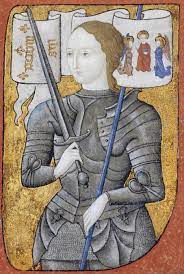
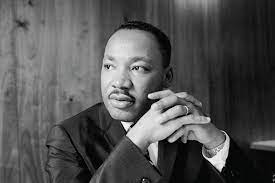
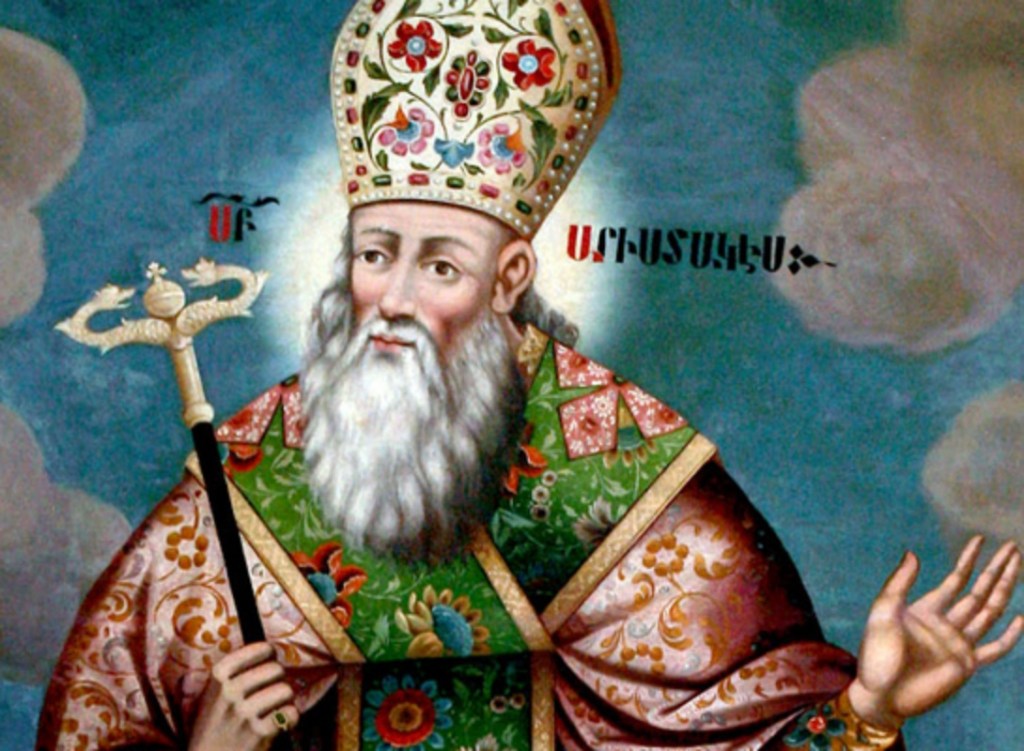
What does St. Gregory the Illuminator, St. Paul of Tarsus, St. Vibia Perpetua of Carthage, St. Joan of Arc, Dietrich Bonhoeffer, Martin Luther King Jr., Charles Bolson, and Michael Franzese have in common? The truth is apart from some of the more well-known names, most of the other names might be unfamiliar to us and so it would be difficult to know what they share in common with people such as St. Gregory or St. Paul, whom we know very well. All the names of those above are names of criminals according to the laws of the land. Each one of them broke the law, whether justly or unjustly today we might say in hindsight, but in their times they broke the law. St. Gregory, St. Paul, St. Perpetua, St. Joan of Arc, Dietrich Bonhoeffer and Martin Luther King Jr. each broke the law by preaching the word of God, by living out their Christian faith, by protecting civil rights and speaking out for those who suffer in a world that openly rejected and persecuted Christianity and it’s teachings. Charles Bolson, aka the “evil genius” under the Nixon administration, was involved in Watergate and charged with obstruction of Justice. Whereas, Michael Franzese, was a member of the Columbo syndicate mafia family and was indited for things such as racketeering, extortion, etc.

So what do St. Gregory, St. Paul, St. Perpetua, St. Joan of Arc, Dietrich Bonhoeffer, Martin Luther King Jr., Charles Bolson, and Michael Franzese have in common? If it was only that they all had issues with the law, they would be incomparable as their crimes are so different. No, my dears, what these individuals have in common is that they all gave their lives and trusted God. The saints and those people to died protected the rights of others we can understand and see clearly. Yet, Charles Bolson and Michael Franzese, who are modern day criminals and no one would argue that they are guilty of their crimes, even they while in prison, repented and became Christian, living the rest of their lives serving God and helping others not go down the same path as them. You see, when someone goes to prison or is persecuted for faith, we as Christian’s look with admiration and love. But we are too quick to judge someone who is a “real” criminal, and who in prison repents and turns to God. We think they are taking an easy way out, and often think it is too late for them to change now. The truth is many of us would feel uncomfortable if someone who had been incarcerated and sent to prison sat next to us in these pews. It’s hard to imagine “real criminals” who have done horrific things, truly change their lives and come to faith. 

Yesterday the Armenian Church celebrated the Feast of St. Gregory the Illuminator’s coming out of the pit or prison. And today the Armenian Church celebrates the founding of the Cathedral of Holy Etchmiadzin. How do these things connect my dears? When St. Gregory was taken out of the pit, and according to the historian Agathangelos, he preached, instructed, and ultimately baptized King Trdat and the Armenian kingdom as Christian, God through a vision, spoke to St. Gregory. St. Gregory saw Christ descend from heaven, with a golden hammer and strike the place where Holy Etchmiadzin, which is what that word means, would be built. Tradition says, that place was a pagan place of worship, which was destroyed and upon which our Holy Church was built. Now I’m certain all of you are still wondering what the connection is.

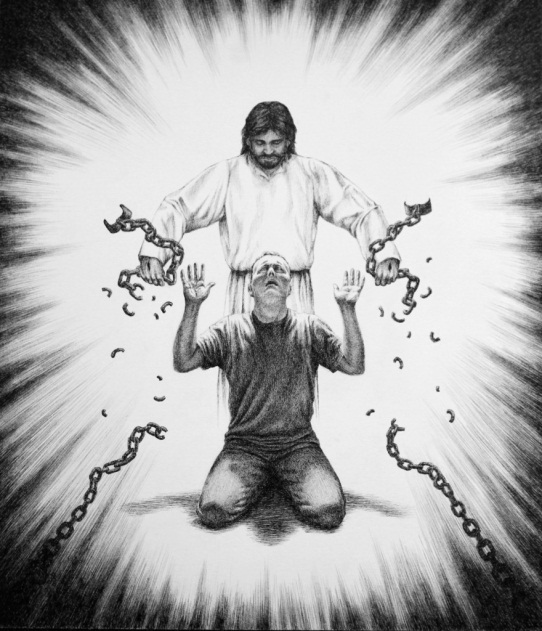
My dears, we are all criminals; we are all guilty of breaking the law of God and we are all incarcerated, lost in the pit of darkness. We are all sinners in the eyes of God, we have broken the law, and our sin has imprisoned us and surrounded us. Through sickness, pain and suffering; through our fears and anxieties and life’s uncertainties, we feel trapped! I remember the first time I went to jail, and the bars crashed behind me, regardless of what I had done, there was no escape. However, Christ Jesus, God, has not abandoned us even in this darkness and prison. In that place of no escape, where we feel trapped, God calls us to repent, to let go of our egos, arrogance, our “way”, our justifications, our hardheartedness and hardheadedness. If we, even if we think are not worthy, allow God’s presence into our lives, then we will be taken out of that pit of sin, of despair and Christ will descending into our lives will recreate each one of us into a living Church. During the pandemic, and even today, so many people say they don’t need to come to Church physically because the Church is the people, God can hear us everywhere.

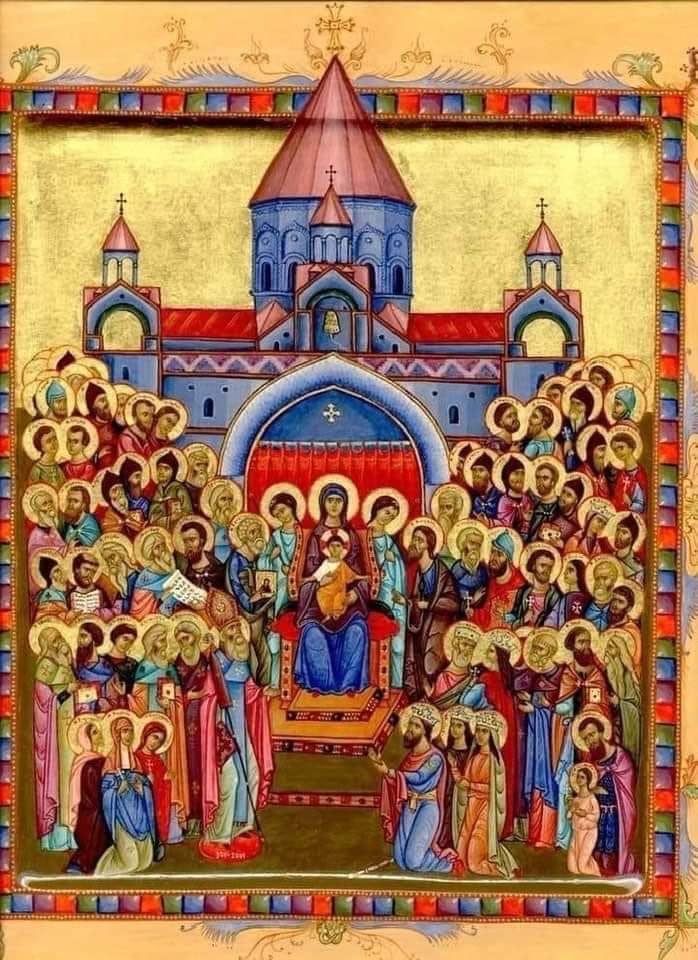
While this is true, however, the Church is not for God to hear our prayers. It is for us to hear God. It is for us to come into the light and be surrounded by the saints and martyrs, those so-called criminals who serve as an example to us of what it means to trust God in the face of suffering, persecution and fear. The Church is a gift from God where we are instructed and guided towards life, hope and true freedom. If prison, real or spiritual, is a place meant to strike fear in us and remind us of what we have lost, then the Church is a sacred place to remove that fear and remined us of the gift of freedom that God gives to us. And it is the gift that is given to all people, sinners or criminals, mothers or fathers, widows or widowers, children, or adults, black or white, democrat or republican, Armenian or non-Armenian, tall or short, male or female, etc. Whatever definition this world can create whatever limitation or “prison” our society can dictate, through God, by His grace we are given the Church to repent, to be transformed and turned towards Him, so that we then can also take that faith, take the love, hope and life in God to those who are still lost and imprisoned, physically, emotionally, or psychologically. 

This means my dears it is never too late to come to God; it is never too late to come to Church. It is in the Church where Christ descends into our lives and strikes the pagan and sinfulness of our lives, destroying it and building us up from within. We come to Church to become the Church. Because yes, my dears, we are all guilty of sin, from the Holiest of us to the “greatest” criminal. God equally call us to turn to Him, to confess, repent and come to Him. John 10, we read today, “My sheep hear my voice, and I know them, and they follow me; and I give them eternal life, and they shall never perish, and no one shall snatch them out of my hand.” My dears, the Church is for us to hear God’s voice, to know Him and follow Him. We in turn then become the Church by which God works in this world. 

Therefore, what St. Gregory the Illuminator, St. Paul of Tarsus, St. Vibia Perpetua of Carthage, St. Joan of Arc, Dietrich Bonhoeffer, Martin Luther King Jr., Charles Bolson, Michael Franzese, all these saints around us, you and I have in common? The love of God, the renewal of life in Christ Jesus and ultimately that this world does not define our worth, our purpose or level of love. This world does not dictate when we can come to God. It is God who calls us home every day, to His Holy Church. It is here in this Church we are illuminated and instructed to be the Church, the voice of God for the rest of the world. All are welcome here and we welcome all. That is why we acknowledge that every saint has a past, and every sinner has a future. Our future is in God, whom we glorify now and always, Amen!

You Need One and I Have One To Give

Passages: 2 Kings 2:1-15; James 5:16-20; Luke 4:25-30
Ընթերցուածքներ՝ Դ Թագց. Բ 1-15; Յակ. Ե 16-20; Ղուկ. Դ 25-30

In the name of the Father, Son and Holy Spirit, Amen!

Over thanksgiving last year, my family and I travelled to California to spend time with my cousins. Naturally, every time we travel to a place we haven’t been in some time, other friends and acquaintances want to meet up as well. One day, my dad and I went to visit a friend of his whom he had not seen since childhood. As they chatted and spoke about the past years and what they had been through, my dad’s friend told him of how he had been on dialysis because of kidney failure. This news was upsetting but this wasn’t the end of that story. This man was no longer on dialysis because he was able to get a new kidney. He and his family were not the wealthiest or most connected people yet, they are prayerful and had faith in God. A few months on dialysis when the doctor’s had said he either needs to get a kidney transplant or things would quickly decline, this man came home broken and upset. As he got out of his car, his neighbor greeted him and asked why he looked so gloom. My dad’s friend explained to his neighbor the situation and his neighbor, whom he had known only in passing, with the occasional hello, turned to him and said, if you need a kidney, take mine. Surprised and unsure of what to make of it, he asked why? “Because you need one and I have one to give.”

My dears, what is the purpose of having something as precious as this life, as precious as faith in God, if we bottle it up, close it off and refuse to share it with others? What good do we expect to see in this world when those of us who claim to believe in God, live and act the same, if not worse, then those who have no faith? Christ Jesus, asks this same question in today’s Gospel, to the Jews in the synagogue, who believed to be the chosen people, who claimed to “know” the Scriptures, to know God yet, they did not live a life that reflected God, they did not in their hearts fully trust God. It is no good! In fact, Christ gives the example of the Prophet St. Elijah and St. Elisha, who took away the rains and caused famine and whom gave healing to those who were considered second class citizens. In other words, our faith if we don’t use it, if we don’t care for it and tend to it, it will dry up, it will starve, and we will fall into spiritual famine because it’s no good; it’s no good to be a Christian and only remember on Sunday; it’s no good to be a Christian and pray when we need something; it’s no good to be a Christian if it is self serving. God is good; to be in Communion with God, to be a Christian is to be the good. How therefore do we care and tend to our faith? How do we reflect and live the good that is God? 

By giving away our kidney’s. Meaning coming into Communion with God and taking that communion by seeing the needs of other’s, our friends, our neighbors, of those who are lost and broken, those who are rejected and hurt and sharing our faith through the life we live. As a priest, I have the opportunity to stand here and give a homily every week. However, my words are empty, my message is meaningless if the life I live away from this pulpit does not reflect my words because the greatest sermon someone can give is the life they live not the words say preach. God reveals His good likewise – through action. He creates, sustains, blesses and ultimately gave Christ to die for our sins. Each one of us my dears is called to live a life of faithfulness in God, sharing God’s love, life and hope, the Good News of salvation in Christ Jesus from our brokenness and sins. Because when we see the needs of others and give to them, not only will they be healed but we also will be healed. For that St. James writes in his letter, “Therefore confess your sins to one another, and pray for one another, that you may be healed…My brethren, if any one among you wanders from the truth and someone brings him back, let him know that whoever brings back a sinner from the error of his way will save his soul from death and will cover a multitude of sins.” By praying for one another, by bringing God into the lives of others, by living our faith, we too are forgiven of our trespasses, we are also healed of our brokenness.

We become that good, we become the revelation of God in a world that is looking for Him. My dad’s friend received new life and healing because his neighbor recognized what he had was something he could give, something that would renew life. How much more life does God give to us to share with others in this world? No, perhaps we are not called to give our kidney’s to our neighbors; but we are called to pray, to love, to foster and give guidance towards God. We are called to share and lift up, strengthen and build up with what God has blessed us with by blessing others. We are called to be Christ in this world. For some that might be through giving a kidney or donating blood; a few days ago we celebrated memorial day and remembered our veterans, those who served and gave their life; for some of us, it is singing in the choir, serving on the board, being a priest; while for other’s it might be to financially support, or teach, preach, raise, feed, etc. Ultimately, sharing God’s love is not about the words we say, it is about the Word, Christ Jesus, whom we receive here through Holy Communion, through the Scriptures and teachings of the Church, which renews us, feeds us and makes us understand how we too take that life and share it with the rest of the world.

As my dad’s friends neighbor said, when asked why would you give me your kidney? “you need one, and I have one to give.” This world needs God; we have God to give. Let us give my dears, through our life by treating each other and those outside these doors with love, compassion and mercy; give because it was given to us freely by the Grace of God. When we give know that God our Father in Heaven sees and will heal us, raise us up from the ashes, renew us through Christ Jesus. By the grace and power of the Holy Spirit, may our hearts be opened to this truth, my our hands work to bring love and may our lives glorify our God in Heaven, Amen!

Is That Your Final Answer?

Passages: Acts 23:12-35; 1 John 5:13-21; John 12:12-23
Ընթերցուածքներ՝ Գործ. ԻԳ 12-35; Ա Յով. Ե 13-21; Յով. ԺԲ 12 – 23

In the name of the Father, Son and Holy Spirit, Amen!

Is that your final answer? In 1999, the ABC network premiered the well-known show “Who Wants to Be a Millionaire”. Contestant in the hotseat, answered a series of multiple-choice questions that had a certain value and each correct answer locked in the winnings. If a wrong answer was given, the contestant risked losing it all. As a contestant gave their answer, the host, originally Regis Philbin, would ask, “is that your final answer?” This question sometimes made the contestant second guess themselves, push them to see how confident they were. As great as it was watching contestants win money, almost all of us who watched at home did what? We played along. We were confident in our answers. We had nothing to win or lose but the thrill of knowing the answer was exciting. Some of us may have even laughed at how the contestant didn’t know and of how smart we were. We all like that feeling of being right; of having confidence.

Confidence is always seen as a good trait. Lack of confidence can take us towards doubt, fear, anxiety, and ultimately disbelief. This is true about gameshow answers, but also as students taking a test, a parent trying to figure out how to raise a child, an employee completing a task, each one of us trying to navigate our lives and our relationships, and most especially our faith in God. If we are not confident, if we are unsure, we begin to second guess ourselves, and begin to doubt our faith, and so we become fearful, fall into anxiety and ultimately because we are shaky and we begin to fail we might say we don’t know, we don’t believe or we don’t care. Sometimes this uncertainty has little consequence such as not doing well on a school test, or not getting that prize on the gameshow; but sometimes the magnitude and consequence weighs far more heavily such as when we are facing life and death, persecution, temptation, etc. As the Church, as Christian’s we often say, we need to have faith. Faith is confidence. Faith is trust and certainty that when we face important questions and difficulties, we will remain confident to face and answer. As St. John writes in his 1st letter, “And this is the confidence which we have in him, that if we ask anything according to his will he hears us. And if we know that he hears us in whatever we ask, we know that we have obtained the requests made of him.” Where does that confidence come from? Is faith something we grow or something we are perhaps born with? It comes from wisdom and knowledge.

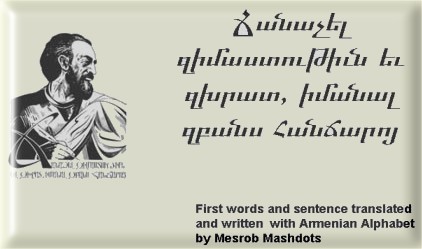
That is why when St. Mesrob Mashtots formed the Armenian Alphabet, the very first sentence, the first words that were written in Armenian was Prov. 1“That men may know wisdom and instruction, understand words of insight, receive instruction in wise dealing, righteousness, justice, and equity; that prudence may be given to the simple, knowledge and discretion to the youth—the wise man also may hear and increase in learning, and the man of understanding acquire skill, to understand a proverb and a figure, the words of the wise and their riddles. The fear of the Lord is the beginning of knowledge; fools despise wisdom and instruction.” Faith grows overtime from wisdom and instruction. To puts down deep roots, then sprouts forth branches. Those branches is the faith which will give fruit. Therefore, to know the Lord, to know God, to trust God and be instructed by God – to have confidence and faith my dears especially in times of uncertainty begins from deep roots in wisdom, instruction and knowledge. Our Christian faith is not about knowing mere facts or answering Bible trivia. The Devil and demons know about God. As Christian’s we are called to Holy Communion – which is intimacy. In other words, wisdom, and knowledge for a Christian, for us, confidence and faith come not from knowing about God but knowing God.

What’s the difference? When we come to Church, when we listen to Badarak, when we pray the hymns, read the Holy Scripture’s, when we pray at home privately, or when we are listening to a sermon – is it to learn about God? After all, we want to learn who God is correct? We want to understand what scriptures teach us about God? Right? My dears, knowing about God and knowing God are different things and when we come to Church and do all this it is to learn from God. Meaning that our wisdom, instruction, knowledge, faith and confidence come from God Himself.  Christian faith, confidence as St. John writes it, is a revelation from God and that revelation from God is what makes us certain of the hope, love, mercy and strength that we each have in God regardless of what questions we may face in life.

Imagine a car my dears. We all know how to drive a car and we all know how to fill it with gas and check to see the external features of the car like a flat tire to make sure it is safe.  But would we say we know how a car functions without the understanding of all the internal component, electronics, engine mechanisms, etc? If we say yes, and our car breaks down, we would be able to fix it ourselves because we know claim to know the internal workings of the car. Yet, the reality is most of us don’t know how a car really functions and so when that check engine light comes on or that car makes a noise we take it to a mechanic to fix it. We may know things about cars, we may know a few of the external things but those things when help us when we are having real car trouble. The same is with out faith my dears. If all we know is things about God, we merely focus on the external things, the things that help us use our faith to go from point A to point B; but what about when we begin facing real problems, when the check engine light of our faith turns on? Unless we know God, we will remain helpless.

To know about God and to know God are different things. And as Christian’s we are called to know God because it is that knowledge that gives us strength, that gives us the confidence of faith in times of turmoil, doubt, fear and uncertainty.  Today as Armenian Christian’s we celebrate what is known as Second Palm Sunday, where tradition says, as dictated by the illusive Armenian writer Agathangelos, that while St. Gregory the Illuminator was imprisoned in the pit, the angel of the Lord would come and comfort him. One day the angel did not return, and Gregory was unsure as to why. Yet, he remained prayerful and trusted in God. When the angel returned the next day and Gregory asked why the angel did not come, it replied that just as we here celebrate Christ’s glorious entrance into Jerusalem on Palm Sunday, likewise, the angels in Heaven celebrate the Risen Christ’s entrance into the Heavenly Jerusalem, after His Holy Ascension.  To some of us this might be a nice story but to St. Gregory, who knew Christ intimately, this revealed that Christ Jesus, that God is a God of action. That just as Christ said, I go to the Father, that in my Father house there are many rooms, that Christ was crucified, buried and rose from the dead to redeem all Creation and not just humans. This reveals, my dears, who Christ Jesus is the same, yesterday, today and tomorrow. That He is Hosanna in the highest, King of Kings and Lord of Lords.

He is the one that looks beyond our sins, beyond our brokenness does not abandon us. He is with us in the prison, in our pit of despair, in our hour of need; Christ Jesus is our hope and resurrection; He is the way, the truth and the life, the gate and the shepherd, the vine and the logos; He is God. And when we call upon him with confidence, meaning with faith, then He will hear us and be with us. However, my dears that confidence comes from knowing Him; that knowledge and wisdom comes from Him. For this reason, Christ says, “When they deliver you up, do not be anxious how you are to speak or what you are to say; for what you are to say will be given to you in that hour; for it is not you who speak, but the Spirit of your Father speaking through you.” (Matt. 10:19-20)

Therefore, my dears, before life puts us in the hotseat, before we face life’s questions of faith, before we come up against the trials and temptations that exist in our everyday challenges as individuals, as parents, as students, or whatever we may do in life, we should ask ourselves, do we come to know God or are we merely satisfied with knowing about God? The answer will ultimately affect our faith, and our confidence when we begin to struggle with darkness and sin. Christ Jesus came to know us and be known by us; to love us and be with us; to reveal to us and equip us with everything we need to live this life in a way that prepares us for eternity. Christ Jesus gave us the Church, Holy Scripture, the clergy and all this to help us learn and when we do fall into doubt, when we are uncertainty and our check engine light comes on, we can always come back to Him. But unless we come and confess our brokenness to Him, unless we open the Words of Scripture and are filled with wisdom, unless we repent and desire to know God intimately through Holy Communion, we will remain as fools who despise wisdom and knowledge; our faith will not take us far and we will feel abandoned on the side of the road and risk losing it all. We will fall into doubt, fear, anxiety and ultimately disbelief when we are asked, “is that your final answer?”

Let us pray for each other my dears, that the grace of our Lord Jesus Christ, through the Holy Spirit awakens our heart, mind and soul and create in us a desire to know God, to love God, to be in Communion with Him. To have confidence, to remain firm in our faith no matter what challenges we face. To face the darkness, the hate and prejudice of the world and remain confident that with God nothing is impossible. And may our lives bear witness to others of the love of God for all creation, for all creation speaks of the His eternal glory in Heaven and on earth, and we with the angels in Heaven affirm, Amen!

Mom’s Home Cooked Faith

Passages: Acts 20:17-38; 1 John 3:2-6; John 9:39-10:10
Ընթերցուածքներ՝ Գործ. Ի 17-38; Ա Յով. Գ 2-6; Յով. Թ39 – Ժ10

In the name of the Father, Son and Holy Spirit, Amen!
Krisdos Haryav I Merelots, Christ is Risen from the Dead!

Happy Mother’s Day to all our beloved mother’s, grandmother’s, great grandmother’s, step or adoptive mother’s and motherly figures. For those of us living in North America, I remember from childhood, how Mother’s Day was that beautiful time of celebrating and remembering those women in our lives who gave of themselves, who sacrificed, taught and fed us because of their love. Especially that latter point we can almost all attest to, we all love, miss and want mom’s home cooked meal. Holy Scripture, likewise, speaks about the sacred blessing of motherhood. Whether it is the command of God towards couple to go forth and multiply, having children and filling the earth, or even the multiple stories we read of women who miraculously in the old age are able to have children, like St. Elizabeth, the mother of St. John the Baptist – motherhood is seen as a blessing. However, motherhood is not limited to merely the physical and biological giving of birth but also the giving of instruction and spiritual birth. We may think of perhaps our Sunday School teachers who were motherly towards us, or other such teachers who guided us and fed our souls and minds. Today we also celebrate them. Yet, what do they and our physical mothers have in common? They feed us. Scripture talks about the importance of being fed. Christ Himself tells the Israelites, after the feeding of the 5,000, that they seek Him because they ate, their stomachs were full.

And that is one of the reasons why as Christian’s we call the Holy Church our mother. From the Church we are born through the Baptismal font as Christ teaches us in the Gospel of John. From the Church we receive our faith formation through the sacraments, from the Words of Holy Scripture, through conversations and private confessions with our priest. But from the Holy Church we are also physically fed – through the body and blood of Christ Jesus, Holy Communion. Now you may wonder, why I keep returning to this theme of our physical or spiritual mother’s giving us food. My dears, often times, when we think about mother’s giving physical life, we tend not to speak about what takes place after the physical birth – how a mother initially feeds their child. In fact, breastfeeding is often seen as a taboo topic, one that is often even politicized sadly. Yet, the ability for a mother to feed their child, also known as nursing, is itself sacred and scripture speaks about it repeatedly. And the reason it is so important is because when a mother nurses their child, as painful as it may be, a bond is created, the child grows attached to their mother, even if they don’t understand fully what the love of a mother is. Through nursing the child receives sustenance but also protection, until such time that the child has grown and matured enough to eat solid foods.

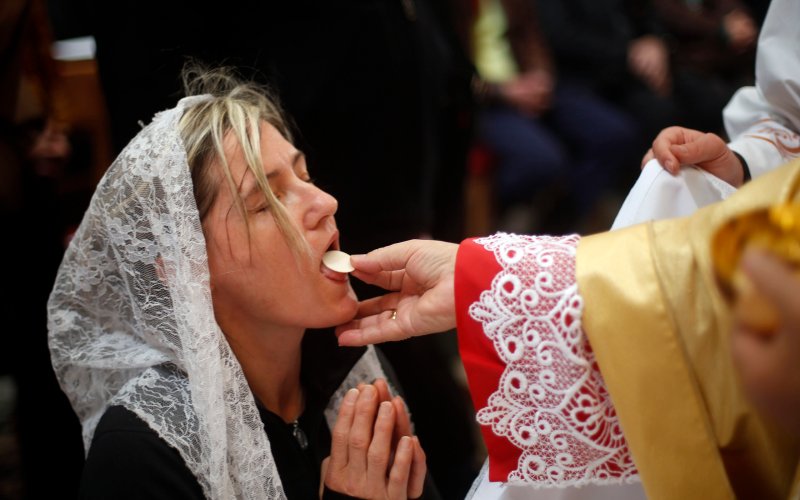
The Holy Church my dears, is the same way.  When we repent and come to confession to receive Holy Communion, we come as children who need sustenance and protection, we come looking for healing from our brokenness and ailments. We may not necessarily understand, and we may be struggling in our faith, but Holy Communion is that act of nursing through which God reveals His love for each one of us. Regardless of how old or mature we may be, we are all children of God our Father and our Holy Mother the Church. In fact, the Coptic monk Matthew the Poor, also known as, Matta El Meskeen, teaches, “the best way to ensure the Church’s successful teaching is to nourish her children by prayer and liturgy before trying to analyze and explain them. Taste must come before knowledge…the prayers and liturgies of the Church are our best spiritual instructors, and nothing can compare to their ability to feed and nourish one’s heart and mind.” In other words my dears, what we do here in Church, from the services, to the private prayers, the sacraments, the conversations and singing, they are all means by which we taste, eat and are nursed to the love and knowledge of God. In the same way, when we are kids, we eat and taste mom’s home cooked meal and only when we are older, do we truly appreciate the love and care our mothers have given us. Likewise, when we come and receive our nourishment from the Church, eat that Holy Communion, taste that which we are given, when we have mature in faith, will we fully understand the love of God for us.

That is why in the 1st letter of John today we read, “Dear friends, now we are children of God, and what we will be has not yet been made known. [we still don’t know, we have not yet matured] But we know that when Christ appears, we shall be like him, for we shall see him as he is…” When Christ appears, when we have matured, when we understand in faith what it means to say Krisdos Haryav I merelots, we will be like Him, we will grow towards full Communion in God. But until then, we as the children come to our Holy Church, our Mother, to be fed, to be lifted up, to be protected and to be nursed; to learn of the love of God, who does not reject us, who desires to call us to Him and renew us from our darkness and pain in the same way our beloved mother’s care for us and try to protect us. To those Godly mother’s, to all our motherly figures, who fed us, strengthened us we wish a Happy Mother’s Day. My dears, may we come to our Holy Mother the Church, to be renewed and fed, to learn and grow in the love of God. May we eat and taste of the Holy Communion, given to us by Christ Jesus, which is the life, hope and resurrection of us all and through which we learn to glorify God the Father, Son and Holy Spirit, Amen!

Checkmate!

Passages: Acts 13:16-43; 1 Peter 5:1-14; John 5:19-30
Ընթերցուածքներ՝ Գործ. ԺԳ 16-43; Ա Պետ. Ե 1-12; Յով. Ե 19-30 

In the name of the Father, Son and Holy Spirit, Amen!
Քրիստոս Յարեաւ ի Մեռելոց. Օրհնեալ է Յարութիւնը Քրիստոսի! Christ is Risen from the Dead. Blessed is the Resurrection of Christ!

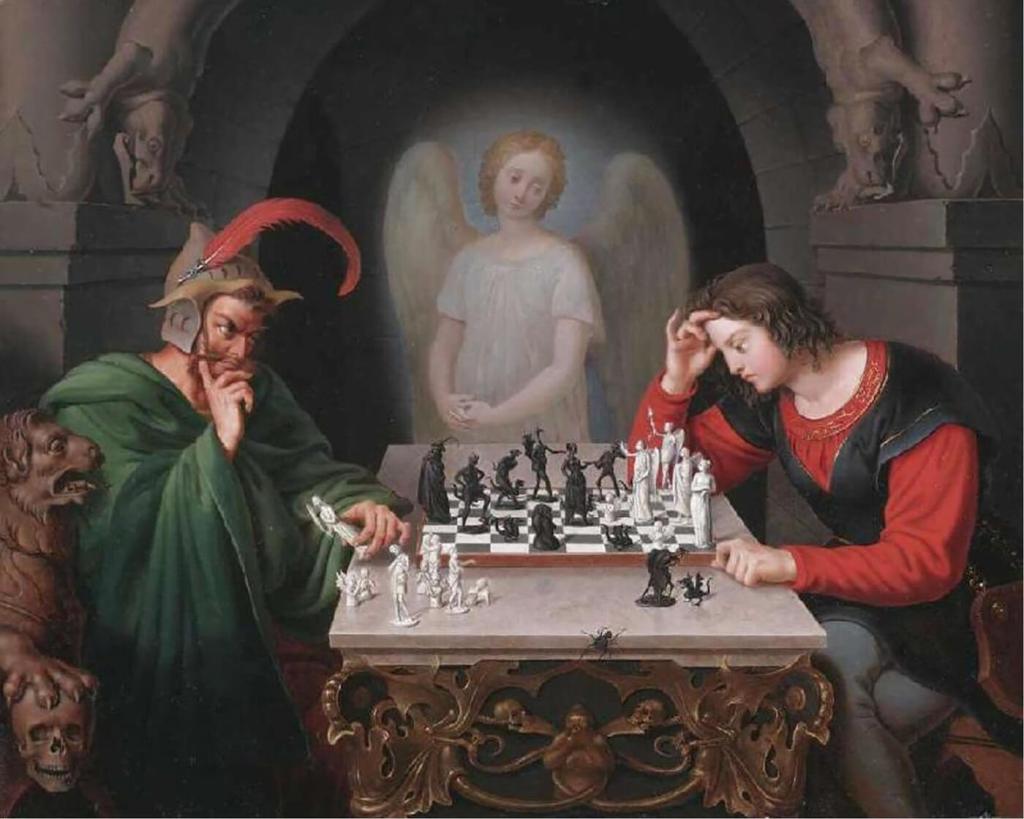
How many of you have seen this painting and know where it comes from? This is known as the painting “checkmate” painted by German painter Friedrich Moritz August Retzsch in the 18th-19thcentury, and it used to hang in the museum of the Louvre in Paris.  What do you see in this painting? What stands out? Two individuals playing chess with an angel observing the one player who seems defeated and hopeless. The painter has painted a man playing chess against the devil and from his posture, it is easy to understand that the devil has won; it is checkmate. There is a story that is connected to this painting about a world class grandmaster of chess who was visiting the Louvre with a group and the curator believed the grandmaster would enjoy seeing this painting.  And so the group was led to this painting and it was presented as it is. While the group moved on, the guide realized that the grandmaster was not with them and had remained examining the painting. When asked about what was so intriguing, the grandmaster said, either painting must change or the title. The master examined the chess board and said, the player has one more move, it is not checkmate. Though the devil seemed to be the obvious victor, he wasn’t and the man, who thought he was losing, was still able to win. There was one move left was for the King.

When we examine this painting from this approach, as Christian’s, we cannot help but find the spiritual and theological teaching. In this season of Resurrection, we are in celebration of this very fact; the devil has not won, the King has made the final move and when all hope seems lost, when we believed that defeat was imminent, we find that we have in Christ won. This story of the chess master making this observation has been shared worldwide, and when we hear it, we understand what is being taught. Yet, there is something we neglect to reflect on. Who is playing Chess my dears? Some of us may have seen the movie or read the popular book series of Harry Potter, where playing wizards chess, the pieces move on their own. But even then, who wills the pieces? Who is playing chess? 

My dears, we all know God is present in our lives; we believe that He is all powerful, all encompassing, all merciful and loving. However, God is not what? Enforcing. In other words, God is not controlling us, our will, our desire, our hopes, and dreams; God is not making our decisions; God is not playing chess with us. In fact, when we look at the painting the Angel, who represents God’s presence, is doing what? Standing watch. We are the one’s who are playing Chess. Yes, the King has one more move on the chessboard, yes, God is present in our lives, but he isn’t going to move by Himself. We must move with Him in the same way my dears, God’s will to be fulfilled, God is revealed, His power and victory over death in our life is manifested, when we allow God into our lives, when we live out the will of God in our lives. God does not control us nor do we control God. Rather, God’s presence in our lives is revealed and understood only by how much we want Him in our lives.  That is why St. Peter in his letter today writes what? “Tend the flock of God that is your charge…clothe yourselves, all of you with humility towards one another…cast your anxieties on him, for he cares about you. Be sober, be watchful. Your adversary the devil prowls around like a roaring lion, seeking someone to devour. Resist him, firm in your faith…And after you have suffered a little while, the God of all grace, who has called you to his eternal glory in Christ, will himself restore, establish, and strengthen you.” (1 Peter 5:1-10) What St. Peter is teaching us is that though the roaring lion, the devil is ready to strike, though he may think he has won, if we come to God in humility – which means without arrogance, without making excuses about what we want, without hatred towards each other, without lies and cheats in our hearts, without fists to strike others down; if we come to God even if we have anxieties and fears, even if we feel lost and confused, God will strengthen us.

God’s action requires for us to act with Him; for the King to make the final move, we need to trust Him. Sometimes, when we consider the mess of the world, of our lives, war, violence, pandemics, unemployment, depressions, broken families, etc. we fall into this mindset of why God isn’t acting; we feel, like that angel may suggest, God is standing there with his arms folded.  And when we inevitably do fall into darkness, we feel as though we’ve lost, it’s checkmate and the game is over. Yet, Genesis 2:15 tells us that, “God took man (humanity) and put him in the garden of Eden to work it and keep it.” In other words, God, though always present requires, desires for us to choose to come to Him, trust Him and work with Him. Jeremiah 29:11 “For I know the plans I have for you, declares the Lord, plans for welfare and not for evil, to give you a future and a hope.” God gives freely, willfully and lovingly always, but we unless we are in Communion with Him, we will never understand this. We will always look down and fall into worry asking why isn’t God there. Yet, the Church Father’s repeatedly speak about how from the very beginning God willfully loved us and gave us free will so that we would willfully love Him.  Not out of compulsion or force but out of an understanding that God desires to save us from all suffering. As St. Clement of Alexandria says, “we…have believed are saved by voluntary choice…To obey [God] or not is in our own power…” 

My dears, this understanding, the revelation of God’s love, God’s presence and power comes to us from the moment we are illuminated through our baptisms, raised in the Church, read the Holy Scriptures and live our life faithfully out of our own desire. When we choose to live the will of God, by coming to Church and praying the Lord’s Prayer saying, “your will be done.” and declaring our trust of hope and humility, that it’s not what we want, it’s not about what we think is right but what we know God will do for us. It is then that the King reveals His victory; then how we see God continually working in our lives; then when we realize it is not checkmate. Yet, how many of us truly trust God my dears? How many of us make excuses, find reasons why we don’t come to Church, we don’t care for people around us, we can’t forgive others, we don’t read our Scriptures, etc. How many of us truly desire God’s will to be done in our life? Looking at this painting, do we see a distant God? Ourselves as the defeated player? Or perhaps as Christian’s, children of God, we are invited to see ourselves as the grandmaster of chess, who doesn’t focus on the players but rather on the chessboard and is witness that the King has one more move. That the angel of the Lord is always with us, protecting us, tending to us, if only we would trust in our Heaven Father.

What will we do with what God has given us? What will we choose? How will we play the game of chess in our life? My dears, God has not abandoned us, the devil has not and will not win, the King has one more move which is our victory. Come to God, pray and seek His will, and know that our Father in Heaven, through Christ Jesus will renew us to life, raise us from the ashes, remove all hopelessness and darkness from our lives. So that in Church and all over the world, wherever we may be, we will choose to bring glorify to God with our lives by the grace of the Holy Spirit, Amen! Christ Is Risen! Krisdos Haryav I Merelots! 

Overtime

Passages: Is. 63:18-64:12; Titus 1:1-11; Jn. 7:37-52
Ընթերցուածքներ՝ Եսայ. ԿԳ 18-ԿԴ 12; Տիտ. Ա 1-11; Յով. Է 37-52

In the name of the Father, Son and Holy Spirit, Amen!

It’s almost over. We’ve come this far but it’s almost over. The journey was not easy and at times it hurt. But the goal remained the same. We just need to push a little further, try a little harder. The whistle will soon blow and the time will be over. Today is Superbowl Sunday my dears, for those of us who follow football. It is the final game of this year’s American football season; and regardless of if we watch or not, all of us have experienced other sports and the final moments of a hard-fought game. Hockey, soccer, baseball, the Olympics, the final seconds in which players and fans hold their breath hoping their team wins. All the hard work, energy and effort invested coming to fruition. As fans when the game goes overtime, though we become nervous, we also get excited because we get a chance to enjoy more of the sport that we love. More time with our friends drinking beers and eating wings. I remember when I was a teenager back in Vancouver watching hockey, my team went into 4OT, which meant an additional 78 minutes on top of the already 60 minutes of regulation. And even though it was almost 1 a.m. when the game finished, I loved each moment. Not once did I look at my watch or worry about the next day, as I enjoyed that moment. This is true not just about sports but also concerts and other events. We shout encore for our favorite performance or applaud loudly for the show to continue. Yes, we love our sports, concerts and fanfare and we love when it goes overtime.

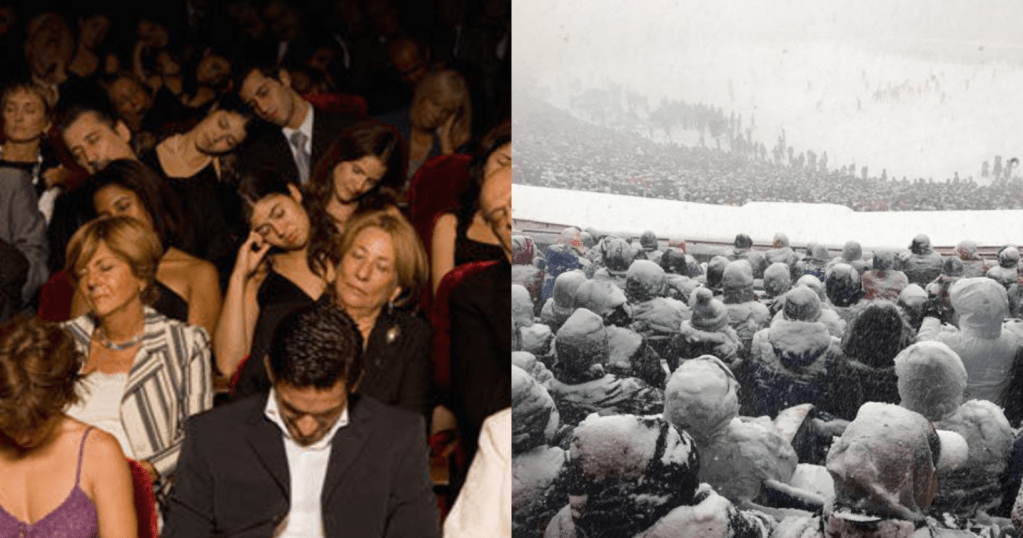
Yet, my dears, if Church goes overtime, if a sermon is longer then 10-15 minutes, if the singing is bit slow or if there is a special occasion and so service is a bit longer, we complain. The cheapest ticket to attend the Superbowl is $5,000, and we’ll pay it. A regular season game could cost a few hundred dollars and rain, snow, lighting, or sunshine, we will stand 90 minutes for the entire game. Even if there is no room to stand, just to attend a concert, a sporting event, a show, we will make an effort to find a way to get there and participate. Yet, my dears, God’s gift of salvation, of faith, hope and love in the Church is given to us freely and we’ll complain. The sun is out, or the rain and snow is too much and so we don’t go and we’ll complain. The pews are uncomfortable, or we have to stand for periods of time or drive some distance to Church and so we complain. No, there is nothing wrong with loving and desiring to watch sports, attend concerts or other such events. There is nothing wrong when we love an encore or when our favorite sport goes overtime. Yet, look at how we treat our earthly desires vs. how we treat our time with God.

St. John Chrysostom writes, back in the 5th century, “We run eagerly to dances and amusements. We listen with pleasure to the foolishness of singers. We enjoy the foul words of actors for hours without getting bored. And yet when God speaks, we yawn…Most people would run rabidly to the horse track, although there is no roof there to protect the audience from rain, even when it rains heavily or when the wind is lifting everything. They don’t mind bad weather or the cold or the distance. Nothing keeps them in their homes. When they are about to go to church, however, then the soft rain becomes an obstacle to them. And if you ask them who Amos or Obadiah is, or how many prophets or apostles there are, they can’t even open their mouths. Yet they can tell you every detail about the horses, the singers and the actors. What kind of state is this?” (Homily 58 – Gospel of John) The truth is my dears, that our disinterest or under appreciation and desire of time with God is nothing new. The question is therefore, when will each of us learn? When will we understand and pause to give thought to this reality? What reality? That as hard as the gridiron is for a football player, they keep fighting knowing that the clock will run out. That even with our favorite events going overtime, the clock will run out. That one day my dears, our clock will run out and show will be over. 

An athlete fights to overcome the difficulties in order to rise up as a champion. They don’t make excuses that the weather is too much, the game is too long, or the work is too hard. The musician dedicates hours to practicing regardless of the tireless nights and days invested in mastering their art. They do so because they love the art, the sport, and craft. Like it or not, life is difficult; rain and snow, sun and wind, exist in our lives as well. And unless we are willing to combat the difficulties in our life, unless we are willing to “run the race” as St. Paul says, we will not rise up. Because whether we like it or not, life doesn’t always give us an encore or overtime. Each one of us here today has questions, struggles, anxiety, fear and heartache; we don’t need to be an athlete to know the difficulty of overcoming challenges. However, every athlete, actor, performer, etc. utilizes every means to grow stronger and be better at their craft. As Christian’s, as children of our Heavenly Father, the Church, the Holy Scriptures, the priest and everything we are taught are the tools, the means through which we are equipped to overcome life’s difficulties. These tools are given freely to all of us because God loves us and desires for us to be in Communion with Him and know who He is.

Why? So that we each will then become a source of hope, love and healing for others. That is why Christ says, “If any one thirst, let him come to me and drink. He who believes in me, as the scripture has said, ‘Out of his heart shall flow rivers of living water.” (vv.37-38) If the purpose of actors, performers and athletes is to entertain us, if the purpose of sporting events and concerts is for us to come together and enjoy music or time together, then know that the purpose of each one of us who is a Christian is to come together and bring others together for Christ – to share light in darkness, hope in suffering, love in the face of hate and compassion in times of sorrow. Yet, how many of us will find a reason to not attend? How many of us will choose to not listen and utilize the means, the blessings that God provides? Next week we begin Great Lent; an opportunity for us to learn, to pause, to reflect not on food, or drinks and what we can give up, but on what God gives us. Yes, fasting is important and necessary for the life of our faith but the greatest faster is who? The devil who has no need for food or drink; who fast non-stop. Meaning my dears, it’s not the food or drink but the time we spend with God, in prayer, in reflection, in learning and sharing His love. So yes, enjoy the big game, the movie, the concert and enjoy the overtime and encore. But give the same love and care to God because one day, in this life the easy or hard, the whistle will blow and our time will be over.

Comfortable In the Storm

Passages: Is. 61:10-62:9; 2 Tim. 2:15-26; Jn. 6:15-21
Ընթերցուածքներ՝ Եսայ. ԿԱ 10 – ԿԲ 9; Բ Տիմ. Բ 15-26; Յով. Զ 15-21

In the name of the Father, Son and Holy Spirit, Amen!

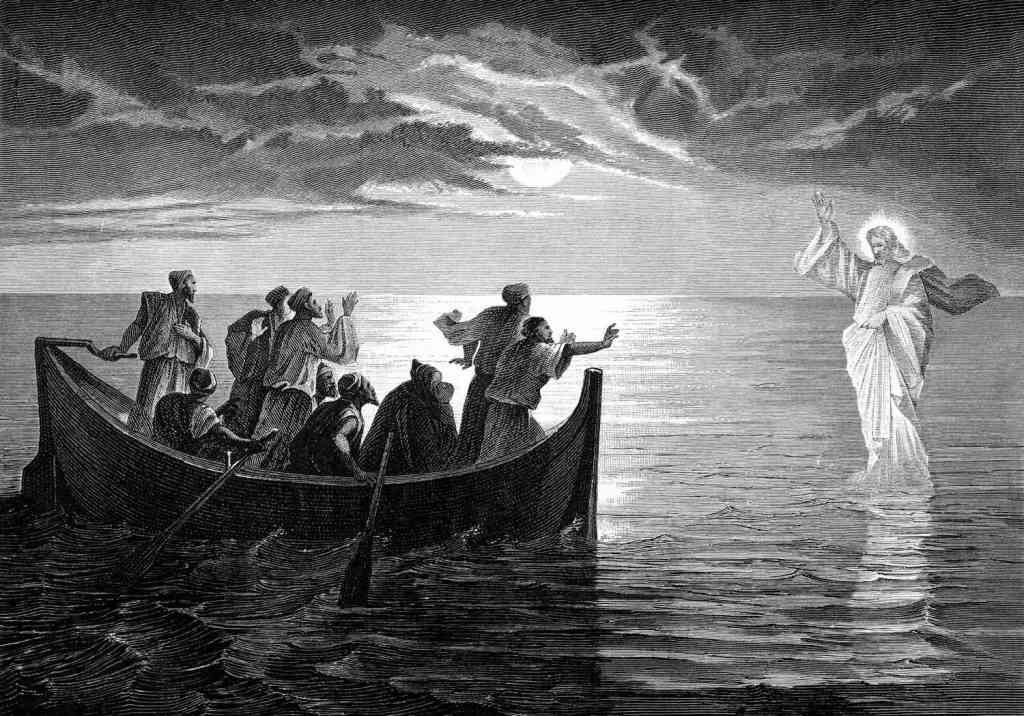
Over the last couple of years we have had a relatively mild winter here in Chicago. The cold has been limited and the snow has been on and off. Last night, was the first real severe snowstorm we’ve had all winter. It made driving very difficult and most of us didn’t want to leave home. It is safer to stay indoors, in the warmth and comfort of our homes and with those we love, rather than deal with crazy drivers, and the storm. The other day, as I was driving to do a home blessing, there was a moment that it became almost a white out. I could barely see the cars around me but thankfully, as I followed the GPS and with some safe driving tactics, I was able to maneuver out of the storm and reached my destination. Much like in today’s Gospel my dears, we read of how the disciples while crossing the Sea of Galilee were caught up in a storm. I’m not sure how many of us have had a chance to visit that part of the world but I have seen some of the storms that can occur on that lake, and they are dangerous. Regardless, most of us know this story, of how Jesus appears to the disciples, he walks on the water and once they recognize and accept Him into the boat, the storm stops, and they reach their destination.

This story is relatively self-explanatory. If we accept Christ into our lives, if we receive God then the storms in our life will subside, right? But what is interesting my dears and something we might miss if we don’t pay attention to it, is why were the disciples in the boat without Jesus in the first place? Why wasn’t Jesus traveling with them? To understand this, we need to also look at the other Gospel accounts of this same story, because in the Gospel of Matthew and Mark, what we read is that Jesus basically tells the Disciples to go across to Capernaum and he will meet them there. Jesus sends them out onto the lake. This might seem strange at first glance but what it seems to say is that Jesus, God the Son, knew there was a storm and sent them out into it – and this would be correct. Unfortunately my dears, too many of us today, assume that to be a Christian means to be protected from the storms, from difficulties and pain in life. That if we believe in God, that if we are doing the will of God, praying, fasting, attending Church, following the commandments, then our life will be peaceful, and we won’t face storms. When we do fall into storms and difficulties, we question our faith, and God. Why did God allow me to fall into this storm? This my dears, is what conditional faith looks like. Meaning we believe in God on the condition that life will be peaceful and blessed. Whereas, obedience to God, truly following and being in Communion with God has nothing to do with the condition of our comfort.

The truth is my dears, we are all facing storms in our life. In our relationships, in our workplaces, at school, with our spouse and kids, maybe in Church. Storms are everywhere and unavoidable. And yes, sometimes God allows us and even sends us in the direction of a storm. God tells us to leave our comfort zone and go forth with a purpose. It is therefore, not why we are in the storm that is questionable but rather, what is our reaction to the storms, which defines and reveals our faith in God. When I was caught in the storm a few days ago, imagine if I had turned back, or started panicking rather than carefully following my GPS, and driving to my destination – I would not have done a home blessing or had the wonderful spiritual conversation with the family I visited. Imagine if the Apostles, if Sts. Peter and Paul had stopped every time they faced difficulties or suffering when serving the Lord – we would not have learned and witnessed the message of Christ. What about when Noah was asked to build the Ark; imagine if he said this is too hard, I don’t know anything about building a boat, let alone caring for all those animals – we would not have seen how God protecting the faithful family of Noah when all around them sin was rampant.

What about us, what about the storms we face and the comfort we lose – what would happen if we abandoned our faith, stopped, gave up, what would happen? My dears, remember the words of the Psalmist, “though I walk through the valley of the shadow of death, I fear no evil for you are with me…” (Psalm 23) Yes, my dears, storms exist in our life and just because we follow God and do His will, does not mean we will not face storms; rather, when we recognize God’s presence, when we remain trusting and faithful even in times of doubt and fear, then no matter what storms we face, no matter how many waves crash up against us, no matter how difficult it is to come out of our comfort zone, KNOW that God will bring us to our destination, reveal to us our purpose and protect us from the real dangers of evil – for He is with us. Yes, it is easier to just stay home, keep quiet, avoid confrontation and remain in our comfort zone. However, as Christian’s we are called to face storms, acknowledge and carry our cross, but do so not with our own strength and will, but with God.

My dears, Daniel was placed into the Lions Den and God shut their mouths; Shadrach, Meshach, and Abed-Nego stood in the fire but the flames did not engulf them; Noah waited patiently in the Ark and God brought them to rest on Mt. Ararat; the Apostles faced daily persecution and death and the seeds they planted flourished into the world; our saints weere threatened and killed and we live today; we are all in a storm my dears – what is our reaction, how is God guiding us through it? Each one of us is dealing with some form of darkness, question, suffering, fear, anxiety, depression, loss, etc. we are all in the same boat, in our own storms. Regardless of how we have come into the storm, God the Father will guide us through the storm, Christ Jesus will bring us to our haven, the Holy Spirit will comfort us and give us strength to endure, for we are not alone in this life. Psalm 34:4 “I sought the Lord, and he answered me, and delivered me from all my fears.” Let us seek, look for the Lord and He will answer us and deliver each of us through the storms we face for He is merciful, compassionate and loving. And to God the Father, Son and Holy Spirit is due all glory, honor and worship Amen.