Load Bearing Wall

Passages: Is. 54:1-13; 1 Tim. 1:1-11; Jn. 2:1-11
Ընթերցուածքներ՝ Եսայ. ԾԴ 1-13; Ա Տիմ. Ա 1-11; Յով. Բ 1-11

In the name of the Father, Son and Holy Spirit, Amen!

When building a home, there are certain architecture designs that must be followed. Regardless of how we want the exterior or interior to look, there are some foundational things such as a load-bearing wall, waterproofing the roof, placement of pillars and beams around which the rest of our home is built. Likewise, when we build a Church; the physical Church, even though deep in theology, has practical and important components that are necessary in order for it to function like a Church. The Holy Altar, the dome, the bema, the baptismal font, all very specifically designed and placed.  And this practice of how a Church is built has certain roots in the Old Testament. When Aaron instructs the Israelites how to make a tent and the tabernacle where they can interact with God, it is done very specifically. Likewise, when Solomon builds the temple, the Holy of Holies, the curtain, the inner and outer courts are built with specific things. Within the Old Testament, one such specific item or practice within Judaism is the placement of what is known as a mezuzah.  If you have any Jewish friends or if you’ve been by a synagogue, you may have seen on the doorway a small rectangular box with some writing on it. This practice is believe to come from the Old Testament writing of Deuteronomy 6:9, when Moses is teaching the Israelites about keeping God’s commandments he says, “And you shall write them on the doorposts of your house and on your gates.” Now is it just some kind of decoration? No!
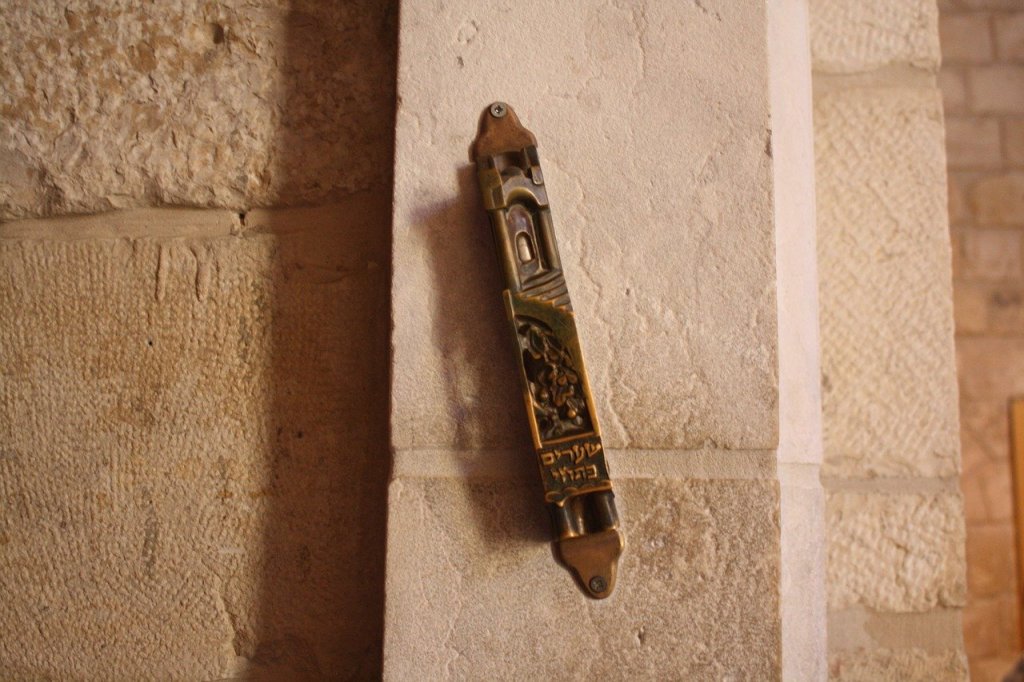
Within that box are 2 verses from Deuteronomy. The first is Ch. 6:4-5 and it is what Christ Jesus tells us is the greatest commandment, which is? “Hear, O Israel: The Lord our God is one Lord; and you shall love the Lord your God with all your heart, and with all your soul, and with all your might.” The second passage comes from Ch. 11:13-21 but which begins the first 2 verses with, “‘And if you will obey my commandments which I command you this day, to love the Lord your God, and to serve him with all your heart and with all your soul, he will give the rain for your land in its season, the early rain and the later rain, that you may gather in your grain and your wine and your oil.’” In other words my dears, if we love God with all our heart soul and might and obey His commandments, we will be blessed. And so the mezuzah is a reminder to all those who enter that home and see the mezuzah that God is present in the lives of those who live there, much like today we as Christian’s place icons and crosses in our home. However, in Deut. 6 it doesn’t only say that the mezuzah must be placed on your doorframe but rather the entire passage says, “Now this is the commandment, the statutes and the ordinances which the Lord your God commanded me to teach you…“Hear, O Israel: The Lord our God is one Lord; and you shall love the Lord your God with all your heart, and with all your soul, and with all your might. And these words which I command you this day shall be upon your heart; and you shall teach them diligently to your children, and shall talk of them when you sit in your house, and when you walk by the way, and when you lie down, and when you rise. And you shall bind them as a sign upon your hand, and they shall be as frontlets between your eyes. And you shall write them on the doorposts of your house and on your gates.”

I know it is quite a long passage but see how significant it is my dears. It isn’t enough to place this piece of religious decoration on our doorframe in the same way it isn’t enough to put crosses in our homes, wear them around our necks or have them tattooed on our arms (for those who go to Jerusalem), unless that which God commands through His Word, through the Holy Church is written on our hearts; unless we teach them to our children and live by them. In the same way, when constructing a building, certain things must be done to ensure the strength and foundation of that structure be it a home or Church or whatever, likewise, when building a life, a family, a community, and especially when we are building up our faith we need to understand there are certain things that are necessary to ensure strength and foundation. That for us Christians is the Word of God, learned and lived.
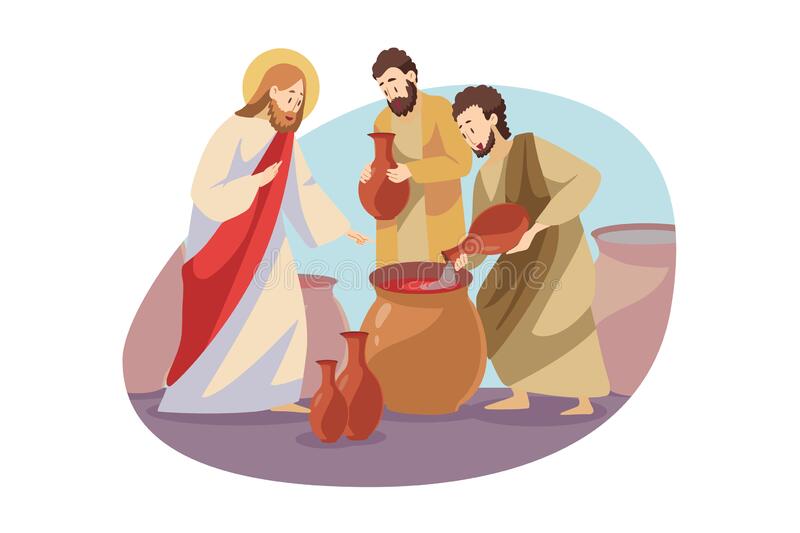
Today, in the Gospel of John we read of how Jesus turns water into wine, and though this miracle reveals God’s blessings to us, we need to return to that commandment from Deut. 11, “if you will obey my commandments which I command you”…He will give you grain, new wine and oil. You see if the workers at the wedding feast did not listen to Jesus, even if they didn’t particularly understand, then nothing would have happened. They trusted Jesus revealing to us that the first step to following God’s commandments means to trust Him; trust and have faith that those commandments are not meant to control us but guide us to better things; those commandments are not arbitrary rules that define our importance in society but are tools to reveal who we really are meant to be as children of God. But none of this works, if we don’t learn and live by what God commands us. When we are young and growing up our parents and adults might ask us, what do you want to be when you grow up? I’m sure most of us have heard this question or asked it to other kids. And regardless of the answer, we all know that to grow up and become a doctor, priest, lawyer, architect, musician, etc. we need specific education. We need to learn, read, go through schooling, practice, make projects and papers, fail, and succeed until we reach our goal. Even after we reach our goal, to truly be a master of our profession we know there is always something new and we can always become better or more skilled at who we have become.

The same is with our faith my dears, which sadly we don’t give much effort to. To grow up as a Christian, to live as a child of God we need to mediate and learn what those commandments are. We need to have a life filled with schooling and practice, of success and failure in our walk of faith. Because that learning becomes the load bearing walls, the waterproofing and all the architectural and foundational components in our life upon which who we are is built on in. Only then do we impress on our hearts, minds and souls the commandments of God; only then can we live by them and see how the waters in our life, the most basic things can be transformed into blessings. We don’t need to have mezuzahs or even crosses decorating our houses because those are not decorations, in the same way the Cross on the Church or the icons surrounding us are not decorations but rather reminders and tools to teach us. So let us ask, what do we have in our life that serves as a reminder for us to pray and learn the commandments of God? What do we have in our life that makes us pause, reflect and ask how is my life a reflection of God’s love? Because my dears, ultimately the commandment is love, as St. Paul says, “whereas the aim of our charge is love that issues from a pure heart and a good conscience and sincere faith.” (v. 5)
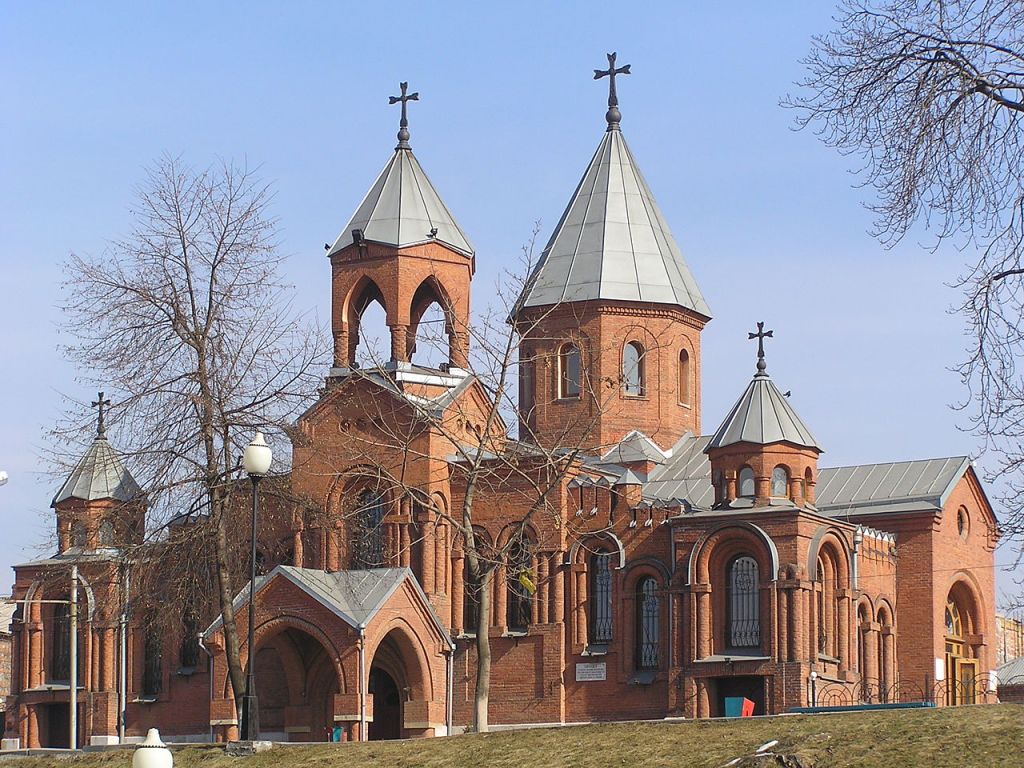
The love of God is what brought Christ Jesus into this world and ultimately to the Cross; because as much as we are joyful of the water turning into wine miracle, how much greater is the miracle of death being turned into life? Too many of us see and focus on the wrong message, the wrong component or wrong aspect of the story in the same way we focus on the wrong things in life that we think really matter. What is more important the foundation that will withstand tornadoes and hurricanes, or the dinner table and 85-inch TV in the room?  What is more important, our exterior appearance, a piece of paper from college, the car we drive or home we live in, or the love of our families, friends, and of God? Likewise, the water turning into wine is merely a reminder of the greater act of love that God has performed which is to save us from death, from hell, from eternal suffering. But we will never truly understand this unless, we have the commandments of God our hearts and live out those commandments through our lives, sharing that love and light with all those around us – our children, friends, neighbors and all people of the world.

Let us pray my dears, that God’s words do not merely remain on paper, or hang on our walls as decorations. Let us pray and meditate, learning what God has commanded of us; let us find things in our life that can serve as reminders to us to focus on God’s love and to be a reflection of God’s love. Trust and know that God has created us for a purpose and has given us the tools by which we can lay the foundation of who we are truly meant to be. And when we follow God’s commandments, love each other, forgive and have mercy, then we will receive new wine, new life, renewed hope and life. Not only will the waters of our life transform into sweet wine but all darkness and despair will be overcome with the light of the knowledge of God. Glory to God in the Highest and Peace to us all, Amen!
Christmas Is For Pagans

Passages: Is. 41:4-14; Heb. 7:11-25; Lk. 19:12-28 
Ընթերցուածքներ՝ Եսայ. ԽԱ 4-14; Եբր. Է 11-25; Ղկ. ԺԹ 12-28

In the name of the Father, Son and Holy Spirit, Amen!

“O come, all ye faithful, Joyful and triumphant, O come ye, O come ye to Bethlehem. Come and behold Him, Born the King of Angels!”

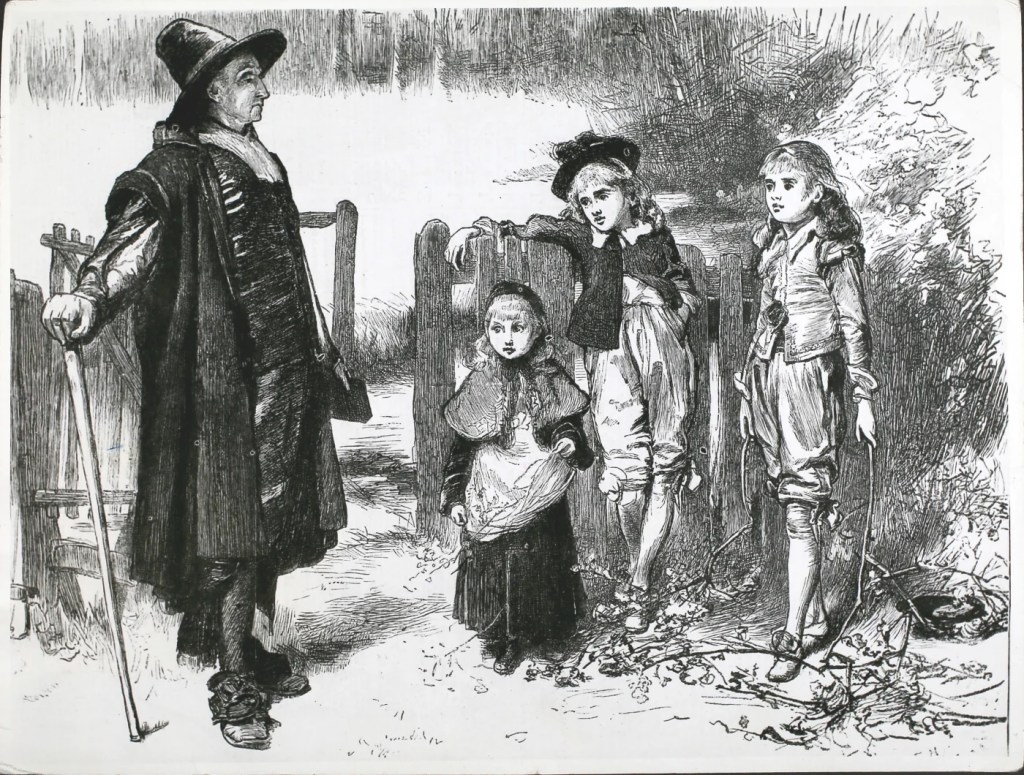
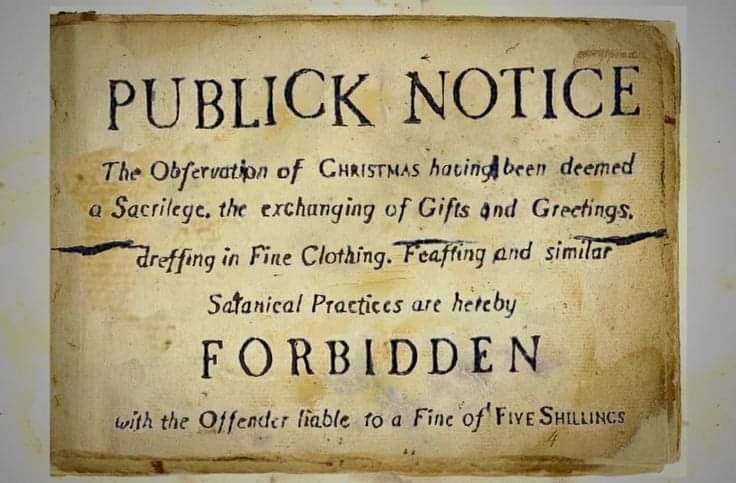
In 1744, this beautiful hymn was written in celebration of Christmas inviting all to joyfully come and witness, to behold the newborn Christ Jesus. Almost 100 years earlier, in the 17th century in 1659, Puritans who had just come over from England to Massachusetts declared a ban on Christmas. Christmas for them was too ritualistic and closely tied to Catholicism. They blamed people who celebrated Christmas to be pagans – putting up Christmas trees, manager scenes, carols, etc.  Additionally, the date of Christmas for the Puritans was problematic because it was tied to the Winter Solstice and the Saturnalia, a pagan holiday before Constantine. And so in an effort to bring Christ back into the true celebration of the Nativity all public celebrations of December 25 as Christmas was banned. “Men dishonor Christ more in the 12 days of Christmas than in all the 12 months besides,” wrote 16th-century clergyman Hugh Latimer as Christmas partygoers used the holiday as an excuse to feast, drink, gamble and engage in immoral behavior. What’s more, scripture doesn’t give a date, time or season of when Jesus was born and so therefore, in the 17th century the Puritans led by Oliver Cromwell banned Christmas in Massachusetts.

Now for us Orthodox Armenian Christian’s, we celebrate the Nativity, or birth and revelation of Christ on January 6. And this has historically always been the case for the Armenian Church from the very beginning. But without looking at the history of dates, without dissecting the differences between what we call Armenian and Western Christmas, I want us to ask ourselves, were the Puritans in the early American Colonial days correct? Today is December 25, and regardless of if it is Christmas or not, regardless of if historians, theologians, etc. are correct in the date of celebration, how are we celebrating? How many of our family members are not in Church? How many of us are truly here in mind, heart and spirit vs. how many of us are thinking about tonight’s dinner, the football game, on vacation or opening the presents under the tree? Perhaps my dears, the puritans were correct in that Christmas has become a pagan holiday where we use it as an excuse to feast, drink or go on vacations. There is nothing sinful or wrong about coming together and sharing in a meal, celebrating and exchanging presents or traveling for vacation, however, what are we celebrating? The birth of Christ, God in our life, the Light of the World that overcomes all darkness or a winter break? If not today what about on January 6th, what and how are we celebrating?

My dears, much of society these days no longer says “Merry Christmas”, we say Happy Holidays! We don’t sing Christmas carols where it says anything about Christ Jesus and rather to be inclusive, we change the lyrics or sing songs about presents and bells, and Santa Claus. In fact, the most popular Christmas song is what? Mariah Carey’s “All I want for Christmas is you” which prompted people in media to label Mariah Carey as Queen of Christmas. Thankfully, Mariah Carey responded very properly and said St. Mary is the Queen of Christmas not I.  But look at what Christmas has become? In response there are those who feel called to crusade around and say, “put Christ back into Christmas” or “it’s not X-mas, it’s Christmas” and of course “Merry Christmas not Happy Holidays.”

My dears, we are the ones, we who call ourselves Christian, followers of Christ Jesus, children of God, we need to be put Christ back into Christmas by bringing Christ back into our lives. Not merely by saying Merry Christmas but by living out what this season, this celebration is about – God with us today. Coming to Church, being here physically, emotionally, and prayerfully seeking out God. Then taking the Good News, the birth of Christ Jesus, the revelation of God with us and in us to the rest of the world. Sharing the light of God rather then quietly hiding that light, that faith so we are inclusive of others. Today’s inclusivity has become the reason why God’s word is not shared; in order not to offend those who don’t believe, we who do believe willingly hide our faith and therefore, do not bring healing, do not share God’s love with others in the way we are called to. Because today’s way of being inclusive is to be exclusive of God, to remove God from everything we do and make our faith a private, personal, 1 hour practice we do and not share. However, our faith, Christ Jesus born into this world is a gift meant to be shared with everyone and we as Christian’s, as those who claim to be witness to that gift, to the revelation of God in our world are entrusted with sharing that news, the revelation and healing with our families, friends, communities, etc. in whatever capacity we can. But do we want to? Are we truly celebrating Christmas or did the Puritans have it right, that Christmas is just another pagan celebration of the self, of commercialism, of debauchery and vain rituals?

Christ in today’s parable reading clearly says to those who have, more will be given and but from those who have not, even what they have will be taken away.  In other words, those who have faith, who live their faith, who pray, fast, repent, forgive, show mercy, hope, love and compassion, they will receive more – their faith will grow. Those who think they have, meaning those who falsely claim, but neither live their faith or make it into a mockery, from them it will be taken away. Where do we stand my dears?  Yes, for the Western world today is Christmas, a joyous celebration and we join in that celebration even if we as Armenian’s celebrate on January 6. 

We join not because we disregard our own date but because we must understand that Christ must be born and revealed, Christ is crucified and resurrected, Christ is present in our life every day, every moment and Christmas is not limited to just a single date in the year. We are called to live our life with this reality and share it with the world in any way we can.  Whether that means through volunteering, giving, or spending time in reflection and thanksgiving to God. In the classic movie Home Alone which we Chicagoans personally know very well, Christmas is beautifully lived out in the character of Gus Polinski.  For those who don’t remember, Gus Polinski, aka the Polka King of the Midwest and Kenosha Kickers, saw a distressed mother at the airport on Christmas Eve, trying to get home to her son and offered to give her a ride in his rented Budget truck. Yes, it’s a movie, but it shows the spirit of Christmas – to take the Good News of God, to share His love, hope and renewed life to others.

My dears, how are we celebrating Christmas? Sadly, our Churches are empty and most of our loved ones are not here. I pray, let us all pray, that we reflect on what is being celebrated today, how are we celebrating and how can we continue to celebrate throughout the year? For Christmas is not limited to lights, carols, dinners or trees but Christmas is realized in the presents of God in our lives. If today, if this year we have not done justice, we have not lived or understood what our faith must be, may it be that from today on, we strive to change, we ask God to truly be born into our life so that we will bring His love and healing to all those around us. Let us end this year with Christ and begin next year with Christ – because for us Christ is born everyday and we bow at the manger in worship everyday. 

“O come, all ye faithful,
Joyful and triumphant,
O come ye, O come ye to Bethlehem.
Come and behold Him,
Born the King of Angels!

O come, let us adore Him,
Christ the Lord.”

Let us take that Good News to the whole world and give glory to the King of Kings, and Lord of Lords Amen!

Reading More Than A Book

Passages: Is. 38:1-8; Heb. 1:1-14; Lk. 17:1-10
Ընթերցուածքներ՝ Եսայ. ԼԹ 1-8; Եբր. Ա 1-14; Ղկ. ԺԷ 1-10

In the name of the Father, Son and Holy Spirit, Amen!

In Armenian there is a saying, “be afraid of the person who reads one book.” As Christian’s we are known as the people of the Book because my dears we are called and taught through the example of Christ Jesus to serve, each other, to be humble in heart and mind and as I mentioned a few weeks back, to be different than those around us. We learn this from the Book, the Holy Bible. To serve one another, to serve God can be done in various ways. It can mean to physically go out into the streets and feed the hungry, tend to the homeless and broken of society; to serve can mean to volunteer our time for our Churches, our communities and organization; another way of serving can be to fulfill our responsibilities to our families, to ourselves, etc. Regardless of which of these we do, Holy Scripture is clear that above all else we must, do all out of love, hope, mercy and forgiveness, living a life of repentance and Communion with God.

“Take heed to yourselves; if your brother sins, rebuke him, and if he repents, forgive him; and if he sins against you seven times in the day, and turns to you seven times, and says, ‘I repent,’ you must forgive him.” (vv. 3-4) We often like to say, scripture tells us not to judge yet, Christ clearly is saying that if your brother or sister is in sin, is hurting themselves, then we must rebuke, we must care for and help them turn to repentance. And when they do, we must forgive and not hold their past over their head and make them feel worse. This is the greatest way of serving God, through love, hope, mercy and forgiveness, bringing others, our brothers and sisters, to God. This is what it means to be a Christian, a child of God, the light and salt of the world as Christ teaches which we learn from the Holy Book. However, my dears there is a danger that we ourselves must avoid. The danger is in only reading one book of the Bible or only reading one verse of the Bible and making it fit our lives. What do I mean?

Too often, too many of us say, “I’ve done enough” or “it’s not my job” or as Cain says to God in Genesis, “Am I my brother’s keeper?” We think that to be a Christian means to follow a moral code, to be controlled by the institution that is the Church. Dress, think, act, love, give, live, come sing, volunteer, vote, etc. a certain way in order to get to Heaven. Or we focus on ourselves, on our self-improvement because we don’t want to judge other’s, we don’t want to make comments or get involved because it’s none of our business how others live. Today we hear a lot of the same psychological phrases, “we’re all broken”, or “we all are going through something.” And while this is true, and therefore, empathy and humility are necessary, it does not mean we neglect our call of serving others, of addressing sin and hurt and helping guide ourselves and others to God. Getting into Heaven is not what our Christian faith is about; and only focusing on “us” and our sins is not what Christ teaches us. Rather, both approaches to Christianity, to our relationships with each other and with God are only one verse out of the richness that God has given us through His Word.

This is dangerous not only to us but to those around us as well because it limits and creates artificial, incomplete boundaries around what our faith and the human condition is about. Think about a person who has only read one book. Their entire viewpoint of life is based on that one book. Their personal beliefs, their political viewpoints, the way they choose to dress, the way they treat others, the way they vote, the reason they believe or don’t believe in God, everything they do is based on what they read in that one book. As much as there are certain books, I love more than others, I could never limit myself to just one book, one viewpoint, one approach. It would be dangerous, it is limiting, and it would not teach me what is true about God, the world and my role in it all. If I read, Chronicles of Narnia, I would think all animals talk and there is a magical world in my closet; if I read Hamlet, I would think that ultimately, death and revenge are the way of life. What if I only read Hitler’s Mein Kampf, and my viewpoint was that the world’s problems are the Jews? That is why the saying goes, “be afraid of the person who reads only one book.”

Sadly, this is often the case with our faith my dears. We only read one verse or only read what we want from the Bible. We don’t delve deeper into what Holy Scripture teaches us, we don’t ask questions, we don’t learn more and so we limit ourselves and in how we are called to understand what it means to have faith and what it means to serve others. That is why Christ ends today’s Gospel, after the disciples ask him to increase their faith, by saying, when we ponder about how we serve God we must say to ourselves, “We are unworthy servants; we have only done what was our duty.” Christ isn’t saying that we must think we are worthless servants bound to duty alone, but unlike the person who reads only one book and thinks they know everything and enough that they can pass judgment on the world (I’m sure we all know people like this especially with social media as an anonymous platform), we must be humble and understand we are all servants of God our Father in Heaven, we are all called to be  imitators of His love towards those around us and we do this as it is our calling as Christian’s. We do so not because we ‘get into heaven’ but rather because it makes us like God our Heavenly Father.

What this mean and how we learn to do this begins through humility, and a desire to read, grow, attend Church, ask question, etc. By reading more than just one verse or book. Yes, my dears, the call of a Christian, the responsibilities we have as children of God is much and it is difficult at times.  But we do not out of personal gain or because we are better, but rather, we live our Christian faith serving God and each other, regardless of how that may be, out of a response to Christ Jesus, who died for us, who humbled himself, was born in a manger, who fed us, washed our feet, saw our brokenness, took our brokenness or sins unto Himself and died upon the Cross so that we may live. Therefore, let us live, let us tend to, let us volunteer, care, protect, serve one another in such a way that Christ will look upon us and say, “Well done, good and faithful servant; you have been faithful…” (Matt. 25:23) May this Christmas season create in us a desire and heart to grow in our Communion with God, to attend and be part of God so that God will be a part of our life and we will see clearly and understand more and more what that means, Amen!

Open Invitation

Passages: Is. 37:14-38; 1 Thess. 1:1-12; Lk. 14:12-24
Ընթերցուածքներ՝ Եսայ. ԼԷ 14-38; Ա Թեսաղ. Ա 1-12; Ղկ. ԺԴ 12-24

In the name of the Father, Son and Holy Spirit, Amen!

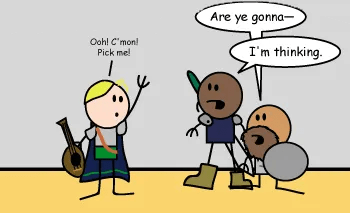
When I was in school, I enjoyed team activities. Whether it was sports, theater, organizing events, or whatever group activity we were assigned in class, I always enjoyed it. However, the truth is I wasn’t always picked by my peers; sometimes I was last to be picked, or the teacher had to assign me to a group. Growing up this feeling of not being picked was hurtful and it left me questioning as to why I was not desired, liked, or included. I had skills, talents, ideas, and ways of getting things done, but for whatever reason, occasionally, I was left out. I’m certain my dears, we’ve all felt this way throughout our lives. Perhaps in school, work, in our families, in the groups of people we relate to and call friends, for whatever reason perhaps we’ve felt left out or undesired. And to show that we are tough and resilient, we try to convince ourselves that we never really wanted to be part of the group, or we didn’t want to be invited to the party or be included. But in truth, it hurts; we all want to be included, picked, called upon, trusted, liked, and loved. When we examine our lives there is a truth that we must accept, sometimes we don’t want to be picked, included, or called upon; sometimes we wish we could stand on the side lines. This is especially true when it comes to difficult tasks; things that whether they are beneficial or not, require time, energy, responsibility. This is definitely the case when it comes to our Christian faith. 

As Christian’s, as children of God, we want to be accepted by God; we want to share in His love and blessings; we want our prayers answered, our hopes fulfilled, our cares lessened. However, too many of us don’t yet realize that to be a child of God, to recognize God as our Father entails, requires, demands a certain energy and responsibility.  To be a Christian is more than just about believing in a “higher power” or living by a certain standard. A Christian must reflect Christ; meaning, humble, merciful, compassionate, loving and forgiving. A Christian is charitable and outspoken for those who cannot speak, a defender of the defenseless, a feeder of the hungry and teacher of God’s love. A Christian, a child of God is someone who answers the call of God. Most of us would agree with all those things. However, the last part, “to answer the call of God” we often associate with who? Clergy, nuns, monks, etc. People who serve the Church in a more direct way. Countless times I have had conversations with faithful who say, that I only act or think a certain way because I’m the priest; or I have to visit the sick and be forgiving and patient because I am clergy; it’s my vocation or calling. Yet, look at what St. Paul says in Thessalonians today. “We give thanks to God always for you all, constantly mentioning you in our prayers, remembering before our God and Father your work of faith and labor of love and steadfastness of hope in our Lord Jesus Christ. For we know, brethren beloved by God, that he has chosen you; for our gospel came to you not only in word, but also in power and in the Holy Spirit and with full conviction. You know what kind of men we proved to be among you for your sake. And you became imitators of us and of the Lord, for you received the word in much affliction, with joy inspired by the Holy Spirit; so that you became an example to all the believers…your faith in God has gone forth everywhere, so that we need not say anything.”

St. Paul, a clergyman, someone who was called and answered is exhorting, teaching us that it’s not just him who is healing, teaching, sharing in the power of God but it is you, everyone. Every individual who believes and calls upon the name of God as Father in Heaven has been charged, called, selected and picked. Paul is not saying that educated, the married, the bearded, the men or women, the politician, the democrat or republican, the black, white, Asian or Armenian; Paul is not saying people who speak a certain language or who dress a certain way, or any other arbitrary category we can come up with.  Rather, “For we know, beloved by God, that He has chosen you…” The issue therefore, my dears, is whether or not we chose to accept that call, to accept being selected by God, to take up our Cross, as Christ says, or to deny Him. That is why Christ gives the parable of the Great Banquet in Gospel of Luke. A great feast that has a multitude of guests invited and yet, when the time to answer the invitation is at hand, everyone begins making an excuse why they can’t attend. I have work, I have family responsibilities, I am tired, I am x, y, z. All sorts of reasons. What is our reason? If we want to enjoy God’s blessings, if we truly believe that God has saved us through Christ Jesus, then what is our attitude, our heart, our thoughts and ultimately action when we are called not just to enjoy this banquet but to also feed others, care for others, teach others about God?

If in life, young or old, we feel hurt when we are rejected, when we are not picked or included, how much thought have we given to the truth that we are now rejecting God. The difference is, my dears, that because God is ever loving and patient, His call doesn’t stop, His invitation is open for us always to recognize and answer. Yes, there will be a time when that call will stop, not because God’s love stops but because we’ve rejected Him so much that we have distanced ourselves, become blind and deaf to His call. Just like when we don’t want to talk to someone who we don’t like, we do what? Ignore their calls, and texts. We become blind to that person reaching out to us and likewise, overtime, we become blind and deaf to God’s call. Yet, know that God will not reject a repenting heart, a person who sincerely calls out His name, Abba, Father, forgive me. During this time of Advent, we once again have an opportunity to ask and reflect whether we are accepting God’s call, taking up that Cross, answering the invitation or rejecting Him. It isn’t the priest alone, in the same way it isn’t a single player on a team, or a single actor on stage that makes a memorable performance; we are all in this together. We are all a body, the Body of Christ, with different ideas, skills and talents which God will use to share the Good News of Christ Jesus.  We are all selected for this group activity called life; a Christian life, is therefore, one that must answer the invitation of God.

Is it easy? No, but that is why we begin with the knowledge that God gives us the strength to overcome all difficulties we face. Allow my dears, this time of year, as we are gathering for Christmas and New Years dinners, as we are shedding off the 2022 disappointments and planning ahead to do better in 2023, let us allow ourselves to pause and listen to God’s call. Whether that means serving in the Church directly, or merely being a comforting shoulder to someone in need. We are all called according to what talents God has given us; we are invited to this banquet table; we have all been picked to be on “God’s team”; if only we choose to accept. Let us pray now and each day, that we hear, see and ultimately accept that call. Grace, hope, faith and love in the name of Christ Jesus be with us all, Amen!

Set Apart

Passages: Is. 36:22-37:11; 1 Thess. 4:1-11; Lk. 13:1-9
Ընթերցուածքներ՝ Եսայ. ԼԶ 22 – ԼԷ 11; Ա Թեսաղ. Դ 1-11; Ղկ. ԺԳ 1-9

In the name of the Father, Son and Holy Spirit, Amen!

Romello “Mello” Early (right) noticed some classmates were bullying his friend, Melvin Anderson...

In Buffalo, New York in the month of November, a 7th grader named Melvin was being constantly bullied. At his school, popularity was based on what kind of shoes you wear, how expensive your shoe was, and unfortunately, Melvin was not from a wealthy family. Therefore, the shoes he owned were not considered of high class in the “sneaker culture.” All of a sudden one day, with a bright smile Melvin came to class with a bright orange box. The class was surprised and so the teacher asked, where did you get the box? Melvin answered, a fellow student, Romello, had bought him brand new shoes. Romello, couldn’t stand seeing his classmate being bullied and so one day after school, he asked his mom if he could return all his upcoming Christmas presents and gather up his allowance to buy Melvin a new pair of Nikes. So collecting all is savings, Romello bought a new pair of shoes for Melvin. When he was asked what brought him to such a kind act, Romello answered, “shoes are meant for walking not dividing or diminishing.” As a result, not only did Melvin have a great pair of shoes but Romello’s act affected the entire mentality and culture of the school.

What can we learn from this story my dears? St. Paul in Thessalonians writes, “For you know what instructions we gave you through the Lord Jesus. For this is the will of God, your sanctification: that you abstain from unchastity; that each one of you know how to take a wife [husband] for themself in holiness and honor, not in the passion of lust like heathen who do not know God…” St. Paul teaches us that we have to live a certain way because the will of God, God’s desire for us is sanctification. What does that mean, to be sanctified? Today too many of us use our emotions to define words and sadly even the word sanctified, saintly or Holy is misused. Think about how we use that word: Holy or saintly. We say Holy God, Holy Bible, Holy Church, but also say holy cow, holy moly and God knows what other derogatory use of that word. For the Holy Church, holiness, sanctification means to be set apart, to be unique, to be different – for God. If we look at the words of St. Paul we might think it means to live a holy life, to do good and right. Yet, as we all know there are plenty of non-Christian’s who do good and right. Therefore, what does it mean to be unique and different but for God.

This means that when we say we believe in God, be also acknowledge that God must transforms our life. This transformation begins from recognition of our sinfulness and therefore, a need for repentance. That is why in the Gospel today we read, “There were some present at that very time who told him of the Galileans whose blood Pilate had mingled with their sacrifices. And he answered them, ‘Do you think that these Galileans were worse sinners than all the other Galileans, because they suffered thus? I tell you, No; but unless you repent you will all likewise perish. Or those eighteen upon whom the tower in Silo′am fell and killed them, do you think that they were worse offenders than all the others who dwelt in Jerusalem? I tell you, No; but unless you repent you will all likewise perish.’” My dears, we all are equal sinners, equally broken and equally need to repent. However, to repent my dears, doesn’t mean to feel bad. Rather, repentance means to turn around.

In Armenian repentance is abashkharel, and this word in Armenian means ab to turn ashkhar – saddness. When we repent, we are called to turn away not from the world but rather from the polluted, saddened and broken world towards joy, towards God. As the Christmas carol says, “Joy to the world, the Lord has come…” All the joys of the world that we experience, all the items we can buy and fill our life with are meant to be blessings for us. However, they are not our purpose, they are not what gives us value, they are not what matters or sets up above or apart from others. Acting kindly doesn’t set us apart. It is God that sets us apart and it is for Him who we are set apart for. This mean we can enjoy the blessings of life but must do so by being different, being a light, a healing hand, a comforting shoulder, to others. Romello in the story, didn’t stop wearing nice shoes nor did he leave the school rather, he set himself apart by teaching others through his light, his hand, his care that the shoes on our feet don’t give us value. Romello changed not just his life but also the life of Melvin; he also changed the lives of those who also attended that school. That is what is means to be sanctified or set apart for God.

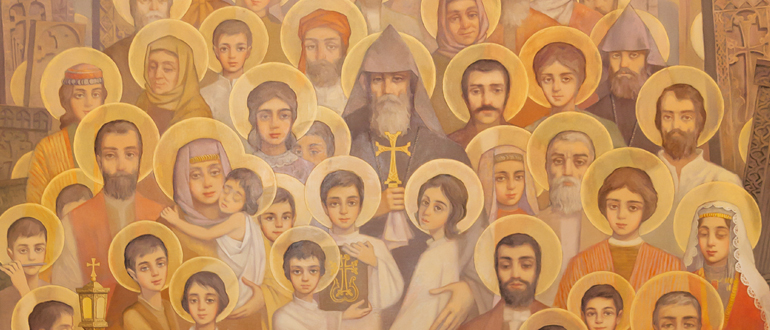
Likewise for us, it is not our age, our skin color, our education, our statutes or class, the shoes on our feet, the hairstyle, the make up, the Instagram post, the way we vote, the food we eat, the house we have, the language we speak, the diploma at home, etc. these are not what define our value, or set us apart. God sets us apart, God gives us value, God sanctifies us by transforming us. To be transformed, to be changed, to be illuminated through God and then to take that light and that new life in Christ to others and to all aspects of our life. In our relationships with each other; in how and why we volunteer or act charitably; in what we fill our lives with that define us; in how we think or speak; our marriages, our day to day activities, everything we do, doing it in a way that sets us apart for God. That is why we call these men and women saints – they are sanctified because they were different for God; lived lives just like us, had careers and families just like us; watched football or baseball just like us, yet, are different for God.

My dears, it is this for what we are called Christian, it is this that is the will of God, that we be transformed, we be unique, in the likeness of God by turning to Him, to joy and thereby, also transforming this world, bringing joy. In this Advent season, as we are preparing for the Nativity of Christ Jesus, of God becoming man, let us not forget that Christ came to transform us – man into being like God, sanctified and Holy. This begins when we wake up each morning and recognize that we are sinful, repenting, turning to God away from sadness, living our life with God in our hearts, lips and hands. Because let me be clear Romello, didn’t change an entire school with a pair of shoes, rather, it was love that changed everything. It is the love of God that changes us and it is through that love that we can change this world around us. A love we grow to understand when we repent and turn to God. Let us therefore use this time, as we end another calendar year to reflect my dears, on our brokenness and receive this opportunity to repent, to turn to God, turn towards joy and live our life in this world by being different and unique for God. And know that God in His endless love for us will give us the strength, hope and faith to overcome all difficulties and trials, all pain and sadness. Use that love and joy to transform this world around us and by giving glory to our Father in Heaven in all that we do and everyday, Amen!

Peace Unto All

Passages: Is. 29:11-20; Phil. 4:8-23; Lk. 11:1-13
Ընթերցուածքներ՝ Եսայ. ԻԹ 11-20; Փիլիփ. Դ 8-23; Ղկ. ԺԱ 1-13

In the name of the Father, Son and Holy Spirit, Amen!

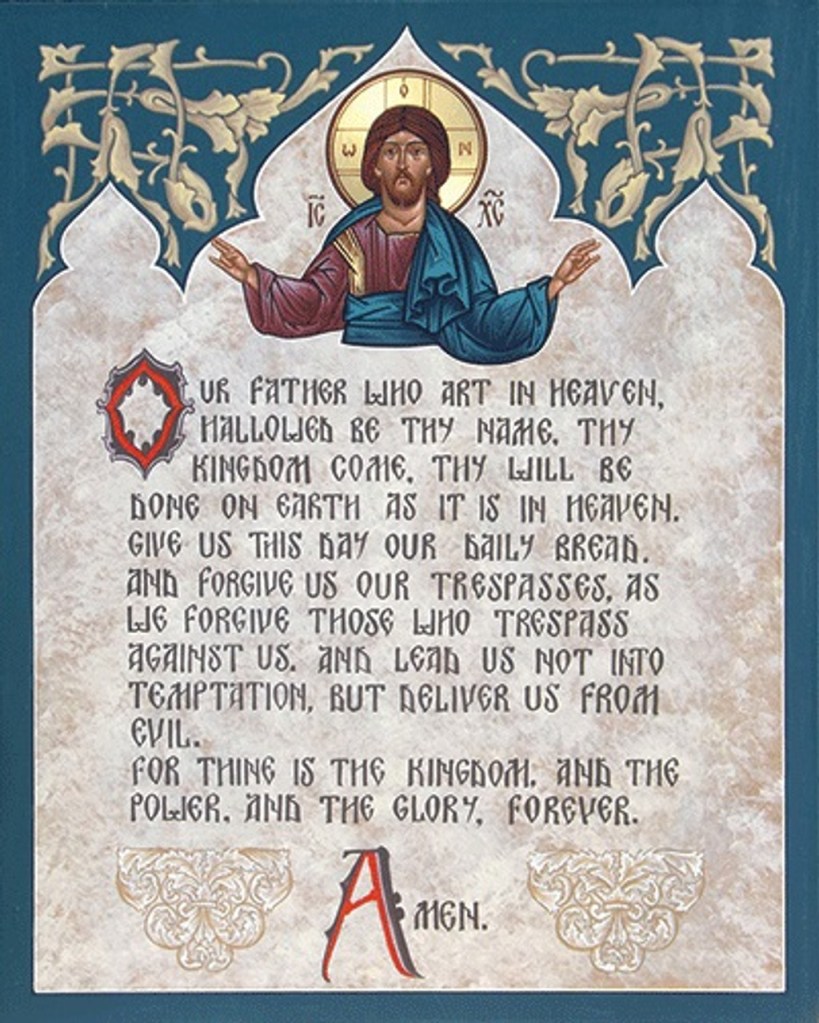
When the Deacon in Church chants, Yev yevus khaghaghutyan uzDer aghachestsook (Again in peace let us pray to the Lord), what do we respond? Der Voghormya (Lord have mercy). When the priest says, khaghaghutyoon amenetsoon (Peace unto all), what do we respond? Yev unt Hokvuyt koom. (And with your spirit) When we begin praying and we hear the words, Orhnial Der Mer Hisoos Krisdos Amen (Blessed be our Lord Jesus Christ Amen),or Hanoon Hor yev Vortvo yev Hokvoyn Srpo Amen (In the name of the Father, Son and Holy Spirit, Amen), we automatically know that we are about to say what? The Lord’s Prayer – Hayr Mer. In the Gospel today, we read of how the disciples ask Christ to teach them how to pray and Christ Jesus begins by teaching them what we refer to today as Hayr Mer, the Lord’s prayer. However, Christ does not merely say repeat these words but continues to speak about how we must seek out the Kingdom of God, how we must ask questions, and bless one another. Additionally, though today’s Gospel reading is from Luke, the Lord’s prayer is also found in the Gospel of Matthew (6:9-13) in the Sermon on the Mount.

This reading for the Armenian Church is read during Lent but when we examine it today, we see how before Christ teaches us the words of Hayr Mer, and even afterwards, He makes an interesting distinction, that relates to His teaching in the Gospel of Luke, between the prayer of the Pharisees and of how we should pray. In Matthew 6, before the Hayr Mer, Christ says, “And when you pray, you must not be like the hypocrites; for they love to stand and pray in the synagogues and at the street corners, that they may be seen by men. Truly, I say to you, they have received their reward. But when you pray, go into your room and shut the door and pray to your Father who is in secret; and your Father who sees in secret will reward you. Then after Hayr Mer he continues, “For if you forgive men their trespasses, your heavenly Father also will forgive you; but if you do not forgive men their trespasses, neither will your Father forgive your trespasses.” What does this mean? My dears, I began this sermon with the words from Badarak, from our Holy Divine Liturgy, and asked if we knew the response to each of those repeated phrases.

Most of us know them. Even if we don’t speak Armenian but have attended Armenian Church occasionally, or maybe a retreat with our youth, or perhaps we’ve attended a service in the Armenian Church like a baptism, wedding or funeral where the priest says, “repeat after each of the Deacon’s litanies, Lord have mercy or Der Voghormya” and so we repeat. If you’re in the choir or on the Altar, the hymns and chants, which are beautiful in nature draw us in and capture our attention. Sitting in the pews, quietly under our breath some of us sing along with the choir, deacons or even priest. However, those words during Badarak, the hymns, chants, repeated phrases, every word in scripture is not information, poetry or even decoration. They are prayers and each time we are in Church, listening to a sermon or in conversation with our priest we are told to be more prayerful, to pray unceasingly, as St. Paul says. Yet, for too many of us, even everyday prayer, attending Church, repeating those phrases or saying we are Christian is merely poetic decoration. It is like putting up Christmas decorations, or setting a thanksgiving table yet, not going further. What do I mean?

Isaiah writes, “And the Lord says: ‘Because this people draw near with their mouth and honor me with their lips while their hearts are far from me, and their fear of me is a commandment of men learned by rote;’” (v. 13) How many of us honor God with our lips and yet, our hearts are far from Him? How many of us speak about religion, chant in the Church, read stories or watch movies or national geographic documentaries about God, Church or Christianity and yet, our hearts are far from God? It is like putting up Christmas decorations yet, in the house we are fighting and divided or setting a table for thanksgiving, yet, in the kitchen we have no idea how to prepare a meal that will give true sustenance. Having a heart far from God can be in many ways. My dears, attending Church and knowing the Lord’s Prayer, or the repeating phrases, even praying at home is absolutely beautiful and necessary for our Christian life. In fact, the Church father’s teach us how just as breathing is necessary for life, so too is prayer necessary from faith. However, a Christian life, what God calls us too is not merely theoretical or limited to words. Rather, we must live it. That is why Christ tells us, along with teaching us the Lord’s prayer, that we must forgive, we must seek out, we must ask questions – we must live and desire to grow in the life that God has ordained for us and calls us to.

That is why we are surrounded by these icons saints, these saints that give us examples of not just prayers in words, but prayerful lives. Or else there is no love in our faith and no sustenance, no reality in our belief in God. That is also why, St. Paul today in Philippians tells us, “whatever is true, whatever is honorable, whatever is just, whatever is pure, whatever is lovely, whatever is gracious, if there is any excellence, if there is anything worthy of praise, think about these things. What you have learned and received and heard and seen in me, do; and the God of peace will be with you.” (vv.8-9) But let me caution us as well for our Christian faith, our belief in God is not a moral code, or a list of controls for our behavior. We know plenty of people of other faith’s or no faith that are far more charitable and kinder. Therefore, Christianity is not about being kind or charitable; nor is it about only our actions alone. Christianity is about being Christ! Meaning the root, the purpose and cause of our actions, our prayers, our goodness, of our kindness, mercy and charity is God; to glorify God by sharing the Good News. What you have learned and received and heard [and seen in me], do. We learn that Good News, we receive the resurrected Christ Jesus who gives us life through the Church, through the prayers, the words, the hymns and chants. But these things are meant to be sparks, meant to ignite a fire of warmth that invites others into this family, into Church. Yet, because for too many of us they remain merely words or we attend Church out of some arbitrary obligation, our hearts never draw near to God, we never truly feast from His table, we never hear and understand the Good News and therefore, we eventually fall away and turn to other options, other idols, other gods.

However, our Lord in His mercy and compassion remains, calls, invites us to come to Him, to knock on the door, to ask questions and seek Him out and He promises that if we do so out of a pure and honest desire to know Him, then we will find truth, we will be let in, we will receive our daily bread. Our lips and our hearts will confess our faith, our light will illuminate this world and our homes will share the truth of God’s love, hope and mercy. The words, Khaghaghutyoon Amenenetsoon Peace be to all, will not only resound from the Altar by the mouth of the priest but will come through each of us to those around us inside and outside the doors of the Church. My dears, pray, sing, chant, but do so not only with lips of flesh but with our heart, with our hands, with our feet and our minds. Forgive and we will be forgiven; turn away and we will be turned away. Our Lord God the Father, through His grace and mercy, has revealed Himself through Christ Jesus, calling us to action, calling us to repentance and prayer.

May it be so not for personal gain but for growing in our Holy Communion with God by drawing others, inviting everyone who seeks Him into this Holy Place, into this home. Where the external decorations and banquet before us is not only physical but is manifested in true love, hope and real sustenance for all who seek the Kingdom of God. So that when we respond to the Deacon by singing Der Voghormya, Lord Have mercy – in our hearts we receive God’s mercy. So that when we say in Hayr Mer, “Our Father…your Will be done…” we truly recognize God as a loving parent and we desire His life giving will in our life. So that when the priest turns and says, Khaghaghutyoon amenetsoon Peace unto all, truly in our hearts we will pray for God’s love, hope, mercy and peace for all – for us, our families, our neighbors, those in the pews next to us, our friends and colleagues, our bosses and leaders, our enemies and foes, for the beggars, and prostitutes in the streets and all those who are still outside these doors. Khaghaghutyoon amenetsoon Peace unto all, Amen!

Elect to Give Thanks

Passages: Is. 25:9-26.7; Phil. 1:1-11; Lk. 9:44-50
Ընթերցուածքներ՝ Եսայ. ԻԵ 9 – ԻԶ 7; Փիլիփ. Ա 1-11; Ղկ. Թ 44-50 

In the name of the Father, Son and Holy Spirit, Amen!

Living in the United States, when we ask what takes place in the month of November, almost all of us would answer, Thanksgiving. Every couple of years, November also becomes another important month for those of us living in the United States; election month. Whether it is the Presidential, Congressional, House, Mayoral or other elections, the month of November, since 1845, has been designated as election month. This is an interesting contrast – at the end of every November we recall all the things we are thankful for, we are grateful to God for His blessings and gathering around a dinner table we share a meal, stories, fostering our relationships through love; and yet, in the same month, we are divided, we spew hateful words, and ideas towards one another, we mock those who think differently than us and think we have the answer, in an effort to elect leadership for this country. What a strange ironic paradox, especially for us Christians. Therefore, how do reconcile this? How do we live with this paradox as Christian’s living in the United States?

In the prophet Isaiah we read today, “Lo, this is our God; we have waited for him, that he might save us. This is the Lord; we have waited for him; let us be glad and rejoice in his salvation.” (v. 19) This is not something new but rather a reminder to us that our Lord God, it is He who is going to save us, protect us, guide and instruct us. For which, St. Paul adds in Philippians, “I thank my God in all my remembrance of you, always in every prayer of mine for you all making my prayer with joy, thankful for your partnership in the gospel from the first day until now.” (vv.3-5) Whether we are living in America, Armenia, Canada, or anywhere else; regardless of the month, day or year, all of us must begin by thanking God, being grateful to God, by praying for each other, having empathy, compassion and mercy towards one another because we recognize that we in our brokenness, in our nakedness, in our sinfulness, we are saved, we are tended for and cared for by God the Father, whom we recognize and grow to know through God the Son, Christ Jesus and God the Holy Spirit. In other words, my dears, the dinner tables we gather around or the elections we participate in should come from a place of love and humility, recognizing that only God as our salvation and our strength in our communion, unity with each other. Or else both the dinner table we gather around or the elections we participate in, the community events we sojourn for, even Church becomes superficial and only serves our self interests.

That is why Christ Jesus, King of Kings chose humility, chose to enter this world and its brokenness; God chooses to be in communion with us, be with us. God looked at you and I, saw our frailty, saw our wounds, and tended to them through compassion, and mercy. In fact, to be more clear, when an argument broke among the disciples about who among them is the greatest, who is the best leader, who should be elected as group leader, Christ didn’t use himself as an example, but rather, “he took a child and put him by his side,and said to them, ‘Whoever receives this child in my name receives me, and whoever receives me receives him who sent me; for he who is least among you all is the one who is great.’” (vv. 47-48) None of us would elect a child to political office, nor would we sit them at the head of our dinner tables. Yet, Christ instructs us to receive that child, receive each other, meaning care for each other, protect, love each other like we would take care and love a child because that child is greater even though they are regarded as the least. Our greatness, our strength, therefore, is not in our place at the dinner table, our titles, age, education; our politics or dress; rather, our greatness is in our humility, in our heart, which we learn and are called to be a reflection of God. Therefore, no there is no paradox of November being a month of elections and thanksgiving.

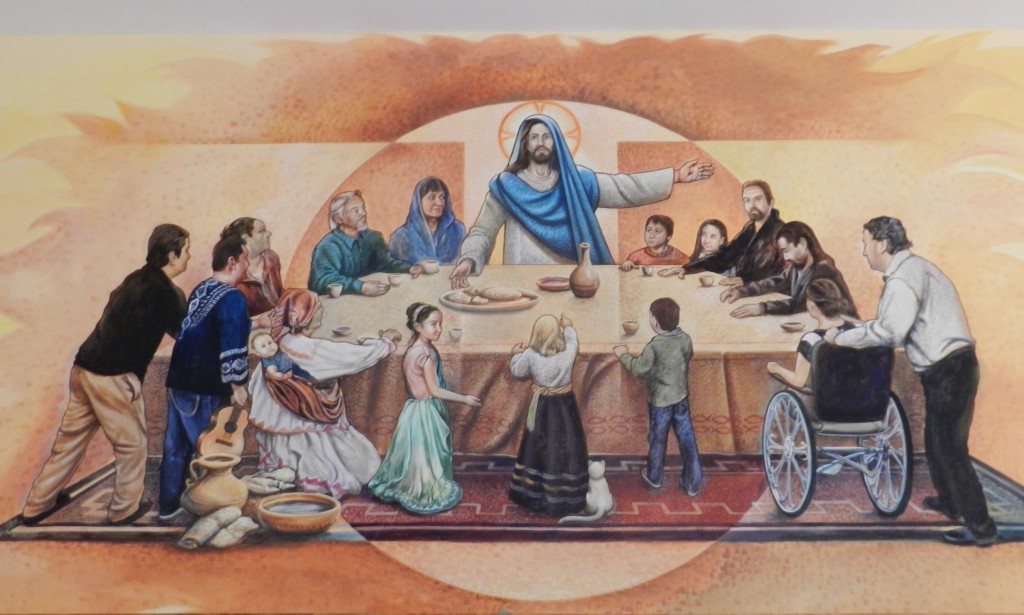
Rather, it is an opportunity for us as Christian’s to be for the world, our families, our communities, and Church an example, of Christ’s love, compassion and care. To be the light and salt, as Christ calls us. To gather not just at our dinner table at home with loved ones we know and who may be like us, but to also gather around the Lords table, where all are welcome whether they think like us, dress like us, vote like us or not. The Lord’s table is where we learn how to love one another, the Lord’s table is where we learn how to be grateful to God, the Lord’s table is where to learn how to be humble and in our humility our Lord raises us up; from the ashes, from our pain, our sickness, our brokenness, our sinfulness. It is here we recognize who God is and who we are; where we learn that everyday we must be thankful and not just once a month; we learn here that He calls all of us to be leaders, stewards, caretakers of this world, our communities and Churches not just a few individual leaders we elect.

Christian worship and praise. Happy friends praying together in the park.

Therefore, my dear brothers and sisters, rather than living in a dichotomy, where we talk about thankfulness and yet, tear each other down, let us see the child in each other, the one whom Christ places us His knee. Let us be that child, with a pure heart, love and compassion towards one another. Let us pray every day for each other by name (we all know each other’s names, but how often do we actually pray for each other by name). Pray and ask for God’s healing love and mercy for one another. Recognize and thank God for this day and every day; Know that He is the only one who can and will save us when we call upon His Holy name. Lord to God in the Highest, Amen!

Can’t Choose Family

Passages: Is. 22:15-24; Heb. 1:1-14; Lk. 8:17-21
Ընթերցուածքներ՝ Եսայ. ԻԲ 15-24; Եբր. Ա 1-14; Ղկ. Ը 17-21

In the name of the Father, Son and Holy Spirit, Amen!

In the literary work of Fyodor Dostoevsky, The Brother’s Karamazov, we see such a family. 3 brothers, Dimitri, Ivan and Alexei. All three from the same father, with the same upbringing and discipline and yet, very different from each other. Dimitri, very much like his father, a sensualist, living worldly and indulging in drinking and debauchery. Ivan is quiet, detached but had a brilliant mind. Alexei, is intellectual and stoic, empathetic and kind – ultimately leading him to be a monastic; 3 brothers very different from one another. We cannot choose our family! We’ve all heard this saying. Children cannot choose their parents, parents cannot choose their children; Siblings cannot choose their siblings, and so forth. Our family is our family, for better or worse, come what may. And as we see from the story of Brother’s Karamazov, regardless of upbringing every person in a family is different, regardless, if they are related. Some of us are outgoing while others shy; some of us are private, while others are like books, easy to read and open.

And we don’t need to look at literature to prove this. For example, I am a priest of the Armenian Church, my brother is an animator and stand up comedian and my sister is a doctor. Very different personalities, different ways of thinking and expressing ourselves, with different likes and dislikes. We rarely ever agree and if we’re honest we probably don’t like a lot of the same things or have the same interests. And if we’re brutally honest, we probably wish the other would change and be more like us but we can’t. And yet, we are family. I am sure many of us, if not all of us, have the same situation. We have family members we cannot stand; we have family members we wish we could change or even replace; we have family members that are very different than us. We can’t choose our family. What about God’s family my dears? As a Church, we recognize that we are a family. God is our Father, the Church is our mother and we are the children – meaning we are brothers and sisters. Yet, we are all very different; all of us are unique, all of us are strange and all of us, I am certain, wish the person next to us would change.

Just like our biological family, our spiritual family is the same – we cannot choose them. However, unlike our biological family, there is a choice can be made. As children, parents discipline us, teach us, protect us to a certain degree and instill in us principles. As children, though we cannot choose our parents, we can choose to live by those rules, teachings, and guidance. We can ignore or utilize what our parents give us. In fact, in Proverbs 1:8-9 we read, “Hear, my son, your father’s instruction, and forsake not your mother’s teaching, for they are a graceful garland for your head and pendants for your neck.” Likewise, God our Father blesses us and instructs us through various means – Holy Scripture, life in the Church, the clergy, nature, science, music, etc. Creation, visible and invisible, is a blessing given by God to us to understand and grow in our faith in Him. We as his children have a choice – we can choose to live by, give thanks, and grow through what God has given us or we can ignore, betray, and forget Him. The difference my dears, is that our biological families remain our families for better or worse. We can change our names, ignore one another, and distance ourselves, but we cannot change the DNA and blood that is found within us. However, we can be cut off from our spiritual family.

In the Gospel we read, “Then his mother and his brothers came to him, but they could not reach him for the crowd. And he was told, “Your mother and your brothers are standing outside, desiring to see you.” But he said to them, “My mother and my brothers are those who hear the word of God and do it.” (vv. 19-21) It may seem strange how harsh Jesus is towards his biological family. Why is He ignoring them, why not greet them and allow them in? Yet, that is not what is being taugh to us here. Rather, Christ is showing us through his own example, what He was just teaching a few verses earlier. “For nothing is hid that shall not be made manifest, nor anything secret that shall not be known and come to light. Take heed then how you hear; for to him who has will more be given, and from him who has not, even what he thinks that he has will be taken away.” (vv. 17-18) Take heed meaning, pay attention, don’t be lazy, don’t take advantage. Understand that God our heavenly Father has revealed to us everything, gives and blesses us. In the Old Testament God was inaccessible, and difficult at times to understand. He was veiled and known as what? God of Abraham, Jacob and Isaac. But to us Christian’s God is revealed as Father – a loving, accessible, person parent to whom we can go to always. In fact, in the Badarak, right before Hayr Mer the priest recites, “God of truth and Father of mercy, we thank you, who have exalted our nature, condemned as we were, above that of the blessed patriarchs; for you were called God to them, whereas in compassion you have been pleased to be named Father to us. And now, O Lord, we beseech you, make the grace of so new and precious a naming of yourself shine forth and flourish day by day in your holy Church And grant us to open our mouths with a cry of bold voice, to call upon you, O heavenly Father, to sing and say: Our Father, who art in heaven, hallowed be thy name;”

However, my dears, because God is now known we have no excuse as to not learn, grow, and live as we are commanded. And so, if we don’t we will be cut off, we will be turned away – “what he thinks that he has will be taken away” as Christ says. And we may think this is dramatic and harsh, how could God turn us away? But pay attention, take heed as Christ says, who is turning away? Biologically, we cannot choose our families, we are born into the family have. Sadly, however, there are plenty of biological parents who literally and/or psychologically deny their children, turn them away or even throw them away. God, our Heavenly Father, never denies us, never turns us away or throws us out rather, it is we the children who choose to turn away. That is why Christ says, those who hear the word of God and do it are my family. Those who have received, who have learned and know the word of God, the blessings, the commandments, the hope, and love of God and those who use it – they are part of this family. It isn’t saying those who are Armenian or English, the white or black, tall, or short, educated, or dumb, healthy, rich and knowledgeable, dressed well, sing well, serve the Altar, choir or parish council. The clergy or laity, the republicans, or the democrats, the entitled, the gay or straight, etc. God doesn’t make those distinctions or distractions when He as a Father blesses us – God chooses us all of us His family.

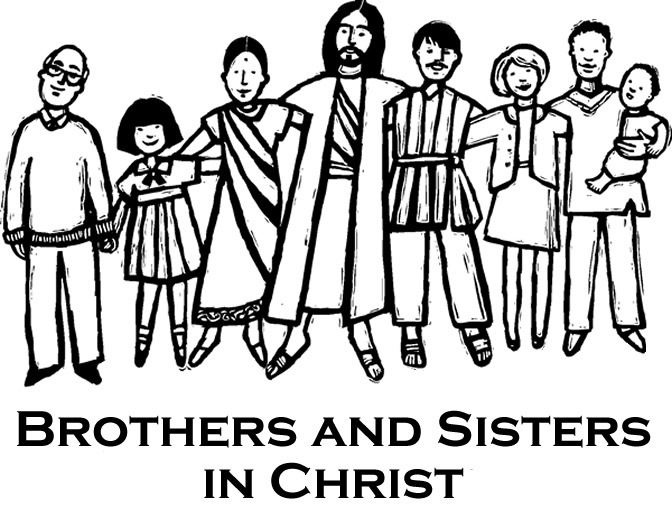
It is we then, as children of this family, who choose to respond, choose to love, choose to live, and ultimately choose to be part of this family or not. If we don’t then naturally, we will be cut off, we will be distanced and left outside the family not because God didn’t choose us but because we didn’t choose Him. All those categories and descriptions are earthy definitions, are what makes us different and unique. Just like in our biological family, we are all different and unique. Some of those differences are welcome and some are not; some are good, and some are bad. However, in this family, which is the Church the good is blessed and the bad or sinful is understood as something that needs love and healing. Because regardless, of who we are, regardless of how ‘good’ or ‘righteous’ we believe we are – all of us are sinful, all of us need love and healing. All of us need God our Heavenly Father and we need each other – our brothers and sisters next to us. Because though we cannot choose our family, we can choose how we love each other, how we respond to one another, how we pray, forgive, and have compassion towards one another.

Is it easy? No! Is it possible? Yes. And we learn how by being part of this family, by coming together as often as we can, praying together, listening to each other, having compassion towards those around us and understanding that God is Father to all of us, the Church is mother to all of us, we are brothers and sisters to each other, us in the Church but as well as those who are outside the Church. As unique, different, and strange as we might seem to one another – God calls to us equally and embraces us with open arms, if only, we choose Him. No, we cannot choose our family, biological or spiritual but know that God has chosen you! Let us pray, that our hearts will be opened, our minds will find peace and we will choose Him in action and not just words. Let us pray for each other and reflect upon the truth that we are all in need of God’s love and healing. Let us choose Him as He as chosen us, through His grace and loving kindness, which reveals to us His love and hope for which we glorify and give thanks now and always, Amen!

Where Does It Hurt?

Passages: Wis. 14:1-8; Is. 33:22-34:1; 1 Corinth. 1:18-24; Matt. 24:27-36
Ընթերցուածքներ՝ Իմաստ. ԺԴ 1-8; Եսայ. ԼԳ 22- ԼԴ 1; Ա Կորթ. Ա 18-24; Մատթ. ԻԴ 27-36

In the name of the Father, Son and Holy Spirit, Amen!

How does our Christian life begin? Holy Baptism. When we are baptized, we are initiated into the Church life. Baptism, is one of many, often defined as 7, sacraments. As ancient Christian’s our Christian life is formed around sacraments because sacraments are physical actions, things we do, that have a mysterious (which is what that word means – khorhurt (խորհուրդ) in Armenian) and divine reality. When we are baptized, we are physically washed and through that mystery we are reborn of water and the Holy Spirit. What about the other sacraments? Marriage – we physically put crowns on the head of the bride and groom and through that mystery unite 2 as one in the Kingdom of Heaven. Through Holy Communion, we physically eat bread and wine which through the divine mystery we find the real presence of the body and blood of Christ Jesus. Through Confirmation or Chrismation at our baptisms, we are anointed physically with Holy oil, Myron, which is the mystery of the adoption as children of God as we too became Christos (anointed), putting on Christ as St. Paul says. Ordination, we physically ordain a priest and dress him in vestments, and through the divine mystery the individual is given authority to cast out demons, heal the sick, forgive sins, and “perform sacraments.” Unction or last anointing is the final prayer a priest does before we pass and though we physically die, we believe that we will awake once more and be with God.

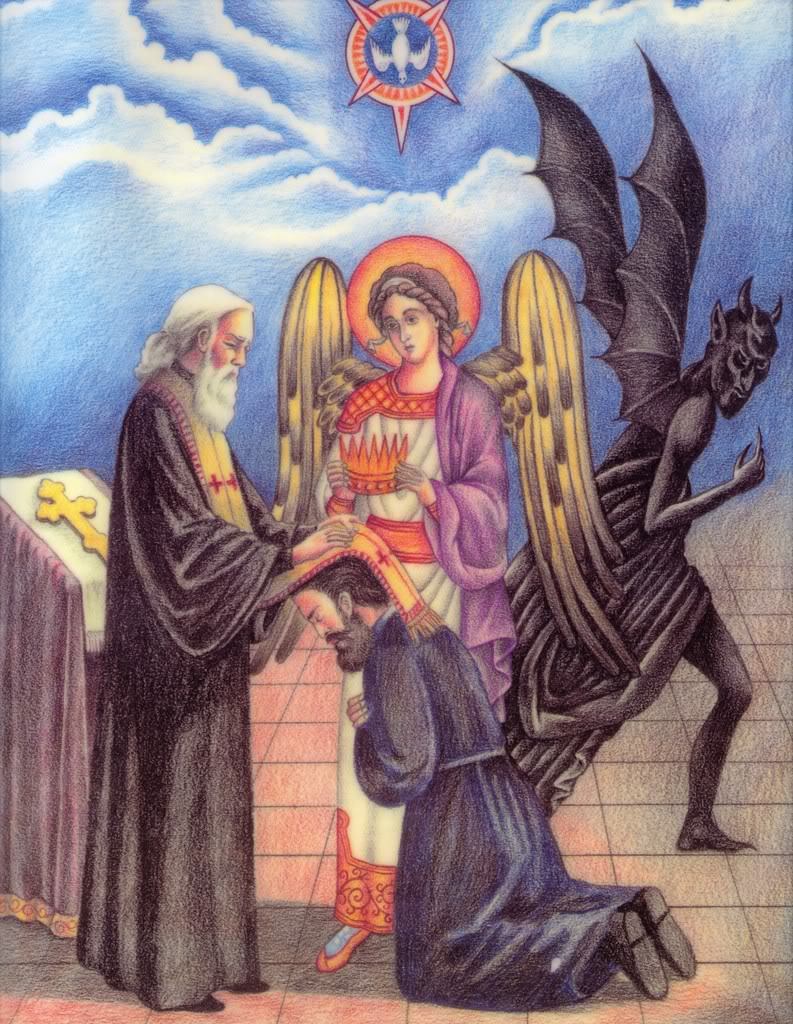
There is one sacrament however, that we often forget because unfortunately, for almost all of us in the Armenian Church it is absent or has changed into something different – the sacrament of confession/penance (khostovanutyun խոստովանութիւն). Most of us see confession as what we do on Sunday morning right before receiving Holy Communion, where the Deacon reads off a list of sins. Or perhaps, if we come from a more traditional background overseas, confession is what we read in the morning before Badarak. This is known as general confession. However, my dears, true confession, the sacrament that is recognized to be fully lived is not a general list which we read right before communion in a language we barely understand, some of us running in late, having missed all of Badarak but at least we get a “Megha Astudzo” in before Communion. Rather, Holy Confession a is private and confidential, one-on-one with the priest, where opening up and reflecting we verbalize and acknowledge our sins. We’ve seen perhaps, in the Roman Catholic Church, how a priest and confessor go into a booth and the confessor lists off their sins, hopefully with sincere repentance. In the Armenian Church, as well as the entire Orthodox Church, there is no booth; it is sitting next to the priest, in front of the Holy Altar and recognizing each of the sins, darkness’s and struggles we face daily. Why? Is it not enough to pray at home, read Holy Scripture, come to Church on Sunday? Why do we need to come and confess to a priest?

My dears, St. John Chrysostom teaches us, in his homily towards priests, that if priests did their service properly there would be no need for therapists, counselors, psychologists, etc. because though a doctor brings healing to the body or mind, God through a priest brings healing to body, mind and soul. However, ponder for a moment, how effective can a doctor be if we don’t seek them out when we are sick? If we don’t tell them what hurts? If we lie to our therapist, or just give a general idea of what is bothering us without diving deeper into our lives, how do we expect to find real healing? Likewise, it is with our faith and confession.

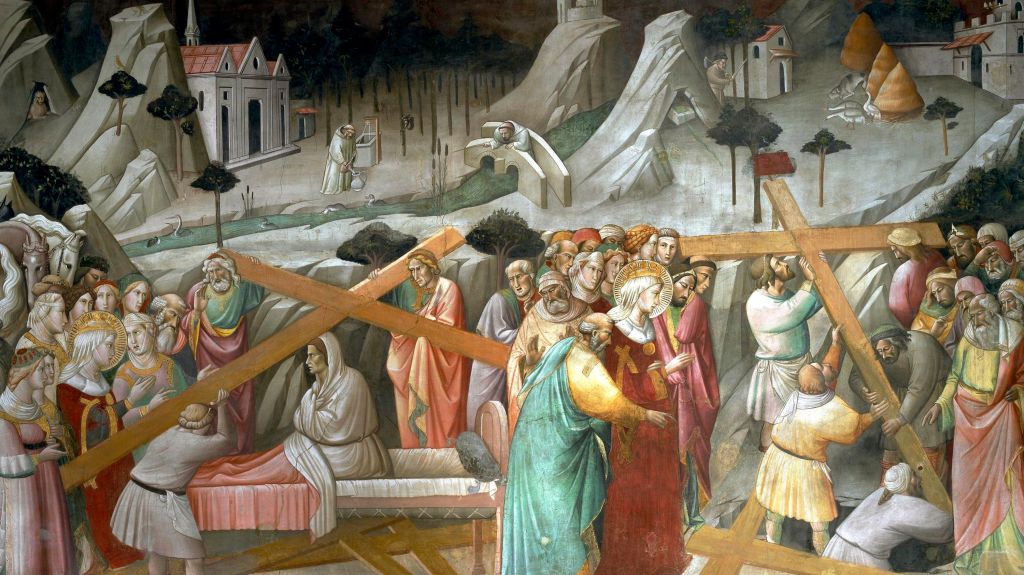
Today the Armenian Church celebrates the feast of Kiute Khach (Գիւտ Խաչ) or Discovery of the Holy Cross – when Queen Helena discovered the Cross of Christ in Jerusalem. And yes, there is historical context to what this day is celebrating however, there is something much deeper that we need to unpack and understand. When the Cross of Christ was discovered it wasn’t just laying there to be found. It is believed to have been buried under a pile of crosses and some say it was in a field under garbage and other crosses. There is even some account that the Cross had been buried underneath a pagan temple. The Roman pagans did not want Christian’s to worship the Cross and so they buried it under a pagan temple so that if Christ’s followers did bow before the cross, they would be forced to bow before a statue of a pagan god. However, when the cross was being looked for, not only was the pagan temple destroyed, not only was ruble and garbage moved out of the way, but it was done so by digging. Digging deep until all the garbage was removed, all the other crosses in the pile, everything – until Christ of Cross was discovered. There is much more to this story naturally, such as the field of basil and how it was determined that it was in fact, Christ’s Cross and not a random one, but what do we see and learn? How does this historic event effect my faith or what does it have to do with the sacrament of Confession?

My dears, we all struggle; we struggle with darkness, addiction, anger, fear, anxiety, hatred, loss, sickness, pain; we struggle with our relationships, our spouses, our friends, our colleagues; we struggle with our choices, our passions. When we come to Confession, when we sit here and open ourselves up and verbally confess our individual sins and not just a general list, we are telling the doctor where it hurts; we are like Queen Helena, digging deep, breaking the pagan temples in our lives, the rock, the material, the lies of this world, the garbage and digging into our lives. Some of us have to dig really deep, and for some of us it will be hard to keep going. That is why we have a priest, to help us not get lost, hurt, confused and weighed down by the burden of our sins. Because when we dig down deep and pull all the trash and garbage out, we ultimately will find what? We will discover the Cross of Christ, we will find the tool by which we are saved, upon which all of our sins have been crucified; We find as St. Paul says in 1 Corinthians “the power of God.” (v. 18) That is why Confession is so important and crucial for our healing, for our growth and our faith. Some of the Church Father’s say that if we do not go to confession, we fester in our sin and our faith is not genuine. In fact, the image they use is that of gangrene for which we never find true healing because we never remove the poison that is in us.

My dears, to confess is to be vulnerable which is difficult. That is why in the book of Wisdom we read finding God is like, “…preparing to sail [and about] to voyage over raging waves…” (v. 1) Looking for, opening up to find the Cross of Christ is like going over raging waves. But we are not alone in that storm, we are not alone on our journey. The Church, this family, this sacramental and mysterious family is here for us. Physically we gather and mysteriously we are before God, along with the angels and saints in the Kingdom of Heaven. We find healing here before God, that is why the Church is called a hospital for the sick. That is why not only do the faithful come for private and general confession but even the priests must confess. Apart from private confession which I go to, at the beginning of every Badarak what does the priest recite? (It’s in Armenian so we might not be paying attention). “I confess before God and before the holy Mother of God and before all the saints and before you (fathers, brothers ), all the sins that I have committed; for I have sinned in thought, word and deed and with all the sins that men commit. I have sinned, I have sinned; I pray you, ask of God forgiveness for me.” As a priest I confess before you asking what? Forgiveness and prayer; My dears, confession is a recognition that we all need prayer, priest or laity, we all have darkness and when we confess, we are removing that darkness, garbage and ruble and finding God.

That is why we are gathered here with God our Heavenly Father, who sees and hears our suffering and through Christ Jesus, God the Son has given us the remedy, the healing by which we are set free. If only, we would come to Him, open our hearts, our minds and souls, and be healed in the same way we would by going to our doctors and telling them where we feel the pain. If only we would forgive each other, and pray for one another. When we do, our lives outside the Church also become sacramental; the physical prayers, and life we live through God, is divinely and mysteriously filled with faith, hope and love – all the things we ask for during our baptisms – from where we start our faith. Yes, my dears, if only we would confess our sins, forgive each other, and pray for one another. May the Grace of our Lord help us recognize our sins, confess our brokenness, be with us daily in our journeys, through the raging waves, guiding our hearts, minds and souls to find true healing in the Cross, Amen!