No More Sermons When Seeds Grow As They Should

Passages: Isaiah 2:5-11; Rom. 8:30-10:4; Matt. 13:24-30
Ընթերցուածքներ՝ Եսայ. Բ 5-11;  Հռոմ. Ը 30- Ժ 4; Մատ. ԺԳ 24-30

In the name of the Father, Son and Holy Spirit, Amen!
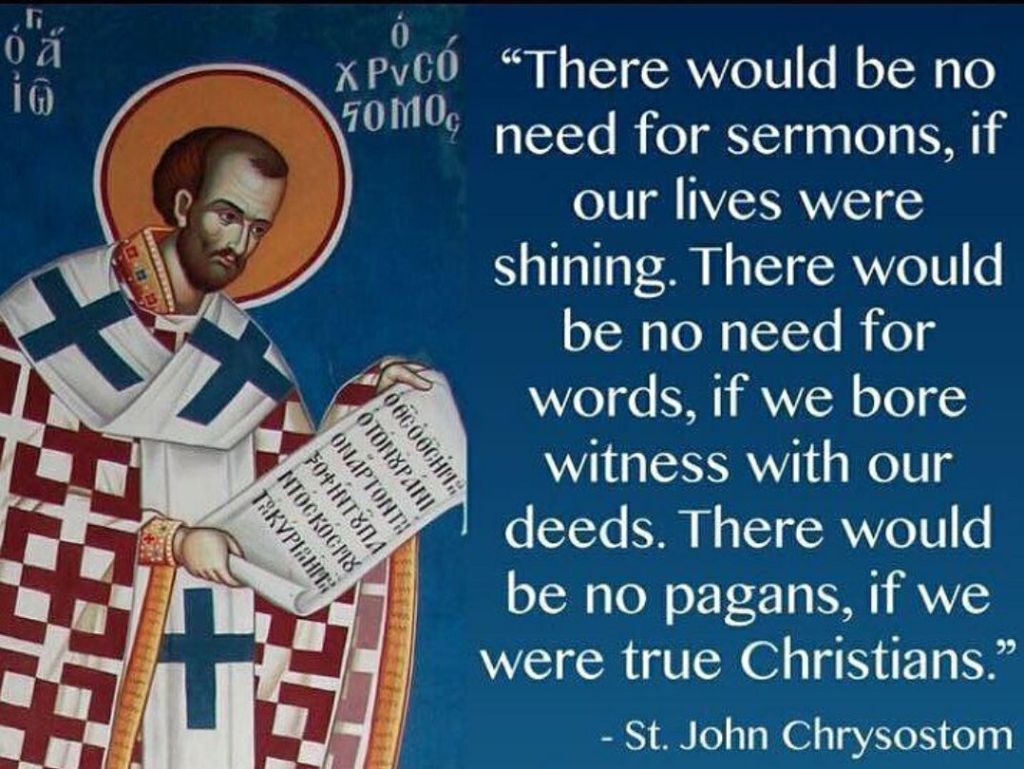
St. John Chrysostom teaches us, “there would be no need for sermons if our lives were shining. There would be no need for words if we bore witness with our deeds. There would be no pagans if we were true Christians.” Each week clergy across Christian denominations and in several languages contemplate what to speak about, what to teach in a sermon. What words can we poetically gather to paint a picture or share a blessing to take away each Sunday morning. Yet, St. John says that we would not need those words or sermons, we would not need clergy to sit there and think about what to teach if only we Christians, clergy, and laity, lived as we were created to be. St. John goes so far as to say there wouldn’t even be pagans, non-believers, if only Christians were true Christians.

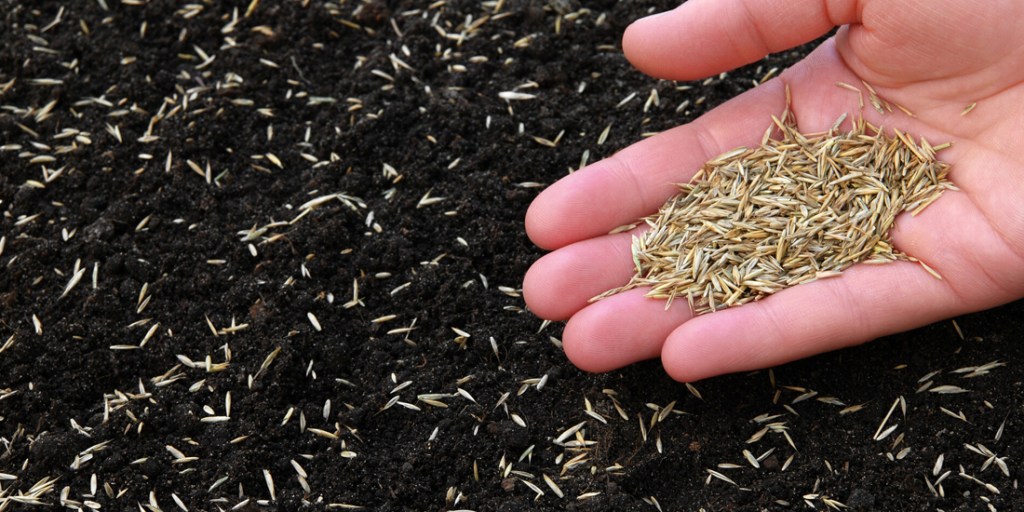
This quote is meant to make us think about the life we live. If we who are gathered here or listening at home verbally claim to believe in God the Father, Son and Holy Spirit; if we say we are a Christian, a baptized child of God, regardless of which denomination we call home or what language we pray in – ask yourselves this question daily – do we live as a true Christian should? A good way for each of us to think about this question is with today’s parable of the wheat and weeds. God who is loving, merciful, compassionate, and caring has planted good seeds. Seeds that produce fruitful trees. Yet, Satan, the deceiver and evil one, secretly among those seeds has also planted evil seeds. Seeds that produce weeds that grow to hurt and choke those fruitful trees. I don’t know about you but personally when I look at a seed from the outside, I can’t tell you whether or not the fruits of that seed will be healthy or not; nor when I look at an open farm field can I tell you what kind of seeds are in the ground, deep beneath the soil. Only when the seeds begin to produce fruit and reveal themselves do we know the nature of the seed and whether or not it is healthy.
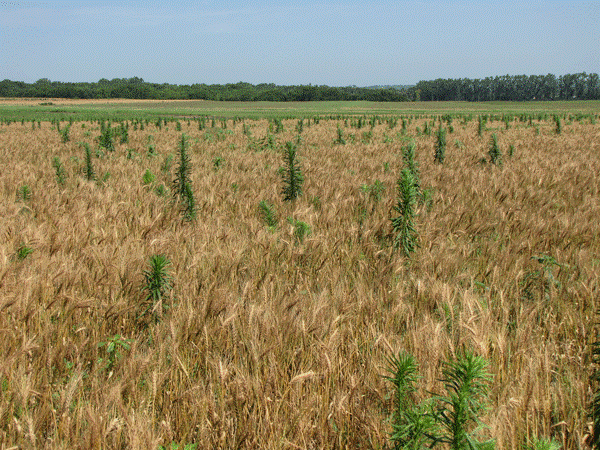
Weeds Among the Wheat

My dears, therefore, the question remains, what kind of seed are we? What kind of fruits do we produce? This week again, our lives were marred by the reality of evil, by weeds choking the wheat, with the senseless violence of the Highland Park shooting. This week again, our streets were filled with protests, our social media was filled with vulgar comments, our homeland of Armenia continues to suffer; war rages forth between countries; this week and today again each one of us faces evil through doubt, fear, anxiety, addiction, hatred, uncertainty, health problems and so much more. Because of the weeds among the wheat. Those evils in our lives are the weeds that grow and try to hurt that which God has created in us and for us. And evil is not only with guns, drugs, or mean comments we post on social media. Evil is anything and everything that either we do or that we surround ourselves with that further make it difficult for us to truly live as Christian’s.

Yes, my dears, we must examine our lives individually and see first what kind of fruits we produce but additionally, we need to examine to see what kind of soil we surround ourselves with. The truth is many of us truly strive to be loving, forgiving, kind, compassionate, hopeful and all that God calls us to be. That is why so many people say that it’s enough to be a good person. However, a Christian is not meant to only be a good person. We know plenty of non-believers who are “good law abiding citizens.” A Christian is meant to purify the world, to be an example of God, of the gardener, in a world full of weeds. However, if we allow ourselves to be surrounded by every type of ungodliness, then not only will we not overcome sin, we ourselves will be choked out and overtaken. And this distinction is important because sin my dears, tries to tear us apart from within. The little compromises as to why we don’t pray, why we don’t read scripture or go to Church, why we don’t do confession, why we use certain words, why we dress the way we do, why we vote the way we do, why and what we eat, why we hang out with certain people, etc. these affect what fruits we will produce. “Oh it’s only one drink, it’s only one comment on a post, it’s only one website, it’s only one drug, it’s only a show, it’s only one time…”

All decisions we make each week, each day which overtime become the weeds that hurt us, our faith, our families, our communities and ultimately the world. That is why my dears, St. John Chrysostom painfully says, that if only we Christian’s lived as true Christian’s, there would be no pagans. A true Christian, as St. Paul reminds us, is one that believes in Christ Jesus, the Son of God, who died on the Cross and who was raised from the dead to redeem us through His Grace. To have faith in these words, to truly believe and live, we must each individually but also as a family, a Church, strive to produce fruits that are witness to God’s love for the world. We must overcome evil, overcome the weeds in our lives with the love, hope, care, mercy that God has blessed us with – seeds we have been planted to be. For as seeds we are planted, created in love and our roots are in God and we receive life from Him.
My dears, let us take time in our day to turn to God purposefully and striving to understand what kind of fruits we produce and what do we surround ourselves with that ultimately affect the type of person we are, and are called to be. Once we do so, truly there will no long be a need for sermons for each of us will be a walking sermon far more powerful than any words shared from a pulpit. Know that no matter how many weeds surround us, no matter how broken we think we are, how sinful, how weak, unable or anxious we feel, know that God’s love for us will overcome and give us strength. For, “If God is for us, who is against us?”

Blessed Cake

Passages: Isaiah 1:21-31; Rom 7:25-8:11; Mt. 12:38-45
Ընթերցուածքներ՝ Եսայ. Ա 21-31;  Հռոմ. Է 25- Ը 11; Մատ. ԺԲ 38-45

In the name of the Father, Son and Holy Spirit, Amen!

A young boy was asked what he loved about his home. He answered that for him he believed was a piece of heaven on earth. You might be confused when you look at the home. It appears to be a simple home, with a garage, backyard, and bedrooms inside. What would make this home a piece of heaven on earth? Abraham Walker and his brother James, where both homeless young men in Sierra Leone in an orphanage until they were adopted by the Walker family in Charlotte, NC. Everything these boys saw living here in the United States, whether it was the garage door automatically opening, or Christmas presents appearing suddenly on Dec. 25, these boys believe it was magical, it was a blessing. In fact, on his birthday when Abraham was given a birthday cake, he broke down into tears and said it was a blessed cake. This story was reported by CBS Evening News and when the reporter, Norah O’Donnell asked him, why he reacted that way, was he not used to having a birthday cake? Abraham answered, “that is a crazy question, he had never known he had a birthday before.” (click here for CBS coverage)

My dears, it is easy for us to take for granted the life we live. A life that what may seem mundane and boring to us but is magical and blessed for those who do not have. We live in a society, whether here in the United States or Canada in the North, that has given us more options, freedom and opportunity than we know what to do with. And yet in all of these, many of us seem blind, deaf or out of touch with those blessings. We cannot see God’s love, God’s forgiveness, grace, compassion or presence around us. And though I am not arguing that when a garage door opens with a clicker we say it is a miracle, yet, I wonder how many of us are thankful to God for that door in the first place. How many of us, take time to pray and commune with God under a roof, before a warm meal, when we’re with our families and friends or sitting in traffic? Unless we see something unexplainable by our knowledge or wisdom – we don’t think of God. In the same way, the Pharisees asked Christ for a sign.

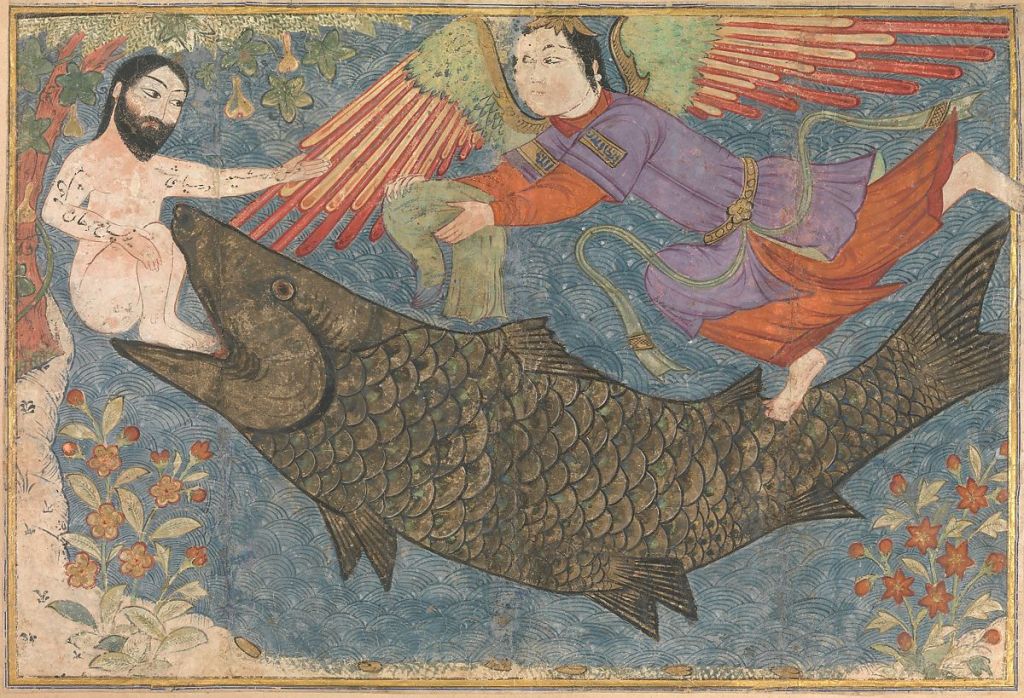
They believed that the rules and regulations they had, their wisdom, could explain everything else. And so in order for them to believe in Jesus they wanted a sign. But Christ offers them no sign but refers to Jonah from the Old Testament as the sign. Jonah who in many ways was a prefigure of who Christ would be. Whether it was how he brought the Ninevites to repentance or how he spent 3 days in the belly of the great fish, in the same way Christ spend 3 days in the belly of the Tomb. The difference being that Christ is God and he was the perfect example for us, whereas Jonah was the human, frail, scared, and sinful example but whom God used to teach us about His love and grace. Yet, these Pharisees, like us, where blind to those signs because for them they were stories, it was mundane and simple.

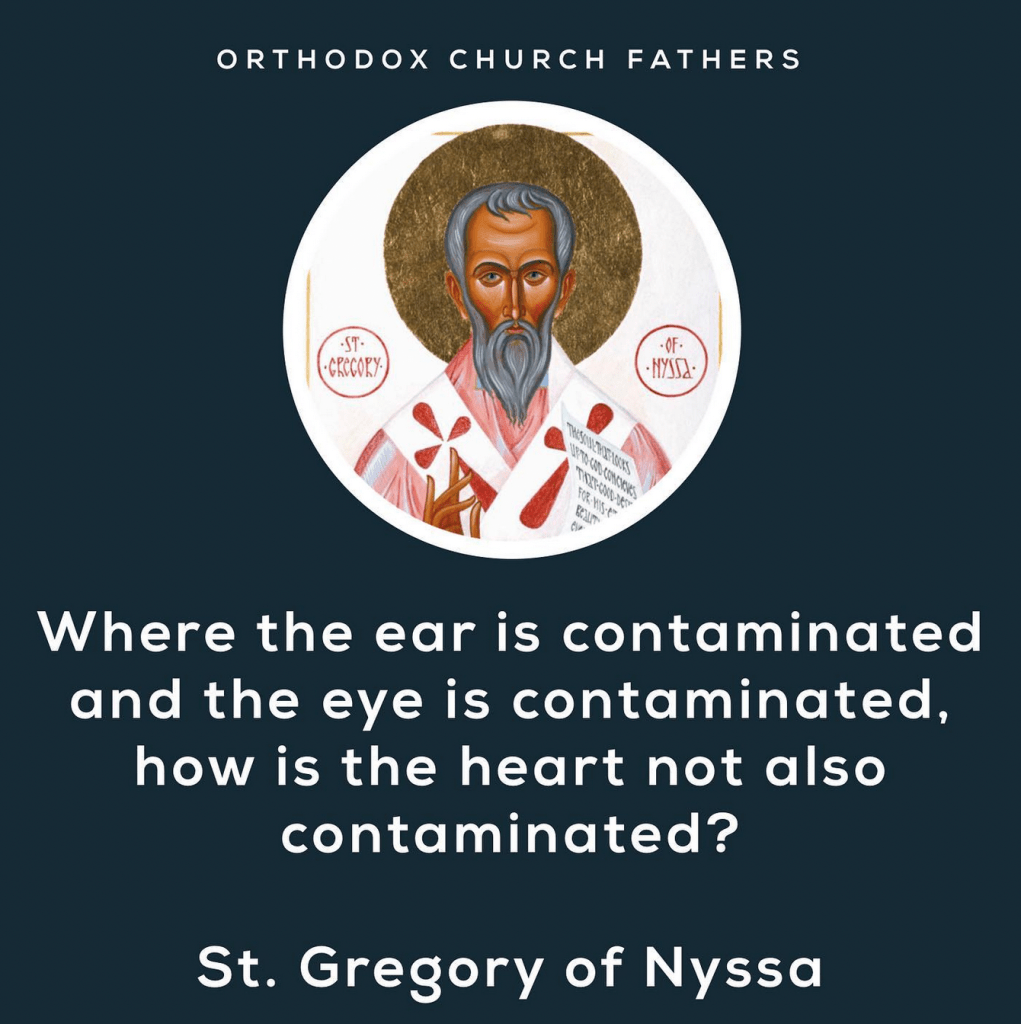
My dears, yes life can be mundane at times, and frustrating and simple. Yet, God uses those moments through people like Abraham and his brother to show us his love when we look for Him and see that even our homes, our Church, our friends and family can be a piece of heaven on earth. However, we’ve become so blind with sin, with hatred, with laziness, with lies, with anger that we do not see; much like when someone is full of rage, they go “blind” and “see red”, we too do not see the blessing before us. St. Gregory of Nyssa asks us, “where the ear is contaminated, where the eye is contaminated, how is the heart also not contaminated?” Being blind to God’s signs, His love, compassion, grace and ultimately His presence doesn’t mean physically blind but rather spiritually our hearts have turned away. And in order to be decontaminated, to be opened, cleansed and freed from that blindness we must come to Christ here, now and always in everything. Whether it is praying before eating, praying before getting out of bread, reading scripture on our phones while we wait for a doctor or sitting on a plane; whether we thank God each time we walk through our garage doors or while sitting in traffic we take a silent moment of reflection.

All of these when done with a sincere heart and desire to see God, to find God will open our eyes, our ears and our hearts to see the countless blessings around us. My dears, this is what it means to give our life over to God. That we go to Him always not just once a week, once a year, or when things go err. To have faith in Christ Jesus and know Him as God the Son, who came and died for us begins by being opened and illuminate through the Holy Church and translated into everything and everywhere else we go. In the same way, Abraham and his brother James, found Heaven on earth; that even a birthday cake was a cake of blessing that could be shared with others they loved because when we have a birthday cake we want to share with everyone around us 🙂 . May we in our freedom, in our plethora of opportunities, and options find God and His blessings. May we, even in times of difficulty never lose sight of God’s love, compassion, care and hope. Pray always, God will answer; seek in everything, God will show up; come home to Church, God will open the doors of Heaven before each of us. Amen!

Mercy In The Face Of Evil

Passages: Isaiah 1:2-15; Rom 6:12-23, Mt. 12:1-8
Ընթերցուածքներ՝ Եսայ. Ա 2-15;  Հռոմ. Զ 12-23; Մատ. ԺԲ 1-8

In the name of the Father, Son and Holy Spirit, Amen!

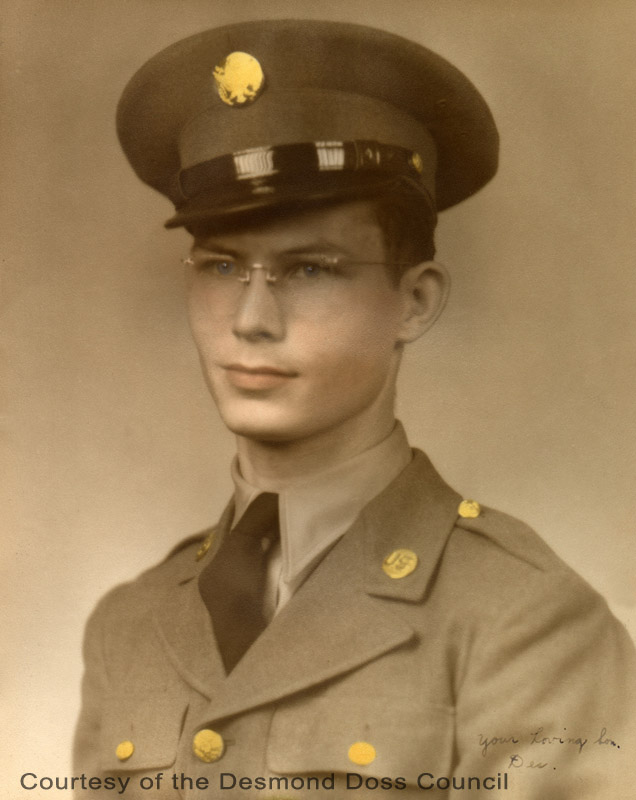
With no strength to go on and enemies firing on all side, there was no hope of survival. Any moment now, a bullet could hit him and stop his heart, ending the nightmare. Surrounded by bodies, while looking for survivors, what could he do? What should he do? He could see the dead bodies of his friends and enemies surrounding him, and he could hear the cry of those wounded asking for help. On May 4, 1945, Desmond Doss of the United States army, helped save at least 75 wounded soldiers, including Japanese soldiers by dragging or carrying them to receive medical treatment. This amazing story, now immortalized in the Hollywood movie, “Hacksaw Ridge” tells the story of the corporal medic Desmond Doss who went to war without a gun. He went to war to help save and rescue those who needed aid. I don’t know how many of us, would willingly go to war without a gun.

This past week, we heard arguments of why people should be allowed to carry a gun anywhere they go, let alone war. Yet, we hear of this man who did not even carry a gun into the physical battlefield of WWII. However, regardless of if he was armed or not, and regardless of what today the United States is arguing about gun control, there is something greater that this story reveals to us. This week, praise and condemnation rang out in the streets and social media about recent rulings by the Supreme Court of the United States. Whether it was the decision to allow carrying handguns or the overturning of Roe v. Wade and abortion, the response resounded everywhere. On the one hand we see the affirmation of the importance of life at all stages and the emphasis of persevering that life by limited and restricting the means to destroy those lives. On the other, we see the vulgarity of both left and right activists choosing violence, and hatred to excuse their behavior.

Make no mistake, whether any of these recent decisions are “constitutional rights” or privileges, abortion as it is celebrated by media and society today is an evil that kills innocent lives, as it is an evil to boastfully pride ourselves on the size and number of guns we can carry on us. However, there is an even greater evil within us in the way we outwardly or inwardly respond to one another as both supporters for and against these decisions. Evil exists in this world my dears. Sickness, pain, suffering, rape, prejudice, racism, sexism, violence, murder and killing, debauchery and vulgarity exists in this sinful world. As Christian’s we must call evil for what it is. However, that also means we must address the sin that we ourselves live by. We must not think that just because we call ourselves Christian, or because we pray, go to Church, fast, or read Holy Scripture that we are in any way more righteous than those who don’t do these things. Nor that we are any better than those who do the opposite of those things. Rather, as we read from the Gospel words today, “I desire mercy, and not sacrifice…” (v. 7)

Mercy my dears; what mercy and what sacrifice? Sacrifice symbolizes those who go to Church and “follow” the rules; those who act righteously. Yet, Christ says that in comparison to what we would consider righteous, mercy is far more important. Mercy is the understanding that we all need God; we all are sinners; no one is above the need for God’s love and healing. Whether it is the protestor in the street yelling for or against abortion laws; whether it is the gay couple down the street or the straight family in the suburbs; whether Armenian or not; republican or democrat; white, Asian or black; the priest or the criminal; the Pharisee or the Apostles – we are all sinful and need God. I am no less sinful than the woman who either chose or was forced to have an abortion; I am no less sinful than the man who cheats on his spouse. We are all sinful my dears, and my freedom from sin, is only found in Christ Jesus! When we understand this as a foundational and core reality of our humanity, than by truly coming to God can we learn to be merciful, loving and forgiving even to those who would be defined as our enemy. In the same way, that the medic Desmond Doss showed mercy to those Japanese soldiers in the battlefield who only moments ago were shooting at him.

My dears, showing mercy does not negate the evil or the wrong done however, it creates the same opportunity of love and growth that has been given to us by the grace of God. God has mercy on us and loves us despite the sinful life we live and choose to live. Does it make our sin acceptable? Absolutely not. However, that is true mercy that through which we grow closer to becoming like God, being in Communion with God. As St. Isaac the Syrian teaches us, “Do not foster hatred for the sinners, for we are all guilty…hate the sins, and pray for them so that you may be made to be like Christ, who had no dislike for sinners, but prayed with them and for them.” Yes, my dears it is easy to say this world is evil. Reading the words of Isaiah, in verse 4, some of us would describe today’s society in these words: “Ah, sinful nation, a people laden with iniquity, offspring of evildoers, sons who deal corruptly! They have forsaken the Lord, they have despised the Holy One of Israel, they are utterly estranged.” Yes, today’s society has forsaken the Lord greatly, yet, look at the a few verses later 16-19 “Wash yourselves; make yourselves clean; remove the evil of your doings from before my eyes; cease to do evil, learn to do good; seek justice, correct oppression; defend the fatherless, plead for the widow. ‘Come now, let us reason together, says the Lord: though your sins are like scarlet, they shall be as white as snow; though they are red like crimson, they shall become like wool. If you are willing and obedient, you shall eat the good of the land…’” Through Christ Jesus, all of us are called to repentance; to be baptized and washed of our sins; to willing be obedient. But to do so truthfully, we must humble ourselves and accept that we ALL need to repent.

Because whether it is the battlefield of WWII or today’s everyday life, any moment we could be struck down and continue a life of sin. Any moment we can feel as though we are surrounded by enemies, and it is all falling apart. Yet, when we accept our need for the Lord, and come to be washed of our sins, when we show love, mercy and compassion to all creatures of God than we shall be white as snow, we shall be the real presence of God in the lives of everyone around us – even those who don’t agree with us or who hate us. For I desire mercy, not sacrifice; I desire acts of compassion not retribution; I desire you. May our Heavenly Father always look to us mercifully. Regardless, of how we feel the politics of this world are unfolding, let us pray that peace, and mercy will overcome the hatred and anger that fills our streets, social media platforms, our hearts and minds. Disagree with each other and learn to listen. Let us pray that real healing will take place in our lives, our homes, our communities and our countries. And may the grace and mercy of our Lord Jesus Christ guide us always, Amen!

House Made Up Of…

Passages: Zech. 3:7-4:9; Heb. 9:1-10; John 10:22-30
Ընթերցուածքներ՝ Զաք. Գ 7-Դ 9; Եբրց. Թ 1-10; Յով. Ժ 22-30

In the name of the Father, Son and Holy Spirit, Amen!

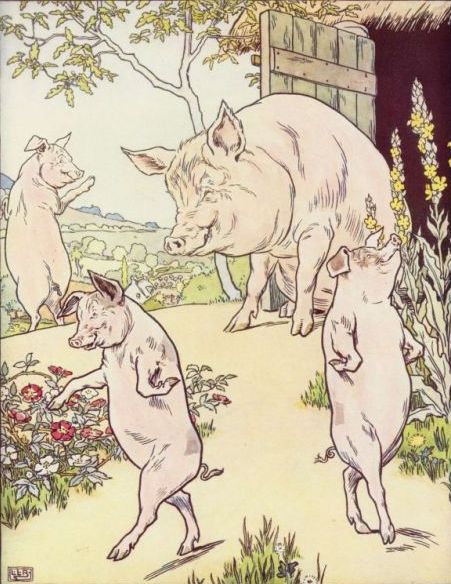
“Once upon a time there was an old mother pig who had three little pigs [and not enough food to feed them.] So when they were old enough, she sent them out into the world to seek their fortunes. The first little pig was very lazy. He didn’t want to work at all and he built his house out of straw. The second little pig worked a little bit harder but he was somewhat lazy too and he built his house out of sticks. Then, they sang and danced and played together the rest of the day. The third little pig worked hard all day and built his house with bricks. It was a sturdy house complete with a fine fireplace and chimney. It looked like it could withstand the strongest winds…” (https://americanliterature.com/childrens-stories/the-three-little-pigs)

We all know the children’s tale of “the 3 little pigs”, who build three houses of different materials. A Big Bad Wolf who came blew down the first two houses, made of straw and sticks, but is unable to destroy the third house, made of bricks. This fairy tale teaches us and our children many lessons, most importantly about hard work, dedication, and time; to lay down foundations strong enough so that the evil wolf will not blow it down. Though this message is clear enough for all of us to understand and live by, there is also another lesson that needs close attention. The structures, the houses which the 3 little pigs have built up, on the surface, all function as homes. They are shelters, and they have rooms; They protect from the sun, wind, and rain and at the end of the day, each home is a place of refuge. However, clearly not all homes are built equally.

Though the moral of the story speaks about the physical home, a home is not merely a physical structure. A home is not defined by walls, rooms, or material items. A true home also has an invisible presence. As Christian’s where is our home? The Church. Whether it is St. Gregory of Chicago, or St. Gregory in Yerevan; whether it is the Armenian, Greek, Roman Catholic, or Protestant Church, as Christian’s we understand the Church to be our spiritual home. As Vahan Tekeyan poetical describes it in his writing “The Armenian Church” «Եկեղեցին Հայկական» The Armenian Church is the birthplace of my soul. Like a vast grotto it is simple and profound, dark and light – With its hospitable court, ample tribune, and hushed altar Standing in the distance as though it were a ship afloat…(Եկեղեցին Հայկական ծննդավայրն է հոգւոյս, Ինչպես քարայր մ’ընդարձակ, պարզ ու խորունկ, մութ ու լոյս, Իր գաւիթովն հիւրընկալ, իր լայն բեմով, ու հեռուն Կանգնած իր լուռ խորանով, որ կարծես նաւ մ’ է ծփուն…) The Church is the home from which our soul is born – where we communicate and come into communion with God. This home is a physical home, as we have gathered here and this physical home is very important. As we see in the words of St. Paul, that God from the Old Testament instructed the Israelites to create a sacred place of worship – a physical place. “Now even the first covenant had regulations for worship and an earthly sanctuary. For a tent was prepared, the outer one, in which were the lampstand and the table and the bread of the Presence; it is called the Holy Place.” (Heb. 9:1-2) However, my dears, we all know that this home, the Holy Church is not only physical but also invisible and mysterious.

We believe that the Church is the real presence of Heaven on Earth; the throne upon which God is seated; the real body and blood of the Holy Lamb, Christ Jesus; the cloud of witnesses in the saints as we see through the icons; the voices of the angels to whom we join our praise and worship through the hymns. A mysterious and invisible reality present and manifested in the physical structure that we call our Church, our home. However, my dears, how much attention do we pay, how much importance do we give to this home? How often do we come home regularly vs. making excuses as to why we don’t? “I’m working, I’m tired, I’m on vacation, I’m traveling, etc.” In the same way as the 3 little pigs built their homes, what kind of Church and home are we building? The reason these questions are so crucial is because the kind of Church home we build, is also the Church that we build inside of us.

We learned very quickly during the pandemic that each one of us is the Church. That though we could not physically gather for safety concerns, each one of us is called to be the Church, where prayer, communion and the presence of God is felt. However, what kind of Church have we built in us? Is it made of straws, sticks or bricks? Can it withstand the huffs and puffs, the blows of not fictional wolves but real wolves? Wolves such as hatred, bigotry, racism, sexism and narcissism. Is our home a home of prayer and compassion or arrogance, ego and pride? Are we building with straws and sticks? My dears, are we truly a place of peace, love, hope, prayer and healing? Are we a home that invites others and where we ourselves would want to go?

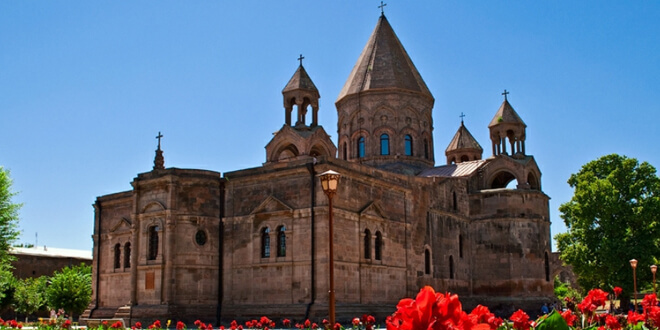
Today as Armenian’s we are commemorating the Feast of Holy Etchmiadzin – the Church that was built as the home for the birthplace of our soul when we as a nation became Christian in 301 AD. Fittingly, we North American’s are also celebrating Father’s Day. The reason it is fitting is because the same day we remember our father’s, we also remember our mother, the Church. A father and mother, 2 individuals that through their presence define a home – a sacred place, a shelter, protection, love, hope, care, and foundation. Sadly, it is no wonder that today’s society is doing everything to disassemble that traditional family unit, that home. Through deception and illusion, the wolves of this world are blowing and knocking down our homes – both the physical traditional home but as well as our Churches and us as individuals. And because of carelessness, laziness and many other sins, our various homes have all been built by sticks and straws and so anytime the bind blows we fall over. However, my dears, the Holy Church, the true Church where God invites us into is built on rock.

Psalm 18 tells us, “I love you, O Lord, my strength. The Lord is my rock, and my fortress, and my deliverer, my God, my rock, in whom I take refuge, my shield, and the horn of my salvation, my stronghold. I call upon the Lord, who is worthy to be praised, and I am saved from my enemies.” My dears, we must first acknowledge that our home, we, are under attack. These attacks come in many forms, and they are internal and external. Thereby, knowing this truth, we have 2 options, remain weak and unprepared or we trust in God and build a home that will protect us from those attacks. Whether it is our spiritual home and family, our physical home and family or even each one of us as individual people, what kind of home are we building?

Our Church is a sacred home for all of us and all are invited to gather here to be strengthened and filled. Here we are saved by our Heavenly Father and Mother. “My sheep hear my voice, and I know them, and they follow me; and I give them eternal life, and they shall never perish, and no one shall snatch them out of my hand.” Come home to God; build a home with God; be the home of God. And no matter how much the big bad wolves huff and puff, they will not blow our house down. Glory be to God Amen!

Divine Humility

Passages: 2 Kings 2:1-15; James 5:16-20; Luke 4:25-30
Ընթերցուածքներ՝ Դ Թագց. Բ 1-15; Յակոբ Ե 16-20; Ղուկասի Դ 25-30

In the name of the Father, Son and Holy Spirit, Amen!

In Armenian there is a saying, “silence is a sign of agreement” (լռութիւնը համաձայնութեան նշան է) This is most evident when we hear something about us we don’t like; when someone tells it like it is. Especially in today’s society, we are offended and so we either rebuke and fight back or we, as the saying says, silently fester unsure of how to react or justify our choice and actions.

In today’s Gospel, we see Christ rebuking or “offending” the Jews and Pharisees by telling them that in the time of their forefathers, the prophet Elijah and Elisha brought healing to those deemed unworthy and unclean by society and yet, the people of Israel, God’s chosen people, because of their sinfulness, did not receive healing. We see the reaction of those listening; “When they heard this, all in the synagogue were filled with wrath. And they rose up and put him out of the city, and led him to the brow of the hill on which their city was built, that they might throw him down headlong.” The people became angry, and they wanted to kill Jesus because they didn’t like what they were being told which is that you are all sinners and must change your lives. By coming to a synagogue, or saying you are God’s chosen people and not living faithfully, you are in fact growing deeper in sin thereby growing further from God. By living and justifying our sin or the sins of the world for whatever reason, we are choosing to deprive ourselves of God’s presence and therefore, we are not being healed but rather we remain in our sickness.

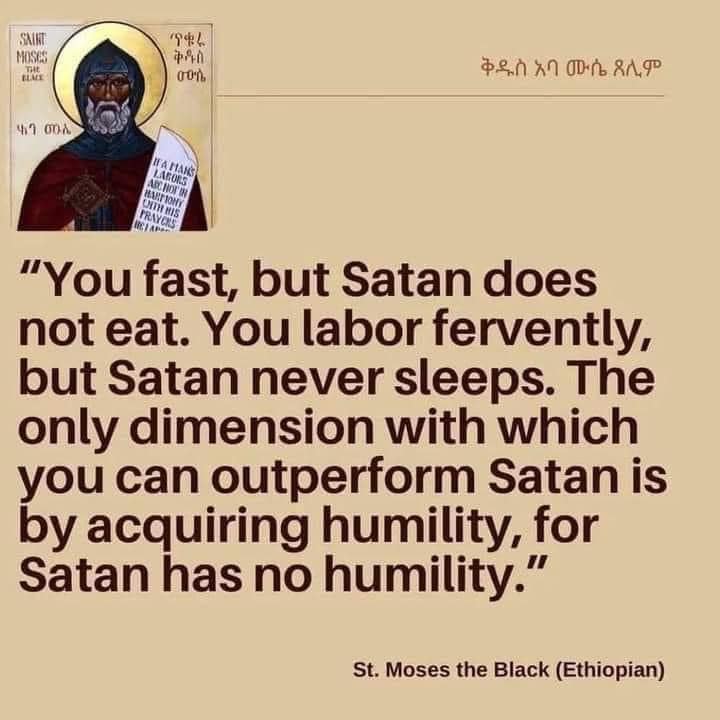
Imagine if someone spoke to us in this manner today? Imagine if a priest said this to you? How would we feel? We’d probably be offended, choose to no longer come to Church or associate with this priest or that community because they did not make us feel welcome. Well my dears guess what? It is not a priest or a certain community that reveals our sinfulness to us, but God speaks to us. Whether it is the priest, a parent, teacher or a community member we may not like what we hear. We might not want to hear that we are sinners. After all, some of us may even think, sure I know I’m a sinner but at least I’m in Church. We sing in the choir, serve on the Altar, give a check to the Church; we are a priest, parish council or we are educated. Yet, none of those things matter if at the core we are self-centered rather than Christ-centered. “But Der Hayr I fast, I give money to the Church, and I read my Bible.” St. Moses the Black of the Ethiopian Church tells us, “You fast, but Satan does not eat. You labor fervently, but Satan never sleeps…” And St. James in his epistle writes, that “You believe that God is one; you do well. Even the demons believe—and shudder.” (James 2:19)

My dears, how are we different then Satan or the demons? How are we any different than those Pharisees and other Israelites? Fasting, giving to the Church and others, praying, reading scripture, serving one another should all be a reflection of our deeper faith not the overall outcome. Contrary to what we may think, Christ did not come to make us feel welcomed or to fluff us up with nice words; Christ did not worry about offending. Christ came to crush Satan, to break chains, to be nailed to the cross in order to heal our brokenness and save us from sin. That is what our Christian faith is – a victory in war against the rebellion of evil. A faith that begins from accepting that yes, we are sinners and as a sinner only through Christ will we be saved. That is why St. Moses the Black continues, “You fast, but Satan does not eat. You labor fervently, but Satan never sleeps. The only dimension with which you can outperform Satan is by acquiring humility for Satan has no humility.”

Humility that is above the humility of this world. Humility that begins with understanding that our strength and our healing is from God and God alone. If that means that today we must swallow our pride, we must take a step back, we must reflect knowing and trusting in God, then so be it. That is what humility is – the ability to be rebuked, transformed and renewed. “Pray for one another, that you may be healed. The prayer of a righteous man has great power in its effects.” It is interesting that St. James is telling us that for us to be healed, to be transformed and renewed, we must pray for others to be healed. For us to be fed, we need to feed others. Forgive to be forgiven. That is what Divine humility is – to understand our weakness, be transformed by caring for others and then we will be renewed. For Christ took on weakness, cared for others and renewed all creation. To be Christ-centered therefore calls us to be Christ.

Christ came to serve and likewise, our faith, our healing, our hope is in the same humility of how we serve others. This does mean we bend our necks out to be be abused, it means we bend our knee to God to be raised. Not necessarily by dying for another as Christ died for us, but rather to let die our egos, our pride, our arrogance, our selfishness, our hatred, our sinfulness. All those things we don’t want to hear because it’s true – let those things die. And if silence is a sign of agreement, let us silently love, forgive, show mercy and compassion. Give without judging and forgive without being apologized to first. Be humble and Christ who sees our humble hearts and minds, will renew and lift us up; Christ our Lord will bring us true healing and true strength; Christ will fortify our faith through His grace. A grace that takes our repenting heart and makes us into the light and hope of renewal for all others around us. May the grace of our Lord Christ Jesus, with God the Father and Holy Spirit reveal to us His love, and may we be humbled to accept it always, Amen!

To Know Who You Are Is Divine

Passages: Acts 20:17-38; I John 3:2-6; John 9:39-10:10
Ընթերցուածքներ՝ Գործք. Ի 17-38; Ա Յով. Գ 2-6; Յով. Թ 39- Ժ 10

Krisdos Haryav I merelots! Christ is Risen!

In the name of the Father, Son and Holy Spirit, Amen!

There is a Spanish Proverb which teaches, “Self-knowledge is the beginning of self-improvement.” Basic behavior psychology would argue that without understanding the basic levels of ones strengths and weaknesses, without setting goals, human development would be impossible. Knowing who we are provides us with the insight as to how we can better ourselves and define ultimately what our purpose is.

For example, as Armenian’s who are descendants of Genocide survivors, living here in America, we define ourselves by examining our choice of religion, music, cuisine, poetry, language, literature or even look to our roots; where did our families come from? As refugees or immigrants, or as 1st, 2nd, 3rd generations, we look at our families and our upbringing, our life experiences to define who we are. We seek self-knowledge to understand who is it that we are in order to understand our purpose. However, self-knowledge is not a philosophical or psychological teaching only. It is part of our Christian faith. St. Anthony the Great, one of the desert fathers, teaches us that the key to knowing God is to first know ourselves. For this Church father, self-knowledge is the road to an intimate understanding of God – Holy Communion. After all, Christ in John 6:56 says, “Those who eat my flesh and drink my blood abide in me, and I in them.” Meaning, being created in the image of God, and being baptized and communicants of the Holy Body and Blood of Christ Jesus, we understand that we are a revelation of God; God reveals Himself to us, through us. Therefore, as self-knowledge is key to knowing God and our purpose, let us ask, who are we?

In 1 John 3 we read, “Beloved, we are God’s children now; it does not yet appear what we shall be, but we know that when he appears we shall be like him, for we shall see him as he is. And everyone who thus hopes in him purifies himself as he is pure.” (vv. 2-3) We are God’s children, and we are to be like him. To be like God therefore, to be a revelation of God to ourselves and to those around us is our purpose, but this purpose and how this is done begins from self-knowledge which leads to self-improvement. In the same way as, behavioral psychology teaches us that once we identify our weaknesses, we set goals and develop, learn, and advance, likewise, this is true for our faith.

Our weakness, is our sin, our improvement however, is different. We don’t self-improve, rather we must be transformed through Christ Jesus. We learn what is good vs. evil from a young age. We learn right and wrong and we work, we strive to do good. Additionally, we try to self-improve through prayer, fasting, charity, forgiveness, and many other ways of choosing to do the good, which in turn strengthens our faith and by the grace of God we are changed or improved. We cannot say we are Christian, we cannot identify as a child of God and live a life contrary to Him. That is why, for example, in the letters to the Corinthians, St. Paul tells the faithful there to “flee sexual immorality” and to be a new standard of integrity in their communities. Why? Because knowing that they are God’s children, their self-knowledge, God revealed to them, reminds them that they are temples of the Holy Spirit and they must bring glory to God in all ways, words and deeds. The Gospel, St. Paul, St. John, St. Anthony and the Church are teaching all of us this same clear message – the message of Christ Jesus. Know that you are God’s and know what that means.

We are the children of God; we are the revelation of God to ourselves and to others. In Acts today we read “You yourselves know how I lived among you all the time from the first day that I set foot in Asia, serving the Lord with all humility and with tears and with trials which befell me through the plots of the Jews; how I did not shrink from declaring to you anything that was profitable, and teaching you in public and from house to house, testifying both to Jews and to Greeks of repentance to God and of faith in our Lord Jesus Christ.” “You yourselves know how I lived…I did not shrink from declaring Christ Jesus.” My dears, our purpose is that we are the revelation of God to this world. That we teach about our faith to all those around us; to our children, our neighbors, our friends, our spouse, our family members, our communities, etc. regardless, of our title or age. So many times I hear, that I am the priest and it is my “job” to teach about God. My dears, it is my calling as it is the calling of each one of us to teach about God, to live and reveal God to one another but in different capacities. To light this darkened world and heal its brokenness. Yes, as a priest I have certain responsibilities that come from me recognizing who I am and we must all recognize who we are – we are children of God.

Once we recognize this fundamental truth, just like in psychology, we can move towards transformation and our true purpose. How is this done, therefore? We look and examine ourselves. Like the tax-collector in the parable, we acknowledge that we are sinners, and we need saving. From priest to poet, lawyer, doctor, political leader to beggar; black, white, Asian, American, Armenian; no matter what language we pray, cry or sing in! We all need saving, we all need healing! Only then can we truly begin to be transformed and be healed by coming to God. In the same way, when we realize we are sick, we seek medication and a doctor, likewise, when we realize we are grave sinners, will we begin the process of healing by coming to God. Self-knowledge thereby must lead us towards repentance, towards turning to God and therefore, love for God and a transformation. The more we turn towards God, the more of God is revealed to us. The more of God is revealed to us, the more we know His love. The more of His love we know, the more we understand ourselves. The more we understand ourselves, the more we love our neighbor. And the more we love our neighbor, the more we turn towards God. It is a circle; an indivisible chain. That is why in Christ says in today’s Gospel (v.9) “I am the door; if anyone enters by me, he will be saved, and will go in and out and find pasture.”

To enter my dears, we must know who we are, recognize our sinfulness and our need for God who will transform us into who we are meant to be. His children, called to love and reveal God’s love to the world. Who are we? God asks us to examine ourselves, to grow in our self-knowledge, to turn to Him and become fully who He created us to be. God calls us to turn to Him, purify ourselves, be as He is by being in Communion with Him. Let us put aside our hatred, our ego, our arrogance, and our pride. Let us recognize our brokenness and need for God. Let us recognize His love for each one of us, no matter who we are, how we identify, what struggles we have. And the grace of our Lord Jesus Christ, with our Heavenly Father and the Holy Spirit will transform us, Amen!

Food of the God’s

Passages: Acts 9:23-31; I Peter 2:1-10; John 2:23-3:12
Ընթերցուածքներ՝ Գործք. Թ 23-31; Ա Պետր. Բ 1-10; Յով. Բ 23 – Գ 12

Krisdos Haryav i merelots. Orhnyal e Harootyunn Krisdosi
Christ is Risen from the Dead!

In the name of the Father, Son and Holy Spirit, Amen!

If we survey everyone in this room and asked, what is your favorite food or what is your go to comfort food, each one of us would say something different. For some it is sweet, for other’s it is savory. To some our favorite food has a special meaning or memory – it represents something important in our life, like mom’s home cooked meal.

We eat food because we enjoy its taste and for its nutritional benefit. There is one food that many of us enjoy, though we may not always consider as nutritious especially with the processing that it goes through today – chocolate. Pure, real chocolate, has great benefits. Chocolate can be sweet and savory. Dark chocolate for example, can help lower blood pressure, reduce the risk of clotting and increase blood circulation to the heart,  lowering the risks of stroke, coronary heart disease and death from heart disease. It’s good for cholesterol, cognitive thinking, and many other things, when eaten in moderation of course. Today the word chocolate may conjure up images of sweet candy bars and especially after Easter, chocolate eggs and bunnies. But the chocolate of today is little like the chocolate of the past. Chocolate has always been seen as a vital part of many cultures and even religions. For example, for the Mayan’s, and even earlier to the ancient Olmecs of southern Mexico, and many others, chocolate had a divine quality. In fact, who knows the scientific word for chocolate? Theobroma which means in Greek “food of the gods.” But what does chocolate have to do with our faith? What does the food of the gods of the pagans teach us about our communion with God the Father, Son and Holy Spirit?

Today, my dears, the Armenian Church celebrates the “Sunday of the World Church” (Աշխարհամատրամ Կիրակի). Though its origins are unclear, from the Holy Scripture readings, we see 3 distinct characteristics of the Holy Church. We see the physical Church, the invisible Church and finally how the 2 come together. First, in the Book of Acts, we read of Saul (St. Paul) who is beginning his ministry of Evangelization, even though the original disciples of Christ were skeptical of him because Paul was originally a persecutor of the Church. But we read the when the disciples saw how he preached against the Hellenist’s or Pagan’s, they began trusting him, “the church throughout all Judea and Galilee and Samar′ia had peace and was built up; and walking in the fear of the Lord and in the comfort of the Holy Spirit it was multiplied.”

Next, we have the words of St. Peter enforcing the image that, as children of God, we must see ourselves as infants only striving for pure milk, to grow and mature in faith. Not because other food’s are not good for us, but because in order to receive milk, we as the child need to go to our Mother.  And coming to our mother which is the Holy Church, we drink the milk, we begin to grow and understand that we are called to be something greater, “a chosen race, a royal priesthood, a holy nation, God’s own people, that you may declare the wonderful deeds of him who called you out of darkness into his marvelous light.” Finally, in the Gospel we read about the conversation between Nicodemus and Christ, the passage read at our baptisms, where direct from Christ we receive the command that we must be born spiritually of water and the Holy Spirit. Without this birth, without baptism through the Holy Church, Christ clearly teaches “Truly, truly, I say to you, unless one is born of water and the Spirit, he cannot enter the kingdom of God.” So how do we understand the Church and Chocolate?

My dears, regardless, if our favorite food is chocolate, choreg, pizza, or chukufté, all the food and more we enjoy at our tables and in life is a blessing given to us by God because of His love. That is why when we pray before a meal we say, “Let us in peace eat this food which the Lord has provided for us. Blessed be the Lord in all His gifts. Amen.” We don’t specify that only one of our foods is from God, or that God only blesses us with food. Rather, along with our meal, we thank God for all His blessings and gifts. The greatest gift, the greatest source of nutrition that we have received from God is His Holy Church. In the Church, we come together and gather around a banquet table. In the Church, we consume God, like children drinking milk. In the Church, we receive the real food of God, the Holy Communion from the moment we are baptized through the body and blood, the bread and wine. That is why the words of the hymn after Holy Communion reflect very much the prayer of a meal. “We give thanks to you O Lord, who has fed us from your table.”

My dears, God in His divine love and infinite wisdom has given the Holy Church, as our Mother, our place of gathering, and teaches us that when we are part of that body, then we are the Holy Church. God has physically given us a place to gather, has physically fed us and invisibly united us as a body with Christ Jesus as the head. Doing so God has ordained us to be the Church, be the herald that calls others to gather as well. What we fail to recognize however, is our place in this body, our importance to it and how we must grow in it. What we fail to realize is that we must come to her to receive the pure milk that gives nutrition to our faith. And because of that, much like processed chocolate today which has no real benefits, we in the church have become a processed, and filtered expression of political, emotional, philosophical ideas or beliefs. We have become a place where faith does not grow, and we do not always see God. However, the Church is our home, hospital, and family.

We come to her not to fill our stomachs with what we want, but to be filled by what God has ordained for us, created and blessed us with. We come to learn what God did and what we must do. My dears, we fill the streets, we protest, yell and scream and this only causes disunity and destruction. Rather, then screaming in the streets, come and lift our voice up to God and He will give us strength and hope, He will feed us. Sometimes what we receive is sweet, and sometimes it is savory, but because we know it comes from God our Heavenly Father and our Mother the Church, we know it is for our benefit. In Luke 11:11-13 we read, “What father among you, if his son asks for a fish, will instead of a fish give him a serpent; or if he asks for an egg, will give him a scorpion? If you then, who are evil, know how to give good gifts to your children, how much more will the heavenly Father give the Holy Spirit to those who ask him!”

My dears, the Church is a visible and invisible reality, a physical and eternal place, which ultimately serves as the means by which we consume and commune with God. When we begin to trust God and pray for each other and with each other, than the Church will grow. When we come to her, read scripture, ask questions, participate in confession and the life of the Church, we will like infants drink the milk and receive the nutrients that will help our faith grow. When we live a life of repentance in action and word, giving our life to Christ Jesus daily, each moment we will be reborn and brought back into communion with God, where we will not receive merely the earthly definition of the food for gods but we will receive the divine food of God, the bread of life, the manna of heaven, the body and blood of our Lord and Savior Jesus Christ, which is the forgiveness, remission of sins, the healing of body, soul and mind, the source of all virtue and as the priest prays, the faith, hope, and resurrection. Let us therefore, come to Church; let us not keep distant from each other, the physical and eternal Church; let us come eat and drink the heavenly and divine food prepared for us. Come to Church, become the Church and take the Church to others! Thereby we will be the nation of Holy priests and the love for all the world to see the glory of God, Amen!

What Do You See And Remember?

Sermon from April 24 Joint Service in Remembrance of Holy Martyrs of the Armenian Genocide

Passages: Acts 5:34-6:7, James 3:1-12, John 1:1-17
Ընթերցուածքներ՝ Գործք. Ե 34 – Զ 7; Յակոբ Գ 1-12; Յով. Ա 1 – 17

Krisdos Haryav i merelots. Orhnyal e Harootyunn Krisdosi.
Christ is Risen! Indeed he is Risen!

In the name of the Father, Son and Holy Spirit, Amen!

Every year, on this date Armenians here in Chicago along with Armenians from around the world come together for special events, marches, protests, Church services, cultural and/or religious commemorations all centered around the Armenian Genocide. Whether these events are political, cultural, or even religious, the nature of these events all speak about justice, we reiterate the importance of rehabilitation, we uphold and sing songs about strength and unity, power and victory. Yet, for now over 107 years, our hunger for what each one of us would define as justice or retribution has not been satisfied. The truth is for each one of us, justice, peace, power, strength and many more of these terms are defined quite differently, and so what satiates one, does not satisfy the other.

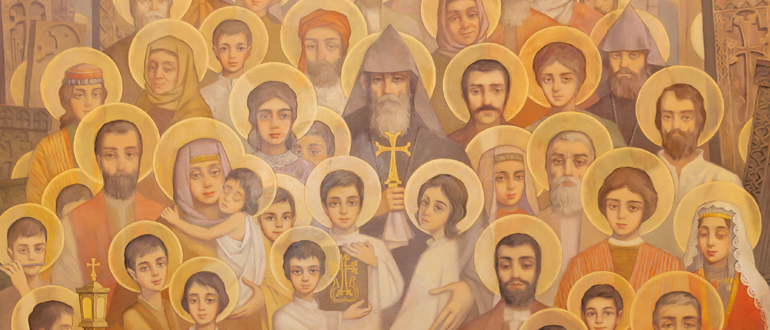
In fact, we don’t even have to look at the Genocide to find these differences. Merely listen or read the comments made on television, table talks, or social media about current politics and main other issues, in Armenia, America or the rest of the world. There is more and more division, focus on personal ideas and agenda’s than there is in working together, understanding and creating hope for the future. There is focus on how we are different rather than what unifies us. These divisions are nothing new of course, we are human, we each have ideas, thoughts, opinions, and a vision for what we see is needed for the betterment of the future. Our Holy Martyr’s likewise, had differing thoughts and opinions. Yet, look at the icon of the Holy Martyr’s what do you see? Reflect back on the stories of our own loved ones who have survived or the atrocious stories of those who died through the Genocide, what remains with us?

It is their political opinions? Is it the ideas they had about how to best run for office, or what war tactic to use in the face of danger? Is it recipes for pilaf and choregs? Is it what how they were different Armenians vs. the other Armenians walking through the dessert or sleeping in the orphanage next to them? What do we see and remember? My dears, what stays with us, what we remember and the reason we are able to gather here each year is their strength and unity in faith, hope and love that tomorrow, we their children, as a family would come together to build something better. Come together once a year to protest, yell slogans or listen to a concert?  No, but in heart and mind be unified always. How? Do we give up our politics, opinions, thoughts and ideas? Not necessarily. When a husband and wife, come together in the sacrament of Holy Matrimony, repeatedly in scripture and in the prayers we say what? Two have become one. However, regardless of how 2 become 1 sacramentally, we stay individually unique. We don’t agree on everything, we don’t share the same thoughts and opinions, yet, we raise 1 family, we build 1 home, we come together as 1.

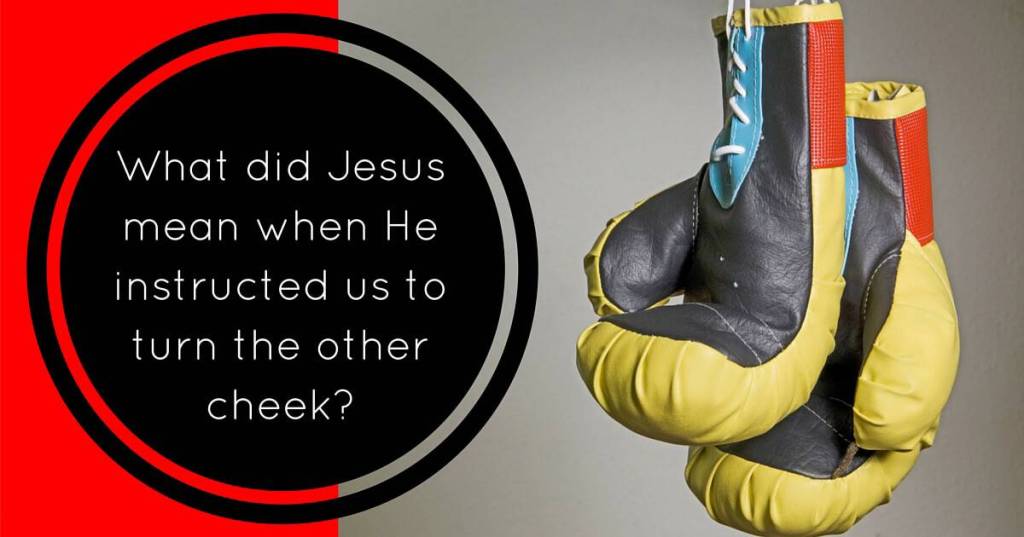
In Holy Scripture we read, “But if anyone strikes you on the right cheek, turn to him the other also.” (Matt. 5:39) Often, this passage is looked at and misunderstood as one of weakness, of constantly taking the hits of enemies or of those who don’t agree with us. And while it is true

that as Christian’s we are called to be peacemakers, Christ never tells us to be, for a lack of a better term, punching bags. St. Nektarios of the Eastern Orthodox Church teaches that when we are being struck, as peacemakers and children of God, we must turn the other cheek. However, if someone strikes our child, we must defend and fight for our child with all our strength.

My dears, to fight, to defend does not mean to be hardheaded and egotistically opinionated rather, it means to come together and defend that which is sacred. To come together as a family, as a community, and as a people means we put God ahead of us by trusting Him and working with each other because today my cheek hurts, today I may die but tomorrow my children will live. And together we are stronger, together we can defend and protect against all adversaries because together we hold to the cross. Today our cheek hurts, tomorrow our children will be stronger and equipped to face the challenges of the world. Today we are divided, tomorrow must be uniquely one. However, that strength is not what we may think because that strength is this family under God. A family that God has ordained from the beginning as the Armenian people who landed with Noah on the Ark. A family with different thoughts and opinions but one God. A God who saw his children being struck and so He fought, He came and offered not only His cheek but himself entirely and He died for us upon the cross in order to raise us up to life. Because, my dears, when we say Christ is Risen or Krisdos Haryav I merelots, we are declaring a victory in war.

A victory against the rebellion and evil of Satan, who tried to strike our cheek and divide humanity from God, the Father from His children. But my dears, through Christ, we know nothing can divide us from God. Therefore, my dear brothers and sisters, when we gather to remember the Martyrs of the Genocide, when we write comments on social media, when we talk to one another, think about what life we are giving? What hope, what seed, what future we are creating for our children? Is it a life that is unified in God or a life that divides us from Him and each other? Today in James 1:11-12 “Does a spring pour forth from the same opening fresh water and brackish? 12 Can a fig tree, my brethren, yield olives, or a grapevine figs? No more can salt water yield fresh.” We who are the children of those holy martyrs, who are the children of God, are the fig tree, the spring, but the question that remains is what fruit, what kind of water do we yield?

A village priest saddened by the lack of attendance in his Church, one day announced in the village that there was going to be a funeral. We all know that for funerals and hokehankists, our churches are full and so likewise, everyone in the village came out to see who had passed away. When faithful entered the Church, they saw the casket sitting in the Church and they approached to pay their respect. However, when they looked into the coffin, they saw no one, but rather, only a mirror, reflecting themselves back at them. My dears, I asked earlier, what do we see when we look at the icon of the Holy Martyrs?

Do we see a story of weakness, of politics, of division and of death? Or do we see ourselves? Do we see the same trust in God that they had, do we see resilience to fight and defend that which is sacred not because it serves us and our opinions but because by doing so, we create opportunity for new life, a life that can only blossom when it is entrusted to God. We are not looking into a coffin and seeing our death, rather our vision is set on the Cross, we look to Christ, we look to each other and to our Holy Marty’s and all our saints and we see new life, new hope, new faith.

Therefore, may the life we live, the words we say, think or post on social media, the actions we do foster that victorious renewed life in Christ Jesus, to whom we are in communion with our Heavenly Father, the Holy Spirit and as well as, in communion with one another. Though today our cheek may hurt, tomorrow we will grow into something greater with God. Christ is Risen, Krisdos Haryav I Merelots. Orhnial e Harutyunn Krisdosi. Blessed is also the life of our Holy Martyr’s and our life, in union with the resurrected Christ Jesus, Amen!

Resolve To Know

Passages: Is. 58:1-14; Rom 13:11-14:26; Mt 6:1-21
Ընթերցուածքներ՝ Եսայ. ԾԸ 1-14; Հռոմ. ԺԳ 11 – ԺԴ 26; Մատթ. Զ 1-21

In the name of the Father, Son and Holy Spirit, Amen!

Happy New Year, Shnorhavor Nor Dari! Today is New Year’s, my dear brothers and sisters. Hearing these words, you may think Father did not get enough rest this week or he is recycling a New Years sermon without having read it first because today is certainly not New Years. Today is not even a new month or season. It is the end of a month; it is the end of the Christmas or nativity season for the Armenian Church. It is the end of mask and vaccine mandates here in Chicago, hopefully for good. For most of us it also is the end of the weekend. It, however, is not the beginning of the year.

Today, my dears, is Poon Paregentan for the Armenian Church. In English it is roughly translated into the day of Great Living – Pari = good and gentan = gyank= life. We remember, on this feast day of the Church, the blessings we have received from God. We recall the life for which God created humanity in his image and likeness with the story of Adam and Eve. This feast day, which our brothers and sisters in the Catholic Church celebrate on Tuesday, is also known as Fat Tuesday or Mardi Gras. Unfortunately, many of us, whether Catholic, Orthodox or Protestant, have forgotten why we celebrate this feast day. Some of us see it as a day to splurge and eat like gluttons. Some of us merely see it as a chance to party. In the Armenian Church, looking at the Holy Altar behind me with its closed curtain, and knowing that tomorrow Great Lent begins, today presents a more somber and less celebratory feeling. However, my dear brothers and sisters, today is new years; it is a time to celebrate and rejoice but understand what and why we are celebrating, for tomorrow is day 1 of our new year.

Today, is a day to make new resolutions in the same way we would during New Years. Resolutions not to better ourselves in some physical or superficial way; but the same resolution for all of us – a resolve to know God more. With the beginning of Lent we all think about giving up certain foods, social media, chocolate, candy, coffee, etc. Some of us make it through the entire length of Great Lent, while some of us fail in a day or a week – but at least we try. Much like our New Years resolutions, we decide to change something in our life so that the result will make our life better. However, for Great Lent my dears, it is not about making resolution to change something in our life by giving up certain foods, but rather to making room in our life for God to change us, mold us, shape us by revealing Himself to us.

Today’s Gospel speaks about our physical actions and the purpose behind those actions. How we pray, fast, give alms; how we forgive or look for treasures and riches in our lives. These actions are good and beneficial, in the same way dieting is beneficial to our health. However, Christ warns us, if we live by these practices because we think there is something to gain, whether from people or even from God, then we will not reap its full benefit or reward. Practicing Great Lent, praying, coming to Church more, is not something we do for God, or thinking we will gain favor through it, rather, we do so because we recognize God’s love and presence in our life. Christ teaches us that when we pray, we begin with those words, “Our Father…” Hayr Mer. To refer to God as our personal father was unnatural in Judaism, who referred to God as the God of their Fathers, Abraham, Isaac and Jacob. Yet, we recognize God as our Heavenly Father, a personal, loving, creating, compassionate Father. When a child is born and up to the first year of their life, they have no real idea of who mom and dad are. However, when the child spends time with his parents and their faces become familiar, there comes a point when they don’t feel comfortable in someone else’s arms, only with mom or dad; It is the same way with God and us my dears.

The more time we spend with God, the more we pray, attend Church, the more we recognize and know who God we become comfortable and comforted by Him alone. And this is what this season of Great Lent, this new year is about: an opportunity for us to spend time with God in order to know who He is. It is not a time to give things up but to be filled and transformed. To recognize God and the image that we were created in. St. Paul writes “the night is far gone, the day is at hand. Let us then cast off the works of darkness and put on the armor of light; let us conduct ourselves becomingly as in the day…But put on the Lord Jesus Christ, and make no provision for the flesh, to gratify its desires.” (13:12-14)

My dears Christ Jesus revealed to us fully who God is so that we would recognize and become what He created us to be by knowing Him and being known by Him. When we recognize God we become the presence of God in the lives of others around us. Yes, today is the end of a month, of the weekend. Let it be the end also of pointless suffering, of hatred, of arrogance, and of sin. Let us make this resolution – that we will seek to know who God is, draw near and be with God regularly not for earthly gain but rather, so that we will be transformed into being the presence of God in this darkened world. Therefore, happy New Year, happy resolution, happy Great Lent. Take this season, this day, this hour, take this moment to repent, turn to God, and spend time with our Heavenly Father, who calls us by name. May we recognize and know who He is as we are transformed into His divine light and love, so that our lives will bring glory to Him, with the Son and Holy Spirit, Amen!

Avoid Those

Passages: Isaiah 63:7-18; 2 Tim. 3:1-12; John 6:22-38
Ընթերցուածքներ՝ Եսայ. ԿԳ 7-18; Բ Տիմ. Գ 1-12; Յով. Զ 22-38

In the name of the Father, Son and Holy Spirit, Amen!

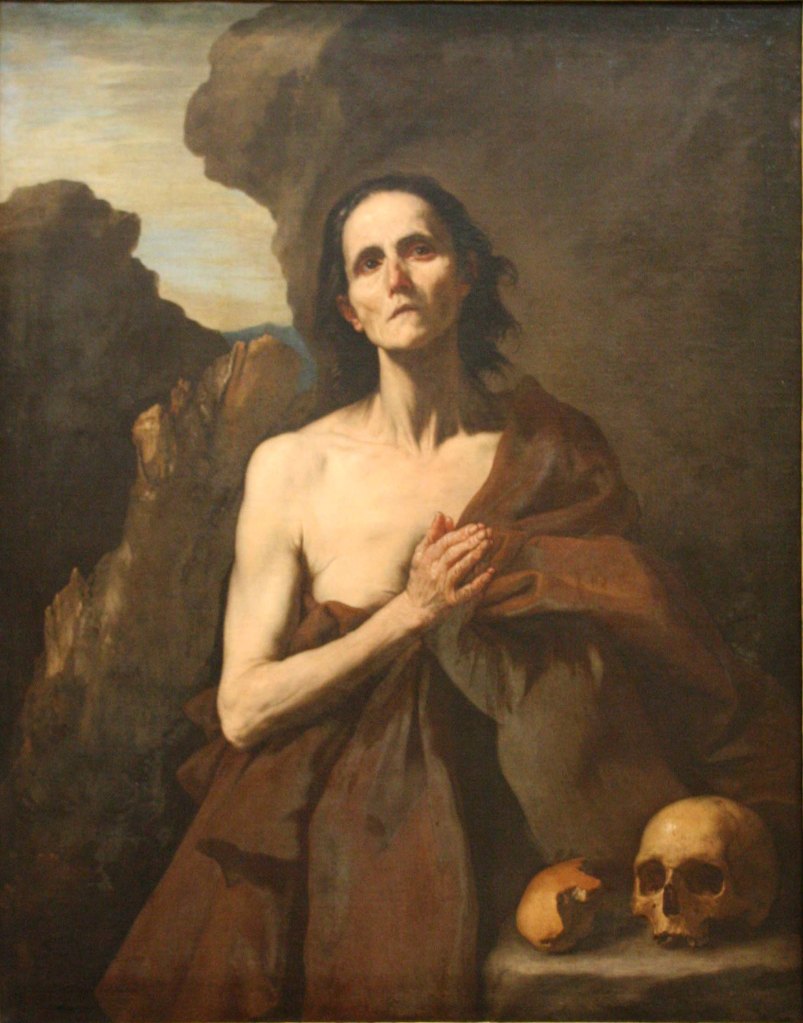
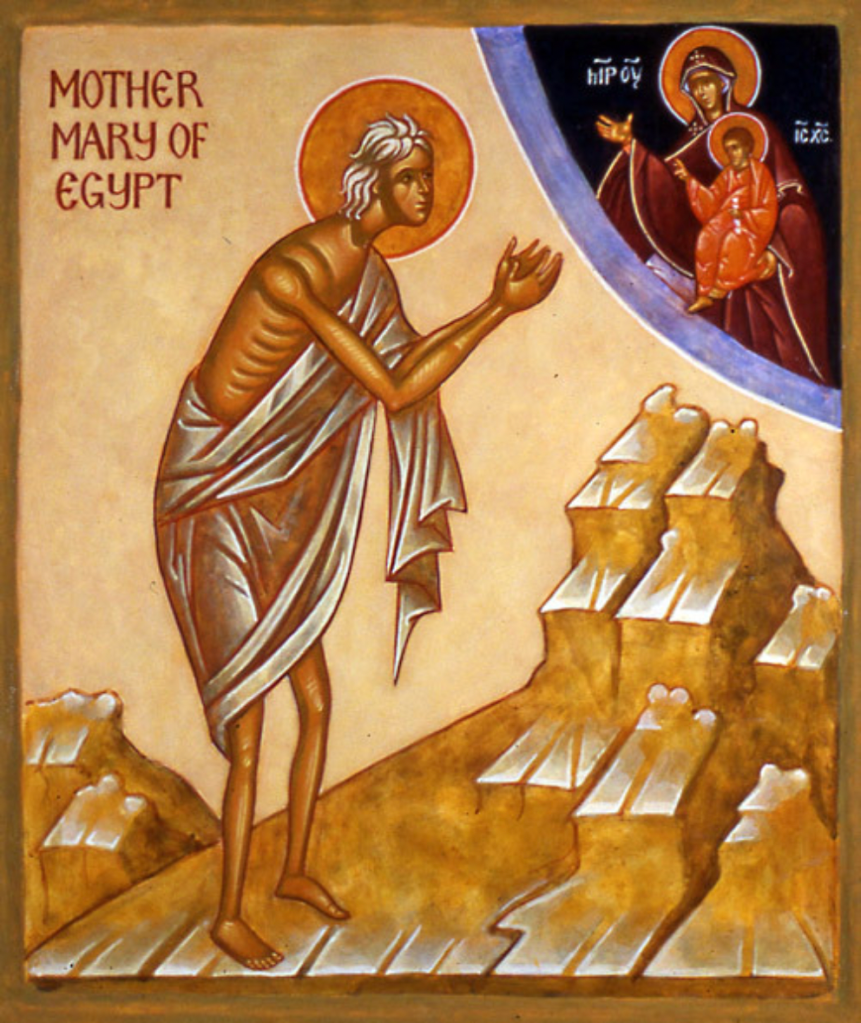
In the 6th century, there was a beautiful woman by the name of Mary who lived as a prostitute. She began her life following the passions of the body, running away from her parents at the age of twelve from Alexandria. There in Egypt, she lived as a prostitute for seventeen years. One day, she met a group of men heading towards Jerusalem for the Feast of the Holy Cross; so Mary decided to follow these men and tried seducing them as they traveled. When the group reached Jerusalem and went to the church of the Holy Sepulcher, for some reason Mary felt pushed back. It was as though she was prohibited from entering by an unseen force.

She tried three times, but she remained outside of the church and no one understood why she could not enter the Church, and what kept her away. It is said that when Mary the prostitute tried entering and was denied, she looked up and saw the image of the Holy Virgin Mary, who was crying. All of a sudden Mary the prostitute began to weep and prayed with all her might that the Theotokos might allow her to enter and see the True Cross, the Church and the Holy Place she had come to. Through prayer she promised, she would renounce her worldly desires and go wherever the Theotokos may lead her.

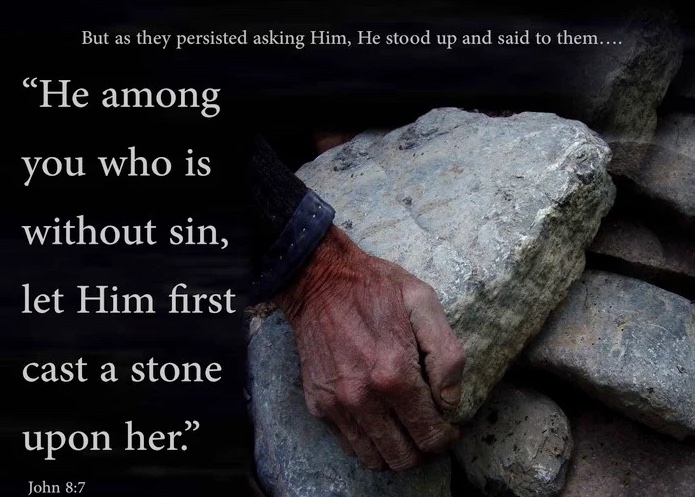
My dears, how would we feel if a well-known prostitute or criminal walked through the doors of our Church? What if someone in our family or friends lived in such a way, how would we treat them? Perhaps we don’t know any prostitutes or hardened criminals but St. Paul describes other sinful people “men [who] will be lovers of self, lovers of money, proud, arrogant, abusive, disobedient to their parents, ungrateful, unholy, inhuman, implacable, slanderers, profligates, fierce, haters of good, treacherous, reckless, swollen with conceit, lovers of pleasure rather than lovers of God, holding the form of religion but denying the power of it.” (2 Tim. 3:-25). As Christian’s we are called to be loving and forgiving. We know from the Gospels the story of St. Mary Magdalene for whom Christ defended by telling the Pharisees, “He among you who is without sin, let Him cast a stone upon her.”  (Jn. 8:7) In contrast, St. Paul continues in 2 Timothy by saying, “Avoid such people”, avoid the types of people who he just listed(v. 5). I remember one day, during Sunday School one of the kids asked me, “if someone is sinning and we don’t accept sin yet, we are told to love everyone, how do we balance the two?” That is a great question, because I’m sure many of us often feel this pull in two different directions; how do we remain loving and accepting of each other, family, friends or strangers while also rejecting sinners among us?

My dears it is easy to reject, turn away and avoid sinners. It is easy to look away and not associate with the evil doers. I doubt any of us regularly deal with prostitutes, murderers, thieves, or those we would categorize as real sinners. However, when we look at the words of St. Paul and the message of Christ, we see a very clear lesson: Yes, avoid evil and those who live in such a way, however, do not think that we each are not equally as guilty of sin as well. We each have our sin, our own lies, temptations, and darkness. We may not physically be a prostitute, but we have sell our minds and bodies to godlessness and succumb to passions in other ways. We may not be murderers or thieves and yet, when we reject one another and judge or ridicule one another we kill the spirit of love that God demands from us. Therefore, we must first look within ourselves. Especially those of us who call ourselves followers of Christ, we must also ask who exactly are we following and why?

“Jesus answered them, ‘Truly, truly, I say to you, you seek me, not because you saw signs, but because you ate your fill of the loaves.’… Then they said to him, ‘What must we do, to be doing the works of God?’ Jesus answered them, ‘This is the work of God, that you believe in him whom he has sent.’”(v. 26-29) My dear brothers and sisters, has God been good to us? Have we seen His blessings in our life? Do we live a somewhat comfortable life where we can freely attend Church, pray and share in fellowship? Good. However, if that is the only reason we believe in God, then we believe, as Christ is telling us here, because our stomachs are full not because we believe in His message. There are many people in the world who have not had the opportunity to fill their stomachs, to live in warmth, with a roof over their head, a loving family by their side, a community to lean on and so they have lived in a world guiding by sin. However, Christ is not for making us feel full and comforted by the material; Christ is for all those who hunger to know God. To know God begins with acknowledging that we are all sinners, to repent, to come and be in communion with God through the body and blood of Christ Jesus which is the forgiveness and cleansing of our sin. Only then through continual communion and understanding we begin transforming and learning how to love others and ourselves even though sin exists.

My dear brothers and sisters, let us not look to see and appreciate what God has done for us but rather look to see and know God. Let us not look and condemn the sins of others in this world but rather look to our own sinfulness and condemn that which pollutes and restricts us from coming to God in the same way Mary the prostitute was unable to enter the Church.

After praying to God and repenting of her life for 47 years in solitude, Mary met a priest named Zosima in the desert. Knowing who Zosima was and his life story despite never having met him before, she asked Zosima to meet her again the following year at sunset on Holy Thursday by the banks of the Jordan. Zosima did exactly this and Mary appeared on the opposite side of the Jordan; crossing herself, she miraculously walked across the water and met Zosima. Mary then received Holy Communion and walked back across the Jordan, where she immediately passed away in the Lord.

For the life she lived, St. Mary of Egypt in her sinfulness was restricted and blinded from coming to God and entering the Holy Church. Do we think about how we enter our Church? We walk into our Church every Sunday without a thought to our sinfulness and the life we live. Through prayer and repentance, St. Mary of Egypt strived to know who God is not for earthly gain but for true Communion and God accepted Mary not merely into a physical Church but into the Heavenly Kingdom. Yet, we may not say a single prayer all week, not confess and repent of our sin and we might come to Church when it is convenient for us or only remember to come when life is easy and we aren’t busy.

My dears, we must be like St. Mary of Egypt and learn from her example, as we must also learn from all our saints. Accept our sinfulness, spend time daily in sincere prayer, confess our sins, repent, rehabilitate and transform and come to receive and be in Holy Communion with God the Father, through God the Son, Christ Jesus and the Holy Spirit. Will we struggle and fail? Absolutely! That is why we have a priest and community to lean on. Will God’s love cease when we fail? Never. God will transform and heal us of any brokenness and darkness. Entering into communion with Him, we will enter the doors of the Church and accept in love others who enter regardless of their brokenness. For Christ calls each of us, Christ seeks out each of us, Christ will not reject any one of us if we only would not reject Him. May the grace of the Holy Spirit guide our hearts and minds to this truth, for God loves us all and in Christ Jesus desires communion with all of us now and always, Amen!