Follow

Passages: Zech. 9:9-15; Phil. 4:4-7; Matthew 20:29-21:17 (cf. Mark 11:1-11, Luke 19:28-44, John 12:12-19)

In the name of the Father, Son and Holy Spirit, Amen!

One day a very rich and powerful man decided he would go looking for God. He traveled by air, land and sea to all the places he believed God would be. He went to Churches, Mosques, Temples, and Shrines looking for God. One day he decided he would visit the Holy sites and areas of miracles and weeping icons. But no matter where he went, he could not find God. Therefore, this man began to think perhaps there is no God because He or it is nowhere to be found. Broken and disappointed, the man went out for a walk. As he walked along the path, he saw a family of ducklings waddling across the street.  It was a busy street, and the mother duck led her chicks safely across. However, the man observed, one of the ducklings had been left behind and it began frantically searching for its mother. The mother duck hearing the cries of her duckling, calmly went back across the street and led her one stray duck to safety. And as the man watched this unfold, he realized that God is not lost and is not in need of finding. We are the ones who are lost, searching for our guide. Therefore, we don’t need to find God somewhere. Rather, God is always with us, but we must follow!

My dear brothers and sisters, last year around this time all of us were isolated in our homes and we were unable to gather, to come to Church and pray. We were frightened and perhaps, like that duckling, frantically we began searching for God, for hope. Though it has been a year and life is slowly getting back to normal, many of us still perhaps feel like we are in search of hope, in search of answers. As we begin, this, the holiest of weeks for the Church, perhaps we will again make a resolution to be more prayerful, more active in our faith and in our pursuit of God. Holy Week, which began yesterday with the resurrection of Lazarus and continues all the way to Easter, the feast of the glorious resurrection and revelation of Christ Jesus, is a week full of emotional and prayerful celebrations as we recount the final days of Christ’s ministry on earth and of our response to God’s love.

We see in scripture in the story of Jesus entering Jerusalem, that the people were excited to accept Jesus into Jerusalem, in verse 8 “Most of the crowd spread their garments on the road, and others cut branches from the trees and spread them on the road.” What day is today? Palm Sunday. Yet, scripture doesn’t emphasize palm branches but all branches with the addition that some people even lay their garments or clothes on the ground before Jesus. However, my dears, the story of Palm Sunday does not begin here.
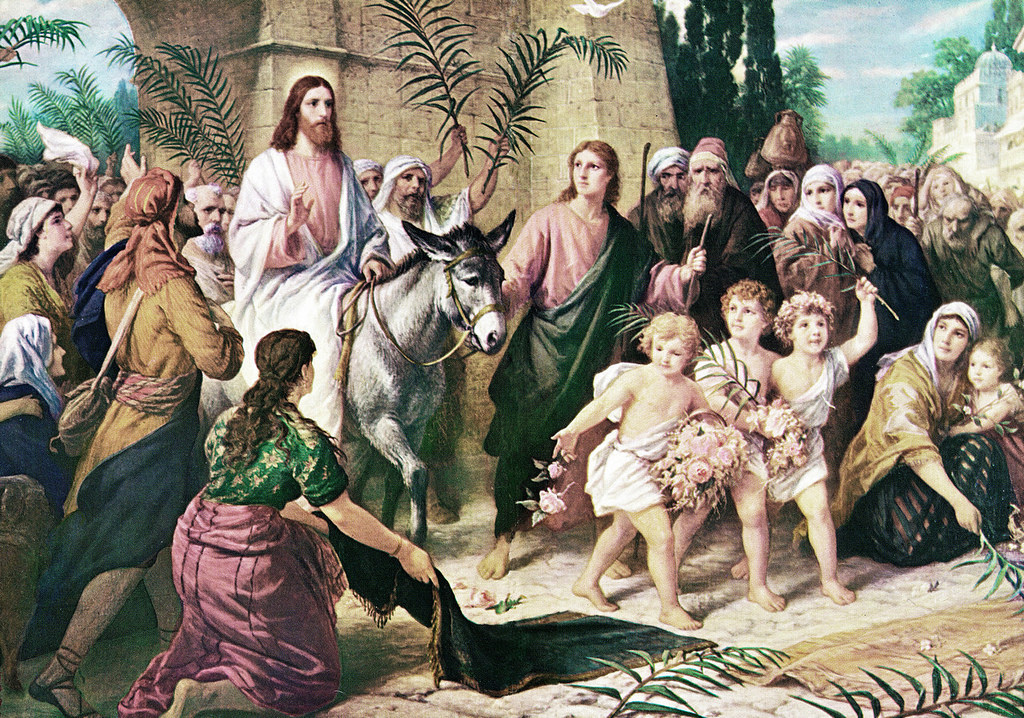
Today we celebrate Palm Sunday, which if asked, we would say is about what? Christ Jesus entering Jerusalem sitting on a donkey. It is just one example of how God the Son, Christ Jesus, humbled himself, and in those final days before his passion and crucifixion, Christ continued to teach us who He is.

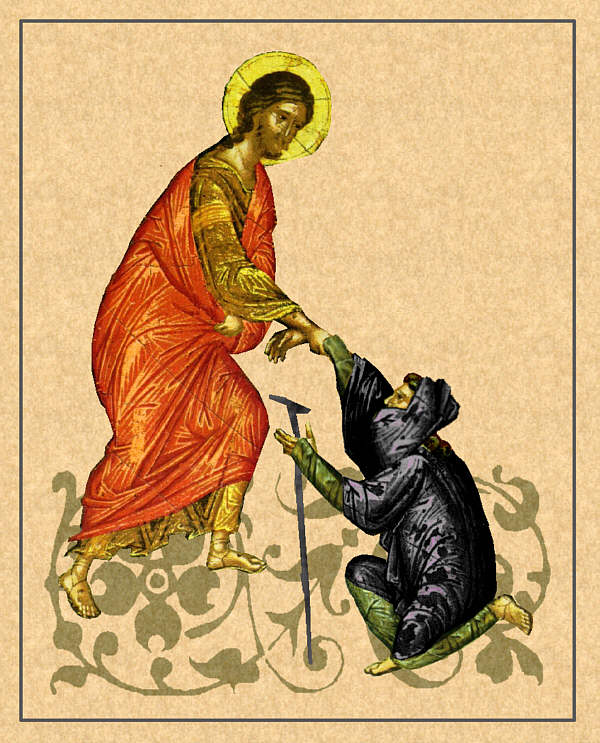
Yet, today’s festival name “palm” Sunday doesn’t say anything about Jesus entering Jerusalem. Unless we know the story of what took place on Palm Sunday, the name doesn’t make sense. Why palms? Why not Olive trees? In places where palms are not accessible, do they not celebrate Palm Sunday? My dears, to understand this day, we must begin by looking at the whol picture. Today’s passage begins not with Jesus entering Jerusalem but with Jesus’ healing 2 blind men who were calling out to Jesus, “Lord, have mercy on us, Son of David!” (vv. 31) Even after repeatedly the crowds told them to be quiet and sit down, they yelled even louder. Of course, we see and read how Jesus approached them and with compassion healed them. Yet, once Jesus healed them, what did they do? “…immediately they received their sight and followed him.” (v. 34)

My dear brothers and sisters, Palm Sunday is not only about us remembering how Jesus entered Jerusalem, but it is about how we follow him into Jerusalem as well. Christ Jesus throughout his life taught us to pray, to forgive, to love, to tend, to show mercy, to be patient and endure; yet only when we begin to follow him do we in fact understand how we live out these commandments. Only after we follow, will we find him. That is why St. Paul reminds us to not to become anxious or frantically run around scared. St. Paul teaches us that if we truly are out searching for God like the man in the story, then we must be like the duckling. We must follow our Lord to safety.
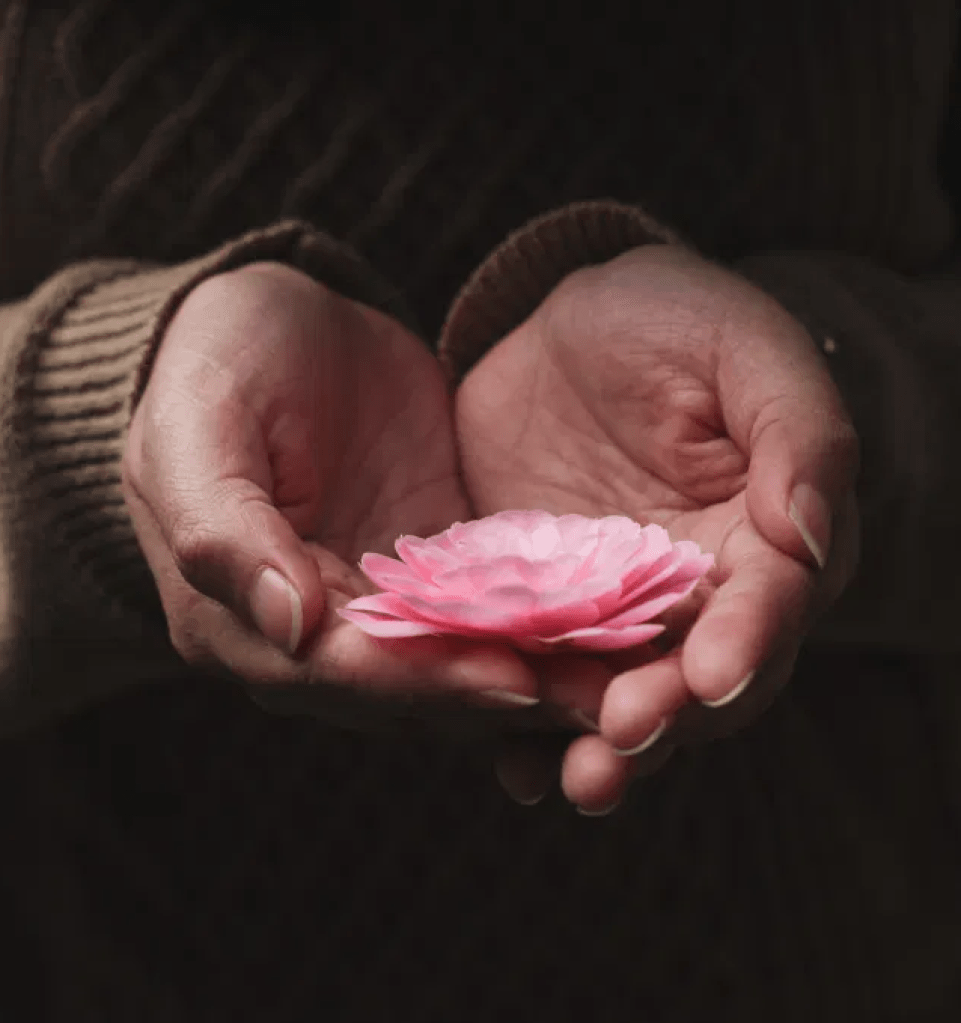
How do we go before God? What do we lay before him? Palms, clothes, flowers, branches? What if we lay down our worries, set before God our addictions and personal battles? What if we lay down our sorrow, our struggles and challenges? What if we honestly open our wounds? What if we like the 2 blind men, ignore the entire world, which is telling us we are worthless and weak; what if we keep calling out “Lord have mercy”?

These palms we take home, make into crosses, hold in our hands, remind us that we must first follow Christ and lay down whatever we have not to be trampled but to be lifted up by God, who leads us up into the Heavenly Jerusalem. Holy Week is a very powerful week in the Church full of beautiful prayers and powerful reminders of the life of Christ on earth. However, my dears, it can all become pointless and meaningless if we first don’t pause and ask ourselves, am I searching in random places for a random god, or will I follow God the Father, Son and Holy Spirit, who hears me, heals me and is leading me? That is why today, as we open the curtains we sing “Lord open the doors of your mercy” so that we may approach. God our Father, open the doors through which we can enter into your presence because we have followed your Son, Christ Jesus all this way and we will continue to follow you even if the entire world turns us away.

Only then, my dears, will we find true healing. Only then, will we enter Heavenly Jerusalem with God. Only then, will we find God and be led to safety. Therefore, may the coming days for all of us, be a time of renewal and life. May each day be a day where we follow God in actions and not merely words. Let us together go before God and say “Hosanna to the Son of David! Blessed is he who comes in the name of the Lord! Hosanna in the highest!”


From the East to the West Why Wait?

Passages: Is. 66:1-24; Col. 2:8-3:17; Matt. 22:34-23:39

In the name of the Father, Son and Holy Spirit, Amen!

What is it that we are waiting for? What or who continues to grasp our heart and mind, which keeps us awake physically but spiritually asleep? Today, we celebrate the final Sunday of the Lenten period known as Advent or in Armenian Kalstyan – the Sunday of the coming. Perhaps this Sunday is about Christ’s second coming; after all, all of Lent was a time of preparation for what, when Christ returns, correct? Perhaps this Advent is about next week, when Christ comes to enter into Jerusalem on Palm Sunday and how the Holy Altar is reopened to us and we are able to receive Holy Communion again. In either case, we know that Christ Jesus is coming and he is coming how?  “For as the lightning comes from the east and shines as far as the west, so will be the coming of the Son of man.” (Matt. 24:27 RSV) From East to West – that is why our Altar’s traditionally face the East.

Yet, what is interesting is that any grade school student who is studying lightning and clouds, and every meteorologist could tell you, lighting doesn’t come from the East to the West.  Lightning is powerful and electrifying but it is not directional – it strikes wherever it will. Therefore, what does it mean that the coming of Christ will be in such as way? When we look to the original Greek text, the word used here is ἀστραπή (prounc. astrapé).  The root of this word is astro – which means star and the most relatable star for us which comes from the East is what? The Sun! Therefore, it would not be wrong for us to say that Christ will come like the Sun, which rises in the East.

But how many of us would compare the Sunrise to a lightning storm? Sunrise’s are beautiful, warm and captivating, whereas, lightning storms can be frightening and loud, especially for our kids. However, my dears, let me ask, if we had important work to do, an appointment, to catch a flight, to get last minute studying done or something much more dire then these examples, and they that needed to be accomplished early in the morning before the Sunrise’s, what would we feel or think if we opened our eyes and saw that the Sun had already risen and we were still asleep?  Perhaps we would feel angry, upset, fearful, confused? We would be unsure what we could do to make up for what we had missed and how quickly we could get it done in an effective manner.

My dear brothers and sisters, what is it that we are waiting for? What or who continues to grasp our heart and mind, which keeps us spiritually in a coma? Not only the season of Great Lent but all our lives, every day is for us an occasion to prepare spiritually for the coming of Christ. To set our alarm clocks so that when the Son of Man comes, when Christ returns like the sun or lightning, we will not be caught off guard or be filled with fear. The image of lightning speaks about the quickness as a warning for those who are unprepared for the moment that the Son of Man will come. But the sunrise is welcoming and filled with beauty, warmth and light for those who are awake to greet Him. That is why in today’s reading of Isaiah, repeatedly the prophet tells the Israelite’s, those who are prepared, to rejoice for God’s coming; but also warns those who are evil: “You shall see, and your heart shall rejoice; your bones shall flourish like the grass; and it shall be known that the hand of the Lord is with his servants, and his indignation is against his enemies. “For behold, the Lord will come in fire, and his chariots like the storm wind, to render his anger in fury, and his rebuke with flames of fire. For by fire will the Lord execute judgment, and by his sword, upon all flesh; and those slain by the Lord shall be many.” (Is. 66:14-16)

Yes, my dears, God is coming, will we be awake or asleep? Will we be prepared to greet him or will we be filled with fear? Throughout our lives, God speaks to us through the Church, through the sermons, through confession, through prayer, through the Holy Scriptures, through our parents, children, neighbors, etc. God gives us the tools and also includes the instructions in how to use those tools, in order to prepare ourselves. Will we listen, will we pay attention, will we, as St. Paul teaches us today, “set our minds on higher things”? Will the coming of Christ be frightening as lightening for us or life giving as a sunrise?

What is it that we are waiting for? What or who continues to grasp our heart and mind, which keeps us unprepared, thirsty, hungry and spiritually asleep?

Did You Bring An Umbrella?

Passages: Is. 65:8-25; Phil. 3:1-4:9; Luke 17:20-18:14

In the name of the Father, Son and Holy Spirit, Amen!

There was a village full of farmers, whose entire livelihood came from the ground they tilled and the fruits and the vegetables they produced. For months there was no rain in the village, and the wells and rivers began drying up. There was not even enough water to use for the plants to stay nourished. Animals and vegetation, naturally, began dying and poverty went through the land as the villagers began panicking and thinking how will they live, what could they do to survive? One day, the community leaders decided they would go to the village priest to ask for God’s help. They came to Church and pleaded, “father, can we all come to Church on Sunday, the entire village, and together pray a special powerful prayer asking God to send us rain and to help us? We are dying and we need God’s help.” The priest answered, “Absolutely! This Sunday bring your friends and families, let everyone come to Church and after the service we will all together pray to God to send rain.” The following Sunday, the entire village showed up and there was no room to stand, no room to move, everyone young and old came to pray for rain. After the Divine Liturgy, the priest descended from the Holy Altar and turned around to look at the people who had gathered to pray together.

However, the priest stopped and declared, “I am sorry my dears, but today we cannot pray to God for rain to come therefore, go home.” Immediately, the people became upset, “why not Father, why are we not going to pray today?” “We are not going to pray today”, answered the priest, “because none of you believe in what you are praying for; none of you believe that God will answer your prayers or that God could send the rain for which you are gathered here for.” Confused, the people say, “what do you mean we don’t believe? See how many of us are gathered here today, look at how full this Church is.” And the priest simply says, “if you believed in your prayers, if you believed God can bless you with the rain for which you have come to pray for, why doesn’t anyone of you here have an umbrella?”

My dear brothers and sisters, do we believe when we pray? Do we pray with understanding and with an open heart, or do we pray as Christ says, like unbelievers? Do we simply utter words or poems but don’t believe in the power of God to fulfill those prayers? We pray but don’t actually trust God or believe in His ability to fulfill our prayers. And when we pray in such a way, our prayers remain fruitless and dry. Just as the lands died from thirst, so to our faith dries up and our prayers become heartless.

We begin asking, “Father we’ve pray for all these years, for healing, for clarity, for patience, for love, for hope, for sanity; we come to Church every week, we sing, we read, we volunteer, we participate, why doesn’t God answer our prayers?” Only a year ago this week, we remember, how the entire world went into lock down because of the pandemic. We recall how many times we prayed to stay healthy, safe, to be healed, to not lose our sanity or our jobs. However, my dears, God is not a magician or some sort of smart device, which we call on when we need answers. He does not answer prayers in the way we think but as we believe. We must remember that when we pray and come into communion with God, we pray for God to act in our lives according to His Will. When a student prays to pass a test, God may not give him or her the answers to a test. When we pray for health, God may not take away the momentary illness or sickness we physically feel. When we pray for wealth, God may not add a few more zero’s to our back account or give us a raise. But if we believe God can and will answer our prayers, then we must also trust that God will answer always in a way that is far greater then we could ever understand or comprehend.

When I was serving as a chaplain in the hospital, I remember how I had to perform an emergency baptism in the emergency room. I was a Deacon at the time and I wasn’t certain if God would accept my prayers or if what I was doing was correct. All day long after that incident, regardless of the patients I would visit, I kept thinking “did God hear my prayers, did God accept it?” A few weeks prior that this event, I had prayed for a woman in the ICU, who the doctors had declared no longer viable; in other words, the life support was the only thing keeping this woman alive. I watched, after I prayed with the family, how the doctor’s turned off the machines and slowly the woman’s heart rate slowed and her breathing calmed down. It was a difficult moment and so I said my goodbye and I left; what more could I do, if the doctors couldn’t do anything else? Fast forward to the day I did the emergency baptism, I was going room by room checking in on my patients, when a young man down the hall saw me and ran up and started yelling, “it’s you, it’s you.” I was very confused, as to what did I do? Now I’m a large guy, but this kid was pulling me with all his strength and I had no idea why. Until I entered the room at the end of the hall, where a woman was putting on her jacket to go home. The woman who a few weeks earlier I prayed over; the woman who the doctors turned off the life support for. In that moment, God figuratively smacked me on the back of the head and said, “I hear you, just trust me.”

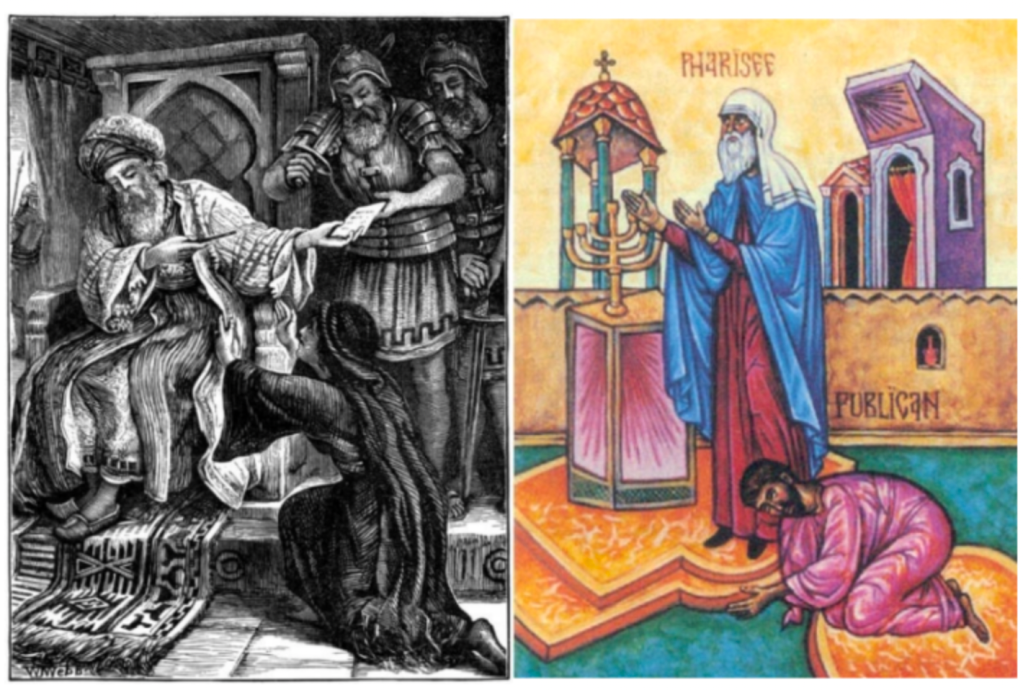
Today the Armenian Church remembers two very well-known parables, the Widow and the Unrighteous Judge but also the Pharisee and the Tax-collector.  Both parables teach us about our approach to prayer. On the one hand we must be humble like the tax-collector, but we must also be like the widow, who believed that justice would be given to her from the judge. Likewise, we must be humble, open our hearts and minds to God and we must also believe that God our Heavenly Father, the righteous judge will deliver us and answer our prayers. If only we have faith, if only we truly believe and trust, if only we live our lives truthfully to reflect that we trust in God. The greatest reflection of our faith and trust in God is seen through our prayer life and how we live out our faith. Not in the quantity of how many hours we pray, how many Der Voghormya’s we say, not how many sharagans we know by heart – but in how invested our heart is in all those prayers. The widow pleaded unceasingly but also and more importantly, without losing trust in the judge. As Christ asks, if this judge answered this woman, will not God also answer us?

“Rejoice always, pray constantly, give thanks in all circumstances; for this is the will of God in Christ Jesus for you. “(I Thessalonians 5:16-18) My dear brothers and sister, rather than merely say in this time of Lent let us pray more, I invite us to say in our hearts “let us pray with belief and with trust.” That God will not allow us to dry up and die but that God will and does answer us according to His loving will. Let our lives reflect His will through our actions, choices, and belief. May our faith reflect in how we pray. “For his sake I have suffered the loss of all things, and count them as refuse, in order that I may gain Christ and be found in him, not having a righteousness of my own, based on law, but that which is through faith in Christ, the righteousness from God that depends on faith;  that I may know him and the power of his resurrection, and may share his sufferings, becoming like him in his death, that if possible I may attain the resurrection from the dead.” (Phil. 3:8-11) Amen!

For What Purpose

Passages: Is. 56:1-57:20; Eph. 4:17-5:14; Luke 16:1-31

In the name of the Father, Son and Holy Spirit, Amen!

If I were to ask, what is your favorite verse or passage in the Bible, most of you would be able to approximately describe where it is found in scriptures or give a verse and chapter number. I remember back in High School many of my friends, who came from other Christian backgrounds, would quote verses from scripture to me as a reference the same way I would quote movies or poetry.

John 3:16 – “For God so loved the world”; John 1 – “In the beginning was the Word”; Psalm 23 – “The Lord is my shepherd, I shall not want”, etc. Yet, the numerical organization or division did not exist in ancient times when scripture was written. Faithful knew what the scriptures said, even if they couldn’t necessarily point it out. Additionally, some of the subtitles we find in scriptures did not exist such as “Sermon on the Mount” or “Jesus Feeds the 5,000” and many others. Scripture was not read in the way we read it today.

Some of us, when we read the Holy Scriptures, come to it with reverence and devotion. We come seeking answers to our pain and loss. Still other’s come to read the Holy Scripture to learn and gain knowledge. And if we are honest, majority of us go through our scriptures merely to fact check what it says regarding a matter that interests us. “What does the Bible say about gay marriage?”; “what does the Bible say about how I should vote, or how I should manage my time”; “did Jesus really say x,y and z”; “Did Solomon really have that many wives”, “Did David really kill Goliath with only 1 stone”, Etc. We come to the scriptures looking for self justification for the lives we live. We search out trivial and often pointless answers. Trivial and pointless because the scriptures were not written for the purpose of how too many of us use it today.

Truthfully, this misuse and misunderstanding of what the Holy Scriptures are for also extends to other aspects of our faith. If I were to ask about your favorite service or prayer that we sing and celebrate in Church, you would be able to tell describe to me all the details. Yet, because of the misunderstanding of the prayers, we see the services in Church merely as a performance, a concert, or if we do come with genuine faith, we come only when we’ve hit rock bottom. And so coming to Church becomes a task rather, then a blessing. Actively volunteering and participating in Church events or groups becomes a burden rather, then an opportunity for ministry. Even the more religious personal practices of fasting, praying, lighting a candle, singing in choir or serving on the altar, becomes for us an inconvenience rather then a means to grow. And because of this misuse and misunderstanding of what it is we are really doing here, all of a sudden, those favorite passages we have or the services and hymns we enjoy merely become motivational quotes, mantras or philosophy and the teachings of the Church become easily replaceable by the “new” or modern.

However, my dear brothers and sisters, as Armenian Orthodox Christians, who have over 1,700 years of Christian roots, we need to understand that everything that we receive from God in a tangible form, such as the Holy Bible or the practices of the Church, the Traditions such as fasting etc. they are not created merely to gives us information, to be mantras, or to fill our time until the next best thing. They are not motivational quotes and philosophy to enjoy and repeat in the same way we would repeat literature or theater. Rather, just as the verses and titles were created to help guide us, likewise, each and every word of the Holy Scriptures along with the practices of the Church are here to guide us; but to what?

Today the Armenian Church is in its 4th week of Great Lent, a fasting period, and this day is known as the Sunday of the Steward. Apart from the Parable of the Unjust Steward, we also read of a warning Christ gives to us about the love of money and power and as well, teaches us the parable of the Rich Man and Lazarus. What ties these three teachings together on the surface is closely related to money. Yet, when we look deeper at Christ’s words, what is it that we are actually being guided towards? My dears, we are being called to be different, to be changed, to be better through God.

The past several weeks I have spoken about Heaven and Hell and what our understanding is of these in our lives here today and as well as, tomorrow in eternity. In our weekly Bible Studies, we have been examining the Book of Revelations to understand what all this means for us. And what is crucial to remember is that our faith as Christian’s, as children of God, is not about getting into Heaven or learning how to avoid Hell. Our purpose, our reason for being a child of God, of our Heavenly Father is so that we are in communion with Him and so we bring Him into the lives we live. That is why, taking advantage of the titles in scripture we enjoy now adays, in St. Paul’s letter today under the title “The Old Life and the New” we read that, “Put off your old nature which belongs to your former manner of life and is corrupt through deceitful lusts, and be renewed in the spirit of your minds, and put on the new nature, created after the likeness of God in true righteousness and holiness.” (vv. 22-24) In other words my dears, what we read, hear, see, inquire from these words and the rules and services that are taught to us in the Church serve as tools and guides by which we come into communion with God and through whom we are renewed to be different. When people ask, “why do I need to be a Christian to be a good person? Are atheists who do the same good thing I do not good?” The answer isn’t that what the atheist is doing is not good but rather, the truth that we must face is what we are doing as Christian’s is not in fact good but lazy.

The steward in today’s parable was doing his job. However, because of the choices he made he was not a faithful steward; he was abusive and manipulative. We, likewise, the stewards of this world that God has created for us have a job to do. As a Christian steward, to truly be in communion with God, to do our task, we must be drastically different in how we live our lives. This does not mean go out into a desert, become a monk or don’t have likes and dislikes. To be renewed, as St. Paul says, is to trust in God fully even when we may struggle to understand how. To be renewed, means to examine the life we live and search for Christ’s presence within it. To be renewed, means to live by these words that we call the breath of God. Because “All scripture is God-breathed and is useful for teaching, rebuking, correcting, and training in righteousness,…” (2 Tim. 3:16) For we are the light and we must go and light the darkness, in the same way we have been illuminated.

If we are in have a business, we must immerse ourself in the words and teachings of scripture to see what business practices you live by. If we have a family, we must examine the teachings within the heart of the Church to see how we are called to be a spouse and raise our children. If we are a student or have parents we take care of, we must live by the instructions from God who shows us how we behave. No matter what we do, where we are in life, how old, how broken, how strong, the color of our skin, the language we speak, our stature or income, etc. what God has given us through the Holy Scriptures, through the practices of the Church is not information or history but renewal and tools to grow in our communion with Him.

Therefore, my dears, as we continue to journey through this time of fasting and prayer let us seek not self justification, philosophy or information but purification and renewal through God. May we look for God’s presence not just in the Church walls or paintings but within the walls of our homes and our heart, and on the canvas of our self portrait that other’s will see. As Christian’s let us be the difference from everyone else, the light for others, so that when people look to us they will see the living words of God through our actions. Doing so may we shine brightly and may we glorify God our Father, the Son and Holy Spirit in all aspects of our lives, Amen!

Our Place In the Story

Passages: Is. 54:11-55:13; 2 Corinthians 6:1-7:1; Luke 15:1-32

In the name of the Father, Son and Holy Spirit, Amen!

When we watch a movie or read a book, what attracts us? The story, but also how we relate to the characters and what they are doing. We feel the emotions, challenges, success and failure of the main characters of the plot. How do we feel about the extras or the by standing characters? Perhaps, we know they are important but we wouldn’t miss them if they were someone else or missing entirely. I remember watching one of my childhood favorite TV series, “Boy Meets World” where the young Corey Matthew’s, through a series of events, loses his role as Hamlet in the school play and is instead recast as a spear holder. Naturally, he understands and complains that you can’t compare these 2 roles, who is an extra soldier vs. the poetic Hamlet? Shakespeare’s captivating plays are not famous for their spear-carriers or extra’s. However, Corey realizes that even the smallest role has a significant impact on the story when we begin to understand their place.

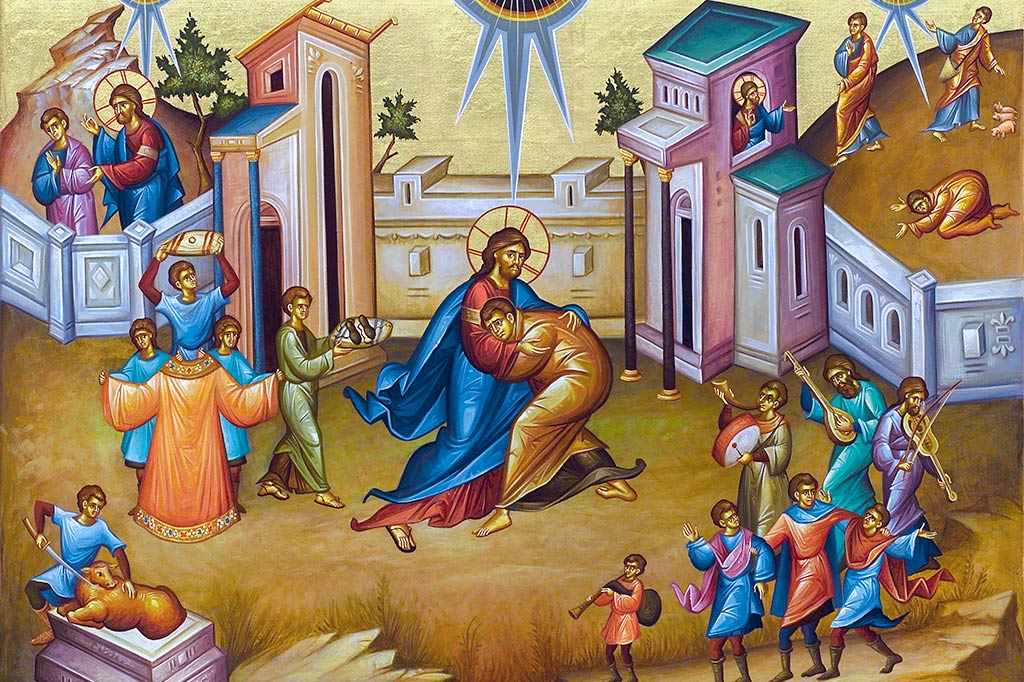
Likewise, when we read the Holy Scriptures, we mainly focus on who? Jesus, the prophets, the disciples and the main characters of the parable. For example, today is the Sunday of the Prodigal Son. We all know the story well. Who are the characters? The prodigal son, the father, the elder brother. What about the servants? Sure they’re in the story but this is the parable of the Prodigal Son. Yet, just as in the great literature works of William Shakespeare, so too in the teachings of Scripture, when we begin to dissect and understand who each character is, big or small, main or extra, we begin to understand how important every person and action is. Therefore, my dear brothers and sisters, what do we read about the servants in today’s parable?

“But the father said to his servants, ‘Bring quickly the best robe, and put it on him; and put a ring on his hand, and shoes on his feet;and bring the fatted calf and kill it, and let us eat and make merry; for this my son was dead, and is alive again; he was lost, and is found.’ And they began to make merry.” (vv. 22-24)

Only 2 verses out of the entire lengthy story and the only time we see any servant talk is at the end, when the elder brother asks what is taking place. Insignificant in the story, right? Wrong! My dear brothers and sisters, each and every word in the scriptures is there for our instruction and guidance to show us how we come into communion with God. When we read the story of the prodigal son, we are taught that each of us is the prodigal son who denies his father and strays away but who always has an opportunity to repent and turn back. We are the elder brother who complains about how the father could accept back a sinful son. We also are the father, through whom we learn we must show love and mercy even to those who hurt us deeply in the same way God the Father accepts us back; but we are also the servants.

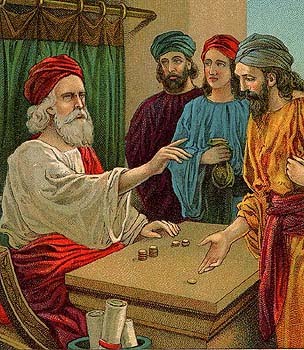
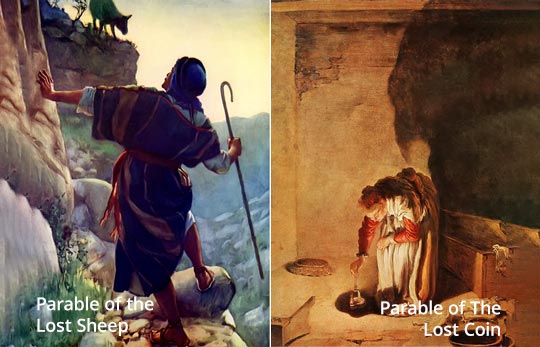
When we examine the entire scripture reading from today, we see the story of how God and the Heavenly hosts rejoice at the return of each sinner in the same way a shepherd rejoices in finding his lost sheep or a person rejoices in finding their lost coin. Just as in the parable of the Prodigal Son and in the parables of the lost coin and sheep, we see the angels or the servants rejoicing and celebrating with the Father. How many of us rejoice or celebrate when our lost brother or sister comes back to God our Heavenly Father? How many of us, forgive in order to be forgiven? It is here, where we see ourselves as those angels and servants, my dear brothers and sisters. We know that we all are sinners and we believe that God the Father, Son and the Holy Spirit, is merciful, loving, compassionate and forgiving. As I mentioned last week, and as we read every week, God does not rejoice in the death of any sinner. And we are called to be like God, meaning we must not only be loving, forgiving, compassionate, etc. but we too must not rejoice in the pain of others but rejoice and celebrate when they repent and choose a life of faith in Christ.

Yet, how many of us take pleasure in the suffering or misfortune of others? How many of us try to find excuses as to how God could forgive and accept back a horrible sinner? We may say, “No that’s not me.” Therefore, let us ask in a different way. If a Turk or Azeri walked into our Church, how would we react? If a well-known criminal, out on parole, walked into our Church today, how many of us would pray God bring him back vs. saying in our hearts, God keep him away? What about someone from within our communities, or families, or acquaintances who has deeply hurt us, if they walk into Church today and sincerely ask for forgiveness, how many of us would welcome them back vs. how many of us would look with distaste and condemnation? Proverbs 17 teaches us “He who mocks the poor insults his Maker; he who is glad at calamity (or misfortune) will not go unpunished (v.5)…[but] He who forgives an offense seeks love…”(v.9)

My dear brothers and sisters, are we the servants of our Heavenly Father? Then we must rejoice with him when our lost brothers and sisters return. Are we the messengers of God on earth? Then we must celebrate when even the most evil and darkest person comes back into the light. Because likewise, when we fail and sin, when we break communion with God, when we are lost and blind for whatever reasons, God our Heavenly Father, the Son and Holy Spirit, along with all the angels, and every person who truly is a child of God rejoices upon our return. Our Lord eagerly waits and invites each one of us, as well as, those around us, back to Him. “Ho, every one who thirsts, come to the waters; and he who has no money, come, buy and eat! Come, buy wine and milk without money and without price.” (Is. 55:1) Come back to God!

Whether we are Armenian, American, Asian, black, white, male, female, young, old, educated, uneducated, strong, weak, half, full, Christian or not, the main character or merely a spear holder in the story life – God is calling each one of us back to Him. Therefore, we must rejoice and celebrate each time one lost sheep, one lost coin, one of our prodigal brothers and sisters comes back to God.

For God our Father has promised us life, healing, comfort and peace. As St. Paul teaches us today, “Since we have these promises, beloved, let us cleanse ourselves from every defilement of body and spirit, and make holiness perfect in the fear of God.” (2 Corinthians 7:1) Whether we are the main characters of a grand plot or merely a spear holder – God has a place for us in His Kingdom. Therefore, let us forgive in order to be forgiven, repent and pray that God will likewise, forgive us and accept us back when we fail. And “there will be more joy in heaven over one sinner who repents than over ninety-nine righteous persons who need no repentance.” (v.7) Amen!

Where is Hell?

Passages: Isaiah 33:2-22; Rom. 12:1-13:10; Matt. 5:17-48

In the name of the Father, Son and Holy Spirit, Amen!

A burning sensation, an unquenchable thirst, an aching hunger and indescribable pain; Last week, my dear brothers and sisters, we were in celebration; Last week, we recalled the feast of Joyous Living – Poon Paregentan – as we remembered how humanity enjoyed the presence of God and all His Divine blessings in the Garden of Eden; Last week, we explored Heaven. And as much as heaven captures our imaginations and curiosity, hell intrigues us even more. Where is it? What is it? Is it even real or something the Church has made up in order to scare the faithful into obeying the rules?

Last week, as we looked at Heaven, we understood that Heaven is not merely a physical place but rather, it is the physical presence of God.

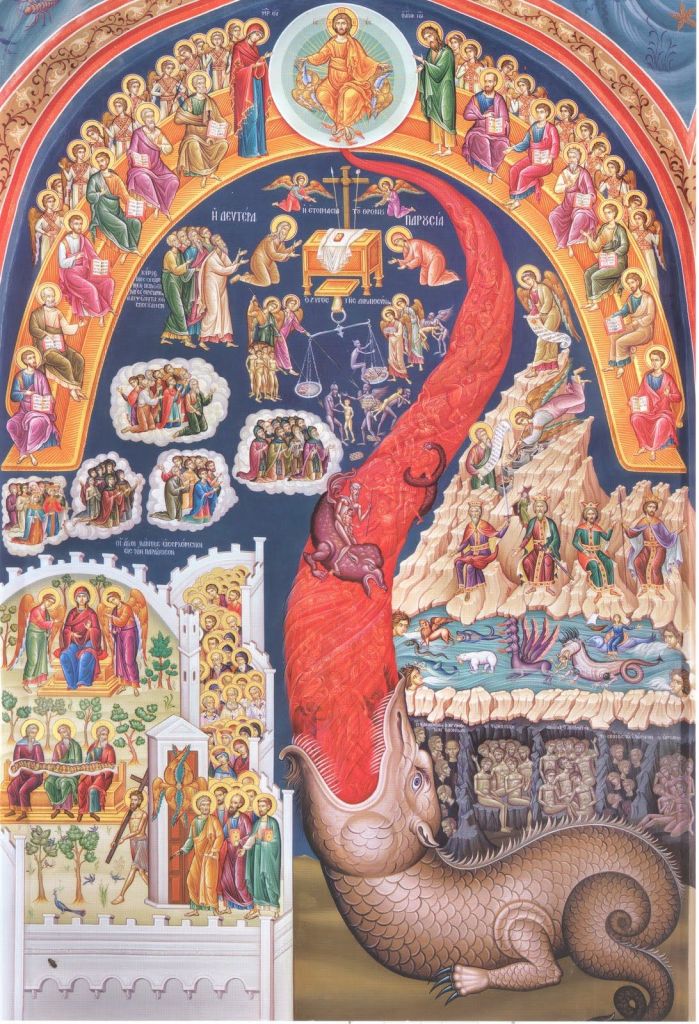
Heaven cannot exist outside of the presence of God, whether that is in the clouds somewhere, or the paradise of the Garden of Eden, or even our own Church. When we are in the presence of God, when we are in communion with God, we are already in Heaven. Therefore, it is fair to deduce that hell must be the absence of God. Hell or Hades, or whatever name we call it by for most of us is understood as the place the Devil resides and where all who don’t believe in God will be tortured for all eternity. We think that Heaven is the place good people go; whereas, Hell is the place bad people go. This imagery is fueled by Hollywood and certain misunderstood passages of scripture, such as when Christ teaches, “The Son of man will send his angels, and they will gather out of his kingdom all causes of sin and all evildoers, and throw them into the furnace of fire; there men will weep and gnash their teeth.’ (Matt. 13:40-42)

Unfortunately, because we stop there or because our imagination run wild, this causes many of us to think that our Christian faith is merely about obeying rules and going to heaven or hell. We come to Church not so we will grow closer to God but so that we get further from hell. However, this is not the purpose of Christianity. The purpose of our Christian faith, of why we repent, why we come to Church and pray, why our priest every week preaches a message is to bring us into communion with God. This distinction is very important to understand because it explains what the difference of Heaven and Hell truly is. If Heaven is the presence of God, then Hell must be what? Not the absence of but rather, it is the inaccessibility of God. We believe that God is ever present everywhere. He is here now, He is in Armenia now, in Europe, Asia, in the Cosmos, in Heaven and also in Hell; God is. Therefore, if God is in Heaven as well as, in hell, how do we understand this?

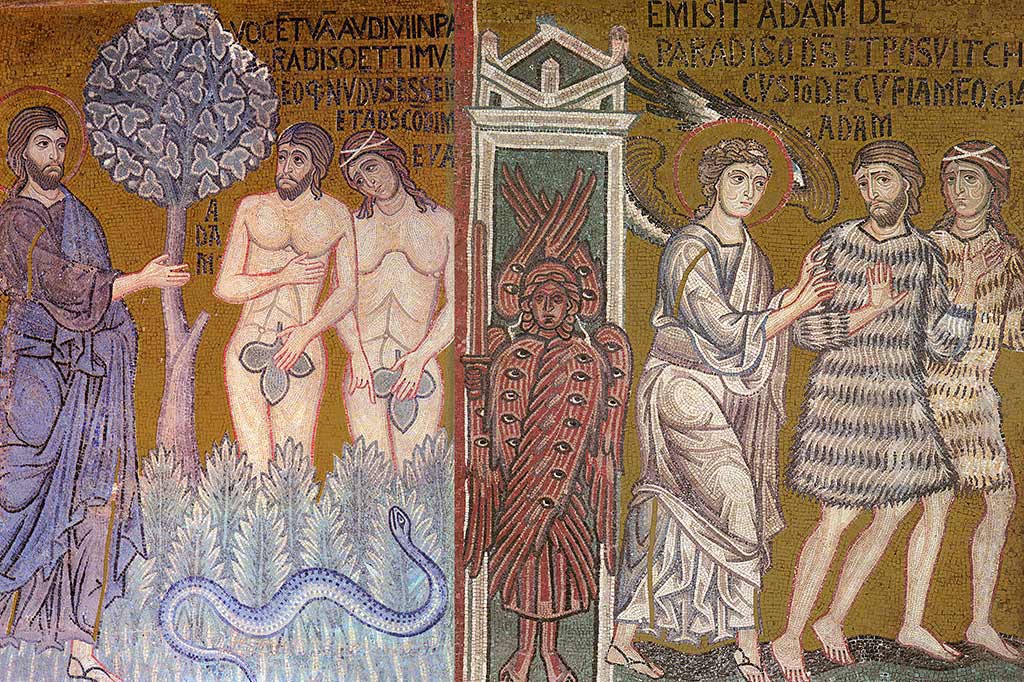
When Adam and Eve, where expelled from the garden, did God abandon them? No! In fact, we see repeatedly throughout the Holy Scriptures that God wanted his children to come back to Him, trust and love Him, to be reconciled, to be in a covenant. God taught humanity that sinful actions have consequence but Godly lives bring blessings. Yet, the power of sin was too burdensome for humanity to remain faithful and so even though God was present in their lives, they through their lives rejected Him and could not fully access Him. They witnessed His love only from a distance; they witnessed healing only by remembering the past. It is only through Christ Jesus, that humanity gained full access, full communion with God. Just look at the way we pray. In Judaism most prayers begin with God of Abraham, Isaac, Jacob and Moses and yet, all of our prayers begin with Our Father! Why did God continue to be with us? Because God’s love continued and continues for all of us.

We always quote John 3:16 – “For God so loved the world, that He gave His one and only Son”, yet, that love for each of us can be understood very differently. St. Isaac the Syrian, one of our Orthodox Church Father’s writes, “Love…is given to all. But the power of love works in two ways: it torments sinners, even as it happens here when a friend suffers because of a friend; but it becomes a source of joy for those who have observed its duties” (Spiritual Works of St. Isaac the Syrian) In other words, God’s love for those who reject it, for those who remain unrepentant, and careless and lazy and who do not “observe its duties” becomes the fires of hell. Just as when someone we love betrays us – that love torments us. But when that love is returned we feel fulfilled.

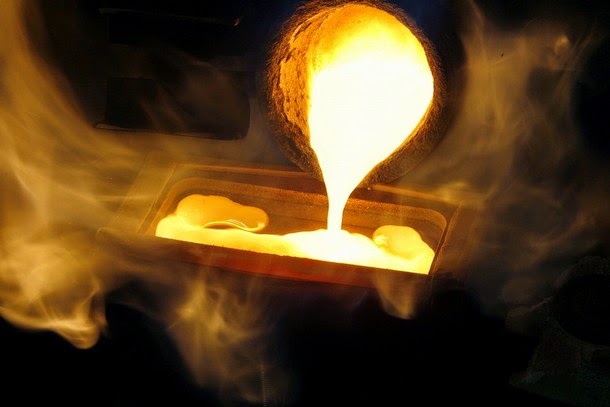
Another image we read from the ancient Church Father’s is of God as fire. What happens when we place a piece of wood into fire? It burns and eventually turns into ash. Yet, when we place gold into the same fire, it becomes hot and begins to glow brightly like the flame. The gold doesn’t lose it property but by being united to the fire, it is purified and retains the heat and light of the flame – the gold is transformed. As St. Paul writes, therefore, “Do not be conformed to this world but be transformed by the renewal of your mind, that you may prove what is the will of God, what is good and acceptable and perfect.”

My dear brothers and sisters, this is the greatest torment of all – this is true Hell. That rather then be cleansed, purified and transformed by God, we lose our communion and ability to come to Him even when we know He is there. Our thirst remains, and our hunger aches and we be burned. If here in this life we must have faith to come to God, in the life after we will see God with our eyes and will no longer need faith. For those who believe now, we will be always in the warmth and light of God. For those who do not, they will see God but never feel His warmth or enjoy that light. The prophet Jeremiah writes, “As Lord God I am near…and not a distant God. Is it possible for man to flee and hide from me in his covering, that I may not see him? Are not the heavens and earth filled by me?” (23:23-24) God the Father, Son and Holy Spirit is near; God is always with us from this life and He desires to be in communion with Him by observing all that He commanded us so that we will be transformed by Him.

God is not waiting for us to die in order to punish us. God is not like a child with a magnifying glass, trying to burn ants with the sun. As we say in our prayers, “God does not desire the death of even one unrepentant sinner.” Rather, He stretches out His merciful and loving hand each day and each moment to lift us up and bring us back into His presence. It is our choice to reach back and take His hand. It is our choices that ultimately will determine how close or far we remain from God, in this life or the next.

God’s love is given freely to all, how will we accept it? Will we be purified and transformed or be reduced to ash? Will we choose communion or the unquenchable thirst? My the grace and love of God our Father, let us through prayer and repentance come into communion with Christ our Lord and be cleansed and transformed by the Holy Spirit to do all that He has commanded us. May this time of Great Lent be a time of awakening and understanding that we must come to Him because He continues to come to us, Amen!

Where Is Heaven?

Passages: Acts 7:47-50; Galatians 4:1-7; Luke 2:41-52; Matthew 6:1-21

In the name of the Father, Son, Holy Spirit, Amen!

Almost Heaven, West Virginia, Blue Ridge Mountains, Shenandoah River. Life is old there, older than the trees, Younger than the mountains, growin’ like a breeze” (Take Me Home, Country Roads).

Sitting on a rock, in the middle of the woods listening to the roaring waters of the beautiful waterfall; No noise pollution or light pollution – this must be paradise.

In 2010, Todd Burpo and Lynn Vincent co-wrote a book entitled “Heaven is For Real” where they told the story of Todd’s 3-year old son, Colton, who due to complications of appendicitis had a near death experience on the operating table.

After the surgery, Colton began telling stories of how he had died and gone to heaven, where he had seen Jesus and the angels. At first he was met with skepticism naturally, however, he began telling stories interactions with people such as his great grandfather, who had died 30 years before he was born.

My dear brothers and sisters, where is Heaven, what will it be like when we get there? Is it like West Virginia, is it a bliss mountainous wilderness or like the stories we hear from our loved ones who have had near death experiences? Will our pets be there? Will my annoying neighbors be there? Will I have wings or be playing a harp? Whether it is in literature, music, movies, poetry or even our own reflections – Heaven is a place we view as good and yet, very mysterious. Repeatedly, throughout the Gospel’s we read of how Christ Jesus proclaims, the Kingdom of Heaven or Kingdom of God is near. In one of today’s Gospel readings we read, “Do not lay up for yourselves treasures on earth, where moth and rust consume and where thieves break in and steal, but lay up for yourselves treasures in heaven, where neither moth nor rust consumes and where thieves do not break in and steal.” (Matthew 6:19-20) And so we automatically begin to envision that Heaven is this wonderful place, where neither rust nor thieves can take our treasures. Heaven is this place where, as we read from the Old Testament and proclaim during our Badarak, angels are continually singing and praising God and where we the children of God will gather with the saints after our death. In Heaven there will be no sickness or toil; no pain or loss. Rather we will be in peace and with our loved ones.

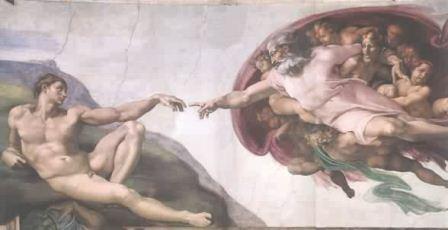
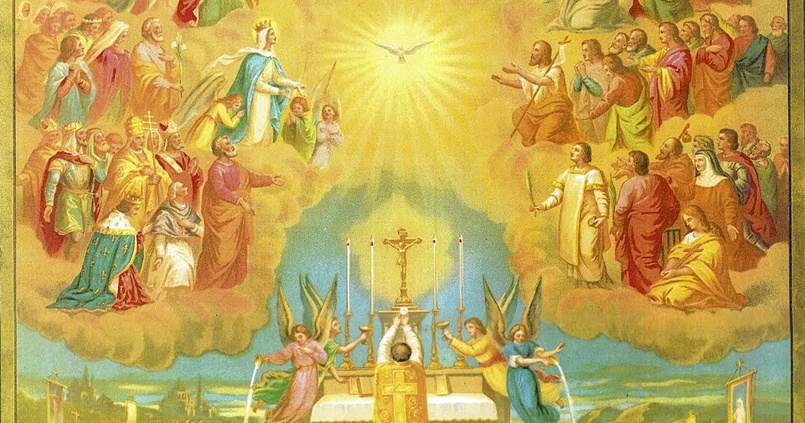
We all have our own ideas of what Heaven may be like. “Heaven is my throne, and earth my footstool. What house will you build for me, says the Lord, or what is the place of my rest?” (Acts 7:49) My dears, let us image for a moment that our Church sanctuary is Heaven. We are gathered here with all the angels and saints, and we together are praising God who is invisibly enthroned on the Holy Altar. If God for some reason got up and walked out the doors and decided to go sit downstairs in the hall, what would we do? Would we follow Him? Would this sanctuary still be Heaven or would Heaven now be in the hall?

Today, the Armenian Church celebrates 2 feast days. The first of these is Diaruntarach or Presentation of the Lord to the Temple – where we remember how Christ Jesus as a child was brought to the Temple 40 days after his birth, according to the Laws of Moses, to be dedicated and Simon the Elder came to Jesus and made his blessing. The second feast is the Great Feast or “joyous living” – Poon Paregentan. This day proceeds what will begin tomorrow, Great Lent. Therefore, today we celebrate how Adam and Eve, how all humanity, enjoyed Paradise, the Garden of Eden and all it’s blessings. The greatest of these blessings was of course that they openly communicated and were continually within the presence of God. We read in Genesis, how God walked in the garden and spoke directly to Adam and Eve just as we speak to each other. They were at peace as they enjoyed all creation around them. Some Church Father’s even say that Adam and Eve were able to communicate with the angels because they were in heaven. Yet, through sin, we know, they were cast out of the garden and the presence of God.

This means, my dear brothers and sisters, that Heaven, Paradise, the Kingdom of God is not a place, whether it be Eden, this Church, the hall downstairs or even West Virginia. Heaven is the presence of God! That is also why St. Gregory of Datev of the Armenian Church states, that when Christ said the Kingdom of Heaven is near, Jesus was declaring that it was His presence that brought the Kingdom of Heaven – it is when God is with us that we are in Heaven. Whether we will have wings, be dressed in white or playing the harp; whether we will be taller, or shorter, or be with our loved ones; whether, we are up there or in a completely different place – as long as we are in the presence of God, we are in Heaven. However, to be in the presence of God does not require for us to die or have a near death experience.

To be with God, we must be in communion with God and that communion begins with the life we live here. A life where we must repent of sin, pray, reflect, fast, do charity, show mercy, not worry as much but trust, we must come to Church and learn everything the God has given us, just as Adam and Eve enjoyed everything God had blessed them with. We must be baptized and freed from our sins and finally we must receive Holy Communion. Christ taught us how to repent, how to pray, how to be compassionate and trust God. Christ Jesus cleansed the waters for us to be cleansed by and taught us how to break bread together teaching us “He who eats my flesh and drinks my blood is in me, and I in him.” ( John 6:56) That is why Christ Jesus does not say go and do good – but rather, go and do as I do.

My dear brothers and sisters, when we are in communion with God, even in this life, we are already in Heaven because we have the presence of God with us. As we prepare to begin our journey of Great Lent, this for us again is another opportunity to come into Heaven – to come into the presence of God the Father, Son and Holy Spirit. Not in the invisible world after we die, but here in our world. Because God is with us here today and each time we live according to His divine commandments God is with us there as well. Yes, today we remember how we were in Paradise with God but we also remember how Simon went to God in the Temple. Therefore, let us come before God here, trusting in His love and care by living our life in communion with Him. Doing so we will already be in Heaven each day and with each moment, always living in the presence of God and bringing God’s presence to those in our life, who are searching for Heaven, searching for His light, searching for God. By the grace of this day, may we remain always in the presence of God the Father and the Son and the Holy Spirit eternally, Amen!

Facing Death With Hope

Passages: Wisdom 5:15-22; Is. 35:1-2; Is. 61:6-7; 1 Peter 1:3-9; Luke 12:4-10

In the name of the Father, Son and Holy Spirit, Amen!

The beating of drums could be heard as the earth shook under their feet. With each beat, the enemy marched forward. You could hear the sound of the ferocious elephants marching towards the battlefield – bellowing the trunks. Overwhelmed and afraid the soldiers looked to each other and to the heaven’s wondering what would happen next. Then all of a sudden a small voice could be heard over the loud trumpets, “The Lord is my shepherd, I shall not want. He makes me lie down in green pastures. He leads me beside still waters; He restores my soul. He leads me in paths of righteousness for his name’s sake. Even though I walk through the valley of the shadow of death, I fear no evil; for thou art with me; thy rod and thy staff, they comfort me.”

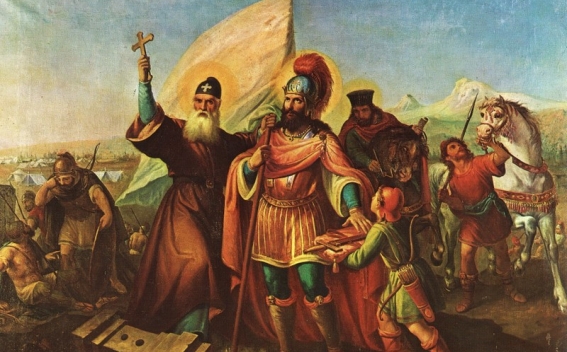
When we remember St. Ghevond Yerets and his brave priest’s what do we recall? What is it that we celebrate? The story of the Ghevondyant Priests is well known as we read from the history and hagiography of St. Ghevond and his fellow priests courageously leading and fighting alongside the brave soldiers of Armenia against the traitorous enemies of the pagan Persian Empire. These heroic clergy marched alongside St. Vartan Mamigonian and his men, praying for them. Perhaps for us today this image is all to familiar as only a few months ago, we witnessed our modern day Armenian clergy in the battlefields of Artsakh, praying and pasturing our soldiers as they faced today’s enemy. Perhaps this image is too real for us who witness how our own parish clergy give of themselves in order to help each of us.

Yet, again I wonder whether from St. Ghevond and his clergy brethren or the clergy we see in the battlefield of Artsakh or the clergy through out our history, what is it that we are remembering? Their bravery, their readiness to stand next to us? Do we recall their activism, how they were and are vocal against the unrighteousness, hatred and our physical enemy? Perhaps we recall their service, their death and martyrdom, for those who died for their faith protecting that, which is Holy. When we closely examine the stories of our modern clergy, and even more importantly when we look at the example of our saints only one thing remains unchanged – hope, in the love of Christ Jesus even in the face of death. A hope that does not waiver, in the sight of suffering; A love that does not diminish in times of persecution; A fervor to serve God that does not weaken in times of tribulation. And it is this hope that we, today and each day, must remember and celebrate because this hope, this love and zeal is a renewed hope, as St. Peter writes in his letter, in Christ Jesus through His death and resurrection.

These saintly priests of the past and present knew the path of the cross because they understood that what stood in front of them was certain death. Yet, despite this devastating reality, they remained faithful as they continued to serve as examples for each one of us clergy or laity, in our daily struggles and pain of life. We read from the Gospels to not be afraid of those who cause physical death. To not be deterred by those things in life, which can bring us anxiety, move us towards depression, and make us feel like a failure. This is not to deny the real pain and suffering, which we feel with physical sickness, death or loss. Rather, it is to direct us and to teach us how to trust in that renewed hope in Christ Jesus. If we only trust in the physical, in the self- serving, in the temporary and material comfort, when we only believe when life is good, we begin to deny Christ’s call to pick up our cross and follow Him. We begin to live for the creation rather then the creator. We begin to deny God!

It’s easy to say that we believe in God when life is easy. It’s easy to say that God is good when my stomach is full. Yet, when we recite Psalm 23, what do we say? “The Lord is my shepherd, I shall not want…even though I walk through the valley of the shadow of death.” Meaning even if there is failure, suffering, death – I will fear no evil. And it is this psalm that the clergy and soldiers recited as they faced the Persians hordes. For nowhere do we read in the Holy Scriptures that we will not suffer in this life, if we believe in God. Nowhere do we hear Christ tell us that if you follow me, life will be easy. Contrary to what the world will tell us, faith is not an opioid that numbs us to the reality of life’s struggles. Faith is not a crutch for the weak, that we lean on. Rather, to remain faithful we live with the knowledge that our strength comes only through Christ Jesus, through whom we learn how to turn to God.

However, my dear brothers and sisters, even in the times of the saintly Ghevontyants clergy, we see that the enemy did not come only from the outside. We know well the story of how even within the Battle of Vartanantz, there were those who betrayed and who turned away from God and nation in order for personal gains. Just as today we know that continues to happen. However, even with this knowledge our clergy, our soldiers and we together place hope in God’s love and overcome death through Christ. For Christ himself was betrayed by his disciple. Christ knew of what was going to happen, yet, in order for the Son of God to teach us how we must place our hope in God the Father, Jesus continued to love even he who betrayed Him. Likewise, we know what suffering means. We know sickness, pain, addiction, bigotry and hatred are around us; we know these exist within us. We know that both from the outside and perhaps even from the inside we may face tribulation and failure. Just as St. Ghevond and his clergy knew that certain death stared them in the eyes. Yet, they also knew that even in their momentary death, God would care of them in eternity.

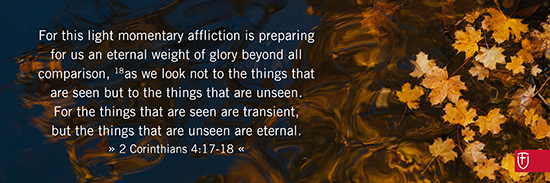
2 Corinthians 4:17-18 “For this slight momentary affliction is preparing for us an eternal weight of glory beyond all comparison, because we look not to the things that are seen but to the things that are unseen; for the things that are seen are transient (temporary), but the things that are unseen are eternal.” This means that St. Ghevond and his clergy as with all our martyr’s we understand that we do not focus on what is seen such as the troubles, pain, suffering or even death, but rather on the unseen that which is eternal that which we receive through Christ’s resurrection. And we know this hope to be true because of the proof here, today. That even after we have been put to the sword, we, the children of the saintly Ghevondyants priests, the children of Vartanatz, the children of Artsakh, the children of the Armenian Church, we continue to pray, to love, to grow, to sing and dance to stand up and protect that which Christ Jesus has taught us is sacred. And so our hope is in the presence of God who is revealed to us through Christ Jesus –  who is with us now here and will be with us out there. Who died and who is resurrected for us and through whom we learn to come into Communion with God.

Therefore, it is this that we celebrate today; it is this that we remember on Thursday and everyday that we look to our saints who show us examples of what it means to always live for God even in the face of trial and death. And it is this, as St. Peter continues to write that, “As the outcome of your faith you obtain the salvation of your souls.” Let us never lose sight of God’s love and hope in the face of pain. Let us never shy away from acknowledging God through the life we live, even if we live in pain. Doing so, we all shall be crowned a nation of Holy Priesthood, who together with the heavenly angels and all the saints will glorify God the Father, Son and Holy Spirit, eternally, Amen!

True Satisfaction is Gods Work

Passages: Isaiah 63:18-64:12; Titus 1:1-11; John 7:37-52

In the name of the Father, Son and Holy Spirit, Amen!

If I give each of you a $100, would you want it? What about $1000? I’m sure most of us would say yes, but still others would say why not give us more? If we care about our economy and our well-being, we should open businesses and we should allow kids to go back to in classroom studies, even with the pandemic. Some would say yes, but still others will insist on it not being safe regardless of the economic and psychological repercussions. The only way to truly reopen and return to life will be when we have a vaccine. Many people spoke of the need to get a vaccine out and available. Now that it is available, there are many who say they don’t want it because it hasn’t been tested enough or it’s unsafe. Amazon.com ships whatever you purchase within a few days. For those who pay for Amazon Prime, they receive items within 2-days or sometimes even 1-day. And yet, during the pandemic when Amazon announced there might be a delay in deliveries, immediately people began complaining about how dissatisfied they were, that they had to wait a bit longer for someone to deliver what they wanted to their front door. Every few month’s, new updates come out for computers, cellphones, home appliances, and much more. Yet, despite buying what we need we still want more because my dear brothers and sisters, we do not know what brings us true satisfaction.

What is it that we want that will make us feel safe, fulfilled, at peace and content? Money, possessions, science and knowledge, convenience? If it is in the material things only, that will pass. If it is in science only, that may evolve and change. If it’s our stomach only, that will empty again. Yes, it is normal that each of us wants to be satisfied and fulfilled, yet, each one of us misunderstands where that true fulfillment comes from. We as a society define our worth with quantity and use arbitrary measurements to find fulfillment. This is not necessarily bad however, it can lead to great shortcomings and misunderstandings of what truly give our life worth, fulfillment, healing and peace.

In the Gospel today we read, “On the last day of the feast, the great day, Jesus stood up and proclaimed, ‘If any one thirst, let him come to me and drink. He who believes in me, as the scripture has said, ‘Out of his heart shall flow rivers of living water.’” (v. 37-38) What stands out from the words of Christ? When we pay close attention to exactly what He says, what seems strange?

Imagine for a moment that this cup is us. We want to fill it up, correct? And so we get water, juice or whatever it may be to fill it, just as we would fill our lives with materials, education, family, beliefs, work, health, etc. We fill it with everything we believe will satisfy our thirst, our needs. We fill it until it begins to overflow. Yet, listen closely to the words of Christ – “He who believes in me, as the scripture has said, ‘Out of his heart shall flow rivers of living water”.

My dear brothers and sisters, we are gathered in Church praying together or we are watching at home because, whether we accept it or not, we are empty and want to be filled. As children of God we hear over and over again that we must come to God, we must believe in Christ, who is our healer, our protector, our judge, the one who will give us true fulfillment. Just as we read in last weeks Gospel, Christ teaching us, “I am the living bread.” Again today, “If any one thirst, let him come to me and drink.” (v.37) Yet, Christ doesn’t stop here by saying come to me only. Buthe continues to say that true fulfillment, truly coming to God is not limited or only defined when we are being filled but when “out of [us]” comes living water.

In other words my dearly beloved, what brings true fulfillment and healing is not what we have; it’s not what we can find or purchase; it’s not what we get, but rather, what we give through our faith to others – when we do the work of God. If we examine all the teachings of Christ from the manger to His glorious Ascension, Christ is always calling us in in order to send us back out to preach, to teach, to love, forgive, to have compassion. That is why in St. Paul’s letter today we read about how Titus is charged with finding leaders in the community. Leaders who will not sit on chairs and receive praise but who will “able to give instruction in sound doctrine and also to confute those who contradict it.” (v.9) Leaders who give from them rather than only take from others.

Therefore, my dear brothers and sisters, let us strive to change our understanding of what it means to be satisfied. Let us strive not for more but to do more. For the living water that must pour from our heart is the Holy Spirit and it’s gifts – to give hope, to lift up, to love and tend to, to forgive, to come to God and take Christ to others, to do the work of God, will give us true satisfaction. Only this way, will we be truly fulfilled, healed, satisfied and fed. For Christ never says do unto others who have done unto you – rather, when we thirst we come to Him and when we truly come to God to be fulfilled and healed, we do likewise to others. We become the healers and source from which others will also come to God. Through the grace of the Holy Spirit, may we always seek our Heavenly Father’s will first and through Christ bring His light into this world, Amen!

Trust Even in Fear

Passages: Isaiah 61:10-62:9; 2 Tim. 2:15-26; John 6:15-21

In the name of the Father, Son, Holy Spirit, Amen!

A bungee jumper standing out on the platform about to jump, stares out into the pit, with fear and adrenaline going through them knowing that with one more step they will free fall all the way down. Yet, trusting that the harness and tether will hold and pull them back up, they jump! A child riding a 2-wheeler bike for the first time is unsure as their legs shake and they wobble.

Yet, they trust their parent knowing that mom or dad will not let go of the seat until they’re ready. A student is anxious to take that final exam which could make or break their chosen career path. Yet, they trust the knowledge that they gained through all their hard work and dedication.

My dear brothers and sisters, in different points of our life, we will face anxiety, uncertainty, confusion, and many other challenges that can make us fearful. It may be in the short term, such as anxious about a test; it may be in the long term, such as uncertainty about future. When we face challenges with fear, we may feel frozen and stuck just as many of us felt this way perhaps in 2020 – stuck in time, frozen out of fear to what the future brought. Still many of us perhaps feel this way everyday regardless of the year, as we suffer through anxiety, depression, addiction, trauma, and many other serious challenges of life. As 2020 changed and became 2021, people exclaimed how happy they were that 2020 ended and that the New Year would be better. In the same way, through social media and other platforms during the Presidential inauguration this past week, people made comments saying now that the government administration has changed, everything will be better and still others shared stories of fear with the new government. However, my dear brothers and sisters, neither the change in government, the changing of the calendar year, the changing of our environment or jobs, etc. none of these guarantee a better life, peace, comfort, security, or healing.

Rather, true healing, true peace and security comes through trust alone. We must ask ourselves however, what or in whom do we trust and what does that trust mean? Trust in people, in an arbitrary society, our perceptions and senses, our education? Perhaps! We can trust our loved ones, our teachers, friends, parents, leaders, etc. but that trust is not what brings peace because all these things and people are fallible, are changeable, are temporary and ultimately can fail us. Not people, not friends and family, not Der Hayr, not teachers, not leaders, not political parties or ideologies, not horoscopes, not charms and amulets, and not even our own knowledge and senses. Rather, my dears true healing, true peace and security comes from truly trusting God along!

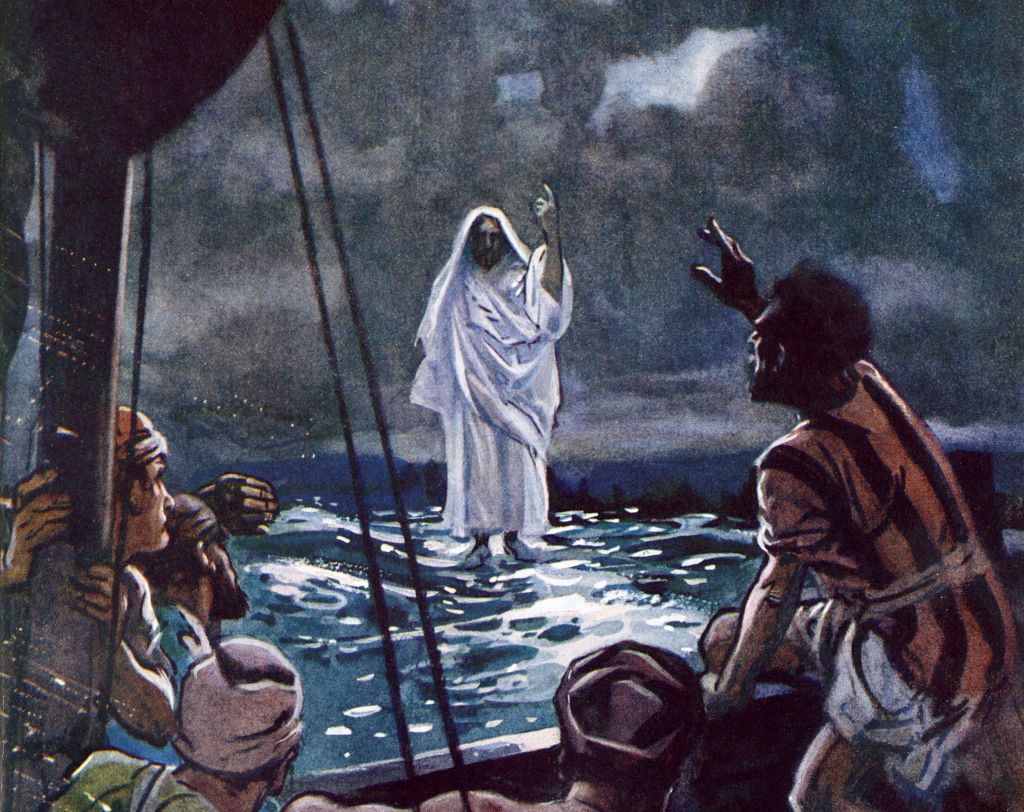
In today’s Gospel as Christ walks on the waters through the storm, the disciples are fearful because their own knowledge, their own understanding and their perception was failing them. Not even them being together secure in the boat kept their fear at rest. Only when Christ calls out saying, “It is I; do not be afraid” (v.20) we see the disciples immediately directing their trust towards Christ Jesus, and we read, “then they were glad to take him into the boat, and immediately the boat was at the land to which they were going.” (v.21). My dears, we must trust in God alone to bring us true comfort, true healing, true peace because God alone is unfailing and unchangeable. As we read in Isaiah 61, we must rejoice in the Lord, our soul must exult God, for “he has clothed [us]” meaning God has given us what we need for protection from all of life’s pains, fears, anxieties, uncertainties and challenges. But we will only find this peace when we trust in God fully, when we love God, the Father, Son and Holy Spirit with our hearts, mind and soul.

How? Through prayer, repentance, fasting, and confession. Through reading the Holy Scriptures and learning His commandments. Through coming to Church, coming into communion with Him and being changed completely. For this reason we read from the prophet Joel, “‘return to me with all your heart, with fasting, with weeping, and with mourning; and rend your hearts and not your garments.’ Return to the Lord, your God, for he is gracious and merciful, slow to anger, and abounding in steadfast love, and repents of evil.” (Joel 2:12-13 RSV)

My dears, to fully trust God, to be in communion with Him, does not mean to never see failure or fear in this life. Rather, it means to know He is with us in our fear, through our challenges and in the storms we face in life. To trust and love God means to know that He will not abandon us and will never fail us.

Therefore, let us not place our trust in the passing lies of this world but in the truth of God revealed to us through Christ Jesus. Let us not look to a changing calendar year to bring peace but a change in our hearts. Let us not look to a new government but to God’s renewing power in us. When we are renewed in our trust and love in God, through Christ Jesus and the Holy Spirit, we will never lose sight of Him even amidst the storms of our life. We will not be fearful, as we here Christ words, “it is I…” now and forever more, Amen!