End or Opportunity?

Passages: Isaiah 7:1-9; 1 Corinthians 13:11-14:5; Mark 2:1-12

In the name of the Father, Son and Holy Spirit, Amen!

The world is coming to an end and God is punishing us for our sinfulness! I am certain that many of us, our friends and our family members have felt this way for the last few months. Ask any individual in the street, 2020 has been a collection of what can be Biblically described as equivalent to the plagues of Egypt – maybe the end times.

We have had mass sickness and death; we have had injustice and spilling of blood; we have had riots and economic downturn; we have seen the rise of suicide and domestic violence in our communities and homes. We have grown isolated, paranoid and have lost trust and respect for one other. Schools and Churches closed – families torn apart as the sick and elderly die alone rather than supported by loved ones. Our media is bombarded with every type of negativity this world has to offer – perpetrated at our hands. Racism, child exploitation and trafficking, gang violence, war, a complete disregard for responsibility – and now this week we saw the horrific explosion that took place in Beirut, Lebanon, which devastated the lives of everyone living there. Who among us would not agree that 2020 has been a difficult year?

For me, as a priest, to tell you to pray, come to Church, have hope may seem easy or even superficial. To pray, have hope and remain faithful in trying times is very difficult to live by and understand. Regardless, if we are a priest or not, whether we are theologically educated or not, to understand all that is happening around us these past few months is not easy. With all this noise and confusion, the pain and fear – we feel paralyzed! It is easier to lie down, give up and to say I’m done! And I can imagine, my dear brothers and sisters, that the paralyzed man, who was being carried to Jesus, felt the same way. What about his friends, what did they think? They had come all this way and carried there beloved friend; and now they couldn’t even get close to Jesus; no one would let them through. The pushing and shoving, confusion and the selfishness of everyone trying to get to Jesus made it highly unlikely that these 4 friends would be able to get through, let alone carry their friend who was immobile and in pain. I can imagine, they felt paralyzed. It would have been easier for them to give up and say I’m done.
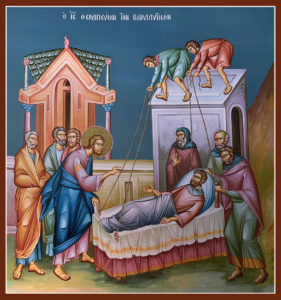
Yet, we read “…when they could not get near him because of the crowd, they removed the roof above him; and when they had made an opening, they let down the pallet on which the paralytic lay. And when Jesus saw their faith, he said to the paralytic, ‘My son, your sins are forgiven.’” (vv. 4-5) These friends did not give up – even though it was much easier. These friends had faith, and it was their faith that ultimately brought the healing upon their friend.

My dears, we want healing, we want justice, we want answers, so let us ask, when we feel paralyzed, when our backs are up against the wall or when the world is falling apart around us – where is our faith and how do we see it? When the priest tells us to have faith, to be hopeful, to pray it is not mere words or superficial cliché – however, let us ask how and where do we see it ultimately? St. Paul shows us that these 3 things: faith, hope and love are the aims of of our faith. He tells us, desire God’s love as our aim, desire for His spiritual gifts and desire to prophesy – to understand. (1 Corinthians 14:1) It is no coincidence that when we are baptized in the Armenian Church, the Godfather asks for these three things for the child – faith, hope and love. Love is seen in how we treat one another, how we treat ourselves, how we treat all of creation. To love as God loves – compassionately and humbly. Hope is the spiritual gift of using the love we have for each other to tend to, to comfort and to be with each other. To have hope doesn’t mean to make the pains of life go away or to ignore them – rather, to be hopeful means to empathetically feel the pains and have compassion for one another, to enter the pit – to not give up when it is easier to do so. Our faith is seen in our prayerfulness. To pray with faith is to be in communion with God and to allow God to use us in anyway necessary to fulfill His will.

We see this love in the 4 friends who loved their friend so much, that they carried him to see and be healed by Jesus. We see this hope in the 4 friends who remained hopeful in their care for their friend that when it was easier to give up, they carried him on the roof, opened the roof up and lowered their friend down. We see this faith in the 4 friends who remained prayerful, that through their actions, God’s will was shown to all that a paralyzed man walked again.

My dear brothers and sisters, we see that love, hope and faith in God through us when we likewise treat each other with compassion, empathy, forgiveness, respect and equality. We saw it in the faces of the men and women who ran into the ashes and dust to help each other after the explosion. We see it in the way doctors, police, teachers, caregivers, etc. risk their lives to treat those who have become sick. We see it in the encouraging phone calls and messages that are shared with each other to build each other up – when we are physically isolated. We don’t see it but we know its there – each time we put aside politics and wear a mask when we’re in public – merely out of respect for the person next to us. My dear brothers and sisters, 2020 is not a year in which God is punishing us, rather, 2020 is a year in which God has given us an opportunity to use His love, to hold fast to hope, to show our faith by doing His will on earth. This day, just as any other day or year is another moment and opportunity to be an example of God’s presence in each other’s lives because to be a Christian means to face darkness and shed light in it.

Yes, horrible things do and will happen; sickness will happen, pain will be felt. But even if we are paralyzed and laying on a mat, even if the world is falling apart – our faith, hope, and love for each other can be our salvation. Our faith, hope and love in God can and will heal this world. Therefore, my dears, remain prayerful, aim to love, seek after the spiritual gifts of hope that God has equipped us with to do His will. Let us remain faithful and not give up, even when the odds are stacked against us. Even if it is easier to give up – even if we feel paralyzed because Christ Jesus sees our faith, sees our pain, sees our love, hears our prayers – and Christ Jesus will forgive our sins, Christ Jesus will help us walk again.

Planted in Communion to Flourish

Passages: Isaiah 5:1-10; 1 Corinthians 6:18-7:11; Matthew 19:3-12

In the name of the Father, Son and Holy Spirit, Amen!

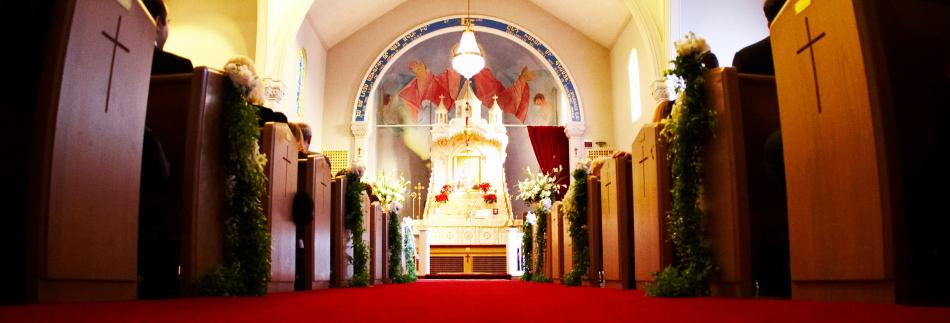
Walking down the beautifully decorated Church aisle, a bride and groom prepare to step onto a new path. A life of communion that has been ordained by God from the beginning of creation. Two individuals coming together in Holy Matrimony is not just as a contract but, is a mysterious bond which will require continual dedication and openness, in order to produce a life of love. As the proverbial words teach us, “a wedding takes a day, a marriage takes a lifetime.” Especially for us, the blessed sacrament of marriage as Orthodox Christian’s is much deeper then the magnificent service, which takes place in the Church sanctuary.

Seeing the union of 1 man and 1 woman for us is directly example of our union with God. Just like a marriage is not defined as a contract or a moment, neither is our communion with God defined by a contract such as membership dues or certificates. Communion with God like a marriage takes a lifetime to develop. But what does our communion with God look like and can that communion be broken? The prophet Isaiah likens our union with God to that of a vineyard and the vine-dresser.

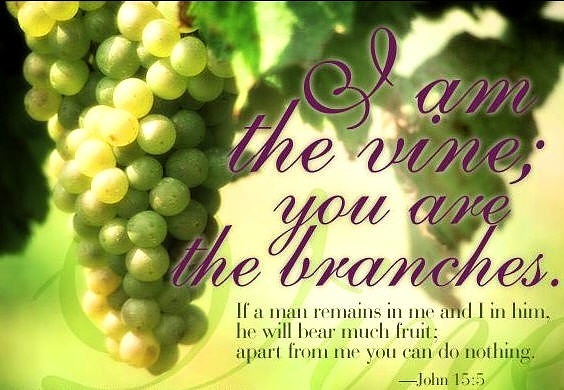
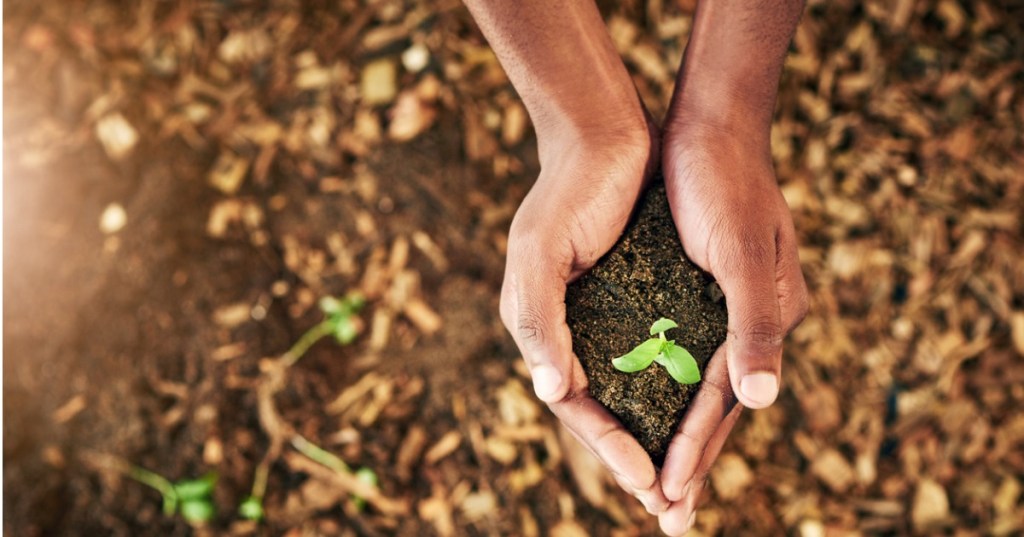
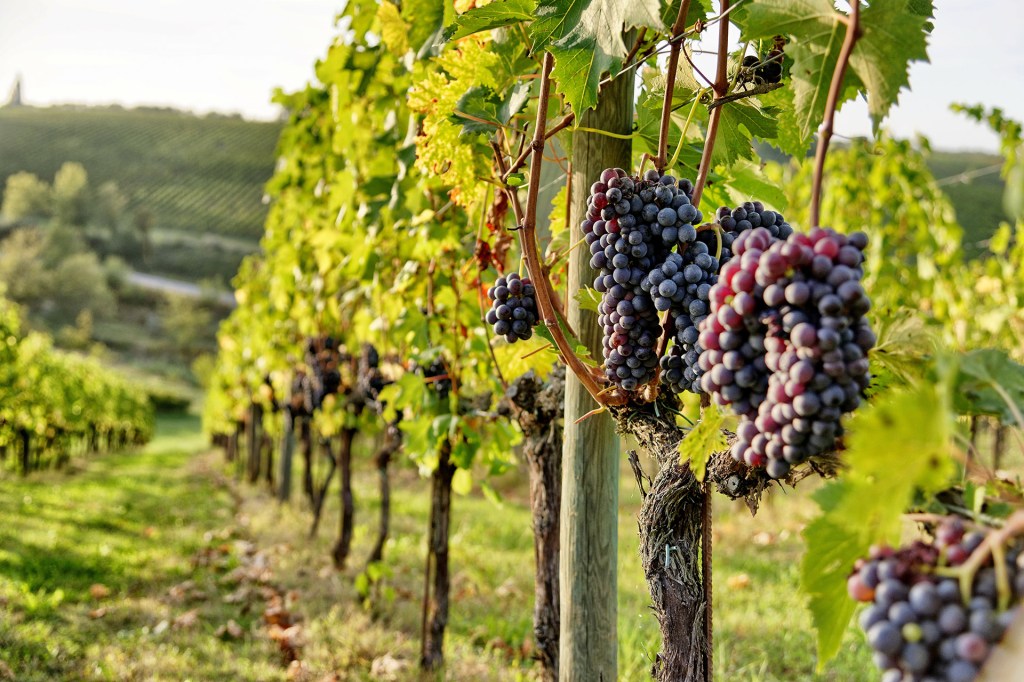
We are the seeds that have been carefully planted and tended to in the garden. “My beloved [God] had a vineyard on a very fertile hill. He dug it and cleared it of stones, and planted it with choice vines;…” (vv.1-2) God our creator gave us life, and blessed us by giving us all the tools we need to flourish and grow. If you’ve ever seen how grape vines grow, it is continual and outward but it takes time.

And so, God planted us so that we would grow and we too would begin bearing fruits. Our communion with God, through the Holy Church is likewise. We have been given the tools to grow and flourish. Within us has been planted our faith, which must bear fruits. Our growth and outreach is endless and the fruits we bear are like the sweet grapes. Yet, the prophet Isaiah continues, out of our hardness of heart we chose to bear thorns. (Isaiah 5:4; Matt. 19:8) We denied our groom, our master, our creator and we chose to divorce Him by our actions. We chose not to grow and bear fruits through our actions. This is where image of marriage and of the vineyard come together.

My dears, a communion blessed by God whether it is a physical marriage of man and wife or of us, the Church and Him must produce fruits. If we are dishonest, complacent, arrogant, aggressive, careless, lustful, etc. in our married life – then rather than sweet fruits, we produce thorns that begin to choke and kill our union. If we choose sexual immorality, defile our temples, seek not Gods love but rather look for self-satisfaction and fulfillment in other materialistic and temporal values – then rather than sweet fruits, we produce thorns that begin choking our communion with God. This image of vines and marriage perfectly illustrate our communion with God in the sense that God has created us for a purpose. God has fortified us and blessed us with the tools to flourish and bear sweet fruits. Yet, when we deny God just as when we deny our husband or wife of the love that unifies us – then we deny that purpose of the communion and we deny the blessings it brings, thus we begin to divorce and breaking of communion – which is what sin is. Sin is not a list of bad things we do. Rather, sin is breaking, divorcing and denying God’s communion. However, my dear brothers and sisters, if we live according to God commandments to love, to repent, to forgive, to protect, to create – then the fruits we bear will continually grow and spread throughout the world in the same way grape vines do.

This is done firstly, by coming to God and walking down the Church aisle just like a bride would – walking to our groom and receiving the Holy Communion – the body and blood of Christ Jesus because our communion is only through Christ Jesus. We, the Church, are the bride and Christ is the groom – who has come after us. Christ is the vine and we are the branches. In both these Biblical images we see that without Christ – we have no communion; without Christ we will remain fruitless. Therefore my dearly beloved brothers and sisters, we must examine ourselves, and the fruits, which we bear according to our faith. We must examine and test, who are we in communion with, Christ Jesus or something else?

Our communion with God, like the union of marriage, is not a piece of paper, nor is it a moment in time – it is a sacramental work, which takes a lifetime to flourish and strengthen. Like a marriage, like a vineyard, it does not take 1 day but continual work is necessary so that sweet fruits will be produced rather then thorns. For this to happen, God has already provided us with the tools and means to flourish.

We must choose to remain in communion with God and through our actions – to cover this world with His divine blessings. Doing so we will cover this world with love and compassion. Doing so, we will produce fruits, which will continue to produce more fruits and thereby, we will glorify Father, Son and Holy Spirit forever, Amen!

We’re All Just Children

Passages: Is. 3:16- 4:1; 1 Corinthians 1:25-30; Matthew 18:10-14

In the name of the Father, Son, Holy Spirit, Amen!

During a town hall meeting, the pastor of a Church got up and spoke about how blessed he was to be the leader of such a kind Church. As part of a desire to show community, the pastor invited anyone who would also like to share stories about their Church. A number of individuals got up and people spoke about how much they loved their Church because all their friends and family were there. “We have such a friendly Church, here with all our friends and family…Because friends are a really good thing and in this Church we’re all friends so this makes our Church very welcoming and friendly.” No one from the community shared stories about faith or about ideas for outreach. Everyone just affirmed how they were all friends and so their Church was also friendly. “’See that you do not despise one of these little ones; for I tell you that in heaven their angels always behold the face of my Father…’” (vv. 10-11)

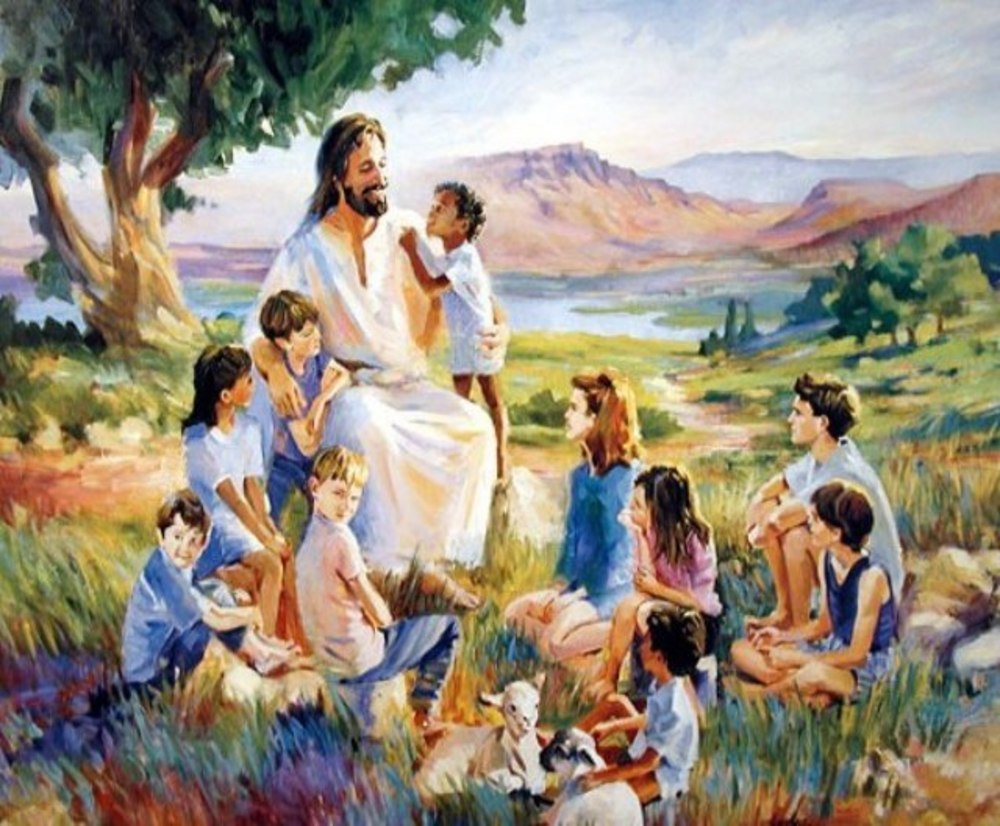
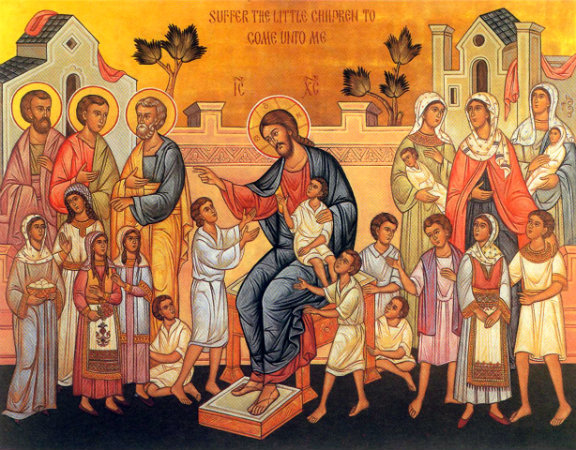
When we read this passage to not despise these little ones, many of us take a very literal translation as to not despise children. The reason for this is because a few verses back, Christ speaks about us welcoming children in his name and about having pure faith like children. However, something all of us tend to forget (especially as we grow older) is that we are all children. Regardless of our age, of our profession or statues in life, we are each children.

My mother often likes to remind me of no matter how old I get, no matter big I am or how long my beard is, I’m still her baby and she says, “as long as you have a parent around, you will always be their child.” Though for some of us our earthly parents may have passed, God our Heavenly Father is always present and so we are all still children. Through our baptism, the priest anoints us as “adopted children of God.” So today’s Gospel, whether it refers to physical children or spiritual children, it appears very simple. We as the children of God must not despise each other, correct?

Today’s Gospel passage my dears is not only 1 sentence, but rather it continues and it speaks about the lost sheep. What does the lost sheep have to do with not despising children? If we all agree that we here in this Church, as members of this Church family are all children of the same God, then who among us is the lost one? Who is this lost sheep? It is easy to say that we are children of God, when we all identify with the same God as our Father. Similarly, it is easy to say we are all friendly, when we all are friends. But our true nature of how friendly, loving and welcoming we are shows in how we treat those who are not our friends or family. We show our true understanding of being God’s children with those who may not necessarily agree or recognize that they are also God’s children. In fact, if we look at this verse in different languages or translations, such as in Armenian, it doesn’t say do not despise but rather mi arhamarhek – don’t ignore. Christ Jesus here is drawing our attention to this exact point.

It’s not about loving little children, nor is it about loving our Church family; my dear brothers and sisters, our faith demands that we love, care and accept every child of God, regardless of if they are acknowledging it or if they are lost. God our Father, is the God of all creation, all humanity, and every child. In fact, even we have sometimes felt despised and ignored or unwelcome in our homes, our Churches and in our physical and spiritual families – we have felt like we don’t belong. At times even we have become separated from the 99 and gotten lost. Regardless, Christ comes after us and desires us. Christ teaches us that we all belong to His Father. That is why Christ teaches us that we must also go after each other, care and love each other – all of our brothers and sisters. We as his children who recognize our heavenly Father must humbly reach out to all regardless of if they accept or recognize that they too are our brothers and sisters.

It may be difficult to accept, but just like in our biological families not everyone agrees with each other and not everyone gets along always, but regardless, family remains family. Likewise, through our faith in Christ Jesus: We won’t always agree with each other, we will argue and fight. Some of us will reach levels of education and job opportunities, others, will not. Some of us will succeed in everything we try and some of us will not. Yet, we all remain a family. St. Paul invites us to ask ourselves and think, what kind of person are we, or were we, when we began to feel our faith in God grow? When God called us and when we recognized we were God’s children? Did any of us not have struggles, or battles, or disagreement or pain? Where we so wise that God decided to use us? Or did God love us regardless of all our shortcomings and helped us grow.

We are all sinners equally and God desires and calls us His children equally because it is He who will cleanse us of our sins. My dears, we must be equally accepting and loving of each other, whether we are successful, whether we are young or old, whether we are lost or found – Christ says, do not despise, do not ignore these little ones – meaning love everyone. Our Church is the home of every person who seeks God – Armenian or not, sinner or not, Orthodox or not, because by truly being loving, kind, compassionate, friendly and welcoming, those who are on the outside, those who do not recognize their childlike state, they will come into the fold, and for them the Heavenly angels will rejoice.

My dears, with everything being politicized and divided in this country and in our homes – our faith in God our Heavenly Father unifies us as His children. We are unified and in communion with Him through Christ Jesus, who died for all of us, who calls and searches for us, and who cleanses us of our sins. We must begin by recognizing that we are all His children. Even if some of our brothers and sisters are still looking for home. We must change our understanding that we are loving not because we love our friends but because we love everyone. We must look to God’s wisdom who calls each of us His child. Amen!

Jesus Christ, Son of God…

Feast of the Transfiguration of the Lord

Passages: Hebrews 12:18-27; Matthew 16:13 -17:17

In the name of the Father, Son and Holy Spirit, Amen!

When I first moved to Chicago and began to get acquainted with the Armenian community, one of the things I tried to pay attention to was “what do people want from their priest and Church?” Immediately, for the most part I understood that education and teaching was something a majority of people desired.

As a clergyman apart from sacraments, meetings and lunches, I believe, my most important task is to teach and to enlighten everyone, Christian or not, Armenian or not, about the Armenian Christian faith. Bible studies, home visitations, lectures, sermons, etc. all of these serve as tools to teach everyone who wants to learn. But to teach what? History, music, culture?

Unfortunately, due to whatever circumstances, the most basic and fundamental aspects of our Christian faith are not known to too many of us. Basic fundamentals not about Church history, or about Church administration, not even about Armenian culture but rather, our most sincere understanding of who is Jesus Christ? Who Jesus Christ is, is our faith. Something we each need to know to our core. This misunderstanding, due to either apathy or the lack of resources to be taught, for many of us and people in the world, has created in our minds a false perception of God the Son. In seminary, one of my professors and great Orthodox thinkers of the current times Fr. John Behr, would remind us that, oftentimes when people describe the God they believe or don’t believe in, it is in fact not the God, not the Jesus that we as Orthodox Christian’s believe in.

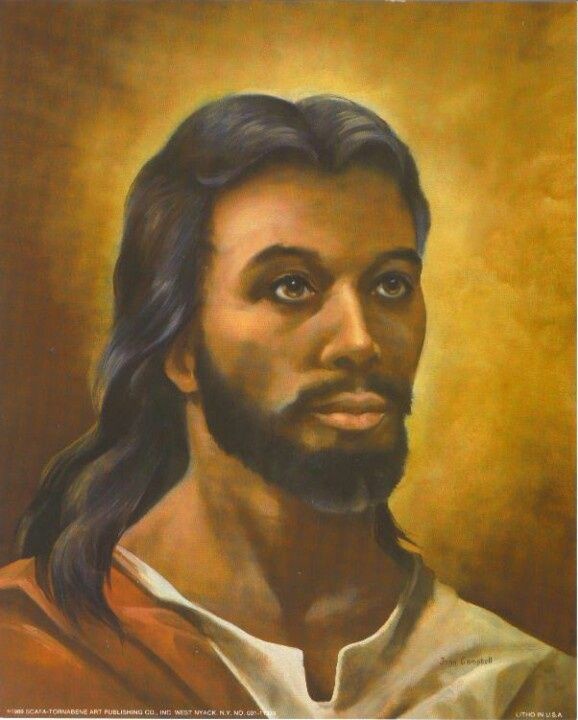
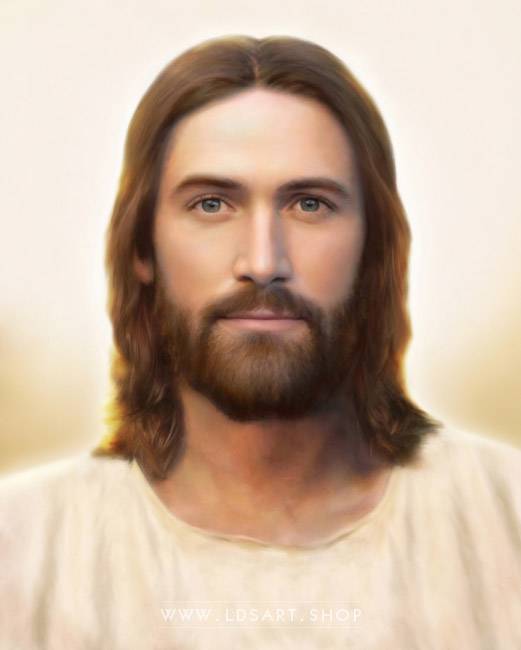
This may upset some people but Jesus is not Armenian; Jesus is not a anglo-saxon or European; Jesus is not a Middle Eastern, 1st century Palestinian Jew; Jesus is the Christ, the Son of God, the Word in the Flesh. Regardless of our iconography or culturalization of Christ Jesus, we cannot forget that Jesus Christ is ultimately God and not merely some healer, or teacher, or prophet.

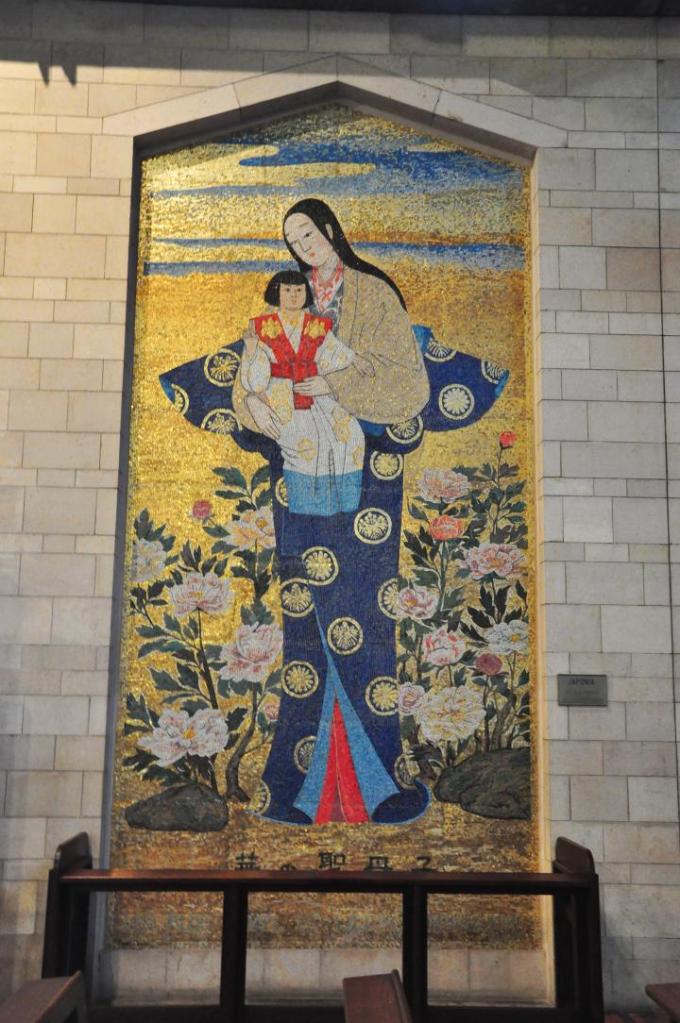
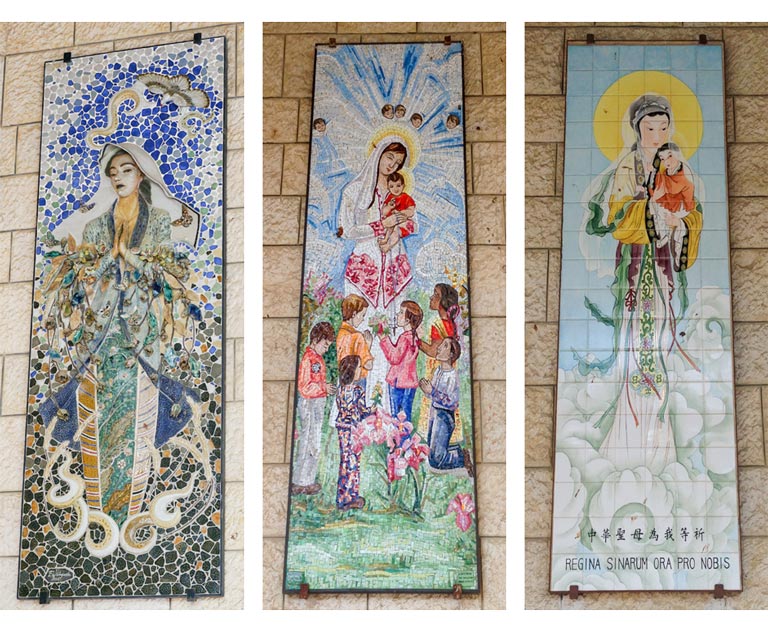
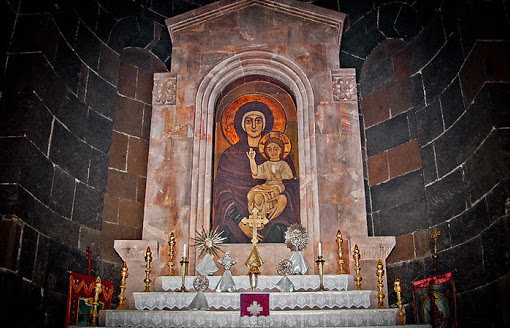
If you ever have the opportunity to go to Jerusalem and visit Nazareth and the Church of Annunciation, you will find beautiful mosaics of the Virgin Mary and baby Jesus. These mosaics are done by different cultures and people, and they have Jesus according to their traditions. The Japanese Mary and Jesus are in a Kimono; The Mexican Mary and Jesus in a Huipil [ˈwipil]; The Indian Mary and Jesus in a Sari. Yet, regardless of their outward appearance, Jesus Christ in all of those images depicts the same Christ.

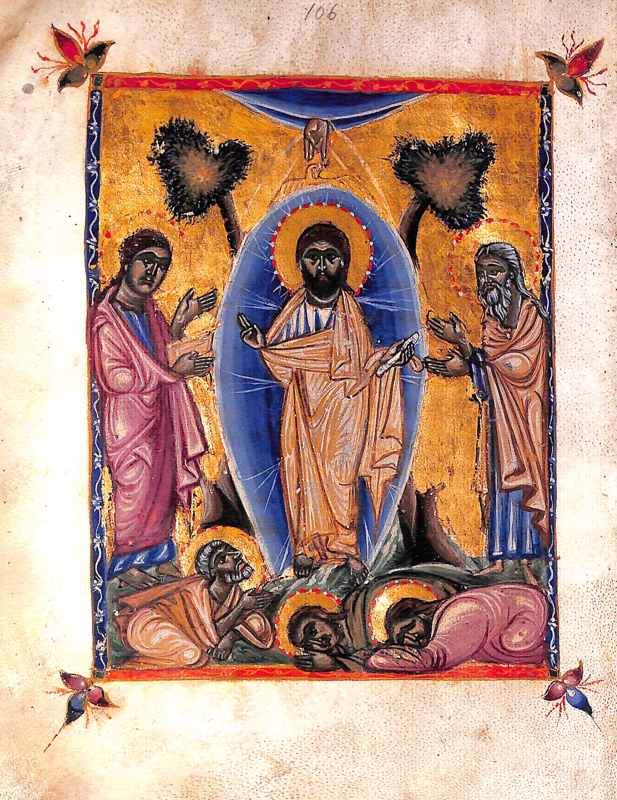
Through the Old Testament, we know Christ as Wisdom and as One of the Persons of the Trinity. We know Christ as the Word, through whom all things were created. (John 1:1) Through the events of the transfiguration in today’s Gospel, we understand that Jesus Christ is not merely the abstract idea but the incarnation and fulfillment of prophecy and the law.  That is why Moses, who represents the Mosaic Law and Elijah, who represents the Prophets, appeared next to Jesus on Mt. Tabor. And this event was followed by God the Father’s voice being heard from the clouds confirming “This is my beloved Son, with whom I am well pleased; listen to him.” (v. 5) Jesus Christ is God in the flesh, who came and suffered for our sins for the penalty of sins and through his death on the cross, gives life to all. So why is this so important? Why can’t we merely say we believe in God?

My dear brothers and sisters, our faith has a deeper purpose then just a mere belief in a deity. A belief in some sort of cosmic power is not what we are called to have as Christians. Nor is our Christian faith only about acting kind or being nice to each other. Our Orthodox Christian faith is about being in communion with God. This means we are called to come into an understanding and become like our creator.  In Genesis, God created humanity in His image and likeness. And this distinction of both is necessary because our Church Fathers teach us that, even though we sin we never lose our divine image but when we repent, our likeness is further revealed. Our purpose in life is not to be “good” but to grow in our likeness of God. However, if we do not know which God we confess or which God we believe in then we cannot be like God because all we will do is become some sort of a false idea of a god we create in our own understanding; a false god in our image, which will ultimately fail. But by knowing who Christ Jesus is, we know who God is and therefore, we can become like God, by being in communion through Christ Jesus.

My dears, in this world full of darkness and sickness we want to see love, we want to see peace, we want to see healing, yet, we are called to be love, peace and healing to this world. As the Church teaches, we need to see Christ in each other. By first knowing who Christ Jesus is, knowing His love, His hope, His passion and resurrection – we can begin seeing Christ in each other and begin recognizing those qualities of the divine in each other. By knowing who Christ is, we know how to see Christ in each other. This process of revelation and understanding begins with our baptism, through which our minds and hearts are illuminated and we begin our journey toward communion with God. Everyday we pray, every time we read scriptures, each time we repent of our sins the true image of who Christ is becomes clearer to us as we grow in our likeness to God. Each time we forgive, act mercifully, show compassion and live our lives according to God’s commandments – the true image of who Christ is becomes clearer in us.

Therefore, as we celebrate the Feast of the Transfiguration of our Lord today, as we pray for God to bring healing and strength to our communities, families, friends, countries and us, give pause in prayer and ask our Heavenly Father to reveal Christ Jesus, His son to us. Because only by knowing the Son can we know His Father. Only by knowing our Father can we likewise, truly become His children of love, peace and hope in this world. Let us pray so that we will be transfigured through Christ. “For I decided to know nothing among you except Jesus Christ and him crucified.” (1 Corinthians 2:2 RSV) Amen!

Being Fed

Passages: Isaiah 3:1-11; Romans 11:13-24; Matthew 14:13-21

In the name of the Father, Son and Holy Spirit, Amen!

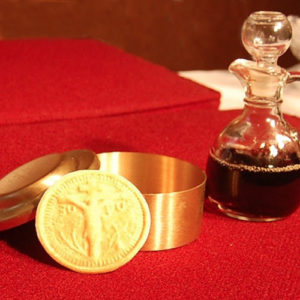
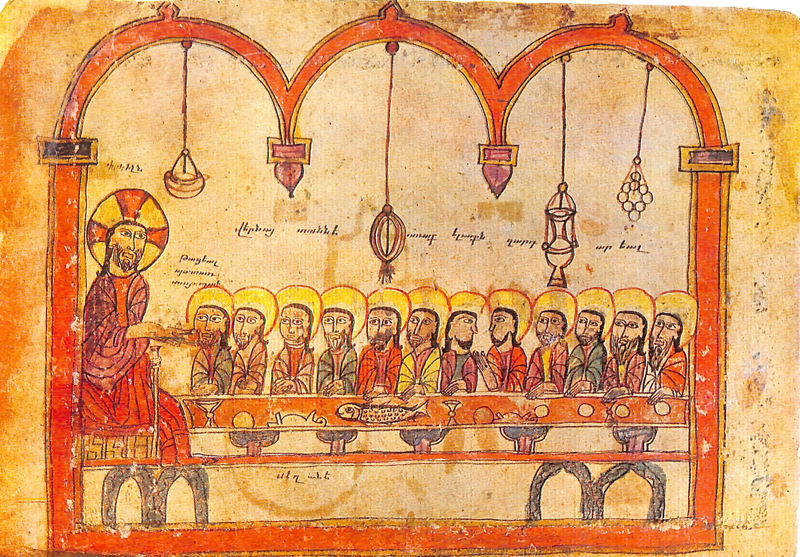
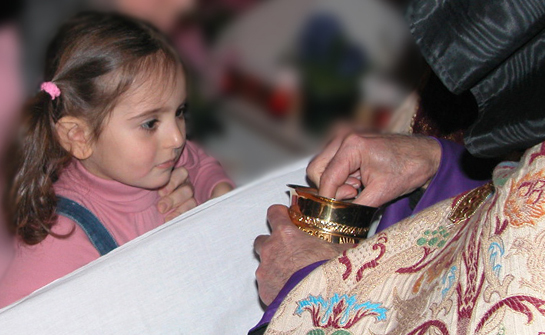
During Divine Liturgy, as the curtain is closed and the choir sings Der Voghormya (Lord Have Mercy) in preparation for Holy Communion, the priest silently prays for himself and for his faithful. In the beautiful words he says, “And now I beseech you, let this [Holy Communion] be to me not for condemnation but for the remission and forgiveness of sins, for health of soul and body and for the performance of all deeds of virtue;” (translated by Bishop Daniel Findikyan “Divine Liturgy of the Armenian Church.”) Each Sunday as we gather in Church (or perhaps in recent times follow along at home), the Holy Badarak remembers the Holy Sacrifice of Christ Jesus. We remember through the breaking of bread and drinking of wine, the Body and Blood of Christ Jesus. This was confirmed to us, during the Last Supper by Jesus Christ himself, when he told the disciples to do the same in remembrance of him. However, we know that the last supper was neither the first time nor the last time, that Jesus used the sharing of bread as a sign to teach us of who he is.

In today’s Gospel we read of Christ feeding the 5,000, as he preached and taught them. Our Church Father’s, “see in the miracle of feeding the five thousand an image of Holy Communion, an idea made especially clear in John’s Gospel (6:1-71)”. Sharing a meal, sharing food in ancient times and for Jesus was not about the physical eating. The communal breaking of bread meant far more than merely sitting down and eating together.

In Armenian the word for friend, as I have mentioned before, is unt-ger. This literally translates to unt = with, ger =eat meaning the one we eat with. Therefore, there was something sacred about the ones whom we shared a meal with. Additionally, in ancient times and ancient people such as Armenians, Greeks, Jews, Italians and many others, eating was and is 1) never done in solitude and 2) it was never a quiet occasion. When we eat, we talk, we sing. When we eat, ideas and laughter is spread, guidance is shared and love is created among those whom you eat with. Food is a celebration. Even in troubling times and when sorrow is felt, sharing of a meal showed love and care. Interestingly, something I have repeatedly heard from people over this pandemic is how much they miss coming together and sharing a meal because breaking bread is not about the food but about the communion.

That is why, in today’s Gospel, we read of how Jesus tells the disciples “you feed them.” Jesus did not necessarily mean you feed them with bread, fish, wine or anything physical, but rather feed their souls: create Communion. And So when we gather on Sunday’s and come to participate in Badarak, the words of the prayer of the priest are asking for us to be spiritually fed and to be in communion with each other and ultimately with God.

The tiny piece of wine soaked bread obviously is not meant to fill our physical hunger, but rather by communing through it with God, our spiritual hunger is being fed. Our sins to be forgiven, our body and soul to become healthy and for us to act virtuously and righteously. Thus the tiny bread and small cup of wine is meant to feed not the dozen people in Church, nor the 5,000 gathered to listen to Jesus. Rather, “Christ shares his own Body and Blood to all the baptized members of his family, the Church.” My dears, the tiny bread and small cup will feed the hunger of all humanity.

Yet, some may say, Der Hayr because we are in a pandemic we are not able to physically gather and receive communion from that cup, therefore, how do we feed our hunger? My dears, as Christ says, “‘Man shall not live by bread alone, but by every word that proceeds from the mouth of God.’” (Matthew 4:4) teaches us that our communion is also done through hearing and reading of the words of scripture. We are fed through continual prayer and a seeking out of that which is good. We are fed through Bible Studies and teachings of Church Fathers. How many of us, in this pandemic, have regularly prayed? How many of us, in this pandemic, have deliberately everyday set time aside to open our scriptures, read, pray and ask questions about our faith?

How many of us, in this pandemic, have called our priest and said, Der Hayr help me strengthen my faith? Do we honestly want to be fed? Do we want the breaking of bread to truly be a time of celebration, love, guidance and care? Do we want the words of the Badarak to truly resound in our lives? Then we must begin by acknowledging our hunger and willingly come to Christ Jesus, who will feed us.

Remember today’s passage, the people were following Jesus and they came to him and were fed. Jesus wasn’t running after them. Regardless, of our state of faith, our age, our gender, our political ideas, our skin color, our jobs, our titles, regardless of all external expressions of our humanity – God invites us to one table, to sit and eat together, to celebrate, to love, to forgive, to tend and care for. To eat from the same bread and drink from the same cup, which feeds all those who come to Him. So that having been fed and healed, we too can begin feeding those around us and healing this world from its hunger. Because when our sins are forgiven and our body and soul become healthy, then we must act virtuously – how? By beginning to feed those who are also hungry around us.

Therefore, let us examine in our hearts and minds, do we honestly go after Jesus? Do we search for answers to our faith and take advantage of any opportunity we find to learn and grow as children of God? Are we willing to also begin feeding those who are hungry? God, our Heavenly Father loves us. He desires to be in communion with us through Christ Jesus. God our Heavenly Father invites us to this table to feed us.

The World Would Be a Better Place If…

Passages:  Isaiah 2:5-11; Romans 9:30-10:4; Matthew 13:24-30

In the name of the Father, Son and Holy Spirit, Amen!

This world would be a better place if…? What would we each fill that blank with? If everyone thought like me? If everyone dressed like me? If everyone worshiped like me? What about if everyone was a democrat or a republican? The world would be a better place if free will didn’t exist. Though philosophical in nature, we’ve all had some idea or vision of our homes, our lives, our communities, our Church, our countries being a certain way, as long as we could remove all other things and persons that are opposed to how we think, believe or act. This world would be a much better place if…

As children of God, as Christian’s we believe and know that God as love has created all good things and with a purpose. This material world and the invisible angelic realm was created with love and was deemed very good as we read in Genesis. In the Gospel today, Christ gives the example of what the Kingdom of Heaven and all creation should be likened to.

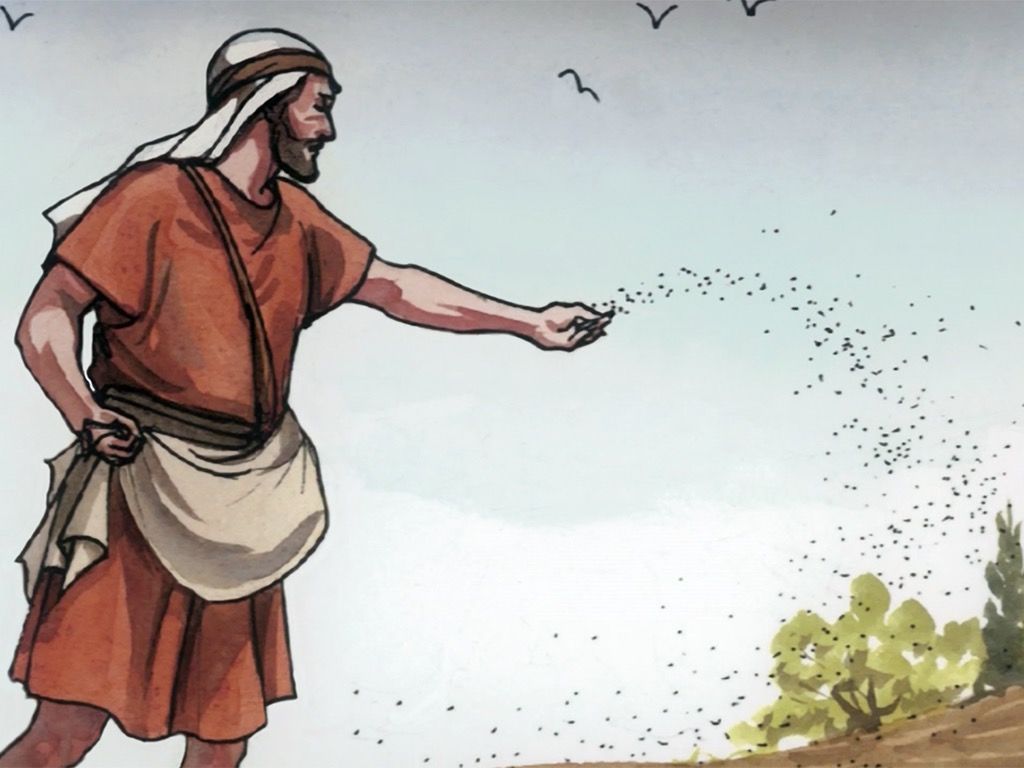
“The kingdom of heaven may be compared to a man who sowed good seed in his field” (v. 24) The man, who is in this case God, only has sowed good seeds. Seeds that bear good fruit such as love, hope, compassion, brotherhood and other virtues. However, at night the evil one came and weeds were planted among the good.

Only when the fruits of both the good and evil blossomed, the reality was revealed that someone had sabotaged those good seeds. The natural reaction of those who tended the garden of the master, much like our natural reaction, is to want to pull those weeds out. The world would be a better place if all those weeds didn’t exist. Yet, God, our master takes a different approach rather saying, “Let both grow together until the harvest…”

This parable today has two key teachings for us to take away. Firstly, God allows the seeds and weeds to grow together. In Matthew 5:45 we read, God our Heavenly Father “makes his sun rise on the evil and on the good, and sends rain on the just and on the unjust.” Wouldn’t it just be better if the unjust shriveled away and died without the rain or sun? Yet, God our loving Father, the true master of the garden allows both seeds to grow together so that the true nature of the seed is revealed at the time of the harvest – when the fruits have fully blossomed.

The second teaching, which we tend to overlook, is our place in the parable. Where do we come in? Are we the seeds or the weeds? My dear brothers and sisters, through love this world and we have been created for a purpose. God has ordained us as stewards of creation. We, as stewards of this world are called to tend to and take care of all that God has given to us. As tools for us, our lives are blessed with seeds – good fruits such as love, hope, compassion, brotherhood and other virtues. Yet, because of our negligence and denial of God – at night the evil one was able to come and planted evil seeds among us. As we read in parable “But while the men [us, the helper] were sleeping, his enemy came… “ (v. 25) When the serpent spoke to Adam and Eve and sin entered the world, what was their first reaction? They didn’t accept responsibility but began passing the blame and hiding from the truth. Much like in this case, the servants, us, who were asleep, wanted to get rid of the evidence – “let’s pull the weeds out.” Yet, God allowed both to grow side by side still in our care. Which means our part in this parable doesn’t just end.

My dears, which of the seeds do we, as the servants, allow to grow and blossom? In our lives we all have choices. We have the ability to create or destroy. Depending on our decisions, actions, desires, etc. we feed either the seeds of God or the weeds of the evil one. Our master still has a purpose for us and so he allows us to tend to the garden until the harvest. When the time comes at the harvest, the weeds will be pulled out and burned but until then we as stewards have the ability to strengthen the good seeds over the weeds. If we have allowed the evils of this world, sin, to grow in us and strengthen, then the roots of the weeds will be so strong that they will pull the good fruits out with them. We already see this in our lives where blessings of God such as faith, hope, love, compassion and care have been perverted and twisted to serve certain ideas and thoughts. Yet, if we tend to the good and allow Gods blessings of hope, love, care, etc. to grow and strengthen, then the weeds will never be able to grow strong roots.

My dears, this world will only be better place when we continue to nourish and strengthen the seeds that God has given us. The world doesn’t get better by getting rid of people, ideas, or things we don’t like. This world doesn’t get better by replacing politicians or political ideologies with other ones. The world will not get better if we all lose our free will to choose. Rather, the world will only get better if we freely choose to love, to hope, to share, to care in the same way God our Heavenly Father cares for us. The world will only be better when we wake up and begin to take responsibility for our actions towards this world and each other. This world would be a better place if…we as the servants of God, the hands, feet and mouth of God love and care for all creation.

My prayer is that we begin to see our place and our responsibility, so that we can begin to strengthen and grow those seeds which bear good fruits and for their Divine purpose. My prayer is that when we ask that question, this world would be a better place if…

If I do what God has commanded me to do. And doing so, we begin to glorify our Heavenly Father, with Christ Jesus and the Holy Spirit Amen!

One Slavery for Another Slavery!

Passages: Is. 1:2-15; Romans 6:12-23; Matthew 12:1-8

In the name of the Father, Son Holy Spirit, Amen!

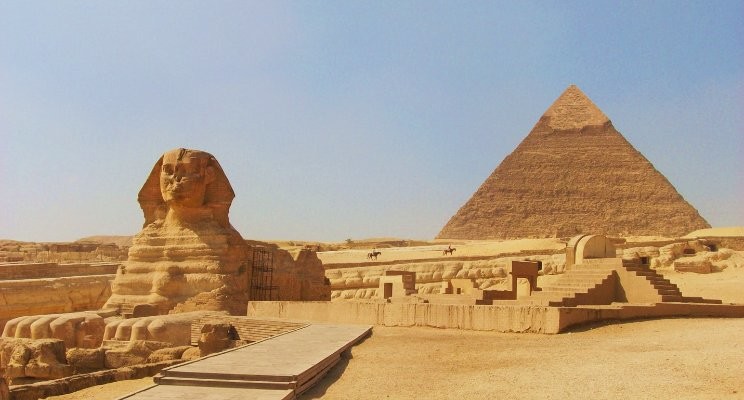
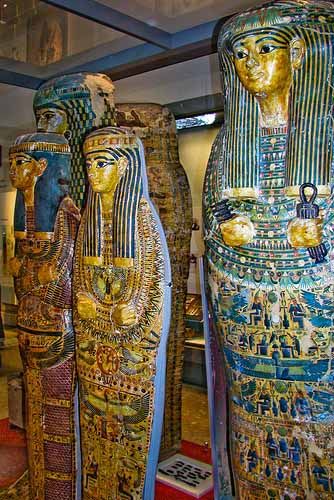
Majestic, towering and powerful; Historic, functional and mysterious. If you’ve ever had an opportunity to travel to Egypt, seeing the great pyramids of old can take your breath away. If you have not gone and the only thing you’ve had the opportunity to see are the sarcophagi in the local museums you can still see the beauty of how intricately each one is designed and adorned. The ancient Egyptians believed that the walls of the Pyramids and the external decorations of the sarcophagus tell of the history of the person, remembering their name and reminding us of the person they were in life. Regardless of what the great pyramids of old were designed externally or internally with – those majestic, mysterious and powerful towers served primarily as tombs. And the sarcophagi, as beautiful as they were and whatever story they told on the outside – inside, they housed dead bones.

Last week, I spoke about Christ comparing the Pharisees to “white washed tombs,” who are externally beautiful but internally rotten. Today, we read of the Pharisees again trying to trick Jesus and pollute the minds of the listeners as to what Jesus is doing and teaching.(Matt.12:1-2 RSV) “At that time Jesus went through the grainfields on the sabbath; his disciples were hungry, and they began to pluck heads of grain and to eat. But when the Pharisees saw it, they said to him, ‘Look, your disciples are doing what is not lawful to do on the sabbath.’” This isn’t the only time Jesus was accused of dishonoring the Sabbath. The Pharisees say the same thing about Jesus healing on the Sabbath (see John 5:1-18, 7:19-24, 9:1-41). However, Jesus doesn’t tell the Pharisees, I can do what I want. Rather, calmly and with love Jesus directs the Pharisees and us to understand that the rules, the laws that we have set up are meant to serve us and to help us. However, they are not as important as acknowledging that real growth, healing and change must take place with the presence of God. In other words, the Pharisees, who were upright and lawful men, wanted to follow the rules and this is fine – however, they had become a slave to those rules, misunderstanding that the rules served a purpose. That purpose was to commune with God. That is why St. Paul in Romans gives us the analogy of slavery.

In our sinfulness we are slaves to sin. By trying to follow the rules, we become slaves to the rules when we lose sight that the rules serve a higher purpose and they are not in and of themselves our goal. Rather, when we are freed and sanctified from our sinfulness through Christ Jesus, we find true healing, we find true freedom. And so St. Paul asks why do we continue to obey or go after our former masters? Why do we choose to return to slavery rather than choose God.

My dear brothers and sisters, we live in a world that has rules and regulations. Even in the Church we have certain rules. However, the rules that are placed upon us in Church vs. the rules placed on us as citizens are meant for different things. We follow the rules of law in society because they are there to create peace and order.

We follow the rules of the Church, the rules of our faith in Christ Jesus so that they create and change us to become the peace and order. It is exactly like the sarcophagi and pyramids of ancient Egypt. If we externally follow the laws of this world, or even if we think we are following the rules in the Church and we think this is what will save me, then the only thing we are doing is becoming a slave to those rules. Externally we are decorating the outside with what is beautiful and pleasing to the eye – but we are only telling a story. Inside we are like tombs, we are empty dead bones. However, Christ Jesus calls us each to be much more than that.

As baptized children of God, as Christians, we are called to be mindfully and soulfully always in the presence of God. We are called to use what God has given us, the Church and its rules, the clergy, the sacraments, and everything that is of the material world to change internally and to become living examples of faith for all to see. Christianity is not about being a good Christian – it is about being Christ in this world. This world, society today, having again been fueled by racism and bigotry is trying to rewrite history and destroy statues and everything that reminds them of the past. But doing so, society today is showing us one thing – they are only concerned with the physical and external. Real change, real healing takes place when we educate, when we love, when we begin changing from the inside so that it reflects on the outside. As M.L.K. stated during one of his speeches, “I do not trust in Black power, or white power. I trust only in the power of God.”

My dear brothers and sisters, how much longer will we each individually or as a community fall victim to and choose slavery over freedom? We choose to trust the laws to free us from sins. Yet, we fall back and become slaves to our sins repeatedly. My dears, we belong to God but we must choose God. We must change from the inside to reflect Christ not just as a story but as truth that we are free from the laws and sins of this world. St. Anthony the Great of the Church fathers teaches us, “Don’t trust in your own righteousness, and don’t worry about what is in the past. Hold your tongue and your stomach and trust in God alone.” Therefore, my dears, let us look within ourselves – what are we trying to do?

Are we like sarcophagi – telling a story or are we living reflections of Christ Jesus to all who see us? Do we follow rules thinking this is enough or do we have a desire to be in constant communion with God, who changes us, gives us life and set us free from slavery? We have been sanctified and cleansed – we have been filled with the light of God and through Christ Jesus, we have recognized God as our Father. Therefore, today [as Father’s day] let us pray to God our Father to change us and heal us so that He is reflected through us, making us worthy children of His love, grace, hope and true healing. So that people seeing us will look with the same awe, as they do, when seeing the ancient pyramids. So when people see us, they don’t read a fictional story but see the truth of God’s power. We are living examples of God in this world, we are light in darkness, hope to the hopeless, healing for the sick and breaker of chains. We are the ones who must bring glory to God, as a reflection of His love and life in us. We are free!

Amen.     

Etchmiadzin – “Descent of Christ in Us”

In the name Father, Son and Holy Spirit, Amen!

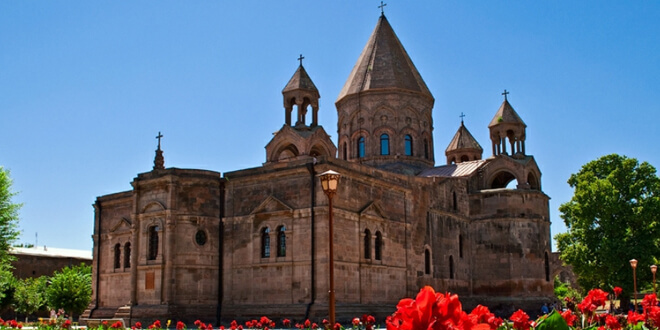
The past week, the Armenian Church has celebrated what is known as the week of the valley of Ararat. Beginning on Monday, each day has been dedicated to the remembrances of the saints that paved the way for the Armenian people to become Christians. As a sign of remembrance and honor, pilgrimages are done to the Churches named after St. Hripisime and Gayane and their companions. Perhaps we have heard, read or seen about these beautiful Churches that were built on the spots where the saints died as Martyrs for their Christian faith. These Churches were built at the direction of St. Gregory the Illuminator. Today, we conclude the week with the remembrance of the Mother Cathedral, Holy Etchmiadzin. Etchmiadzin, for those who have seen it know, has a very powerful gravitas; it captures you and strengthens you. 

As one of the oldest standing Churches in all of Christendom, it has stood the test of time as much as the Armenian people have stood faithfully against the persecutions and pains of this world. Etchmiadzin has been a beacon, a source of divine light when all hope was lost. Etchmiadzin has housed not just history or literature but holds within it our stories and echoes of our prayers. Now, some may ask, but it’s only a Church, it’s only a building made up of stone and mud and paint and our Christian faith is not limited to the walls of the Church building. Correct, as we have read through scriptures repeatedly our faith is not defined by monuments or large statues. Especially the last few months, having lived in a pandemic and being cut off from our Churches, we have remained faithful by recognizing that the Church is within us. In fact, where there is no faith but rather only monuments, Jesus rebukes the Pharisees by saying they are “white washed tombs”, only caring about the external. Yet, our Christian faith is both internal and external, as it is lived out through our actions.  Therefore, what is the significance of celebrating Etchmiadzin today?

Throughout our world, we build great monuments and landmarks on sights or in places of remembrance. Cultural, national, religious and even personal landmarks, which remind us or serve to teach us each time we visit them or see them. They teach us of great men and women, their actions and contributions to society. Landmarks remind us of events in history such as wars or loss of life. Landmarks speak to us about the lessons of the past and how we much live for a better tomorrow. Holy Etchmiadzin, just like many of those great Churches built on sites of martyrs, serves our Christian faith as a living teacher.

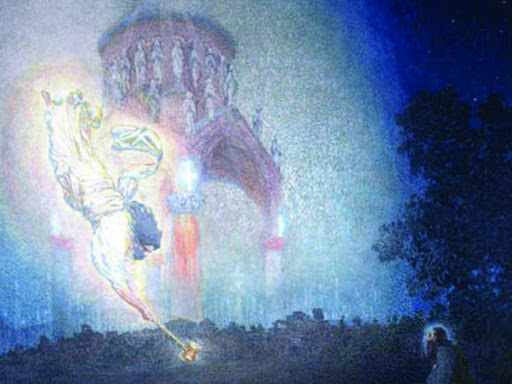
The name Etchmiadzin – which is a compound word meaning Etch, the descent, and miadzin, of the only-begotten, refers to the descent of the Only-Begotten Son of God, Jesus Christ. This name is of course speaking of the vision of St. Gregory the Illuminator, who saw Christ descend with a golden hammer and strike the site upon which the cathedral was built. For this reason, on this feast day we pray “with a golden hammer you struck the abysmal depths and put to flight the bands of demons…”

My dear brothers and sisters, Etchmiadzin is not just the Cathedral or a simple landmark rather, it is the foundation of our faith. Just as in the vision of St. Gregory, Jesus Christ must descend into our own hearts and minds and with his hammer strike our very core, from where demons must flee. Etchmiadzin is Christ revealed in us. That is why we as the Church celebrate this feast. It is not only about the building but about Christ being revealed in us and through us.

Today, we are seeing how statues and landmarks in the United States are being torn down because they represent to some oppression, slavery and pain. However, the real pain and hate is not from statues but from seeing that each one of us has that pain in our core. We must change, we must be better, we must remember what the past is and be better from it. Likewise, seeing the Cathedral of Holy Etchmiadzin and celebrating this feast what we are invited to do is remember that Christ must descend into our lives, be revealed in us, so that we are better, we grow stronger and we share his divine love with all creation because if we don’t then yes, we also will become like the Pharisees, externally beautiful but internally rotten. 

My dear brothers and sister, St. Hripsime, Gayane, their companions, St. Gregory, St. Trdat, and all the wonderful saintly hosts that we name our Churches after, each serve as reminders that even in our human frailty, even in sickness, darkness, pain, suffering, imprisonment, addictions, depression, etc. everywhere in life, Christ Jesus is with us, in us and the love of God will never leave us when we remain faithful in the life we live. The only-begotten must descend into our lives and strike the very core of our being, so that internally we will change into the beacons of light and hope that we are called to be in this world. We are Etchmiadzin. The famous Armenian poet Avetik Isahakyan wrote that “if you scratch the surface of every Armenian, inside you will find Etchmiazin.” My dears, we are the Church, we are walking landmarks which people see, do they see Christ? Do they see hope and love? Are we each truly Etchmiadzin – descent of the Only Begotten in this world? Let us pray that God will cleanse us of our sins, change us to be his servants, so that we can change this world and fill it with his love, hope, compassion and faith. Let us pray that Christ will descend into each of us and guide our actions. Amen!

Racism is a Sin

Passages: Luke 4.25-30; James 5.16-20

In the name of the Father, Son and Holy Spirit, Amen!

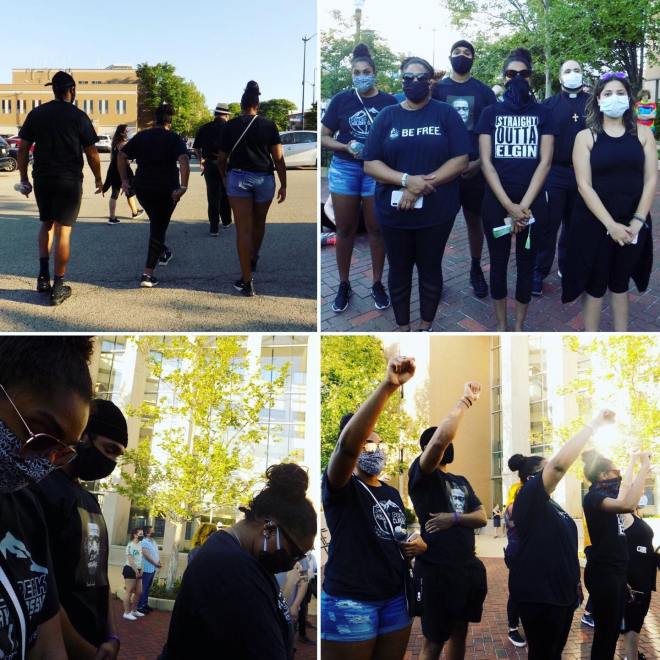
This past week I had the opportunity to join a number of our A.C.Y.O.A. members in a peaceful protest aimed at seeking justice for the death of George Floyd and demanding change in the passive or active acceptance of racism and prejudice in America specifically towards its black community. As an Armenian Christian, my own personal experience of protesting has been limited to either Armenian cultural or Christian moral issues.

Perhaps many of us, if not all, have not had the opportunity, nor have we had the desire to participate in protests, forums and discussions regarding matters outside our Armenian ethnicity or our Church. However, a statement was made during this protest which gave me an opportunity to approach these protests with a different mindset – “Don’t be mad you don’t have a movement, be happy you don’t need one.”

As Orthodox Christians, especially Armenian Christians, living in the United Sates and Canada, we have enjoyed freedom to raise families, grow businesses, worship as we please and live as we wish within the boundaries of the law. We have faced challenges, as much or as little as any individual has. If our faith, language or any external expression of being Armenian has not unified us, one thing has: the desire for justice and recognition of the Armenian Genocide. This movement, has unified the diaspora and the people in Armenia and has impacted even the most distant Armenian because it is loss we have felt personally. The Armenian Genocide however, is not only an Armenian movement because we look to the world to join us in recognition of our pain and in seeking justice for what has been done. Therefore, no Armenian has the luxury of saying we do not have a movement or a cause.

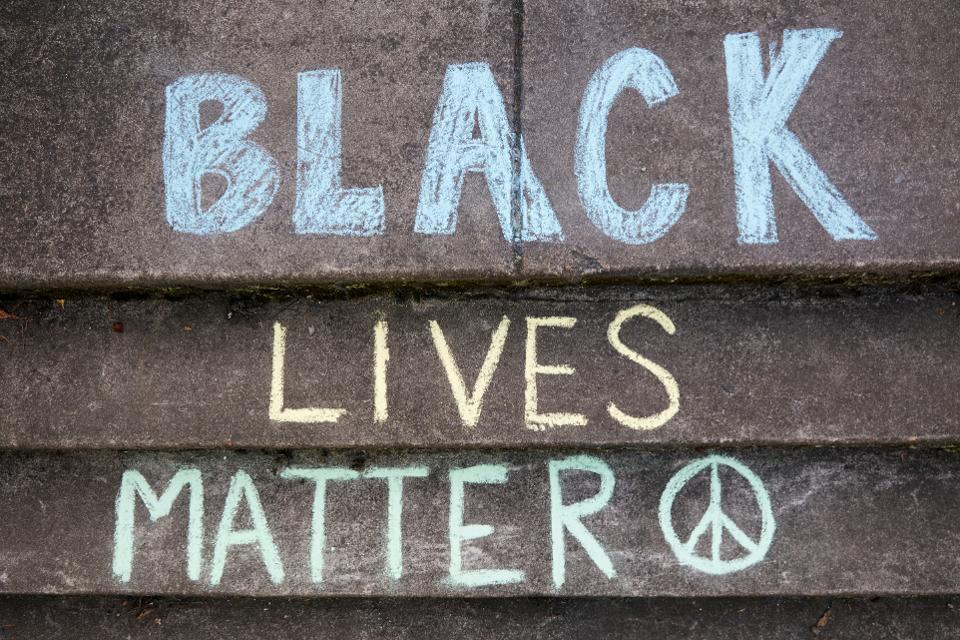
The slogan of Black lives matter was created as a response to the multiple killings of unarmed black men and women by police officers. Whether we believe this is overly politicized or not, as Christian what is important is the reality and recognition that racism does exist. It exists within the institutional infrastructures that constitute our society such as police, government, economy, churches, etc.

And though racism today is not what it was back in the 60’s where we would see public areas not allowing blacks or other ethnicity’s to enter or make use of services and yet, racism exists both in institutions and as well as our families, but in more subtle ways. Those who deny this fact, choose to remain blind.

In scriptures we read, “Then Jesus cried aloud: ‘Whoever believes in me believes not in me but in him who sent me…I have come as light into the world, so that everyone who believes in me should not remain in the darkness.’”(John 12:44-46 NRSV) As well as, “this is the judgment, that the light has come into the world, and people loved darkness rather than light because their deeds were evil.” (John 3:19 NRSV) Over the last few weeks, we have said that our Christian faith opens our eyes, it illuminates our hearts and minds in order for us to examine ourselves, our thoughts, our actions, our decisions and our internal and external life. Through Christ Jesus, who is the light of this world, we are given a tool in order to see better. However, many of us choose to remain ignorant of that light and rather we choose to stay in the darkness. We don’t know, therefore, we are not responsible for. However, if we profess to believe in Jesus Christ and we come to Church receiving Holy Communion, we can no longer say – I didn’t know. We have been given the tools to see ourselves by stepping into the light.

My dears, Christianity, Orthodox Christianity is not a personal faith. We individually believe, we individual grow in order that we collectively commune with God. The Christian faith is not a ethnic faith and the Armenian Church is not just for Armenian’s. It is a family, it is a body made up of all of God’s children. When one part aches, the entire body feels it; When one tear drops, the entire body screams for help. So it is impossible to say that the cause or movement of others, such as the Black lives matter movement is not mine, because today my family in Christ Jesus is in pain. It is not about a black movement just as the Armenian Genocide is not an Armenian movement. Rather, it is about humanity moving forward together and with each other. We must not mix emotions with truth, we must not look at the political games and theoretical ideologies that these action are part of some agenda. As Christian’s the only truth that must motivate us and our choices is the love of God.

In this case, a life was taken; a child of a mother, a father of a child, a husband of a wife, a friend was killed. If we truly value the gift of life that we know God has given each of us, than we much work to preserve that gift – every life. And when, just as in this case, a life has been taken, we must honor that life, honor that gift by seeking to protect and change the causes that brought forth pain. As we read in Isaiah, we must “cease to do evil and learn to do good.”(Is.1:16-17) Killing is evil, racism is evil but evil is also ignoring and denying the pains of others. Good begins by loving our neighbor as ourselves, good begins with recognition, good begins only with God. This can be done either through protests, petitions, donations, conversations and education. Ultimately all these goods are branches that belong to a family tree. Humanities family tree of which we are the branches of. The same tree on which Christ was crucified upon. As children of God if we claim to be part of that tree, of that cross upon which His blood spilled and freed us from sin, therefore, we cannot idly sit back and say this does not concern me. It is our calling, our duty, our obligation to learn by coming into Christ’s light and doing so, turning away from sin and helping others turn away from their sins. In the letter of St. James we read, “if anyone among you wanders from the truth and is brought back by another, you should know that whoever brings back a sinner from wandering will save the sinner’s soul from death and will cover a multitude of sins.” (James 5:19-20 NRSV)

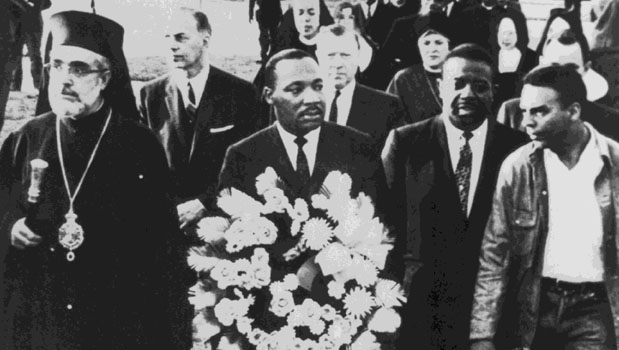
My dears, that is what racism is – not a problem of skin but of sin. Sin is everything which breaks our communion with each other and with God. We each must do everything in our power to rebuild that communion, which is broken. To rebuild that communion and enter into a life away from sin. In 1965, when Archbishop Iakovos, of the Greek Orthodox Church marched alongside Martin Luther King and he was ostracized for getting himself involved with matters that don’t concern him. Today, the children of those people and the entire Greek Orthodox Church of the United States apologizes to him. My dears, as the Armenian Church, what actions are we taking so that we create positive change today for tomorrow so that we and our children will not be forced to apologize for being on the wrong side of history, of faith and of God? We would rather deflect instead of reflect and ignore our sins and the sins of this world because we are afraid. However, my dears to be afraid means to not trust or believe in God because the opposite of faith is not disbelief, it is fear. As children of God, we are called to have no fear but in faith trust in the Lord. This begins by recognizing our sins, turning away – meaning repenting, and then it extends to how we treat ourselves, how we treat each other and how we treat those who we would see as the outsider.

Psalm 31:8-9 (NRSV) “Speak out for those who cannot speak, for the rights of all the destitute.Speak out, judge righteously, defend the rights of the poor and needy.” My dears, it is not our choice but our duty as Christians to step into the light, speak out and defend others in the same way, Christ Jesus did for you and I. That is how one lays down their life for another, which is the greatest example of love. And we must understand that we are not immune to any kind of sin including racism and prejudice. I remember when I was in Jerusalem studying for the priesthood, how much anger I had towards Hassidic Jews who would spit at me or stone me because I was different. Though I was studying to be a priest, even I was not immune to being filled with prejudice. However, Christ calls us to be different, to acknowledge sin and with Him change ourselves. Therefore, no we are not immune from sin but we are called to grow from it and learn to love.

Therefore, my dear brothers and sisters, the black lives movement equally to any human rights movement is personal and is our own for which we are called us to grow and learn to love. Today, our brothers and sisters who are oppressed need us and we seeing Christ in them, must answer the call in anyway we can. By doing so, God sees our love and works of mercy and He will draw closer to us (Hos.12:6), He will illuminate our hearts and minds and He will continue to bless us. He will cleanse us from our sins, our hearts and minds from hate, our hands from wrong doings and our bodies from pain. And we being strengthened through Him, will continually praise Him, along with Christ Jesus and the Holy Spirit, forever blessing this world, Amen!

See No Evil, Hear No Evil, Speak No Evil…is evil!

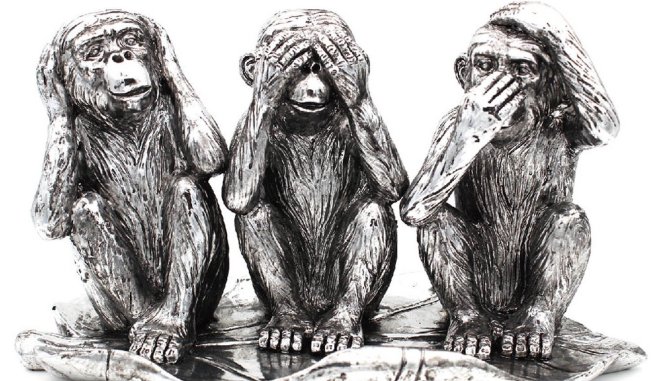
What does this image symbolize? “See no evil, hear no evil, speak no evil”, correct? This image, originally as monkeys, displays an Eastern proverbial belief of not seeing evil, not speaking evil and not hearing evil. Where the origins of this proverb come from is not important however, the message it brings is meant to guide humanity in the conduct of not dwelling on the evils of this world or the impropriety of others. However, there is another meaning that lies under this symbol– known as the code of silence. A code of silence in this situation is a condition in which a person withholds what is believed to be vital or important information. The code of silence originally began by those in the criminal world. Meaning rather then saying see no evil, hear no evil and speak no evil, this symbol transformed into ignore the evil’s and become blind to them and do not speak up for what is right. Thus, my dear brothers and sisters, this is where we as Christian’s truly must ask ourselves – can we live in such a way?

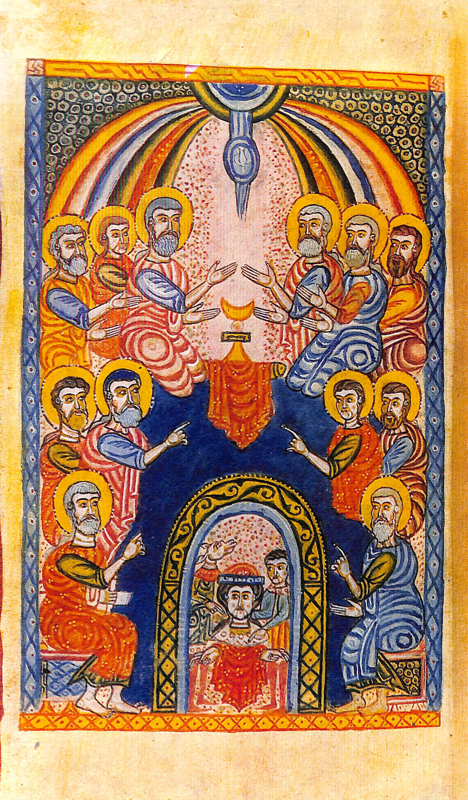
Today is the Feast of Pentecost – where we remember that the Holy Spirit descended on the Apostles in the upper room, as tongues of fire and opened their mouths to preach the Gospel of Christ. And we pray today, as well as everyday, that the same Holy Spirit will descend upon us. The Holy Spirit, the 3rd person of the Holy Trinity known as the comforter and enlightener, came to us from God the Father, why? The Holy Spirit is a spirit of illumination, of revelation, of comfort and of hope. In today’s world especially, we see the atrocities and injustices that takes place not only in the Middle East, not only in countries where extremism is rampant, but also in our backyards, our neighborhoods and in our homes. None of us are blind to what took place in Minnesota this past week and to how an innocent victim George Floyd, was killed by a Police officer. Whether it was racism or neglect, no one can deny the fault of the officers. Additionally, we cannot be blind to the negative actions either of those rioters who only hurt, loot and vandalize. Those individuals who rather than protest choose to destroy cities and communities. Those individuals who in Denver, spray painted curses and smashed the crosses on Churches including an Armenian Church. Yes, the emotions and anger of protestors can be justified, and I for one stand with those who protest to stop the crimes committed against black men and women throughout this country, yet, the negative actions of the rioters does not justify the negative actions of those police. Rather, the actions of the rioters distract from the true injustice which was perpetrated again an innocent black life.

What about the evil of the past few months, where over 100,000 people of all ages, contracted and died from the Corona virus? Who hasn’t been impacted by the pandemic that forced people into isolation, closed business and Churches, separated each and every one of us. What about our own demons which we face daily? Addictions, depression and vulnerability? Recently I read, because of the pandemic and the economic repercussions, suicide and domestic violence are higher than ever. Therefore, how can humanity ever say, “See no evil, hear no evil and speak no evil”? Some will use this as an excuse to ask where is God, why does he allow such evil? My dears God is equally asking us why do we allow such evil to take place?

“I open my lips, I utter with my tongue, I bemoan (or I regret, I lament) my conditions.” (St. Nersess Shnorhali prayer Ashkhar Amenayn “All the World”) These beautiful and prayerful words of St. Nersess Shnorhali, plead to God out of lament and pain to change us. We lament our sinfulness and ask for his light in our lives to transform and change us. At our baptism, the priest prays over 9 parts of our body and anoints them with Holy Myron. With each prayer asking of God to use that oil, which symbolizes the Holy Spirit to heal us.
Our eyes to be illuminated, opened up to God’s love, wisdom and hope. Our mouths and ears to be opened to hear truth and to speak righteousness. Our feet to openly walk in His Divine ways. Our hands to be opened to work – bringing blessings and virtue into this world. We want our Churches to open and yet, we need to be opened to be changed and to begin causing change. Our faith in Christ Jesus is about being opened and being transformed into tools of righteousness, hope, love, truth, justice and freedom. Our faith, as I said last week, is about being called to action.

This world, my friends, is full of many viruses – Covid 19, SARS, H1N1, etc.; and also viruses such as racism, hatred, bigotry, isolation, depression, domestic abuse, etc. We are not called to be blind, deaf or mute to these viruses and the devastation they bring to our lives. However, we don’t cure one virus through another virus. We don’t stop a blazing fire by adding fuel to it. Rather, we are called to be humble examples as seen through Christ, servants, healers and defenders of the peace that Christ brings to each and everyone of us – we protest by performing. We raise our voices, hear the pleas, and speak the truth because we love God, we love ourselves and we love each other. As we read in the Gospel of Matthew, “blessed are the comforters, for they will be comforted. Blessed are the peacemakers, for they will be called children of God” (Matt. 5)

We all are children of God – who have been washed of our sins and anointed by the Holy Spirit. The Holy Spirit, who descended on the Apostles, who spoke the truth and comforted those who had ears to listen to the message of salvation in Jesus Christ. And if for whatever reason we in our daily lives struggle to know what that truth is – we must first begin by praying that the Holy Spirit reveals it to us. It is the Holy Spirit that moves each of us to become a source of comfort; to become an instrument of healing and a filter of right from wrong, hope and love.

My dearest brothers and sisters, the Holy Spirit, which descended as fire upon the Apostles, and today we pray upon us, is meant to ignite with in us a flame that lights the darkened pathways, that warms those left in the cold and that purifies a world that has become blemished and dirty. The Holy Spirit is the comforter of our souls, hearts and minds so that we can comfort other’s around us – whether we agree with them or not. As the rains fall upon everyone and the sun rises upon everyone, so too, is God’s love meant for everyone. If only we accept our task of loving everyone and of curing this world of all its viruses. Only then will our eyes see no evil, our ears hear no evil and our mouths speak no evil – for evil will have been defeated. Through the grace and comfort of the Holy Spirit, may we each defeat the evil in our lives through Christ Jesus, Amen!