All I know Is That God has a Plan!

Sermon for Sunday March 1, 2020

Isaiah 33:2-22; Romans 12:1-13:10; Matthew 5:17-48

In the name of the Father, Son, Holy Spirit Amen!

A farmer who owned land and a horse, one day woke up to see his horse had run away. His neighbors came by and said, “you are very unlucky, or else your horse wouldn’t run away.” The farmer responded, “who am I to tell you what luck is, all I know is that God has a plan.” A few days later, the farmers horse returned, bringing with it 20 wild horses. His neighbors came by and said, “you are so lucky, because your horse ran away and brought back with it 20 wild horses.” The farmer responded, “who am I to tell you what luck is, all I know is that God has a plan.” These new horses needed to be trained and fed, so the farmers son went out to feed them. One of the horses got spooked and kicked the boy, breaking his leg. The farmers neighbors came by and said, “you are very unlucky, your horse ran away and brought back 20 wild horses. Those horses kicked your son and crippled him.” The farmer responded, “who am I to tell you what luck is, all I know is that God has a plan.” One day, a group of bandits came through the town looking for recruits. Seeing the crippled boy they had no use for him. The farmers neighbors came by and said, “you are very lucky, your horse ran away and brought back 20 wild horses. Those horses kicked your son and crippled him and so the bandits couldn’t take him away.” The farmer responded, “who am I to tell you what luck is, all I know is that God has a plan.”
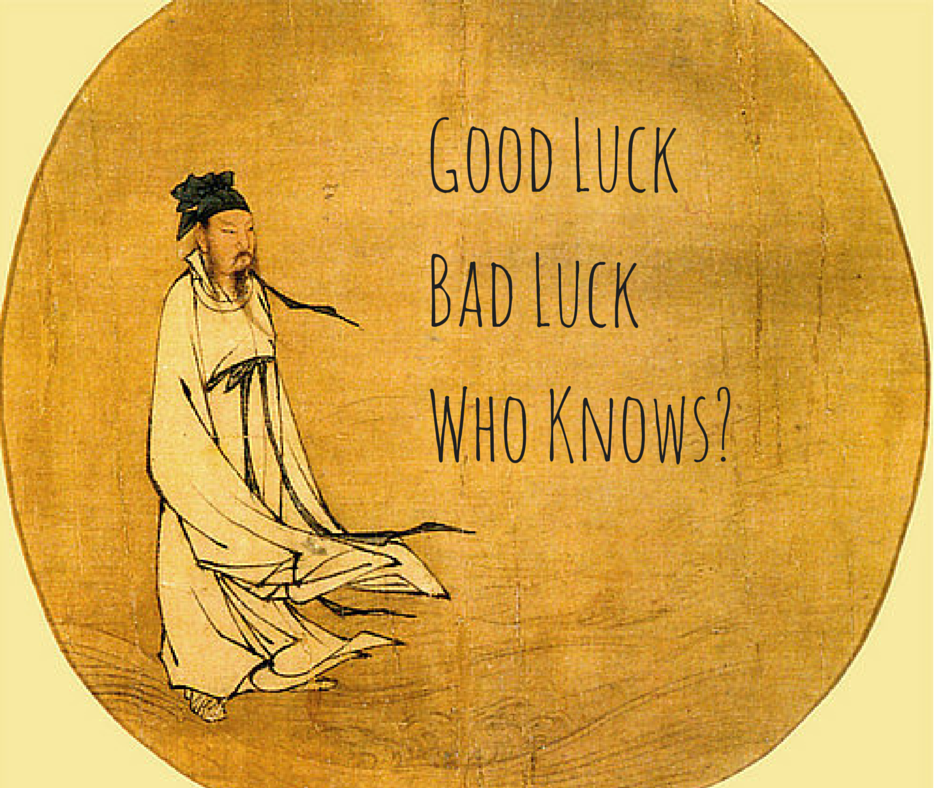
I’m sure many of us have heard this story. An old Eastern story, which emphasizes the importance of seeing purpose in pain, the will of God in both the temporary success and in human suffering. As Christian’s, as children of God, we are taught that even though our loving heavenly Father desires nothing but good for us, because of sin, because of our own passions, we fail to live according to His commandments and thus in consequence we suffer sickness, pain, fear and even death. So where do we see the love of God in all this?

Today the Armenian Church remembers the greatest consequence of disobedience to God – the expulsion of Adam and Eve from paradise. God, in His magnificence, through His love, created life gaving shape and purpose to the cosmos. And creating humanity in His image and likeness, commanded us to likewise love, meaning to take care of this world, to steward it, grow it, tend to it. And secondly, to not eat of the tree of the knowledge of good and evil or else humanity would begin to die. Now regardless of our own personal beliefs regarding how creation took place, whether it was 7/24 hour periods or over millions of years, one thing as Christian’s we must know is that God created and ordained all life for a purpose and when that purpose was broken, there were consequences. In the Newtonian expression of physicals, every action has a reaction. However, when we see that God’s reaction or the consequence of Adam and Eve’s sin is expulsion from paradise, we struggle to see how and where God’s love is present in that punishment.

My parent’s were not brutes but they were not pushovers either and in my youth, I was not well behaved. Detention in school was so common it was an elective for me. Being suspended from school and getting into fights was a normal as going to Church on Sunday. Therefore, it is safe to say my parents exercised their right of discipline, one which I did not enjoy at the time, but I digress. In my 8th grade, half way through the year, I crossed a line and without going into details, my actions got me suspended and my reaction to my punishment led to me being expelled from High School. The son of a priest was expelled from a Christian school. Like Adam and Eve, my expulsion cut me off. So where is the blessing in my expulsion?

My dears, just like I did not understand the blessing of my parent’s discipline in that moment, because of pain or hurt I felt, likewise, I did not see the blessing of my expulsion until I graduated from my second high school. A school where I made life long friends and a school where I grew in my faith, where I did not get into fights and where to this day I remain connected to dearly. A school, which placed me on a journey that has led me to here, serving God in Holy Priesthood. However, when I, when we fall into pain, when we suffer, when we feel expelled from our joy, from paradise, in that moment we fail to see the even then, God’s hand is protecting us, God has a plan. Much like a child who doesn’t see that a parent’s punishment is not done out of anger or hatred but rather out of love, in order to guide the child from future and greater pains, likewise, Adam and Eve’s expulsion from paradise was our Heavenly Father’s act of love, which we did not understand in that moment but was done in order to prevent us from further damage – greater pains. Like the story of the farmer, our vision, as children, is limited to that moment but what we are invited to do is remain steadfast in our faith to understand that God’s love is in our pain, in our suffering, in our expulsion from paradise.
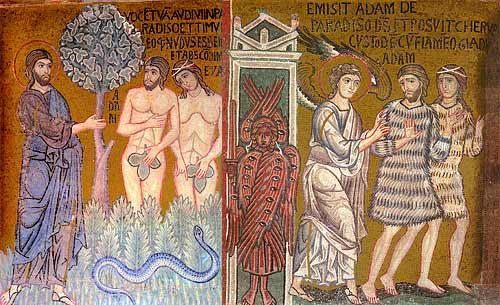
When Adam and Eve were expelled from paradise, what does scripture say? It was so that they did not eat from the tree of eternal life. My dears, by being banished in that moment from paradise and being cut off of the tree of eternal life, God did not allow for humanity

to eat of eternity in its sinful state or else, we would have remained sinful for all eternity. Yet, God’s ordained love, God’s providential love, knowing as a parent that we would sin, we would fail, He took us away, removed the potential for greater suffering and in our place sent Christ Jesus to suffer and die for us. God, Himself, came down to suffer and die in our place, in order to free us from sin.

My dears, as children of God, as we go through this Lenten season, we are invited to look past our earthly suffering and likewise, look past any success and joy we enjoy on earth in order to find purpose in it all as ordained by God. Yes, we will have ups and downs, we will have days of sorrow, pain and isolation, where we feel we have been expelled from God Himself. However, God never turns from us. God never leaves us in our pain just as God never left humanity even after sin. What remains for us to say is, just as the Father in that story says, “who am I to tell you what luck is, all I know is that God has a plan.”

My dears, let us look to find God’s plan both in joy and pain, expulsion and acceptance. Let us live according to His Divine commandments, to love one another, take care and tend to all creation. Repent and turn to Him, placing our hope in Him, in God who reveals all truth and breaks all chains and to whom is befitting all glory, dominion and honor. Amen!
Who Are You?

Sermon for Sunday February 16, 2020

Passages: Isaiah 63:18 – 64:12; Titus 1:1 – 11; John 7:37 – 52

In the name of the Father, Son and Holy Spirit, Amen!

Who are you? On the surface this question seems simple. If I were to ask anyone of you here, I would get a simple response of I am (fill in the blank). Delving much deeper, we can again ask this question, who are you, as a stepping-stone to understanding the deeper individual each one us is. Who are we at home, who are we at work, with our friends, families, when we are alone. Knowing who we are is a very crucial part of growth and experience and we have spoken about the importance of exploring our own self’s, testing ourselves as St. Paul says, in order to see whether we are of righteousness or evil, of God or of the world.

But today as I ask who are you, I am not asking us to examine ourselves but rather, how many of us have asked God, who are you? Recently, a new series came out on Netflix, which a number of people recommended I watch, called Messiah. Without looking at the premise too deeply, one theme that kept repeating with the main character was people’s curiosity and questioning of, “who are you?” Movies and stories aside, I think it is very natural to ask God who he is. If Jesus was to appear in front of us and speak and do the extraordinary acts that he has done any one of us would ask, who are you. Whether it be today, tomorrow or even 2,000 years ago, people have asked God and more directly Jesus – who are you? So who is Jesus?

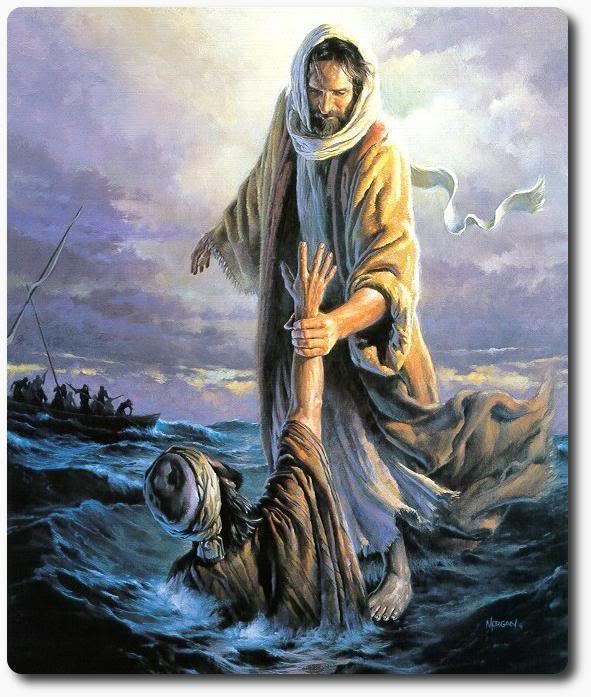
Sadly, many of us don’t ask this question sincerely or from a desire to increase our communion with God. The person of Jesus has been examined historically and theologically throughout the centuries, and perhaps a handful of us would be able to provide some sort of an answer as to who Jesus was. Over the last several weeks throughout the Gospel readings in John we see how Jesus is repeatedly laying out the framework for this question. Three weeks ago, we read the ever famous passage of John 3:16 – “For God so loved the world, He sent his only begotten Son…” Two weeks ago, we read of how the disciples were caught in a storm and Jesus, walking in the storm said, “It is I, do not fear.” And last week, we saw how the people who followed Jesus, were only doing so to fill their own appetites, their stomachs, rather than desiring to be fed by what is eternal.

Today’s reading begins with the words, “On the last day of the festival, the great day, while Jesus was standing there, he cried out, “Let anyone who is thirsty come to me, and let the one who believes in me drink. As the scripture has said, ‘Out of the believer’s heart shall flow rivers of living water.’”” John makes a point to mention that when Jesus spoke, it was the “last day of the feast, the great day” because it was the Feast of Tabernacles (see Leviticus 23:36, 42-43, II Maccabees 10:6). And on the last day of this feast, priests drew water from the pool of Siloam and brought it to the temple to be mixed with wine and the mixture was poured out at the foot of the altar for purification. My dears, St. John’s emphasis on the last day, or the great day shows that this is the climax, the conclusion of the Feast and when Jesus states that he quenches the thirsts of those who need water, Jesus is saying on this last day that, I am fulfillment of this feast, I am the Omega, the fulfillment of prophecy – the body, bread from heaven, the blood, the wine, both from Communion, and waters of our baptism, that together purify us and cleanse us of our sinfulness.

Jesus very plainly is laying out who he is, not as our physical eyes can see, but as who he is when we look with spiritual eyes after we have been illuminated. The difference between physical and spiritual eyes is that, as we read, even those who were with Jesus, even those who saw, who ate, who were healed, even those Pharisees who knew the laws and prophecies, they all continued argue and misunderstand who Christ Jesus is and asked “who are you”. Their blindness was not in the question they were asking, but rather, in the why they were asking. And this is what we find in St. John’s Gospel readings throughout the last few weeks and it is this that we must ask ourselves, especially as we begin to prepare for our Lenten journeys towards Pascha.

Why are we asking to know who Jesus is? Are we asking because we desire to learn the history of a 1st century Jew, born in Bethlehem? Or, are we asking to know because we desire the fullness of Communion through Christ Jesus with God the Father? We have all in some way, shape or form “seen” and have been “fed”, but when it comes to knowing who God is, do we understand why is it that we are trying to learn and understand? If we want to know who Jesus was back in the 1st century, there are plenty of National Geographic, and Church history textbooks which argue about who Jesus was.

But what we are being invited to do is know who Jesus Christ is yesterday, today and forever more: God, who took on flesh, becoming human. Who thirsted, who hungered, who willingly suffered as a human, just like we do.

But because he remained undivided from His divinity – meaning He is, was and will forever be God, through His death and resurrection, He raised us to life. And he did this in order to create a full communion with each one of us, with all humanity and all creation, not because he felt bad for us but because he, God, is love.

My dears, this is not something that is easily understood. Many theologians and priests can attest to that just by looking at Church history and how many times this topic has been argued. Who is Jesus? However, asking who God is, asking Jesus, who you are is not a sin, it is not devious, it is not destructive, if, we are asking with a genuine heart, for a thirst and hunger of being filled with the love of God. What God desires most, above all else, is not that we do not question, but rather we question from a place of desire to grow towards him, in oneness with Him, in Communion with Father, Son and Holy Spirit.

Therefore my dearly beloved, as we prepare next week to start our Lenten period of fasting, prayer, repentance, charity and mercy – I pray that we take time to examine our thirst and our hunger, in order for us to understand not who Jesus that man was, but who Jesus Christ is. Only then, will we be able to fully greet each other on Easter with the words of Christ revealed in us. And as Christ is revealed in us, He will then also be revealed through us to others who will ask, who are you, Amen!

Being Fed and Satisfied

Sermon for Sunday February 9, 2020

Passages: Isaiah 63:7-18; 2 Timothy 3:1-12; John 6:22-38

In the name of the Father, Son and Holy Spirit, Amen!

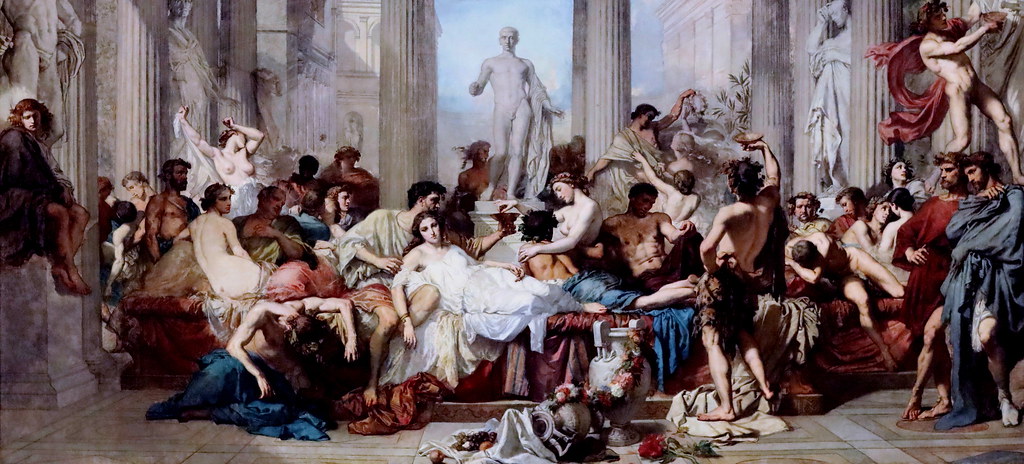
Ungodliness, self-serving and a society of self; Comfort and the avoidance of pain and pursuit of self indulgence; Hedonistic morals and ethics and an abandonment of family; Self-serving leaders and a culture of barbarism and feelings. These statements could easily be a description of today’s 21st century society. Yet, this is not an image of today, not of last year, nor is it an image of what is yet to come. Rather, this is a very real picture of what 5th century Rome looked like after it fell to the Barbarian hordes. Rome and the grand Roman Empire, the metropolis, the center of culture, religion, art and political ideals had been torn and ripped to shreds not only externally but also internally by the collapse of its society. A few centuries before the fall of the Roman Empire St. Paul wrote, “You must understand this, that in the last days distressing times will come. For people will be lovers of themselves, lovers of money, boasters, arrogant, abusive, disobedient to their parents, ungrateful, unholy, inhuman, implacable, slanderers, profligates, brutes, haters of good, treacherous, reckless, swollen with conceit, lovers of pleasure rather than lovers of God, holding to the outward form of godliness but denying its power.” (vv.1-5) What was written in the 1st century by St. Paul and what we see as the image of society at the end of the 5th century during the fall of the Roman Empire is also what we are seeing today in our society.

A society that celebrates personal feelings, fulfillment of desires and a love for self. A culture that celebrates ungodliness and hates good, searches for sexual deviance and destroys the Godly ordained norm of person and family.

Where leaders are sheep and wolves are seen as shepherds. We have become, my dears, a society of children following the pied pipers. It is a grim image to say the least.

The reason as to why our families, communities, societies, etc. why we are all in this repeated state again and again, can be seen as multi-faceted and we can have lengthy discussions as to how and why. But, this disconnect of humanity and Godliness is not only something we see in history but it is present even during Christ’s ministry – when God was physically with humanity. Reading today’s Gospel we understand that there is a misunderstanding if not a blatant disregard for what Christ Jesus is doing and teaching vs. and what majority of the people who claim to follow him desired. Jesus gives that example of the followers of Moses, who in their time of need were blessed by God with Bread from Heaven, Manna, in order to feed their physical hunger. 

Instead of glorifying God, rather, than seeing God’s divinity in their struggles and pain, the Israelites gave credit to Moses and their own abilities. In short “the Israelites in the wilderness refused to acknowledge or trust God for who he is, that he would provide for them no matter their situation or circumstance,” the same way the current followers of Jesus were blind to who Jesus is and are deaf to what he is saying.

How many of us likewise come to Church, call ourselves followers of Christ or believers in God only after, only if, or especially when we are “fed”? We don’t need to have bread come down from Heaven or to have 5 loaves feed 5,000 to see how we are fed. I have heard repeatedly from men and women who have served in the armed forces, that they lost their faith when they saw the atrocities of war. Or how many of us have questioned God’s existence or will when we are in pain? Yet, when we are healthy, when we are safe, when we are physically and metaphorically “fed”, it is easy to believe, it is easy to “see” the will of God. But this is not true knowledge of God.

Many people believed in Christ because they were fed, because they saw signs. When the Roman Empire was flourishing, when the Churches of St. Paul were growing, ungodliness was dormant. Our devotion to our self-indulgences and desires were kept quite out of a greater desire to understand God. However, when life gets tough, when we make excuses and begin compromising our faith in order to please our friends or even our egos, than we begin to starve. We search to be fed but remain blind and distant from God, who is here to feed us, to love us, to nurture us. And the further we get, the more we hunger until eventually we begin to feed off the temporal, the sinful, the self fulfilling and destructible. Having not been properly fed or nourished, our communities, our families, our leaders, our self begins to decay and fall apart and we again in thirst and hunger asking, where is god? St. John Chrysostom says, “I [Jesus] fed your bodies, he says, so that after this you might seek that other food that endures, which nourishes the soul. But you run right back to that food that is temporal. Therefore, you do not understand that I [Jesus] lead you not to this imperfect food but to that which nourishes not only the body but the soul.”

My dears, how many of us only feed off of what God offers, only seek Christ when life is easy and for the momentary satisfaction of our stomachs? God’s love, God’s care, God’s nourishment and feeding is more than mere bread. Rather than turning to political leaders, rather than looking to those who have deep pockets, we must first begin by turning and looking to God because it is God who gives us the tools, who makes us the vessels and the sources of good in this world.

If we who claim to believe but have turned away from Him and only come to him when it is convenient for us what change, what good are we speaking about?

Psalm 50 (51), which is used very heavily in the Armenian Church reads, “Create in me a clean heart, O God, and put a new and right spirit within me. Do not cast me away from your presence, and do not take your holy spirit from me. Restore to me the joy of your salvation, and sustain in me a willing spirit. Then I will teach transgressors your ways, and sinners will return to you.” God creates in us by feeding us, teaching us, guiding us in order for us to than go and teach others the ways of God. That is what believing in God, that is why glorifying God for what He has given to us means – faith shared, God known is to show God. That is why the Church is a family, is a community, it is a hospital where the sick having been healed begin healing others. That is what it means to be fed and that is the only way we can overcome our self-egos, our self desires and the darkness that we call light in this world.

We may argue that it is too difficult, there is too much pain and suffering, too much of self-serving in today’s world. My dears, it is the same today, that is was in 5th century Rome, that it was in the time of St. Paul and in the time of Jesus. There is nothing new to our struggles, the only difference is now we post everything online. Elder Philotheos of the Eastern Orthodox Church reminds us – Joseph was in Egypt, in the barren dessert and in the place of sin, yet he did not sin because he continued to choose God and draw near. Adam was in Paradise, where sin did not exist but because Adam distanced himself from God, he disobeyed God and listened to the devil, he lost paradise and sinned. Therefore, it is not the place or times we live in but the manner of our hearts that saves us. My dears, what are our hearts searching for? To feed our hunger? What hunger are we trying to satisfy? Our stomach’s, our egos, our self or our hunger and thirst for God? If it is God then we must draw near to Him, we must repent – meaning turn to Him, confess and humble our egos, be part of this Church, this hospital and search for healing in order to likewise, go out and feed the hungry, clothe the naked, and lift up society. Only then will we truly know Christ Jesus and the will of God. Only then will we truly be fed and satisfied. Amen!

We are not alone!

Sermon for Sunday February 2, 2020

Passages: Isaiah 61:10-62:9; 2 Timothy 2:15-26; John 6:15-32

In the name of the Father, Son, and Holy Spirit!

It is said that you never forget your first love or your first kiss. You will always remember your first success and your first failure. Rich or poor, one of the most impactful aspects of our life is that we share is experiences. And I say rich or poor because life’s experiences are not found in the items we have or don’t have, but rather in the challenges, the achievements, highs and lows, etc. that we live despite what we physically have. Everyone has experienced in some way, shape or form love, anger, bitterness, fear. We all know what it means to lose or feel lost; We all know what it means to search and be filled. If there is one unifying component of life, it is our shared experiences of life’s highs and lows.

Exactly 1 week ago today, the world shared in a low experience when we read or heard of the horrific tragedy of the helicopter crash in California, that claimed the lives of 9, including the world famous basketball legend Kobe Bryant and his daughter Gigi. Regardless if you followed basketball or not, whether you knew the names of the other victims or knew their families, everyone together shared that pain in the knowledge of loss of life. And who knows of what other tragedies took place 1 week ago today and throughout last week. How many shootings took place in Chicago, LA or New York. Yesterday, as I was checking our mailbox, right outside our Church a fight broke out with some kids and within minutes police quickly showed up to settle the fight, which left a number of these kids bloody and bruised. What if one of those kids had a gun and shot someone? I was checking the mailbox in that moment, what if something happened? What about overseas, in Turkey, Syria, Iraq, Somalia, China, etc.? This entire week we heard of the Coronavirus now having claimed almost 200 lives. This morning I woke up to the story of a family of 7 having been killed in Australia because of a drunk driver. Yes, we all share experiences and in this sinful world we share pain and loss more than any other.

We have all I’m sure heard the saying “hope for the best but plan for the worse.” But as Christian’s this statement is not compatible with our faith. Despite the reality of suffering, loss and pain in our lives, which the Church and which God fully acknowledges, hope and fear cannot be in the same place. For this reason, Christ in today’s Gospel speaks out to his disciples who were in the midst of a storm and says, “It is I, do not be afraid.” (v.20) The contrast between fear and faith is one we don’t think about often but if we examine scripture we see that fear is not just the opposite of hope but rather fear is the opposite of faith itself. For this reason St. Paul (1Thesselonians 4), when speaking about mourning, says, “we do not mourn like those we have no hope. For we believe that Jesus died and rose again, and so we believe that God will bring with Jesus those who have fallen asleep in him.” We do not fear, we do not suffer, we do not mourn in hopelessness because we believe, because we have faith in Christ Jesus.

Therefore, to say we hope for the best is to say we believe in the power of God and His all-powerful will and love. So therefore, what does it mean but we prepare for the worst? We prepare just in case God fails? No, my dears, we believe and so we become prepared in that belief. And belief and hope does not mean we do not suffer, we do not feel loss or pain. Hope in suffering, belief in God in pain and even in joy is knowledge that in that moment, through the darkness we are not alone.” Fr. Vasken Kouzouian from our diocese in his reflection on the death of Kobe Bryant beautiful stated, “As a father…I can imagine Kobe holding his daughter in his arms, loving her and comforting her in those final moments.” When we have faith, when we are not afraid because of our hope, when we are prepared through our belief we know that we are also in the embrace of God our heavenly Father, holding us and saying, as Christ said to his disciples in the Gospel, “do not be afraid” for he is with us.

And we are comforted with these words my dears not just for our own pain but in order for us therefore, to likewise comfort others. Vanessa Bryant, Kobe’s wife and the mother of Gigi in her first public statement said, “we are also devastated for the families who lost their loved ones on Sunday, and we share in their grief intimately. There aren’t enough words to describe our pain right now.” My dears, all too often when we are in pain, and we pray to feel God’s presence in our lives, we may lose hope because we do not see him immediately. Yet, as I began today’s message I spoke about how we all share one in thing in life and that is experiences. God uses each one of us, to be present and to be a comfort for others through our experiences. When we say we are not alone, it is because we are called to be with each other, to bring healing, love, hope, forgiveness and care to each other. It is for this reason that Christ took on a physical body, God became flesh to teach us that, we are also called to be physically present with each other and to share our joys, our laughs, our tears and our hopes and sorrows. God wants us to be His presence in this world because we have shared and know what life is.

That is why St. Paul in 2nd Corinthians says, “Father of mercies and God of all comfort, who comforts us in all our tribulation, that we may be able to comfort those who are in any trouble.” (1:3-4) We all share in what it means to lose and to gain, to celebrate and to mourn intimately. And as ones who believe in the joyful resurrection of Christ Jesus, who has given us life, even through death, how much more are we called to be that hope, that faith and that resurrection to the rest of this world, who seems to be more and more isolated and hopeless.

My dears, God is present in our lives. He is our hope, He is our life and our light. And we are also called to be that life, that hope and that light, we are called to be God’s presence to each other in this world. Not to avoid the darkness but to overcome it with His love. For as we have been given life, we must also give life. For as we have been raised from the dead, we must also raise others. For as we have hope, we must bring hope to others. Only then, will we continually be in the knowledge and wisdom that we are not alone. Only then will we truly understand that fear has no place in our heart where God is always present. Only then will we truly hope for the best and be prepared to be hope for those who are in their worst. “Do not be afraid” – Amen!

Elevator Pitch…

Sermon for Sunday January 26, 2020

Passages: Isaiah 58:13-59:7; 1 Timothy 4:12-5:10; John 3:13-21

In the name of the Father, Son and Holy Spirit, Amen!

Imagine yourself standing on the first floor of the tallest building in the world in front of the elevator heading to the top. The bell dings, and the doors open wide. You and another individual enter the elevator and press the button for the top floor. To break the awkward silence, you strike up a conversation. As you speak, you realize the stranger is looking at the cross around your neck and asks very bluntly, “so what is it that you actually believe?” How would we answer? We only have a short time to explain what it is that we believe, and perhaps God is using us in that moment to share our faith. What is our elevator pitch about what we believe?

We don’t often think about how we would explain our faith to others. In truth, even wearing a cross around our necks isn’t a statement of faith today. For some it’s an accessory or fashion statement; for other’s it’s a good luck charm equal to a 4-leaf clover or rabbits foot. But our faith and the cross that we bear is much more than a simple belief or good luck charm. So what is it?

A popular answer that many evangelicals may use is quoting John 3:16, which we read today, “for God so loved the world, that He gave his one and only Son…” And while this is not wrong, arguably, it falls short of what it is that we believe. The reason I would argue it falls short is because it seems very egocentric. Yes, God loves the world yet, God’s love is not limited to this world only but rather all creation, the cosmos as our Church father’s say. A love that neither art, science nor philosophy can explain. An impossible love that demands self-sacrifice and humility.

My dears, God’s love for the cosmos is not merely what is defined on ink and paper as written in the Gospels, where we may so easily quote. God’s love is defined in the second person of the Holy Trinity – Christ Jesus, who humbled himself, becoming human and dying on the cross, not only for you and me, not only for this world, but for all creation. Why is this distinction so important? Understanding that God’s love and the sacrifice of Christ Jesus was for all creation raises into question our treatment of creation, how do we take care of our environments, our cities, our homes; how do we treat animals, how do we treat other people? Even further, how to do we treat the planets and stars? “The heavens declare the glory of God; the skies proclaim the work of his hands”(Psalm 19:1 NIV). If Jesus only died for me and you, as humans we limit that me and you to by our statues or clothes or presence in this Church. But when we say Christ died for all creation, it means even those who are not equal to us according to society, even those people who we don’t agree with, even those who are outside of this Church, all creation means all creation. Christ came for everyone and everything, in order to redeem the cosmos and now we, who are also called children of God, are charged as caretakers of that creation, of the cosmos.

My dears, this life, much like that elevator ride is shorter than we think and God is using us in every moment to share our faith with the entire world and all creation. Our answer, our elevator pitch is not merely our own perception of Christianity, but it should be the living embodiment of what Christ Jesus did out of a grand love, a love we must imitate. To be a Christian is not about being an accessory or good luck charm in this world. It is to about creating, fueling, loving and blessing all creation through the person of Christ Jesus not through philosophy, but through application; not through positive thoughts but with impossible love; not through coming to Church once a week, but by going out into the world and living out faith everyday.

My dears, God so loved everyone and everything, He gave his one and only Son. And I invite us to give time to ponder what that means and how do we live out that love likewise, so that when the elevator dings, and the doors open wide and we must give an answer, our life in Christ Jesus will speak for itself to all creation about the love of God, Amen!

Are You in the Bible too?

Sermon for Sunday January 12, 2020
Passages: Romans 1:1-7; Luke 2:1-7

In the name of the Father, Son and Holy Spirit, Amen!

Ladies and Gentlemen, we are being watched! What we say, what we think about, what we eat, someone is watching. No, I am not talking about Santa Claus, who knows when you’re sleeping and awake; that season has passed. Nor am I speaking about angels or our past loved ones, or even about God all-mighty watching us from above. Rather, what and who is watching us is completely in our hands. And if you don’t know what I’m talking about, I invite you to take your phone and talk about anything. Then open social media and see how all of a sudden you start seeing ads or images about all those things you privately spoke about in the comfort of your home.

Now I’m not about to start preaching on Big Brother spying or any other true or false conspiracies that we are being watched, but I can’t help but wonder what kind of digital footprint is it we are leaving. Our search history, our life report card; what impression are we leaving in this world be it a digital footprint, carbon footprint, financial legacy, cultural legacy, etc? In this constantly changing world, where what we eat, how we sleep, what we thought about is either digitally or physically observed, what are we leaving behind?

This question has bugged me especially as a priest being a public figure, and maybe some of us truthfully haven’t thought about it. Yes, we can accept that technology is observing us but we live, we love, we make mistakes, and then we die. And of course as Christians we additionally believe that when the time comes, we will stand in front of the throne of God in judgment for the life we lived. Yet, what I’m curious about isn’t so much whether google knows what I ate or even whether facebook knows that I was interested in row machines, rather what interests me is whether or not the people we read about in the Bible, whether they thought likewise?

Now, there were no computers or cellphones back then yet, I wonder did they know that they were being watched…that they are still being watched? Ultimately, did they know that they were going to end up in the Holy Bible, where over thousands of years, people would read about the lives they lived, the mistakes they made, the successes they reached? Did St. Paul, Peter, John, Abraham, Noah, Esther, Rehab, Isaac, Jacob did they know? Would they have lived differently, tried a bit harder, showed more love and been more forgiving had they known? Would we?

How would we change our lives if we knew that one day we would end up in the Bible?  Our story, our darkness and our light, our shortcomings and our successes – would we act differently, be more loving, be more forgiving, spend a little more time to strengthen our faith in God rather than seek our own leisure?  In Romans chapter 1, we read “Paul, a servant of Jesus Christ, called to be an apostle, set apart for the gospel of God…” The truth is though we are reading the name Paul, this greeting is in fact written to each one of us. We are each servants of Jesus Christ, called to be apostles, set apart for the gospel of God. Not just the 4 Gospels in today’s written Bibles but the living Gospel – our faith in Christ Jesus.

The same Christ Jesus that last week we joyfully proclaimed is been born and revealed in us. Therefore, if we like Paul and all those others who we read about in the Bible are called to be apostles and have been set apart for the gospel of God, what do we understand by this?  We haven’t been set apart for vainglory or praise, but set apart to be lights in darkness, to be healing in pain, to be love during hate. Our apostolic duty is not about yelling about the coming of God, nor is it about writing books to be placed in the Bible.  Just like each of the individuals that we read about in the Holy Bible, we are called to ultimately always actively place our faith, our hope, our life in God’s hands and build a communion with Him, not to show others how not to fail but to show that only through God do we truly succeed.

My dears, the truth is we don’t need cellphones and computers or Big Brother governments to watch us and we most likely don’t need to worry about ending up in today’s version of the Bible that we use in Church. However, we are being watched and our story is fully written down in scripture. The world is observing us and how we live, not just a person’s, but especially as persons who confess with there mouths a belief in God the Father, Son and Holy Spirit. The world is paying attention to our tweets and posts, to our aggressive and perhaps hate filled comments, to our thoughts and opinions whether they are educated or fueled by emotion. They are watching and reacting. Statistically speaking more and more people are leaving the Church today not because of lack of faith, but in an effort to preserve their faith. Because of what walking contradictions Christians have become. I don’t care about your political views or opinions on policy but rather, how do we treat ourselves and each other? How do we treat those who are in need? Look around this sanctuary, how do we treat one another? How do we treat this world?

My dears, our lives are the continuation of Holy Scriptures because we have each been set apart for the Gospel of God – we are each chosen and called to be servants living our scripture in this world. Therefore, what kind of footprint, history log, legacy, timeline or story are we leaving behind?

What are people reading, when they see us Christian’s living the lives we live? If how we act, what we say, how we eat or drink, if they are not leading people to Christ Jesus then who or what are they leading to? For those who know me well know that one of my activities for relaxing is to play video games. And when people I play online and people hear that I am a priest or pastor, they become very surprised because they don’t understand how a priest can play a video games. However, what is more interesting is ultimately, the conversations I have with majority of the people online lead to questions about faith, about God, about struggles and pain. Because as Christian’s, as those set apart for the Gospel of God, we are not told to live in isolation and avoid the world. Christ came into this world but did not become a part of it. And we are called to also likewise, be examples of Christ in the world we participate in. We don’t need to be priests but we need to be faith lived whether we are on break or we are in Church or with our families. I have said it many times before, the greatest sermon is not one given from the pulpit. It is the one lived in the streets, in the workplace, in our homes, with our friends, and yes in today’s world, the one online. True faith preached is what is done out the Church doors by each one of us. Where everyone is watching and judging and asking, “what is a Christian?”

My dears let us be aware of what impressions, what footprints, what legacy we are leaving behind. Does it build up this body of Christ, does it wipe away the tears of the oppressed, does it feed the hungry and clothe the naked? Does it lead to Christ Jesus? If not, we must repent and turn to God not as defeated individuals, but just like all those people in the Bible we read about, just like our beloved Martyrs of the Genocide, though they failed physically, ultimately through God they succeeded. So that when people read about us in the Bible, when we appear in scripture, we to, our lives will ultimately raise people up to God. For Christ came to set us apart, so that we too world bring his love, healing, light and hope into this world. And doing so we will glorify Father, Son and Holy Spirit and we will rightfully proclaim Christ is born and revealed in us, Amen!

Do you see what I see?

Sermon for Sunday January 5, 2020

Passages: Titus 2:11-15; Matthew 2:1-12

In the name of the Father, Son and Holy Spirit, Amen!

Where is the son my dears? Where is the son, which we celebrate the birth of today and which we declared by crossing ourselves and mechanically say “in the name of?”

A man traveled around the world in search of God. Looking high and low, up and down, he does not find God. One day during his travels, he meets an elderly priest and asks, “you who have dedicated your life to God, you pray earnestly and act through mercy and piety, have you seen God?” The priest answers, “yes, I see God everyday.” Surprised by this answer the man asks the priest to show him God. The priest takes out a piece of paper and pen and writes the name God and hands it to the man, asking “what do you see?” With a smirk the man answers, “I see God.” Then the priest places a dollar bill on top of the paper and asks, “what do you see?” Again smirking, the man answers, “I see money.” “Did God disappear?” asked the priest. “No” answers the man. The priest says, “therefore, to see God, you must first begin by removing the obstacles in your way.”

My dears, today we greet each other with the Christmas greeting of Christ is born and revealed. Yet, how many of us truly see Christ revealed in our lives? How many of us see Christ born and revealed in today’s world where families are broken, leaders are manipulated, isolation is on the rise, arrogance and ignorance are celebrated and where we fall victim to all this and more? Where is Christ revealed in our lives with all the obstacles that we ourselves have placed? In the Gospel we read of these men, these magi who traveled long distances in search of the God, the Son, the King that we celebrate as Christians. Regardless of if there were 3 or 30, these wise men traversed deserts, mountains, and valleys and came to a foreign king asking, “Where is the child who has been born king of the Jews?…” I don’t know how many of us have traveled across the desert but apart from the physical difficulties, there are also the mental difficulties. Additionally, not only did they move physical obstacles in search of this child, whom they perhaps barely understood the significance of, but they also put their own lives in danger by going to a king and asking where is the actual king? Yet, because of their desire to find the Son, they did all they could in order to reach their goal.

What about us? We drove in comfortable cars to a warm Church, after which we will receive a prepared dinner, yet, how many of us took time to reflect on what it is we are celebrating today? Perhaps on the way here, we drove past beggars in the street, ignoring them. Perhaps this morning when we woke up, we remembered some sort of pain we are dealing with. Every time we cross ourselves in prayer and say “In the name of the Father, Son and Holy Spirit”, do we understand, do we see God in our lives, or have we built obstacles in the way? Obstacles such as anger and laziness or excuses to not come and be a member of this body. Obstacles which are obvious such as pride and arrogance, and obstacles that may not be so obvious such as giving more importance to our own ambitions than desiring to be with God.

My dears, if we desire to see God, if we hope to find Christ Jesus born and revealed in our lives, than we must begin by removing those obstacles. Forgiving rather than holding on, showing love rather than retaliating, bending down and helping rather than criticizing. Just as Christ, the King of Kings came down became flesh, forgave and loved – likewise we, by doing so, we will also see Christ born and revealed in our lives. Not superficially, but tangibly. Not just on Sunday’s in Church, but everywhere and every day in all aspects of our lives. Not just in a priest dressed in robes but also in the beggar and prostitute in the streets dressed in rags. Because Christ was born and revealed to all those who desire to find Him. Christ is born and revealed in those who truly search for Him. The wise men from the East and the Shepherds in the field. Ultimately to all of us, who are called to be the witness to that revelation, a revelation that is brought into this world through us and our actions and how we treat each other.

Therefore, my dears if we truly want Gods blessings, Gods protection, God revealed to us through his son Christ Jesus, whether we are crossing ourselves, on our knees begging, or if we are just beginning our walk in faith – all of us equally must remove our obstacles, come to the Holy Altar, confess our sins, repent and turn away from that which separates us from God and we will find God. Only then will we join the shepherds and the wise men at the manger, equally worshiping our Lord, the King of Kings and with the angels we will sing “Glory to God in the Highest.” Glory for Christ is Born and Revealed in us. Blessed is the revelation of Christ. Blessed is that Revelation of God. Krisdos Dzav yev haytnetsav!

Odd Couple

Sermon for Sunday December 29, 2019

Passages: Isaiah 41:4-14; Hebrews 7:11-25; Luke 19:12-28

In the name of the Father, Son and Holy Spirit, Amen!

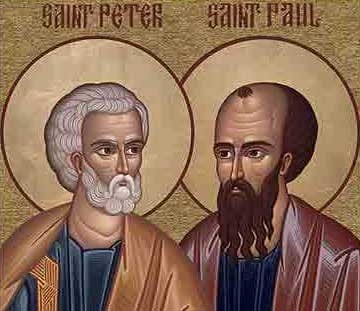
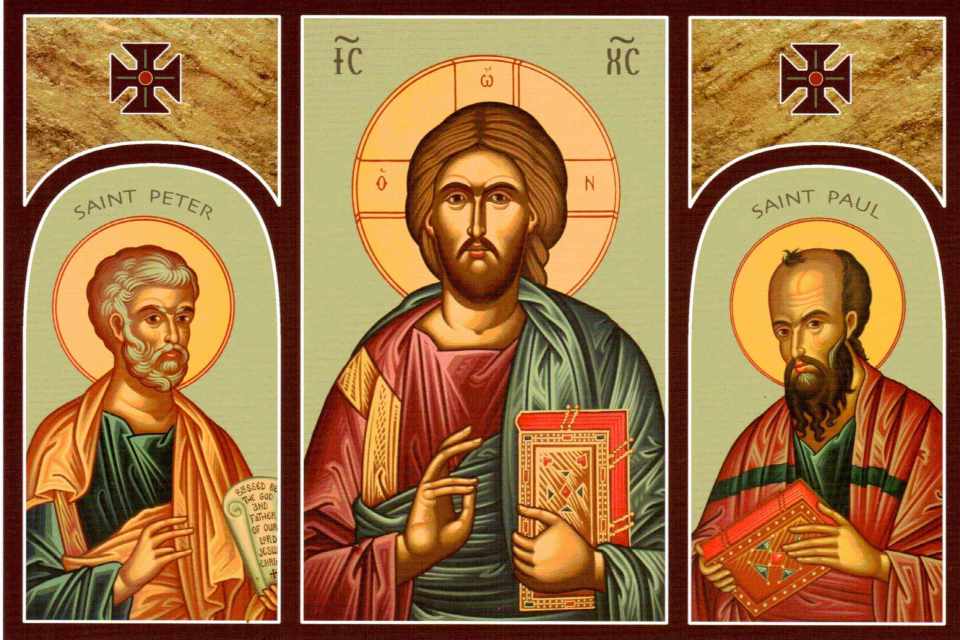
One is neat, one is a slob. Both are divorced and need a place to stay. From 1970 to 1975 a new sitcom aired known as the “Odd Couple, which featured  two men who had almost nothing in common apart from their need of a place to stay. What drew these two men together over a 5-year period however, made audiences fall in love with their antics and charades and the title of “odd couple” never left them no matter how close they came to each other. This past week, the Armenian Church celebrated the “Odd Couple.” No, I am not speaking of the beloved characters of Felix Unger and Oscar Madison, but rather another odd couple, who much like the characters in the show, had nothing in common and they came from very different walks of life – St. Peter and St. Paul.

St. Peter was a simple man, a fisherman, who right from the early ministry of Jesus, followed, learned and was known by many as one of Christ’s most beloved disciples, so much so, that in the Gospel of John we read of how Jesus makes Peter the keeper of his Church – what has fueled much of the Roman Catholic Churches doctrines. Peter was not educated, he was not an orator. In fact, when we examine his life, Peter failed over and over again even while he was with Christ.

On the other hand we have St. Paul, a man who was very well known in the Jewish world because he himself was a very educated man. He was a student of Gamaliel the Elder, one of the leading authorities within the ranks of the lawmakers of 1st century Judaism. St. Paul began his journey as someone who persecuted Christians. As we also remember St. Stephen this week, we read of how St. Paul or more correctly at the time Saul, was the one holding the cloaks of those who were stoning Stephen to death and looked on approvingly. St. Paul was not with Jesus and as far as we know, he never sat with him, ate with him nor physically witnessed the acts Jesus did during his ministry. Yet, again St. Paul’s letters to the Churches he founded are the plurality of the books in our New Testament to which we turn to as guides. And now when we look at both Peter and Paul’s relationship, it’s safe to say, they didn’t get along at first – they were an Odd couple.

We read of how after Saul was baptized and became Paul, as the Apostle to the Gentiles as he is later known as, Paul didn’t see it as a necessity to follow the “rules” of Judaism when converting to Christianity. Something the other disciples, especially Peter, initially followed very strictly. Even the issue of money arose between Paul and Peter such as how should the monies of the early Church be handled, where should it go, etc. Yet, through their human frailty but Christian humility this “odd couple” shaped and grew Christ’s Church from Palestine, all the way to Rome, France, Greece, Spain and ultimately the rest of the world. This odd couple, just like all of our saints, though very different, lived to the best of their human ability a life centered on Christ Jesus.

A life, that requires 2 things: 
1) The sacrifice , burial and resurrection of Christ Jesus for us and our sins…

and 

2) Acceptance of all that Christ has done and therefore, work.

Part one is independent of us. Whether we believe in God, how much we believe, if we are strong or weak in our understanding of God’s love for us, part one has been done. St. Paul teaches that if Christ had not died and rose from the dead, our faith, our preaching is all in vain and pointless. But He in fact has rose from the dead thereby also giving us resurrection. Christ Jesus has already sacrificed himself and is sacrificed every Sunday on the Holy Altar. So what about the second part?

For this we turn to today’s Gospel, where Christ teaches us through a parable this exact thing in a way we can understand.  A man gives money out to his slaves and says, “do business with this (meaning use it), until I return.” And upon returning, he called all those he had given money to and demanding to see what they had done with them. The two who had used it in various ways and grown the money were blessed and rewarded with more, but the one who hid the money out of fear was punished and stripped of even that amount. It is likewise with our faith.                                                  

God, through Christ Jesus, has already given us salvation, through grace has given us the means, the tools, by which we then must “do business with.” Meaning we are endowed, we are trusted, through the Holy Spirit, to bring forth the fruits of the Spirit (Galatians 5:22-23). And so Jesus is asking, what will we do with what we have been given when God calls us and demands from us? Here is a thought, as we now are on the cusp of New Years, a new decade, a new day, a new moment; as we are making resolution to get healthy or be smarter with our time and money, we are also called and again given an opportunity to invest. To take what we have been given and do something with it, understanding what it is that we are investing in.

If we are trying to be healthy, we can either invest in fake diet fads or invest in time to eat healthy and go to the gym. If we are trying to be smarter with our money, we can either keep buying lotto tickets or build a business or make educated investments. To invest in our faith, we can either hang up blue eyes, light a candle and “pray” when something bad happens, or we can be loving, forgiving, compassionate and do everything we can to build communion with God, without excuses. Regardless of where we are coming from, how old we are, how educated we are – just like Peter and Paul, just like every single saint, all of us, even if we have nothing in common, we have equally been given the same grace and salvation, the same tools, and we have been given the exact same opportunity to use those tools in various ways to invest, to use, to produce communion with God.

My dears, we are in the Christmas and New Years seasons. Where our homes are adorned in decorations as a joyful sign of the holidays. Imagine if we each became a joyful sign, a decoration that adorned this world with the love, hope and faith of Christ Jesus to all. Then perhaps, there would be no “odd couples” because what unifies us is stronger and deeper than our education, our external dress and even our past. What unifies us all, what defines us, what we are invested in is Christ Jesus.

Therefore, as we approach the upcoming New Year, pray to evaluate and understand how and where we are investing our faith in? Are we hiding it away for whatever reason, and for which we will answer for or are we using it and will see the return bring more blessings? May the grace of our Lord Christ Jesus be with us, which has been given to us freely, and may we glorify God the Father, Son and Holy Spirit, by using that which has been given to us to bring blessing to all other in this fearful world, Amen!

Which is true?

Sermon for Sunday December 22, 2019

Passages: Isaiah 40:18-31; Hebrews 4:16-5:10; Luke 18:9-14

In the name of the Father, Son and Holy Spirit, Amen!

“Repent for the Kingdom of Heaven is near.”
“Remember no one is perfect and Jesus loves us all.”

During this time of year, as tinsel is bought, presents are wrapped and trees and front lawns are decorated with manger scenes, the arguments of what and how we celebrate this time of the year are endless. Without getting into the semantics of greetings or the date of the birth of Jesus, many personal ideas of what Christmas is actually about are expressed both from the pulpit and from one another. Often the two mainstream ideologies are that because Christmas is about Jesus Christ coming into world, we must be loving and forgiving and bring kindness to all just as He; or a much harsher reality that, acknowledging who Jesus is and our salvation through Him, we much tirelessly remember to always be in a state of repentance and prayer following the rules set before us for the greater good of our souls. So which is true?

On occasion I remember being asked why certain Churches speak about doom and gloom, whereas other Churches speak about joy and celebration. However, what we often forget is that both sides of the coin are ultimately founded upon 2 principles: 1) We are all sinners and 2) We all need Christ Jesus. Today’s Parable of the Pharisee and Tax Collector is also addressing the same two arguments. One man who is learned in the “rules” of the faith and who is on the surface level exemplary, and another man, who seeing his weakness without God lowers himself in humility. And this is a parable many of us are very familiar with. We know it is about humility and that God raises those who humble themselves, “I tell you, this man went down to his home justified rather than the other; for all who exalt themselves will be humbled, but all who humble themselves will be exalted.”

Yet, in today’s unbalanced world these two images of faith have become extremes. Too many of us focus on the Jesus being the nice guy and only on the surface level appearing to have faith, but likewise, too many of us also feel so disconnected and cut off from God we beat ourselves down. “I am so sinful that not even God could forgive me.” However, both my dears, completely miss not only the beauty of this season but they also deprive us of the communion with God we receive in the reality of what Christmas is.

Acknowledging that we are sinners is absolutely crucial and important, because only by acknowledging is the first step to looking for a remedy. We must all fully understand, that we are no better than others and that we are each chief among sinners. However, to only say we are sinners is not enough because we often don’t understand what it means to sin. Before receiving Holy Communion, we read a list of “sins” or repeat the words Megha Astoodzo but rarely do we contemplate what it is that we confessing too. If we grew up in Sunday School, our idea of sin is best described as an act or thought against the rules of the Church, against God: We did a bad thing. Yet, my dears, sin is everything and anything that breaks communion with God.

This means anything that cuts us off from coming to Church is sin. Anything that cuts us off from each other is sin. Anything that cuts us off from praying and participating in building up this body is sin. If we prefer to sleep in rather than go to Church, we sin. If we walk past a beggar in the street or look to others as lesser, we sin. If we rather sit at home and watch football or baseball, we sin. If we gather in Church for prayer but are more concerned about the bills at home, or our work, or something else is on our mind, we sin. Not because sports, or sleep or worry are sins but because they separate us from God – and sin is everything that separates us from God. Let me take it further, if I as a priest don’t teach truth of faith and only become a buddy or friend for all of us, I have sinned. Because sin is everything that ultimately cuts us off from our faith and our growth in our faith.

If any one of us from priest to greeter, choir to Sunday school student, anyone coming to and/or serving the Church begins to think that we are better because we are hear or because we “know” the rules of the Church – we are sinning. If anyone begins to think they are unworthy to attend Church or are weak and sinful and so they begin practicing an overly zealous idea that I’m not good enough – they are sinning. Because both are extreme approaches which ultimately breaks our communion with God – and that is sin.

Christmas, Easter, Badarak, every feast of the Holy Church, ultimately our faith is about communion with God, Father, Son and Holy Spirit. A God that loves us so deeply that instead of raining wrath, He came down, became human in order to raise us up. Raise us from our graves, from our knees and from our brokenness. And by doing so He also taught us to raise others up, to heal each others brokenness, to humble ourselves not because we are worthless, but because only by stepping down can we pick others up.

Therefore my dearly beloved, to find purpose and reason for this season we should not be concerned whether there is a manger scene in front of city hall or a Christmas tree in the White House. We should not worry about why certain people focus on the joy vs. why some people focus on the gloom of humanity. What are we focused on? Rather, who are we focused on? If we are focused on Christ Jesus, then we should do everything to strengthen our communion with Him. If we are focused on Christ Jesus, then let us humble ourselves as Christ humbled himself in order to help raise each other up. Tis the season of celebration of Christmas, whether it is today, Dec. 25th, Jan. 6th or everyday. To do it justice, to celebrate properly, to grow in faith: we must lay down all power, all honor, all reputation, all vanity, all arrogance, all ego, all individualism here at the Altar of God. Let us therefore, focus on Christ Jesus, not in a manger scene but the living God who is offered up to us every Sunday as we gather for Holy Badarak through the Divine Liturgy. For Communion with God, communion with the saints, communion with each other, Communion is the only way we can be separated from sin and joined to God.

So let us repent for the kingdom of heaven is near and let us love one another for we are all in need of the love of God. And let us remain prayerful and vigilant always to do all we can to not sin but remain joined to God, who raises us and ignites in our hearts the light and love we celebrate in this season and thereby glorify the Father, Son and Holy Spirit, Amen!

You’re All Invited…

Sermon for Sunday December 8, 2019

Passages: Isaiah 37:14-22, 33-38; 2 Thessalonians 1:1-12; Luke 14:12-24

In the name of the Father, Son and Holy Spirit. Amen!

As a child growing up, perhaps we can all remember in part, whenever there was a dinner party such as birthdays, baptisms, Thanksgiving or Christmas, everyone gathered together at someone’s home or perhaps at a restaurant hall. And when it came time to eat, separation ensued as the adults sat at the main table and the kids sat at a smaller and much less decorated children’s table. I remember always feeling frustrated whenever I had to sit at the kid’s table, even as a kid. Now this may have been in part to do with the fact that I was a “bigger” child and those tiny chairs were never comfortable or maybe because the ages range at the kid’s table from 3 to almost 17 years old. Regardless, sitting at the kid’s table was always somewhat lesser. Sure, we were surrounded by our friends and people our age sometimes. But all the good food, all the meat, rice and cheese boregs were on the big table within grasp. Yet, the kids table got individual plates. And if you went back for more food, more than once especially or took a lot of one thing, all of a sudden you could feel moms piercing eyes on the back of your neck staring. Needless to say, the adult’s table seemed so much better. Perhaps the adults were talking politics, religion or sports and you understood nothing – but being there was about rank and acceptance. You had graduated to the upper class; you are now “mature” and higher than the children at the kid’s table. Being invited to sit at the bigger table was about social statues, which brought with it a number of benefits, such as being closer to the better food, being invited to partake in the conversations, and all the splendors that came with that table. Perhaps some of us can remember the first time we were “allowed” or even “invited” to sit at the adults table. It was exciting; You were being called.

Today, Christ teaches us about being called to that adult table. In a parable, a man throws a banquet and invites several guests. Yet, when time comes to attend, each one of his guests finds an excuse not to. I’m busy, I have work, I got married, I’m tired, etc. And so at the time of the banquet, we read that not only do they refuse to go but because of their excuses their invitations are rescinded and given to others.  They are no longer invited to partake – they can’t change their minds.  Ultimately, the master tells his servants if those people aren’t going to attend, bring others “until my house is filled”. For the Jewish audience hearing this parable was very powerful. Because in Judaism, much like in any of the traditions of ancient people such as us Armenians, gathering around and being invited to partake of a dinner table was very sacred. You didn’t share a meal with everyone and anyone. You didn’t just invite random strangers. And by teaching this, Christ is likening the banquet table to the Holy Table, to the Altar of God. For Jews this was even more impactful, because the great banquet table was inaccessible. The Holy table in the Temple, on which the sacrifice was placed and offered to God was only for the high priests to enter and only once a year. So to be invited or called to gather, an invite to be open to every at such a table was beyond words. Yet, unfortunately the Jews listening did not understand that what Christ is teaching is in fact the invitation itself, to gather and to sit at the Holy Table. An invitation that was given to those listeners and an invitation that is given to each of us.

Before we became Christian, before our hearts, minds and souls were illuminated by the light of the knowledge of God, we were children. We sat at the kids table. As St. Paul teaches in 1 Corinthians – “when I was a child, I walked like a child, I spoke like a child…” We were not allowed to sit at the big table. But through Christ Jesus, we each are invited to the adult table, to sit and partake and be in arms reach of the great banquet before us – this great banquet on the Holy Altar.

Yet, now that we have been invited, how many of us finds an excuse? We’re too busy, we’re tired, Sunday is my one personal day, I don’t have time for Church etc. And when something horrible happens and we feel isolated or in the dark, what’s the first thing we often say? Where is God, why does He let bad things happen? My dears, where are we? We are the ones who have rejected His invitation. An open invitation to sit, to pray, to commune with God. To be in His Divine presence in good and in bad times. An invitation that is not limited to Sunday mornings from 10:30 to 1 or to certain Church hours. God’s invitation is constant and always and yes, it begins at this Holy Table from which we are personally called to eat from, but it then extends from here.  If you’ve ever been to an Armenian, Greek, Italian, Jewish etc. dinner, food rarely stays around the table. Sharing of a meal extends from the table to the kitchen, the grill and to the rest of the house.

My dears, we live in the house of God. All creation is His domain and yet, we need to ask ourselves: 1. Are we making excuses when God invites us? and 2. If we have eaten from this Holy Table, where and how are we also taking that which we received to the rest of the world? Because my dears, if we are rejecting this invitation, there will come a time, when that invitation is rescinded, when we can no longer change our minds. And when that day comes, we will be cut off.

The images of Heaven and Hell can be described several ways and that is a topic for another time – much more deeper than merely a short sermon. But we see from the words of St. Paul today, those who reject God “These will suffer the punishment of eternal destruction, separated from the presence of the Lord and from the glory of his might, when he comes to be glorified…” Depending on how this text is translated but suffering the punishment of eternal destruction, of Hades or hell is to be separated from the presence of the Lord.

My dears, God our Heavenly Father through Christ Jesus has invited us each to sit with Him, to Commune with Him from the Holy Table. What is our answer to His invitation? Through the Holy Spirit at our baptisms, we graduate from the children’s table and are called to sit at the adult table, where all of God’s Divine blessings are within our grasp. How will we answer His invitation? And having received and eaten of the life giving bread and wine – the body and blood of Christ Jesus – we are called to then go forth and be a light to the rest of this world so that this house of God may be filled. What is our answer to His call?

“Blessed is anyone who will eat bread in the kingdom of God!” This, my dears is where the Kingdom of God begins, where we are invited to eat, to drink, to commune. Blessed are we and all humanity and creation by our Father in Heaven, now and always, forever and ever. Amen!