Family Tree

Sermon for Sunday September 8, 2019
Passages: Isaiah 61:9-10; Galatians 3:24-29; Matthew 1:1-17; Mark 7:31-37

In the name of the Father, Son and Holy Spirit, Amen!

Who are we and where do we come from? This question can be viewed from several different places. The existential idea of where did life begin, what was it like and ultimately leading us to understand who we are as human, as men and women? This is one way to address the question. Another may be from the cultural aspect or maybe our family tree; Our genetics and predisposition to certain illnesses. Today, I am sure many of us have participated in the 23 and Me, Ansestory.com or other such DNA databases, which can answer these questions on a more biological or anthropological level. Knowing our dynasty and our lineage is a powerful thing because for many of us it can describe who we are as individuals. And knowing who we are is vital in our growth and development. It’s no wonder that some of the greatest philosophers and thinkers of the ancient world emphasized this idea of “know thy self.”
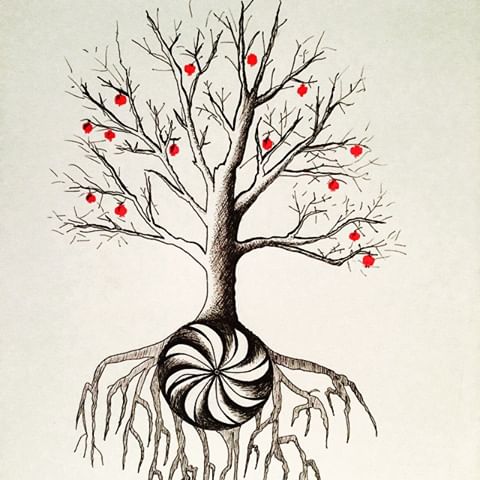
In fact this is so important that the very first chapter of the very first Gospel found in our Holy Bibles begins with the lineage and family tree of Christ Jesus. The Gospel of Matthew – starts with “The book of the genealogy of Jesus Christ, the son of David, the son of Abraham.” (v.1) To understand why Matthew begins this way, we need to understand that St. Matthew wrote his Gospel for a Jewish audience. And for Jewish listeners and reader genealogy was extremely important. If you ever get a chance to read the Old Testament in full, you will see how many times family trees are described. What is unique about Matthew’s genealogy compared to the others found in the Old Testament is that it contains the names of women. Who are these women? Tamar, Rehab, Ruth, and Bathsheba. They are neither Jewish and if we examine their lives, they were in fact dishonorable and extremely sinful women. The only honorable women mentioned is the Virgin Mary, as the genealogy concludes with “…Mary, of whom Jesus was born, who is called Christ.” (1:16) So what can we understand, what is our take away from today’s Gospel?

My dears, what kind of people did we say were listed in this genealogy? Sinful, prideful, adulterous, arrogant, vengeful, law-breaking, etc. Abraham, called by God “the father of many nations,” lied to his wife, twice. David, known as “a man after God’s heart,” is also an known as an adulterer and murderer. Uriah’s wife, Bathsheba, was the one with whom David committed adultery. Rehab was a prostitute, Ruth entered into a marriage forbidden by Jewish law, the list goes on and on. Yet, out of this family tree, a sinful and frail tree was born the sinless and salvific Lamb of God – Christ Jesus.

St. Severus, a 6th century Patriarch of Antioch notes “By this means the genealogy revealed that it is our very sinful nature that Christ himself came to heal. It is that very nature which had fallen, revolted and plunged into inordinate desires. When our nature fled from God, he took hold of it. (exile) When it dashed out and ran away in revolt, he stopped it, held onto it, enabled it to return and blocked its downward spiral…Christ therefore took upon himself a blood relationship to that nature which fornicated, in order to purify it. He took on that very nature that was sick, in order to heal it.” Another one of our saints writes – Christ taking on flesh and sin did not become sinful but rather cleansed humanity of its sin. Like a piece of broken and dirty metal going into the furnace, it does not break or pollute the furnace but rather, the metal is melted down and made new.

My dear brothers and sisters, we are all sinful. Every day we require the love and healing of Christ Jesus – the fire that melts our impurities away and shapes us into the tool by which we become a light in this darkened world.

Today the Armenian Church celebrates the birth of the Virgin Mary. Mary was not sinless, nor was she special. Yes, she is the only honorable women mentioned in that genealogy, but she was sinful. Rather, she was cleansed and purified when she willing became the vessel through which Christ came into this world. And my dears we too are called to his. If we work with God and willingly act, speak, think, feel the way He commands us to – we each become a vessel through which Christ Jesus enters this world. Through the Grace of God, no matter how broken we are, are much we struggle, how much darkness we are surrounded with, no matter what decisions we have made in the past, no matter how many times we have fallen and sinned, no matter how high in power, statues and riches may have achieved in this life – every day, every moment, every second God gives us the opportunity to choose Him, to choose to be healed and to be healing in this world. Does this mean we will never again fall or fail? Absolutely not! However, through God’s love we are given again another opportunity to try again and again and again!

So if we want to know where we come from, if we desire to learn about our past in order to know who we are, I invite us to look at St. Pauls words today which teaches us, as baptized children, “you are all one in Christ Jesus. And if you are Christ’s, then you are Abraham’s offspring, heirs according to promise.” Therefore, my dears, if we are of Abraham’s offspring, then we also belong to the lineage of Christ Jesus. We belong to the family tree of Christ Jesus. We too are of royal blood. A blood, which was spilt for us on the Holy Cross through the sacrifice of Christ Jesus. A sacrifice through which we are given the opportunity to choose to rise and to be a light in this darkened world. Let us remain vigilant and prayerful and continue to ask God to teach us His ways, to lift us up no matter our shortcomings and to make us instruments by which we will bring glory to Him, to Christ Jesus and the Holy Spirit, Amen!
Living within Fear

Sermon for September 1, 2019

Passages: Isaiah 9:8-19; 2 Corinthians 1:1-11; Mark 4:35 – 41

In the name the Father, Son and Holy Spirit, Amen!

Can we believe in God and still have fear in life? Imagine yourself walking home on a rainy night. You have your umbrella, you have a flashlight, you’re watching where you’re going, you are prepared. Yet, fear is still present in that moment. Being prepared does not take away fear. I am sure many people today in Florida, who we are keeping in our prayers, though they have prepared for the upcoming hurricane, fear is still evident in theirs minds and hearts. However, the fear I am speaking about is not our simple fears like spiders, fear of the dark or the fear of the Bears not having another winning season. No rather, real fears. As parents we fear what world our children are growing up in. As Christians we fear of the battle between the sacred and the secular. Fear of our own demons and personal battles? Addictions and doubts, broken families and bullying. Perhaps we are afraid to show people around us who we are, perhaps we are afraid what our friends and colleges will think if they knew that we believe in God? We are afraid of what people will say if we don’t live a popular life vs. a spiritual life?

Fear comes in many forms. Every single one of these fears is like being in a storm and having no control. Fear often times feels like raging waters, filling the boat. The disciples today, we read of how they were afraid when a storm arose around them. The reality that they could die was evident. And yet, when Jesus awoke, the very first thing he asked, “why are you afraid? do you not have faith?” Jesus is asking, why are we afraid, where is our faith?

When the priest turns during Badarak towards the people, what does he say is the Eucharist – the body and blood of Christ? “This is faith, hope, resurrection, forgiveness and remission of sins.” These words are separated by a comma not an and or or. Though this is grammatical, yet there is a theological importance behind it, because neither one of those things can exist without the other.

A few weeks ago we read that faith is what? Assurance of things hoped for (Hebrews 11:1) Meaning faith cannot exist without hope. But what is it that we are hoping for, what is it that we have faith in? If we are to accept that fear cannot exist where faith is, then we must begin by realizing that fear is the denial of hope. Fear is hopelessness and hopelessness is denying God of His love and mercy.

When Cain sinned, we read of his fear. His fear made him believe that his sin is too great for God to forgive (Gen. 4:13) – he became hopeless. If we have faith which is hope, then we need to understand that a hope in God demands trust in God. King David says in psalm 56:3 – “When I am afraid, I will put my trust in you.” Why? Because trust also requires and begins from our hearts. Christ Jesus teaches us where our hearts are there also will our treasures be. What greater treasure, what is more valuable then our trust? That is what it means when Christ teaches us to love the Lord God with all our heart. It’s not about a feeling – no it is about our trust. That is why where there is fear there cannot be faith.

Does this mean we are never supposed to be afraid? No, my dear brothers and sisters. Life is difficult and fear is a natural expression for each one of us. Fear is human. In scripture we read of Jesus being afraid – in the Garden of Gethsemane. Yet, Jesus in his humanity, though being afraid, in his divinity he teaches us of placing our trust in God. Because fear should lead us not to hopelessness but rather to trust. So how do we trust in God, how do we remain hopeful in times of trouble?

Through peace, humility, through repentance and confession. Many times I have spoken about our actions being a reflection of our faith. Yet, in order for us to act on our faith we must begin by preparing ourselves. This is something we all neglect. When we look at today’s story of the calming of the storm, what is the first thing that Jesus does upon waking up? He says “peace, be still.”

At first glance we think he is speaking to the storm only. The story is called “Jesus calmed the storm” and scripture says it plainly that “And he awoke and rebuked the wind, and said to the sea, ‘Peace! Be still!’ And the wind ceased, and there was a great calm.” (v.39) Yet, Christ is speaking to the disciples hearts and minds. Christ is also calming the storm in our hearts and minds. When our mind and our heart is focused, our trust is placed in God – there is peace. Yet, this only happens when we are with God.

When Pilate spoke to Jesus and threatened his life, Jesus answered by saying “You would have no authority over me, unless it had been given you from above…(John 19:11)” That assurance, that hope, that peace through which Jesus answered Pilate, even in the face of death is only achievable when we are in full Communion with God. And for this we are called to grow towards God, my dears, because God doesn’t need my faith, God needs my heart. God doesn’t want my feelings of love, God wants me. God wants to be in communion with each one of us. That is why we hear the word of scripture, and grow in our faith. That is why we see that the Body and Blood of Christ are not merely bread and wine but is Faith, is Hope, Is Resurrection and forgiveness. It is part of being in Communion with God.

It is not the absence of fear, nor the absence of danger, nor the absence of darkness. No, it is the peace that helps us through all of those storms. A peace from God found only when we place our trust in Him. Only then will our actions begin to reflect our faith. Only then can we navigate the raging waters of our life and by doing so, as St. Paul teaches, “by being comforted, we can comfort others.”

My prayer, therefore, my dearly beloved is that we be at peace. A peace not of this world, but peace founded in our trust and hope that is our faith placed in God. A peace that is not afraid of danger but through Christ faces danger, knowing that God loves us and gives has life as long as we remain hopeful. “And the peace of God, which passes all understanding, will keep your hearts and your minds in Christ Jesus.” (Phil. 4:7)…to whom is given all glory, dominion and honor, Amen!

Every Action!

Sermon for Sunday August 25, 2019

Passages: Proverbs 11:30-12:4; 2 Corinthians 6:16-7:1; Luke 1:39-56

In the name of the Father, Son and Holy Spirit. Amen!

 Growing up one piece of advice my mother always shared with me was “don’t boast about your achievements, let others speak about you.” These humbling words from the very beginning taught me the importance of acting out of kindness, love and compassion. How we treat each other, ourselves, the environment, everyone and everything – our actions speak louder than words as the saying goes. Actions that others see, imitate and speak about. Of course, this is nothing new. Almost every Sunday, we hear that as Christians, our actions must be a reflection of the faith in Christ Jesus we profess with our mouths. But what kind of actions?

Only a few short months ago our community prepared, did the work, for the celebration of an ordination. A few weeks ago, again our community prepared and held a successful annual summerfest. Both very different types of events, yet both ultimately which display our actions of our love, dedication and commitment to our Church, our community and ourselves.

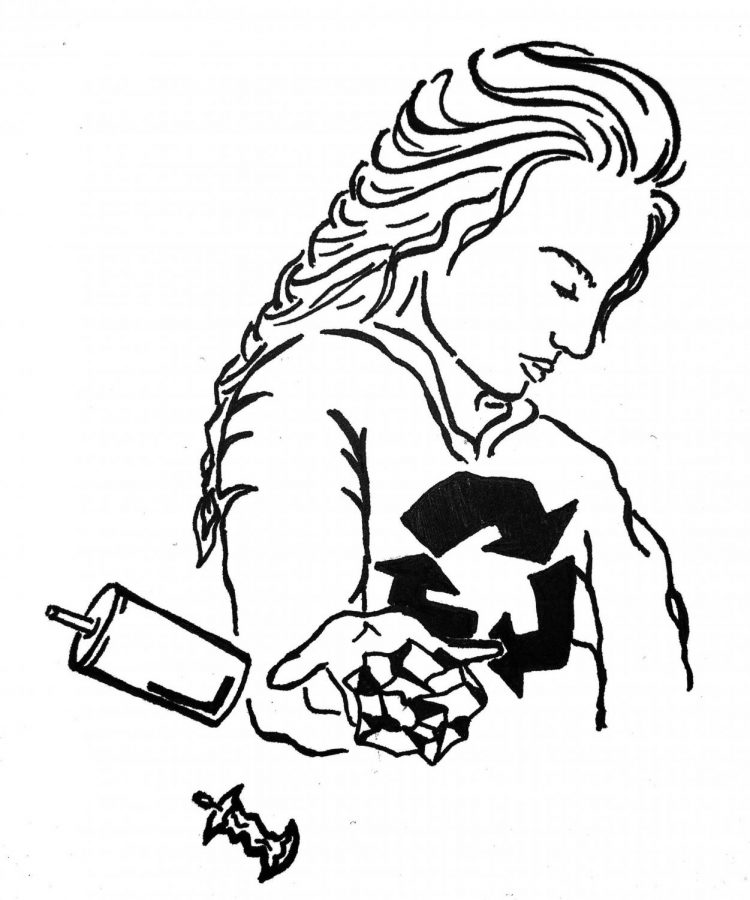
Maybe we didn’t volunteer here but we do other kinds of work. Volunteering to help the less fortunate, helping out with organization which strive to make this world a better place. What if we do things on a smaller scale but just as impactful? Spending time with our families, listening to them, being with them at the best and worst of times. Passing a beggar in the street and not judging them but remembering them in our prayers and if we are able to, helping them out with something to eat or drink? What about not being wasteful with food or trash? Caring about our environment and our surroundings.

My dear brothers and sisters these are the actions I speak of. Every action impacts our soul. A soul that God has given us. A soul that our Ever-Virgin blessed Mother of Christ, Mary says “all generations will call blessed…” What did Mary, a teenager in 1st century Palestine do that gives cause for all generations, meaning all people throughout the years, to call her blessed? The easy answer is she gave birth to Jesus Christ. The difficult answer is she gave birth to Jesus Christ.

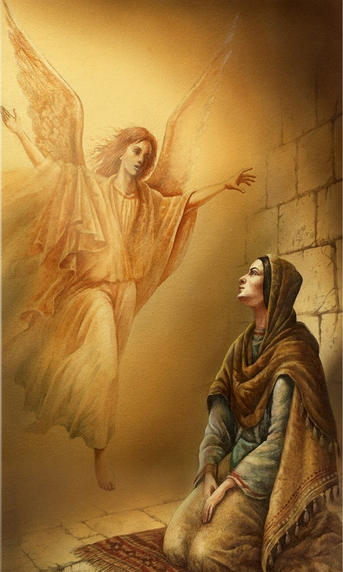
In order to understand her words to Elizabeth more clearly here, I invite us to also look at Prov. 11:30 – “the fruit of the righteous is the tree of life, but lawlessness takes away lives.” Last week we celebrated the feast of Assumption. And during the sermon I spoke about how our Church fathers teach us of how by Eve death came into this world and through second Eve, meaning Mary, life was restored. Their actions had consequences. Mary’s humility in accepting the angels news to become the vessel through which Christ Jesus would be born, exemplifies for us, that through the seed in her womb, she became righteous and she gave birth to Christ – our source of life. Her words to Elizabeth in other words are clearly understand because her soul “magnifies the Lord, and [her] spirit rejoices in God my Savior, for he has regarded the low estate of his handmaiden.” Mary, being only a child, having nothing to offer, being of low estate, is blessed by all nations because she through her humble actions and her faith glorified the Lord. She became the tool by which Christ Jesus came into this world to give life. She became a temple. And the Lord seeing her love, humility, compassion made her praise worthy, rewarded her not only in this world but in the heavenly world as well.

My dear brothers and sisters, what are we offering to the Lord? What seeds are we planting and what will fruit will they bring forth? Especially each of us here, who proclaim with our lips of our faith in Christ Jesus, we who are baptized children of God, what fruit do we bear? St. Paul asks, “What agreement has the temple of God with idols?” (v.16) Let us think, how are we different from those around us? Are we compassionate, loving, charitable? Do we forgive and love without condition? Do we repent of our actions and ask for God to work through us in our neighborhoods, our families, our Churches and our communities? Are we more concerned about public policy and comments on social media or do we act and speak words of acceptance, love and hope? Ultimately, do our actions, like Mary, give birth to Christ Jesus in this world?

As families of people who have survived genocide, persecution, hatred; As the children of those who built Churches and communities, even in the desert – we remember them for their love and dedication. They gave us the opportunities that we have today. We are their faith’s legacy…what will be our faith’s legacy? Do our souls magnify the Lord, and what will generations say about us? Because when the world sees us my dears – they must see Christ. And when Christ sees us, he will boast of about us, he will call us his worthy servants and reward us.

Let us therefore, not boast about our works but humbly act, speak and put our faith to work – and others will speak of what we have done. Christ Jesus will speak of what we have done. And our prayer is that on that faithful day, we will hear the words “well done my good and faithful servant” And as those servants, may we continually glorify and praise the Father, Son and Holy Spirit, Amen!

My Salvation

A man prayed for 10 years to change the world. After 10 years he began a new prayer, praying 10 years to change his country. After 10 years he began a new prayer, praying 10 years to change his community. After 10 years he began a new prayer. He began to pray to change himself. My dearest brothers and sisters, I cannot express the great joy that is in my heart today. Joy to have rejoined you my family. Joy to greet you as Der Andreas. Joy to acknowledge that I am truly blessed to be part of this body of Christ. A joy only made greater and climaxed through the joy of celebrating Holy Badarak. And today’s celebration of Badarak comes on one of the most blessed feasts the Assumption of the Holy Virgin Mary.

Truly I say this is one of the most blessed feasts because it shows an immediate participation of us, humanity, through Mary in the salvation of the world. All of the great feasts in the Orthodox Church teach us and remember the present reality of Christ Jesus and the salvation He brought to us through his death and resurrection. Yet, today by remembering the ever-virgin Mary, we see that each of us must also play an active role in that salvation.

Having just been ordained into the priesthood, I am sure many-many of you wondered as to what it was like to spend 40 days after ordination in seclusion. No phone, no Internet, no family, no real connection to the outside world and its distractions. As our Primate and my spiritual Father Bishop Daniel mentioned, those 40 days are meant to be a time of reflection for all of us. Through prayer, fasting, meditation and contemplation each one of us is called to place our faith in Christ Jesus and to humble our egos allowing God to work through us.

Having come out of these 40 days, sadly I was again greeted by hearing about mass shootings, hatred, and racism. Undoubtedly when we see and hear about these atrocities whether on a large scale or perhaps on a more personal level, we begin asking why and how much longer? Why don’t our politicians or police, why don’t those people in charge do something? Tougher gun laws, more in dept screenings, taking away the guns – are all slogans we hear. Yet, my dear brothers and sisters, how many of us stop, reflect, and pray that real change can only come through the individual and not the system.

When we go to the doctor because of a sickness, does the doctor treat the entire body or a specific area? A specific area because by healing the cells, by healing one area, the entire body finds relief. Likewise, the same is with our world. Instead of worrying about changing the world God invites us everyday to begin by changing ourselves. Instead of shouting through the streets in protest, God wants us to use our mouths to spread love. Instead of holding onto false hope in the material and temporal, God is calling us to hold onto each others hands, to lift each other up, to bring salvation into this world.

The Holy Mother of God, humbled herself and her understanding, and became the vessel by which God came into this world as Christ Jesus. We to must humble ourselves and become vessels for God to come into this world. Regardless if we are priests, men, women, children, choir members, Altar servers, dues paying members, whether we are living in luxury or suffering quietly, each one of us is called to be an active participant in the story of salvation. And that is the greatest joy in the world – to know that God loves me and I love God and my love of God is something I can share with everyone.

St. Anthony the Great teaches us that “our life and death is with our neighbor. If we gain our brother, we have gained God. But if we scandalize our brother, we have sinned against Christ.” My dear brothers and sisters, how do we treat each other and the ones we don’t know? How do we treat ourselves? Do we want to change the world? Do we want to see how communities grow? Do we want to see St. Gregory Armenian Church prosper? Then we must begin like the Holy Virgin Mary, praying and saying “let it be to me according to [Gods] word.” And the word of God is Christ Jesus – who calls us to repentance, to humility, to forgiveness and to love.

If you’ll notice, none of those things are based on feelings – they are all actions. Our faith demands action. Because actions are the fruits of our faith. These grapes which we bless today, we pray produce fruits also in us of our faith – produce actions not just feelings. Starting with our own hearts, minds, mouths, feet and hands. Those actions grow from this joyful celebration of Badarak and must continue out the doors and in this world.

Therefore, as your new priest I invite us all today along with my clergy brethren, let us look to the gift of salvation that has been given to us. Having received this blessed let each one of us take it and change the world. And doing so we will continue to glorify the Father, the Son Christ Jesus and the Holy Spirit. Amen!

What lies Within

Sermon for Sunday June 23, 2019

Passages: Zechariah 3:7-4:9; Hebrews 9:1-10; John 10:22-30

In the name of the Father, Son and Holy Spirit, Amen!

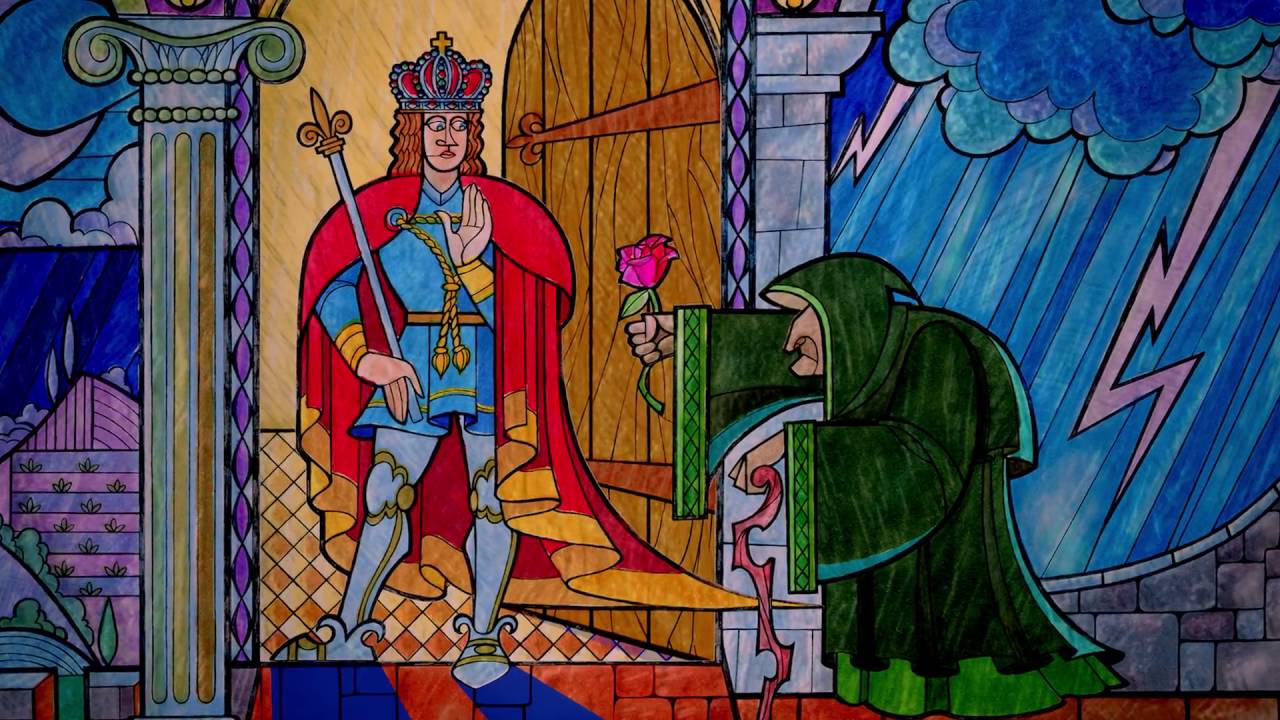
Once upon a time, in a faraway land,
A young Prince lived in a shining castle.
Although he had everything his heart desired,
The Prince was spoiled, selfish, and unkind.
But then, one winter’s night,
An old beggar woman came to the castle
And offered him a single rose In return for shelter from the bitter cold.
Repulsed by her haggard appearance,
The Prince sneered at the gift,
And turned the old woman away.
But she warned him not to be deceived by appearances,
For Beauty is found within.
And when he dismissed her again,
The old woman’s ugliness melted away
To reveal a beautiful Enchantress.
The Prince tried to apologize, but it was too late,
For she had seen that there was no love in his heart.

Those who know me, know that I really love Disney. The cartoons, the amusement park, the stories, they all capture the imagination of a child and to this day, I am sure like me many of you enjoy Disney. And one of my favorite cartoons produced by Disney was Beauty and the Beast. Perhaps it was because I related to the beast, who was large and loud. Regardless, much like any of those classic cartoons, each story had a deeper lesson, something to take away and learn from. And the opening prologue of beauty and the beast illustrates a very powerful message, one that is deeply scriptural. The beast, who was still a prince, because of his arrogance, pride and lack of love as is stated, was blinded and deafened to the warnings and truth of the woman who had come to him for help. He could not recognize what was being offered to him. Much like the Pharisees in the Gospel, because of their sinfulness, their arrogance, pride and lack of love in their hearts, they had become blinded to what was taking place in front of their eyes. They could not understand who Christ was and what was being offered to them.

Repeatedly we read about how those men, who were considered educated and law-abiding, argued and fought against Jesus and what he and his disciples were doing. And in today’s Gospel, we see them out of frustration acting out, “So the Jews gathered round him and said to him, ‘How long will you keep us in suspense? If you are the Christ, tell us plainly.’” Who among us hasn’t asked this question? Who among us has not asked “where are you?” Now a days especially, with articles being no longer than 250-500 characters, we want the answers fast and plain or else we just move on to the next thing.

How does Jesus answer us? “I told you, and you do not believe. The works that I do in my Father’s name, they bear witness to me; but you do not believe, because you do not belong to my sheep.” (vv. 25-26) Jesus is saying I showed you through my actions. What actions? He hadn’t been crucified or raised from the dead yet. He hadn’t even raised Lazarus. So what works done in the name of Father? Only a few weeks ago we read in the narrative about Palm Sunday, that people believed because he had raised Lazarus from the dead. So people saw the extraordinary and said, yup that’s our guy. Yet, at this point though Christ had performed many miracles and healed many, the people were not satisfied – they remained blind. Because they’re arrogance, pride and lack of love had blinded them to the greater gift that was being offered to them – the love of God.

We often say that God is love, yet, we then begin defining Gods, we define love in our own way, through our own understanding. This is why certain Church practices over time get twisted and even perverted. We confuse the unconditional love of God with the unconditional approval of God – which does not exist. If God approved unconditionally then Christ dying for us on the cross was pointless. No, rather the unconditional love of God proves exactly the fact that no matter who we are and what we do God’s love is present but we need to recognize it and begin living it in our own thoughts, words and actions – our external must reflect our internal. In Zechariah we read, “If you will walk in my ways and keep my charge, then you shall rule my house and have charge of my courts, and I will give you the right of access among those who are standing here.” (v.7)

You see, God is placing a condition; if we walk in his ways and keep his charge, meaning commandments, then we will be blessed. When we put away our own arrogance, our own preconceived concepts of right and wrong, when we focus on the image of God that we are created in, and through repentance, we turn away from sin only then will we recognize and see Christ Jesus and who he truly is. We will recognize the deeper beauty of our faith, an intimate relationship as children of God. We will know who Christ is not 2,000 years ago, but we will know who Christ is, where Christ is today. Because Christ is known through his works, as he said.

My dears, those works are done through each one of us. How we treat each other, how we show love and respect even with those who we do not agree or approve of. By recognizing what Gods true and freeing love is, and by living it likewise through our own actions we begin to be Christ for others to see. And ultimately we begin to see Christ in each other.

As the prologue of beauty and the beast says, the ugliness melts away to reveal beauty. Christ’s love melts away the ugliness of this world so that when we see a beggar in the street, we see Christ. When we see the prostitute or drunkard in their darkness, we see Christ. When we see people struggle with addiction, brokenness, when we see tears and when we see smiles, we see Christ. As St. John Chrysostom teaches, if we don’t see God out there, we will never see him in here. And it is this beauty that is revealed to us.

The beauty that we are all created in God’s divine image, we are all his children. A beauty of a life founded in Christ Jesus who loves us and gave his life for us, in order for us to live. And when we live that life and remain in Communion with Christ – we strengthen our communion with God – because the Son and the Father are one. Meaning when see Christ in each other and in ourselves, we see a living God, a loving God, a forgiving and compassionate God who loves us each and desires for us only the best.

Will we like the prince, like the Pharisees and other Jews, become blind and search for love and beauty according to our limited ideas? Or will we allow Gods divine love to open our hearts and minds and to cleanse of our sinfulness in order for us to immediately recognize who God is in our lives? I invite each of us to reflect and search our hearts and minds – to approach the Holy Altar not with our own ideas but according to Gods commandments. May our works likewise reflect Christ in the world, so that when people see us and hear that we are Christian, they will say “here is Christ, here is a true Christian – a healer and a witness of God’s love in this world.” May the grace of the Holy Spirit be upon us and enlighten our hearts and minds to see Christ in our lives, Amen!

Answering when Called

Sermon for Sunday June 16, 2019
Passages: 2 Kings 2:1-15; James 5:16-20; Luke 4:25-30

Remembrance of Prophet Elijah

In the name of the Father, Son and Holy Spirit, Amen.

In only 2 shorts weeks, our community will gather along with many other Chicagoland Armenian’s and guests in celebration and in the election of a new priest. Yes, as that individual I am both excited and haunted by the sheer responsibility of answering this call to the Holy Priesthood. This is truly a blessed celebration, as we ask God to ordain through the imposition of our hands someone, we the people choose to lead and shepherd us towards God. Yesterday, Bishop Daniel and I read over the prayers of the service in order for me to truly understand and embrace the meaning and something stood out to me. In each of the prayers, the Bishop is asking God to bless the individual but concludes with “likewise bless all those present” – all people. Repeatedly, the term and also us or and all who are present are emphasized begging the question, who is actually being ordained? Who is answering the call?

Whenever we speak about the authority or vocation of an individual who is becoming a priest, we ask, “when did you receive your call?” Ultimately this is what being a priest is, answering a call from God to serve – the Church, the people, God. Yet, this idea of receiving “the call” is very obscure to us as Orthodox Christians. It is as though for that one individual someone may have knocked on their door and said God is calling for you to be a priest. Or perhaps a phone call, maybe another priest seeing their potential made a comment. Perhaps the heavens opened up and an angel from above said you must become a priest. I don’t know – perhaps all of the above. The reason I don’t know is because “the call” for me was not like this. And unfortunately through movies and stories, we have romanticized what being called means or what being a priest is. We have blinded and deaf to the truth.

I once read a story about a gay prostitute who lived on the streets of Philadelphia, Pennsylvania. If you saw this person from behind, you could never tell that he was a man. Very well dressed, expensive clothes and wigs. And the way they walked, from behind you would say he was a woman. One day, this man, all dressed in women’s clothing walked into a Church. What drew him in he wasn’t sure. But, he kept coming back. Until one day he disappeared. The pastor, who had built a relationship with this person, reached out but to no avail. A few years later, as the pastor was preaching, a couple walked into Church. The woman was fair but the man next to her was big, muscular, hairy and gave the impression of being a lumberjack or construction worker. As the pastor preached he thought nothing of it, new people! Afterwards, this couple came up to the pastor and thanked him for his service. However, the pastor could not help but stare into the eyes of the man, whom he instantly recognized as the gay cross dressing man from a few years back. This man had completely changed his life. He had gotten married, come to faith, and had opened up his own business. However, because of his previous life, he was sick and dying of AIDs. Regardless, the pastor embraced and received this new couple into the Church and asked for them to continue coming back. One day, the pastor received a call from the mans wife. In a broken voice, she said that the man wanted to speak with him but was too weak. The doctor’s had given him a few more days to live – his sickness had taken over. Hearing the heavy breathing of the man on the phone, the pastor only listened, thinking of what he could say to comfort this man. But instead of praying for comfort or easy passing, instead of giving him final rites and saying that Christ would meet him in heaven, the pastor prayed that God give this man strength to be a witness to others of the life in Christ Jesus. My dears, that man lived for another 4 years and began a program to help homosexual and straight male prostitutes out of the life they lived and which was ultimately killing him and them.

My dear brothers and sisters, this man did not become a priest but he answered his call. God is calling each one of us. No matter how old we are, no matter what profession, what gender, what side of the world, what political affiliation, what color skin, no matter what, God is calling. No matter if we are on the lowest level of sinfulness or we are preparing to become priests, each one of us is being called. Because we have lost sight of our relationship with God, because we have created platforms and barriers, it is this truth that we have become blinded and deaf to. St. Peter calls us a nation of Holy Priesthood. Each one of us, who bears the name of Christ, baptized children – no matter if you preach from the pulpit with your words or from the back seat of the car with the life you live.

In the later of James today we read, “The prayer of a righteous man has great power in its effects.”(v.16) Yet, the righteous are those who are made righteous through faith in Christ Jesus. The righteous are those who listen and answer their call. A priest is not someone with special powers, or someone who is sinless. In fact the Church fathers teach us that as priests we are even more culpable and more sinful, because we know the truth and still fault. No, my brothers and sisters. God is the only one who makes us righteous. A life through the Holy Sacraments, a life lived through the Holy Church, a life in Communion with GOD bring forth righteousness – IF we answer his call. Philippians 3:9 – “and be found in him, not having a righteousness of my own, based on law, but that which is through faith in Christ, the righteousness from God that depends on faith;”

My dear brothers and sisters, when will we answer “our call”? Serving one another, lifting each other up, sharing love and living in a life of repentance and continual communion with God. Christ came into our darkness and broke our chains. Christ came and healed the sick and called saying follow me. Christ stands in our tomb, as he did with Lazarus and calls.

And we are invited my dears to answer His call. To live a life of righteousness – to be a witness of Gods love, hope, faith and healing. To serve the Church, the people and Him. Therefore, yes in 2 weeks I will begin my new journey of answering my call, but my journey does not end there – because by becoming a priest I do not yet answer my call. No rather, everyday God will call me, just as he is calling each one of us. Today is Fathers day and we celebrate and remember those fathers and fatherly figures who have answered their calls, as physical, spiritual and fathers of all capacities. Let us answer our call, let us heed to the voice of God in everything we do, in the relationships we have with each other and with ourselves. Because only by growing in faith ourselves, will we be able to guide others. And together let us ask for the grace of the Holy Spirit to be upon us, to cleanse us, to open our eyes and hears to the righteousness of God, now and always forever and ever. Amen!

 Therefore I ask, do we hear Gods call for us? What will our answer be?!

I didn’t know!

Sermon for Sunday May 25, 2019

Passages: Acts 20:17-38; 1 John 3:2-6; John 9:39-10:10

In the name of the Father, Son and Holy Spirit. Amen!
Christ is Risen. Քրիստոս Յարեաւ ի Մեռելոց. (Krisdos Haryav i merelots)

There was a man who was speeding down the highway. All of a sudden, he sees police lights behind him, frantically and in a surprise he pulls over, honestly confused as to what he had done. The police officer approached the car and asked “Sir do you know why I stopped you?” “No,” replied the man. “You were driving over 100 miles down this highway, that’s illegal,” replied the officer. The driver confused asked, “why does it say 101 on those signs?” Now the police officer confused answered “because this is highway 101.” Apologetically, the man said “I am so sorry officer I didn’t know, may I please borrow your phone?” “Why?” asked the officer. “My brother is driving on 401.”

I am sure many of us have heard this humorous story. The first time I heard it, the man who was speeding was Armenian. Regardless of the ethnicity of the man, the story has no ending because of its nature of being a joke. But almost all of us know what it’s like to be pulled over. And the excuse, “I didn’t know” does not hold merit. Not just for driving but all legal matters. As adults living in today’s society we must live according to a certain rules and laws and our lack of knowledge or our lack of agreement with certain rules does not negate our responsibility of living accordingly.

What about within our Christian faith? As humans we know that we are sinful. Throughout scripture, history, current events, our own personal lives we see the sinful, godless behavior – whether it is hateful ideologies, bigotry, sexism, racism, mistreatment of our fellow man and all creation, etc. sin is evident. 1 John 3:4 states that “Every one who commits sin is guilty of lawlessness; sin is lawlessness” What is sin? lawlessness. And freedom from sin, freedom from lawlessness comes only through Christ Jesus – who came to die for our sins. To defeat death and raise us up. This is why we are constantly called to repent, to turn away from our sinful life, confess our sins and ask God for help. Not the confession, which we do here on Sundays, which often feels like a laundry list of things we may or may not have done, recited in a language we may or may not understand. But a real confession, a personal opening up and sharing with God through the priest in order to receive forgiveness, to be put in the right.

Though one thing that strikes me often is the line in the confession that we read here in Church, “willingly and unwillingly, knowingly and unknowingly.” In the secular system of law we just said that there is no excuse for not knowing the law, and in our Christian faith we are asking God for forgiveness for our sins, or lawlessness, of those thing we did even without knowing. Yet, because faith is a matter of eternity and our relationship with God, I wonder, and many people have asked me what about all those people in the world who did not know about God or have a chance to come to faith in Christ? What about people who did their best to live a life of faith but had doubts or difficulty, or because of darkness and hardship they strayed away from faith and didn’t learn what it means to really be a Christian?

My dear brothers and sisters, unlike the laws of man – which are fallible and created to bring temporary sustainability, the laws of God which is the love of God is there to bring people, bring creation closer to God, to foster a deeper relationship. If we truly understand laws vs. love of God we understand that there is no such thing as committing a sin unknowingly or unwillingly. As humans, we have been given free will. We have been given choice. It is our choice, right or wrong, left or right, our will or Gods will. Whether education, family, culture, surrounds, etc. influence us, ultimately all decisions are ours. But what we cannot choose is what we do not know. In secular law there is no excuse of not knowing, yet, for God who is just, loving, caring not knowing is part of life. Jesus tells the Pharisees, “’For judgment I came into this world, that those who do not see may see, and that those who see may become blind.’ Some of the Pharisees near him heard this, and they said to him, ‘Are we also blind?’ Jesus said to them, ‘If you were blind, you would have no guilt; but now that you say, ‘We see,’ your guilt remains.’” If we are blind, if we do not know, if as humans in our frailty did not learn, never had the opportunity to learn about our relationship with Christ, then we are not at fault.

Therefore, there is no sin that is done either unwillingly or unknowingly. Whether you want to call it our conscience, the little voice in our heads, or the gut feeling, we all know right from wrong. And we make our choice freely. Even if we have not come to Church or Bible Study, sometimes we naturally know. St. Paul writes that Gods law is written on the hearts of man. We already know. But if we honestly do not, then we are not at fault. In Armenian we have a great saying, “do not be ashamed for not knowing, be ashamed for not learning” – Ամօթ չէ չգիտնալը, ամօթ է չսորուիլը

My dear brothers and sisters, our real lawlessness, especially for us in Church and to us who have been given the opportunity to know is that we are too often careless about our faith. We are satisfied by cheap grace. We think that coming to Church on Sunday, volunteering, signing a check, or maybe serving in choir or on the Altar is enough for our faith. No my dear brothers and sisters. Not even becoming a priest is enough. As I said earlier, the secular laws are there to keep us in place, but Gods laws are there to raise us up, to help build our relationship with Him. That is why Christ continues by saying, “I am the door; if any one enters by me, he will be saved, and will go in and out and find pasture.” (v.9) It’s not wrong to not know it is wrong to be lazy, careless and not learn. It is wrong to be satisfied with the external expression of “christian living” but not desire a deeper relationship and understanding of who God is. Because being satisfied with what we see is the same as watching someone cook a delicious steak but never actually eating it. What benefit is there? If anything we are left more hungry and dissatisfied. That is why too many people today struggle with their spiritual lives.

But God, our heavenly Father, invites us to His banquet table, not merely as spectators. Let us therefore, repent and turn back to God, confess our sins, put away lawlessness, and begin learning. Not how to swing the poorvar, but learning about how to enter the gate, how to enter a life of faith and how to be illuminate our eyes. Christ is Risen from the Dead – may we learn truly what that means.

Amen!

Conversations from the Heart

Sermon for Sunday May 19, 2019

Passages: Acts 17:1-15; 1 John 1:1-10; John 7:14-23

In the name of the Father…

Christ is Risen; Blessed is the Resurrection of Christ! 

Friday morning I got up around 4 am, in order to come to Church so that I could order an Uber to the airport for my trip to New York. I had planned my time and knew exactly when I had to be at the airport. When my Uber arrived, I got in and cordially greeted the drive with Good morning and thank you. I could tell right away, the man became unsettled or nervous. He asked my name and where I was going and checked with the order that had come in through the app. Within a few seconds he asked me if I am a priest. Naturally, being dressed in my collar shirt I answered politely yes, I am the pastor of St. Gregory Armenian Orthodox Church. “What is that?” he replied. “It’s kind of like Catholic but we’re a little different” I quickly answered. He then began to tell me how he knew there was a God but struggled with his faith and was wondering if he could ask me some questions. I obliged. This was a gateway, one I am very familiar with and one I enjoy. However, as we spoke, I paid attention to the road and I felt that he was definitely taking the long way to the airport and kept saying, I wish this drive was longer since I have so many questions. In my head I’m thinking “yes but I’m going to miss my flight.” Thankfully, I did not. I just barely made it as they made the final boarding call.

This scenario of being confronted with questions everywhere I go once people know I am clergyman is familiar and honestly I do enjoy it. Not because I always have the right answers. Rather, I enjoy it because through conversations I create an opportunity to learn. Learn about people, learn about myself, and ultimately to learn about God. 1John 1 reads that, “…if we walk in the light, as he is in the light, we have fellowship with one another, and the blood of Jesus his Son cleanses us from all sin [then we have fellowship with God].” We understand the in order to be in communion with God and to be in his light, we all, each one of us must be in communion through the blood of Christ – Holy Communion, and second in communion with one another. The joining word used is and. Not, if you would like, or, nor any other joiner. Rather, both of these points are emphasized and necessary in order to have a true life of faith done so through a both real bonding with the Church where we receive Holy Communion and with those outside the Church. It does not speak about level of education. It does not say, purity of life. It does not speak of political persuasion or job title. Rather it teaches us that the most important practice, the way to a truly deep faith and a way to obtain a pure life is through the relationship we have with each other and with Christ Jesus. Because through both these things, Holy Communion and our relationships with one another, we begin a process of learning and educating, of our hearts, minds and souls.

The Uber driver ceased the opportunity of having a priest in the car to ask personal questions about his faith. How many of us invite our own priest into our homes or seek a one-on-one opportunity to sit and talk? Too many of us worry about what we will feed priest instead of worrying about how the priest is the one who is coming to feed us. When we gather in Church and participate in Badarak, we listen to the prayers and hymns. We also add our own prayer and seek to strengthen our understanding of God. We enter into a conversation with God – prayer. We are than invited up as baptized Christian’s to partake in Holy Communion – the body and blood of Christ, which was given to us as a sacrifice. Hopefully all this ignites within us a flame that we want to grow and so we continue to also grow a relationship with our priest. But what about everyone else? I just said, that there are two necessities.

When children are mean and do wrong towards on another, we teach them by saying “put yourself in the other person’s shoes.” What about as adults? I seldom think we use this approach. Yet, as adults, as men and women this approach is much more of a necessity because we understand what it means to be misunderstood. We understand what it means to lose, to be frustrated and hurt. We have a lifetime of battles that we struggle with. And yet, in the most cliché of ways, when we say “hello how are you,” do we mean it or are we merely trying not to appear rude?

Last week, the young adult Bible study spoke about forgiveness and that true forgiveness begins when you desire the good for the other through empathy, love and hope. But the way we do this is by physically creating bonds with each other. Knowing who the person next to us is. Not just by name but on a much deeper level. That is why God came to us in the form of a man – in Jesus Christ. To know us, to share with us, to hunger and thirst as we do. And that is what we are being called to. This does not mean we agree on everything or that life all of a sudden becomes easy. No. But by being in Communion with Christ and with each other, by having conversations and relationships we begin to build. We begin to build and grow understanding that it is with each other that we continue to strengthen.

Therefore my dear brothers and sister, I invite us to create and utilizes opportunities to truly understand and put ourselves in each others shoes. Having honest conversations with God through our prayers but also with each other. Today, the Armenian Church celebrates the Feast of the Apparition of the Holy Cross. When at noon on May 19, 351, a bright, luminous cross, appeared over the skies of Jerusalem, centered over an area spanning from the Mount of Olives. Awestruck, the faithful of Jerusalem rushed to church to give thanks and glorify the Lord. My dears do we desire to see the cross in our lives? To see the light of God span over our homes, places of work and relaxation? Then let us place our gaze upon the Altar of God, let us approach with a sincere heart and a desire to understand and learn. Let us participate and receive Holy Communion and be fed by the word of God. And let us use the opportunities given to us by God – whether in the Uber, at work, at school or wherever we may be to then take that love to all those around us. For Christ is Risen from the Dead giving life to all who seek him and believe.

Amen!

Honor thy…

Sermon for Sunday May 12, 2019 – Red Sunday

Mother’s Day

Passages: Acts 13:16-43; 1 Peter 5:1-14; John 5:19-30

In the name of the Father, Son and Holy Spirit Amen!

 Christ is Risen!

This past week, I was invited to attend a wonderful presentation of Armenian culture at the University of Chicago. It was presented by the Armenian Student Association, and featured music, dance, poetry and play. Armenian students of all ages, displaying and paying honor to the Armenian culture for a non-Armenian audience. It was beautiful to see how by reciting and sharing the vast treasures of Armenian cultural art was honored through each student and their expression. And I began to reflect on what it means to honor culture and people.

A few weeks ago, I lost a fellow friend of mine to cancer. And several articles and social media posts were shared, honoring this individual and the life they lived. This past week, the news was again filled shootings and murder. Unfortunately, it has become too much of a reality now a days and to combat this, attempts were made of focus being turned onto not those evils of the world, but rather on the hero’s, the victims. Those who sacrificed their lives for others. To honor the good, by focusing on the lives of these hero’s. So, what does this even mean to honor someone?

We learn from scripture, that we should honor who? Our mothers and fathers. Honor thy mother and thy father – Ex. 20:12 This commandment is unique, because it is the first commandment that gives us a promise. “Honor thy mother and thy father, so that your days will be long in the land that the Lord has given you.” Meaning so that you will be blessed. Well, okay today is mother’s day. Today, especially, we remember to love and to honor our mother’s as best we can. Kids make cards or gifts at school. We share pictures. We talk about our mothers. Yet, mother’s and even father’s both come in several forms. We have our biological parents. Mother’s who physically gave birth to us. We also have motherly figures like teachers and mentors. The Church is our mother – when we are born again from the baptismal font and we receive nutrition and discipline from her to grow in our faith. Likewise, we have Fathers and fatherly figures. We call priest’s – Fathers. We also have God, our Heavenly Father. So what is the criteria for this commandment, and a greater question I have is, what does it mean to honor them?

In the Gospel today, Christ is speaking about all judgment having been given to the Son and that by honoring the Father, we also honor the Son. (vv. 22-23) From this it is clear, that the Gospel is speaking about God the Father and God the Son – Jesus. By honoring the Christ, we honor the Father who sent him. So how do we honor the Son, how do we honor God, or our parents, mother’s and father’s, how do we honor our heavenly Father and even spiritual mother the Church? For those who have been to Armenia or the Middle East, or if you’ve had the opportunity to sit around the table for a dinner with those from Armenia and the Middle East, there is a beautiful custom of toasting one another. When Armenian’s drink a toast we say genats – meaning to life. And though some of these toasts can get longwinded and off topic, for the first 3 or 4 toasts, the sequence is always the same. First, a toast to the gathering and seeing each other – long and healthy life for each other. Second, a toast to the host – long and healthy life for our host. And third, a toast to our parents – long and healthy life or a blessed memory to our parents. Remembering those parents who have passed and/or are still present and expressing gratitude for all they have done for us, as their children. It is a matter of honor to correctly toast our parents and it comes from a special love in our hearts. Yet, something each of us often don’t underline or express, whether it is while we toast our parents or when we think about our biological and especially our spiritual parents – we have to begin from a recognition of being their children. And there is a nuance in this.

Who are we as the children of our parents, of God and of the Church? As children, we are the fruit of love, we are the ultimate expression of family. By recognizing everything that our parents have done for us. Staying up and waiting for us to come home, wiping away our tears from heartbreak, sharing in our joys when we succeeded. Sacrificing from them to give to us. There is a wonderful poem called, “My IOU to Mom.” And a beautiful line in it says, “I remember when there was 3 pieces of pie left and 4 hungry people and you decided all of a sudden you never really liked pie anyway.” Yes, some of those sacrifices were not appreciated until much later.

What about the blessings and sacrifices made by our Heavenly Father? The ultimate sacrifice being of Christ on the cross. When we begin to recognize all that our parents and especially all that God our Father has done for us, their children, we begin to 1) appreciate them much more deeply and 2) we desire to honor them.

For our earthly parents this may be by doing as they have done for us. By living life to the fullest with all the opportunities they have given us. By sharing with others about how amazing our parents are. What about our Father in Heaven? As children of God our Heavenly Father, how do we honor Him and the Church, as scripture teaches us today? Do we share our faith with others? Do we bless others as we have been blessed?

My dears to honor God our Father, to honor the Christ, to honor our mother the Church – we are called to be set aside from others. To be of a higher caliber and standard. How we act, how we speak, how we treat others and how we treat ourselves. If someone looks at us what image of God do they see? When we speak, whether it’s jokingly or in a serious conversations, what quality comes from our words? Christ teaches us to be perfect like our Father in Heaven is.

Does this mean no joking and constantly serious? No! Perhaps our understanding of a perfect child of God is one who does not fall or sway from the Churches teaching? No. Than it must be someone who is strong in faith and lives a pious a holy life? No. These are all ways to be faithful however, it is a matter of our hearts and choices. God in His infinite wisdom gave us earthly parents to learn from, to see and observe not merely a temporal relationship but also the relationship we have with Him. When we mess up and don’t listen to our earthly parents – is the love gone? No. When we pursue our own desires, and fail over and over again – are we cast our from our families? No. If we are a person who is not a perfect child, do our moms and dads say get lost? No. Than why would God our Perfect Heavenly Father, ever do that?

Our ultimate goal is to be in a relationship with Him. To honor the Son, to honor our Father, to honor our Church – we must desire them, love them, seek them out as they desire, love and seek us, their children. Because it is a recognition of our deep relationship with them. The love that He, God our Father has for us, and we desire to honor Him by also doing what he has done for us, for others.

Therefore, to understand how we honor God, I invite us to reflect on what quality of faith and life is it that we live with in order to honor Him. Every time we turn a blind eye to injustice and hatred – we dishonor Him. Every time we lie to ourselves and fill our lives with meaningless satisfaction – we dishonor Him. Every time we choose to turn away from His love – we dishonor Him. Yet, every time we repent and turn back to God’s love – we honor Him. Every time we show our love to others – we honor Him. Every time we come to the realization and He is my Father and I am His child – we honor Him. Share your faith not merely by posting it on social media but by acting it out. Love others not merely by feeling bad but by giving of your time, effort and money. And by honoring our Father in Heaven, just as we honor our father and mother – our days will be long and our blessings plentiful. Even in our darkest hour, even in our tombs, we will hear His voice and rise to life. I pray, therefore, in the words of St. Peter – let us “humble [y]ourselves therefore under the mighty hand of God, that in due time he may exalt you [us]. [Let us] Cast all [y]our anxieties on him, for he cares about you [us]. Let us care for others as we have been cared for. Yes, today is mothers day and we honor all of our mothers and wish them genats – life to the fullest. Let us likewise remember to also honor our Father in Heaven and our Mother the Church, who gave us such wonderful earthly mothers. And by honoring them, through Christ Jesus, we too will rise with Christ because Christ is Risen from the Dead!

Amen!

The Church is the Royal Priesthood

Sermon for Sunday May 5, 2019 Sunday of the World temple (Green Sunday)

Passages: Mark 3.6-12; Matthew 8.18-9.8; 1 Peter 2.1-10

In the name of the Father, Son and Holy Spirit. Amen!
Christ is Risen. Քրիստոս Յարեաւ ի Մեռելոց. (Krisdos Haryav i merelots)

Step by step approaching the Holiness, the pressure was building. Beautiful angelic music in the background, the smells and sounds ultimately building to the excitement of the moment. The priest and everyone gazes upon them. Dresses in white, anticipation builds in the hearts and minds of everyone present. This scene echoes the first moments of what? A wedding. As the bride is led up to the Priest and her betrothed and a beautiful marriage is blessed. What else does this scene echo? The ordination of a priest. The candidates is being led to the Holy Altar to the priests, dressed like a bride in a white robe, preparing for a beautiful marriage blessing. Both are adorned in beautiful hymns and both ultimately are done publically, through the witnessing of each of us – the Church.

And today the Armenian Church is celebrating what? Sunday of the World Church. We are recognizing the establishment of our Church, which was given by God to us. And yes, in scripture we know the story that after Jesus resurrected and ascended into heaven 40 days later, 10 days after that was Pentecost. When the Holy Spirit descended upon the Apostles and they began to speak and teach. So what do we understand by the World Church? What about this imagery of the bride and priest? Ultimately continuing on last week, so what?

First what is the world Church? After all there are many versions of Christianity. And if we are recalling the world church than what is the difference between all those other churches and the Armenian Church? The differences are plenty and we can speak at length about them. And no we are not speaking about some Ecumenical council of Churches. Rather, when we remember the world Church, what we are ultimately speaking of his what the Church is.

What happened after the resurrection of Christ? Through scripture we read that for 40 days Jesus appeared to his disciples and to the people. People witnessed the resurrected Lord. Some recognized him, some did not. But the body of those who believed was growing. And people proclaimed what? The risen Christ. When we come to Church and learn and grow in our faith, we don’t do it to be “nice people” or to get into heaven. It’s up to God who gets into heaven and the world is full of nice people who don’t believe in God. That is not what the Church is for. Rather, when we come to Church, we are here as witnesses, we come here and declare that Christ Jesus, who was crucified and killed, who bore our sins and died, is resurrected. As the hymn says, “he trampled down death by death.” And through his resurrection we also live.  That is the Church.

1 Peter says, “But you are a chosen race, a royal priesthood, a holy nation, God’s own people, that you may declare the wonderful deeds of him who called you out of darkness into his marvelous light.” The Church, each of us, we are a chosen people, we are Gods people and we declare the wonderful deeds of who? Christ Jesus who took us out of darkness and into his light. That is the Church. A community of royal priesthood. The imagery of marriage and priesthood is symbolic of our own marriage and of our own ordination to the royal priesthood. Not a physical marriage or the priest up here. Rather the true bride – the Church, which is made up of us. Meaning we are the bride. And we are the ordained, meaning chosen people of God, we are of the royal priesthood. What is a priest? We all call upon God, we pray to God, we ask for Gods blessings, we want to serve God. We are a royal priesthood, servants of His creation. Physical marriage and the priest in the Church have their own place and purpose, and again we can always speak to the importance of that later. However, the so what comes ultimately when we begin to recognize that we have all been called to serve God, to declare to the world of the Resurrected Lord – to be part of the body, which is the Church, the bride.

Not by words alone, but as the Apostle teaches, “put away all malice and all guile and insincerity and envy and all slander.” We declare by putting our faith into action. Faith has brought us to God. A faith given to all freely to choose. Yet, if we don’t act on our faith, use our faith, than it will diminsh. Faith is our love for God. And recognizing that love He has for us is what should create in us a desire to act on our faith in order for us to also grow in our love for Him.

How? Be kindhearted and forgiving. Be merciful to those who need it most. Stand up for those who are oppressed. We live in first world luxury and have first world problems. And yet, there are those who are around us struggling as if they were in a third world county – because of bigotry, sexism, racism, etc. These things defile the bride of Christ, these things make us unworthy and blind us of the royal priesthood. But the love of God continues and Christ appears to all of us, to become witnesses of His resurrection. In order for all of us to recognize our royal lineage and that we are the Church, we are the great witnesses bringing light into this darkened world. From our fonts to our funerals.

Though I started this sermon with the image of a bride and priest being led to the Altar, we are also led to the Altar two more times. When we are baptized and first become part of this body, of the Church; and finally when we are buried – as our casket is brought before the Holy Altar. These images, these actions ultimately are the reminder, of the realization that we are all invited to serve God, to show our love for God by spreading His love and light into this world and to ultimately declare that Christ is Risen from the Dead, Blessed is His resurrection through us!