Jerusalem Pilgrimage

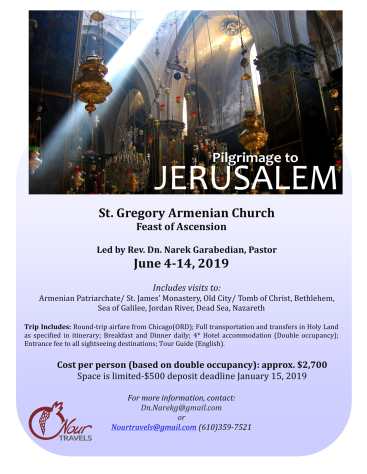
Join us 2019 June 4-14 for a trip to the Holy Land. Jerusalem historically has a unique place in the lives of Armenian’s. King Tigran the Great, for a short time had conquered all the way into Jerusalem. Christ’s 2 disciples Sts. Bartholomew and Ascension Tour-Narek 2019-1Thaddeus, came from Jerusalem to Armenia and preached the Christian faith. The first three crusader queen’s were Armenian. The first monasteries of the Holy Land were influenced by Armenians…

Join us and come explore the richness that is Jerusalem, a diamond in the rough. Explore the land on which Jesus Christ walked on. Be a witness to the “empty tomb” and celebrate the FEAST OF HOLY ASCENSION” from the Mt. of Olives. All are welcome!!

Please contact Nour Travels (nourtravels@gmail.com) or Rev. Dn. Narek Garabedian (dn.narekg@gmail.com) for registration forms. Deposits must be in by JANUARY 15, 2019.

Click the picture for trailer of Armenian’s in Jerusalem

0316zion


True Thanksgiving

Sermon for Sunday November 25, 2018
Passages: Isaiah 36:1-9; 1 Thessalonians 1:1-10; Luke 12:13-31

In the name of the Father, Son and Holy Spirit Amen!

A beautiful feast to celebrate.
Food for us to eat.
Hours of preparation
On Thanksgiving we will meet.
Our tables are full of several things,
Turkey, stuffing and napkin rings.
As Armenians we’ll also have,

Rice pilaf, sarma and more,
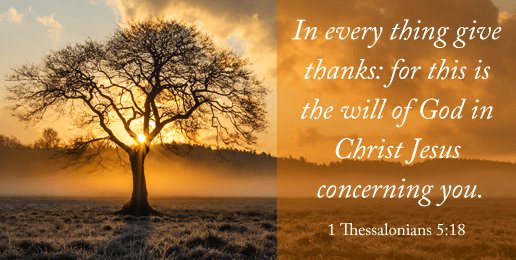
Everywhere food galore.1Thes

Our mothers, sisters and grandmothers,
Toil away to clean and set,
While most of us young and old gentlemen,
Try steering clear this I bet.
And on the TV we watch the game,
Bears crushing the Lions
No surprise there.
And if the weather does hold true,
We can be play a game of football
All the way through.
What a beautiful way to celebrate,
A feast of thankfulness.
With traditions from far and near
As we remember how we are blessed.

Yes, one day a year we celebrate
Everything we are thankful for.
Our families, our health, our jobs
And much-much more.
Yet, in this season of feast and more
I wonder if we care,
About our brothers and our sisters
Who are in need of solemn prayer.
I ask this not to put on guilt,
I ask this not to judge,
But I wonder in my heart, I do
So that my soul would start to budge.

Because this feast comes not alone,
But brings with it a day,
Right after we celebrate what we are thankful for,
We covet each other on Black Friday.
No, to have possessions is not so bad,
But does it give us worth?
When today we remember what we are thankful for,
And tomorrow we shove our brother to the earth.

In the Gospel today we read, a man comes to Christ
Asking of him to help divide ownership of property
And all things he holds nice.
And Christ looked at him and began to teach
That his worth is not in what he owns,
“Take heed, and beware of all covetousness” Christ begins to warn.
“For a man’s life does not consist in the abundance” of all materials he holds dear. (Luke 12:13-31)
No my dear brothers and sisters Christ’s teaching is very clear.
Today we’re here, tomorrow not,
Life is not about what we sold or bought
But our worth that should be defining us
Should be found in our action and our loving hearts.

I wonder in this blissful feast,
If we truly see Christ’s words.
In the way we treat each other
In our prayerful words.
Because I fear our pockets
Have become too heavy for us
To rise up to heaven and be with God,
If so we must adjust.
Our prayers seen in action.
We must change our ways, reflect this day,
Not just random chants and hymns,
Not just words to say.

St. Paul teaches each of us,
“We give thanks to God for all that is true”
Our labors of love, our faith, our hope in Him
For He who has chosen you. (1 Thessalonians 1:1-10)
Yes God has chosen each one of us to bring his love to one another
And only in our faith in actions,
Our worth will be seen by our brothers.
Food and football and all possession are blessings given by God.
But the greatest blessing I am thankful for
Is his love in who we are.
Whether we are in pain and sorrow,
Or we are now at peace.
God’s love has never failed us.
God’s love will never cease.

Christ died for our sins and freed us all,
If we just accept,
The banquet table that is here set for us
Truly is the best.
Yes, on Thursday we gathered for food in our homes
And God also invites us to celebrate,
Around this table up in heaven
Within the heavenly gates.

Therefore, my brothers and sisters dear,
Let us remember once more,
What we are truly thankful for
All that God has given for.
Happy Thanksgiving to us all
God love us my dears,
Let us remember these words during this season
Spreading Gods love instead of Gods fear.


Trumpets…

Sermon for Sunday November 11, 2018
Passages: Isaiah 24.1-12; Ephesians 5.15-33; Luke 8.49-56

Names to Remember: Stephen, Joseph, Alexander, Paul, Michael, Gabriel, Raphael.

In the name of the Father, Son and Holy Spirit…

In 1862 US General Daniel Butterfield camped with his troops trying to recuperate, after a long 7 days of battle during the Civil War. His men had seen the worst on the battlefield and they needed to rest and be prepared for the freedom for which they strived for. According to military custom at the time a bugle was played loudly to signal the time of rest had come for that day. However, the sound of the bugle did not stir anything in General Butterfield’s heart. It was not pleasing to him and he reworked the melody to his liking. Today that melody is heard every time we lay a solider to rest. The music of Taps, was born.

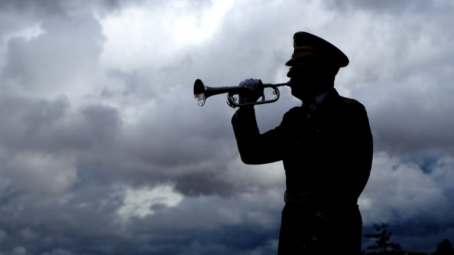
how-did-taps-originates-featured-photo.jpgThough only a few notes, it echoes in our souls and stirs us every time we hear it. Today we remember 100 years ago the fields of WW1,  where this melody was all too familiar. And yet, today though not as often heard but the general public unless you attend a military funeral, but the pain of waking up to hearing the loss of a loved one is all too familiar. And for us who lose that loved one, there is no rest, only memories. The sound of the bugle rings on.

Yesterday, at a youth retreat one of our priests spoke about trumpets. And the sound of the bugle and the 11th of November and the events of this past week resounded in my heart. The bugle is a type of trumpet and trumpets are not associated with quiet or calm music. If any one of you has ever played a trumpet, the control it takes is very difficult. Throughout scripture we read of the trumpet as a instrument to announce battle, life and kingship. We see trumpets at the battle of Jericho. The walls are brought down with a blow of a trumpets call. We see trumpets at the last judgement alerting us of the coming of Christ. Yesterday, we celebrated the feast of the Archangels and it is they who blow the trumpet bringing forth such news in the book of revelations. In 1 Corinthians (15:51-52) we read, “Lo! I tell you a mystery. We shall not all sleep, but we shall all be changed, in a moment, in the twinkling of an eye, at the last trumpet. For the trumpet will sound, and the dead will be raised imperishable, and we shall be changed.” The trumpet raises the dead.

These images are loud and powerful. They are not timid or afraid. In fact the bugle was also played to signal a charge by the military. To be a trumpet player in battle took courage. I rather have a rifle in my hand and be hiding rather than run on the field blowing a trumpet. Like I said yesterday the youth of our Diocese had gathered in New Hampshire and during one my talks I spoke about the “hot topics” or the taboo issues that our society faces today. One of the young gentlemen asked me why don’t we as Christian’s speak out against such issues. Why do we allow hate and wrong thoughts about our faith to be preached. We see extremists of both sides left and right screaming and polluting what Christianity actually teaches, why are we so quiet?

It’s interesting that with last weeks political events and some of the comments I read on social media, truly this mans words spoke to me. Because unfortunately those who are most ignorant are always the ones who have the most to say and the loudest in saying it. This week I witnessed the most awful comments on my social media feed about gun violence, about immigration and about voting. Loud, boisterous, in your face. Why? Without blaming extremists and their loud approach, regardless of who voted left or right or what their views on all the “hot topics” are, the passion that is felt in peoples heart spoke out. Passion for what they believe in. However my dear brothers and sisters, when will we be as passionate about faith?

We are bombarded with hate, violence, pain and darkness in this world. What about the call of God? Not the call done from this pulpit, not one from angels and miracles. But each one of us through our actions, resounding like trumpets. Our voices, our actions which can bring down the walls of Jericho and change the world. Our voices, our actions can raise the dead. Our voices, our actions can announce the coming of the Lord our God. As Christ says, “if we have faith”…we can tell the mountain to move. But we like the bugler cannot be timid or quiet. We must be steadfast in our faith and fully trust in God, in his love. So that we can be a testament of that eternal love both on the battlefield of life and when God finally calls us to rest.

As plain as the melody of taps is, it echoes and stirs the depths of our soul. As plain as our actions may seem, our kind words may seem, it echoes and stirs the depths of our souls. When we share a kind word, when we forgive someone who hurts us, when we simply smile. The weather is cold, perhaps when we go to grab a hot tea or coffee, we can buy an extra one for someone who is sitting on the street. Downstairs in the hall, the ACYOA is collecting items to donate to those less fortunate. Though those who receive will never know us by name, that act will echo louder than the call of the loudest trumpet.

Therefore my dear brothers and sisters, let us not be timid and afraid to proclaim our faith. Let us not incline our ears and hearts to those hateful words of this world. Let us be the calming call of Christ love in all circumstance through our actions. Let us be the bugle’s call who brings peace and rest to this world.

Amen.

My Cross to bear?

Sermon for Sunday, October 28, 2018

Passage: Wisdom 14.1-8; Isaiah 33.22-34.1; 1 Corinthians 1.18-24; Matthew 24.27-36

In the name of the Father, Son and Holy Spirit Amen 

Խաչն կենարար որ եղեւ մեզ փրկութիւն,
սովաւ ամենեքեան զքեզ բարեբանեմք:

Որ ի Հօրէ լուսոյ լոյս ճառագայթեալ ի յերկրի
եւ գաւազան զօրութեան հաւատացելոց,
սովաւ ամենեքեան զքեզ բարեբանեմք:

Որ լուսափայլ ծագմամբ հրաշափառապէս մեզ ցուցաւ
ի յօգնութիւն ընդդէմ թշնամւոյն, սովաւ ամենեքեան զքեզ բարեբանեմք:

The lifegiving cross, which for us became salvation,
Together everyone glorifies.

Which shows the light of the father shine upon the earth,
And is the staff of power for those who believe,
Together everyone glorifies.

Which with great radiance showed us that against our enemy it is our aid,
Together everyone glorifies.

flat,1000x1000,075,fThese are the words, sung by the faithful and by the clergy during Holy Week and Easter and any feast that pertains to the Holy Cross of Christ. It is a long line of beautifully created hymns that have been rooted in deep theology for the Armenian Church. And it magnificently describes what the cross of Christ is for us, the cross that we are remembering today. In the Gospel of Mark we read of Christ telling us to “pick up our cross and follow him.” (8:34) And many people read this passage as bearing through suffering. How many of us have even said about one thing or another “this is my cross.”

If there is one thing that unites us all regardless of age, wealth, health, skin color, politics, etc. one unifying factor is that we have all in some shape or form suffered. We have felt pain whether through sickness. We have felt betrayal from friends and family. We have felt alone. And the words of the Gospel have in some way helped us, because we have accepted pain as the cross we must bear. However, my dear brothers and sisters I ask, are we certain of the cross we carry is truly the cross we have been given?

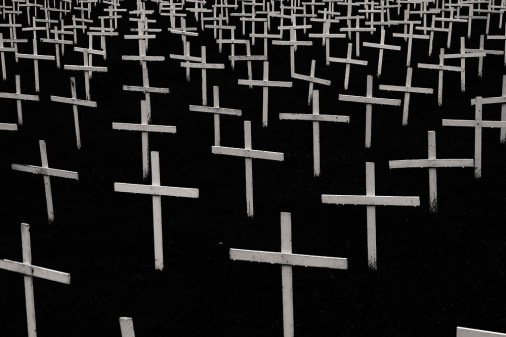
When St. Helen came to Jerusalem, looking for the Cross of Christ, the cross was discovered in a field or graveyard of crosses. As we know, during the Roman times, crucifixion was a common form of capital punishment and because the Romans did not believe in who Jesus was, they naturally just threw away His cross. So when Queen Helen and her entourage searched for the Cross, they had an idea on how to identify the Cross of Christ. Tradition says, with some differences, that at that time a funeral procession was going by, and Queen Helen requested that the body of deceased be placed on the different crosses. Who could refuse the Queen? And so the body was placed on each cross one-by-one. Nothing happened, nothing happened, nothing happened. And then when the body was placed on the Cross of Christ Jesus, the person was resurrected from death and the Cross of Christ was discovered. And this is the feast we celebrate today, the discovery of the Holy Cross.

And it may be strange to ask, but though we each claim to be carrying our Cross and we pray that God help us carry our Cross, how many of us have truly prayed to discern if the cross we carry truly is the one given by God for us or is it a artificial cross we have made for us? There are any types of sufferings and pains in this world, but through St. Paul’s teaching especially in Galatians we see that much of these sufferings are because of our own sinfulness and not something given by God for us to carry. When we are filled with jealousy, hatred, anger, envy. When we become judgmental towards one another, or when we fill our lives with fornication of body and soul. We look for our future in coffee cups and our protection by a blue ceramic eye. When we persist on our own desires and ways, with no regard for those around us. And when the world doesn’t smile back we say “woe is me.” These woes are not the cross Christ speaks of. This is not the True cross we must bear. If our pain, our suffering is not done so by the virtue of God, then our cross, as heavy as it may feel, is not one we are called to carry. Our cross is discovered by separating us from sin, by denying our sin and temptation from us through Christ, through repentance, confession and humility that our salvation or freedom from true suffering is only through God our Father.

My dear brothers and sisters, let us truly examine our lives and the cross we carry. Is it a cross that as the hymn says, shows the light of the Father, protects us from evil and is life-giving? For the Cross of Christ is the ladder by which we rise up, the cross of Christ is the Altar on which our sins are sacrificed upon. I have mentioned in the past that if you turn a cross upside down it is a sword. Is that sword used to strike others down or is it used to defend others. Let us continue to pray to discover the true life giving cross in our own lives and may we bear our cross with joy in our hearts and follow Christ in every way. Amen!


“Measure what can be measured, and make measurable what cannot be measured.” ― Galileo

Passages: Isaiah 19:1-11, Galatians 2:1-10, Mark 12:35-44

In the name of the Father, Son and Holy Spirit, Amen. 

Diratsoo how do you know I have faith or that my faith is weak? Countless times when I have conversations with people and we speak about how genuine our faith is, the conversation leads eventually to well how can you measure how much faith I have or how much faith someone else has? What is faith? How do we measure it? Is it by the clothes we wear, the style, the length, the color? Perhaps it is by how big of a check we send to our Church or charity, or the size of the fellowship we host after Liturgy. Can faith be measured by the music we listen to or the people we associate with? Perhaps these are measurements of our faith, perhaps not.

44094689_2131403090510684_3331407575169105920_n-1.jpgI have always wondered why we as humans desire to quantify everything, even our faith. We measure our calories to lose weight, we measure recipes to make delicious food, we measure our heights and weights and compare it to those around us in order to find an answer to a question not worth asking. Some things are needed to be measured, because they give us a result we aim to achieve. To quote the great Galileo, our mentality is very much, “Measure what can be measured, and make measurable what cannot be measured.” However, I believe the question to pose to us here my dear brothers and sisters, is not how large is my faith but what is the aim we hope to achieve through our faith, by what are we measuring our faith?

I read a humorous yet, sad story about when white missionaries came to Africa. The missionaries brought with them the Bible, and thinking they are the civilized society, they decided to teach “wild” Africans about the Bible. They brought the Bible, the locals owned the land. So the missionaries said to the locals, “Let us pray,” and asked the locals to close their eyes and bow their heads. By the time the lengthy prayer was over, the missionaries owned the land and the African’s had the Bible. This story really resonates in my heart when I ask, what is the aim of our faith? Do we use faith to justify our mistreatment of our environment and others around us? Do we use faith to raise us up onto a pedestal and look down upon those “heathens” below us?

Strangely enough when I examine this “style of faith” I am reminded of the words of Karl Marx’s criticism of all religions but especially the Christianity of his day “religion is the opiate of the masses,” – that which puts people to sleep, which blinds us and numbs us to reality, while the ground under our feet is taken away. In the Gospel story today Christ speaks, “Beware of the scribes, who like to go about in long robes, and to have salutations in the market places and the best seats in the synagogues and the places of honor at feasts, who devour widows’ houses and for a pretense make long prayers. They will receive the greater condemnation.” (vv. 38-40) These teachers of faith, externally expressed their faith and looked for rewards for their measured faith by praying longer and with more emotion, by making sure their presence was felt when they entered the room yet, internally the measurement, the justification they truly gained was as vile as the rotting bones of the dead in tombs, as Christ calls them later.

When I read this I can’t help but picture some of those televangelists who are screaming and yelling because they “feel the Holy Spirit within them.” Though I cannot judge them all, but many who listen to them and those who don’t pray with such fervor often wrongly wonder why their faith is supposedly “weak.” I would argue because the purpose of these teachers is not to enrich the lives of their flocks with God’s commandments and love, no it was to, as Karl Marx emphasizes, blind the people to a false understanding of faith, one completely based on external satisfaction.

In fact the disciples themselves were not far from this criticism either. After Christ’s ascension, many times we read of how St. Paul and the other disciples argued about circumcision, was it necessary or not? Eventually, coming to the realization, that the external expression paled in comparison if it did not reflect the internal faith – for in Christ there is no Jew, nor Greek, no male, nor female, no slave or free – St. Paul’s words which we read during our baptism. Therefore, my dear brothers and sisters again I ask what is the measure and the purpose of our faith?

The purpose of our Christian faith is the person of Christ Jesus. To be in communion with God through Christ Jesus. Because by being in communion with God we share in the living Word of God. As Christian’s we are directly involved in the work of salvation, as co-creators and co-rulers. Christ has come and died for our sins. Through His resurrection we are raised to life by being baptized in the Church. However, unless we desire to go to God and be union with Him, our salvation will merely remain a long-winded prayer or hymn on paper. Our faith will become for us an opiate, artificially numbing us towards the need of a real deep relationship with God, yet in truth the sickness of our sin remains. And unfortunately, when we try to measure our faith by our emotions or lengthy prayers or whatever earthly measurement, we will always fail. Those prayers, those emotions all external expression should be a natural overflow of what is already inside us, of our union with God.

How does this union happen, how do we come to God? For this we look to the remainder of the Gospel story. “And he sat down opposite the treasury, and watched the multitude putting money into the treasury. Many rich people put in large sums. And a poor widow came, and put in two copper coins, which make a penny. And he called his disciples to him, and said to them, “Truly, I say to you, this poor widow has put in more than all those who are contributing to the treasury. For they all contributed out of their abundance; but she out of her poverty has put in everything she had, her whole living.”(vv. 41-44)

My dear brothers and sister, coming to God means giving up all we are to God without excuses, without an artificial consumer mentality that God needs our money or our feelings or our long-winded prayers. By literally laying down in front of God, God will raise us up. Who can tell me the Armenian word to worship? Երկիրպագեսցուք. It literally translates to “to bow down and kiss the earth.” As Orthodox Christian’s by participating in the sacramental life of the Church, humbling our selves to the point that we are bowing down and kissing the earth, meaning by confessing, repenting and approaching the Holy Altar and by taking the body and blood of Christ, we receive forgiveness of our sins, we receive the tools by which we become participants in our salvation through Christ, by which we join in union to God. The tools which then we receive here we must then take out there and shown through our actions towards each other.

Love God with all your heart, soul, mind and strength and love your neighbor as yourself. What is the aim of our faith? When we have faith, we have been fed, we have drunk from the unending font, we have been clothed in the light and we have been freed from the shackles of death. And with that faith we must then feed the hungry, we must give to the thirsty, we must clothe the naked and we must be with the enslaved. And our Father who sees us doing these not for personal gain but for the glory of the Kingdom of Heaven, only then will we be rewarded. Only then will we find the true measure of faith- the love of Christ Jesus.

My prayer is my dear brothers and sisters, that we place our aim in God, to be in union with Him and to take his boundless and unconditional love to those who have been blinded and numbed by this world. Let us not measure our faith according to our standards but through Christ who became the measurement of Gods love. Let us not worry about the length of our prayers but the length of our hands. May we always give of us truly, even if it is only 2 coins worth. For God can take the smallest seed and make the greatest of forests. That is faith in Christ Jesus.

Amen!

Show me your faith…

Passages: Isaiah 66:22-25; Galatians 6:14-18; Matthew 24:30-36

In the name of the Father, Son and Holy Spirit, Amen!

There are certain things in life that should remain a secret. Then again there are certain things that should be celebrated and put on display. Recently, I was listening to a car insurance ad selling car insurance and potential clients are giving more inform21d.jpgation then necessary and the narrator kept saying, “Too much information is not always a good thing, we only ask etc.” And this reminded me of a story I had read about a child who had gone out with her mother one day. They had decided to visit a friend of there and the daughter feeling left out of the adult conversation was waiting for her moment to contribute to the discussion. The moment her mother and her friend paused and there was a lull, she loudly proclaimed that “Mommy can take her teeth out and put them in whenever she wants.” Thereby revealing an embarrassing secret of mother’s fake teeth. Truly there are some things in life that should remain a secret.

Often as adults, we keep two types of secrets, 1) something that is embarrassing or hurtful to ourselves or 2) it can hurt someone else. We keep secrets to protect those around us or to protect ourselves. What if someone finds out that I cheated? What if someone finds out that my spouse is struggling with gambling or alcoholism? These are painful secrets that we pray God guides us through. Yet, the truth is there is a secret that many of us, if not all of us at times, we keep in order to not offend others by showing ourselves. A secret that should be a secret in truth.

The truth of our faith in God. How many of us are truthful about our faith around our co-workers, our friends, or even perhaps the rest of our families? I remember me and my friends growing up, we would gather around a bonfire on the beach and play guitar and sing classic rock songs. Naturally at that age, apart from the music and friendship, we hoped to attract some girls. And in that moment, looking back, was I honest about my faith or did I think “don’t talk about Jesus, you’ll scare the girls.” We may say, “No Diratsoo that’s not me. I’m not ashamed or secretive about my faith.”

Okay, but let me ask it in a different way. What are generally accepted as the 2 most taboo topics that we must ignore in all conversations? Politics and Religion. But why? Two of the biggest topics that today because of misunderstandings and misinterpretation cause families to break up, wars to start, etc., we avoid these two? Politics aside, because religion or faith is a taboo topic we each silence God’s voice in our hearts and minds so that we “don’t offend” those who may not think like us. Sadly, if we were to look back at our conversations with each other, those people who come to Church, who are part of our immediate family, apart from Bible Studies, how many of our conversations revolve around our faith in Christ? And this is with people who do think like us, who do come to the same Church.

We shy away from our faiths. St. Paul writes to the Galatians, “But far be it from me to glory except in the cross of our Lord Jesus Christ, by which the world has been crucified to me, and I to the world.” Today, we are celebrating the Feast of the Holy Cross of Varak. An Armenian feast dedicated to the rediscovery of the relic of the holy cross on Mt. Varak, which had been buried there by Sts. Hripsime and Gayane so that it would not be destroyed by their persecutors. Do we take pride in the Cross of Christ Jesus?

We are afraid to offend others because what if someone finds out I believe in God, yet, we are not afraid of offending God? Imagine if your child denounced you in front of his friends, or a close friend or relative ignored you, because you were not accepted among the others? How would we feel? How can we therefore say we love God, we believe in Christ Jesus and yet, keep him a secret from others? Christ teaches, “So every one who acknowledges me before men, I also will acknowledge before my Father who is in heaven; but whoever denies me before men, I also will deny before my Father who is in heaven.” (Matt. 10:31-33) Does this mean everywhere you go talk about Jesus? No, not necessarily. There is a time a place for that. But does our lifestyle, do our daily choices, our friendships and our surroundings reflect our faith? Do we gossip about others, look down judgmentally upon someone we disagree with? Do we curse those who curse us? Do we show favoritism? Do we go places that we know in our hearts is wrong, do we stand by and allowing bullying to happen? Do we put ourselves in a position where we willfully silence God in our heart so that we stop feeling bad for the sins we are committing?

My dear brothers and sisters, why are we keeping our faith a secret? Christ teaches us to love, pray and forgive each other like I have done to you. Feed the hungry, pray for your enemy, repent and be proud of your faith. So that when others see us, they look with wonder, what makes us so different, not “Oh you’re a Christian just like all those other ones.” This is how we understand Jesus Christ’s words, “And he said to all, ‘If any man would come after me, let him deny himself and take up his cross daily and follow me.’” (Lk. 9:23) Do we want to follow Christ fully, asking for God’s blessings in all aspects of our lives? Then the questions remains do we allow God in all aspects of our lives? Faith is not what we do behind closed doors, faith is not what we do on Sunday alone, faith is a seed, planted into the ground, watered with the sacrificial blood of Christ, and strengthened by the love of his resurrection light.

Faith is not a secret. It is a gift that must be put on display not arrogantly, but in love for those around us. Will we be accepted by everyone? No of course not. Will some people be offended? Yes, most likely. But what will we answer when Christ calls us? Because who knows when Christ will call us? “But of that day and hour no one knows, not even the angels of heaven, nor the Son, but the Father only.”

My dear brothers and sisters, show your faith. Show glory in the Holy Cross, which has been turned into a tool of life. And God our Father will look upon us and smile, just like every loving parent looks upon their children. For the love of God knows no bounds, for salvation has been given to all through Christ Jesus. And we, the children of God, are the disciples called to bring forth this revelation to all in this darkened world.

Amen!!

Lord, if you open my lips…

In the name of the Father…

cure-tongue-bites-in-kids-01Riddle me this… I am often held but rarely touched, always wet but I never rust, I often bite and am seldom bit, to use me well you must have wit. What am I? A tongue. A small yet, significant muscle in our body. It holds physical and philosophical powers. The power to taste, the power to express emotion, the power to create and destroy. It has often been argued that the tongue truly is the most powerful part of our created body. Not our minds, which continually we can change. Not our hearts, which as hard as it may be to change, can still be controlled. Our tongues, which throughout Holy scripture and even ancient philosophy whether Greek or Oriental – the tongue has always been seen as an uncontrollable sword, a fire, which has power to destroy or build up.

In the Letter of St. James Chapter 3 we read, “the tongue is a little member and boasts of great things. How great a forest is set ablaze by a small fire! And the tongue is a fire. The tongue is an unrighteous world among our members, staining the whole body, setting on fire the cycle of nature, and set on fire by hell. For every kind of beast and bird, of reptile and sea creature, can be tamed and has been tamed by humankind, but no human being can tame the tongue—a restless evil, full of deadly poison.” Proverbs 10 “The tongue of the righteous is choice silver; the mind of the wicked is of little worth.”… “The mouth of the righteous brings forth wisdom, but the perverse tongue will be cut off.” Epictetus, a Greek Stoic philosopher says, “for nature has given man on tongue and two ears, in order for him to listen twice and speak once.” Even in Armenian we have sayings such as, “a kind word will help take a snake out of its pit”

Regardless, what language we use, regardless century we look at, the tongue has always alluded our control and been seen as a weapon or a tool. And in today’s Gospel we meet a man who was deaf but also who had an impediment in his speech. We read that Christ “put his fingers into his ears, and he spat and touched his tongue; and looking up to heaven, he sighed, and said to him, ‘Eph′phatha,’ that is, ‘Be opened.’ And his ears were opened, his tongue was released, and he spoke plainly.” (Mark 7.31-37 RSV) Now when we read this story by itself, we read of Christ Jesus performing a miracle. Yet, what is the deeper meaning of this miracle?

At the beginning of Chapter 7, we read of the Pharisees protesting against Christ and his disciples, who were eating with unclean hands. And Christ begins to teach them that it is not what they put into their body that makes them unclean but rather what comes out that defiles them. Now going back to the Gospel reading, I want to focus on the word mute or impediment in his speech. In Armenian the word used is hamr, showing that the individual is mute. In Greek, mogilalon – meaning someone who stutters. And in Greek this word it is used only in one other place, in the book of Isaiah 35:6 – “then shall the lame man leap like a hart, and the tongue of the dumb [or mogilalon], sing for joy. For waters shall break forth in the wilderness, and streams in the desert;” The fact that this word is only used once, means it has a connection and we can assume that Mark had this verse in mind, strategically using the same word. And Mark careful use of this word,  mogilalon or this form of stuttering, is not merely a repetition of words but rather was understood as a mute, someone unable to express themselves. But we only see this at the end of today’s gospel, “And they [the people] were astonished beyond measure, saying, “He has done all things well; he even makes the deaf hear and the dumb speak.” And what is interesting is what does the rest of Is. 35 speak of? In what context is this word found?

Is. 35, which speaks about the redemption of Zion and the revelation of the King, of God. Meaning that true freedom, true redemption can only come in the presence of God our King, Jesus Christ. And Mark intends for us to see this connection by using the deaf and mute man as a symbolism of all humanity – in our deafness and muteness to the divine message of salvation. Repeatedly we see throughout scripture Christ emphasizing those who have ears should hear, those who have eyes should see, and the chapter begins with the Pharisees blindly criticizing Jesus and without recognizing the King, their lips condemned them. Therefore, its no surprise that in the next Chapter, we read how when Christ asks the disciples who do people say I am, and Peter and the rest answer, “you are the Son of God”. An answer revealed not by man, but by God. Not one that can be heard by physical ears or said by plain tongue but through the Holy Spirit in the heart of a redemptive person.

My dear brothers and sister, true freedom comes from Christ our Lord. Before Christ came, humanity was deaf, we were not able to fully understand the teachings of God. That is why we constantly read in the Old Testament, of the people of Israel not understanding what God was teaching them. They looked but they could not see, they heard but were not listening. We were mute, for we were not able to control our tongue and we believed that what we “ate” was what kept us clean. Yet, Christ here is showing us that only through Him our ears have been opened to the true Word of Salvation and our tongues have been freed. Our redemption is in the revelation of Christ. And in that revelation lies our freedom, our healing, our ability to be cleaned. This is why we sing every Sunday, “Christ amongst us is revealed” (Kristos i mej mer Haytnetsav). For it is not what enters into our stomachs that makes us unclean but the wickedness that comes from us. And the reason we see the image of the tongue is because of how powerful it can be in its holiness and in its wickedness.

Our tongues builds up, spreads love, speaks with God and yet, in the same breath curses those around us and speaks hate. How many of us come to Church, take communion, leave Church and perhaps are filled with hate because of an argument with our spouse or maybe have a phone call that angers us? And in that moment we are filled with hate and God knows what words come to our mind or even fill our hearts. Yet, only moments ago, we were in here praying. We fast, we don’t eat, we read inspirational books on how to find God, yet, we try our best to avoid each other. Perhaps we begin our day with prayer and yet, because of a small negativity we then use that same tongue for wickedness. I can’t tell you how many times, after I have prayed and maybe 5-10 mins later I stub my toe and out comes not so nice words. Sure it may seem insignificant, yet, a blaze to a forest can be started with one insignificant match. That one moment of anger can ruin my entire day. That one moment of wickedness can fill my life with constant wickedness.

In English we have a saying for someone who curses too much? “You kiss your mother with that mouth?” Well my dear brothers and sister, do we praise God with this mouth, with this hearts, with this mind? The same mouths, hearts, and minds that do wickedness, that shows hate, contempt, anger and judgment? In Christ, we have been set free. In Christ we have been cleaned. Why do we defile ourselves, why do we make ourselves prisoners? We have heard the Good news of salvation, the deaf can hear and the mute can speak, the dead will rise again. These are not merely slogans for political campaigns. No, this is the truth, a truth found only in Christ Jesus, given to us daily.

Let us come to Jesus, our Lord, our King and ask for him to open our ears, our eyes, our minds and our tongues. So that we will recognize Him. A recognition not merely in words but in actions. Not merely in prayer but in the way we treat each other. For we have been saved through Christ Jesus. Տէր եթէ զշրթունս իմ բանաս, բերան իմ երգեսցէ զօրհնութիւնս Քո։ Օրհնեալ է Աստուած։ Lord, if you open my lips may they sing praises to you. Blessed is our Lord. Amen!

Know Thyself

In the name of the Father…

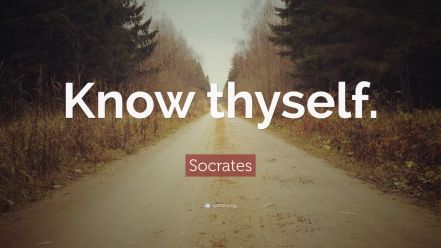
Know thyself – words often attributed to Socrates. Self knowledge from the very beginning of time even before Christ was important. Who are you? This is an interesting question and one that if we have not asked ourselves, others have asked us certainly. And one place this question is often asked of us is during our search for jobs and when we apply for college. The daunting task of applying for either is filled with hours of paperwork, resumes, application forms, and recommendation letters. 359588-Socrates-Quote-Know-thyselfFor me personally, talking about my strengths and weaknesses is one difficulty, but asking friends, family, acquaintances, and other people who know me to write a letter of recommendation is far more difficult. We naturally want to ask those who know us well but also those with whom we have a good relationship. Often times I remember when asking for a letter of recommendation, I was asked what do I want to be written. We want to show others the positive side of us, highlighting our strengths. Yet, a danger lies in if we become arrogant when we focus to much on our strengths.

The danger lies in when we do not know ourselves. We each have an image in our minds of who we are. Some of us truly believe we are perfect. Some of us believe we are worthless. To some a few extra pounds can be justified as muscle. To another it can cause a serious eating disorder. Knowledge of oneself is important especially for us here today. Because regardless of what we “may think” about ourselves. What the world sees can be very-very different.

Now some of us may say, well who cares what others say about us. In fact today’s society very much stresses this point, be who you want to be, be it how ever you want to be it, and don’t listen to those around you. However, my dear brothers and sisters, this kind of mindset can lead to only 2 possibilities, arrogance and an indifference or fear. And arrogance and fear are both debilitating in that they keep us from learning the simplest and most significant lesson of all. It’s not about you.

We do not live alone in this world, and as Christians we are called to understand firstly its not about us. For if it was about the self God would not have created free willed creatures. But love demands a rejection of self-fulfillment for the greater good. Love – drives a parent to sacrifice hours of sleep in order to take care of their child. Love – gives strength to a soldier who goes out to make the ultimate sacrifice. Love demands a sacrifice, a rejection of self. Now does that mean, we need to throw away our health, or stop taking care of ourselves and conform to the ideas of everyone else? No of course not. That is why self-knowledge is important. Who are you?

St. Paul asks us, who will people say we are? In 2 Corinthians St. Paul asks us, are we becoming arrogant, are we becoming prideful? My dear brothers and sisters, “You yourselves are our letter of recommendation, written on your hearts, to be known and read by all men; and you show that you are a letter from Christ delivered by us” We began today by speaking about asking for letters of recommendations from those around us. And here we read that we ourselves are a letter of recommendation, written on our hearts. A recommendation of what and of whom? Of each other to each other, of God.

We each here, have gathered in faith and have gathered for the love we have for God and desire we have to be in communion with Him. But how many of us reject that same love, and desire and communion the moment we walk out the Church doors and live our lifestyles? How many of us can, if we are being honest, can say that when people look at us, our actions, our relationships, how many people would see the love of God and presence of Christ Jesus? Yet, arrogance and fear keep us from the truth. A desire for self truth rather than an eternal truth keeps us from our true potential. Because who we are is a child of God, created in His loving image, freed from sin through the blood of Christ because of God’s Divine Love which teaches us, its not about you or me, it’s about us.

That is why to find God, Christ does not say sing 1000 Der Voghormyas nor does he say write a check to the Church. No! To find God we must humble ourselves, pick up our cross, follow Him in everyway, which means we must love each other, treat each other with respect, care, dignity. Because if we accept who we are, which is a child of God, then we will know that everyone around us is likewise a child of God meaning our brothers and sisters. Therefore, who will people say we are?

Who are we? Know thy self, know thy brother – know God. Love thyself, love thy brother – love God. May the Grace of the Holy Spirit reveal to us our image, not of flesh and blood but of Divine Will and Love. Who are we?

It’s the Small Things

In the name of the Father, Son and Holy Spirit…

One thing I often wonder about is the small things. How the smallest of things work together to make the big things happen. And one of the things that intrigue me the most about the small things that work together is us, our cooperation with each other and especially God. To co-operate or to work with someone takes a lot of energy. Working with those around us requires patience, may be a lot of patience, especially when the person in front of us doesn’t necessarily understand or appreciate the cooperative efforts being used to get a task done.
 
Throughout scripture we find several versus and stories of God working with humanity and his creation to bring about his Divine Will. We see this in today’s Gospel account of when Mary visits Elizabeth. We all know the story of how the child in the womb of Elizabeth jumps at the sound of Mary’s greeting. Yet, we often look past the beautiful words Mary speaks poetically as she says, “Magnify me O Lord…” She is reciting the Psalms and prophets and through her song Mary is reminding us that she is not just a Virgin who gave birth to the Son of God; she is also blessed by all generations through her action, through her humility to the will of God.
 
Every Sunday, as we come together and celebrate Badarak, the breaking and sharing of bread and wine, Christ body and blood, we offer ourselves as gifts to God, as disciples for doing his will and work in the world. As a community we bring to God our most basic needs, offering our whole life, and ask him to take us, change us, use us and give himself back to us, as his own Body and Blood for forgiveness, healing, and salvation. So Badarak is not only about God’s plan to share himself with us, but also about changing us into the people God wants us to be, the Body of Christ, nourished to carry out the mission of the Church. In both these instances we see a definite cooperation between God and humanity. Yet, many times I struggle with okay apart from Church how else does God use me? As a pastor it may be easier then for others. My job title requires of me to be a teacher of God to those around me. Yet, even I admit, getting lost in some of the administrative work or day to day tasks of priesthood, sometimes I struggle to find God working with me or using me for good.
 
This reminds of a story I read many years ago of a young man going from school one day. He was the average, popular, jock kid who maybe wasn’t the smartest of all. One day, walking home on a boring Friday afternoon, he saw his classmate heading home with what looked like an entire locker full of books. Thinking that this guy must be a geek, he watched how a few other guys from school knocked the guy over and ridiculed him. Feeling bad he went over to help him gather up his things and they even walked home, talking to each other. The popular jock even invited the geek over to hang out over the weekend. Over the years, these two became very good friends. Upon graduating each would go off to a different college but they would remain friends forever. Our geeky friend was, to no ones surprise, the valedictorian and as he got up to give his speech everyone listened in shock. “Graduation is a time to thank those who helped you make it through those tough years. Your parents, your teachers, your siblings, maybe a coach — but mostly your friends. I am here to tell all of you that being a friend to someone is the best gift you can give them. I am going to tell you a story about the first day I met my best friend. I had planned to kill myself over the weekend. I had cleaned out my locker so my mom wouldn’t have to do it later and was carrying my stuff home. Thankfully, I was saved. My friend saved me from doing the unspeakable.”
 
We live in a quantitative society, where we measure our worth by how much money we make, how many friends we have on social media, what hangs in our closet etc. Unfortunately many of us fail to see the worth of our actions when we want to see God working in our lives. We look for miracles, we look for immediate answers, we look to find worth in our actions. Yet, my dear brothers and sisters, why is it we look for worth in only our big actions? When someone stops a bullet, or prevents a terrorist attack from happening. When a doctor heals an incurable disease or when someone walks away from a horrific accident. We say Park Astudzo, Thanks be to God. Yet, I am sure many of us would not see God in a kid being nice to someone being bullied; we do not see God in us opening a door for someone who is unable to; we do not see God in a smile or a gesture of kindness.
 
Yet, my dearly beloved brothers and sisters, that’s where God’s cooperation with us is found. A women giving birth, a jock helping a fellow classmate, a bullet being stopped, us celebrating Badarak, all of these actions are example of us working with God only when we do so out of love for God and each other. No matter how big or small it may seem, natural or miraculous, each of these actions can serve the glory of God or the glory of us. We can go to Badarak and feel self righteous and judgmental – rather than be repentive, humble and ask for God’s mercy. We can “make friends” to satisfy our own self worth rather then see the worth of the person we are befriending. We can heal all sickness and become arrogant, rather then thank God the true physician.
 
My dear brothers and sisters, our love for the Virgin Mary as stated in her poem is not stemmed because she merely gave birth to a child. No, rather we love her because she is the example for each of us that if we act out of love, if we humbly accept God in all our actions, great or mundane, if we see Christ in everyone and not merely in the supernatural, then we too will fulfill our share of God’s Divine plan. As children of God, we are called to be co-rulers, co-creators and co-heirs to the Kingdom of God. God desires to work with us. Why? Simply because he loves us! This means that each of us as individuals and collectively as a Church are a part of his plan of salvation, a direct link in the chain chosen by God for his purposes. The mission of the Church isn’t about satisfying our personal agendas or even the agenda of a single parish community, but all together we make up the Body of Christ. As a parish, as individuals on a daily basis, do we magnify the Lord? Are we just as joyful as the Mother of God in her song of praise, knowing that God also chooses us to be a part of his divine plan? Are we fellow workers with God as I Corinthians 3:9, “For we are God’s fellow workers; you are God’s field, God’s building.”

Let us pray for the Holy and Ever-Virgin Mary to show us truly what it means to live according to God’s commandments, to live and fulfill his will and to co-operate with Him and may we each look for God’s love, hope and resurrection in everything from the smallest acts to the truly miraculous ones.

We All Need A Belt

In the name of the Father, Son and Holy Spirit…

Who can tell me how many types of belts there are? Belts to keep our pants on, for design, for weightlifting etc. Each has its purpose correct? But in essence they are all for the same purpose, a belt is meant to support our back, while of course holding our pants up in some cases. There are many style of belts. Belts that have a functional purpose, belts that are needed for safety, belts that are won, bebelt-of-thorin-oakenshield-2lts that show authority, belts that show power. When we as priests are vested and we put on the belt over our stomachs, the prayer we read is, “May the girdle of faith encircle me round about my heart and my mind and quench vile thoughts out of them; and may the power of your grace abide in them at all times, by the grace of our Lord Jesus Christ to whom is befitting glory, dominion and honor…” And this belt that clergy wear is not an Armenian or even Christian idea. Aaron, the brother of Moses also wore a belt as instructed in the OT, “And you shall weave a girdle embroidered with needlework, of blue, purple and scarlet.” This is also reflected in Eph. 6:10-20 in St. Paul’s words of the Armor of God, “Therefore take the whole armor of God, that you may be able to withstand in the evil day, and having done all, to stand. Stand therefore, having girded your loins with truth,…”
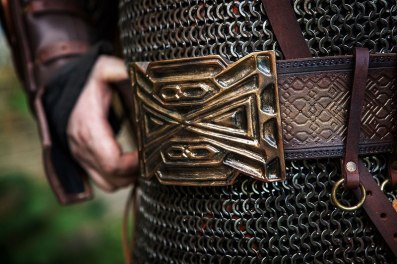
And today, the Armenian Church is celebrating the Feast of the Discovery of the Belt of the Virgin Mary. A story not found in scripture but again in Holy Tradition of the Church. If you want to know why this story is important, read today’s Sunday bulletin. Needless to say for life in general and for us Christian’s belts hold an important place. And it may surprise some of us that today on this feast day our Gospel reading is not about a belt but rather about troubled waters.

“And leaving the crowd, they took him with them in the boat, just as he was. And other boats were with him. And a great storm of wind arose, and the waves beat into the boat, so that the boat was already filling. But he was in the stern, asleep on the cushion; and they woke him and said to him, “Teacher, do you not care if we perish?” And he awoke and rebuked the wind, and said to the sea, “Peace! Be still!” And the wind ceased, and there was a great calm. He said to them, “Why are you afraid? Have you no faith?” 

Yes we all know this story all too well. We have heard it as children, we have read it ourselves, and I believe that we have each experienced this tale in our own lives. Our faith is strong, we feel at peace with life and we are in the presence of God.

Yet, all of a sudden something bad happens, we are hurt, we lose our jobs, we feel the loss of a loved one, we hear a bad diagnosis, or we fall into a temptation we have worked so hard to avoid. And in that moment, when our boat has taken on so much water we are about to sink, we turn to God and say, God do you not care if I perish? One of reasons this passage is dear to me is because we can relate. We have all felt overwhelmed to a point of sinking. In fact often times it is this overwhelming feeling that causes many people to abandon their faith. That is why Christ is asking here, where is our faith?

When life is peaceful and easy, when we are succeeding, it is easy to say Park Astudzo, Glory to God. Yet, with that same mouth in trialing times we say Ur e Astvadz, Where is God? Being a Christian is not easy my dear brothers and sisters. Being a Christian does not equal success according to today’s standards. Being a Christian is about not having to equate ourselves with today’s standards. Because having faith in Christ, being a Christian is about taking on pain, taking on darkness, taking on death in order to rise with Christ. As Christian’s we are called to put on our Armor, to put on our belts to protect us and support us in those times. Only the blind are ignorant of pain. In fact we have a saying ignorance is bliss. Meaning in today’s worldly understanding, to be in peace you need to be STUPID.

Yet, Christ is asking us to open our eyes, to trust in Him and to have faith, not because life is easy, No. Rather, because even from the depths of the sea, even when we have sunk to the bottom, have fallen into temptation, are bruised and beaten and cannot hold on any longer, EVEN THEN, we will rise. For the Father of mercies and God of all comfort, who comforts us in all our affliction, so that we may be able to comfort those who are in any affliction, with the comfort with which we ourselves are comforted by God. (2 Corinthians 1:3-4) St. Paul emphasis an interesting point here. We who are comforted are called to comfort others as well.

The disciples, who were with Christ day and night, who ate with him, lived with him, they too feared and misunderstood. They too needed comforting. And only after this do we read of them going out in the world and healing and preaching. Meaning, we have been given a tool. Our faith, which has helped us rise, which helps us rise, which will continue to help us rise, is a tool, is a belt by which we are called to be support to others. To help others rise. When I lift heavy weights and I wear this belt, I still have a buddy of mine stand near me for extra support. Likewise us, when our life is with Christ, when we have girdled our selves in truth, we still need each other to help support, because we are the tools that God uses to accomplish His divine will on earth.

My dear brothers and sisters, put on the belt, put on the Armor of God. Girdle yourselves with faith, so that we will be protected from the fiery arrows of the evil one, so that we will remain strong in the face of darkness with the Sword of Righteousness. So that we can protect those around us. Because we are a family, of different heights, weights, occupations, mentalities, skin colors, talents, hopes and dreams, success and failures. Yet what unites us, what binds us is our faith is Christ. A faith not built on shaky ground, but on solid foundation, bound with the belt of truth to support us.

Therefore, as the prayer of priestly vesting says, may the girdle of faith encircle us, around our hearts and minds, to quench vile thoughts, may the power of grace abide in us at all times. May we be strengthened by the Holy Spirit, girdled by truth, by which we will not be afraid of the darkness in our lives, but with Christ will rise above the waters and with us help raise others in the name of the Holy Trinity, Father, Son and Holy Spirit, now and always, Amen!