United Under One Flag

Scripture Readings: Is. 49:13-23; Gal. 6:14-18; John 3:13-21
Ընթերցուածքներ` Եսայ. ԽԹ 13-23; Գաղ Զ 15-18; Յով. Գ 13-21

In the Name of the Father, Son and Holy Spirit, Amen!

There are many unique things that we all share across cultures, nationalities, histories and beliefs. We all have music, foods, dance, games, and religions, yet each different and unique which help define our identity, who we are. Among the many shared differences, we all share our own flag, a banner, a symbol which represents us, unites us, delineates who we are as individuals, as a group, and what we want to claim as our own. As American’s we have the star-spangled banner – representing 13 stripes for the original colonies and 50 stars for its States, and all who live the American Dream are welcome under that flag. As Armenian’s we have the red, blue and apricot orange – the symbol of the blood of our people, the blue sky’s and waters, and the harvest and hard work of the people of the land of Noah. However, the reason we are gathered here in this Church is not because of culture or citizenship. Some of us feel more Armenian, some of us feel more American, while some of us feel an allegiance to other countries or political groups. Therefore, the banner or flag under which we are united is something entirely different.

In the Armenian Church as part of the liturgical items, we have what are known as khachvars or droshakhach. These are liturgical flags or banners, and they exist in all the ancient Churches, and they have both an important history and as well as symbolism for today. Firstly, just as many of the icons we have in our beautiful Churches, liturgical banners are adorned with icons, because historically they served as visual aids that convey teaching, reinforcing theological truths during worship services and processions. Secondly, the banners symbolized the triumph of faith, the presence of God’s grace. They may depict images of Christ, the Virgin Mary, angels, saints, or scenes from biblical narratives, serving to inspire devotion and reverence, yet, these banners are flags, which unite and serve to identify us, all those who declare to be Christian, and who are under the shadow of the Holy Church!
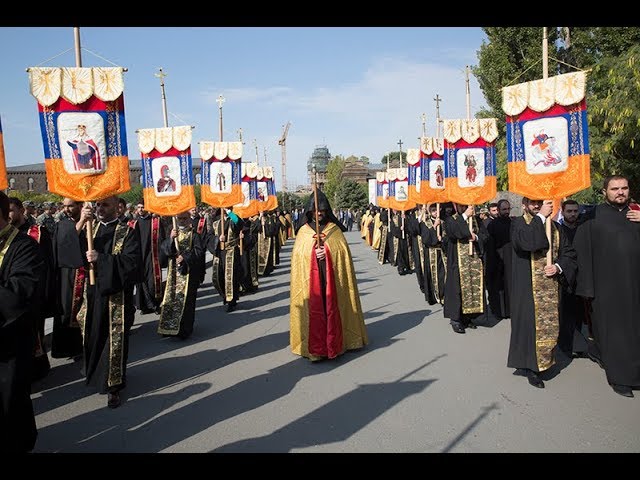
They are not merely flags or symbols like the flags of this world, which can divide over politics and borders. Each one, regardless of what is depicted on it, on the very top always has a cross because for us Christian’s, our triumph of faith, what unifies us is only through the Cross of Christ! In wartimes, militaries would march into battle with banners and flags and when an army marched, its banners flew at the front – it led the soldiers. If the soldiers were struck with fear and fell back, if they were distracted, or unsure of what direction to go, the sight of the banner would rally them, continue to give them hope and direction even amidst the chaos. And if during a battle, the banner fell, it was a symbol of defeat. Likewise, my dear brothers and sisters, these flags which lead our processions, which are adorned with the Cross of Christ – remind us that our faith is a battle. It is a battle against not flesh and blood as Christ says, but against true evil, a battle for our very soul.

Over the last weeks, as the world prepared to remember the horrific attacks of 9/11 over 24 years ago, we again were reminded of the evils of the world, with the killing of 2 innocent children, Fletcher Merkel and Harper Moyski, in a Catholic School as they prayed, the stabbing of a young Ukrainian woman, Iryna Zarutska, on a train, the assassination of Charlie Kirk as he spoke in public, the killing of 2 children in a Colorado School by a classmate, killing and attempted murders of politicians and police, such as Melissa Hortman, and constant hateful rhetoric over the news and social media. Yet, these are only a few things we saw of the world! What about the darkness we each face, our own battles? Substance abuse, addiction, broken families, harassment and hurt, rejection, hatred of every kind. The reality is we often don’t like to talk about these things. It doesn’t concern us, it’s too political and as a Church, we should talk about God’s love!
Yet, my dears, God’s love is not a feeling, or a sentiment. The Gospel of John, which we read today, and we all know very well, states, – “God so loved the world He gave His only begotten Son…” This means my dear brothers and sisters, the love of God demands action. God’s love recognized the evils of this world, our hurt, our pain and suffering and God’s love still recognizes it and sees it, and through Christ Jesus, God declares war against it because love, Divine love, cannot sit back and not act in face of sin. When we begin each Divine Liturgy, “Blessed is the Kingdom, of the Father, Son and Holy Spirit” – we are declaring as soldiers of God, as His beloved children, that God is Triumphant in that war, when we remain faithful, prayerful, compassionate, and courageous. If in the midst of our hurt, and the darkness of the world, we feel lost, when we look to the Cross – it rallies us, gives us hope, gives us direction to keep fighting by remaining faithful and not forgetting who we are as Christian’s. Not forgetting God’s love!

After 9/11, many of us who were in the United States remember, almost all Churches were full the first Sunday. We were in Church looking for answers for the horrific realities of this world. Yet, over time, we slowly dwindled and left. As soldiers, we became distracted, and began looking elsewhere, searching for our identity in temporal things. Yet, again when hurt and darkness happened, how many of us looked to the Cross, looked to God to lead, to guide, vs. how many of us continue to enforce our will, raise our flag and push our ego in hopes of something. Sadly, we have remained distracted and divided, because we have placed our hope in politics, our jobs, our education, our money, social media, experiences, etc. How we treat our bodies, the covid pandemic, how we vote, how we dress, how we eat, what language we speak, etc. yes important but distracters and dividers. And this is exactly what the devil wants. C. S. Lewis in his story of the Screwtape Letters, where 2 demons are corresponding on how to trick people says, “Be sure the patient [person] remains completely fixated on politics. Arguments, political gossip, and obsessing on the faults of people they have never met serves as an excellent distraction from advancing in personal virtue, character, and the things the patient can control… Ensure the person continues to believe that the problem is “out there” in the “broken system” rather than recognizing there is a problem with himself.”

My dears, how much longer will we remain distracted on the battlefield of our soul? The Cross, St. Paul says, is the only thing we look to and take pride in. It is the only thing we are all gathered under, that unites us and strengthens us against all evils. The victorious Cross of Christ will never fall in defeat and will always guides us, renews us, leads us, and commands us – if, we set our eyes upon it and follow. Meaning, we too have a part to play. We as soldiers of God in this battle must have the love in us to overcome the darknesses around us by living as God commands. Through repentance, patience, care and forgiveness, we live as God loves. Today, as we celebrate the Feast of the Exaltation of the Holy Cross – we are reminded of this. That our Lord’s Cross, which for the world was a tool of death, through the blood of Christ was transformed into victory. And that even if the world is surrounded and lost to death – through the blood of Christ, it will be transformed into life.

This will only truly happen my dears, if we all, as different, unique, opinionated, educated or not, young or old, as we are – if we who find our identity in God the Father, Son and Holy are united under the Holy Cross, live our life with faith, trusting God not in words only but in action and through repentance ask for guidance in all our daily tasks. As the Church Father Tertullian says, “At every forward step and movement, at every going in and out, when we put on our clothes and shoes, when we bathe, when we sit at a table, when we light the lamps, sit on a couch, on a seat, in all the ordinary actions of daily life, we begin by tracing upon the forehead the sign of the Cross.” Because among the many differences we all have, we all follow the one flag, one banner, one Cross which as baptized children hangs around our necks, and is chrismated upon our foreheads, through whom our one Lord Jesus Christ declares victory, now and always. Blessed is the Kingdom of God, Amen!

Regretful Discipline

Scripture Readings: Is. 13:2-11; 2 Corinthians 7:4-16; Mark 7:31-37
Ընթերցուածքներ` Եսայ. ԺԳ 2-11; Բ Կորնց Է 4-16; Մարկ. Է 31-37 

In the Name of the Father, Son and Holy Spirit, Amen!

“You need to beat your children!” A number of years ago, the Canadian Indian comedian Russell Peters put out a comedy special where he spoke about how his traditional Indian father would discipline him by beating him. Naturally, he was not advocating for corporeal punishment of children but rather emphasizing the above all else, that a parent must discipline their child when that child misbehaves. Growing up in a traditional Armenian family, as the eldest son, anytime I stepped out of a line, and I will admit this was a daily occurrence, my father did not hesitate to discipline me with the fullest extent of a parent’s authority. At that time being on the receiving end of that “discipline” I felt as though I was being treated unfairly. However, years later, after having matured and become a father myself, I began to wonder, what did my father feel when I made those mistakes? What was going through his mind when he punished me?

St. Paul in his 2nd letter to the Corinthians brings wisdom to this question. In ch. 7:8 he writes, “For even if I made you sorry with my letter, I do not regret it (though I did regret it), for I see that that letter grieved you, though only for a while.” St. Paul, is the father of the Church in Corinth and he felt a regret because in his letters he was forced to rebuke, meaning punish and discipline his children. A true parent – spiritual, biological or educational – has no desire to rebuke, or punish their child. They take no joy in “beating” their children. However, what they desire to see is that their children grow to their fullest potential. Likewise, St. Paul acknowledges he takes no pleasure in punishing the Corinthians. However, when it comes to them, they remained rebellious and disobedient to almost everything St. Paul taught them about being a follower of Christ. In fact, in chapter 2, when St. Paul visited the Corinthians, we read that there was a man who led an opposition against him. This hurt him so much, that eventually St. Paul cut his visit short and returns to Ephesus where he writes a sorrowful, and tearful letter to Titus his student.

A couple of years ago, when I was driving with my father, he spoke to me about how he regretted, he felt hurt, each time my life choices, my decisions, my sins forced him to rebuke me, punish me rather than spend time with me. Yet, he added, though he felt remorse, he was grateful to God, that ultimately, through those punishments I examined my life; I grew into the God-fearing man I am today (no not perfect but), who is not only a father but also a spiritual father. My parent’s hurt turned into joy and gratefulness, when my eyes, and ears were opened to learning and growing, maturing into who my parents desired me to become.

My dear brothers and sisters, there are 2 things we need to remember clearly: First, God our Heavenly Father, does not take joy when we are punished for our sins. God is a loving Father, and because of that love God Himself feels hurt and regret when we reject Him, when we choose to live lives that are sinful. Ultimately a sinful life is not about making mistakes but about rejecting and denying what God has planned for us, ignoring his love, embracing our arrogance and shortcomings, rather than learning. When we don’t live to our fullest potential, when we remain blind and mute, ignorant and rebellious to what God desires for us, His children, we come face to face with those consequences! Yet, the 2nd thing we must remember is that those feelings of regret which St. Paul, our loving parents, and even God likewise feels, turn into joy when our discipline transforms into discipleship and repentance. When we read in Holy Scriptures, passages like Genesis 6:6-7 and 1 Samuel 15:11 about God’s regret, they describe God’s grief, disappointment, or sorrow over human sin and its consequences. This grief shows His love for us! That our sinful choices which may hurt us, also hurt Him.

In Armenian the word for sin is mekhk! In modern Armenian that word also means pity. How? In today’s Gospel, when we read that a mute and deaf man was brought to Christ for healing, we read, “then looking up to heaven, He [Jesus] sighed…” to which the Church Father’s say, his sigh was a sign of divine compassion for humanities sufferings. God hurt because when we choose sin over God, His love pities us, has compassion on us because He had planned far greater things for us. Yet, even when we sin, even when we reject and abandon Him, He does not abandon us. Just like a loving parent, God’s guidance, compassion and mercy try to discipline and guide us to be illuminated. In Proverbs 13:24 we read, “Whoever spares the rod hates their children, but the one who loves their children is careful to discipline them.” These words from Proverbs on parental discipline emphasize that correcting our children is an act of love that prevents further destruction. The “rod” symbolizing a form of discipline (not necessarily always physical) is used to teach wisdom, to correct, and guide a child toward a good path.

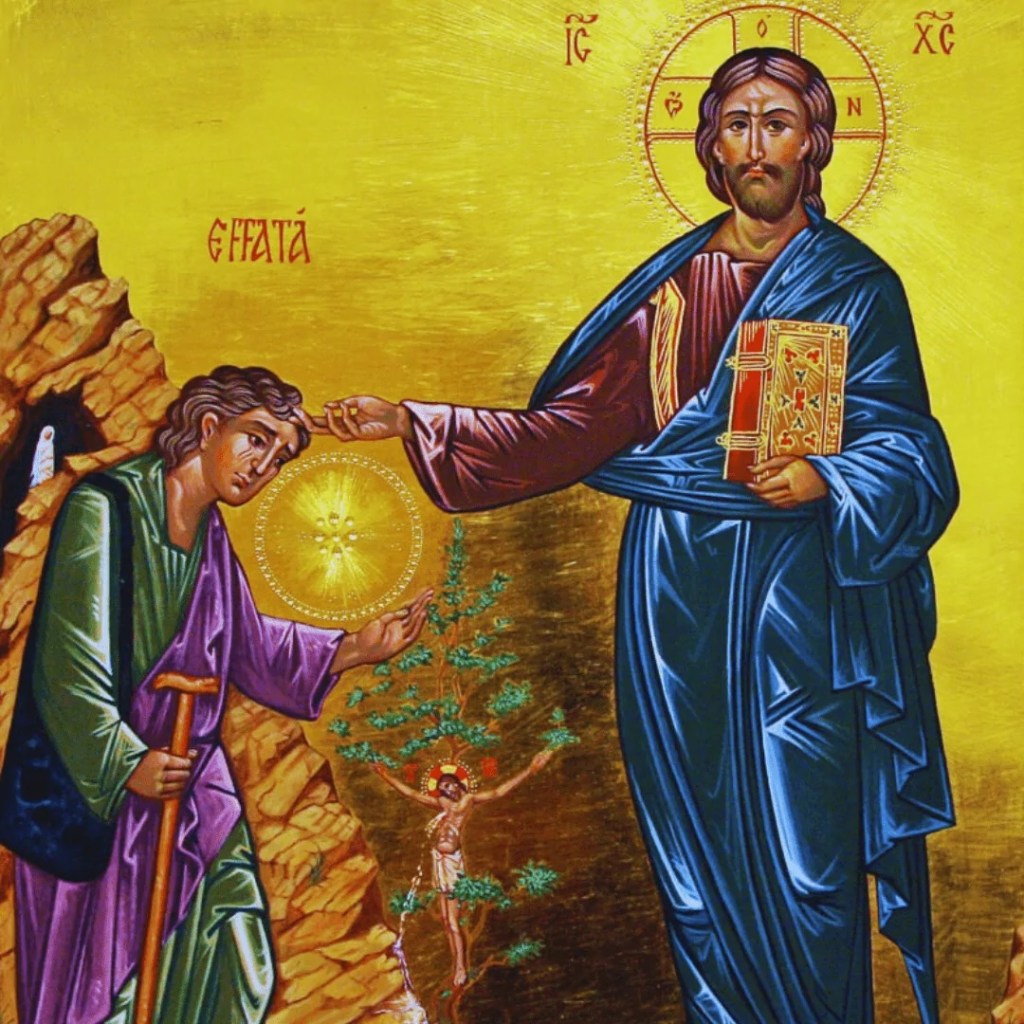
My parents had no joy in punishing me; however, their love, which would not abandon me to my sins, drove them to guide me, disciple me even if in that moment the punishment was severe. Through the Holy Scriptures, the Holy Church, the lives of the saints, priests, parents, teachers, and through many other means God reveals to us and guides us. When we choose sin, through His love and compassion, though it may feel unfair to us in that moment because we are not getting what we wanted, God provides us with “rods” – means to be healed, to reflect, and to repent. Repentance is not a feeling of regret. Repentance is response to our hurt. It is a reflection and turning to God! When we repent, it is not a feeling of regret or avoiding consequences that our choices result in. When we repent, it is about turning to God, calling out in prayer, “Jesus Christ Son of God, have mercy upon me a sinner.” Heal me, open my eyes, my mouth, my ears. Heal my senses to recognize all you have done for me and continue to do. And Christ our Lord, will take us, sigh with compassion and call out, “Ephphatha – Be opened”. God will forgive us and heal us!

It is for this reason, this love and compassion, Christ came into this world, took on flesh, suffered, felt hungry and pain, ultimately, willfully being crucified for our sins, and through His resurrection, having defeated death, through faith we begin to heal and understand that love. This healing also recognizes that it is ultimately our choices that result in our punishment and not a vengeful parent or God that takes pleasure in hurting us. We choose hurt, when we enforce our will, our way, our arrogance, pride, etc. When we do this, we in fact hurt God so much so, that He is even ready to die for us, to make us whole. For everything God does is for us to grow into the image and likeness of Him in which we are created in; to be His children. However, this is only done when we turn the rebuking, the punishments, and instructions from God into an opportunity to repent. That repentance will turn His regret into joy – when our sinfulness through repentance turns into earnestness, eagerness to clear ourselves, longing, zeal and faith as St. Paul says. “There will be more joy in heaven over one sinner who repents than over ninety-nine righteous persons who need no repentance”. (Lk. 15:7)

Therefore, my dear brothers and sisters, if we feel rebuked, hurt or scathed by what God shows us through the Holy Scriptures, through the Holy Church, then let us be awakened. Let us turn to Him call out as a child calls out to a loving parent yearning to learn and grow. Let us repent and be transformed and our eyes will be opened; through the Holy Cross our sins will be healed, our brokenness will be restored, and we will learn to grow into who God our Heavenly Father has created us to be. No, we do not need to beat our children, as the comedian jokes. Yet, let us recognize the “rod” of a loving parent, of a Heavenly Father is there to guide us always. And when we grow and mature to this understanding, through the care and love of our parents, teachers, priests and God, we will be made whole again, as the children who glorify their Heavenly Father, the Son and Holy Spirit, Amen!

Can You Sleep Through A Storm?

Scripture Readings: Is. 9:8-19; 2 Corinth. 1:1-11; Mk. 4:35-41
Ընթերցուածքներ`Եսայ. Թ 8-19; Բ Կորնց. Ա 1-11; Մկ. Դ:35-41

In the Name of the Father, Son and Holy Spirit, Amen!

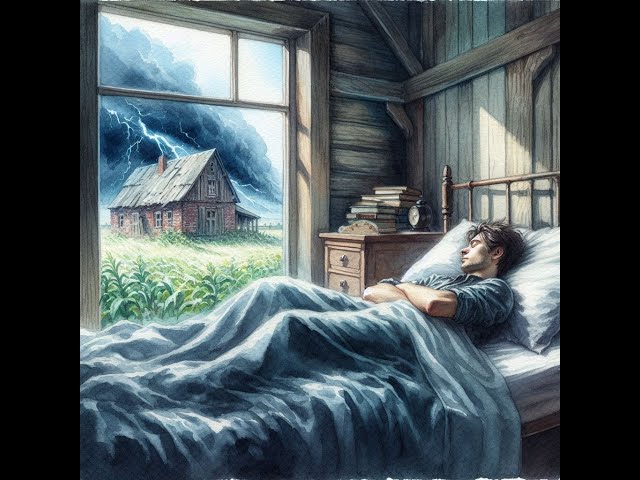
One day, a farmer who had grown elderly realized he needed help on his farm and so he decided to hire someone who would be able to help him and his wife. As he searched for someone strong, hardworking and trustworthy, during his interview process he would always ask “what special skill do you have that will make you stand out?” A young man who was lighthearted, kind and the respectful, whom the farmer liked, answer in a strange manner. “What special skill do you have that will make you stand out?”, asked the farmer. Thinking, the young man answered, “I can sleep through any storm.” The farmer was confused. He was looking for someone to help protect his farm especially during times of storm, and yet, this man says he can sleep through the storm. For some odd reason, though this answer confused him, because the farmer liked the young man and wanted to give him a chance, he hired him. And as the seasons moved on, the storms came in and the farmer looked for the young man to help. Yet, as the winds blew and rain poured down during a severe storm, the farmer and his wife, found the young man sleeping through the storm.

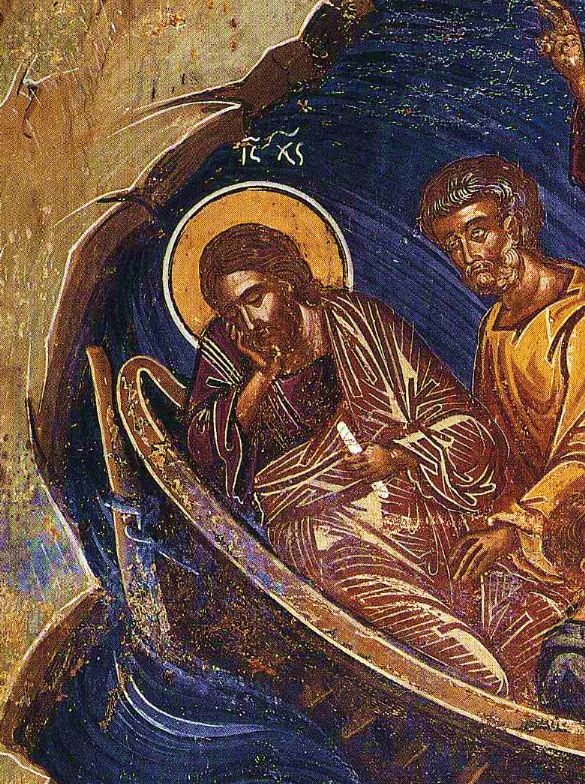
In the Gospel of Mark, we read the well-known story of the storm on the sea of Galilee. As panic ensued for the Disciples, they found Christ Jesus, sleeping through the storm. We know my dears that this event in scripture reveals to us several layers. One it teaches us, that storms will exist in our life; it teaches us that even if we are with God, the metaphorical storms of our life will cause us to fear, to be anxious and to look for help. It teaches us that perhaps sometimes, when we want God to help the way we think its proper, we feel as though He is distant, asleep, or uncaring as the disciples thought when they looked to Jesus in the storm. Yet, there is another layer my dears – our layer.

In the earlier story, when the farmer and his wife found the young man asleep during the storm, they also found that the storm shutters had been nailed down, the animals had been gathered, fed and with extra feed were calmly laying in their barn. They found the hay bales tightly stacked and put away; the trackers and tools all set in place. Flashlights, extra batteries, food, etc. all ready and prepared. The farmer understood what the young man’s special skill was. He could sleep through any storm, because his heart and mind were at ease because he was prepared for what could come. This is our layer my dears, our participation, our response, our “special skill” during the storms of our life.

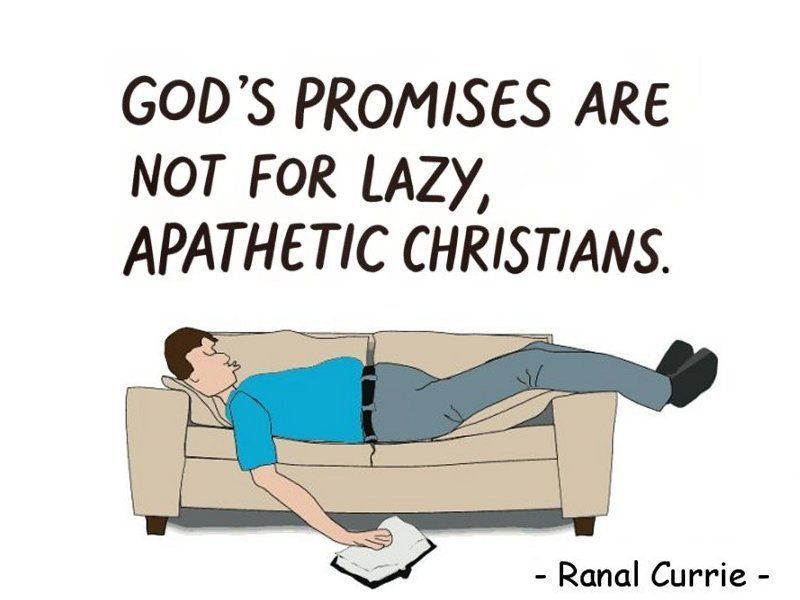
As Christians, we know and believe with firmness that God does not abandon us. This confidence is what we call faith. That when Christ calls us to follow Him, He provides us with the means, the tools, the love, care and compassion which strengthens us and protects us. Life, salvation, healing and forgiveness has already by grace through Christ’s death on the Cross and Resurrection, been given to us. As baptized Christians we are heirs to this promise as St. Paul writes. However, we still have a part to play; we must respond to that promise. Our response however, is not just by coming to Church once a week, occasionally saying a prayer, having dinner with Der Hayr, or writing a check. Our response my dear brothers and sisters, is found in our preparation, in the time we spend polishing our “skill” which helps us “sleep” through the storms – this is called faith.

Faith therefore my dears, begins through preparation in how we come to Church. Do we come to learn, to grow, or to drink coffee and gossip? Our preparation is in understanding why we read our Scriptures, the writings of the Fathers, and live the practices of the Church. Do we read the Holy Scriptures, as St. Paul says in 2 Tim. 3:16 because – “All Scripture is God-breathed and is useful for teaching, rebuking, correcting and training in righteousness, so that the servant of God may be thoroughly equipped for every good work.” Do we read the writings of saints for their experience and wisdom and do we learn the practices of the Church for our benefit. Or, do we read Scripture like a novel, informational, self-help motivation. Do we read the Church Father’s to argue against them, and do we attend the Church sacraments because that’s what a good Armenian does?

My dear brothers and sisters, preparation for the storms, for the temptation which will come, comes from first attending Church with an open heart, a desire to grow and learn. By active prayer, regardless of language barriers. By coming, confessing our need for God’s love and receiving Holy Communion. Our preparation comes from us regularly opening up our Holy Scriptures, reading prayerfully and with guidance from a priest. Breathing in the breath of God – the Astvadzashunch. Preparation my dears, comes from praying not with words only but from deep within our heart. From talking to our priest not just about festivals, and activities but about our own faith, our struggles and challenges.

My dears we all need to prepare! In our everyday tasks but also in our faith. Even as a priest, before Badarak (Divine Liturgy) I prepare. Yes, I wake up, brush my teeth and prepare for my day in the same manner we all do daily. However, prior to Divine Liturgy, there are prayers, and reflection I do for myself to prepare for my Communion with Christ. Yes, Badarak is prayer but we need to prepare for our prayerfulness. Why? Because most of us carelessly come to Church maybe a bit late, maybe angry, upset, hungry, etc. we come rushing in, and look at who’s here. We are praying but thinking about the game, the end of the weekend, the laundry at home. We pay more attention to what part of the Badarak we walked in and how much longer it will all be, rather than the words being raised up to God.

My dears, we all need preparation, because whether we are skilled farmer with years of experience, a student going to school, a priest coming to Church, a doctor meeting a patient, or a stranger walking down the street, preparation in life and especially in faith is what keeps us ready for when the storms, when the difficulties, the hurt, the rejection, the isolation and anxiety come. And storms will come my dears! Whether private storms of addictions, depression, hurt, rejection, or public storms such as broken communities, war, school shootings and other atrocities – storms will come. But God my dears has not and will not abandon us. He is not carelessly asleep in the back of the boat. Christ Jesus our Lord is with us every day, providing us with all that we need to learn and grow in our faith. How will we respond? How will we prepare for the storms that may come in our life?

“Celebrity” Endorsement

Scripture Reading: Zech. 2:10-13; 2 Corinth. 6:16-7:1; Lk. 1:39-56
Ընթերցուածքներ՝ Զաք. Բ 10-13; Բ Կորնց. Զ 16- Է 1; Ղուկ. Ա 39-56

In the Name of the Father, Son, and Holy Spirit, Amen!

As the summer season ends, our children go back to school, vacationers return, Church festivals come to a close and we once again return to fall sports season. Whether it’s watching the Bears, the Cubs, the Sox, the Hawks, the Bulls or even the Packers and Brewers, sporting events are coming back and with those events come commercials. A study shows that since 2023, more than 40% of commercials shown during sporting events especially the Superbowl, featured multiple celebrities, six times more than 2010. Celebrity endorsements help advertisers get brand recognition which helps them make a profit. And we as the consumers of such products, even if we don’t watch sports, we feel a sense of connection and assurance when a celebrity or well-known person, endorses or affirms to us that they use the same product we use.

This is a natural human desire, wanting to belong and to be part of a group, an ideal, or a family. Especially since 2020, when all of us were forced to live isolated and separate from one another due to the pandemic, a sense of belonging is something we all struggle with. And when someone shares our values, our ideals and even the everyday things that we might use, we feel connected to them. Therefore, ultimately when celebrities or other well-known members of society endorse certain things, they serve as role models. The life they live, is made better by the products they use and the decisions they make serve as an example for us that if we likewise want to live well, and we want to be part of that group then we need to do as they do, use as they use. Yet, this is a serious problem for us Christian’s, especially when majority of celebrities today live ungodly, immoral and sinful lives. Often, what they show on social media and TV, even their endorsement of products is a lie. For example, Jennifer Lopez was caught lying about not using Botox and only using, her “magic glow in a bottle” serum. Or in 2013, the singer Alicia Keys was named BlackBerry’s brand ambassador but was caught tweeting from an iPhone.

While these examples are not dire or immoral, they do pose a question to us who claim to be followers of Christ, who either publicly or within our communities say “we believe in God.” Through the life we live, through the products we use or celebrities we follow, what kind of endorsement and example are we to others? As Christian’s we are called to be discerning and to think about how we live our lives, who we listen to and who serves as an example to us, yet how often do we pay attention? St. Paul in 2 Corinthians asks, “And what agreement has the temple of God with idols? For you are the temple of the living God.” Meaning how do we Christians (in whom God dwells) how do we remedy the choices we make and lifestyles we have which may fall in line with pagans or unbelievers. How are we different as believers then others?

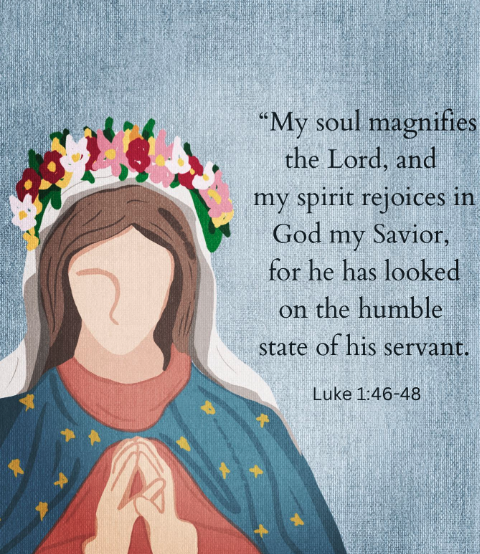
This entire week, the Armenian Church has been celebrating the Holy Virgin Mary. In today’s Gospel we read of the account of her visitation to her cousin St. Elizabeth. In her words to St. Elizabeth, St. Mary poetically describes of how for her and through her God has done great things. (vv. 49-51…) “For He who is mighty has done great things for me, and holy is His name. And His mercy is on those who fear Him from generation to generation. He has shown strength with His arm; He has scattered the proud in the imagination of their hearts.” St. Mary is beloved by the Church because of her humble example of faithfulness. In the same way all our saints, which we are surrounded with, they in their human frailty, in their difficulties, through their trials and life an endorsement, an example of faithfulness to God in this life.

The Spirit of the Lord that is upon Mary and all the saints, God that dwells in the temple is the same God, Father, Son and Holy Spirit that dwells in us and the same mission, or witnessing that is asked of our saints is asked of us. If we do not live our life faithfully, if we misrepresent and mix-up disbelief, paganism, idolatry, hedonism, pride, lust, anger, arrogance, egotism, hatred, bigotry, etc. with our “christian life” then like those celebrities who lie about what product they use, what kind of example of Christianity are we?

My dears our faithfulness is seen in our attitudes, our behavior and choices which impact not just our life but the world around us. In the same way, a stone thrown into the water causes a rippling effect, our choices reach far beyond us. For which St. Peter writes (1 Peter 4:5-10) “Therefore be alert and of sober mind so that you may pray. Above all, love each other deeply, because love covers over a multitude of sins. Offer hospitality to one another without grumbling. Each of you should use whatever gift you have received to serve others, as faithful stewards of God’s grace in its various forms.” This love and hospitality is a reflection of Christ’s sacrificial love on the Cross. An example, which provides healing and unity within all relationships in this world. 

Therefore, unlike those celebrities who are asked to publicly make statements and are even encouraged to lie about what products they use, as children of God, as Christians, God asks not for perfection but faithfulness through humility, love in meekness, lived in the simple ways. And we have countless saints to learn from: St. Thérèse of Lisieux, a Carmelite Nun known as, “Little Way,” showed that sanctity is achieved not through extraordinary deeds but through simple, hidden acts of love. Being generous and kind in daily monastic chores; picking up garbage, tending to the gardens, finding time to share with others in prayer and silence even though she was suffering with a grave illness. St. Moses that Black who was a criminal and suspected murder. After hiding away among a group of monks in the desert, whose peaceful and compassionate example of life profoundly impressed him, he chose to change his ways, joined the monastic community, dedicating himself to penance and prayer. Sts. Joachim and Anne, the parents of St. Mary whom we only know about through the traditions of the Church, were barren and poor. Yet, in their faithfulness, prayerfulness and patience, God not only blessed them with a daughter but with the privilege of being the maternal grandparents of Jesus. What about the woman and men my dears, from our families, who walked exiled through the deserts, who though their names may be long forgotten, their lives served as the very foundation stone for us to live our faith, our language, our culture today in a foreign land.

None of these saintly examples are on sports commercials, they don’t do product endorsements, and yet, we have so much to learn from them. We may not be on commercials, and the advertising companies may not ask for our endorsements during sporting events yet, the world does watch us, what does it learn from us? How we wake up, how we dress for our day, how we eat, how we throw away the garbage, drive our car, how we watch those sporting events, or how we spend time with friends and family, even how we pray. These simple tasks ripple through the fabric of God’s creation as an example of His love. A love that heals, that strengthens, that brings life to the suffering and hope to the lost. A love that does not devalue us because of our scars but transforms our scars into stories of a future in hope despite our past.

My dear brothers and sisters, regardless of what celebrities endorse what products on commercials, let us ask of ourselves, when the world is watching us, what kind of endorsement, and ambassador are we of Christ our Lord. If we want to feel belonging to those we look up to, how does the life we live create a desire in others to want to belong to our Church and community? Yes, school is starting, and the summer festivities are over. Therefore, let us pray for wisdom, discernment and mercy; may God our Father in Heaven guide our hearts and minds, to live as Christ lived, to let go of our sinfulness and with open and empty hands lift one another up. May the Holy Spirit direct our ways in times of uncertainty in the daily simple ways we live. And through the intercessions of St. Mary, and all our beloved saints, let us learn by their example of humble faithfulness, of compassion and hope. So together as one body, one family, one Church, we will glorify our Father, the Son and Holy Spirit through the life we live, Amen!

Your Fruit!

Scripture Readings: Is. 7:10-16; Gal. 3:29-4:7; Lk. 2:1-7
Ընթերցուածքներ` Եսայ. Է 10-16; Գաղ. Գ 29- Դ 7; Ղկ. Բ 1-7

In the name of the Father, Son and Holy Spirit, Amen!

At 6, I said I love my mother; at 13 I said, “mom whatever”. At 16, my mother was so annoying, and by 18, I needed out of my mother’s house because she’s so boring. At 25, I realized, my mother was right all along; at 30, all I wanted was a home filled with my mother’s songs. But by 50, I knew my mother won’t be here forever and at 70, I knew if only my mother was there my life would certainly be better. My dear brothers and sisters, from Proverbs 1:8-9 we learn, to listen to and not forsake a mother’s teachings, because of the value and wisdom found within her words. Perhaps when we are young, as the poem suggested, we don’t recognize that value but as we grow up, we see how important a mother is to our well-being. While both a mother and father are absolutely important for a family, statistically mothers are the first to instill in their children honesty, respect, compassion, gratitude, forgiveness, and countless other virtues. Of course, we know that in this fallen world, many families perhaps don’t have a mother who exemplifies what scripture teaches about motherhood through love, wisdom and virtue.

Yet, praise be to our Lord that we are not merely children of our biological families, but more importantly we are children of God. We have a Heavenly Father, who cares and provides for us through our spiritual mother the Holy Church. When a child is baptized, we say that we are born from the womb of our mother, the baptismal font. And while today is not Mother’s Day as we traditionally celebrate in May in North America, today is the feast of the remembrance of our Lord Mother’s, the Ever Virgin Holy Theotokos, St. Mary. This past week, the Orthodox Church and us today, remember the dormition and Holy Assumption of St. Mary. Of how St. Mary, many years after the Holy Ascension of Jesus Christ, entered death and when she was buried, witnesses speak of how the angels in Heaven tended to her grave and sang hymns daily. One day, when the disciples removed the stone from her grave to pay respect, they saw that her body was gone, and they believed that Christ had come and taken his mother to the Heavenly Kingdom. Yet, as beautiful as this tradition is, what do we understand from it?

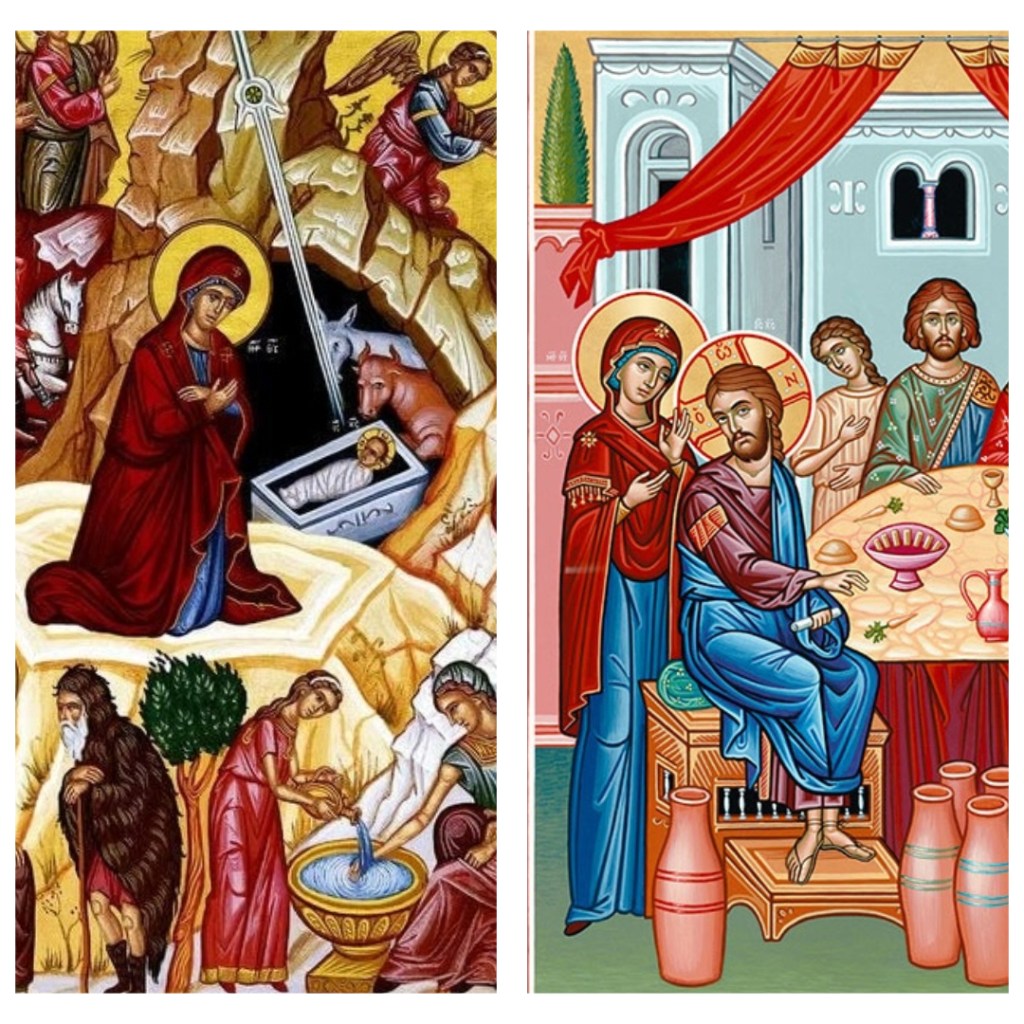
For this I want us to reflect on today’s Scripture reading in contrast to the reading from John 2 – the Wedding at Cana. Today we read of how after the angel Gabriel came to Mary, she and Joseph travelled to Bethlehem and in time, she gave birth to Jesus Christ. During the Wedding of Cana, we all know that Christ turned water into wine, yet, prior to this moment, we read, (vv. 3- 4) “And when they ran out of wine, the mother of Jesus said to Him, “They have no wine.” Jesus said to her, “Woman, what does your concern have to do with Me?” St. Mary came to Jesus and said they’re out of wine; and perhaps if we merely read Jesus’ response in English, we might think it’s rude. Why is He calling His mother ‘woman’? Well, where does that word come from?

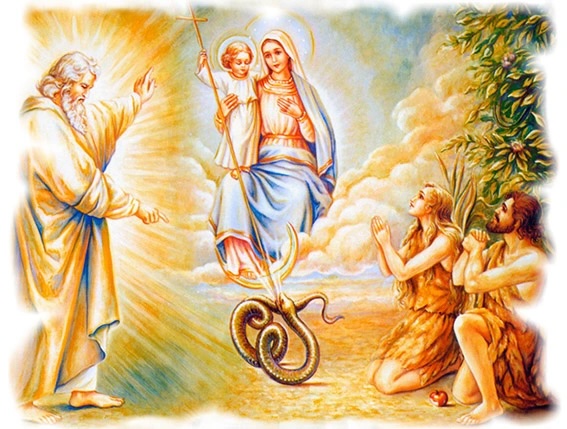
In Genesis we read, that Adam gave the title ‘woman’ to Eve – the mother of all humanity. Therefore, when we read in Scripture Christ calling St. Mary ‘woman’ He is not disrespecting her but rather, reminding us of Eve. However, the first Eve through her fruit which she gave to Adam brought sin into the world, yet in contrast, St. Mary the new Eve, the Mother of all Christian’s gave to us her fruit, her Son Christ Jesus for the salvation of the world. Meaning my dear brothers and sisters, the reason the Holy Church emphasizes our love and devotion for St. Mary is because through her Christ Jesus was born into this world. As the St. Gregory of Narek writes about St. Mary, “O golden jar full of sanctity, holding in you the sweet manna. O blossoming rode from the root of Jesse that brought forth for us Christ, the royal fruit.” And as we sit here, beyond just theology and poetry, how does this all concern us in our faith?

My dears, it is St. Mary’s faithfulness to the Word of God which brought forth the royal fruit of life – Jesus Christ. St. Mary is an example for us, chief among the saints only because when the Holy Spirit entered her, through her, the Word of God took flesh. When we are born as Christian’s, when we receive that same Holy Spirit, we need to ask how does the Word of God take flesh through us? Each one of us, being born from this Holy Baptismal font, receive that name Christ through our anointing. Therefore, if the fruit of St. Mary’s faith was the incarnate Word, Jesus Christ in the flesh, what kind of fruit does our faith produce? If we are the children of our Holy Mother the Church, if we are the children of St. Mary – the new Eve and mother of all, we bear that name of Christ, yet, how often do we think about what kind of fruit, what life we live, what are we creating?

When we read the Holy Gospel, when we live a life through the Holy Church, when we have the presence of Christ, there must be a transformation in us. The transformative power of God changes water into wine, bread into flesh but also the broken into the healed, the victim into victor, the dead into life. That transformation can be painful but as we mature in our faith it becomes a blessing. In the poem of a child growing up, the mother didn’t change. The child grew up and maturing recognized the blessing of a mother. Likewise for our faith my dears, when we are immature in our faith, when we are hurting, when we are misunderstood or when we misunderstand, we feel loss, we feel bored, we feel anxious and unsure. Our faith makes us uncomfortable and we often feel that our wine is out.

Yet, if we continually pray, come to Christ, if we read our Scriptures, ask questions, live our faith by letting go our pride, ego, self-centeredness, then we will mature and be transformed. We will grow and through us Christ will be born and revealed. That is why we as Christian’s love St. Mary as we would love our own mothers. She is the Mother of our Lord, she is our mother, and just as a child runs to a loving mother for care, protection and guidance, let us come to the Holy Church, let us pray and ask for intercession of the Holy Theotokos, who is an example of faithfulness to us, her children. May may the life we live, our Christian faith produce fruits of blessing for us and all to enjoy, glorifying our Heavenly Father, the Son and Holy Spirit, Amen!

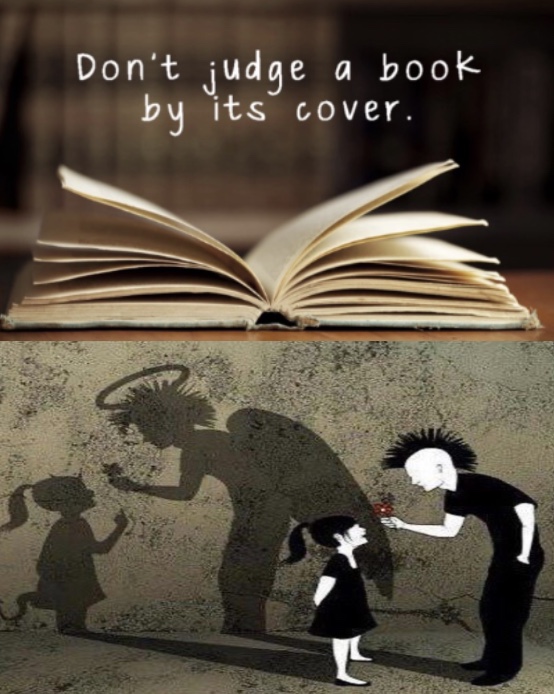
Don’t Judge a Book by Its Cover

Scripture Readings: Is. 3:16-4:1; 1 Corinth. 1:25-30; Matt. 18:10-14
Ընթերցուածքներ` Եսայ. Գ 16-Դ 1; Ա Կորնց. Ա 25-30; Մատ. ԺԸ 10-14

In the Name of the Father, Son, and Holy Spirit, Amen!

We’ve all heard the saying “don’t judge a book by its cover!” A clear indication and teaching that while things on the outside may look worn out, boring, unattended, the truth is we don’t know the vast greatness found within. A book that looks mundane may contain great wisdom and teaching; a musical score that is simple may touch the heart of the listener in a powerful way. As Shakespeare and great philosophers of the past of taught “still waters run deep” – The calm waters of a river may have powerful currents’ underneath that push and pull the earth shaping the world. Yet, so many of us are tempted to judge the surface level without looking deeper. We judge not just books but ourselves, those around us and the entire world by “a cover.”

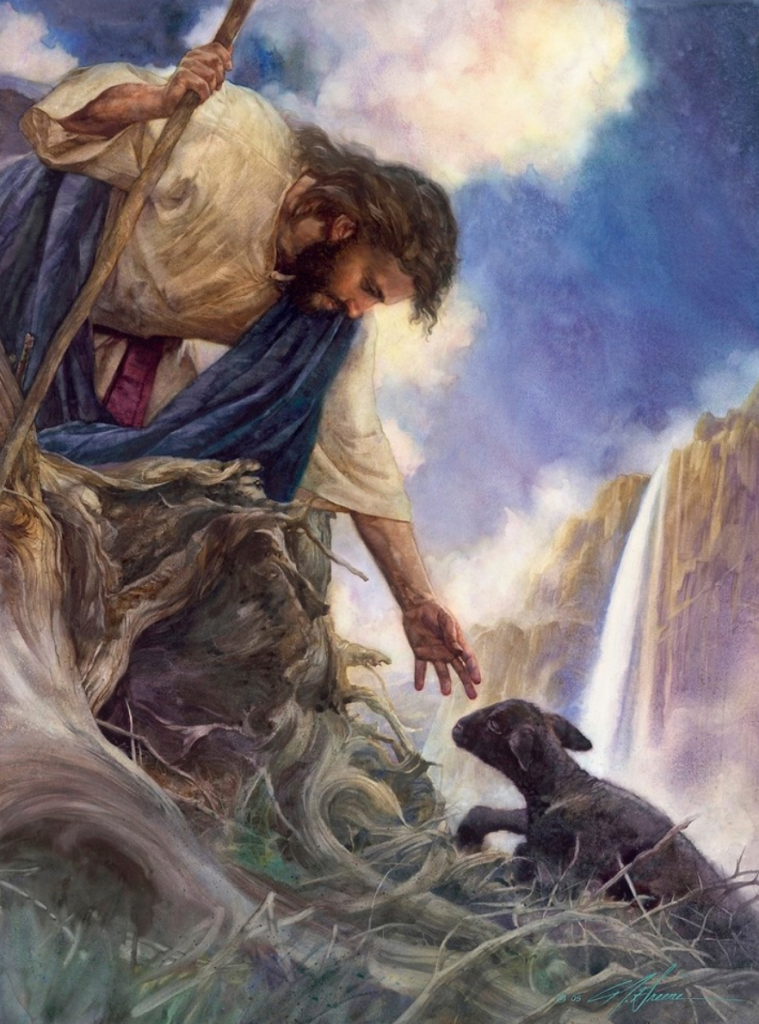
In the Gospel Christ gives us the example of children. Children, whom when we look at, we judge as perhaps incapable, small, uneducated and inexperienced. Yet, God’s love for them is limitless and He tell us to not “despise the little ones” or ignore, reject, turn away because they have value; that as the Shepherd, God seeks out all of His children, His lost sheep. St. Paul goes further to indicate that our standards should be like that of God; our value of good, proper, and worth should be different so much so that the world will call it foolishness. Yet, most of us want to fit into the standards of the world. For which St. Paul says, “God has chosen the foolish things of the world to put to shame the wise, and God has chosen the weak things of the world to put to shame the things which are mighty;” God has chosen what the world deems worthless to be an example of what real value is.

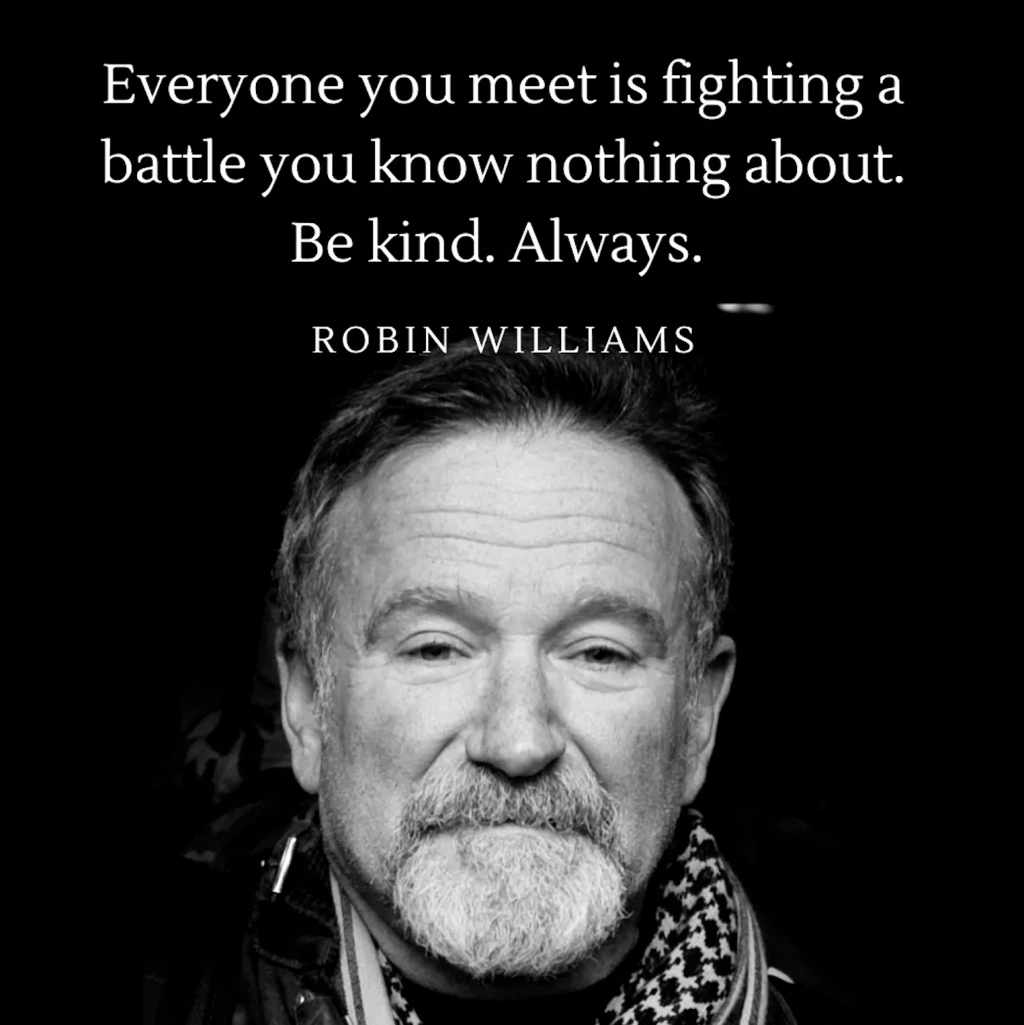
Why? Because my dears, we don’t judge a book by its cover, we don’t judge ourselves or one another but what is merely on the surface. Robin Williams beautifully said, “everyone you meet is fighting a battle you know nothing about.” Who among us has not felt worthless or broken at one time or another? Who among us is not fighting an internal battle, whether it shows scars on the surface or not? In the Wisdom of Sirach found in the Old Testament (11:11-12) we read, “there is a man who works and works and keeps on working but is in much more poverty. There is another who is sluggish and in need of help; and he lacks strength and abounds in poverty, but the eyes of the Lord look upon him for his good and restores his well-being from his humble state.” In other words, we so often give more importance to the external as a determination of value and success. If we work hard enough, if we sacrifice enough, if we pray hard enough, if we come to Church every Sunday, if we do the push pushups or sit-ups, if we get the degrees or go to the best schools, if we have the highest salary, or dress in the best clothes, we think we will be somehow more valuable or successful. We work and work, we gain everything and yet, in the process we remain in poverty, we remain blind to what God has prepared for us. And we absolutely must work hard, be dedicated but our external success is not what determines our true worth. The one who needs help, who struggles, on whom the world wouldn’t even look at twice, on that person God sets His eyes on and sees.

Jeremiah 29:11 “For I know the thoughts that I think toward you, says the Lord, thoughts of peace and not of evil, to give you a future and a hope.” God who sees us, in His love for us, provides us not just with things to fill our fortune with but opportunities to evaluate and define ourselves as He does, to give us a future and hope.

My dears, what do we see? The external which the world holds up as valuable, or the greatness, the image and likeness of God – the true potential each one of us has within us to be all that God has created us to be – restored and lifted. Planted and blossoming, rejected and dead according to the world but resurrected and alive through Christ Jesus whom the world likewise rejected because He did not fit the world’s standards. Perhaps we don’t fit the world’s standards either; perhaps just as Christ has the scars of the whips and holes by the nails in his hands, likewise, life has scared us, pierced us and we feel hurt and abandon, we feel unseen. Yet, God sees us – his children and lost sheep.

His love by the power of the Holy Spirit reveals to us, teaches us, that the world is not what gives us value, our scars are not what define us, even if we feel the very sting of death, in Christ we live, by the love of God our Heavenly Father we recognize who we are. A child who seeks a loving parent, an innocent sheep that calls out to the shepherd. And our shepherd, our Lord hears us and sees us; He will come find us, lift us up onto His shoulders and bring us back to Him.

However, we have our role as well. What remains for us my dears, is to call out to our Lord through prayer and repentance. To humble ourselves and say with faith, “your will be done” and to allow God to define us, while at the same time we look at each other with the same compassion and mercy that God looks at us because Christ says to us do not despise or reject these little ones; we are all the little ones of God and just as God sees us, we are called to see and love each other. Pray for one another; lift one another up; don’t judge the book by its cover for you don’t know where that book has been, nor what is contained in its pages – we don’t know what battles others are fighting in their life. Pray for another and our Lord will see and hear and will lift us up to be with Him in this life and the next, with future and hope – for all eternity, Amen!

Pay Attention For The Fruit

Scripture Readings: Isaiah 2:5-11; Rom. 8:30-10:4; Matt. 13:24-30
Ընթերցուածքներ` Եսայ. Բ 5-11; Հռոմ. Ը 30- Ժ 4; Մատ. ԺԳ 24-30

In the Name of the Father, Son and Holy Spirit, Amen!

When I was a student back in Jerusalem, I vividly remember having a bizarre dream, not just once but several times. In my dream, I saw myself at the Church of Sts. James, the Armenian Patriarchate Cathedral. I witnessed a Church dimly lit with oil lanterns and a Church filled with monks and saints, with no faces that I could see, but who shined brightly, quietly and prayerfully listening. Immediately, I found myself in the middle of the Church, with a Gospel in my hand, as a Deacon would, and as I began to chant, my voice could not be heard. As hard as I tried, as loud as I yelled, the words of the Gospel seemed to disappear from the page, I couldn’t see, even in a lit Church and looked around for help, my prayers were silent.

As a priest, I often get asked if we should pay attention to dreams, or signs and the answer is yes, but with discernment. St. Gregory of Datev teaches us that dreams and gut-feelings can come from 3 places: our subconscious, God or the Devil. Therefore, if we do have a dream, or ideas that come into our heart and mind, or perhaps there are “signs” happening around us, that we are not certain what it could mean, we are reminded to be prayerful asking for clarity – to understand where they come from and what they mean. God our Heavenly Father desires ultimately for us to be in Communion with Him, to know Him and be known by Him; to grow in our likeness of Him. God is a creator, God is love, God is merciful and compassionate. For this reason, God the Son, our Lord and Savior Jesus Christ became human, became knowable and relatable. Through His divine ministry, God become known to us by sharing His love, mercy and compassion with His creation. Through the message of the Holy Gospel the seeds of faith were planted in our life, which is what today’s Gospel is teaching us.

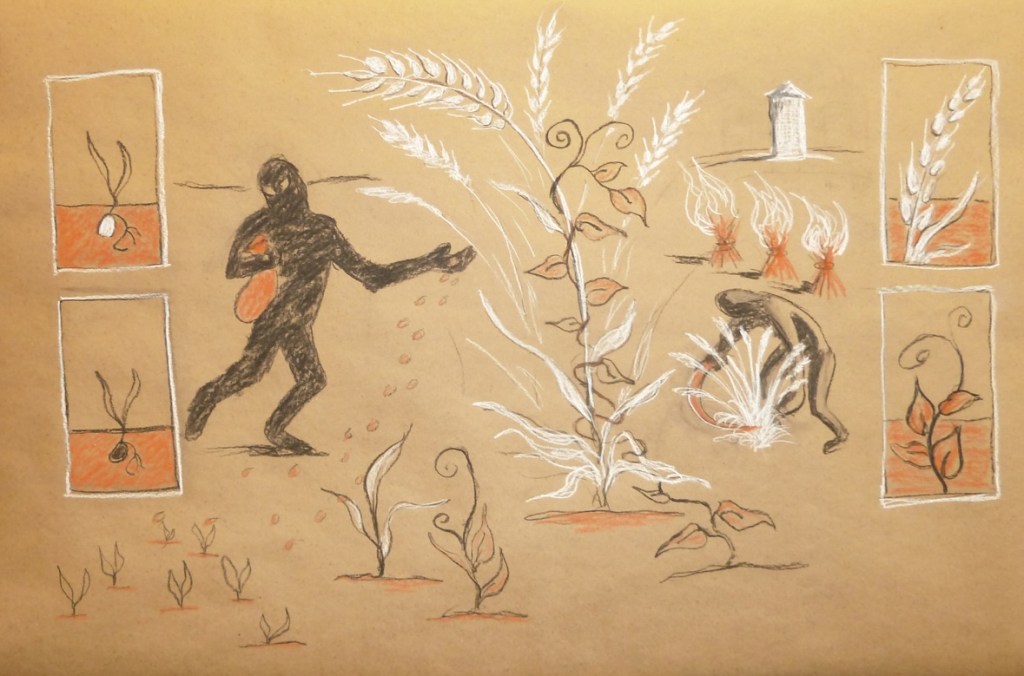
The parable that Christ shares speak of seeds being planted in order to produce good fruit. We read that the enemy, or the evil one, spread among the healthy seeds of wheat, weeds, or fruitless plants. Only after both mature does the master allow them to be separated according to what they produce. My dears, what do we produce with our faith? Are we wheat or weeds? We all face challenges in life of various forms. Challenges not just in work and academia, but challenges of faith, of self-worth and self-identity. Whether through social media, our friends’ circles, or what we see or read around us, our faith is always being challenged. We face hopelessness, sickness, regret, anger, depression, anxiety, and fear. We often cry out God why would you allow this, aren’t you all good and loving?

These words echo the words of the servants in today’s Gospel, “Sir, did you not sow good seed in your field? How then has it weeds?” Sadly, the reality is my dears, weeds do exist in today’s life not because God planted it but for 2 other reasons: the enemy, which is the devil, and us. The enemy of our faith desires nothing more than for us to depart, to reject God, to fall into despair and hopelessness. The devil has no need of us, if we already reject God, yet, when we want healthy fruit, God’s love and Will in our life, then the devil comes to plants those weeds in our life. And so here we have our responsibility? In v. 25 we read, “while men were sleeping, his [the masters] enemy came and sowed weeds among the wheat and went away.” These men, these people who were sleeping is us; and the sleep is not rest from work but laziness, carelessness, and excuses that we have in our life to not pray, to not read Scriptures, to not participate in our Church life. When we “sleep” in this way, we don’t pay attention, we live our life pursuing what we believe makes us happy, gives us fulfillment, even if for the moment regardless of what consequence it could have later, and so we remain open to attack, we are susceptible for the enemy to penetrate our hearts and minds with false teachings, lies, and fear and when bad things happen, we ask, but God didn’t you make things good?

Yes, God made things good; God planted good seeds. Did we take care of those seeds and of the soil in which it was planted? God through compassion and mercy, as the master responds not with chastisement, not with anger but with love and concern. Let the seeds grow and according to their fruit they will be separated. My dears, yes, sin exist in this world, yes, the devil is real, and his presence is real when we allow it. However, yes, we also have our responsibility in the garden, in the work of God; to remain vigilant and be prepared. And because we make a mistake, just because we have sinned, are value in the eyes of God is not diminished; God is not punishing us but reminding us, to therefore, strive to produce healthy fruit. An emphases that we need patience and discernment in the face of spiritual challenges.

God the Son, Jesus Christ has already destroyed the power of evil, and all that remains are the seeds and weeds that will be judged based on what they produce. If we remain careless and undiscerning, if we keep making excuses, then the lies of the evil one, who tells us we are useless, worthless and broken will only produce fruit of vanity and ego, of pain and despair. God’s love however, calls us to so much more; the grace and love of God is greater than any mistake, any scar, any hurt we may have in our life. So, we ask what will our faith produce? Compassion? Mercy? Hope? Love and forgiveness?

Through prayer and guidance from my dean of the seminary, I understood my dream to be a warning from God. Yes, I was a Deacon, and I was serving the Holy Church. But if I did not trust God with my life fully, if I continued to seek after my own will, my own ego, my own definition of self-worth, if all I wanted was the momentary satisfaction of being right, then even in the most beautiful of Churches, in the Holy Land of Jerusalem, among the Holiest people, my voice would remain silent, my prayers would remain mute; I would be in darkness. God was telling me wake up, pay attention not to the world, not to the lies; pay attention to my love for you, pay attention to what I have prepared for you, pay attention so you can help others as my servant too.

My dear brothers and sisters, pay attention! Not to Der Hayr, not just to dreams and signs around us but to the living Word of the Holy Gospel, to the seed that is planted in our life. Learn to tend to that seed, care for it through prayer, through reading of Holy Scripture, asking questions, coming to Church regularly and being part of this garden. Because it is here, through love and forgiveness we learn that even if we make mistakes along the way, even if we fall, by the grace of God, the Holy Spirit will help us produce a healthy crop. A crop, a fruitfulness that will feed not just us but all those who seek the Lord. Pay attention; pray for clarify and seek the Lord always. And our prayers will be heard, our our eyes will be opened to the truth, our ear will listen and understand and our lives will bring glory to our Heavenly Father, the Son and Holy Spirt, Amen!

Empty Routines and Work!

Readings: Isaiah 1:21-31; Rom 7:25-8:11, Mt. 12:38-45
Ընթերցուածքներ` Եսայ. Ա 21-31; Հռոմ. Է 25- Ը 11; Մատ. ԺԲ 38-45

In the name of the Father, Son and Holy Spirit, Amen!

American essayist, historian, and philosopher Henry Thoreau wrote, “It is not enough to be industrious. So are the ants.” This means that for life, it isn’t enough to just work or go through the motions. Get up, get dressed, drink coffee, go to school or work, only to come home, maybe get a workout in, read, watch a movie, etc. go to sleep and do it all again. Or for us Church goers, get up, get dressed, get to Church, maybe sing in the choir, serve on the Altar, give a sermon, go downstairs, have coffee, say hi and then go home. Henry Thoreau’s argument isn’t that we shouldn’t be hardworking or that a routine is bad, but that even animals such as ants, who are tiny in the grandness of all creation, all they do is work, all they have is routine without any real Divine purpose. And so he argues that we as human’s, should be different. How? Through 6 qualities applied to our productiveness:

  1. Authenticity – Meaning our work should reveal to us who our true self.
  2. Agency – through our free will we should find ways of making a real impact beyond just our life.
  3. Self-Worth – whether in the large or small milestones, in our daily tasks we should find value in who we are.
  4. Purpose – a defined reason, our why.
  5. Belonging – recognizing our worth in not just what we do but with whom we do it, the community we build.
  6. Transcendence – recognizing the greater cause, the overarching sacrifices we make that leave us in a deeper state of wholeness.

These 6 qualities can also be applied to our Christian faith: Authenticity – How does our faith in Christ Jesus – reveal to us our true self? This may be ugly and dark but by coming into the light as we read in the Gospel of John, through repentance the real image and likeness, our true self must be revealed. Agency – How does the Holy Spirit guide us to use our free will, our choices, our decisions to positively impact our lives and the world around us? Self-worth – How does the love of God our Father, lift us up and reveal to us our true value, regardless of what those around us say? Purpose – Do we find our purpose in our Christian faith whether we are in Church or elsewhere? Belonging – Do we recognize this community, this Church family as the body of Christ, and that we are an irreplaceable part not for what we can physically do but for our spirit that God has placed in us. And finally Transcendence – do we accept that our faith in God the Father, Son and Holy Spirit, has a transcending quality? That our festivals, our liturgies, our Bible Studies, our prayers, and coffee hour fellowships serve a higher purpose beyond just this moment, beyond just fundraising.

St. Maximus the Confessor says, “A Christian receives divine wisdom in three ways: by the commandments, teachings, and faith. The commandments free the mind from passions. Teachings lead it to true knowledge of nature. Faith leads to the contemplation of the Holy Trinity.” My dears, when we act out of faith, when we say we are Christian and try to live our life, apply the teachings of God to us, we are first called to begin by emptying ourselves, to clean house. This means when we read in the Scripture’s and apply what we have learned to our daily faith, we being to grow in the knowledge of God; we begin learning how to deny or empty ourselves. To live out the commandments of God both read in the Holy Scriptures and as defined and taught through the Holy Church. This is what it means to be a Christian, right? Yes, but not fully my dears.

In the same way, having a job, going to school and just going through the daily motions is not what it means to be a person, likewise, coming to Church, and doing the “work” of being a Christian without something deeper often leaves us undefined. As an examples look at the warning Christ gives to us when He says, “When an unclean spirit goes out of a man, he goes through dry places, seeking rest, and finds none. Then he says, ‘I will return to my house from which I came.’ And when he comes, he finds it empty, swept, and put in order…” (vv. 43-44) When we “do” the commandments of God, when we come to Church, light our candle, volunteer, act charitably, etc., when we read scripture and live our faith, through these we are learning to empty ourselves. We are sweeping, cleaning and being put back in order. However, unless we fill that emptiness, that space, or purpose in our life, then our past demon’s, our past addictions and sins will return. The reality is we all want to be healed, we want faith but at the same time we don’t want to be uncomfortable, we don’t want inconvenience and so many of us don’t want to let go of the sickness that brings us so much pain. This is because we’ve began to identify with those “demons” as part of who we are rather than the love of God, the grace by which our true self and purpose is revealed. Therefore, this leads us to we not know how to fill that emptiness when we do finally come to faith.

So how do we fill it? By having a communion with God – applying those 6 steps to our daily life of faith – understanding the why we follow Christ; recognizing our self-worth in the image and likeness of God by which we are created in; by finding belonging in the body of Christ, the Church and recognizing that singing, serving, or volunteering, throwing out the trash, making coffee is a ministry, a display of God’s love for those around us; and finally by discovering that each of us are serving the higher cause, the building up of the Kingdom of God here on earth. Our emptiness is filled when we recognize that our Christian actions, our work isn’t what saves us, rather, it is what prepares us to be saved, it is our response to the Cross and the empty tomb.

Yet, St. Paul tells us “For those who live according to the flesh set their minds on the things of the flesh, but those who live according to the Spirit, the things of the Spirit.” Meaning we must be uncomfortable sometimes. If we think we are a good Christian because of standards we have created for ourselves, if it is something that makes us feel good about ourselves, or an act that we do because our parent’s came to Church, so come, or because we believe as Armenian’s we have to come but there is no deeper communion or relationship with God, than our mind is set on the flesh, the external work and not the spirit by why we are a Christian. Then we remain empty! We might be cleaned up, but we remain empty; and as Christ says, by remaining empty, that which we were healed from, our demons, will come back and our lives will be far worse than before. St. Porphyrios teaches us, “when people are empty of Christ, a thousand and one other things come and fill them up: jealousies, hatred, boredom, melancholy, resentment, a worldly outlook and pleasures. Tor to fill your soul with Christ so that it’s not empty.”

St. Ignatius of Antioch says, “I have no taste for corruptible food nor for the pleasures of this life. I desire the bread of God, which is the flesh of Jesus Christ, who was of the seed of David; and for drink I desire his blood, which is love incorruptible” (Letter to the Romans 7:3 [A.D. 110]). My dears, what do we want from our Christian faith, what does it serve? How does our work make us any different than the ants in the ground, how does our Christianity make us any different than all those other religions of the world? It is only when we empty ourselves and have a desire to be filled with God’s real presence. Through prayer, repentance, confession, through reading our Scriptures, asking questions, reading the Fathers, attending Bible Studies, receiving the body and blood of Christ Jesus, Holy Communion, do we begin to not just put our house in order, not just heal but begin filling the wound with the mercy, love and compassion of our Lord.

So that our work will reveal our likeness in our God, so that our life will impact not just us but the world around us, by showing our true worth, by giving us a higher purpose, by building up this community and finding true healing by the grace and love of our Lord. Let us all respond my dears, whether we sing, make coffee, are a priest, a teacher, a parent, a student, regardless of our age and language, or external work. In the grandness of God’s creation, if the ants are ones we can look to and learn from, imagine what the universe can be when it see us, the creatures of God who are created in the image and likeness of God. Therefore, let us all in faith respond to the love of God and live a life that brings glory to our Heavenly Father, the Son, and Holy Spirit, Amen!

Who Will Go? Who Will Answer?

Daily Readings: 2 Kings 2:1-15; James 5:16-20; Luke 4:25-30
Ընթերցուածքներ` Դ Թագց. Բ 1-15; Յակ. Ե 16-20; Ղուկ. Դ 25-30

In the Name of the Father, Son and Holy Spirit, Amen!

Cold, damp and unwelcoming; The freezing rains of Scotland were not easy to handle for many. Yet, he came, he called even though many did not come. Those who did come were elderly, sick, and unable. Those who answered, had hearts of servants, and a willing spirit yet, tired at best, but that labor that was needed, demanded a call, demanded an answer. And so, the pastor called, “who will go?, who will answer the call of God?” Silence followed the charge; A silence so powerful you could count the drops of rain falling on the side of the Church because to answer was to trade the unwelcoming cold and rain of home for the unwelcoming scorching sun, of a foreign land, where death was far more certain than rain. “Who will go?”

My dear brothers and sisters, last week we celebrated the Holy Feast of Pentecost – what we learn is the birth of the Church. Church not as a building, that some of us may picture or understand, but Church as St. Paul describes it as “the body of Christ” a community of Communion, our home from where we learn and grow in our faith. Yet, as we also witnessed from the readings of last week, the Church as a body is not stagnant; it does not sit in a room and chant words of poetry. The Church gives life, it grows and aids in our growth in faith. Our communion and life in the Church pushes us to live, to labor, to talk and love outside these walls of comfort. The life of our Christian faith through the Church we learn therefore, is a response to what many of us often reserve to priests– the call. So often I get asked that question, when did I feel the call? When did I feel God calling me to serve? Yet, this is a misdirected questions because the reality is my dears, God calls each and every one of us; God does not limit His call to only men with beards. Yet, to understand how and to what God is calling us to, we must live in the Church – we must begin with a life of prayer.

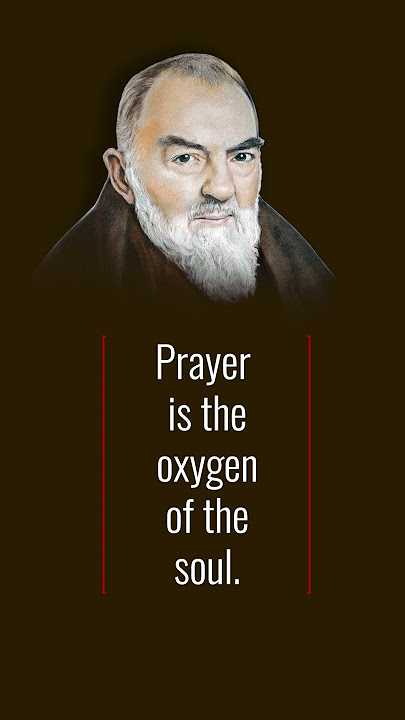
St. Padre Pio referred to prayer as “the oxygen of the soul”; just as physical oxygen is essential for life, prayer is considered crucial for sustaining a healthy spiritual life. Through prayer we learn discernment; through prayer we learn love and compassion. Our Church Father’s further emphasis this by teaching us the prayer is the awareness of our Communion with God. Meaning prayer is not a list of desires but rather prayer illuminates our hearts, opens our eyes and ears to be self-conscious, self-aware of who God is and what God has called us to – this is called Communion. Therefore, prayer even for someone still learning and growing in faith is so powerful that St. James today reminds us, “The prayer of a righteous person has great power in its effects.” A righteous person is one who is seeking God; a righteous person is not just a priest, but men and women, children and elderly who have a heart and desire to love God and to grow in Communion with Him. Someone who sees God’s love not just in what they receive but in also what they do for others; Those prayers are powerful beyond measure or understanding. If last week, we celebrated the birth of the Church when the Holy Spirit came upon the Disciples and upon us through our Holy Baptism where the Holy Spirit called us to understanding, then prayer is our renewed response, our answer to the call by the Holy Spirit. Who will answer my dears, and how will we answer when we are called?

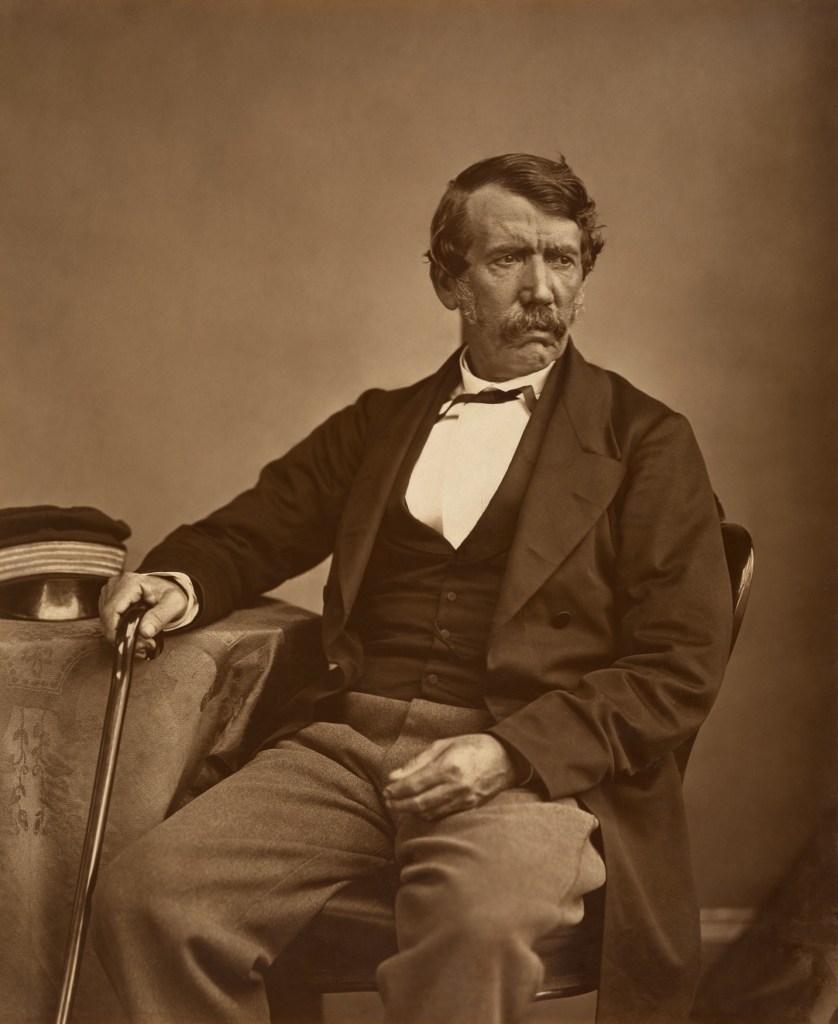
In the small Church, as the rain came down and the pastor called out, “who will go?” a little boy named David Livingstone, who assisted the organist, stood up and said, “I will answer, I will go!” Perhaps, the elderly and the pastor smiled at the kind gesture of the child who was so eager to answer God’s call. Perhaps we would have laughed as well, as so often we do when someone new to faith or young desires to get involved in the life of the Church – thinking they don’t understand. Yet, God our Heavenly Father calls us all and as this young man grew up, at the advice of his pastor he became a doctor and eventually he did answer and go to Africa as a missionary. During his time there, he kept a detailed dairy and in one of this passages he writes of how a local village chief had sent a threat, “we are going to come tonight, and we are going to kill you and everyone in the compound.” Time pasted, no one came, and David continued his missionary work until one day, the village and even the village chief who had threatened him, came to faith in Christ. Curiosity getting the better of him, David asked the chief, “all those years ago, you sent me a message that you would kill me, but you never came.” “We did come,” said the chief. “We came but turned back, when we saw that the entire compound was surrounded by 39 well trained, fully armed, giant warriors. We knew we couldn’t get it.” Having no idea what the chief meant David continued to live his life until one day when we he returned to Scotland and shared this story. The secretary of the Church asked Dr. David, “do you remember the date when the chief was going to kill you?” “Why yes, I have it written in my diary.” David opened it up and showed her. Immediately, with a shock, the secretary took the Church attendance book and showed that on that date, 39 of the elderly people, who had willing spirits though weak in body, in that tiny Church in Scotland, in the unwelcoming cold and rain, had gathered in prayer for his missionary work – 39 well trained, fully armed, giant warriors whose prayers surrounded the compound.

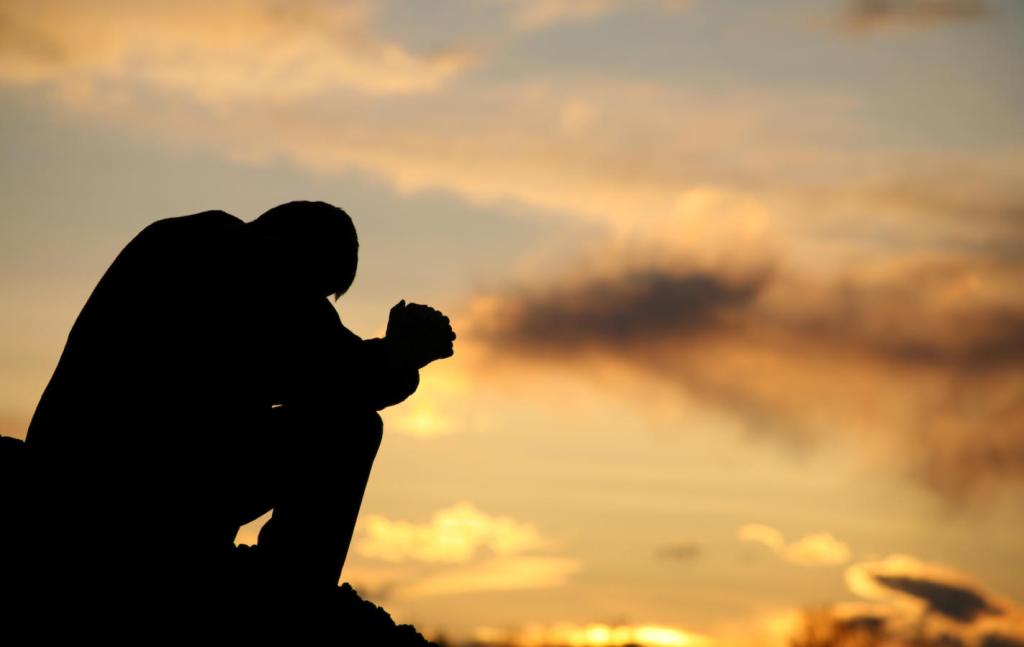
My dear brothers and sisters, pray; pray to learn how to pray; pray to learn and grow not for the things we want like children talking to Santa Claus but as children talking to our parents, responding out of love; Pray in response to understand how God calls all of us. Christ Jesus our Lord called fishermen, tax-collectors, children, elderly, educated, short, tall, rejected by society, everyone to follow Him. And know that our prayers are heard; our prayers reveal the divine image and likeness we were created in and through prayer begin to see that image and likeness of Christ in each other. Our prayers fill our Church, our lungs with new oxygen so that we will not only live but continue to grow as a family, as a community. This is why St. James continues in his letter, “The prayer of a righteous man has great power in its effects…if any one among you wanders from the truth and some one brings him back, let him know that whoever brings back a sinner from the error of his way will save his soul from death and will cover a multitude of sins.” Our prayers can change the world, can change our Churches, can save not just our souls but the souls of all those who are trying to find God’s love, compassion and forgiveness. Prayer is the greatest of virtues as St. Isaac the Syrian teaches. So therefore, pray; pray to listen, pray in answer; pray as a way of living. And in our unceasing prayer, we will always bring glory to our Heavenly Father, God the Son and the Holy Spirit, Amen!

So What If We Believe?

Daily Readings: Acts 23:12-35; 1 John 5:13-21; John 12:12-23
Ընթերցուածքներ` Գործ. ԻԳ 12-35; Ա Յով. Ե 13-21; Յով. ԺԲ 12 – 23

In the Name of the Father, Son and Holy Spirit, Amen!

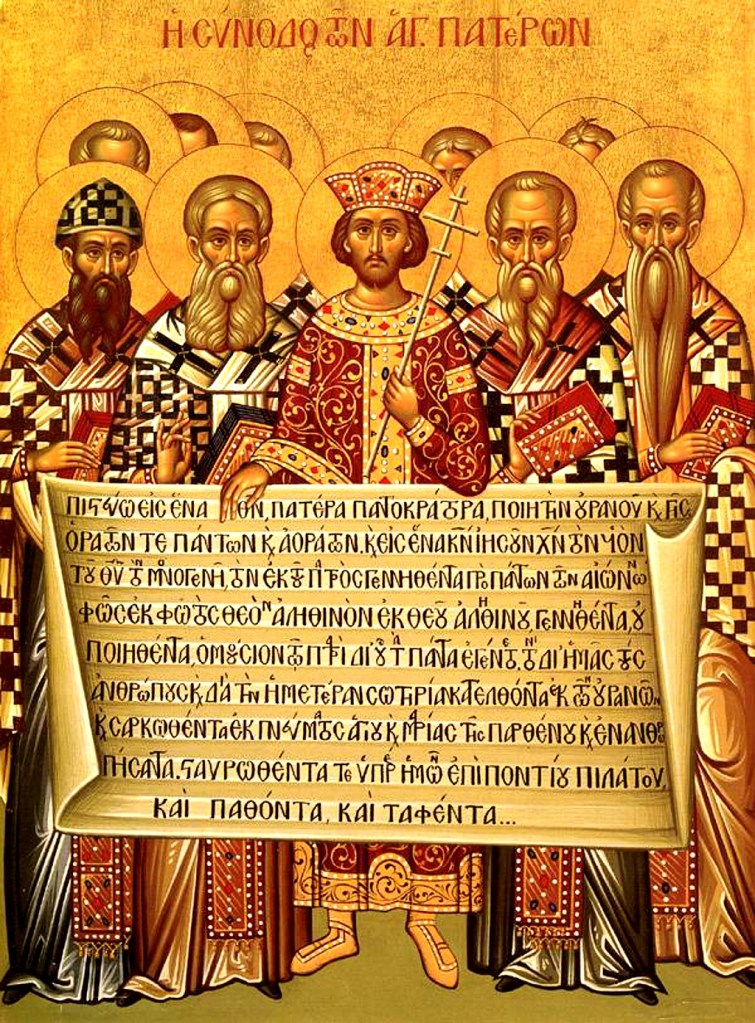
This year the entire Christian world celebrates the 1700th anniversary of the formulation of the Nicene Creed. In the Armenian Church this is known as our Havadamk, which we recite at every Divine Liturgy following the Gospel reading of the day. This Creed is our confession of faith, what we believe, as the opening words say, agreed upon by all the Churches during the first ecumenical council in 325 AD in the city of Nicaea. Of course, as Christian’s what we read in the Scriptures is what we believe but there are many things we might read in the Holy Scriptures that we don’t understand, that need interpretation. Therefore, the Creed is a more direct emphasis on the non-negotiables, the absolute concrete things we need to believe if we are to be a Christian. This is an important distinction my dears, because it is not enough to say we believe in God or to say we believe in Jesus. In fact, it is not enough to say we believe in the miraculous healings or teachings of Jesus. It is not even enough to come to Church and pray. This might seem strange but even the Holy Scriptures are full of examples of people who claimed to believe in God, or who wanted to see Jesus or experience His miracles but who refused to follow Christ.

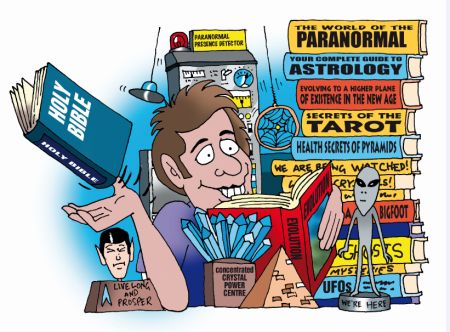
In today’s Gospel, we read, “Now among those who went up to worship at the feast were some Greeks.” (v.20) This is during the time of the Passover and when Scripture says Greeks came up to worship, it means these were pagans, who perhaps believed in some Jewish practices and so attended the temple, yet, they were not fully converted members of Judaism. Perhaps they had heard of Jesus and wanted to see his acts. Perhaps we know of people like this in our life, or we are like this ourselves. We say we believe in God, we say we believe in Jesus Christ and everything that He has done; we even come to Church, light a candle or say a prayer. Yet, we our hearts haven’t fully converted. We still place our hope and trust in astrology, good luck charms, horoscopes, superstitions, etc. We talk about karma, and shakras, and energies of crystals. We make statements such as “we all believe in the same God, just expressed differently.” I once had a conversation with a woman who completely dumbstruck me, when she told me she was a Christian wiccan. A wiccan is someone who practices witchcraft – something strictly forbidden and condemned by the Holy Scriptures and the Church. Hindus, Buddhists, and many other polytheistic religions believe in Jesus as a good teacher, a prophet, etc.

My dears, it is not enough to say we believe in Jesus or God; it is not enough to look for Jesus for His teachings, or His miracles. Which is why, when those pagans came looking for Him, Jesus answered, “The hour has come for the Son of man to be glorified.” (v.23) Glorified through His betrayal, Passion, Crucifixion and Resurrection. Glorified meaning fully revealed to us; the why and what we believe about Jesus Christ as God the Son. That is why St. Paul is so adamant in 1 Corinthians 15, that if Christ did not die, and resurrect than everything we do, our faith, being a Christian, our Church and belief is not only fruitless and pointless, but it is a misrepresentation of God. My dears, what makes us a Christians is not in our desire to look to Jesus, or how often we come to Church, or how many candles we light or anything else. These are practical expressions of our Christian life. Rather, to be a Christian, to truly worship, we must participate in Christ Jesus, be in Communion and be transformed through faith into the image and likeness for which we were created in. We must die to ourselves, pick up our Cross and follow Jesus with our very lives. This means to repent, to confess, to only come to God who heals us.

That is why the Church is a hospital – a place of healing, a place of diagnosing our ailment, and where we are all welcome. Yet, if all we do is go to the hospital, sit in the cafeteria or sit in the lobby, only see a physician but never follow the physicians’ instructions, than the diagnosis we suffer with will remain and we will be left unsatisfied and unhealed. Nonetheless, Christ our Lord calls all of us, pagan and non-pagan, Jew or Gentile, male and female, adult and child, broken, or hurting, regardless of what society deems as, Christ says come to me, and when we follow our Lord, when we live our faith, participate in the life of faith meaning the Church and what we learn here we live out in the world, than our lives will be transformed and we will see Christ not merely as a teacher or historical figure but as our Lord and Savior. We will be transformed to recognize the glorified and resurrected Lord Jesus Christ.

So yes, my dears, it is beautiful that as one body, as one Holy Church we celebrate and proclaim Havadamk – We believe…, however, we must exercise our heart and mind to recognize that what we believe must be lived. That as worshippers of God, we worship, we commune and confess only One God, who heals us, illuminates us and through the Cross reveals to us who He is. So that we will not merely be a Christian by name or words but so that we will become an imitation and reflection of Christ to all those who seek Him. To be a light in darkness, to be hope to the hopeless, to be a real Christian is to be Christ. And when we become like Christ in our daily lives, then all who seek Him will find Him not only as a teacher or person of the past but as the living God who sees us and calls us to Him. May our lives be transformed; may we be illuminated to what we believe and may we be grow from glory to glory, as we glorify our Heavenly Father, the Son and Holy Spirit, now and always, Amen!