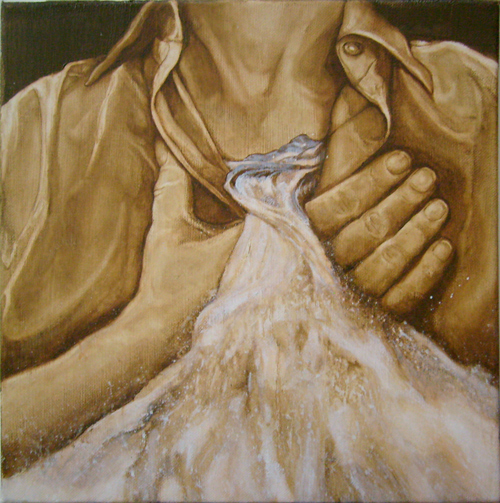
Blinded By God?

Passages: Acts 20:17-38; 1 John 3:2-6; John 9:39-10:10
Ընթերցուածքներ՝ Գործ. Ի 17-38; Ա Յով. Գ 2-6; Յով. Թ39 – Ժ10

In the name of the Father, Son and Holy Spirit, Amen!

As babies we begin to see from the moment of birth, though our vision is limited initially. At first, babies see in black and white and some shades of gray however, within 2 months, babies recognize faces, and they begin tracking with eyes. From 4-6 months a baby’s vision has developed more and even their eye color perhaps begins to change. We don’t often think about our ability to see. We wake up and go about our day. Yes, some of us may need glasses or contacts but we so easily take for granted this beautiful ability from our birth. I was once speaking to someone who had begun suffering from macular degeneration, which is an eyes disease that progressively gets worse leading to blindness. What this person told me was that the knowledge of losing their sight, the possibility of blindness, felt worse than when their sight began to worsen. When they began to recognize how important their ability to see was and that they stood to lose this sense, this made them feel far worse than the actual physical ailment.

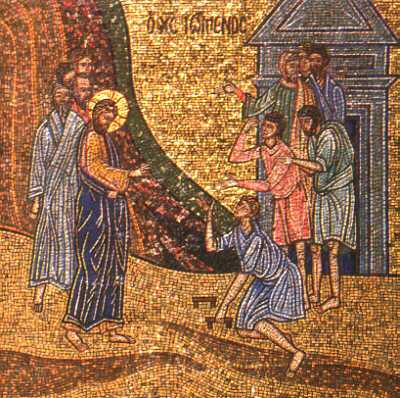
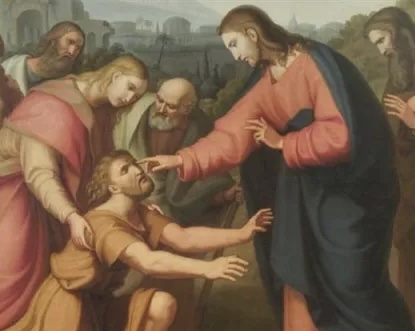
Therefore, it feels strange to read in the opening words of today’s Gospel of John, that Christ is bringing blindness: “And Jesus said, For judgment I am come into this world, that those who do not see will see; and that those who see might become blind.” Throughout Scriptures we read of how Christ brings healing to all, especially the blind. Yet, here it feels as though he is implying that through Him, there are certain people who will become blind. When we think about our own lives and the reality of sickness – all to often we ponder, why would God allow sickness in or lives? Maybe it is punishment, or God trying to teach us something? In fact, the disciples had this exact same question when they met a blind man earlier on in the ministry of Christ. We don’t know the man’s name; he didn’t approach Christ and in fact, he didn’t even call out and ask to be healed. All of his life he had lived in complete darkness, born blind with no idea what it meant to see. What is more, his physical condition was every bit as hopeless as if he had another horrible sickness, because his blindness left him with no physical worth in society; he was reject and just a beggar. But we read in John 9:1 that Jesus saw the man as he passed by and healed him.
My dears, God does not punish us through sickness! God is not a retributive God who punishes those who choose sin, or allow famine, or pain or hurt to befall us out of anger. This idea comes to us from ignorance, that if something bad happens to us, God allows it as a punishment or as a balancing of scales. Yet, St. Paul writes in Hebrews (10) “This is the covenant that I will make with them after those days, saith the Lord, I will put my laws into their hearts, and in their minds will I write them; And their sins and iniquities will I remember no more. Now where remission of these is, there is no more offering for sin.” This means my dear brothers and sisters, that God’s love through Christ Jesus on the Cross has removed the stain of sin and thus the punishment of sins. Through by the Holy Spirit, God’s law – meaning His presence and love is written in our hearts and minds. Therefore, we are not punished for sins by God through suffering. Yet, this begs the question why does Jesus say that through Him, some will become blind?

During the Soviet Union, a young teacher who has been educated in the atheist soviet school system, is talking to her elderly mother who was born before the USSR took over and she is trying to convince her mother that God does not exist. She asks her mother, when you look at the apple on the tree and it falls to the ground, that is gravity; that is the law of Newton and everything that exists is bound to this law of nature. The elderly mother says, “perhaps.” “Therefore, if God exists, why doesn’t he fall from the sky?” asks the young teacher. “I don’t know,” says the elderly woman, but she asks, “you only see the apple falling. Do you see how it falls? You see the top, bottom and the process of decline, but what about the force of gravity, do you see that?” To which the young woman remained silent.
My dear brothers and sisters, our ability to see is a beautiful gift from God but, sight is not limited to what we see physically. There are things around us that we can only begin seeing through a deeper sense of wisdom, humility, compassion and love. I can stare at a piece of artwork for hours and only see paint, whereas an artist can count brush strokes, and see technique and expertise beyond just my ability to see. Christ sees the blind beggar through His divine love; in the same way He sees all of us in our suffering. In Psalm 139, St. David writes that God saw us before we are even born, unformed and imperfect in the same way a parent will look at their child and see hope for the future, and love. Which is why St. John Chrysostom also says that if we want to see God in Church, if we want to find Christ in the Chalice, we need to see Christ in the beggars and those rejected and hurt in the streets. This is sight beyond our physical ability to see and is far more valuable.

Yet, when we are arrogant, when we are full of hatred, when we are self-justifying, prideful, vengeful, resentful, lustful, etc. we become blind to the truth and love of God. Theophylact of Ochrid, a saint of the Eastern Orthodox Church teaches us, that the Pharisees by rejecting Jesus had become blind in their souls. Christ isn’t punishing them by taking their ability to see, rather the Lord desires to show them that it is better to be blind physically than to lack faith, to lack love, to lack hope. They chose blindness over divine sight.

The truth my dears is that God does not punish us with sickness or pain. These things exist in this world because of its brokenness. God desires us to be healed, to be loved, to be seen. But we condemn ourselves when we distance ourselves from Him; when we abuse our bodies, our minds, our neighbors, our environment, etc. This blindness is far more painful than physical blindness because physical ailments limit our physical abilities, but they never devalue who we are, whereas, through spiritual ailment such as spiritual blindness, we begin to devalue ourselves and those around us.

God loves us; God sees us; God heals us regardless of what this world says about us. And when we live a life of repentance, humility, love and compassion, when we come into Communion with our Heavenly Father, through Christ Jesus then the Holy Spirit will open our eyes to see more than what is in front of us. To see beyond darkness, hurt and rejection. As children of God, we are still babies and our vision is limited, but through faith and hope, our vision will improve; and we pray therefore for that sight. Let us recognize that the person next to us in the pew, and those out there who act different, think different, believe and live different than us, are just as loved and valuable to God and we are called to love them for beyond what we physically see of them. And know that God our Heavenly Father sees us, loves us and will strengthen not just our physical bodies but also our souls, to bring glory, love and compassion to His whole creation, now and forever, Amen!

YOLO! So What?

Daily Readings: Acts 9:23-31; 1 Peter 2:1-10; John 2:23-3:12
Ընթերցուածքներ` Գործ. Թ 23-31; Ա Պետ. Բ 1-10; Յով. Բ 23 – Գ 12

In the Name of the Father, Son and Holy Spirit, Amen!

We’ve all heard the term YOLO – “you only live once.” It emphasizes that we only have one life to live, one brief moment on this earth, a short time to live, love, laugh and cry, therefore, we should live it to the fullest. We should experiment and try new things, make mistakes, live with no regrets, etc. While the premise is something we would agree with, that life is short and should be valued as a gift, as Christian’s we would disagree with the notion that to live fully, we should be experimenting and open to everything. This is not to say we shouldn’t try new things, face our fears or be challenged but rather, the way we live, the life we choose and what we try, etc. should be purposeful and directional.

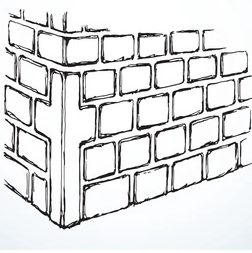
In his 1 letter, St. Peter describes Christ Jesus, as the cornerstone chosen and precious. What is a cornerstone? Among the many stones used in construction, just as the capstone and the keystone, the cornerstone is unique in that it is the first stone set. It would be placed prominently and cornerstones even held religious significance in ancient pagan cultures. A cornerstone is not merely a piece of rock that is placed in the corner of a building. A cornerstone is used to set a direction for a building structure. It was used to determine every measurement in the remaining structure. This means that Christ Jesus is not merely another preacher, prophet or teacher, but rather Christ Jesus, God the Son, is the living cornerstone, the barometer and direction of all of us, His Body, the Church.

When we are baptized from the font and as the Gospel today says, we are born of water and spirit, we become part of the body, “the structure” that is built up founded on our cornerstone, Christ Jesus. Our life, our direction, our YOLO, one life we live therefore must be fulfilled with that reality. Which is why St. Peter begins today’s letter by instructing us, to “put away all malice and all guile and insincerity and envy and all slander.” (2:1) My dear brothers and sisters, a life lived with no regrets, a life lived fully is not determined by a life filled with sinfulness, passions and worldly pleasure. A life lived fully is a life of building up, serving, caring, and love. Just like the cornerstone of a building has a unique significance, we too, through our life in Christ in this world each play a unique role in how this world, our Churches, our homes are built up. This means that when we “are in Christ”, meaning we are a Christian, anointed, with the Holy Spirit, the Holy Oil Myron which is placed on our heads at our baptisms, we become cornerstones; we become a reflection of God.

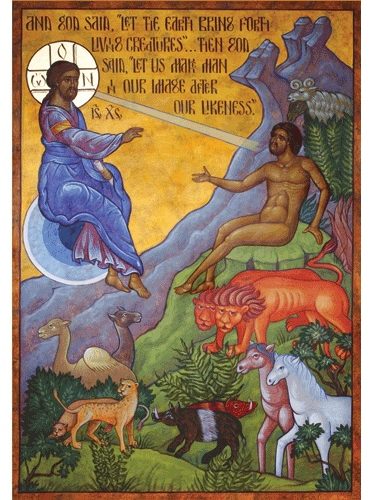
In the ancient world that cornerstone stood for truth, unity, growth, stability and integrity. In today’s world, as we live out our “ancient faith” what kind of representation are we of our loving, merciful and compassionate God? Regardless of our age, our skin color, our life experiences; regardless of our shortcomings, of our skeletons, and addictions and pain, we each are created in the image and likeness of a loving Heavenly Father who call us His children to Him to build us, raise us, even out of the ashes, even out of rejection. But this only happens when we respond to God’s salvific act. When we YOLO faithfully regardless of what the world might say.

For this reason, in the same letter of Peter we read that the stone which God deemed to be the cornerstone, was rejected by others. This comes to us from throughout the Old Testament but specifically from Ps. 118:2 “The stone which the builders refused is become the head stone of the corner.” Rejected, unwanted, hated, betrayed; Jesus was rejected by Pharisees and Jewish leaders, even some of his followers. He was rejected and crucified by us, for us. So let me ask, who among us hasn’t felt rejection and hate? Who among us for our faith, for who we are, for valuing something beyond this material world, hasn’t felt hurt, or laughed at even by those whom we trust and love? As Armenian’s, we are all children of Genocide; as humanity, we are all children in a darkened world that chooses hate over love too often.

And yet, though we are rejected, we are God’s children through our baptism. We are built up, precious and loved. We are, “are a chosen race, a royal priesthood, a holy nation, God’s own people, that you may declare the wonderful deeds of him who called you out of darkness into his marvelous light.” St. Clement of Rome teaches us, “It is our duty, therefore, to be faithful to God, pure in heart, merciful and kind, just and holy; for these things imprint in us the outlines of the Divine likeness, and perfect us as heirs of eternal life.” My dears, to say we are a Christian, to have faith is not about feeling good, or only coming to Church on Sundays. It is about facing rejection and hurt, it is about living a Holy life outside of these walls, and being the divine likeness of the God we claim to believe.

So yes, my dears, YOLO! But live in such a way that will light this darkened world. YOLO in such a way wehre we don’t worry about living with regrets but rather we desire to live with repentance. YOLO in such a way that even if we fail and hurt, even if the world rejects us, those things don’t diminish our value. Live with empathy, compassion, mercy and hope, because yes, this life is only a moment, a stop in all of eternity where how we live is a response to God’s love for us. God the Son’s Christ Jesus’ death on the Cross and resurrection by which we are reborn to the truth of what it truly means to live only once. YOLO, so what? The truth is we live everyday; we die once. How we live, how we treat one another, how we accept and reject each other is a direct reflection of what we believe about God. For He, Christ is the cornerstone, the measure by which we are measured and by which the world will look and see God. May the Grace of the Holy Spirit, illuminate our hearts and minds to be truly reborn, to live every day in Communion and love, to live a life of purpose and direction, with all glory to God, our Father, the Son and Holy Spirit, Amen!

News We Can Use!

Daily Readings: Acts 1:15-26; Mark 16:2-8
Ընթերցուածքներ: Գործք. Ա 15-26; Մարկ. ԺԶ 2-8

In the Name of the Father, Son and Holy Spirit, Amen!

Քրիստոս յարեա՛ւ ի մեռելոց։ Օրհնեա՛լ է Յարութիւնն Քրիստոսի։
Krisdos haryav ee merelotz! Orhnyal eh harootiunun Krisdosee!

Christ is risen from the dead! Blessed is the resurrection of Christ!

How many of us watch or read the news? Today it has become a lot easier to access the news especially through our smartphones and computers. However, the reality is there is so much information out there, it becomes overwhelming. The U.S. News & World Report and as well as, NY Magazine have a section called “News You Can Use” and while I may not agree with what is written, there is a sense of clarity that this information is somehow useful to my everyday life. As an Armenian Christian living in the United States, I pray for peace in this world, yet, the political disagreements world leaders have around negotiations is not directly going to impact my day to day – it’s not very useful. Having “news I can use” clearly laid out is important because it is digestible and applicable to my everyday life. The same is true about our faith my dears.

There is a lot of information out there in the world about “religion.” There is good and bad information, there is misinformation, in-depth theological and historical information. The issue we face is we don’t know what to do with all this information, what’s right, what do we as Armenian Orthodox actually believe and most importantly, how can we use it in our every day life? When I am hurt, when I am suffering, confused, anxious, and so forth, what do I do? This is especially important because for so many of us, all this information causes us to fall into 3 categories:

  • Confusion
  • Disillusion
  • Glass Half-full

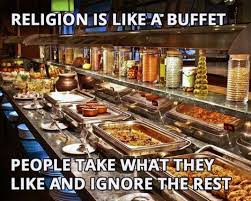
Confusion happens when we begin taking things from all over and begin forming our own “personal” versions of what we call Christianity. Smorgasbord” Christianity – a little of everything and nothing; where we treat religion like a buffet, taking what we want and what we like. This is what has caused so many different branches of Protestantism to come forward. This is also why so many of us have wrong and even dangerously bad misconceptions about what the Church believes or teaches. Confusion naturally leads to dissatisfaction and more confusion. This is where we become disillusioned with all that information seen as pointless. “I don’t need deep theology, history, etc.,” “As long as I’m a good person.” Finally, we fall into the category of glass half-full mentality. We begin making statements such as, “we ultimately all believe in the same god” or “I’m spiritual, not religious.” Or perhaps we’ve seen the bumper stickers with the different religious symbols that spell out COEXIST. While the notion to live peacefully with our neighbor’s and those who think, believe, or live differently than us is admirable, it is imperative that we learn and know what we actually believe and that we recognize, what we believe is useful to our everyday life.

This is because real Christianity is a full-glass truth which is offered to us to drink from and to be transformed by. Today we proclaim, Christ is Risen! The hymns and theological discourse of this past week reflect that God became human in full in the person of Jesus Christ, but without sin, and through his passion, suffering, crucifixion and resurrection, defeated the power of death and those who believe in this will inherit eternal life. While this is a beautiful expression of God’s love as we read repeatedly in Scripture, for many of us it feels inaccessible sometimes, and hard to understand. This is because my dears, too often the stories we read in the Holy Scriptures or which we hear about in Sunday School remain as stories. However, our faith, the full-glass of our faith which will quench our thirst and leave us satisfied requires a recognition of our active participation in those stories. When we come to Badarak and just stand or sit in the pew, while our mind is on dinner, or the game, or the weather, or our housework, etc. we are not participating, and this all leaves us unsatisfied and bored. It would be the same as going out with friends but being distracted by our phones, or going to the gym and never lifting any weight. Eventually those relationships would die out and our physical presents in the gym will have left no health benefit to us. So, what do we do?

My dears, our active participation in our Christian faith, what we as Orthodox Christian’s call Communion or drinking a full-glass begins by “losing our life” or as St. Clement of Alexandria put’s it “separate our lives from the customary things of this world.” This means placing not artificial trust but real and tangible trust in God’s Word. This can look as simple as starting our everyday with prayer rather than our phones. This can look as sophisticated as calling Der Hayr and asking faith questions, attending Bible Studies and private confessions. This can be practiced daily by reflecting on how we look at one another, how we treat those around us, our environment, our communities, our bodies, our mind, etc. When a beggar comes up and asks for money, how many of us, even if we give, have a thought that they will waste that money on drugs or alcohol? I know I’m guilty of this as well. Yet, my dears how much money do we waste on pointless things? How many pairs of shoes do we have, how many t-shirts, bags, or other clothes are in the back of our closest never to be worn? How much food do we throw away? How quickly do we change our smartphones ever year? How much of our time, and energy do we waste or abuse? And yet, we condemn a person who is asking for help.

My dears, following the word of God is not abstract and obscure, but it can be uncomfortable. It is uncomfortable because we need to reflect on how we live; it is uncomfortable because it means we have a part to play and we must be ready to be changed; it is uncomfortable because it begins by coming to the Tomb, facing our pain, suffering, anxiety, hurt, brokenness, and so forth. It is uncomfortable because we must accept that others may not accept us in the same way they do not accept Christ. But to answer what means to be a Christian, to know how to “use this news”, to look into the empty Tomb and see Christ alive, we must accept that it is not how I am treated by the world that matters, but how I treat the world because this is a direct reflection of how God treats the world. God is love – I must love; God forgives – I must forgive; God shows mercy, guidance and compassion – I must show mercy, guidance and compassion. God rejects sin while loving the sinner – am I able to do the same?

My dears, our faith is a reflection of our Lord Jesus Christ. Christ Jesus whose death and resurrection is an active search for the sinner, the hurt, and fallen. He comes in search of Adam, humanity, and even enters Hades, Hell, for our sake and brings us out of darkness by breaking those chains of damnation. This is a transformational act – death to life, sorrow to joy, hate to love. Therefore, to respond, to participate and truly live and proclaim the Good News which we can use every day proclaiming that Christ is Risen, we must come to the Tomb and be transformed ourselves to be that which Christ is – to bear his image and reflect His likeness. Or else, we too will fall into confusion, disillusion and glass half-full religiosity – leaving us ultimately unsatisfied, hurt and fallen. My dears, the Resurrection of Christ Jesus is news that matters to us every day; news we must use!

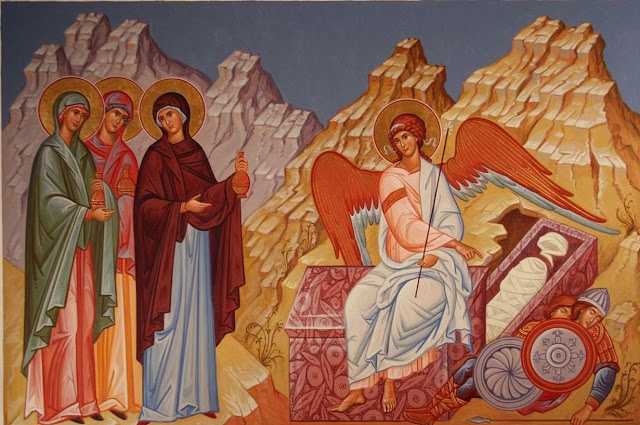
I can only imagine how if the news of Christ’s resurrection was heard today, how we would react. Perhaps if the Myrrh Bearing women at the tomb had smartphones they’d text or tweet, “Breaking news! The tomb is EMPTY. An angel just told us Jesus is STILL ALIVE.” Yet, my dears the glorious news of Christ’s resurrection, our faith is not merely something to publish or post pictures about or feel in our heart like an emotion – but it is news to use, to live. The hymns, history, theology, sacraments, canons, writings of the Fathers, are not pointless information to gather. They are the means by which we grow in Communion with God the Father, Son and Holy Spirit; means by which we actively participate. Through prayer we are given an opportunity to learn and to ask how can I use these tools? how is this news I can use for my benefit and for others? God our Heavenly Father sees us, loves us, calls us to Him. God the Son, did not idly sit back and leave us in the darkness but came into Hell to trample down death by His own death. When we come into Holy Communion with Him, when we respond, the Holy Spirit will reveal to us how we are transformed, how we must live every day in such a way that from all corners of the world we will declare the glorious news of Christ Is Risen! Krisdos Haryav I Merelots! Blessed are we by the Resurrection of Christ!

Now this is News we can use!

At the Core

Holy Thursday Passion Service (April 17, 2025)

In the name of the Father, Son and Holy Spirit, Amen!

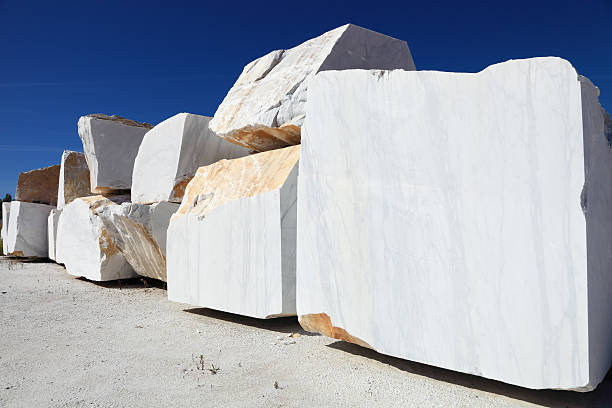
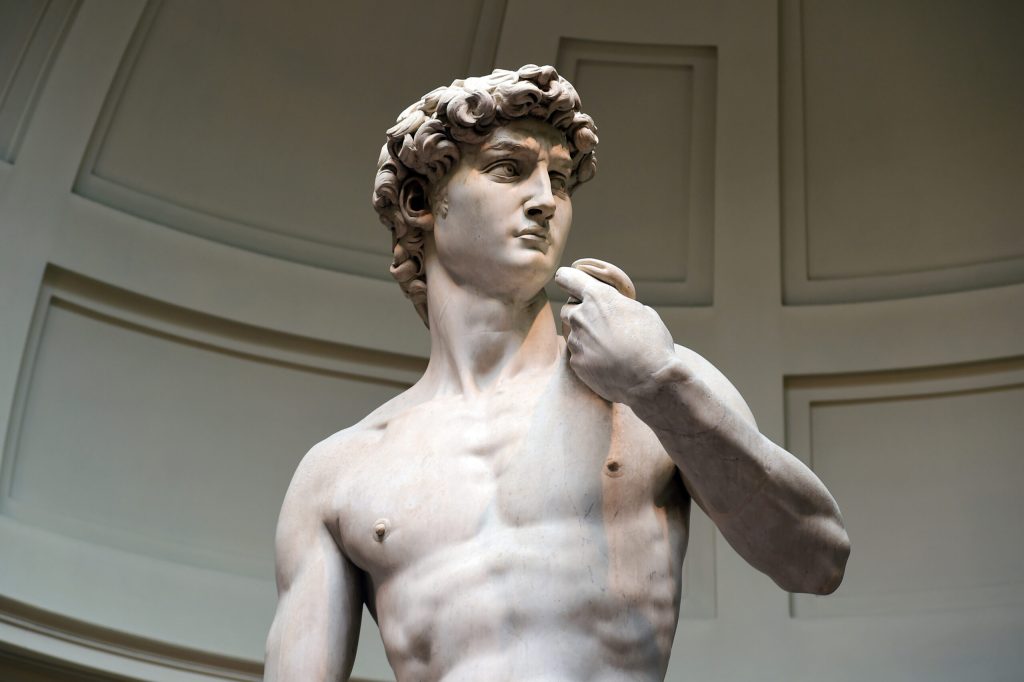
One by one the master walked by the stones. Many different sizes, shapes and colors, each more beautiful than the next. Suddenly, the artist stopped and looked at a block of bianco ordinario grade Carrara marble. This marble was deemed flawed and challenging to work with by countless other sculptors and was useless and of lesser quality. Yet, Michaelangelo chose this rejected stone and over time carved away to reveal one of the most beautiful works of art known as Michaelangelo’s David. To the surprise of many, a young Michaelangelo took a piece of marble that had been chipped away and rejected because it was unworkable by at least 2 other far more experienced artists. Yet, through dedication the Old Testament Prophet and King David in that marble was revealed for the amazement of all. Many of us would wonder why? Why would Michaelangelo choose this rejected stone.

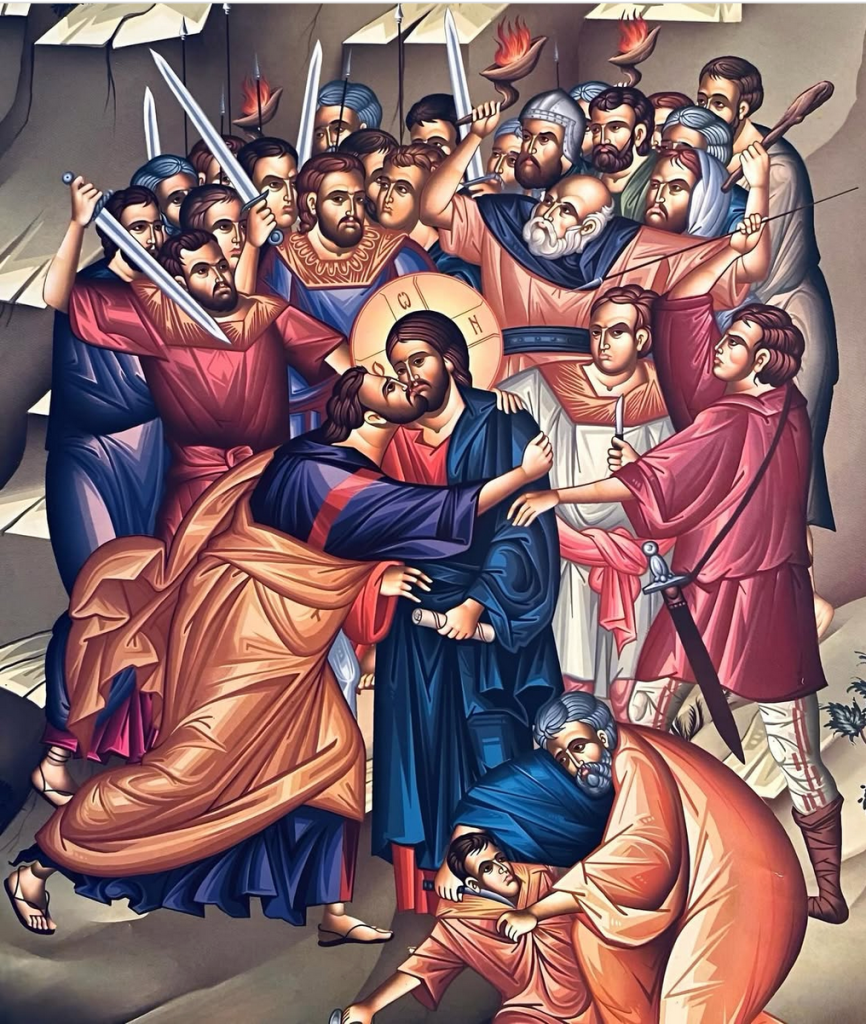
Many of us have this same question about our own lives? Why would God, the master and created of this universe choose me? I often think of this as a priest. Why would God choose me to be a priest and pastor. But I think perhaps we have all had this question, priest or not. Why would God choose us? Especially as we gather now in darkness, as we remember how Christ Jesus was betrayed by one of his own disciples, why does Christ Jesus choose the way He does? Why did Christ choose Judas? We know from the Gospel’s that Jesus knew from the very beginning that Judas would betray Him. (Jn. 6:64) And yes, perhaps as we read through the Old Testament, we understand that Judas was fulfilling prophecy. Ps. 41:9 “He who ate my bread has lifted his heel against me.” In fact, Judas’ act of betrayal was so deep that his name is synonymous with evil; we do not even name our children Judas, and yet, Christ chose Him.

Additionally, as we read through the Gospel accounts tonight, we see that not just Judas but also the other disciples were flawed. They ran in fear. They did not stay faithful. St. Peter, whom we recognize as a saint, even he denied knowing Christ. Choosing to betray their friend, their Lord, running in fear – yet, still Christ chose Judas, Christ still chose Peter and all the disciples.

What about us? How many times do we betray Christ? We claim to follow Him, but we doubt, we deny, and we choose to live in sin. Through arrogance, lust, pride, anger and hatred; by justifying our own Will and satisfying our thirst for pleasure over what God has offered us, why would Christ choose us? My dears, when Michaelangelo looked at the core of the stone, he saw the image of his work that would be born out of it. Out of that stone he constructed a statue of St. David. King David was a man who was broken and flawed. When Christ looked at the disciples, He saw their core, the value they had even though they were broken and flawed. God chooses us my dears, not because we are smart or strong or having something to offer. God chooses us even though we are all broken and flawed because at our core there is value – the image and likeness of God. Whether is it King David, Judas the betrayer, Peter, Paul and the other disciples or us, we are all created in the image and likeness of God. Through sin, that image and likeness, that value has been degraded and darkened to us in the same way we sit here in the dark. Our value has been reduced to material pleasure and wealth, flesh and bone. If we don’t look, think, or act a certain way; if we don’t have certain skills or assets, then we have little value. We are a rejected, flawed and broken person. Yet, God sees us at our core.

God our Heavenly Father knows our true value and reveals it to us through His sacrifice on the Cross through Jesus Christ. And in order for us to recognize that beauty and value, God through the Holy Spirit invites us to participate in His Divine work. To live and choose to live in such a way that strengthens how we are like Him; that chips away the stones around us, that falls and yet rises. That runs in fear but prays to learn to come back. That is where Judas’ betrayal of Christ is not merely with words but in his heart. Did Christ know Judas and his disciples will fall? Yes, but out of the other disciples Judas is the only one who continued to try and justify his choice of sin over his desire to be changed. Judas did not betray merely someone he knew, but someone he loved by devaluing him. Have you ever wondered why Scriptures and the hymns remind us that Judas agreed to 30 pieces of silver? It is because in the Mosaic law, a slave was worth 30 pieces of silver. In other words, God the Son, became a servant and yet, Judas sold his teacher and friend as a slave. Yet, God still chose to give him and opportunity which he denied.

My dears God knows we fail, we fall, we sin, and we hurt; however our core, our image is not of a broken person but of one who is given an opportunity to be raised back up even out of the worst of sins. Yet this is our choice. To repent and turn back, to confess and ask for forgiveness and mercy. To participate by seeking His light even the darkest times of our life. God my dears, sees in every sinner, in you and I, the possibility of a glorified saint – His child. In the stone, our master sees His masterpiece. For this reason St. Paul writes, “I am grateful to Christ Jesus our Lord, who has strengthened me because He judged me faithful, putting me into the ministry, although I was formerly a blasphemer, a persecutor, and an insolent man…This is a faithful saying and worthy of all acceptance, that Christ Jesus came into the world to save sinners, of whom I am the chief” (I Timothy 1:12,15). When we choose my dears to live a faithful life despite of our flaws, when we desire to walk with Christ even when the world tells us we have no value or purpose, Christ will not only forgive us by wiping the slate of our past sin clean but through His death and resurrection He will reveal to us how truly valuable we are, the image we carry and the light we can be in the darkened world. When we repent and confess our sins, when we choose to live our life in the confidence of Christ Jesus, then through His Passion, Death and Resurrection, we will be redeemed as the other disciples were, we will be an example to all, a magnificent work of art that will bring glory to our creator and Lord, now and always, Amen!

Beginning and End of Faith…

Passages: Is. 66:1-24; Col. 2:8-3:17; Matt. 22:34-23:39
Ընթերցուածքներ՝ Եսայ. ԾԶ 1-24; Կող. Բ 8- Գ 17; Մատթ. ԻԲ 34- ԻԳ 39

In the name of the Father, Son and Holy Spirit, Amen!

In 2025, 20-year-old James Clarkson who worked as a gas engineer trainee in Northern England learned that he had won the lottery jackpot worth approx. $9 million. Not realizing the life changing news, James went to bed after misreading his ticket and only later was he informed he had won. “News spread fast, and we all ended up celebrating later at my grandma’s and Grandad’s with a roast beef dinner and Champagne,” he said. So, what do you think happened next my dear brothers and sisters? How would we react if we learned we had won the lottery and our financial situation approved? Many of us, when we gauge how successful we are in life, we also include our financial situation. If we have money, through hard work or perhaps through the lottery, we would agree we have a successful life. So, what would we do if we gained this level of success? James Clarkson woke up on Monday morning and went back to work. When asked why, he responded, “I need to have a purpose in life…”

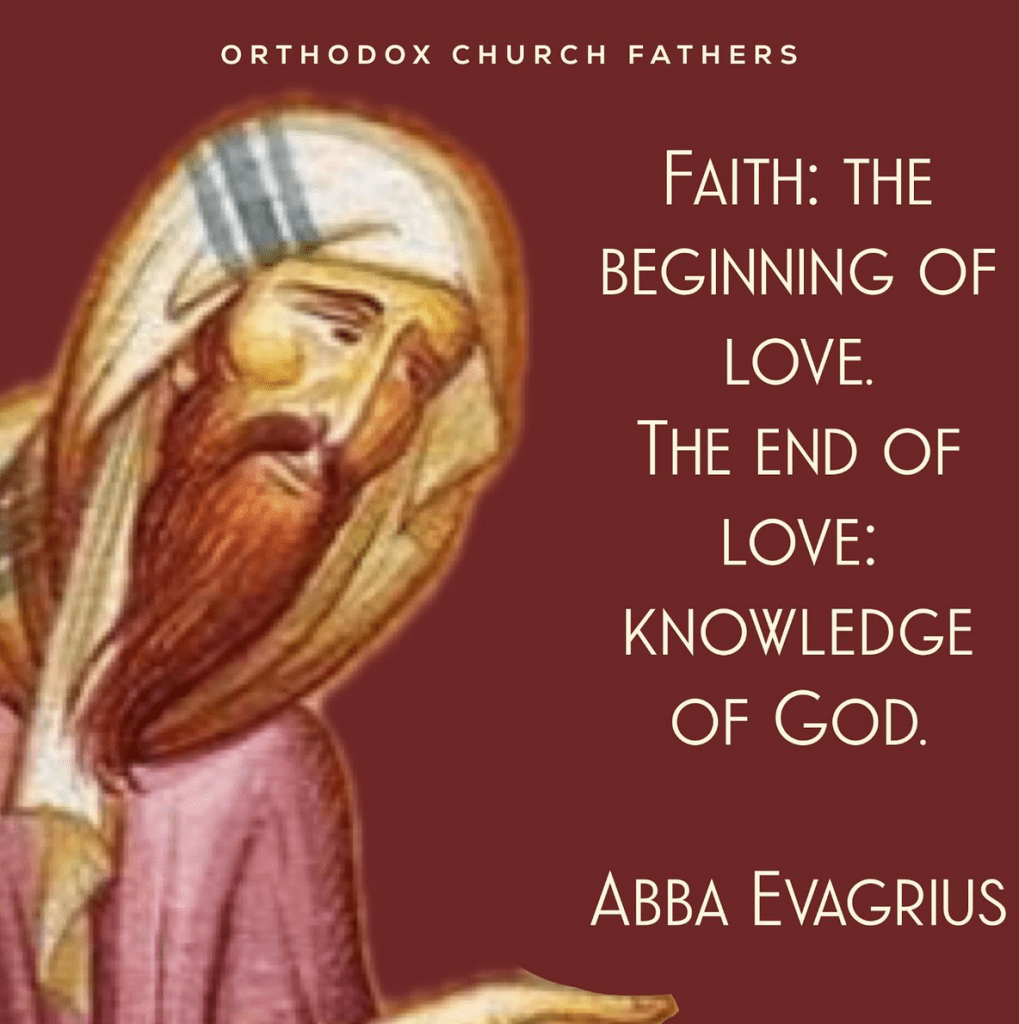
My dears, we are almost at the end of our Great Lenten journey. Was it a success? Did this season of Great Lent bring forth fruitfulness of faith? During Lent we are taught to read our Scriptures, to pray and to fast, act mercifully through alms-giving, charity, and forgiveness, all to strengthen our faith. If we gained faith, then we are successful. Yet, what does this really mean? St. Evagrius of Ponitcus teaches us, “Faith is the beginning of Love, Knowledge of God is the end of love.” To have faith is to have love. Love not defined or limited by today’s worldly standards because today’s culture says that love should be transactional, to give when we have something to gain; Love should be self-satisfying, gratifying, self-serving and protective, guarded and cautious and tangible. As Freudian psychology would suggest, love is the conscious and unconscious connect of mind to create wholeness and protect from self-destruction. In other words, love must complete me by serving me, myself and I. Yet, Scripture teaches us something very different.

St. Paul instructs us not be cheated by philosophies and empty deceits, according to the traditions of men, and the basic principles of the world but to follow Christ. (Cols. 2:8-9) We are all too familiar with the words of St. Paul who writes, “Love is patient, love is kind, love does not envy, love does not boast, love is not prideful.” (1 Corinthians 13) C.S. Lewis when writing about the characteristics of love says, “a real and costly love is with deep feeling for the sins in spite of which we love the sinner.” This he defines as gift-love, that which we give of ourselves in spite of the person deserving or not. What does this all mean my dears?

If we want faith, be successful as Christian’s by gaining knowledge of God, of His Will, of our purpose in this world beyond just our careers, and external characteristics, we need to recognize that faith is not an end goal or a barometer of knowing God – of being a Christian. In the same way, we don’t go to work just to gain money, nor was gaining a lot of money through the lottery the end goal of life for James Clarkson who chose to go back to work. Continual work and purpose was his desire; our work and purpose as true Christian’s never ends. The work of a Christian is what? To grow in the likeness of God, to be an imitator of Christ, to be the presence of the Holy Spirit in this world. In other words, our purpose, the Will of God, is not for us to have faith but to live faith daily and continually in the same way Christ did – through love. And the work of love never ends. Love doesn’t end when we receive satisfaction, or pleasure. A parent never stops loving their child, regardless how successful they are or how hurt they could be. God never stops loving us, regardless of how saintly we are or how sinful we chose to live. And so, to truly be a follower of Christ, to have faith means to always strive for love. The moment we think we have faith, we already know what God teaches, that is the end of love.

We’ve read our Bibles, we know Church history, we know the Badarak music or other liturgical services, there is nothing more to learn – that is the end for us. The end of our growth, the end of love, the end of compassion, mercy and wisdom and the beginning of our ego, our arrogance, of our justification to sin, to look down upon others, to condemn and be full of pride. To have faith is to love and love cannot be separate from God. Today’s Gospel, Christ repeatedly condemns the Pharisees because they believed they were following the laws, the commandments of Moses. He prefaced it by saying that the greatest commandment is to love the Lord God and love your neighbor. Yet, they had abandoned God who gave those commandments for our benefit. They had “gained” knowledge of God and lost the love. For which Christ says, “do what they say, not what they do” – do what the commandments say not how others “Christian” or not, live it. This is because my dears, our faith is not determined by what people say, how people act, or by those who call themselves believers – clergy or laity. Our faith is the continued love of God which we begin to recognize from our baptisms. A Love of God which is what brings us into Communion with Him through His Body and Blood, the bread and wine we consume for the forgiveness of our sins. A Love of God which continually breathes through us, from the words of the Holy Scriptures, and which guides our daily lives. A Love that never ends!

Yes, we are at the end of Great Lent. Many of us have fasted, started to pray more, perhaps attended Bible Studies, or started the practice of private confession. These are wonderful. But if come Monday morning after Lent, we go back to our regular lives from before Lent then where is our faith? What was our purpose? My dears, success for James Clarkson was not the money he gained, it was that he could keep working and have a purpose in life. Our success as Christian’s, as children of God, is not “faith” and the ability to say I believe or know about God, but rather it is to recognize the grace and love of God and to keep working, to keep living our faith daily. To pick up our Cross, to follow Christ, to love and live and hope and grow in our likeness of God. That is the purpose of our Christian faith – the reason for Lent. To remind us that though we are broken, though we are hurt, though we may misunderstand or be misunderstood – God loves us. Though this world might say we are successful, though we might have money, power, knowledge, etc. these don’t give us value or purpose – God’s love does. This love is given to us freely not because we deserve but because God is love.

A love by which Christ came into this world, suffered for us, died for us and was buried for us. A love that brings us out of the graves through His Glorious Resurrection. A love that never ends, that is not for personal gain but for the growing in the true image and likeness of God. That is our purpose. I pray that this final week of Great Lent, as we enter Holy Week, be for us a time of recognition and reflection of our Christian purpose. Let us pray together for one another, let us pray for our Holy Church, for our clergy, for those in need, for those we get along with and those we don’t get along with. Let us pray for love in all our decisions and by the grace of God, that love with strengthen our faith and our lives will perpetually grow revealing to us the image and likeness of God which we were created in, Amen!

Our Response

Passages: Is. 56:1-57:20; Eph. 4:17-5:14; Lk. 16:1-31
Ընթերցուածքներ՝ Եսայ. ԾԶ 1- ԾԷ 20; Եփես. Դ 17- Ե 14; Ղկ. ԺԶ 1-31

In the name of the Father, Son and Holy Spirit, Amen!

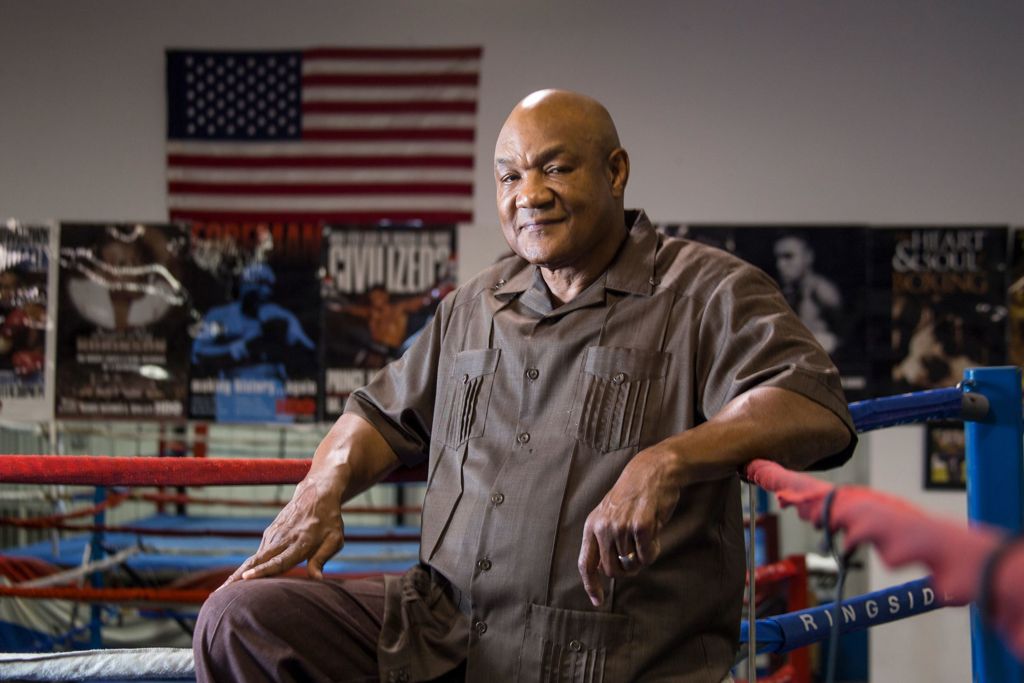
This past week the world-famous boxer George Foreman passed away. At the age of 17, George dropped out of school and became a thug. Later, he got into a lot of fights and so eventually overtime people recognized his talent for throwing a hard punch and he became a boxer. And George Foreman became a good boxer. During one of his fights, he was injured and shaken up and when they took him into the room to check on his well-being, he had a near death experience. In his near-death experience he says, he spoke with God and God came to him. George did not want to die, and he said to God, I’ll give you all the riches I have, to which God answered him I don’t want anything I want you! When he woke from this experience, it startled the doctors, who were there taking care of him because he jumped up and said I must go, I have to go. Everyone was confused and wanted to calm him down. He began yelling, I must get clean, I’m dirty and immediately jumped in the shower and got cleaned up. Without hesitation, he started running for the door and people yelled after him, “George stop you’re naked, you’re not wearing anything.” To which he responded, “the Lord called me I don’t care.”

Later on, as George grew in his faith, and he eventually became a pastor and opened up many opportunities for kids to be in athletics, such as boxing schools. George eventually ended up going back to boxing to raise money for his school and at the age of 47 retired as a world champion in boxing. We all know him with as George Foreman grill or the boxer, but he was also a pastor, who answered the call “I want you nothing else”.

Today is a Sunday of the Unjust Steward. Last week in my sermon I spoke about the economy, not money the economy but oikonomia, the original Greek word which means managing our household. Today, we are talking about how we manage that household by reading the parable of the Unjust Steward, who is caught being unfair and cheating, skimming off the top as you would say, to which he needs to now answer to his boss. At the end of the parable, there’s an interesting line in it where Christ says we should use money, what we have in this world, to make friends for ourselves. What is Christ directing us to?

My dears, everything we have in this world, our bodies, our homes, our churches, our money, our career, our nation, our citizenship, our everything, these are gifts from God. These are gifts that we either squander or we use to do the will of God. It is the Sunday of the unjust stewards and we must understand, who is the steward? You and I, we are the stewards that will answer to God on that final day; we’re we unjust or we’re fair? Do we try to skim off the top, meaning do we try to justify our decisions of the way we live by thinking it’s only one small sin, it’s only one mistake? Or do we strive for faithfulness? God doesn’t need our money, God doesn’t want anything but our heart which is why Christ says I desire mercy not sacrifice. When we are fasting or giving alms or attending church during lent, we’re not sacrificing anything to God but rather in humility we are being self-sacrificing and understanding that there are higher things in life to aim for, the highest of them all being a just servant of God, being a child of God, answering the call of “thy will be done.”

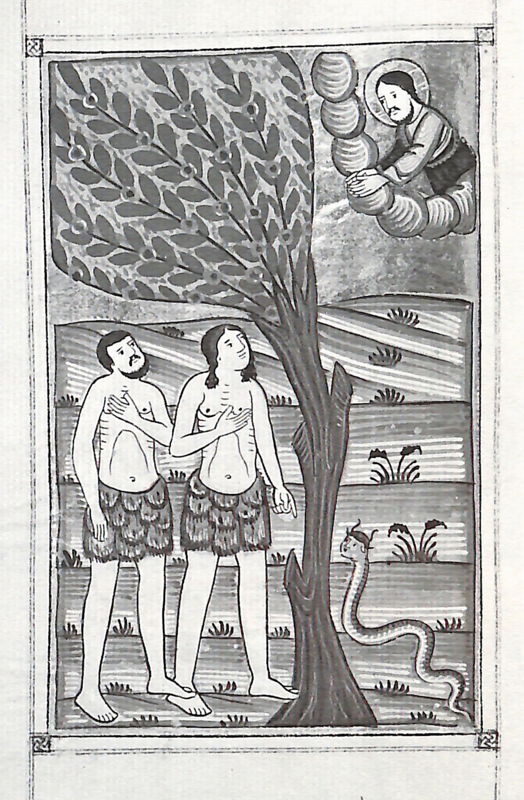
That is why Saint Paul in today’s letter tells us don’t be like the gentiles. He doesn’t say don’t use what the gentiles use. St. Paul tells us don’t be like the gentiles, don’t be like unbelievers. If we claim to believe then we claim to answer Gods call; if we claim to answer Gods call, we will have to answer how we live in today’s polarizing world where everything is about the person me, my body, my rules, my home, my way or the highway, me, myself and I. My dears there is nothing that is mine, all is given to me by God. As a priest my family, my body, my home, my ministry, everything that each one of us has is given by God for a purpose – to be its steward. When God created Adam and Eve and put them in paradise after creating everything, he made them first and foremost stewards of this world. This can be translated and understood as taking care of the world through caring or our climate, but it goes deeper, it is oikonomia, the managing of this house, His House on a grander scale. It means taking care of the world, taking care of everything that God has given us not through our imaginations and justifications but through the very will of God the Master. This is done faithfully through humility, through love, through compassion, through mercy, through empathy. A just steward is to do the master’s will.

What kind of stewards are we and which master do we answer? Which is why the parable continues with Christ saying we cannot serve 2 masters – either God or money, the material. They’re not on equal, we either use what God has given us such as money or material goods to serve God by loving each other, by taking care of this world, or we usurp God by lifting money and everything in this world as a higher authority and desire and thereby becoming unbelievers and unjust stewards. If we believe my dears that nothing is above the love of God therefore, what kind of stewards are we? For this reason our church fathers have given us this Sunday in Great Lent to ask why and what are we preparing for with the resurrection of Christ on Easter Sunday. Are we preparing to crack eggs for Easter, chocolate bunnies or the nice weather? Or are we preparing for new life to be born in us, are we preparing for renewal of hope, are we preparing to answer our master as stewards. George Foreman got up and ran when he learned what it means to answer God. To be cleansed and to not care how he looks but cared for the higher purpose. We, my dears, have been cleansed by the blood of Christ, as baptized children of God, what kind of Stewards are we?

May the grace of God strengthen us may we answer as justified stewards living a life that does his will using what God has given us to lift each other up their love to have compassion so that on that glorious day together we will stand before our Lord and say and we will hear the words come to me my good and worthy servant and I will give you rest?

Economy

Passages: Is. 54:11-55:13; 2 Corinth. 6:1-7:1; Lk. 15:1-32
Ընթերցուածքներ՝ Եսայ. ԾԴ 11 – ԾԵ13; Բ Կորնց. Զ 1- Է 1; Ղուկ. ԺԵ 1-32

In the Name of the Father, Son and Holy Spirit, Amen!

Life is expensive my dears! Did you know that back in 1995 the average cost of a house was about $150K, in 2019 it was $260k and in 2023 it rose to $419K. In contrast, the average income in 1995 was $29,000, 2019 it was $56,000 and in 2023 it remained still $56,000. So, 31% of your income could be used in 1995 to pay for a home whereas, today it is almost 50% not including cost of living. Now I’m not about to give a lecture on income and expenses, yet, there is something important that we can learn from our current statues of the economy and how we live, which can be applied to our faith. We all need money to live in today’s world. Food, travel, pleasure and necessity, the upkeep of our homes and even our Church’s require money. We however, run into a problem my dears, when we overemphasis the physical wealth or lack thereof over much more important things.

In today’s Gospel, we read 3 different Parables, a shepherd, who out of the 99, lost 1 of his sheep; a woman who out of 10 coins, lost 1 of them and finally, the well-known story of the Prodigal Son. A man who took his inheritance, squandered it and after falling onto hard times, turned back to his father, repented and was welcomed back. On the surface, all 3 of these stories present an economic crisis. The sheep are the livelihood for the shepherd. Food, wool and meat that the shepherd could sell to live by. The lost coin, physical currency that is needed for everyday purchases. And finally, a man who took what was materially owed to him by his father, money, clothes, property, etc. Scripture doesn’t say what the son’s inheritance was, only that he squandered and wasted it. Yet, Christ is not giving us an economy lesson by saying when things get lost or bad then start looking or asking for help. Nor is Christ telling us to approach our relationship with in a transactional way – that if we have faith then we will succeed. Rather, Christ Jesus wants us to look deeper.

What is real wealth and what do we do with it? In the season of Great Lent, we talk about repentance and reflection. About purposefully, spending time reading the Scriptures, learning and praying in ways that will help strengthen our faith. Repentance cannot be done arrogantly. Repentance demands humility and an evaluation, and diagnoses. This is why confession and private conversations with a priest are necessary in our Orthodox Christian lives. St. John Chrysostom says, if doctor’s can heal our physical ailments by diagnosing our bodies, by the grace of God, priests can help heal our spirit by diagnosing our soul. To repent therefore, is not about feeling bad for our mistakes. It is about turning to God, recognizing that fullness of life, freedom and healing is in “Thy Will Be Done.” By turning to God through confession we seek forgiveness and healing.

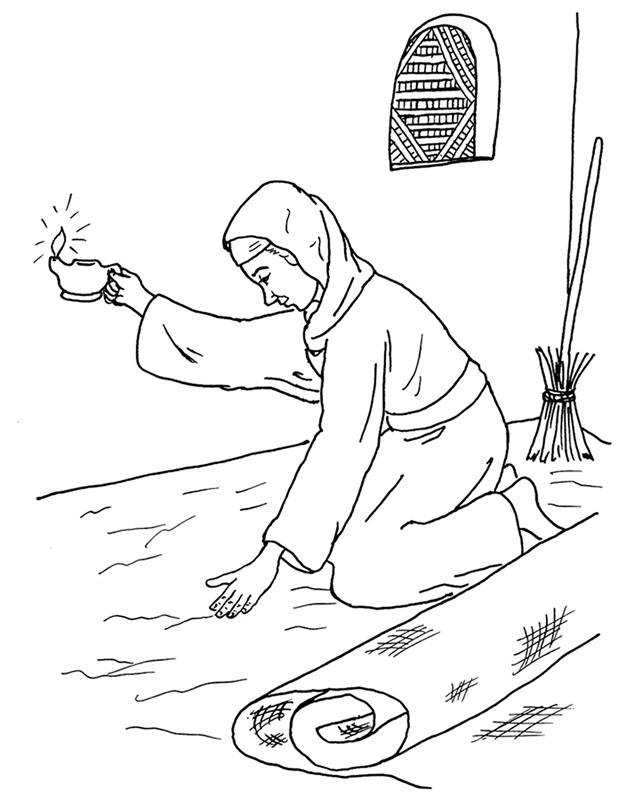
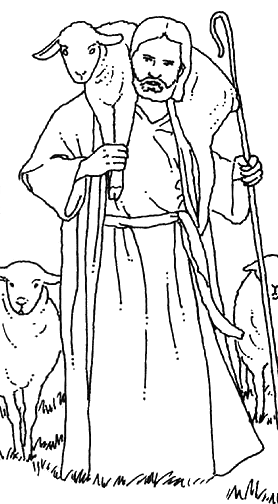
It is for this reason that St. Stepanos Siwnetsi, an Armenian Bishop from the 8th century comments on these 3 stories in this way: The 1 lost sheep signifies our relationship to God. We are the lost, the sinful who have fallen into iniquity. Rather than abandon us, our shepherd lifted the lost one on his shoulders, lifting us out of sin with his own body, as our Lord lifted the cross and went to His passion. The woman represents the human soul and the coins symbolize our perfect virtues, physical and spiritual: Humility, Patience, Wisdom, Gratitude, Justice, Love, Temperance, Generosity, Prudence, and Honesty. When 1 is lost, by the light which is the Word of God, she begins to “clean her house”, meaning live out the commandments of God, recognize her sinfulness and begins to put things in order until that which was misplaced is restored. My dears, these first two parables of Christ already ask us this crucial question of wealth.

Is our faith, is our communion with God and everything that is encompassed in that, does it bring us to repentance? Do we recognize our brokenness and seek to be lifted up? Can we humble ourselves and accept that we are all lost without the love, compassion and mercy of our Lord and that through a life of reevaluation, repentance and prayer can we be put back in order? Today’s Parables are a call to this recognition – God is the one who lifts us out of darkness, but we must choose to turn to Him, to repent. Which is finally why St. Stepanos reminds us that regardless of our age, our experience, how long or “strong” our faith is, we are either the older or younger son in the third parable. Though one initially sinned, they both sinned at the end in their heart. Yet, the love of the Father went out to them, and brings healing because in both cases eventually the Father goes out to them to bring them, to bring us, back.

My dears, brothers and sisters, what we need is not lessons of economy, that is not what the Church teaches but rather, “oikonomia” (pronounced economia) which is the original word from the Greek for “household management”. Oikonomia is God’s plan and act in salvation, a plan in which we participate in through our very lives by the choices we make, by the path we walk, by the way we treat one another, and the world around us. Oikonomia is not whether we can financially afford a home but rather how we manage our “home.” Through this season of Great Lent, we are once again reminded that repentance through humility, compassion, mercy, love and forgiveness and all virtues are true wealth which help put things in order. By the Word of God, the Holy Scriptures we recognize what is lost and find our way home, find healing from the True Physician of body, soul and mind.

Let us ask ourselves my dear brothers and sister, what is wealth for us and what do we do with that which God has given us? Are virtues such as humility, patience, gratitude, justice, love, etc. far more desirable in our heart or is our ego, pride, self-satisfaction, self-indulgence, self-justification and so forth more important? Do we live a life of faith that is a light in darkness, or do we squander away God’s commandments? Our hope is in Christ Jesus, God the Son, who sees us, and lifts us up upon his shoulders out of darkness. By the grace of the Holy Spirit, our mind is illuminated, and we are called back to the right path. And when we live a life of humility and repentance, through compassion, our Heavenly Father, seeing us in the distance will embrace us, forgive and heal us. “For once we were dead, and now we are alive; we were lost, but now are found.” Amen!

Who Cares?

Passages: Is. 33:2-22; Rom. 12:1-13:10; Matt. 5:17-48
Ընթերցուածքներ՝ Եսայ. ԼԳ 2-22; Հռոմ. ԺԲ 1- ԺԳ 10; Մատթ. Ե 17-48

In the Name of the Father, Son and Holy Spirit, Amen!

Repeatedly throughout this week, I have read or heard this quote, “Do you wish your prayer to fly up towards God? Make for it 2 wings – fasting and almsgiving.” These beautiful words by St. Augustine emphasis what the true spirit of Great Lent is. You see the Church in her wisdom has throughout the year set time apart for fasting. Every Wednesday in remembrance of Christ’s betrayal, every Friday in remembrance of Christ’s crucifixion and additionally weekly fasts before major feasts and celebrations. The greatest of these fasts is known as Great Lent. However, though the practice of fasting periods of the Church speak about abstaining from certain foods, the truth is nobody cares if we give up chocolate for Lent. It is not of anyone else’s concern, whether we choose to follow the Church guided vegan food, or if we decide to give up sweets, or social media, or whatever it may be. When I say nobody cares, my dears, what I hope we understand is that God doesn’t need us to not eat certain foods. When God created humanity and placed Adam and Eve in Paradise, He blessed us and said the fruits of the tree have been given to us for food. Additionally, when I say nobody cares whether we fast or not, it means what we eat or don’t eat is not for the faith or observance of others.

Last week, we read in the Gospel of Matthew of how Christ tells us that when we fast our faces should not be saddened so that others will see how we are sacrificing food. This is because my dears, fasting in the life of the Church, whether it is Great Lent or other such periods, is not just about skipping meals. However, when I say nobody care, we must care. Unlike what some modern pastors or other “spiritual leaders” say that fasting is unnecessary, or do whatever you want – this is false. Fasting is important and necessary and it is a required part of our Christian faith. Both Scriptures and the Church tradition instructs us all in the practice of fasting. St. Pope Kyrillos says, “Fasting is the weapon by which we defeat the demons, for the Lord said in the Gospels, [when the Apostles struggled to heal a demon possessed man], “This kind cannot be driven out by anything but by prayer and fasting.” Fasting is not for the shrinking of our waist line but for spiritual growth. Great Lent is a period spiritual growth.

In the Armenian Church, each one of the Sunday’s during Lent has a theme: Poon Paregentan, Expulsion, Prodigal Son, Dishonest Stewart, Unjust Judge, Advent and ending with Palm Sunday. How many of these Sunday’s speak about food? 0. My dears, today is Expulsion Sunday. Today we remember humanities choice of sin over God’s commandments, of self-justification over humility, of ego over love and grace. For so many of us, we believe that Adam and Eve sinned through the eating of forbidden fruit. Yet, Adam and Eve’s sin began not from what they put into their mouths but what came out of their heart. Today’s Gospel readings Christ over and over rebukes the Pharisees and us because we misunderstand the commandments of God. When He says, “I did not come to destroy but to fulfill [the laws or the prophets]” Christ Jesus is revealing to us the heart, the purpose and understanding of why we follow those commandments. God is not controlling us; the commandments are not arbitrary rules given by some totalitarian deity to keep us down. The commandments of God and the rules found within the life of the Church are guides towards His blessings, toward revelation.

Yet, so often we try to justify our choices, our decisions, our mindset, our pride, our ego, etc. with what we think is right. In a progressively polarizing world of politics and social issues today, we hold up banners, protest in the streets, comment on social media and push forward our understanding of righteousness. In the same way Adam and Eve, pushed forward their own self-interest when conversing with the serpent. They misrepresented what God commanded and taught, and ultimately their heart sinned first which brought them to eat of the fruit. Consequently, every action has a reaction – sin has a penalty. A penalty that Christ Jesus died on the Cross to redeem us for. That is the real message of Expulsion Sunday. Do we care what God commands of us?

What about the fasting? My dears, if Great Lent is merely treated like a diet, it is the same as if the commandments of God and our Christian faith, were we merely treat it as transaction. If I pray, I will be blessed; if I fast, God will be happy; if I (fill in the blank) then I somehow please God or will be a Good Christian. My dears, God loves each one of us. God desires to be in Communion, to walk with us in Paradise as He once did with Adam and Eve. However, we cannot be in communion with God unless we live according to His commandments, unless we continue to grow in His likeness through revelation of His image in us. Fasting is a tool by which we begin this journey of spiritual growth and revelation.

As I began with the quote of St. Augustine, fasting and almsgiving means that Great Lent, our faith as Christian’s begins with how we treat ourselves (fasting) in order to know how to treat others (almsgiving). This goes to the great commandments of God, to love each other as we love ourselves. We fast not to please God or others but to prepare ourselves; To live in humility over pridefulness, to see temptation and yet, trust God. We give alms because to have faith means to be compassionate, merciful and loving towards others. To help, not just with money, but with time, with empathy and grace. When we fast and gives alms, we do the work of God – Christ Jesus who fasted in the desert and who had compassion on all people. Great Lent is a period of spiritual growth to be an imitator of Christ our Lord. But nobody will care if we don’t care. Nobody will listen if we don’t listen. Nobody can have faith, if we who claim to have faith deny it by our lives.

Let us all pray my dears, for humility for ourselves and let us pray asking for God’s compassion and love in our brokenness and for the brokenness of others. If we are sitting in Church on Sunday and think we don’t need to fast, or we are already humble or we are too far gone, then I am sorry to say my dears, our heart is already choosing sin over God. We all are called to live our faith, to be equipped and grow through repentance, fasting, confession and following the commandments of God – to follow and trust God. By these we spiritually grow, mature and by these we grow in the likeness, the light of God that will shine in all corners of a darkened world and bring true healing. Whereby not only will we come but all humanity will once again gather in the paradise and walk with our Heavenly Father. “Do you wish your prayer to fly up towards God? Make for it 2 wings – fasting and almsgiving” but if we don’t care, nobody else will, Amen!

Growing or Learning Pains

Passage: Is. 58:1-14; Rom. 13:11-14:26; Matt. 6:1-21
Ընթերցուածքներ ՝ Եսայ. ԾԹ 1-14; Հռոմ. ԺԳ 11- ԺԴ 26; Մատթ. Զ 1-21

In the Name of the Father, Son, and Holy Spirit, Amen!

The Jamaican singer Dennis Brown once said, “Every day you learn something new.” I think most of us would agree with this statement. Learning something new, either a task, a bit of information, whatever it may be is something that has become easier day by day. For example, who can tell me what happen on September 4, 1998 (26 years ago) that made learning something new easier? You can all tell me by pulling out your smartphone – Google was born. Today even in our everyday conversations when a question comes up, what do we say or do? We pull out our phones and “Ask Google”, or “Siri” or whatever the next AI will be. Learning something, getting information today is easier than ever.

Now without going into the quality of the information available out there, as easy as learning is yet, when learning and mastering new information and especially a skill, there are 4 key points we need to remember. The initial struggle: What king of challenges will we face? Bad information? Self-doubt, awkwardness, mistakes we will make along the way, setbacks etc. The learning process: What king of guidance we need, where do we go with our questions, how much practice and at what consistency can we maintain to learn. Ultimately the moment of success: Learning the skill, the wisdom and knowledge, looking at our challenges and acknowledging what we have overcome. The final and most important point – Personal Growth: Apart from the skill we have learned, or information we have gathered, how have we grown and become better? What character development has there been. These 4 points are important to think about my dears when we are learning something new because they help uncover the why – the RAISON D’ÊTRE or reason to be.

We are all gathered here in Church for prayer; we are here to learn. We can say that our reason or purpose that brings us here is our faith. Though faith is much more than a skill yet, we can apply those 4 key points of learning to understand on a deeper level why we come. What struggles do we face in our faith, where do we go for guidance, how have we succeeded and ultimately have we grown through faith? By applying these 4 steps we realize faith is not our purpose, it’s not why we come to Church. In today’s Gospel, we have 5 skills that Christ directs us to. “When you give alms”, “when you pray”, “if you forgive”, “when you fast”, “Do not lay up for yourselves.” After each one of these, Christ teaches us how to learn and do these skills. Someone without faith can do these as well. This means faith as a feeling or understanding is not our purpose. Faith is training. My dears, faith must be lived out and practiced to help guide us towards our purpose and reason for being here, for giving alms, praying, fasting, etc. Our purpose is Communion with God.

Our faith in Christ Jesus is a responsive faith that through process of learning is strengthened. However, it is only strengthened if we don’t lose sight of our reason – Christ Jesus. If our reason to read the Bible is knowledge or history – that is not faith. If our reason to come to Church is to see who didn’t come or what everyone is wearing – that is not faith. In the same way Christ tells us, if we are fasting, praying giving alms, or seeking things of this world then our purpose, our reward will die with us in this world – where moth and thieves will destroy. Living out our faith my dears therefore, is like the search engine in our smartphone, it must help grow us towards Christ Jesus. Like those 4 steps tell us, yes, there is difficulty, and we will mess up and be challenged. But this is true of all real education. When we are kids, we hate being in school; even as adults, we don’t like to be criticized or told we are wrong. Growth in life and especially in faith at its root can be bitter yet, the fruit that is Christ Jesus is sweet and blessed. And scriptures invite us to eat of this fruit, by learning my dears. Prov. 1:7 “The fear of the LORD is the beginning of knowledge, but fools despise wisdom and instruction,” or 2 Tim. 3:16-17 “All Scripture is breathed out by God and profitable for teaching, for reproof, for correction, and for training in righteousness.”

And so now we are here, on the doorsteps of learning from God. Tomorrow, we enter the season of Great Lent. And all this week, I have received questions about properly observing lent, what foods to not eat, what is right or wrong; what happens if along the way we make a mistake; how do we help our faith? My dears, the Church in her divine wisdom has given us the season of Lent and the practice of fasting not as a punishment to adhere to or else we are bad, but rather as a tool, a magnifying glass and mirror to better evaluate ourselves, to refocus and ask what our purpose is. St. Basil the Great for example teaches, “There is both a physical and a spiritual fast. In the physical fast the body abstains from food and drink. In the spiritual fast, the faster abstains from evil intentions, words and deeds…For as much as you subtract from the body, so much will you add to the strength of the soul. ” Or St. Ephraim the Syrian reminds us that if we are not forgiving, compassionate and merciful as Christ tells us in today’s Gospel with the Lords prayer, than, “Fasting will not help you, until you will become accomplished [meaning grow] in love and in the hope of faith. Whoever fasts and becomes angry, and harbors enmity in his heart, such a one hates God and salvation is far from him.” Faith is in Christ and fasting is about lessening of ourselves and lifting up of others by allowing God to be more present in our lives.

My dears yes, we have our fasting practices, we have our Lenten services, and if we want to learn more then let us ask through faith. We are invited to learn something new every day. However, what do we do, how do we live our faith with the information we have been given that brings us to Christ? Is it self-serving or guiding? Is it self-justifying or perhaps self-loathing or refocusing towards the merciful and loving presence of our Lord? Just like learning anything new, we will struggle, we will fall, we will have obstacles yet, hopefully we will succeed eventually. And we will have grown, because whatever we learn my dears in our personal lives must serve a purpose and help us grow, even if it challenges us and we are struggling with it. Ever more so with our faith in Christ. The Scriptures, our life in the Church, faith lived is not informational but transformational; it reminds us of our brokenness and the challenges we face, but also lifts us up out of the tomb and heals us, leaving only scars behind which we can see and use to help teach others. But this can only happen when our reason for this season, our purpose of faith, our why we are here is Communion with our Lord Jesus Christ. Who loves us all, calls us to Him and illuminates our hearts and minds through the Holy Spirit. Transforms our lives and tells us if you have faith, if you want to live by faith then live with purpose.

Ralph Emerson says, “knowledge is when you learn something new everyday. Wisdom is when you let something go everyday.” Let us let go in this fasting season not of foods, but of our egos, our pride, our arrogance, our self-hatred, our selfishness. Let us grow in wisdom, making room and refocusing on Christ Jesus. Let us pray, fast and practice with a desire to invite God to be ever present in our lives guiding us all. And if along the way we fail and fall, let us lift our eyes to God and God our Heavenly Father will embrace us, love us and lift us up. May the grace and love of our Lord Jesus Christ help us in this Lenten season and may the Holy Spirit fill us with wisdom and compassion now and forever, Amen!
Move It!

Passages: Is. 63:18-64:12; Titus 1:1-11; Jn. 7:37-52
Ընթերցուածքներ՝ Եսայ. ԿԳ 18-ԿԴ 12; Տիտ. Ա 1-11; Յով. Է 37-52

In the Name of the Father, Son and Holy Spirit, Amen!

“Sitting will kill you” was a CNN headline back from 2015 that spoke about how research has revealed that a sedentary lifestyle will shorten our lifespan and diminishes the quality of life. Physical activity is needed for us all, this is nothing new. Yes, there are plenty of health benefits to being physically active on the biological and chemical level yet, movement is not just physical and it is a natural part of our humanity, as something that even the ancient philosophers have spoken about as necessary. Aristotle took it so far as to say, that even God (regardless how he understood as God) who is the unmovable mover, through an active intellect is always working and moving. Therefore, we as God’s creation are also inclined to move, whether that means physically, emotionally, psychologically and even more so spiritually. Physical can be walking, running or lifting weights; emotional movement can be writing in a journal, praying and being with people we love; psychological or mental movement is seeing a therapist or priest, avoiding social media and it’s false narrative, doing puzzles and keeping our mind busy. Spiritual movement is not going from one religion to another; spiritual movement in the Christian sense is not about shopping for the nicest Church, or friendliest pastor or community. What is therefore this spiritual movement?

In the Gospel of John 7 we read today, “On the last day of the feast, the great day, Jesus stood up and proclaimed, “If any one thirst, let him come to me and drink. He who believes in me, as the scripture has said, ‘Out of his heart shall flow rivers of living water.’” So, is spiritual movement about us coming to drink from Christ and what does that even mean? If we are thirsty, we go grab a glass or bottle of water, or open the refrigerator and drink something that quenches our thirst. This approach is not what is means to be spiritually moved or to drink from Christ. To understand this look at the word or phrasing that Christ Jesus specifically uses – living water. We have seen this phrase in several other areas throughout the Gospel’s as well. Living waters means flowing or running water. Running water is not about us opening the tap and watching the water flow into the pipes below. Have you ever been to Starved Rock National park? Maybe Niagara Falls; Or perhaps other state and national parks were there are waterfalls. Even from a distance, before we see anything, we can hear the running and flowing waterfall coming and crashing down below. The closer we get, especially on a warm day, the breeze and droplets of water against our face refresh us. When we come closer and finally see the power of that waterfall, we see how it has carved away the stones, we begin to appreciate the power and magnificent of this running water and if we pay attention to where that fresh water flows downstream, we ultimately see vegetation, and greenery. Because the water has provided the nutrition for new life to grow and flourish.

That my dears, is the living water that will flow from us when we drink from Christ. To drink from Christ therefore, means to respond, to move and to live by the faith we have received. Our faith in Christ Jesus is not about convenience, where we only follow Jesus when life is good. Our faith in Christ Jesus is not an object, like juice or pop, which we can grab and take a drink from before going on our way; where we only pray or come to Church when we need something. Our faith in Christ Jesus is unending, powerful moving water that is cleanses us, carves away our bitterness, our ego, our pride, our hatefulness and provides the means by which new life grows. But we also truly appreciate the closer to get. That is what being spiritually moved is – to be moved by the Spirit. God the Holy Spirit moving us, illuminates us, fills and strengthens us towards Christ Jesus, the living water, who through His death and resurrection brings us into Communion and renewed life with God the Father. And when we are with God the Father, Son and Holy Spirit, out of us will flow those living waters; from us the world will know the resurrected Lord Jesus Christ.

That is why Scripture says, that “on the last day of the feast”. What Feast? We read that it is the Feast of the Tabernacles. During this feast, the Jewish priests would draw water from the pools of Siloam and after they would pour out wine and water into specifically placed basins around the Temple Altar. During the prayers, the priests would pray for rain and for the resurrection of the dead. This is the scene, as people are participating in this service, where Christ tells us that those who come to Him, those of us who drink, having been baptized and reborn from water and the Holy Spirit, out of us will continue to come living waters. Living water that like rain and a powerful waterfall can cleanse this world; flowing waters that can through God not only cleanse us but also help new life grow from us. Out of us will come prayers of renewal. Out of us will come compassion and mercy. Out of us will be revealed the presence of God. My dears, the water that Christ invites us to drink from moves us to His grace and peace as St. Paul says. A grace and peace which is given to us all but which demands a response, a movable act. Because when we respond and live and move as God commands, then through us God begins to reveal Himself in this world to others as well.

Just like before you see the powerful actions of a waterfall, we hear its movement – likewise, through the Holy Scriptures and the Holy Church and through each other, we hear the commandments and about works of God. Even from a distance as we move closer to the waterfall, the soft dew and droplets of the water refresh us on a hot day – likewise, even if we are a bit distant from God but moving towards Him, we are refreshed and renewed by the drops of love and compassion and mercy God shows us through each other. Until we finally observe the power of the flowing and living water, and the new life that comes from it – likewise, we observe the power of God, the new life and strength. When we approach and drink from that water, when we are baptized and reborn, when we participate in the life of the Church through repentance, confession and ultimately when we approach and drink and eat from the Cup of Holy Communion, the body and blood of Christ Jesus, then out of us will flow living water teaches Christ. Meaning our response to the grace and love of God, our drinking from Christ, will be that our life will be transformed, that we will physically, psychologically, emotionally and spiritually be moved so that through us others will begin to moved and be refreshed and ultimately see the power of God.

If physical movement is necessary for a healthy life, if reading and puzzles are good for our mental health and journaling and friendships are productive actions and movements for our emotional health – imagine how important moving towards God and with God is for our and the worlds spiritual health. St. Clement of Alexandria says, “The Christian life is a race to be run.” Following the words of St. Paul, in 2 Tim. “I have fought the good fight, I have finished the race, I have kept the faith.” Let us keep the faith and move my dears. Let us come and hear, open our Scriptures, ask questions and desire to grow and learn. Let us run this race and approach our Lord Christ Jesus by receiving Holy Communion and asking for the Holy Spirit to move us, illuminate our heart and mind. So that from us, from our heart will flow living water, so that we will not be spiritually sedative which is far worse for our health. Let all of us together, as one body, move and come to see the power of God. And may the grace and peace of our Lord Jesus Christ continue to move us all, Amen!