Passages: Is. 63:7-18; 2 Tim. 3:1-12; Jn. 6:22-38 Ընթերցուածքներ՝ Եսայ. ԿԳ 7-18; Բ Տիմ. Գ 1-12; Յով. Զ 22-38
In the Name of the Father, Son and Holy Spirit, Amen!
Why are we here? Why do we say we believe in God my dear brothers and sisters? So often we have an answer as to why we disagree with what the Church teaches, with why we don’t come to Church, yet, how often do we think about why we do come? Is it emotional comfort, spiritually uplifting, educational? In today’s Gospel as we read, Christ setting up this question to the Israelites and to us. Back when I was a student in Jerusalem, I would often be asked to guide pilgrims to the various Holy Sites of Christendom. Bethlehem where Christ was born, the shores of Capernaum and Galilee where Christ walked on water, fed the 5,000 and performed countless miracles. Ultimately, one of the most powerful places of prayer was the Church of the Holy Sepulcher, which housed the several chapels that surrounded Golgotha, where Christ was Crucified and the His Divine Tomb from where Christ our Lord was resurrected.
With all the richness and beauty, it is easy to become overwhelmed and get lost in our emotions. Several times, I would see pilgrims break down into tears as they came to the realization of where they stood and prayed. Yet, why did they come? Because I’ll be honest, for some it was a tourist destination, merely something to see. And there is a sad truth my dears in this that for so many of us, Church and faith is merely something to observe for the wrong reason. For me, even when living in Jerusalem among that holiness, those places eventually became regular and merely a place to go. My mind had become cold to what had taken place in those sites, the miracles and reality of what had happened in that place. My ears became deaf to the prayers that echo of those walls from the countless visitors who had been there throughout history. My eyes had become blind to what really stood before me – it was merely a place to visit. The truth is that for many of us this is the same.
Not only the beautiful cathedrals, and historical places, not only of our home Churches, but God Himself, has become obscure, and mute for us. Clearly, we can see and hear through our senses, but we are missing something greater. In the Gospel we read of how those who came looking for Jesus after He fed them, are being told this exact same thing. In verse 26, “Jesus answered them, “Truly, truly, I say to you, you seek me, not because you saw signs, but because you ate your fill of the loaves…” It’s not that Christ does want us to go looking for Him when we are hungry, or in need of something. But Christ Jesus is trying to shift our understanding – why are we seeking Him? Why do we believe? “Do not labor for the food which perishes, but for the food which endures to eternal life, which the Son of man will give to you.” Again, Jesus isn’t telling us to sit back and only pray, never going to work. In fact, we read in 2 Thessalonians 3:10, “The one who is unwilling to work shall not eat.’” Rather, why are we coming to Christ when we need bread? Why do we come to Church, pray and say we have faith?
Last week, I spoke about how Christ went away from those who came to make him King because they determined Jesus being a king based on their own ideas and whims. It isn’t because Christ isn’t the King; He is the King of Kings. But not according to our ideas, or the way we would determine what a king should be. We don’t even have a monarchy in the United States, we have an elected president, and we can’t even agree on how he should govern. Likewise, it’s not wrong for us come to Church when we are in need, to pray when we feel lost, or to come to Christ when we are hungry. But is Christ Jesus, is our faith merely like those ancient Churches, nice to look at, impressive as a historical place but nothing more? Is Jesus merely someone who gives us what we want? St. Athanasius of Alexandria teaches us, “He (Jesus) became what we are that He might make us what He is.” This means my dear brothers and sisters, Christ Jesus is not a giver of things. Our faith is meaningless if all it is, is what we can get from God. True faith, why we believe is about knowing God personally – Holy Communion. To recognize His love for each one of us beyond our materialistic needs and our presumptions. This is true Communion. This is what it means to eat and drink of the eternal body and blood. It is to allow our eyes of faith to open and see Christ in each other; it is to humble our egos, our pride, and repent, meaning turn to God, seeking forgiveness and healing.
Look at St. Paul’s warning to us, “For men will be lovers of self, lovers of money, proud, arrogant, abusive, disobedient to their parents, ungrateful, unholy, inhuman, implacable, slanderers, profligates, fierce, haters of good, treacherous, reckless, swollen with conceit, lovers of pleasure rather than lovers of God, holding the form of religion but denying the power of it. Avoid such people.” My dears do not only avoid them but be cautious that we do not become like them. Where we think we have the answers, we are worthy, we know god because we have created gods in our own liking, yet, we have become blind to our brokenness and by our own eternal hunger and thirst, we have created gods which will always fail us and so we struggle with faith. My dears, the Holy Church is not here to make us feel good; God did not come to us in the flesh to feed our stomachs. The Church is a hospital who gives healing to those in need through God the true physician of body, soul and mind. But just like going to a regular hospital, we need to go through tests, and sometimes consume bitter medication for our benefit, likewise, faith is not always going to be comfortable. We can either recognize our need for God in humility or continue to believe, “we aren’t that bad”.
Yes, many of us have not traveled to Jerusalem or the Vatican or Holy Etchmiadzin and so we have not lost our emotional response to the Holy places; perhaps we believe thatwe really do believe in God. Yet, how often do we find it difficult to read our Bibles; how often do we find a reason not to drive to Church on Sunday morning, or attend Bible Studies, ask the priest questions, or even pray our own private prayers? When we don’t think actively about our faith, why and what we believe, eventually this leads to carelessness and a disconnect; eventually we become blind and deaf to God’s love and grace.
My dears who is Christ Jesus? Who do we think or want Him to be and why do we follow Him vs. who does Scripture, and the Holy Church tell us? Are our historical and even modern Churches merely places to visit, museums to look at and examine, and is Jesus merely a teacher, a nice Jewish man who did good things or is our Church the hospital we come into Communion with God through Christ Jesus? Faith is simple when we are open to learn; Faith is pure and illuminating when we recognize our need to be taught and loved. Faith is in the Person of Christ Jesus, God the Son, who died for us and gives us eternal life through His resurrection.
How do we respond, and do we know why my dear brothers and sisters? Let us actively, take time in our day, ask ourselves and in prayer ask God to illuminate our hearts and mind. Let us come to Church seeking not our understanding, but a desire to learn through the Holy Scriptures, the Sacraments, our conversations with our priest, Holy Confession and the active life of the Church. Through these we will see Christ for who He is. Through this we will see God’s love and presence in one another, and for one another. We will be healed, we will eat of the eternal body and blood of God the Son, Christ Jesus, and be in Holy Communion with our Heavenly Father, strengthened through the Holy Spirit. And we will all be able to answer, why are we here and even more than this, how can we bring others here also. Amen!
Passages: Is. 61:10-62:9; 2 Tim. 2:15-26; Jn. 6:15-21 Ընթերցուածքներ՝ Եսայ. ԿԱ 10- ԿԲ 9; Բ Տիմ. Բ 15-26; Յով. Զ 15-21
In the name of the Father, Son and Holy Spirit, Amen!
Jesus has failed my dear brothers and sisters. Now before you walk out or decide to call the Bishop or share on social media that Fr. Andreas has lost his mind, let me please explain. Jesus has failed you and I; Jesus has failed to be at my beck and call, to feed my stomach, to give me what I want and fulfill my so-called prayers. Jesus has failed as my glorified butler. So many of us my dears, look to God and relegate the Divine exactly as that, a butler. Al Pacino is quoted for saying that, “I prayed to God for a bike, but God didn’t give me bike. He doesn’t work that way. And so, I decided to steal a bike and apologize to God for stealing.”
My dear brothers and sisters, so often we struggle with recognizing who God is. We fail to recognize not God as all-powerful or all-knowing but rather personally. We don’t see how God the Father, Son and Holy Spirit fits into our lives. We come to Church, we might pray, we might even ask questions yet, all of us in some way try and make God fit into our way of life. That is why from our point of view, when faith doesn’t work Jesus fails; God doesn’t fit. This is so dangerous and damaging to our faith because we begin to create and formulate a version of Jesus, of God in our own image. Yet, Scripture teaches us that we are the ones who are created in Gods image and likeness. Through communion, through our life in the Church and reading the Holy Scriptures, are perception, our vision is guided into recognizing what that image and likeness means – not the other way around, where we begin to form God into our image and desire. You we see even in today’s Gospel that in the time of Christ, the Jews who recognized that Jesus must have the power of God, must be the messiah because of all the wonderful things He did and the way he taught, they desired to come and make, “to come and take him by force to make him king…” Yet, Jesus knowing this distanced himself.
This sounds strange. Why would Christ distance himself when clearly he has come to be the messiah for his people? It is because the Jews had their own idea of what the Messiah must be like. Later on in the Gospel of John we read that Jesus rebukes the Jews because they follow not for faith but because they were fed physically. Meaning, the Jews and many of us look to Christ from a materialistic and humanistic point of view. A nice teacher, a good orator, a healer, someone to lift our spirits, someone who feeds our stomachs, someone who votes like I do, looks like I do, fits into my bubble. How often do we hear of arguments about the icons or images of Jesus Christ – black, white, middle eastern? Blonde hair, long beard, blue or brown eyed, etc.? There is a beautiful Church in Nazareth, known as the Church of Annunciation, where tradition says it was built on the remnants of the house of St. Mary, where the archangel Gabriel brought the news of her pregnancy. Something that I love in this Church is the images that it is surround by. Every ethnicity has an icon of St. Mary and Jesus in their culturally traditional clothes. The Armenian Theotokos and Christ are wearing a taraz, the Japanese are in a kimono, the Indian in a Sari and so forth. This is beautiful because it isn’t the idea that Jesus is from those cultures but rather, it enforces the idea that Christ is in all our cultures and Christ Jesus is not limited to our ideas but rather, we are transformed into God’s image and likeness – into children of His Kingdom. An image and likeness we begin to recognize through Communion with Christ Jesus who is the bringer of that Kingdom. And as St. Paul writes in Romans 14:17 “For the kingdom of God is not food and drink but righteousness and peace and joy in the Holy Spirit;”
Meaning that God my dears is not our butler; God does not fit into our ideas but rather God is revealed to us through His Spirit, and we begin to recognize the righteousness, peace and joy through Communion with Him. Early Church writers teach that, the success that Christ in today’s Gospel rejected was not the recognizing of Him as Messiah but rather the excitement of people at having found a champion of the depressed, a potential political and economic liberator who would free the nation and feed the hungry. Meaning Jesus rejected the humanistic, our idea of who He was meant to be. Christ is not Armenian, American, white or black. Christ is not a political champion that divides people left or right. Christ is not someone who blesses our bank accounts, helps us pass school tests, or who fulfills any of these arbitrary desires we associate with “blessings.” Christ Jesus is God the Son, who demands our positive response to the teachings and commandments, by which we are formed into disciples. Christ commands us to follow Him, to obey the Word of God.
Our Church Fathers, like St. Irenaeus, tells us that when Christ was crucified and resurrected our image that we were created in was re-revealed to us and through the living out of faith, what we call discipleship and our responding to the grace of God, we begin to develop our likeness, we recognize who God truly is and we continue to live our life in such a way that others will recognize God through us. At times this is easy, and at time it involves crossbearing. Yet, anytime we try to approach God, approach the scriptures and Church from our arrogance and justification, when we try to make God fit into what we think is right, faith alludes us, God doesn’t make sense and in truth it is we who fail, not God. Each time we sin, we diminish our likeness to God, each time we reject and disobey God’s commandments, each time we try to justify our life, we fall short, and we end up in storms, in danger, in areas where we are filled with fear. Yet, look at how today’s Gospel ends, “They (the disciples) were frightened, but he said to them, “It is I; do not be afraid.” Then they were glad to take him into the boat, and immediately the boat was at the land to which they were going.”
My dears, when we humble our egos, when we truly confess our brokenness, sinfulness and accept our limitations of how much we think we know, when we approach with a desire for God and not of material or humanistic wealth and justification, we too will like the disciples willingly receive Him. No, God is not our butler, and God is not someone we go to as a last resort, nor is God someone we make fit our life when it is convenient. It is we who must be humbled, we who must be transformed and through discipleship and love, recognize who God truly is and begin adjusting our life to grow in the likeness we were created to be. It is good we are here; it is good to thirst and desire to know God and to be known by God. Let us live in such a way that our thirst will be quenched, and in such a way that will be an example for others to see. To look with hope in times of storms and uncertainty. Let us lift up in pray one another so that our perception of our Christian faith will continue to reveal His Heavenly Kingdom of righteousness, peace and joy. And by the Grace of the Holy Spirit, may we enter into that Kingdom and remain in Communion with our Heavenly Father, through Christ Jesus, now and always, Amen!
Passages: Is. 62:1-11; 2 Tim. 2:15-19; Jn. 6:38-47 Ընթերցուածքներ’ Եսայ. ԿԲ 1-11; Բ Տիմ. Բ 15-19; Յով. Զ 38-47
In the name of the Father, Son and Holy Spirit, Amen!
A couple of weeks ago, I went to the local library to get some research done and inevitably, my eyes wondered away from my computer and work, and I began perusing the countless books on the library shelf. As I walked by one of the tables, a poster caught my eye advertising a kid’s summer reading challenge. Growing up, I remember during the summers participating in the local library reading challenges, where we could pick a list of books to read and if we accomplished them, we would win a prize. Though I certainly don’t participate in these challenges now, I do however like to challenge myself to read; Fiction, non-fiction, religion, philosophy, psychology and so forth. If my wife enjoys going clothes shopping, and my son likes to go to the car section in a toy store, for me, I love stores like Barnes and Noble or Half Price Books. However, though I enjoy reading, I must admit a fault of mine. Perhaps a fault and condition some of us also deal with. Tsundoku is a Japanese word which describes the condition of a person who owns a lot of unread literature. A habit of picking up books that you never quite get around to reading. Yet, this phenomenon of tsundoku which literally translates to a piling on of books, can be applied to other areas of our life.
What about buying clothes, or shoes we rarely touch and never wear? What about piling our selection of “watch later videos” on Youtube or Netflix accounts? In a consumer society, almost all of us have this tendency – we “pile up” and never utilize or benefit from what we have available to us. Yet, if we step away from the materialism of books, clothes, social media and other such things, what about our faith? Some of us might think I am referring to the buying of religious books or having multiple Bibles at home, but that only scratches the surface. In the letter of James 1, we read the following warning, “But be doers of the word, and not hearers only, deceiving yourselves. For if any one is a hearer of the word and not a doer, he is like a man who observes his natural face in a mirror; for he observes himself and goes away and at once forgets what he was like.” In other words my dears, what good is it to buy and fill our homes with rich literature but never read a word, what benefit is it to have expensive clothes but never wear them, in the same way, what good is it for us to buy Bibles, come to Church, and have the tools and means to grow in our faith if we never use it?
It is for that reason St. Paul tells us to “Do your best to present yourself to God as one approved, a workman who has no need to be ashamed, rightly handling the word of truth.” When we read our Bible’s or attend Church service, when we thirst and hunger for God what purpose does it serve? St. Basil tell us that “We need not only read Sacred Scripture but learn it as well and grow up in it.” To attend Church and grow up in the Scriptures, meaning the commandments and teachings of God, is to apply them to our life, to utilize them for our growth and for the healing of all creation. It means to say we believe in God, our life must be more than just theoretical ideas, or philosophies of religion. It is not enough to confess we believe in Jesus Christ, when we deny that belief with our life. It is also not enough for us to live a “moral” life but deny our need for God. My dears, our faith in God cannot and should not be limited to us walking into the Church or buying religious literature. Faith must be implanted into our hearts and transform us into who God has created us to be. Faith cannot be piled up on selves, never to be touched or used. We must respond and be participants in our own salvation by recognizing Christ Jesus who dies for us, be buried with Him in order to be raised, transformed and reborn. That is what our sacraments like baptism are about; That is what Badarak is about. They are not performances to bring people into this building, they are new life.
If for us my dears, all our faith is is a set of rules, something we do on a Sunday, or “books we buy and never read” than we will fail when we will fail in times of struggle, hurt and suffering; we will fail to understand and grasp the love of God the Father, Son and Holy Spirit for us. We will fail because we will try to consume faith as information and make sense of this world through our limited understanding. We will reduce faith to books on a shelf never read, or clothes in the closest that keep no one warm, and food in the fridge that leaves others hungry. Yet, the love of God, is meant to shift our understanding, to lift us out of suffering, to be a tool by which we are able to “present ourselves to God”. Faith in God is to live the Word of Scripture, to clothe the naked, to have compassion and feed the hungry. As the prophet Isaiah teaches us, “Feed the hungry, and help those in trouble. Then your light will shine out…(Is. 58:10) By that light, we and others come to the light of God, we see clearly our areas of weakness and in prayer and repentance adjust and go out into this world continuing to reflect God’s light through the life we live. To be hearers and doers – so that others will see and want to do. See how we are in our relationships with one another, see how we are when it comes to social justice or community issues, see how we are with our own bodies and minds, see how we are with our families, at home, in the workplace or wherever it may be. When these things are observed by the world, then faith will not just be “piled up” but it will also be used. Faith will be lived and not gather dust on a shelf; faith will light up this world and fill it with compassion, grace, hope and life.
Therefore, by the grace of God, let us recognize and ask ourselves, what are we “piling up” in our lives and never using? Does coming to Church, change us and strengthen our faith and transform the way we live to be Godlike? Perhaps today is the opportunity to not just remove books we never read, or clothes we never wear but to remove ideas and practices we maintain that seem to make our faith merely a dust collector. Remove the things we think are important and utilize our faith for what it meant to be. Our faith is a seedling that will grow into life when we water it with prayer, and tend to it with repentance; when we come to confession and participate in the life of the Church beyond just sitting in the pews. When we hear and do as God commands us, as Christ teaches, “It is written in the prophets, ‘And they shall all be taught by God.’ Every one who has heard and learned from the Father comes to me.” (Jn. 6:45) Let us go to Christ now and always daily, Amen!
Passages: Is. 62:1-11; 2 Tim. 2:15-19; Jn. 6:38-47Ընթերցուածքներ’ Եսայ. ԿԲ 1-11; Բ Տիմ. Բ 15-19; Յով. Զ 38-47In the name of the Father, Son and Holy Spirit, Amen! A couple of weeks ago, I went to the local library to get some research and work done. Inevitably, my eyes wondered away from my computer and work, and I began perusing the countless books on the library shelf. As I walked by one of the tables, a poster caught my eye advertising a kid’s summer reading challenge. Growing up, I remember during the summers participating in the local library reading challenge. Where we could pick a list of books to read and if we accomplished them, we would win a prize. Though I certainly don’t participate in these challenges now, I do however like to challenge myself to read. Fiction, non-fiction, religion, philosophy, psychology and so forth. If my wife enjoys going clothes shopping, and my son likes to go to the car section in a toy store, for me, I love stores like Barnes and Noble or Half Price Books. However, though I enjoy reading, I must admit a fault of mine. Perhaps a fault and condition some of us also deal with. Tsundoku is a Japanese word which describes the condition of a person who owns a lot of unread literature. A habit of picking up books that you never quite get around to reading. Yet, this phenomenon of tsundoku which literally translates to a piling on of reading, or consuming can be applied to other areas of our life. What about buying clothes, or shoes we rarely touch and never wear? What about piling our selection of “watch later videos” on Youtube or Netflix accounts? In a consumer society, almost all of us have this tendency – we “pile up” and never utilize or benefit from what we have available to us. Yet, if we step away from the materialism of books, clothes, social media and other such things, what about our faith? Some of us might think I am referring to the buying of religious books or having multiple Bibles at home. But that only scratches the surface. In the letter of James 1, we read the following warning, “But be doers of the word, and not hearers only, deceiving yourselves. For if any one is a hearer of the word and not a doer, he is like a man who observes his natural face in a mirror; for he observes himself and goes away and at once forgets what he was like.” In other words my dears, what good is it to buy and fill our homes with rich literature but never read a word, what benefit is it to have expensive clothes but never wear them, in the same way, what good is it for us to buy Bibles, come to Church, and have the tools and means to grow in our faith if we never use it? It is for that reason St. Paul tells us to “Do your best to present yourself to God as one approved, a workman who has no need to be ashamed, rightly handling the word of truth.” When we read our Bible’s or attend Church service, when we thirst and hunger for God what purpose does it serve?St. Basil tell us that “We need not only read Sacred Scripture but learn it as well and grow up in it.”
To grow up in the Scriptures, meaning the commandments and teachings of God, is to apply them to our life, to utilize them for our growth and for the healing of all creation.It means to say we believe in God, our life must be more than just theoretical ideas, or philosophies of religion.It is not enough to confess we believe in Jesus Christ, when we deny that belief with our life.It is also not enough for us to live a “moral” life but deny our need for God.My dears, our faith in God cannot and should not be limited to us walking into the Church or buying religious literature.Faith must be implanted into our hearts and transform us into who God has created us to be.Faith cannot be piled up on selves, never to be touched or used.We must respond and be participants in our own salvation by recognizing Christ Jesus who dies for us, be buried with Him in order to be raised, transformed and recreated or reborn.That is what our sacraments like baptism are about. That is what Badarak is about. They are not performances to bring people into this building.If all faith is for us my dears, is a set of rules, something we do on a Sunday, or “books we buy and never read” than we will fail not at our faith.But we will fail in times of struggle, hurt and suffering; we will fail to understand and grasp the love of God the Father, Son and Holy Spirit for us.We will fail because we will try to consume faith as information and make sense of this world through our limited understanding.We will reduce faith to books on a shelf never read, or clothes in the closest the keep no one warm, and food in the fridge that leaves others hungry.Yet, the love of God, is meant to shift our understanding, to lift us out of suffering, to be a tool by which we are able to “present ourselves to God”.Faith in God is to live the Word of Scripture, to clothe the naked, to have compassion and feed the hungry.It is to come to the light of God, see clearly our areas of weakness and in prayer and repentance adjust and go out into this world by reflecting God’s light through the life we live.To be hearers and doers – so that others will see.See how we are in our relationships with one another, see how we are when it comes to social justice or community issues, see how we are with our own bodies and minds, see how we are with our families, at home, in the workplace or wherever it may be.And when these things are observed by the world, then faith will be “piled up” and used.Faith will be lived and not gather dust on a shelf.Faith will light up this world and fill it with compassion, grace, hope and life.Therefore, by the grace of God, let us recognize and ask ourselves, what are we “piling up” in our lives and never using?Does coming to Church, change us and strengthen our faith and transform the way we live to be Godlike.Our faith is a seedling that will grow into life when we water it with prayer, and tend to it with repentance; when we come to confession and participate in the life of the Church beyond just sitting in the pews.When we hear and do as God commands us, as Christ teaches, “It is written in the prophets, ‘And they shall all be taught by God.’ Every one who has heard and learned from the Father comes to me.” (Jn. 6:45)Let us go to Christ now and always daily, Amen!
Passages: Is. 58:13-59:7; 1 Tim. 4:12-5:10; Jn. 3:13-21 Ընթերցուածքներ’ Եսայ. ԾԸ 13 – ԾԹ 7; Ա Տիմ. Դ 12 – Ե 10; Յով. Գ 13-21
In the name of the Father, Son and Holy Spirit, Amen!
An evangelical pastor Steven Furtick once said, “The enemy has two strategies: distraction and discouragement. He will distract you so that you crash, or he will discourage you so that you quit.” One of today’s many issues is that we are constantly distracted. If in the past DUI’s were an issue, which they certainly still are, today we have also added, DD’s “Distracted Driving.” I’m sure many of us are thinking this means texting or using our phones, yet, distracted driving comes in many forms and shapes. A few months ago, I sadly read a story of two children that were killed in a car crash after their mom tried to break up a fight in the back seat of the car while driving. Of course, distractions aren’t just limited to our driving. There are plenty of people who walking down the street are distracted by their phones or thoughts, and they can’t see the potholes in front of them. We know that there are also psychological distractions; just turn on the news or go online. All the evil and hardship, wars and disagreements takes our focus and ultimately fills us with hopelessness, discouragement. We know that there are many issues that exist in today society which we face and yet, almost all our problems and disagreements can be summed up in that word – distraction.
Distractions are not things that take our mind off our problems; They in fact create problems in our mind. When we read in today’s Gospel about the Israelites who in the desert were being bitten by serpents, we might wonder why they were in the situation in the first place. For those who have lived in areas where wild animals are abound and especially in snake infested areas, there are hints and clues to know where to avoid snakes and other dangerous animals. It is only when we are distracted that we beginning to miss the clues, the hints and fall into danger – into the snake pit. When we begin wondering off the right path, when we lose focus on where we are going does real danger occur. In fact, that is how the Israelites ended up in the situation they were in. The Israelites were wandering in the wilderness because they had rejected God, their faith failed, they had been distracted by worldly desires and turned away from God. Thus they ended up in snake infested land.
Certainly we are not in in constant danger of snakes biting us yet, my dears, what is distracting us in life and from God? And I am not speaking about texting and driving or sitting at our computers. Yes, these distractions can be dangerous yet, what about the bigger distractions in our life that have caused us to turn away from God, from each other, from hope, from love, from compassion. How distracted have we become with politics, with societal disagreements, with pettiness or with our arrogance and ignorance? It is no wonder we have fallen into a pit of serpents, where we are constantly being bitten and hurt. We are far more focused on how others dress, how other think, how others vote, how others live or believe or don’t believe that we have been distracted from what God calls us to. It is no wonder why physically, emotionally, psychologically and spiritually we all feel the serpent’s sting. It is no wonder how distraction has led to discouragement, that the natural result is today far more of us are suffering with depression and hopelessness.
Yet, God did not abandon the Israelites in the desert; God does not abandon us in our spiritual desert. Rather, God gave the Israelite something to look up to, something to lift their heads up and focus on when danger had come. In the same way we have someone to lift our heads and focus on – Christ Jesus. However, let us not be again distracted to think that looking up to Christ is merely about coming to Church, giving a check, or being a nice person. There are plenty of us who come to Church and remain distracted on the outside world, on how others look or where people are sitting, etc. The Gospel is clear. To be saved from the serpents sting, we must believe. This means have faith! Having faith is not the same as having all the answers. It means accepting that we don’t have the answers, and ONLY GOD does. Having faith is not about the dangers disappearing around us, but it means to learn how to navigate and live a life where we can avoid as much of those dangers as possible. Having faith my dears, is not about not feeling hurt or anxious, rather it is accepting that through God, even death cannot devastate us, that the serpents sting is powerless. That is why in 1 Corinthians 15:55-57 we read “O death, where is thy sting? O grave, where is thy victory? The sting of death is sin; and the strength of sin is the law. But thanks be to God, which gives us the victory through our Lord Jesus Christ.” And why in Proverbs 4:25 we read, “Keep your eyes straight ahead; ignore all sideshow distractions.”
My dear brothers and sisters, faith helps us remain focused on what is important. Which is why St. Paul in his letter to Timothy for example gives us guidance. He tells us how to treat the youth, the elderly, the poor, the widows, how to treat each other, because though distraction can come from external or internal factors and some of those things are out of our control, yet, what is in our control is how we treat ourselves and those around us. How we live our faith, which we say we have. What divides and distracts so many of us today is how we look at ourselves and those around us. Yet, Christ Jesus came to save us all. To remove the distraction of this world that says we are worthless. Christ Jesus died on the Cross to bring our focus on what is important, what will bring healing through faith – love.
Therefore, my dears, let us take pause and reflect what is distracting us in life? Where are we and what are we more focused on? What dangers potentially lie ahead of us if we remain distracted? The love of God is what heals us, the love of God our Heavenly Father sent Christ Jesus, God the Son to focus our attention and strengthen our faith. The love of God is revealed to us by the Holy Spirit, who shines upon us and allows us to focus on what is important and who guides our hands to live our faith daily. May our focus and faith remove the distractions and discouragements of our daily life and may our wounds be healed and the serpents in our life be crushed by the power of God. May our lives bring Glory to God always Amen!
Lectionary: Is. 54:1-13; 1 Tim. 1:1-11; Jn. 2:1-11 Ընթերցուածքներ’ Եսայ. ԾԴ 1-13; Ա Տիմ. Ա 1-11; Յով. Բ 1-11
In the name of the Father, Son and Holy Spirit, Amen!
It is said that before entering the sea a river trembles with fear. She looks back at the path she has traveled, from the peaks of the mountains, the long winding road crossing forests and villages. And in front of her, she sees an ocean so vast, that to enter there seems nothing more than to disappear forever. But there is no other way. The river can not go back. Nobody can go back. To go back is impossible in existence. The river needs to take the risk of entering the ocean because only then will fear disappear, because that’s where the river will know it’s not about disappearing into the ocean, but of becoming the ocean. -Khalil Gibran
My dear brothers and sisters, each one of us has a desire to want something more. A student wants to be successful in their studies and tests. An athlete in the sport they are practicing. A parent in raising healthy and smart children. A husband or wife in being a loving companion, partner to their spouse. Someone who is sick wants to be healthy. Someone who is hungry want to eat. A person who does not have work, desires a job or purpose. We want to be successful and reach our end goal. This is true in our everyday life and as well as our faith. In the hymns of the Church for example, we often beautifully illustrate this goal as the safe harbor. This image of having crossed the dangerous sea and reaching the safe harbor, the place of refuge. And when we do finally succeed, whatever it might be, in hindsight we look back at what it took for us to reach our desired destination. Even in our proverbs we teach that the destination is not as important as the journey because the journey is where we learn, and where we grow. And so, we look back and reflect on the hills we have climbed, the challenges we overcame and we are proud of where we are vs. where we began.
Yet, I wonder if there are some goals, desires and destinations that we are fearful of. I wonder how many of us delay our journey and make it longer. If we are honest with ourselves, as the poem of Khalil Gibran illustrates, are we afraid to become part of the ocean? A few days ago, I was having a conversation with a group of friends and someone recommended I read a book called, “A Reason for God.” I mentioned I had read this book and that I own a copy. One of the gentlemen, who has confessed in the past they don’t believe in God, was sitting with us and in passing asked about the book and I thought he was intrigued, and so I offered that if he would like, I can lend my copy to him. His response was, “no thanks Father, I’m comfortable with what I believe about God, I don’t need anything more.”
All of us here in this Church, among our many desires also desire to grow our faith in God. Much of society, whether they are believers or not, is in search of God. How they define God is a different matter but the desire and want is there. Yet, so many of us are afraid. We are comfortable with what we know or believe and if there is more, we often don’t want it. We think that ignorance is bliss, because knowledge and growth demand a response. In our everyday life, the more we know the more is asked of us. Yet, ignorance is dangerous, and this is especially true of our faith as Christians. St. John Chrysostom teaches us that “There is nothing colder than a Christian who does not seek to save others.” That is very dangerous because in what St. John is teaching us is that if we truly confess to believe in God, then that confession is not a momentary belief but a constant path forward. That forward path of faith in Christ is not practiced in a Church for a few hours, once a week. Faith is the knowledge and wisdom which we receive to practice and live everyday. Faith in God my dears, is us looking back at our life and recognizing that when we are in communion with God, we are sent forth into the vastness of the ocean, into the world. And this scares us my dears. We are afraid, we are anxious and unsure.
Yet, Christ reminds us not to be afraid not because we are all powerful or all-knowing but because He is. In the Gospel, when wine ran out at the wedding, St. Mary didn’t tell others “look what Jesus is going to say or do”, she said do what He says. And in the same Gospel, we read of how simple water was turned into the best wine. Likewise, my dears God transforms us into the best, He takes us as simple, broken and unsure as we are, and transforms us, when we do what He, God commands us. That transformation pushes us forward, not backwards; gives us courage and strength to continue to grow and live. That transformation invites others my dears to continue their search and journey. Everything we do in the Church my dears, ultimately has this goal: how can we know God and come into Communion with Him so that we are continually transformed – from glory to glory as St. Paul writes. It is easy to become overwhelmed when facing the ocean, yet, God guides us to our safe harbor. God’s love does not abandon us to the uncertainty, to the storms, to the depths of the unknown. God does not abandon even the greatest sinner, but by having taken on flesh and bone, dying on the Cross, and entering the tomb, Christ Jesus enters our journey and says I am with you. If you are with me, you will also be resurrected.
Is it scary? Absolutely. But as the poem says, when the river enters the ocean, “that’s where the river will know, it’s not about disappearing into the ocean, but of becoming the ocean.” When we come to God and respond to His love, when we repent, turn to Him and grow in wisdom, compassion and mercy, and when we live faith out in the world, we recognize, it’s not about being “a good Christian” or who we think we should be, but it is about us being transformed into who God created us to be.
Let us put our fears and anxieties upon the Lord. Let us pray and ask for wisdom and strength to know Him and what His Will is for our life. If the weather is cold outside this winter, there is nothing colder than a Christian who does not share the warm of God’s love. Whether we are a student, teacher, parent, spouse, child, adult, sick or healthy, rich or poor, fully Armenian or not, regardless of what we want and desire to reach in this life, when we are with God, when we trust Him, He will transform us and through us, by the love and grace of the Holy Spirit, He will transform this world into the best. Glory to God always, glory to God, in this life always we glorify God the Father, Son and Holy Spirit, Amen!
Lectionary: Titus 2.11-15; Matthew 2.1-12; Luke 2.8-14 Ընթերցուածքներ’ Տիտ. Բ11-15; Մատթ. Բ 1-12; Ղուկ. Բ 8-14
In the Name of the Father, Son and Holy Spirit, Amen! Krisdos Dznav Yev Haytnetsav! Christ is Born and Revealed!
This year, one of my resolutions my dears, is to write more, to do personal journaling or perhaps work on something worth publishing. It has been 5 days but when it comes time to write, and not just talk about writing, something always seems to get in the way. My laptop battery isn’t charged, I remembered a task I had to complete, I had to pay my bill, I promised I would call someone back or spend time with my family, etc. And sure, it has only been 5 days, yet it seems like try as I might, whether it is this year for writing or even perhaps other tasks I want to do such as exercise more or read more, something keeps getting in the way. Perhaps we all have felt this way as well; where we put something in our mind to accomplish but we never find the “perfect” conditions. I’d run more but the weather is cold; I’d eat healthy, but I just need to get the Christmas and New Years leftovers finished. I’d come to Church regularly, but time keeps getting away from me and laundry and shopping gets left until Sunday. So many of us, when desiring to make positive changes in our life look for perfect conditions and say, “we’ll start Monday.”
Today my dears, as Armenian Orthodox Christian’s we are celebrating the Nativity of our Lord Jesus Christ. We are celebrating the birth of the savior of the world, the greatest gift given freely to us by God the Father in order to bring healing, salvation and life into this world. So many of us looking at the world around us would perhaps argue that God should come back now. The conditions are perfect for the savior to come and clean things up. Yet, what about the conditions of the world 2,000 years ago? If we as humans look for perfect conditions to make positive changes in our life, what conditions did our Heavenly Father recognize when Jesus Christ came into this world? In the Gospel of Luke for example we read, “In those days a decree went out from Caesar Augustus that the whole world should be enrolled.” Meaning when Christ was born into this world, He was born in a time when His people were being oppressed by the Roman Empire. He was born into the conditions of oppression, where His religious practices would have been passively and at times openly persecuted. The world was in cultural degeneration and spiritual chaos.
Yet, on the flip side historical and secular sources tell us that Caesar Augustus was one of the greatest Caesars. It was the height of Pax Romana, a Latin term referring to a spanning from 27 BC to 180 AD, as one of the most enduring periods of peace in the annals of civilization. Meaning that the conditions of this world, when Jesus Christ was born, spiritually were in decay, with oppression and hedonism, and immorality growing. Yet, those who were living as sinners and oppressors, they believed to have peace. It’s easy to have peace, when our stomach is full, we are healthy an when you threaten everyone by the sword. And this false humanistic sense of “good” and “peace” created the conditions for Caesar Augustus to declare himself as what? Divi Filius, the son of god. Jesus Christ, the Son of God was born into this world, where the state saw itself as god, the oppressors, the immoral, those who mistreated and threatened, those who had money, and education, and all sorts of opportunities thought the world was finally at peace. Talk about the lie of perfect conditions. Even so, Christ was born, lowly, in a manager, as a vulnerable child. Christ did not come into this broken world swinging His fiery sword, with legions of angels to overthrow a corrupt society, to trample down pagan temples, or threaten those who looked, thought or believed differently. Rather, Christ Jesus came into this world, as St. Paul writes in his letter to Titus, “for the salvation of all humanity, training us to renounce irreligion and worldly passions, and to live sober, upright, and godly lives in this world, awaiting our blessed hope..”
My dear brothers and sister, for a moment let us forget the conditions of this world, or the conditions of the world when Christ was born, and let us examine the conditions of our life, of our heart, and mind. If we are looking for the perfect conditions to make a positive change, to get healthy, to spend time with family or whatever it may be, we will never find it. Something, someone, an outside force may always interrupt us. This is far truer when it comes to our faith. The perfect condition for faith to grow, for us to believe in God would be when there is no sickness, no suffering, no hypocrisy, no intolerance, no hatred, etc. The perfect conditions for our material life or spiritual life do not exist in this world. We can always find an excuse; we can always be distracted. It is when we begin doing those tasks, despite imperfect conditions, that we begin to see our conditions change. Likewise, our belief in God, our faith in Christ is what heals us, lifts us up and illuminates us to better understand how God could be real despite all the evil, and sickness and suffering in this world.
Faith in God is a new lens by which we look at the vulnerable child in the manger and see the King of Kings; faith in God is the perspective by which we look at the Cross and see victory; faith in God is recognizing our imperfect condition made perfect in Christ Jesus. A few years back I remember watching an interview with a child who had cancer; and the child told the interviewer how every night in his hospital room, he prayed and thanked God not just for his family, the doctors and for all the things he had, but to astonishment of the interviewer (and me as well, I’ll admit), the child also said he was thankful to God that he was the one with cancer. When asked why, the child said, “because though I have cancer, I also have faith. And if I have this cancer, then perhaps another child who doesn’t believe in God also doesn’t have cancer. God knows I am stronger, and I can endure with His help. Maybe another kid wouldn’t be able to.”
My dear brothers and sisters, that child was born into this world without the perfect conditions; where sickness, hatred, hypocrisy exist. Yet, it was his faith in God that gave him the understanding of God’s love, even when he was in pain. Perhaps my dears, we see or experience imperfect conditions in our life, such as suffering; perhaps we are struggling with our faith, or we are surrounded by distractions that cause us hurt. The conditions are not perfect if we had a choice. Yet, my dears, God is with us, God does not abandon us in those time, God does not look at the world’s conditions but rather, looks at our heart and desire to grow.
God is born into our life, and He reshapes, changes and heals us to be His children and an example to others. It is love that brought Christ Jesus to us, it is love that led Christ Jesus to the Cross – it is love that is born into the world today. Love which is not a feeling that may pass over time but a tool which helps create better conditions for us to grow. Love which wipes our tears and helps us see more clearly. And so, for those of us looking to start on Monday, perhaps this year we have the perfect conditions, that as Armenian Christians we celebrate Christmas ending with Sunday night and starting Monday morning. Let us put to rest the old, put away the brokenness and turning to God, tomorrow start with Him. Today and for all our lives, let us in prayer allow God to begin creating the perfect conditions for faith to grow. So that no matter the conditions of the world, we will declare Christ is Born and Revealed, Amen!
Eve of the Nativity and Theophany of our Lord Jesus Christ | Տօն Ճրագալոյց Ս. Ծննդեան եւ Աստուածայայտնութեան Տեառն մերոյ Յիսուսի ՔրիստոսիLectionary: Titus 2.11-15; Matthew 2.1-12; Luke 2.8-14Ընթերցուածքներ’ Տիտ. Բ11-15; Մատթ. Բ 1-12; Ղուկ. Բ 8-14 In the Name of the Father, Son and Holy Spirit, Amen!Krisdos Dznav Yev Haytnetsav! Christ is Born and Revealed! This year, one of my resolutions my dears, is to write more, to do personal journaling or perhaps work on something worth publishing.It has been 5 days but when it comes time to write, and not just talk about writing, something always seems to get in the way.My laptop battery isn’t charged, I remembered a task I had to complete, I had to pay my bill, I promised I would call someone back or spend time with my family, etc.And sure, it has only been 5 days, yet it seems like try as I might, whether it is this year for writing or even perhaps other tasks I want to do such as exercise more or read more, something keeps getting in the way.Perhaps we all have felt this way as well; where we put something in our mind to accomplish but we never find the “perfect” conditions.I’d run more but the weather is cold; I’d eat healthy, but I just need to get the Christmas and New Years leftovers finished.I’d come to Church regularly, but time keeps getting away from me and laundry and shopping gets left until Sunday.So many of us, when desiring to make positive changes in our life look for perfect conditions and say, “we’ll start Monday.”Today my dears, as Armenian Orthodox Christian’s we are celebrating the Nativity of our Lord Jesus Christ.We are celebrating the birth of the savior of the world, the greatest gift given freely to us by God the Father in order to bring healing, salvation and life into this world.So many of us looking at the world around us would perhaps argue that God should come back now.The conditions are perfect for the savior to come and clean things up.Yet, what about the conditions of the world 2,000 years ago?If we as humans look for perfect conditions to make positive changes in our life, what conditions did our Heavenly Father recognize when Jesus Christ came into this world?In the Gospel of Luke for example we read, “In those days a decree went out from Caesar Augustus that the whole world should be enrolled.”Meaning when Christ was born into this world, He was born in a time when His people were being oppressed by the Roman Empire.He was born into the conditions of oppression, where His religious practices would have been passively and at times openly persecuted. The world was in cultural degeneration and spiritual chaos.Yet, on the flip side historical and secular sources tell us that Caesar Augustus was one of the greatest Caeser’s. It was the height of Pax Romana, a Latin term referring to a spanning from 27 BC to 180 AD, as one of the most enduring periods of peace in the annals of civilization.Meaning that the conditions of this world, when Jesus Christ was born, spiritually were in decay, with oppression and hedonism, and immorality growing.Yet, those who were living as sinners and oppressors, they believed to have peace.It’s easy to have peace, when our stomach is full, we are healthy an when you threaten everyone by the sword.And this false humanistic sense of “good” and “peace” created the conditions for Caesar Augustus to declare himself as what? Divi Filius, the son of god.Jesus Christ, the Son of God was born into this world, where the state saw itself as god, the oppressors, the immoral, those who mistreated and threatened, those who had money, and education, and all sorts of opportunities thought the world was finally at peace.Talk about the lie of perfect conditions.Even so, Christ was born, lowly, in a manager, as a vulnerable child. Christ did not come into this broken world swinging His fiery sword, with legions of angels to overthrow a corrupt society, to trample down pagan temples, or threaten those who looked, thought or believed differently.Rather, Christ Jesus came into this world, as St. Paul writes in his letter to Titus, “for the salvation of all humanity, training us to renounce irreligion and worldly passions, and to live sober, upright, and godly lives in this world, awaiting our blessed hope..”My dear brothers and sister, for a moment let us forget the conditions of this world, or the conditions of the world when Christ was born, and let us examine the conditions of our life, of our heart, and mind.If we are looking for the perfect conditions to make a positive change, to get healthy, to spend time with family or whatever it may be, we will never find it.Something, someone, an outside force may always interrupt us.This is far truer when it comes to our faith. The perfect condition for faith to grow, for us to believe in God would be when there is no sickness, no suffering, no hypocrisy, no intolerance, no hatred, etc.The perfect conditions for our material life or spiritual life do not exist in this world.We can always find an excuse; we can always be distracted.It is when we begin doing those tasks, despite imperfect conditions, that we begin to see our conditions change.Likewise, our belief in God, our faith in Christ is what heals us, lifts us up and illuminates us to better understand how God could be real despite all the evil, and sickness and suffering in this world.Faith in God is a new lense by which we look at the vulnerable child in the manger and see the King of Kings; faith in God is the perspective by which we look at the Cross and see victory; faith in God is recognizing our imperfect condition made perfect in Christ Jesus.A few years back I remember watching an interview with a child who had cancer; and the child told the interviewer how every night in his hospital room, he prayed and thanked God not just for his family, the doctors and for all the things he had, but to astonishment of the interviewer (and me as well, I’ll admit), the child also said he was thankful to God that he was the one with cancer.When asked why, the child said, “because though I have cancer, I also have faith. And if I have this cancer, then perhaps another child who doesn’t believe in God also doesn’t have cancer. God knows I am stronger, and I can endure with His help. Maybe another kid wouldn’t be able to.”My dear brothers and sisters, that child was born into this world without the perfect conditions; where sickness, hatred, hypocrisy exist. Yet, it was his faith in God that gave him the understanding of God’s love, even when he was in pain.Perhaps my dears, we see or experience imperfect conditions in our life, such as suffering; perhaps we are struggling with our faith, or we are surrounded by distractions that cause us hurt.The conditions are not perfect if we had a choice.Yet, my dears, God is with us, God does not abandon us in those time, God does not look at the world’s conditions but rather, looks at our heart and desire to grow.God is born into our life, and He reshapes, changes and heals us to be His children and an example to others.It is love that brought Christ Jesus to us, it is love that led Christ Jesus to the Cross – it is love that is born into the world today.Love which is not a feeling that may pass over time but a tool which helps create better conditions for us to grow.Love which wipes our tears and helps us see more clearly.And so, for those of us looking to start on Monday, perhaps this year we have the perfect conditions, that as Armenian Christians we celebrate Christmas ending with Sunday night and starting Monday morning.Let us put to rest the old, put away the brokenness and turning to God, tomorrow start with Him. Today and for all our lives, let us in prayer allow God to begin creating the perfect conditions for faith to grow.So that no matter the conditions of the world, we will declare Christ is Born and Revealed, Amen!
Passages: Is. 40:18-31; Hebrews 4:16-5:10; Lk. 18:9-14 Ընթերցուածքներ՝ Եսայ. Խ 18-31; Եբր. Դ 16 – Ե 10; Ղկ. ԺԸ 9-14
In the name of the Father, Son and Holy Spirit, Amen!
It’s so empty! Where are the adorning crosses, chalices, colors and all the beauty that we see and expect? My dear brothers and sisters, it is strange to see our Holy Altar so bear and simple. It is unfamiliar and perhaps disheartening, disappointing, frustrating to see all that we expect to see, gone. We have just celebrated Divine Liturgy. Our choir sang the Badarak, our Deacons chanted the prayers, and I as your priest asked Christ to sanctify the bread and wine, become the body and blood for our communion, for our faith, for the forgiveness of our sinfulness and healing of us all. Yet, the Altar remained simple and bear. Was this a real Badarak? Was this acceptable to God? So often we are used to seeing beautifully adorned Churches like Holy Etchmiadzin and Notre Dame of Paris, both who opened their magnificent doors this year. But what about the simple Church?
Out of curiosity, what do we need to celebrate Badarak, the Holy Eucharist? Physically what things do we need according to the Holy Church? The Chalice, the bread and wine, the Cross, the Gospel and the Vemkar (an anointed stone in the Holy Altar). Of course, we need a priest and Deacons; we need choir singers and the people. And yet, whether it is the chalice, the bread, wine, cross, Vemkar, the priest, the deacons, the singers and people, no where in the Traditions of the Holy Church, in the Holy Scriptures, or writings of the Church Fathers do we read about the splendor, the physical richness of the liturgy being limited to only the material things, in order for it to be acceptable before the Lord. On the contrary, we read in Ps. 51:15-17 “O Lord, open thou my lips, and my mouth shall show forth thy praise. For thou hast no delight in sacrifice; were I to give a burnt offering, thou wouldst not be pleased. The sacrifice acceptable to God is a broken spirit; a broken and contrite heart, O God, thou wilt not despise.” And in the Gospel today we read of the Pharisee and the Tax Collector – 2 very different individuals who are both praying in the Temple before God. Yet, Christ clearly teaches us that it is the Tax Collector, the one who is hated by society, the one who is perhaps uneducated to the “rules” of God, his prayer is acceptable over the Pharisees. Both the tax collector and pharisee are wealthy. They are part of upper society. Yet, before God, the humility of the tax-collector is what raised him up. It is for that reason that Abel’s sacrifice to God was acceptable over Cains in Genesis. Why the poor widow’s 2 pennies over the riches of the wealthy.
My dears, when we decorate our Churches, we don’t please God or gain favor through it, but rather we do those things because we want our Church home to be beautiful, respectable and uplifting. As Orthodox Christian’s we believe when we enter a Church we are entering into the Kingdom of God, before the eternal Altar. The icons, incense, candles, music all impact our senses, and we worship fully – body, soul and mind. Yet, if all of this is without humility, without repentance and an understanding that God doesn’t need these things, rather we need them, and we want to present our best to God for our benefit, than all this condemns us in the same way the haughtiness and arrogance of the Pharisee condemned him. In today’s world, it is easy to remain focused on the physical and material. Yes, we take care of our bodies by eating healthy, exercising, and wearing warm clothes in the winter, likewise, we take care of the physical needs of our Church. Yet, what is more important? The brand of clothing we wear, the job we go to, the language or languages we speak, the car we drive, the neighborhood we grow up in or school we attend? Or, is the love we have for one another, the compassion and mercy by which we have for those who are lost; which is more valuable before God? How we treat each other “witnesses” and is seen more than any elaborate Churches. Which is why Christ in today’s Gospel gives two parables – the Pharisee and Tax Collector is preceded by the Parable of the Unjust Judge.
This is why Christ reminds those boastful Pharisees and us of the Prophets words, “I desire mercy and not sacrifice.” (Hosea 6:6) We are called to be humble in body, soul and mind. It is through humility we shift our focus on who God has called us to be. Away from “me” and place it onto what is higher. Again, not because we gain favor from God but because by humbling ourselves we reflect God’s work. When we are humble, we can love others; we can accept not just our brokenness but recognize that this entire world is broken and that God desire all of us to be in Communion with Him through repentance. (I Timothy 2:4) In this season of Christmas, whether we celebrate with our friends on Dec. 25 or in the Armenian Church on Jan. 6, we are ultimately recognizing humility – God who humbled Himself and entered this broken world to bring healing, compassion and mercy. It was by humility that Christ Jesus suffered and died upon the Cross for our sinfulness. That is what we celebrate every Badarak, whether it is with colorful robes, multitude of candles, or if it is simply with that Cross, in a dimly lit Church, with simple bread, wine and the Word of God. It is in our humility that God hears our prayers and lifts us out of our sinfulness. Yes, take care of the physical, but live for and by the eternal. Fill the Church with beauty but recognize that it is with eyes of faith, of hope that its really beauty is revealed.
Therefore, my dears, as we prepare to end this year and make resolutions to be “better”, let us pray for the Holy Spirit to fill our hearts and minds and bring us clarity to be truly humble; to take care of our soul in the way we take care of our physical and material. Let us remember that God our Heavenly Father calls all of us, His children, to Him, regardless of what we may physically look like, dress like, etc. on the outside. And that when we enter our Churches, we present our best to God, worship with all our senses when we live a life imitating Christ Jesus. That will make a Badarak and life acceptable before the Lord; that will bring Christ into this world not just on Christmas but every day, whether we worship in Etchmiadzin, Notre Dame or a simple parish like St. Gregory. May the grace and love of our Lord and Savior Christ Jesus be with us all, Amen!
Passages: Is. 38:1-8; Heb. 1:1-14; Lk. 17:1-10 Ընթերցուածքներ՝ Եսայ. ԼԹ 1-8; Եբր. Ա 1-14; Ղկ. ԺԷ 1-10
In the Name of the Father, Son and Holy Spirit, Amen!
Many years ago, if you wanted to know what show or movie was on TV, you had to read the TV Digest, which was mailed to your door. Eventually, as technology developed, with the click of the remote the TV Guide menu began showcasing the next show and time. You could see and pick a channel based on the show or movie you liked but not the time or episode of a particular show. Today, with all so many streaming platforms we have the option to pick and choose when and what we want to watch. Not only that, but we can find entire seasons, or series of shows, episode after episode, one after another. The truth is we all know that when we start watching, there is no such thing as “just one more episode.” We enjoy watching an episode or two, which too soon becomes a few. Occasionally this can lead us into binging an entire season in a single sitting. In the Gospel today we read, “Temptations to sin are sure to come…” Does this mean binging an entire season of our favorite show is sinful? No, of course not!
Yet, my dears, binging begins with the temptation of indulging. And when we binge, what happens? Not just movies or shows, but when we binge on our favorite shows, food, alcohol, shopping, etc. what eventually happens? Whether we recognize it or not, we begin to prioritize immediate gratification over planned activities or responsibilities. We want what gives us that momentary pleasure and, in the morning, or the next day, we’re too tired, to full, to broke, have too much of a headache and we are caught unprepared when it comes time for planned activities, responsibilities, in other words, the more important and substantive things in life. This is where the “sinfulness” lies.
Among the 7 deadly sins, which we read every Sunday, we find slothfulness and gluttony. Another word for slothfulness is Lazy! And it is interesting that these 2 are listed back-to-back. This is because my dear brothers and sisters, when we fall into gluttony, the temporary thrill and fill, we become lazy; when we fall into bad habits such as binging on food, movies, or perhaps when we overindulge on even healthier things like socializing, or focusing on material wealth, we can become complacent, passively careless and ultimately lazy. We begin to prioritize immediate gratification over what is truly valuable. Food, TV, movies, material goods, our friends and leisure are not bad or sinful. Yet, when we choose to give into desire, into the temptation of overindulgence, of gluttony, we casually, often subconsciously, become lazy. This is the distinction that Christ makes – that temptations are unavoidable. Temptations come from good things, and bad things; Temptations can be mental, physical, psychological or emotional; temptations come from internal issues and also external influences. Yet, when we begin allowing temptation to fester and become desire, when we begin to chase the temporal, then we are caught unprepared, we become lazy, unwilling and careless – we fall into sinfulness.
Perhaps my dears, binging on a few episodes of our favorite show, overindulging in dessert or spending too much time on social media isn’t the end of the world or the beginning of our sinful life. Yet, how often do we struggle with real temptations and difficulties? How often do we question God’s love, or presents, our faith and the importance of our relationship with God in more serious times? Though perhaps childish and simple, our attitude and approach to the most basic things like how we watch television, directly impacts our readiness and strength for the harder challenges we face. That is why Christ tells us that if we have faith even as small as a mustard seed we can move mountains and trees; we can have direction and control. In the smallest things in life we prepare for the larger difficulties we will face.
St. Maximus the Confessor says, “Sometimes men are tested by pleasure, sometimes by distress or by physical suffering. By means of His prescriptions the Physician of souls [God] administers the remedy according to the cause of the passions lying hidden in the soul.” This means yes, in this sinful world we face temptations. But these temptations can lead to preparation. God does not send temptations our way but provides us with the tools, the remedy to overcome. God helps us heal at the root of our pain and brokenness hidden in our soul that causes us to fall to the temptations that lead to sin, such as gluttony, arrogance, hatred, addiction, pornography, gossip, or looking down on others. Sadly, because we have allowed laziness and gluttony to penetrate our hearts and minds in the simplest of things, we have also become blinded to the deeper pains of our life, leaving us unprepared for the larger challenges ahead. Yet, even so God does not abandon us; God the Son, our Lord Jesus Christ comes into this world of temptations and through His death on the Cross and Resurrection reminds us that sin and the penalty of sin does not have the final verdict for us, who, even in times of laziness, are called to turn and recognize a need for God.
Admiral William H. McRaven, in his book “Make Your Bed” emphasizes that making your bed is a small accomplishment that can encourage you to do more throughout the day. To take this further, not having the last slice of pizza, not spending an entire day behind a screen, putting down our phones, truly watching “just one more episode” directly impacts our ability to overcome greater challenges. When we direct our time towards prayer, towards repentance, when we spend time preparing our heart, soul and mind not just intellectually but also spiritually in Communion with God, than we are prepared and when we do face real challenges, when we face real temptation, we will overcome.
My dears, what choices do we make each and every day that can impact how we grow and move forward? In the Evangelical Churches, when someone is preparing to be baptized, they will give a testimony and tell their story of how they came to believe in Christ. They will speak about the beautiful moment of how they asked Christ Jesus to be a part of their life and through Him they found healing and strength. In the Orthodox Church we don’t have this “moment of testimony.” This is not a criticism of our Evangelical Christian brothers and sisters but rather, in the Orthodox Church we recognize that every moment, every decision, every breath, every social interaction, every time we get out of bed, every relationship we make, every time we eat, every time we watch a show or go somewhere, sit in our car, every moment is another moment for us to either respond to God in our life or to succumb to temptations and fall into sin. It is these small moments my dears that prepare us, keep us alert, drive out laziness and fear, dissipate hopelessness and anxiety from us so that when we face real temptations, when we face darkness in our life, we will be prepared with the love, hope and faith in God.
So, my dears, next time we want to watch “just one more episode” or “have one more slice”, let us pause and reflect on where and what we are putting our energy, and hope into. Does the momentary and temporary satisfaction truly outweigh the blessings and love of our Heavenly Father? Does the momentary satisfaction and immediate gratification prepare us for what is to come? I pray we place our hope and faith in our Lord and Savior Jesus Christ, who equips and strengthens us through the Holy Spirit by illuminating and removing our real pain. Let us all pray that if there is darkness and temptation in each other’s lives, that God will illuminate us and prepare us to overcome. By the intercession of our Saints, and the grace of the Holy Spirit, let us also lift each other up in prayer, and place our hope in Christ Jesus in every moment and every opportunity, now and always, Amen!
Passages: Is. 36:22-37:11; 1 Thess. 4:1-11; Lk. 13:1-9 Ընթերցուածքներ՝ Եսայ. ԼԶ 22-ԼԷ 11; Ա Թեսաղ. Դ 1-11; Ղկ. ԺԴ 1-9
In the Name of the Father, Son and Holy Spirit, Amen!
Samuel Fuller, William White, Susanna (Jackson) White, John Howland, John Alden, Isaac and Mary, Bartholomew, Remember, and Mary Allerton, John and Eleanor Billington, William and Dorothy Bradford, or Peter Browne. Who are these people? These are the names of some of the passengers who sailed West aboard the 1620 Mayflower ship in search of new life. Over 100 names of men, women, children, elderly and young, educated and uneducated, people from all walks of life. Some fleeing persecution, others looking to rebuild or begin to build a life with their families, with hopes, dreams and aspirations. When they sailed West, across the ocean blue, they hoped for a life with new beginnings. Each year since 1863 when Abraham Lincoln declared the last Thursday of November to be a day of Thanksgiving, we remember this story of the Mayflower and the first pilgrims who made their new home in a new world. Without going too deep into the dark realities that took place with the pilgrims and the natives of this land, I wonder if we have ever looked the story of the Mayflower’s journey to these shores? Every year for Thanksgiving we gather with loved ones and eat our fill of Turkey, and stuffing and all sorts of treats. Especially as Armenian’s we tend to over invite our guests, the more the merrier because we want to show our appreciation and love with all our friends and family.
In the story of thanksgiving we hear about the pilgrims and Wampanoag people sharing a harvest feast in Plymouth, Massachusetts. How they showed gratitude to one another by sharing a meal. Yet, what did they have to be thankful for? How many of us know the attendance list of one of the first Thanksgivings? I ask this question because did you know that out of the over 100 people that journeyed across the ocean on the Mayflower, in hopes of a new life, of new start only approx. 50 people survived into 1621 and participated in the first Thanksgiving? All these people, who had come across in hopes of something better never saw the opportunity. I can’t imagine those who did survive had a lot to be thankful for after having lost their loved ones. Or what about the story of when Abraham Lincoln did enact the holiday of Thanksgiving; it was when this country was divided at the height of the Civil War. When neighbors and friends, countrymen and all were fighting each other. What could they have been thankful for?
My dear brothers and sisters, it is often difficult to think about gratitude when we are in the midst of turmoil. When we want something better, strive and work for, journey forward in life with hopes and aspirations and when we fail. Those who sailed across the ocean to a new land faced storms, sickness and uncertainty along the way. As we can clearly see, majority did not even survive their first year in this new land. Yet, there was a celebration of Thanksgiving, a sharing of a meal to express gratitude. At the height of the Civil War, the country was divided over politics and religion. Over the idea of “free labor” and slavery. Yet, on October 3, 1863 we enacted the Holiday of Thanksgiving. But how?
In the Gospel today Christ gives the contrast of 2 groups of people who, “Galileans whose blood Pilate had mingled with their sacrifices… Or those eighteen upon whom the tower in Silo′am fell and killed them…” And he asks, were these people worse sinners then those others around them? One of the reasons Christ is asking this is because in Judaism and even for many of us today, when something terrible happens, we think that it is a punishment from God. That those Galileans were sinners, those 18 on whom the tower fell, those who did not survive the journey of the Mayflower, or those who were dying the in battlefields of the Civil war. They are all sinners and evil. Or we often make the argument that why do bad things happen to good people? Yet, Christ reminds us that we are all in need of repentance. Repentance my dears is our turning to God; repentance my dears is our recognition and acceptance that we cannot do this on our own. To repent is to remain hopeful in the face of uncertainty and despair. And that my dears is why the first pilgrims and those who celebrated Thanksgiving during the Civil War could do so.
Over this past week, I heard so many comments from political bloggers and entertainers or other social media influencers of how we should not be celebrating Thanksgiving for various ridiculous reasons. Yet, the celebration and the act of Thanksgiving beyond just the holiday is not a neglect or denial of the problems we have in the world and in our life. Rather, it is a realization that God alone is who gives us strength to overcome. When Abraham Lincoln declared so in 1863, he did not deny the realities of the civil war, when the pilgrims and natives gathered on Plymouth, they did not deny the death, and loss they had faced. When we come to Church and offer up Divine Liturgy which is the celebration of Thanksgiving, the Holy Eucharist, we are not denying our pain, our sinfulness and darkness but rather we are acknowledging our hope is not dead. That God our Heavenly Father has not abandoned us, does not turn us away when we turn to Him. That is what repentance is my dears, our turning to Him. It is us remembering each other in prayer, it is us looking at all creation with hope, love and compassion and it is about us asking God to heal us, our country, our families, our world. During the Holy Badarak we receive that healing and hope through the body and blood of Christ, the Holy Communion, which is the meal we receive from this banquet table.
In history, it is the realization that all humanity is frail and sinful, and that no one is better or worse than those around them because we all need our Lord and Savior Christ Jesus. In our homes, it is the meal we share with each other, it is the time spent, the memories created, the love shared. Thanksgiving is not the denial of darkness but the acceptance and recognition of light. God’s light! God has called us to Holiness as St. Paul teaches, and Holiness in God produces fruit, creates life, gives and remains in hope, is compassionate and merciful; holiness does not look down on others, does not disrespect those who are different from us; holiness recognizes distress and disgrace and covers it up with love. Holiness begins with our repentance and turning to God.
And so my dear brothers and sisters, I hope we all had a wonderful celebration of Thanksgiving. I pray that we recognize Thanksgiving not just as a holiday or a part of history but as a reminder that God’s love does not disappear when we fail. God does not punish us for our mistakes. And even when we are suffering, when we fall, when we feel like we are at war with each other, God hears our prayers and comes to us all equally. Let us come to one another in love likewise. Let us come to the Holy Table every Sunday where we celebrate Thanksgiving in repentance. Let us ask for the grace of the Holy Spirit to feed our souls with the light and wisdom of our Lord Jesus Christ, who is, was and will always be on this journey of life with us all Amen!
Passages: Is. 36:1-9; 1 Thess. 1:1-10; Lk. 12:13-31 Ընթերցուածքներ՝ Եսայ. ԼԶ 1-9; Ա Թեսաղ. Ա 1-10; Ղկ. ԺԲ 13-31
In the Name of the Father, Son and Holy Spirit, Amen!
One day, a man walking home during a rainstorm, sees a stray dog huddled under a bench, whimpering and shivering in the cold. As he walks past the dog feeling sorry for it, he is struck by compassion, and without hesitation turns back, removes his coat draping it over the dog to help keep it warm. He kneels down and gently pets the animal, as he pulls out a half-eaten sandwich, he had from lunch, offering it to the dog. As the rain continues to fall, the man recognizes that the storm will continue to get worse and decides to lead the dog to a shelter ensuring it has a safe place to stay, where it will receive warmth and nourishment.
My dear brothers and sisters, this week we are preparing to celebrate Thanksgiving; a wonderful holiday that brings together friends and family around a blessed dinner table filled with all sorts of goodies. In the midst of thanksgiving traditions, we are also given the opportunity to take pause and remember the things we are grateful and thankful for. Our homes, our freedoms, our friends, family and opportunities; of course, most importantly our faith in God, through whom we recognize our thankfulness. All beautiful! The author Darielys Tejera wrote in her book Absolutely Nothing, “Be nice to everyone you meet because they are fighting a battle you know nothing about…” These words which perhaps many of us have heard in other ways recognizes that everyone of us, here in this Church, in the pews, outside these doors, in our schools and workplace, even around our Thanksgiving tables is dealing with something difficult in their life; is perhaps caught in a rainstorm. This does not mean we should not have a thankful spirit or be filled with hope. Rather, this begs us to ask after we pause and think about how grateful we are, what next? After that pause, what do we do?
How often do we take pause to remember those who do not have; those who are struggling; those who are left in the rain? When we express our gratefulness or share what we are thankful for, does that feeling end with those words or does it translate into something more tangible. The story of that man, who had compassion on the dog, wasn’t just that he saw the dog and could have been thankful that he had a coat or maybe just throw the sandwich in his pocket towards the animal as a “act of charity.” Rather, true Christian compassion, and gratefulness extends beyond feelings, and it doesn’t end with people but all living beings. In the Gospel we read of a man who tries to store up material wealth, food and gain for his benefit. Yet, Christ tells us, that all those things means nothing for we take nothing with us when we pass from this life. But the Gospel continues with the contrast of animals who don’t store up food, or the fields who don’t worry about what they look like. And Jesus Christ reminds us that if all of creation, which is Gods handiwork is taken care of, why do we fear that we ourselves will not be taken care of? Where is our faith?
Some of us might say we have faith, and we are not afraid or anxious, as that’s the word in the Gospel. Yet, anxiety is not about panic attacks, and fear is not about being scared, and faith is not just a feeling. Rather, Christ is focusing our attention to ask, what do we value more, material gain, what we have and for things we can say “we are thankful for” or do we use what we have to build love, compassion and faith in this world to and with those around us. Christ’s warning to not be bound by materials is not because material or this physical world is evil. Often times we read of St. Paul calling “the flesh” evil or sinful. Yet, God created this flesh and all this material world. What is evil therefore my dears, is the carnival desire or our human frailty of making the material more important than the immaterial such as mercy, compassion, hope and faith. Creating gods out of what God made for us.
In this season of Thanksgiving leading into Christmas and New Years, we are bombarded with sales, and commercials and all the latest tech or vacations ideas. We are invited or inviting loved ones over for banquets and sit around eating and drinking as we celebrate all that we have. This is all well and good but what about using this time, our means, our money, our technology, or dinner tables not for outlandish dinners but opportunities to share love and mercy with one another? To fill not just our material homes but our spiritual home, this Church. What about focusing not on what is on our dinner table but on the Holy Table of our Lord, the Body and Blood, Christ Jesus, who knows about the battles we are each facing? Yes, we should enjoy the life we have, be thankful for the blessings it is filled with but let us not forget those stuck in the rain; let us not ignore that even if we don’t see it with our eyes, we are all caught in some kind of storm and we are worried. A worry only God can heal; a worry only God can forgive; a worry that only through God will be protected and receive nourishment.
As a priest and pastor, I am grateful to all of you; I am grateful to have you in my ministry and Church family but you and I have our battles. That is why we are called to pray for one another. To look with eyes of compassion and perhaps kneel down, offer our coat, something to eat and maybe even a warm embrace. How often do we pause to do more with our faith? Assuredly my dear brothers and sisters, our faith if it manifests, when it goes beyond just words and feelings and turns into actions will lead us, and others to Christ Jesus in a more real way. It will lead us to the Divine Thanksgiving Banquet table. This is why God came to be with us. Just like the story of the man who saw, had compassion and turned to help the animal, God our Heavenly Father, hears our prayers, sees us and with compassion turns to be with His creation. Our Lord removes His coat and places it upon us to keep us safe; God feeds us from His table and leads us to a place we will be protected and nourished. And we are called to be like our Heavenly Father in Heaven is, compassionate in acts, merciful in words, loving in faith and always thankful not just for what we have but for the opportunities to help those who do not have. We are all stuck in the rain.
The mission and purpose of the Holy Church is this, to invite us to come and grow in faith and by the Grace of the Holy Spirit, through the Death and Resurrection of our Lord Jesus Christ recognize the love of God. I am grateful for this opportunity of Thanksgiving, where we together are gathered around this Holy Feast, which is given to all who seek Him, yesterday, today and forevermore, Amen!
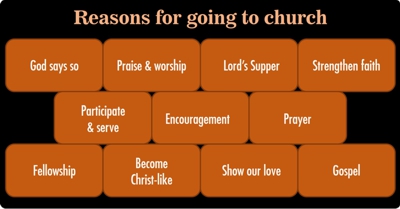
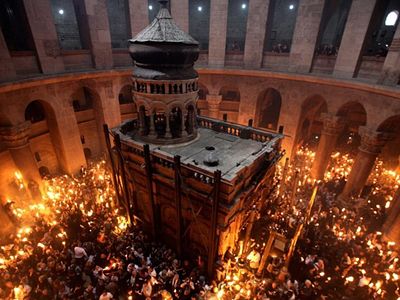
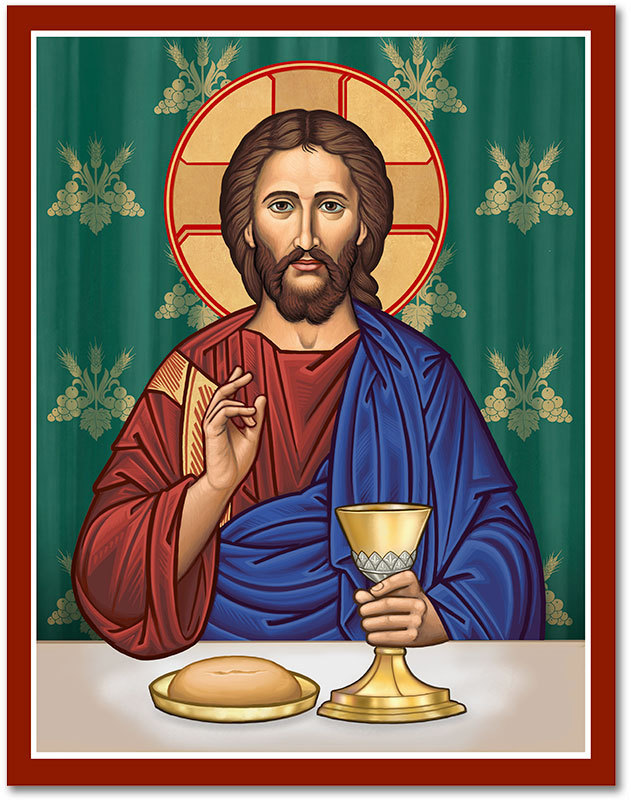
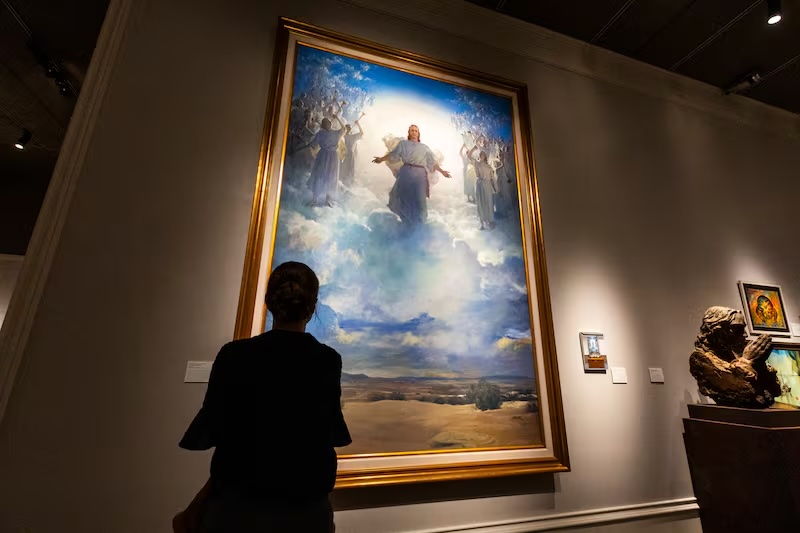
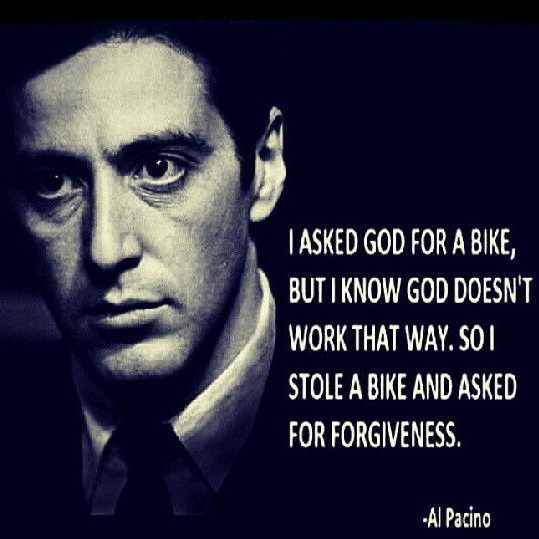
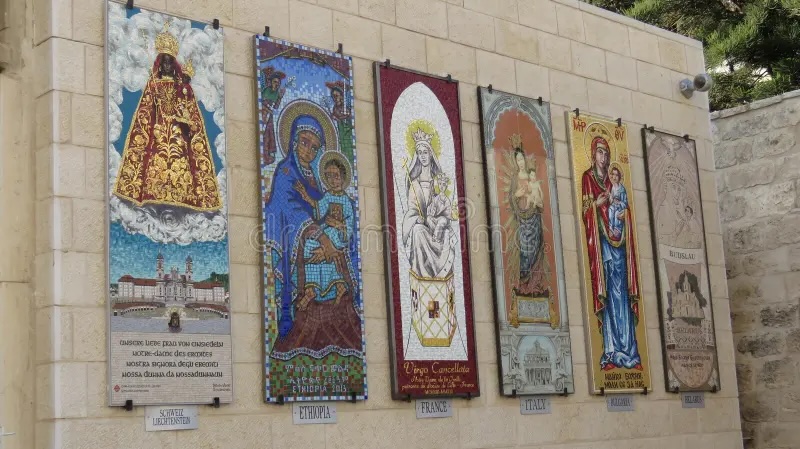
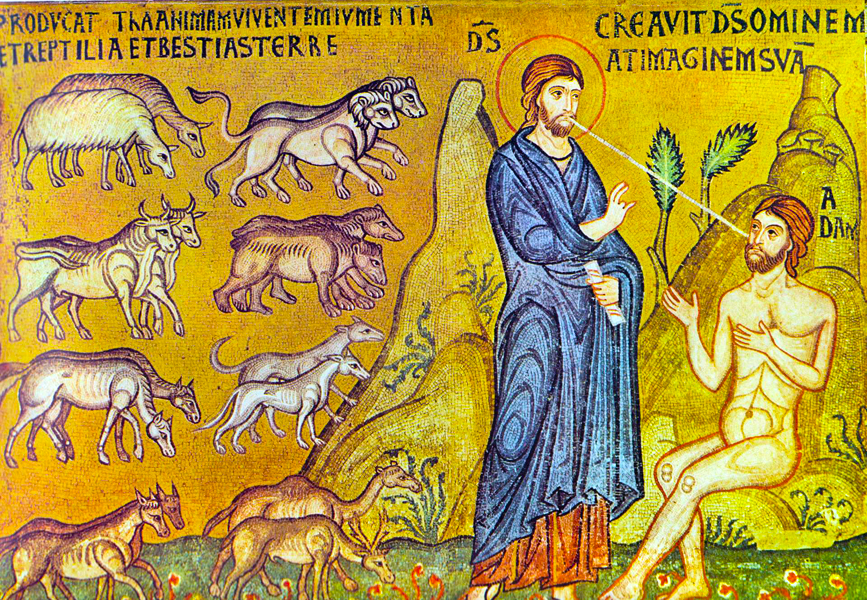


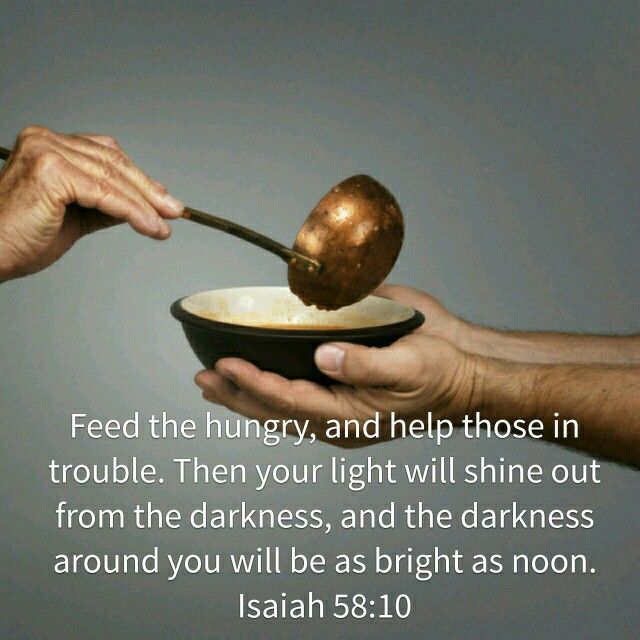

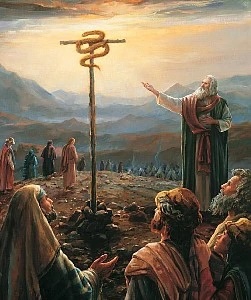

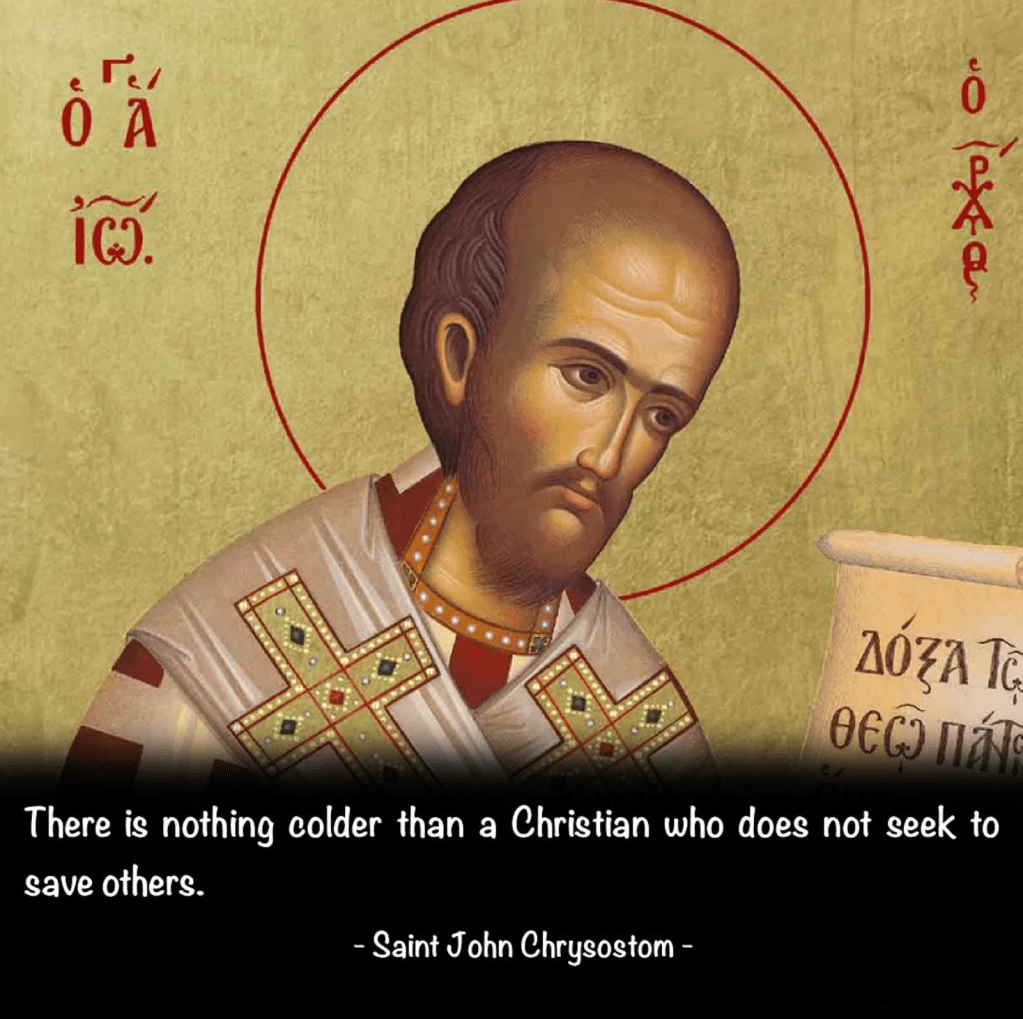
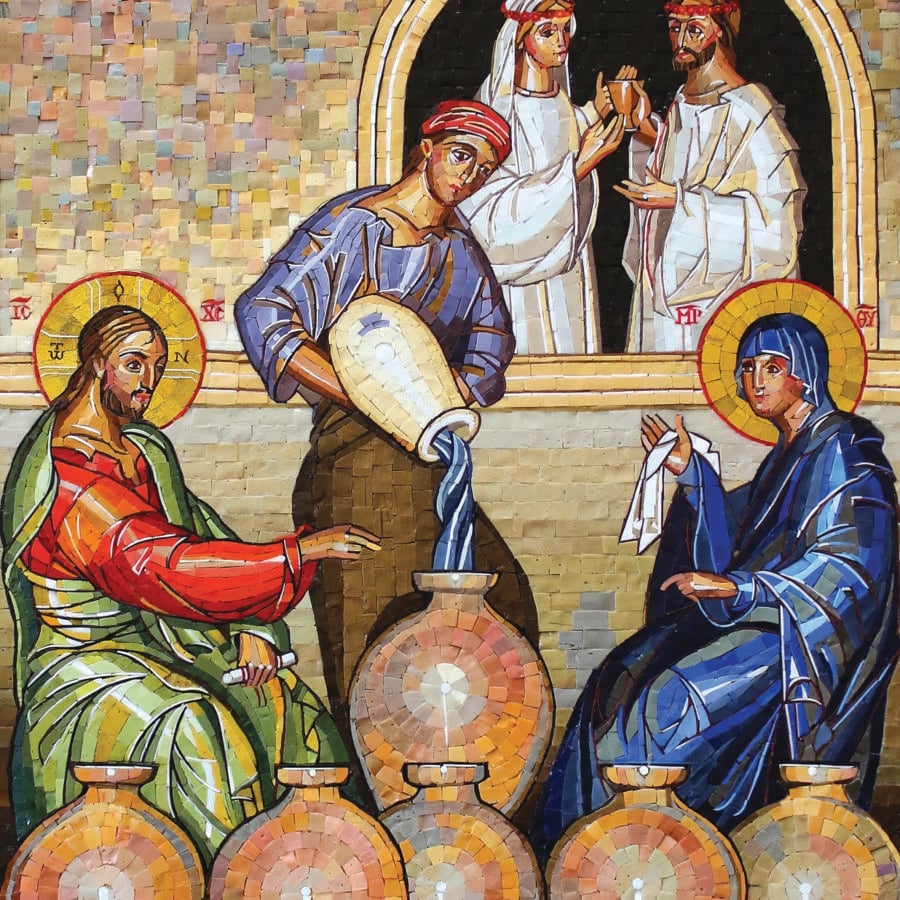
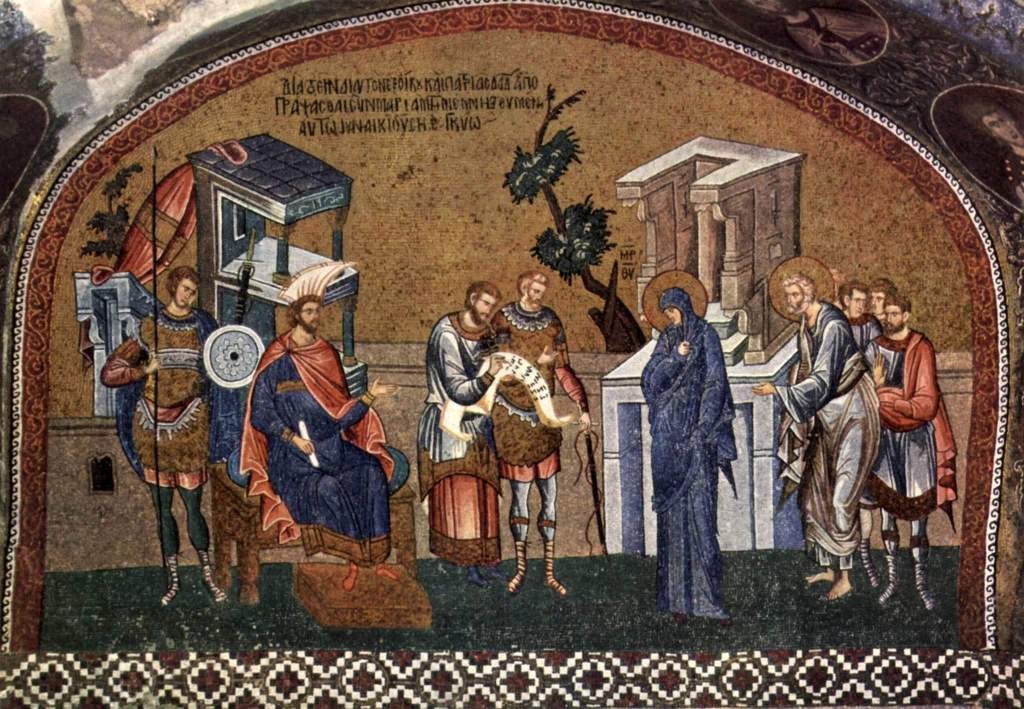
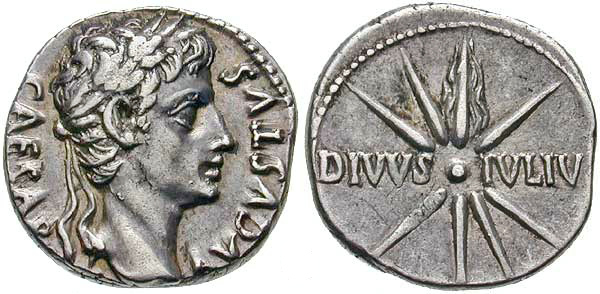

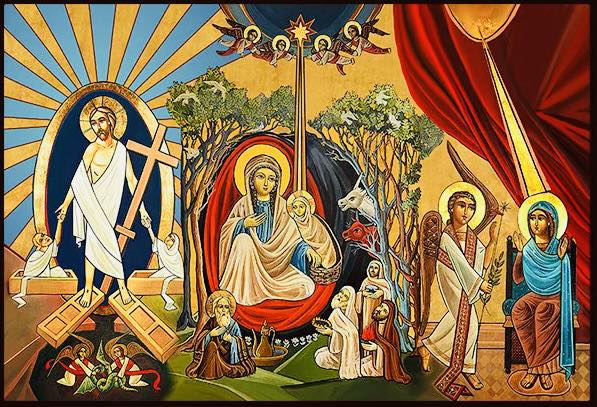
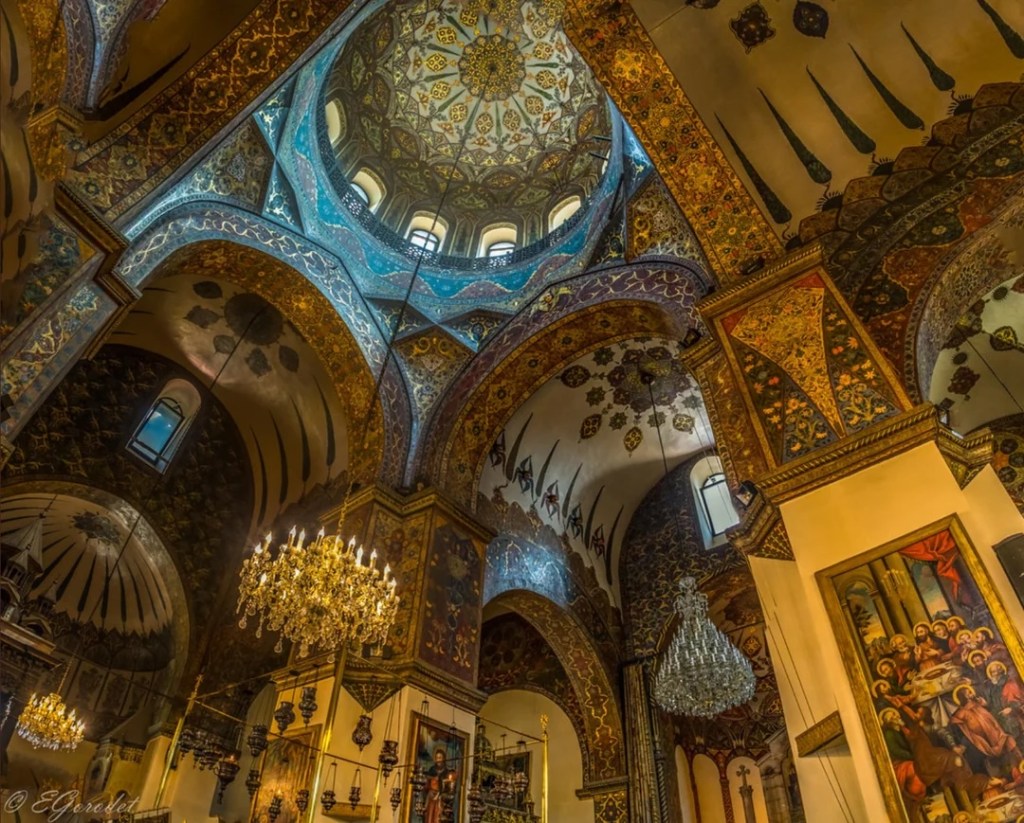
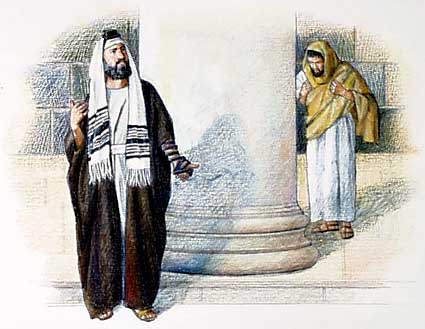




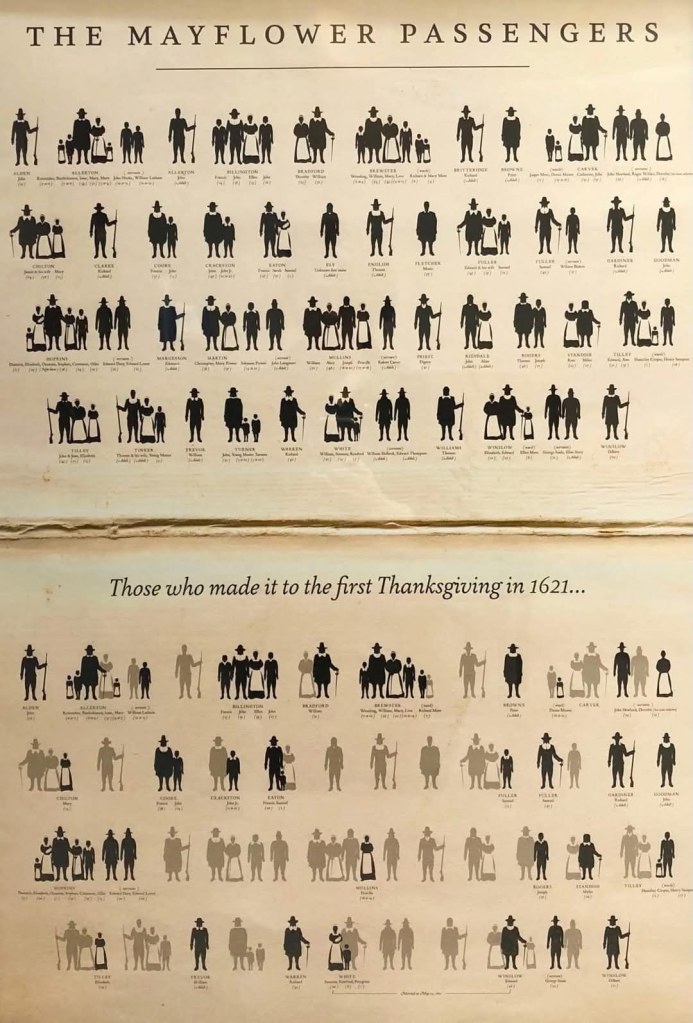
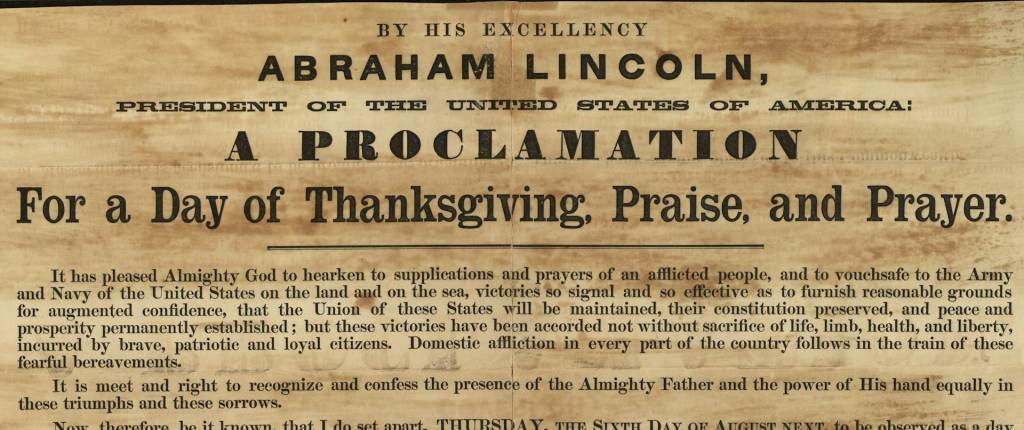
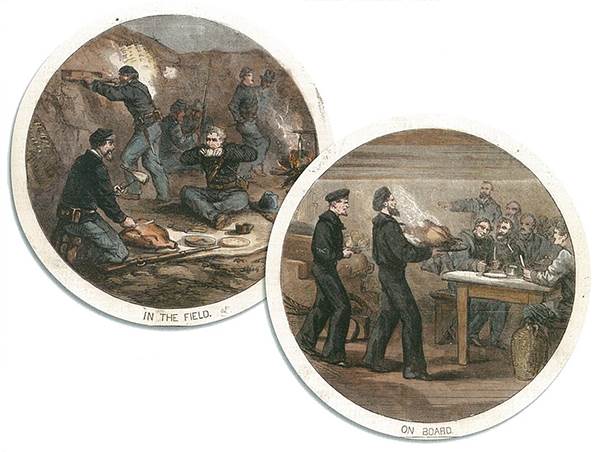
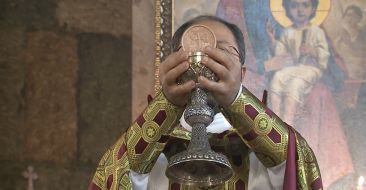
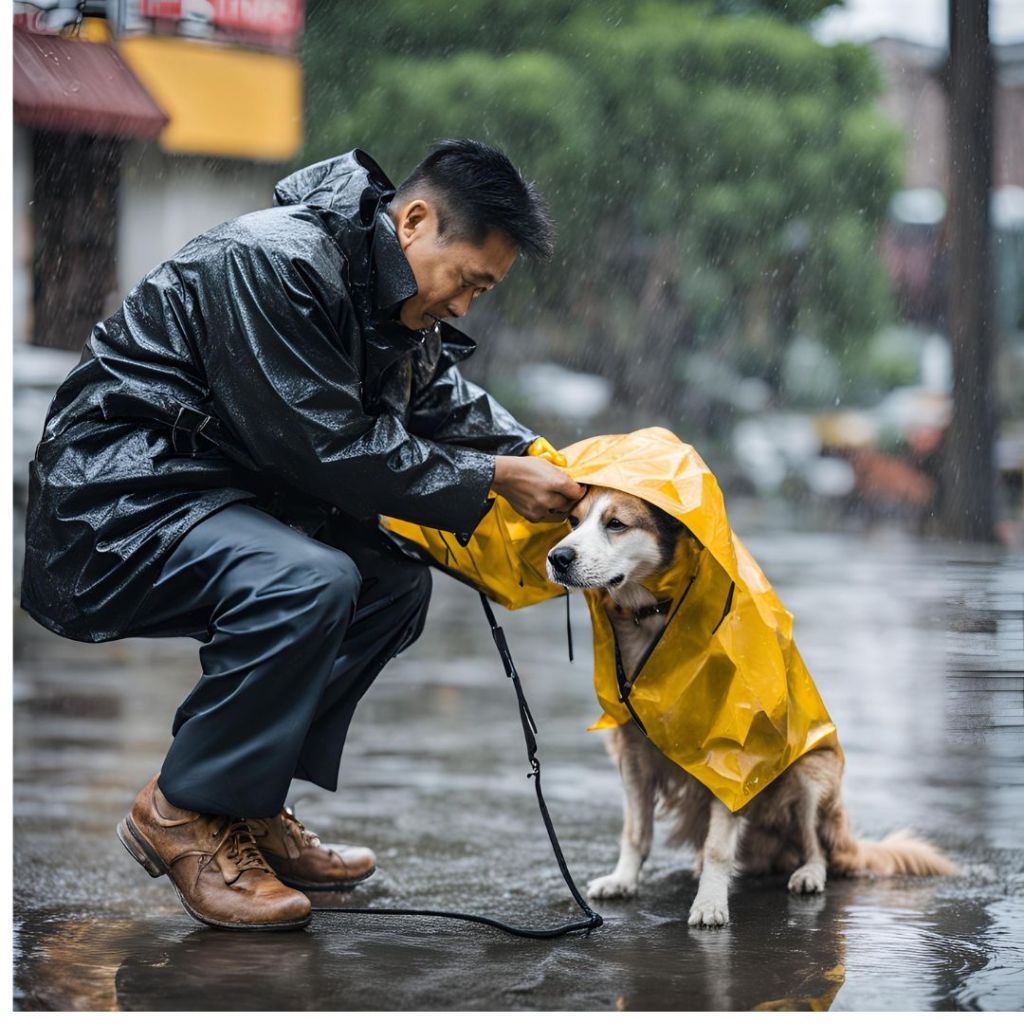
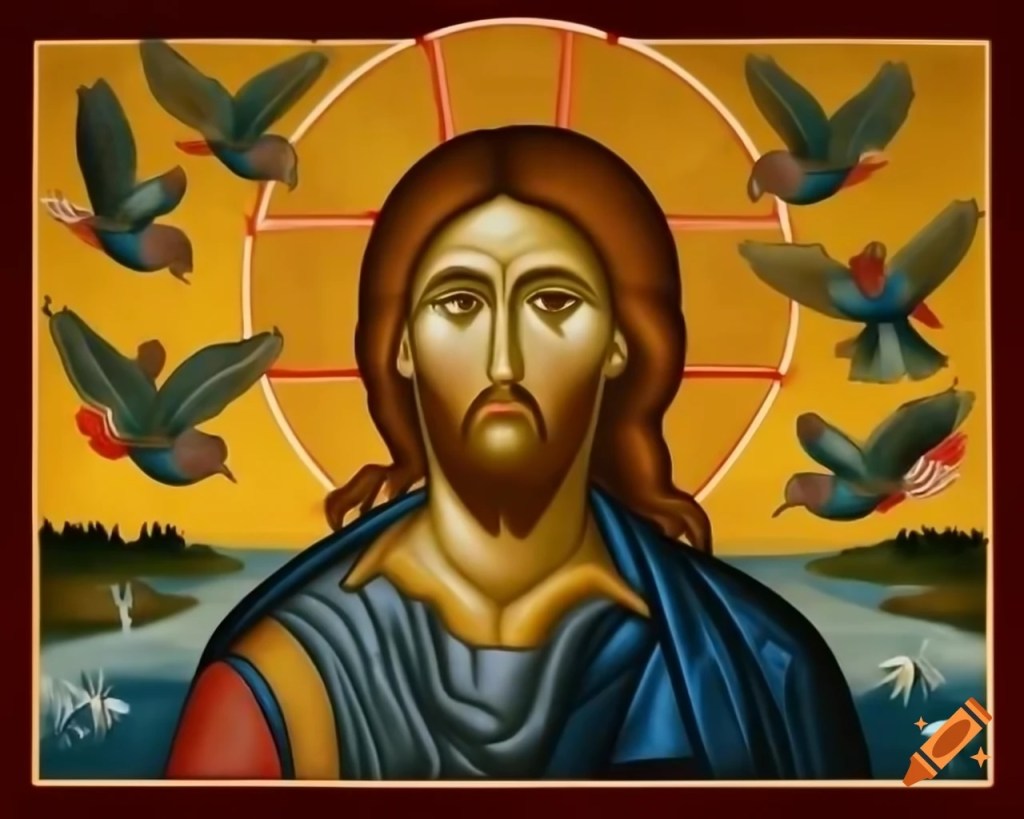
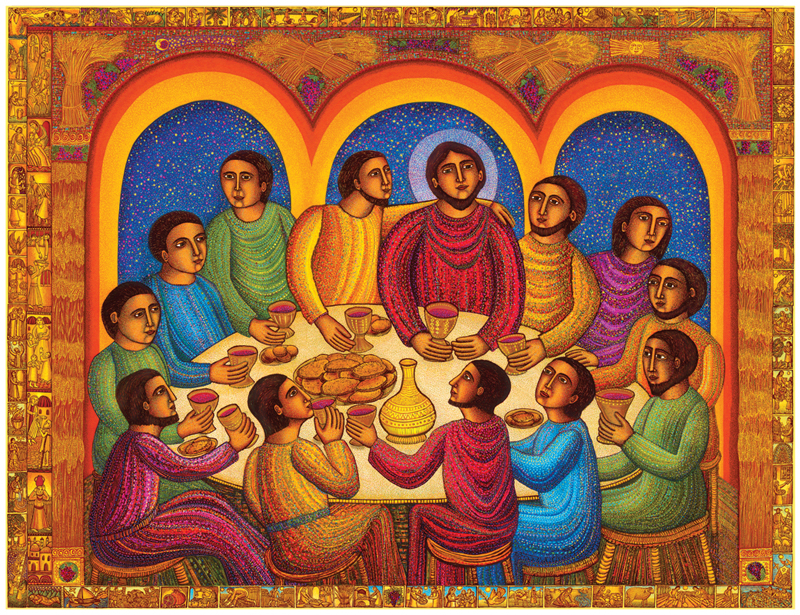
 St. Gregory the Illuminator Armenian Church