Tyson or Paul: The GOAT?

Passages: Is. 25:9-26.7; Phil. 1:1-11; Lk. 9:44-50
Ընթերցուածքներ՝ Եսայ. ԻԵ 9 – ԻԶ 7; Փիլիփ. Ա 1-11; Ղկ. Թ 44-50

In the Name of the Father, Son and Holy Spirit, Amen!

Preparing a weekly sermon my dear brothers and sisters is about connecting God’s message and guidance to what we as his children are going through in our everyday life. It is one of the reasons why Christ used images and ideas that his audience was familiar with. For example, this week, when teaching a lesson of humility to the disciples, we read, “And an argument arose among them as to which of them was the greatest. But when Jesus perceived the thought of their hearts, he took a child and put him by his side, and said to them, “’Whoever receives this child in my name receives me, and whoever receives me receives him who sent me; for he who is least among you all is the one who is great.’” Christ took a child that was nearby, someone who society would have said is uneducated, inexperienced and unprepared for real life and used him to relate a message to us all – what greatness really means. So as I prepared my sermon this week I thought about what so many of us perhaps experienced this week?
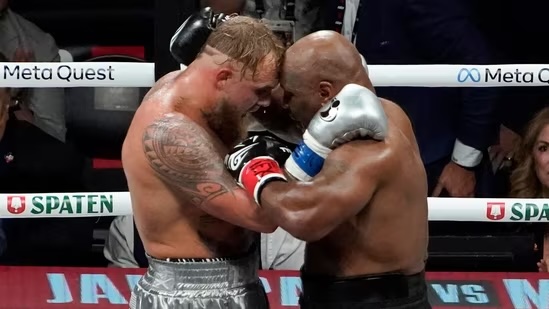
A few weeks ago, many of us were focused on the election; in the next few weeks we will be getting ready for Thanksgiving, and Christmas, then the New Years. This week many people either directly or indirectly saw or heard about the boxing match between Mike Tyson and Jake Paul. The reason this event was such a huge focus for many people was because we’ve all heard the name Mike Tyson, even if we don’t watch boxing. He was one of the greatest fighters in his prime yet, today he is 58 years old and as many of us know age takes it’s tole. Whereas in contrast Jake Paul is only 27 years old, nowhere near as experienced as Mike Tyson and quite arrogant. Yet, the match was set and the fight between these two fighters took place. Regardless of the results, something took place during this match which I believe reveals a message from God to each one of us.

You see both men fought to show their greatness; both trained hard, took hard hits in preparation and during the match to reach their final goal. Regardless of their age, they both showcased what made them best. Many of us know Mike Tyson as a brutal and vicious fighter in and out of the ring. Jake Paul is known as a young, arrogant, social media influencer and bad boy. Yet, in the final moments of that fight, as the last 15-30 seconds counted down, Jake Paul who was clearly at an advantage, did not take a final blow against Mike Tyson, who by round 3 the audience could tell was weakening, due to his age. But rather, Jake, took a step back and bowed to Tyson. The fight wasn’t anything to rave about when it came to the standards of a historical or memorable boxing match. Yet, the world saw, this arrogant, young man bow and show respect to a man all of us would have feared to step into the ring with. Mike Tyson, did not retaliate or take the opportunity to get that final swing against a defenseless Jake Paul. Rather, he extended his hand to tap gloves, showing respect, and even before the final bell, they embraced each other. There was a lot of negative commentary about this fight and people were disappointed that they did not see a brutal display of aggression from either fighter. They wanted to see the greatest of all. Yet, through their humility and respect for one another, Paul and Tyson displayed a higher quality of greatness. They recognized the value and greatness not in that one fight but in the character of the person.
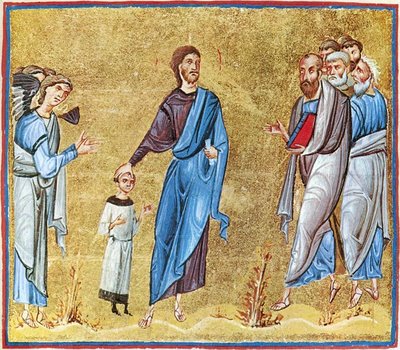
My dears, where is our value? Where do we find our greatness, and do we recognize the greatness in others? The world tells us our value is in how hard we hit back, how tall, strong and aggressive we are; survival of the fittest, right? If we want to be great, we need to be the best, have the bigger paycheck, go to the best school, look the prettiest and dress in the most expensive clothes. Yet, our greatness is not defined by these things for God. As clearly seen in today’s Gospel with the child, greatness is defined by much more than what the world qualifies. Which is why today’s Gospel reading begins with Christ speaking about Himself, “Let these words sink into your ears; for the Son of man is to be delivered into the hands of men.” (v.44) God, is who immortal and all powerful (what we sing every day in the Trisagion), who could destroy His enemies with a snap of a finger, who could bring natural disasters and send legions of angels to display his greatest – God chose to be delivered, betrayed, imprisoned at the hands of men to be tortured and killed. Why? Because greatness is humility; greatness is compassion; greatness is love. When we see a mother or father, who perhaps are struggling financially, or they must work multiple jobs to care for their family, do we say they are worthless? No! In fact, we say what a great parent. When we look at people in society who have failed repeatedly until they finally reached a goal, do we say they’re not that great? No! We use them as examples of hard work and determination.

My dears, then why is it do we allow our faults, our hurt, our failures and struggles to make us think and feel we and perhaps those around us are worthless? Our value, our greatness is in the love of God who created us and calls us to be likewise great in our love for ourselves and one another. This means taking care of our health, body, soul and mind, regardless of age; this means placing value in the time we share with one another and not in the materials we have; this means being proactive in prayer and extending that to those around us. Will we have differences of opinions, likes and dislikes? Yes. Will we fail according to the world’s standards of greatness? Perhaps. Will we find our true value? Only if we recognize that that child that Christ took to show as an example of greatness, that child is us. Someone the world might not even look at twice and yet for God is the example for us to learn from.

My dears, whether we watched the fight between Tyson and Paul or not, whether our focus is on elections, Thanksgiving, Christmas or something else, let us take a moment in prayer and ask ourselves, where is our greatness? Where is our value? Is it defined by the world or by God? For if it is by God, we must humble ourselves, confess our brokenness to God and recognize that all of us here are in the ring, fighting for our life. Let us take a step back and recognize that our greatness is not in that one thing, one fight, one moment, one experience or one success. Our greatness is in the love of God which heals our darkness and pain – a love given to us to share with one another. Let us take a step back and recognize that greatness in each other, for it is Christ Jesus in us all. It is the love of God that makes us great. May the grace of our Lord Jesus Christ illuminate our hearts and minds to see that truth, may the Holy Spirit guide us to understand our worth as a child of our Heavenly Father, Amen!

Can I Have A Word?

Passages: Is. 24:1-12; Eph. 5:15-33; Lk. 8:49-56
Ընթերցուածքներ՝ Եսայ. ԻԴ 1-12; Եփե. Ե 15-33; Ղկ. Ը 49-56

In the name of the Father, Son and Holy Spirit, Amen!

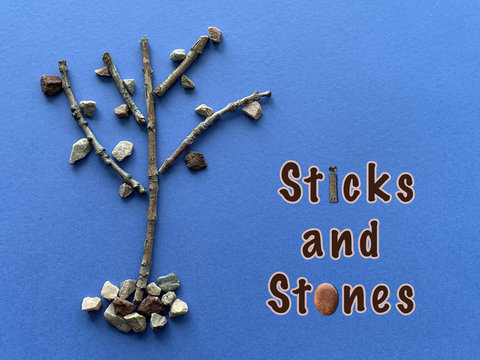
We’ve all heard the nursery rhyme, “sticks and stones can break my bones but words can never [or can’t really] hurt me.” This is a play on the idea that physical hurt is far more impactful than verbal; words are not actions. We use our words to express frustration, joy, love and all sorts of feelings. We use our words to discuss or argue, to share or reply to conversations surrounding various topics. We also use our words to make our needs and wants known to others. Above all else, we use our words to pray. So often I hear criticism about the Orthodox Churches prewritten prayers being too mechanical and automated and that the words of prayer should come from the heart and be spoken in that moment. Yet, so often in our time of prayer we can’t seem to find the words we want; we don’t know how to talk to God, what to say. This can sometimes lead to awkwardness in our attempt to pray where we mumble with words and feel lost. While for many this criticism is valid (we can only answer for ourselves), yet, the prewritten, or poetic prayers of the Holy Church are not void of heart. Those words can be prayed from our heart when we recognize the power behind those words, where our heart is my dears.

In the letter by St. James, we read very heavily about how we as Christian are called to live and express our Christian faith. St. James,  places a strong emphasis on the tongue – our words. In ch. 3:9-10 he says, “With the tongue we praise our Lord and Father, and with it we curse human beings, who have been made in God’s likeness. Out of the same mouth come praise and cursing…” Our words have power behind them and if we are truly a child of God we need to recognize that power. Because words for God not merely expressions of frustration or wants; words are not just things we say. For God what is a word? Tim Keller in his book says that “our words not only convey information; they get things done.” In the Book of Genesis, what we do read about God’s word? God said, let there be light, God said, let the waters give life, God said and it was done my dears. Yes, God’s word is far more powerful than ours. Yet, when Christ calls us to be Perfect like our Father in Heaven is perfect, it begins by living our life in such a way that reflects God.

This my dears, all comes back to the power behind our words, the heart in our prayers; it is all summed as faith. In Mark 11:24 Christ teaches us, “Therefore I tell you, whatever you ask for in prayer, believe that you have received it, and it will be yours.” In today’s Gospel when we read about a man who receives news that his daughter is dead, what does Christ say? “Do not fear; only believe, and she shall be well.” Imagine us in that moment, someone comes and gives us terrible news – what is our initial reaction? Christ knowing what this man had heard, directs his reaction to be prayer; and not just mechanical prayer, or prayer of words but prayer of the heart – words that manifest into action. Do not fear, only believe! Our words my dears, are powerful. Our prayers are powerful. But we need to recognize that power in God, while at the same time being careful of the words of criticism and evil we also speak to one another. God cannot be where we invite evil to be.

If we use our heart, our mind, our words, to curse, to lie, to break down, to cheat, then let us not expect God’s power and presence to be in the words of our mechanical and artificial prayers because though sticks and stones can physically hurt us, the power of words can cut deeper then all. Yet, it is with those same sticks and stones that we build homes, and Churches. It is with our same words we can build one another up, create friendship, share love and pain, and ultimately pray. And when we pray with faith, pray from our heart, even in the times of devastation, our words will manifest into actions, and our lives will be like the reflection of God our Heavenly Father, who sent the WORD, Christ Jesus to renew and transform us from brokenness and death to life.

Let us ask ourselves, what power do we have behind our words? What power do we believe is in our prayers done here in Church or privately at home? Let us seek to God’s presence in our life, so that what He has said will be done in our life. Let us humble our egos, our voices, and our pride asking Christ Jesus for renewal in faith so that our words will create life by the grace of the Holy Spirit, we will become a reflection of God our Heavenly Father. What will we use our words for today?

How Should We Vote?

Passages: Is. 22:15-24; Eph. 1:1-14; Lk. 8:17-21
Ընթերցուածքներ՝ Եսայ. ԻԲ 15-24; Եփես. Ա 1-14; Ղկ. Ը 17-21

In the name of the Father, Son and Holy Spirit, Amen!

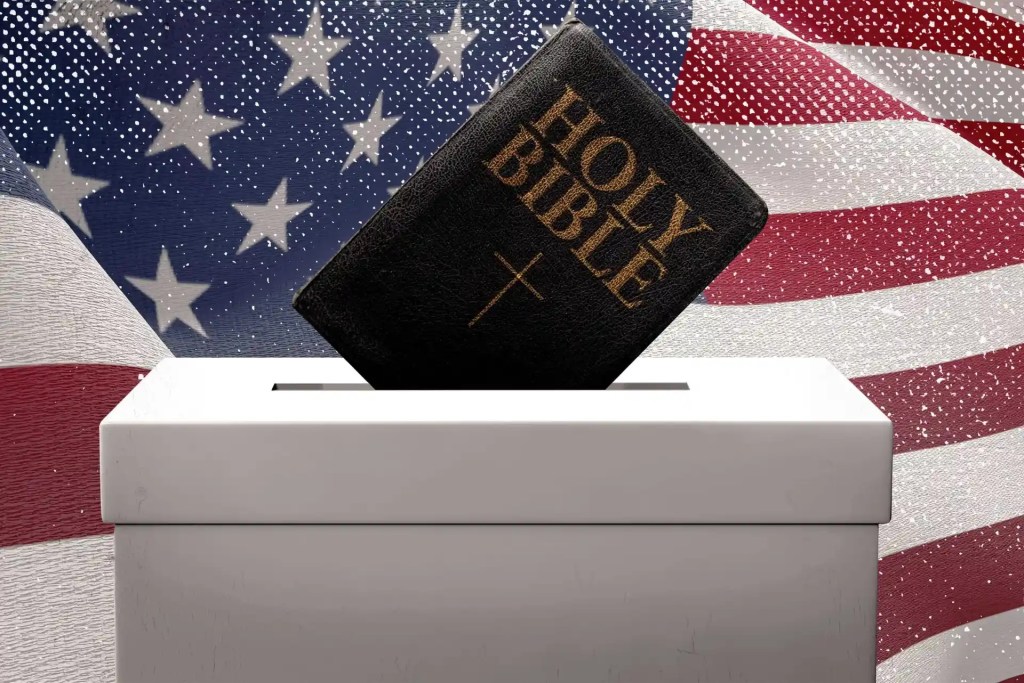
Today perhaps my dears, you will be disappointed in my words or wonder why it is that I have chosen to prepare such a sermon. Today, I will be speaking on who, we as children of God in the Armenian Orthodox Church and as citizens of the United States should vote for! Now if you have voted already or are curious or even feel upset or think Der Hayr has lost his mind by speaking on such a polarizing topic, I invite us to take pause for a moment. For many of us especially living in modern societies like the United States and Canada, Church and State are separate and should never be mixed. Yet, we as members of the Holy Church, living here are also citizens of these United States and that is why I say let us pause to reflect on the words that I humbly attempt to convey through this sermon.

Before I begin, let me ask, what is a sermon? Is it a message to make us feel good? Is it any different than the speeches we hear from political podiums vs. the podium of the Church? Sure, the sermon has religious teachings but for so many of us, we view the sermon and a campaign speech as similar: words to take with us, to affiliate ourselves with or disagree with. How often have we listened to a political speech and walked away upset, or in agreement or confused? How often has it been, we have heard a sermon we don’t like, or agree with or connect with? Yet, a sermon is not a campaign pitch, nor is it a “feel good message.”A sermon is a teaching tool to be challenged by; it is words of advice from a priest, founded in the Holy Scriptures for us to take, reflect upon and apply to our daily lives. The truth is, we are each different; We have our likes and dislikes, we have our points of view, our perspectives that have been shaped by the life we have lived and experienced. What unites all of us here in the Holy Church is not blood, language or party lines. What brings us together is the blood of Christ and the love of God our Heavenly Father.

Therefore a sermon, my dears, is advice, on how though we are different, we are united in Christ. Advice can either be accepted or rejected. So advice, regardless what the subject matter is, should be given with caution even if it is from a priest. Hunter S. Thompson, an American author when writing a letter of advice to his friend opens with these words, “You ask advice: ah, what a very human and very dangerous thing to do!… To presume to point a man to the right and ultimate goal— to point with a trembling finger in the RIGHT direction is something only a fool would take upon himself.” The reason it is foolish and dangerous to give advice is because our advice is biased and only considers the advisors experience. We all want advice; we want guidance and direction especially in times of hurt and the unknown. Yet, advice in the Church should be different. It isn’t the priests’ opinions and bias but the teachings of Scripture. Advice that we receive in our Church through discussions and sermons from our priest are given therefore to guide our faith, shape us and help direct us towards Christ. Even this advice is neither easy to give nor receive.

So what advice, what word of teaching could I, as a priest, give my dears in today’s polarized political world? Today we are bombarded with hateful words, lies, and manipulation from all sides. We are told not to trust the left or the right; to vote based on our ideologies and political views on reproduction rights, immigration, climate advocacy, racism, policing, taxation, etc. As Armenian’s I hear so often, we should vote based on the party that will most help support the Armenian cause. Yet, what is the problem with voting in such a way my dears? The problem is that whether we vote left or right, we are grounded on a false foundation. What do I mean? In the book, Screwtape Letters by C.S. Lewis’, a story about how demons try to manipulate humanity, one of the underlying themes is that the devil doesn’t need us to believe in him. All the Devil truly desires is for us to be distracted and to not trust God. Listen to this passage from this famous story:

“My Dear Wormwood,
Be sure that the patient (humanity) remains completely fixated on politics. Arguments, political gossip, and obsessing on the faults of people they have never met serves as an excellent distraction from advancing in personal virtue, character, and the things the patient can control. Make sure to keep the patient in a constant state of angst, frustration and general disdain towards the rest of the human race in order to avoid any kind of charity or inner peace from further developing. Ensure that the patient continues to believe that the problem is “out there” in the “broken system” rather than recognizing there is a problem with himself.”

What this is saying my dears, is the issues of gender, race, climate, life, liberty and so many other polarizing topics have become a distraction for us. It is this lie that we have all fallen victim to by removing God from them – our focus has been shifted and perverted, we have been distracted to think that those topics are what give us purpose and meaning, defines life and anyone who thinks differently is the problem. We have put our trust in flawed human systems to determine how our identity should be formulated and about what we think about these matters. Yet, for us, our root, our foundation of decision making, of hope, of compassion and of how we treat ourselves and others, something we call ethics or ethos, must be rooted in Christ Jesus.

This means if we want to fight for genuine social justice, it is required as Christ teaches, that we first look at ourselves, that we be transformed in heart and mind, that we remove the plank from our eye in order to help our brother remove the sawdust – to see Christ in all humanity. If we desire to speak up about family values, marriage, gender ethics, we must uphold sanctity of marriage and all family through care and guidance; we must care for widows, and those who are from broken homes, encouraging families to embody the love of Christ through their relationships. If we value all life, then we must also realize that passing laws for or against abortion does not address the root cause that leads individuals to consider such options; but rather through compassion, education and mercy, we are called to pray for God to be with those women who face such decisions. What about the environment? I once heard a clergyman of another denomination once say, that they don’t like to talk about climate advocacy or change because it is such a political issue. Yet, it was the first commandment of God to Adam and Eve to be stewards and caretakers of creation – of all animals, plants, and waters. This is not a legal obligation but a Divine calling.

The list goes on my dears, of how the biggest lie we have all fallen victim to is that this life and how we live it is a political voting weapon, and can be controlled by legislation; by the party we vote for or the name we scream the loudest. We have fallen victim to being distracted into placing our trust in man over God. Do we truly believe that one candidate over the other cares for our well-being more than God? Yes, Church and State are separate but for each of us, where does our foundation, our value, our god reside? My dears, who should you vote for? Who should we trust? While there may be many other religious leaders that will give a definitive left or right answer, my advice is that our trust can only be placed in God our Heavenly Father. St. Paul writes that God chose us in love, that He gave us adoption as His children through Christ Jesus, “With all wisdom and understanding, he made known to us the mystery of his will according to his good pleasure, which he purposed in Christ, to be put into effect when the times reach their fulfillment—to bring unity to all things in heaven and on earth under Christ.” Therefore, I ask my dears, are we bringing unity to all things in heaven and on earth through our political choices?

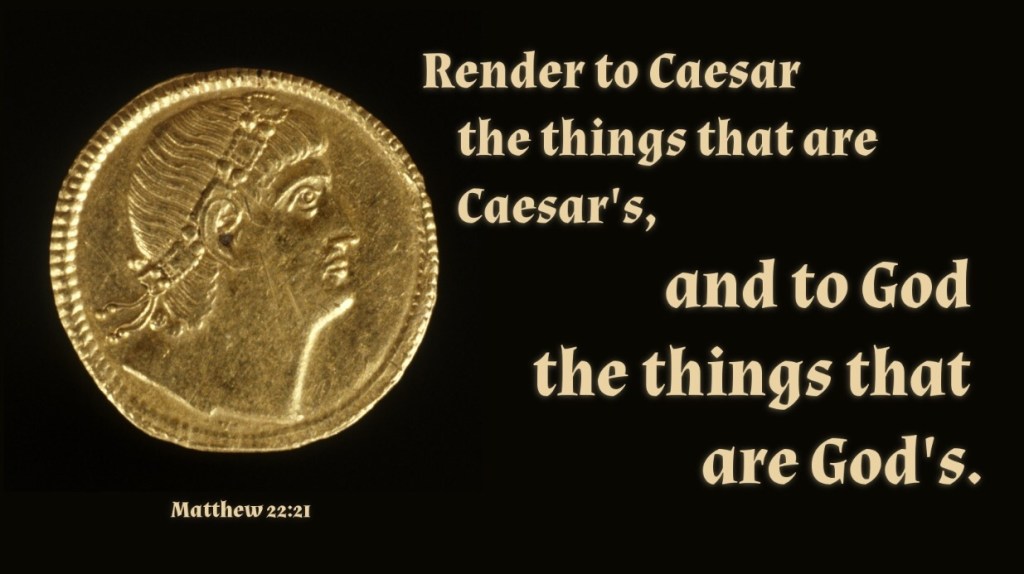
Vote my dears, exercise your God given freedom to choose yet, vote Biblically. Vote with these words as reflection, with this conviction to ask who we should vote for. Vote with prayer in our hearts! We are called to pray for all our leaders, clergy, laity, left, right, liberal or conservative. We are called to have compassion and mercy, love and hope for all creation, not determined by legislation and party affiliation. For it is Christ Jesus that we have put on through our baptism. It is Christ Jesus who died for you and me, regardless of how we look, what we have experienced, how we vote, what highs and lows we have faced, how many skeletons we have buried or what heights we have climbed. For Christ directs us give to Caesar what belongs to Caesar, and give to God what belongs to God. We, my dears, our heart, soul and mind, belong to God!

Yes, my dears, I would be foolish to stand here and give advice as to who we should vote for. That is done behind political podiums; something that the Church is not. But I would be far more foolish to not stand here and not preach that true salvation, true life, hope and healing comes only when we focus on Jesus Christ. We are children of God; we are called to hear his word and to live it in our everyday life and not just Sunday to Sunday. So yes vote, be engaged in the public square, because we are members of the Body of Christ, but we are also citizens of this nation. We all face significant challenges ahead made only more difficult when we who claim to believe in God live distracted in such a way that removes God from our everyday decisions. For if we love God, we must begin by loving our neighbor; if we want change, we must begin by being changed by God. This advice is neither easily given nor easily received.

Yet, as we step out from the doors of this Church, as we wake up and go to work or school each morning, as we step into the polling booth on Tuesday or whenever it may be, I invite us to pray. Pray that the Holy Spirit will illuminate our heart and mind not just in that moment but every day, in all our relationships, decisions, and challenges. Pray that we will not worry who is elected but rather, in whom have we placed our trust in. Pray, so that the life we each live will bring glory to God our Heavenly Father, that the grace of the Holy Spirit will strength our communion with Him through Christ Jesus forever. So perhaps my dears, the choice if this homily surprised us, yet, the message and advice my dears remains the Word of the Holy Gospel, which is when whatever we do, even when we vote we should pray. Amen!

Gospel According to…?

Passages: Is. 20:2-21:6; Gal. 4:3-18; Lk. 4:14-23
Ընթերցուածքներ՝ Եսայ. Ի 2- ԻԱ 6; Գաղ. Դ 3-18; Ղկ. Դ 14-23

In the Name of the Father, Son and Holy Spirit, Amen.

In the Gospel today we read that Christ was brought by the spirit, moved by the spirit and he returned to Galilee. What is this spirit? Yes, we know it is the Holy Spirit but what is the purpose of that spirit or relationship to God the Holy Spirit? Is it as we read the spirit that, being like wind it pushed Jesus into towards Galilee? In the same Gospel reading today we continue to read, that when Christ opened the prophet Isaiah in the synagogue, He began with these words, “the spirit of the Lord is upon me because he has anointed me to preach the Gospel to the poor, he has sent me to heal, to proclaim liberty to the captives and recovery of sight to the blind, to set at liberty those who are oppressed to proclaim the acceptable year of the Lord.”He is teaching us as we read from the Gospel that, He is the Messiah and that He is the one that has come to bring that liberty, bring that good news, to bring that healing upon others, for the Spirit of the Lord is upon Him. Well what about us?

It’s interesting, that the passage of Isaiah Christ is reading begins first, he has anointed me to preach the Gospel to the poor. What is the Gospel? How many do we have? Four of them right? Wrong. We have ONE Gospel. When the priest or Deacon begins reading the Gospel, they say, “The Gospel of Jesus Christ according to Matthew, Mark, Luke and John.” There is only one Gospel, there is only one good news because the Gospel is the heralding, the news of a victorious king. I’ve said this before Gospel is not a religious term. In fact, we use it in secularism right? When we want to emphasize something that’s true, what do we say? It’s the gospel truth. Gospel is not a religious term and the word Gospel the evangelist used specifically for this point. That word comes to us from paganism and even before when war would happen, whatever the outcome of the war was, the herald would be sent to town, and he would begin telling everyone the victory of that battle and that the king has won. And for those who opposed the King it was a warning of the Judgement to come. It is for this reason that the evangelists use the word gospel because they are declaring victorious Christ has healed the broken hearted, freed the captives, gives sight to the blind and liberty to those who are oppressed and it is that spirit therefore my fears that is upon not just Jesus who the Christ but also us, who are baptized and anointed by the Spirit. Yes there is only one gospel of Jesus Christ according to Matthew, Mark, Luke and John, yet what about the Gospel according to you? Or me? Each and every one of us is called to live the gospel for that same Holy Spirit that is upon Jesus Christ, is upon us and moves us.

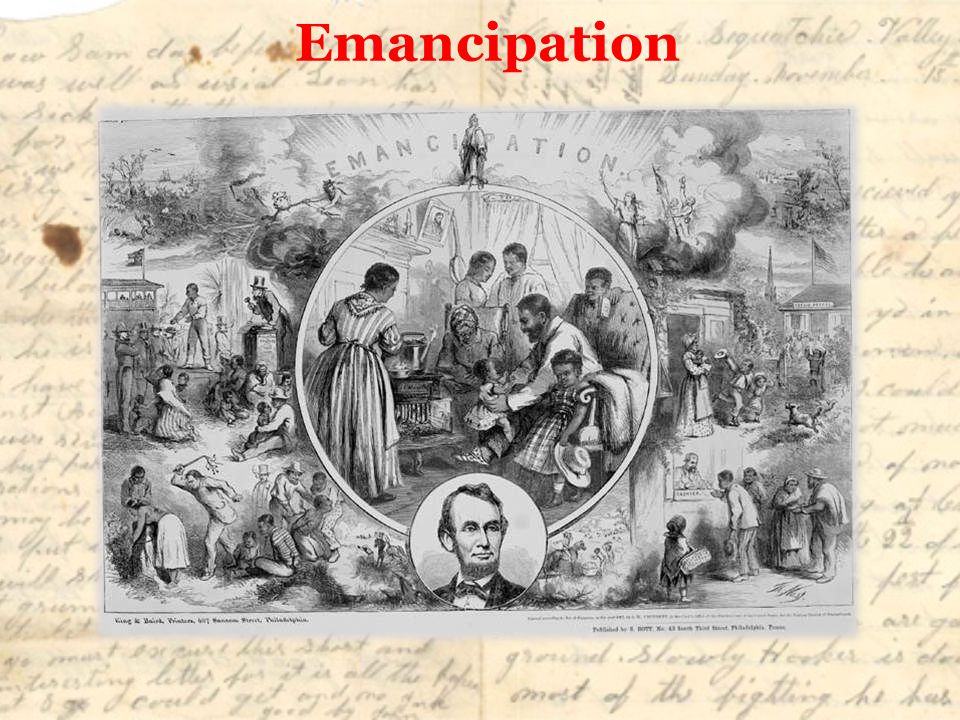
In 1863 Abraham Lincoln signed the Emancipation Proclamation, freeing slaves through that declaration from captivity in the United states, were all slaves free? No! And I’m not even talking about slaves in the North, South, East or West. Rather, why weren’t they free? Because they didn’t know about the Emancipation Proclamation. That is why Lincoln sent out people with the statement and declaration showing them that the president’s signature is on it that you are free. My dears the Holy Bible has the signature of God on it, we have the signature of Christ on us, and we are the message to the world, to each other that we are free from sin, that we are liberated, that our sight has been restored, that Christ is victorious. However, that means that we need to be moved by the Spirit, just like the sails on the boat move when the wind blows. If we the sail is damaged and has holes, it won’t move anywhere. That is why we’re in church. So that here, God will strengthen our faith, mend the holes and brokenness we have and in church, or for those watching online, we being renewed and strengthened, the spirit must move us, the one spirit, the Holy Spirit will move us to bring the message of the Holy Gospel of one Christ. So that we are in communion with the one God, as one church family, as one community, and the one Spirit is upon all of us to bring the Good News, the Gospel, to all.

If we want to see change, let us begin to change ourselves; we must begin to change ourselves by giving ourselves over to God to heal us and move us to become the change we want to see everywhere else. We see and we hear this proverbial saying but it is Christ that moves us, it is Christ that makes us a light in the darkened world. To be bring healing, love, compassion and mercy upon each other but also to the people on the street, because we are all declaring the Gospel of Jesus Christ but according to each one of us through the way we live. Are we a contradiction or a living reflection of God? Are we still a slave to our sins, to darkness or have we heard the Good News and are being sent to bring the Good News to others? I pray that God gives us the wisdom, insight and reflection to open our hearts, be renewed and understand that when we walk in the paths of God when we ask, we learn, when we pray humbly seeking forgiveness, the Holy Spirit will move us from darkness to light, from death to life, from oppression to divine freedom, Amen!

Sense of Direction

Passages: Is. 19:1-11; Gal. 2:1-10; Mk. 12:35-44
Ընթերցուածքներ՝ Եսայ. ԺԹ 1-11; Գաղ. Բ 1-10; Մկ. ԺԲ 35-44

In the name of the Father, Son and Holy Spirit, Amen!

Some people are better at staying on course than others. For some finding where they parked their car, showing directions, traveling without a compass, etc. feels like second nature. While for many others it is a struggle. Cognitive psychologists say that those who live in large country sides develop a sense of north, south, east, west, and general direction much better than those who live in cities like Chicago. The reason for this is the grid system, though helpful in the city, doesn’t help develop the navigation skills outside the limits of those grids. Anything foreign, open and unclear causes us to get lost easily. In his letter St. Paul talks about Titus, his student who was being tempted from outside influences “false brethren” as he calls them because they were secretly spreading misinformation. You see Titus is a Greek and, in those days, when Christianity was spreading, many of the Jews who followed Christ believed that a Greek first needed to be circumcised, meaning made into a Jew, only then could they continue to become a follower of Christ. Yet, St. Paul rebukes them and teaches them how this is a false narrative. Why?

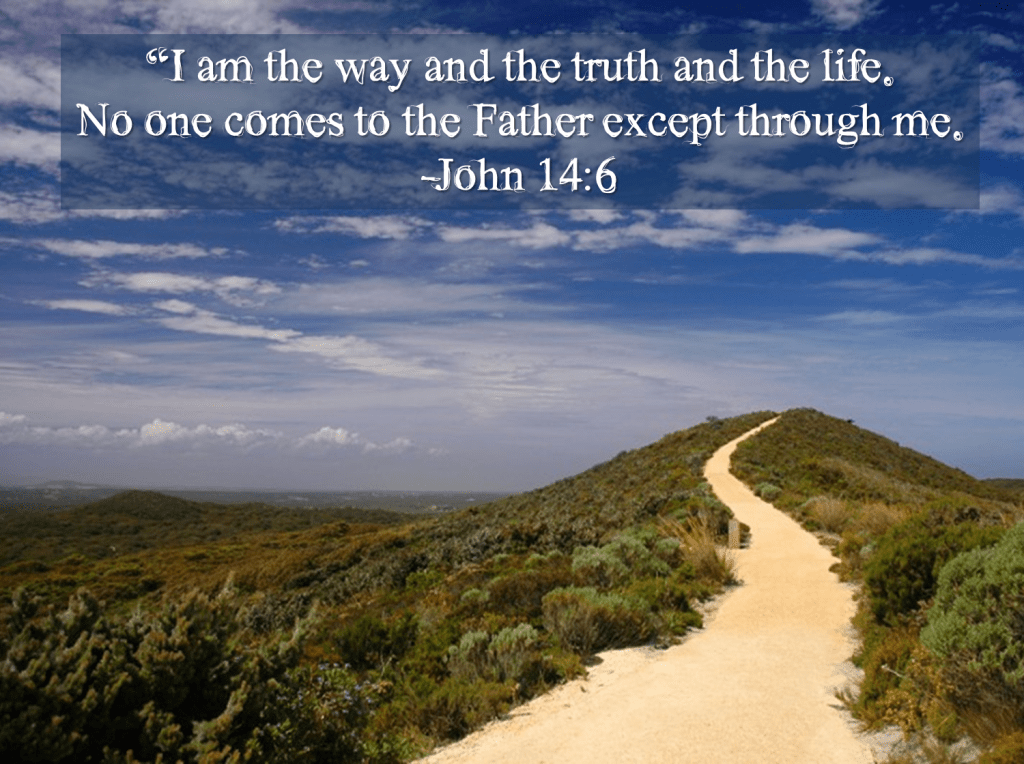
My dears, all of us have a desire to grow in our faith. Some of us are stronger, some of us are weaker; some of us are full of knowledge and wisdom, while still many of us struggle and have a lot of questions. Yet, Christ Jesus calls all of us to him. For God there is no difference from where we come from, from which direction, what limitations, what knowledge, what age, what gender, what job title, or any other arbitrary limits we’ve put on ourselves. In fact, recently Pope Francis was criticized for making a comment to a group of interfaith youth where he said it doesn’t matter what religion you believe (I’m paraphrasing). We as the Orthodox Church would strongly condemn this because Christ Jesus teaches us “I am the way the truth and the life, no one comes to the Father but through me.” Yet, we would acknowledge my dears, that we are all on a different path in life. However, Christ guides and gives us the direction to the Father through Him. If we want to get to a certain address, we can take many roads and highways, following our sense of direction or the GPS. However, to get to that address we need to end up on the road where that place is located. In life we are on difference paths but if we truly desire to find God, ultimately our sense of direction must bring us to Jesus Christ as the true path. A path through which God calls all of us, as our Heavenly Father, His beloved children.

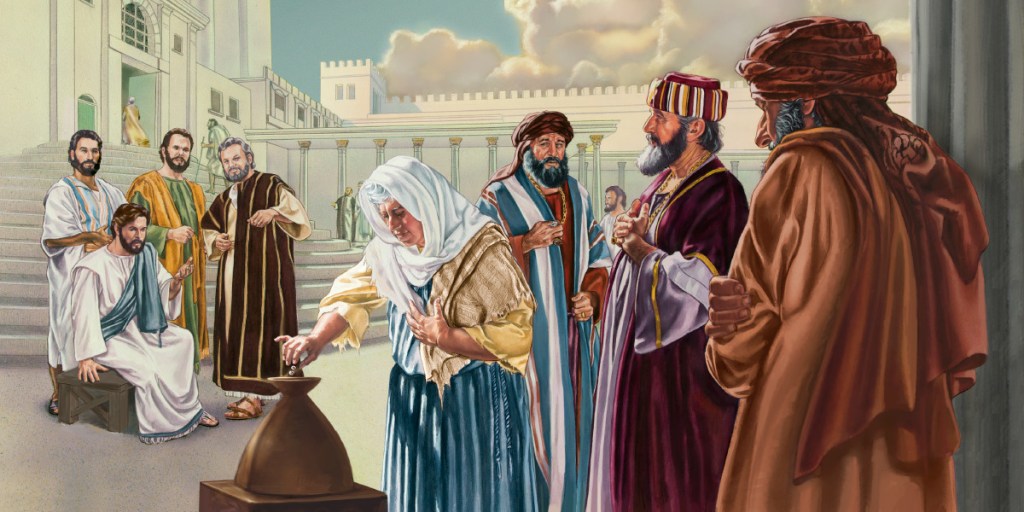
The issue is that many of us sometimes wander away from the truth. We get lost on our way, our relationship with God. And too often we try and navigate our way back to God through our means. We try any and every way to find our way back to an equilibrium of mental, social and spiritual health. Yet, just as getting lost in life can happen likewise, sometimes it feels like that more we try to find our way, because of the negative influences, lies, and temptations we face, in the process we get lost even more. We begin to think we are unworthy, unloved, unimportant or we think we need to somehow gain favor, do something extra, etc. My dears, this is not true. Even more important than this my dears, God is not lost for us to find Him. It is we who are lost and it is for that reason Christ came to us. And Christ gives this beautiful contrast in the Gospel today: he first presents a warning against false teachers, “Beware of the scribes, who like to go about in long robes, and to have salutations in the market places and the best seats in the synagogues and the places of honor at feasts…” Next he then speaks about who? “And he sat down opposite the treasury, and watched the multitude putting money into the treasury. Many rich people put in large sums. And a poor widow came, and put in two copper coins, which make a penny.” We all know how the story goes, about giving from our heart.

Yet, look at the 3 sets of people whom Christ Jesus, God is watching. You have the teachers, the ones who have all the knowledge, who can give proper direction, they can navigate anywhere and help you find what is lost. Yet, they are full of so much hatred, hypocrisy and have become blind to their own sinfulness that not only do they get lost, but they cause others to lose their way as well. Next you have the rich people with large sums of money. They have the means to learn, they have what is considered valuable in this life and yet, they think those material possessions is what sets them apart, gives them direction and purpose. They are so lost; they don’t know they’re lost. Finally, we have the poor widow; someone that has no rights, no privileges, most likely no education or means of helping others. She is the one Christ tells us to follow by example. My dears this isn’t to say being education, whether clergy or laity, having money and wealth are bad things. But Christ is reaching out to us and asks us, what gives us direction? What are we influenced by? Who helps us in our spiritual growth when we get lost?

God shows no partiality. God shows no favoritism. God our Father hears all our prayers, desires to share his love with all of us, and sent His only-begotten Son, Christ Jesus to die for all of us. And through the Holy Spirit we are reborn as His children. Not by our power, our means, our ideas of rules and regulations but by grace. By picking up our Cross and following Our Lord Jesus Christ, who is the way, the truth and the life. The rules that we have in the Church, the teachings we follow are from Scripture. They are beacons of light to help guide us ultimately to Christ who leads our way. We don’t follow because they make us a better person but because through those rules we learn to observe the widow, the beggar, the lesser, the richer, the leader, the teacher and ourselves as the same. We recognize Christ in one another.

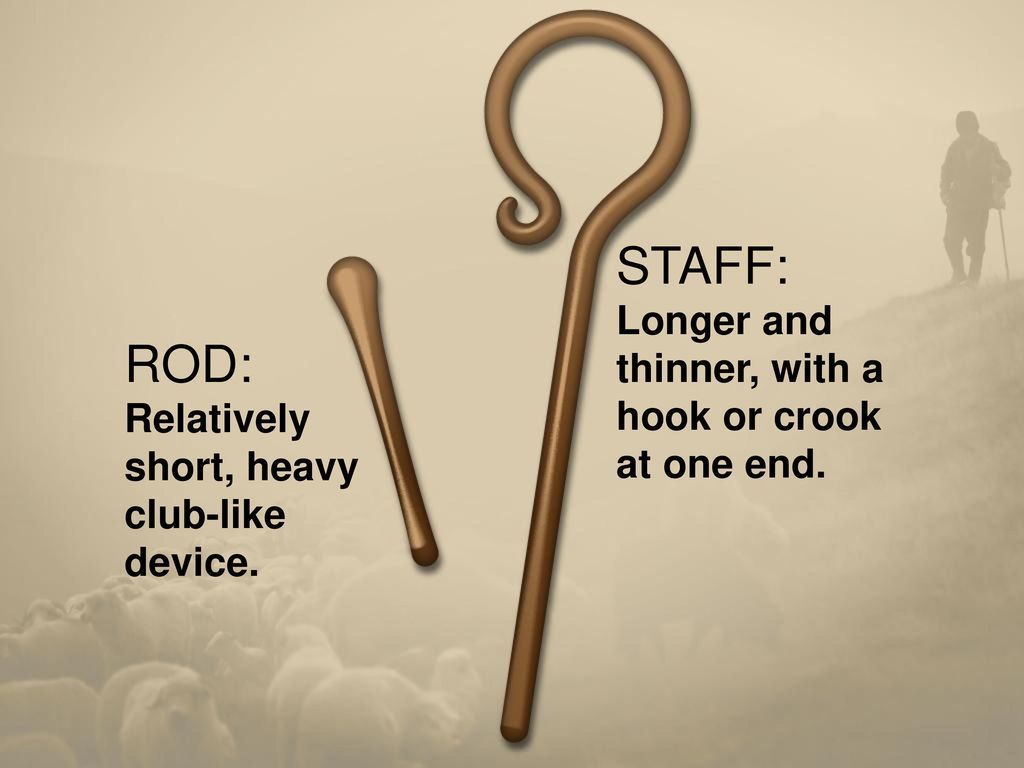
Sometimes this process is easy, sometimes it’s hard. We always like to quote Psalm 23 – the Lord is my shepherd. What image do the Holy Scriptures in Psalm 23 speak about? Your rod and your staff they comfort me. I’m not sure how many of you have been out in the field with shepherds but what is the difference between the Rod and the Staff? Well, the staff has a bend on the end, and it was used to hook on to sheep that might go in the wrong direction. The rod is a stiff piece of wood, much shorter that was used to beat off wolves and enemies but also to push the sheep if they strayed the wrong way. My dears, we don’t like being pushed, but we must understand, it is the rod and the staff that comfort us; that when God is pushing us, it is not because we are worthless or wrong but because He is protecting us from getting lost. He is protecting all of us equally like a Father holds to protect their child close to them.

Let us therefore pray my dears, that by the grace of the Holy Spirit, regardless of our path we are on, what journey we are facing, whether we think of ourselves as lesser or greater, poorer or richer, come and commit ourselves to God. Recognize His love as our Father for each one of us because we are His children. He comforts and calls all of us. If we get lost along the way, we can always ask for help, to find where we’ve parked, where we are through the love and grace of our Lord Jesus Christ, Amen.

The Truth is…

Passages: Is. 14:3-17; 2 Corinth. 10:18-11:10; Mark 10:1-12
Ընթերցուածքներ՝ Եսայ. ԺԴ 3-17; Բ Կորնց. Ժ 18 – ԺԱ 10; Մկ. Ժ 1-12

In the Name of the Father, Son and Holy Spirit, Amen!

A few years ago, a study was done regarding people’s honesty. What was surprising was that researchers found that approx. 60-70% of people lied at least once during a 10-minute conversation. What is alarming about this is that majority of us in society would say that lying is bad. To lie, deceive and cheat are characteristics of someone untrustworthy. And what is unique about those who lie however, is that they know the truth. When a child breaks a toy and we ask, “did you break it?” they lie, knowing the truth of who broke the toy. My dears, how often do we lie to ourselves? How content are we with lying to ourselves?

Lying isn’t merely about the words we use with one another but also about our attitudes and the excuses we use to justify our choices. Some of those are mundane, for example, “I plan to start my diet tomorrow, so I will eat an entire box of cookies today” or “I can study for my exam tomorrow so it’s okay if I’m out all night today or if I binge watch this show tonight.” Yet, some of these lies can be about far more serious matters: “I don’t need a doctor for the pain I’m feeling” or “I’ll be fine, I don’t need anyone to help me.” My dears, we lie to ourselves, and we create excuses to justify the decisions we make that could impact our mental, emotion and physical health. Yet, the truth is we also lie to ourselves about our faith.

In the Gospel today the Pharisees ask about divorce, “Is it lawful for a man to divorce his wife?” The Pharisees knew the law according to Moses, and they knew that Jesus knows the law as well. So, what the Pharisees were attempting to do is justify their actions, their decisions. Yet, Christ sees this and while giving the example of Adam and Eve, He emphasizes a point, “For your hardness of heart he wrote you this commandment. But from the beginning of creation…” R.C. Sproul, who is a Presbyterian minister, has a general rule in how Christian’s should interpret the scriptures: anytime we read of a story in Scripture about someone doing something stupid or acting wrong, that’s most likely us. I don’t say that to be insulting but rather to bring to a realization that all of Scripture is written about us and for us. So those rules, and regulations we have been given by Moses, St. Paul, and the Church, Jesus says, those are given to us because of our hardness of heart. What is that? It is our decision to choose self-justification, self-indulgence, self-gratification over what God had ordained, created for us from the beginning of time. It is the idea that by coming to God, we will feel better and so we can continue to live on in our way. Yet our faith is not about feeling good but becoming good; not being justified but redeemed.

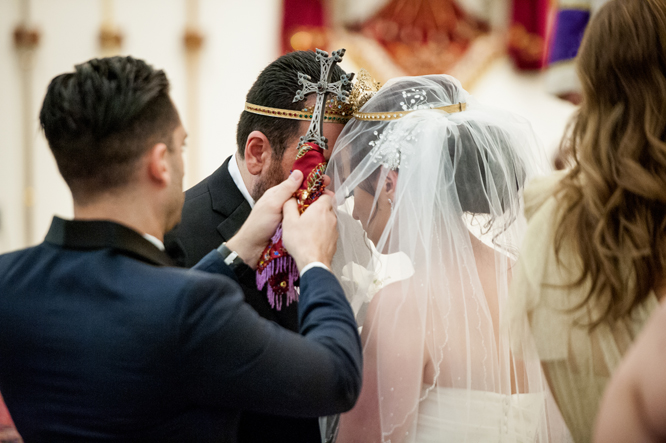
Throughout the beautiful sacramental marriage service in the Church, we repeatedly speak about the union of man and wife being that like the union of the Church (humanity) and God. If a husband and wife are lying to each other, they begin to distance from one another, they fall apart, they lose trust and ultimately that union breaks. If we lie to ourselves about our own health, our own choices, our careers, our surroundings and friends eventually we lose ourselves, we break. My dears when we come to God and we approach Him with lies in our heart, with the desire to justify our choices and life of sin then our faith will likewise break. The result in all three cases is the same. A couple that falls apart either cheats or leads to a broken family causing hurt; a person who has lost their way falls into despair, hopelessness, physical and mental illness until (God forbid) they begin to cause irreversible self-harm; and a person whose relationship with God is polluted with lies begins to live not just a life of sinfulness which continues to distance them from God but they begin putting their trust in everything else but God. A husband and wife are there to sharpen each other, help each other. Sometimes that painful and difficult – we don’t want to face the reality of how our spouse sees us. God through our faith has given to us through all those rules for us to see ourselves even in the most unpleasant way – so that we can be healed from our hardness of heart – from our lies.

Contrary to what we might think, the purpose of Christianity is not for God to forgive us for “breaking the toys in our life.” Christ dying on the Cross already has forgiven us for all the sins we have, and we will in the future commit. Our Christian faith, our Communion with God is our response, it is for us to recognize and acknowledge the truth about our brokenness, the lies we choose to live by which hurt us, devalue us and cause us to fall away. My dears, I’ve asked this question in the past, why do we come to Church? Why do we pray to God? And to take it deeper if we come to Church and if we pray, then why do we lie to ourselves – when we know the truth. It might sound like a roundabout argument, but if we think we aren’t lying to ourselves, if we think we are faithful or “we’re not that bad”, though we don’t know what is in each other’s heart, we can never lie to God. God looks at us and calls us to Him, to be with Him in Communion. God rejects our sin and not us.

If the Pharisees are asking Jesus about divorce and Christ gives such a stern answer about those who come into a relationship with a divorcee, well what about the Samaritan Women at the Well? In John 4 Christ speaking to a Samaritan women who has been divorced not once or twice, but 5 times and who Christ says, the man you live with now is not even your husband. Not only is this women committing adultery by having had 5 husbands but she was also living out of wedlock with the man she was with now. Yet, Christ calls her to come and drink from the living water, to be cleansed and forgiven of those sins. She was not worthless because of her sin but she needed to face and recognize her sin; likewise, my dears our brokenness, our doubt, our fears, our anger, our sins are not what determine our value. It is in facing the truth of our sin and recognizing we need Christ to heal us that gives us value and purpose. True healing, true love, true forgiveness of sin comes from God. A truth we know, but for whatever reason choose to remain dishonest about.

My dears, Christ loves each and everyone of us and call us to the light, not for our sins and brokenness to be exposed but so that seeing clearly we can trusting in Him, be honest about ourselves and ask for healing. Not come to Him with excuses or arrogance but humility and a desire to be lifted out of our darkness. Those rules found in Scripture, in the Church, in our life, are tools to help soften our hardness of heart. So as we sit here, as we pray at home or go out about our daily lives, let us be honest with ourselves, about everything and let us recognize by the grace of the Holy Spirit that our Heavenly Father loves us each, and desires us to be in Communion with Him through Christ Jesus, because from the beginning of Creation it is that which God intended for us. Amen!

I’ve Got Some Good News!

Passages: Is. 13:2-11; 2 Corinthians 7:4-16; Mark 7:31-37
Ընթերցուածքներ՝ Եսայ. ԺԳ 2-11; Բ Կորնց Է 4-16; Մարկ. Է 31-37

In the name of the Father, Son and Holy Spirit, Amen!

One morning a mother came to wake her son up for Church. “Son, you need to get up and go to Church.” Begrudgingly the son responded, “I don’t want to, I’m tired.” But son, “you need to go and pray and be with others in the house of the Lord.” “No” moaned the son, “people are mean, they gossip, they argue; everyone is showing off and they all think they’re better than those around them. I don’t want to go.” “But son, you’re the pastor, you have to go.” My dear brothers and sisters, this satirical story while may make us chuckle is also perhaps how so many of us and those who don’t like to come to Church, feel about Christianity. Repeatedly I have heard from Armenian’s and non-Armenian’s, Christian’s and non-Christians, that the Church is so negative, full of hypocrites. Though perhaps there is some truth in this criticism, there is also goodness in the Church. There are kind people, givers, healers, and teachers. Yet, my dears as humans we tend to focus on the wrong, the negative, the hurtful rather than the positive. As the proverbial saying goes, “news travels fast, bad news travels faster.” Yet, I wonder my dear brothers and sisters, how much of our focus on the negativity is because we don’t fully understand why we are Christian’s, why we go to Church.

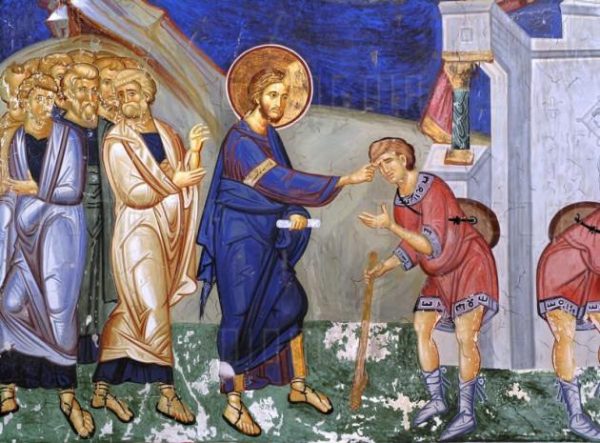
In the Gospel today we read of a man, “who was deaf and had an impediment in his speech.” Meaning this man had limitations. Yet, when he was brought to Christ, Christ Jesus healed him, “looking up to heaven, he sighed, and said to him, “Eph′phatha,” that is, “Be opened.” What was opened my dears? His ears and mouth? After all, that is what was his ailments were. Yes, he was healed of his bodily limitations. Yet, hearing can be corrected with a hearing aid or surgery, as can many speech impediments. No, my dears! What was healed, the miracle that took place was more than just physical. In verse 36 we read, “he [Jesus] charged them to tell no one; but the more he charged them, the more zealously they proclaimed it. And they were astonished beyond measure, saying, “He has done all things well; he even makes the deaf hear and the dumb speak.” The more zealously they proclaimed it! Anne Frank, the WWII teenage Jewish girl, who wrote a diary in the time she was in the concentration camps exclaims, “Everyone has inside of him a piece of good news. The good news is that you don’t know how great you can be! How much you can love! What you can accomplish! And what your potential is!”

My dears, brothers and sisters, that good news inside of us as Christian’s, as the children of God is not about our physical health, it isn’t our money, our clothes, our jobs, our language or ethnicity; the good news that is in us and that reveals our true potential, that illuminates the love we are called to have for one another is Christ Jesus – the one who calls out “be opened”. Yet, how many of us are joyful about our faith? How many of us share, speak, witness to our faith in such a way that those around us are astonished of all the good that God has done? St. Paul writes that even in the face of persecution, in times of affliction, we are comforted and filled with joy. We are not joyful for the pain, we aren’t blind to the evil and sufferings of this world, but rather, when celebrating good news, when we speak and focus and acknowledge God in us, with us in the face of evil, it is a reminder to us that there’s still hope — and the end of the story isn’t here yet. This world, our limitations, our addictions, our struggles, the lies and hypocrisies, even our joys and success are not the end; we are not living for today but for the eternal. We come to Church not because everyone is nice, but because it is here we acknowledge we need healing; it is here we learn that we are all sick and it is here, we begin to be opened and healed by the Good News, the Greatest News of Christ Jesus, God the Son, who came, lived as we do and died for us on the Cross. Who through His resurrection gives us new life, opens not just our physical eyes to see but breaks open the tombs for the dead to rise, opens our minds, our hearts, our spiritual eyes to the knowledge and love that God our Heavenly Father has for us in spite of all the limitations and pains we face. Yet, how many of us see this joy in our Christian faith? Vs. how many of us like that story, drag our way into Church on Sunday mornings?

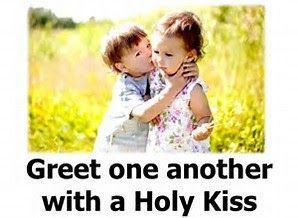
The Divine Liturgy my dears is full of joyful prayers and hymns. We sing and pray, “Greet one another with a Holy Kiss…” How do we celebrate this moment? By taking hold of one another and embracing one another as we share the good news of Christ in our midst. Yet, if Christ is not in us, if the Good News of God is not in us then this act is merely superficial, it is dishonest and it is not a sharing of that love because we have chosen to remain closed by focusing on our negative; the limitations. Yet, the love of God looks and sees that we are all in need of that love, of that healing, of that Good News! My dear brothers and sisters, come to Church, come to God, bring others to Christ just like those people who brought the sick man to Jesus to be healed. Live faith in such a way that others will look and see God’s love and greatness but also be ready to use words.

St. Francis of Assisi teaches, “Preach the gospel at all times and if necessary, use words.” Preach the Gospel all of us. Guess what the word Gospel means? Evangelion – the Greek Word for GOOD NEWS! If the Good News is in us, then the Gospel is in us. If the Gospel is in us than it is Christ Jesus in us. Preach it, all of us. Use actions but also, when necessary, use words; don’t think it’s up to the priest to only talk about God. This good news is given to all of us to share. The Good News, the Gospel has been given to all of us and all of us, and when we come to Christ Jesus in prayer, with humility and hope, directed by the Holy Spirit, we are embraced and God says, “Eph′phatha” – “Be opened.”

Be opened, Amen!

Into The Storm

Passages: Is. 9:8-19; 2 Corinth. 1:1-11; Mk. 4:35-41
Ընթերցուածքներ՝ Եսայ. Թ 8-19; Բ Կորնց. Ա 1-11; Մկ. Դ:35-41

In the name of the Father, Son and Holy Spirit, Amen!

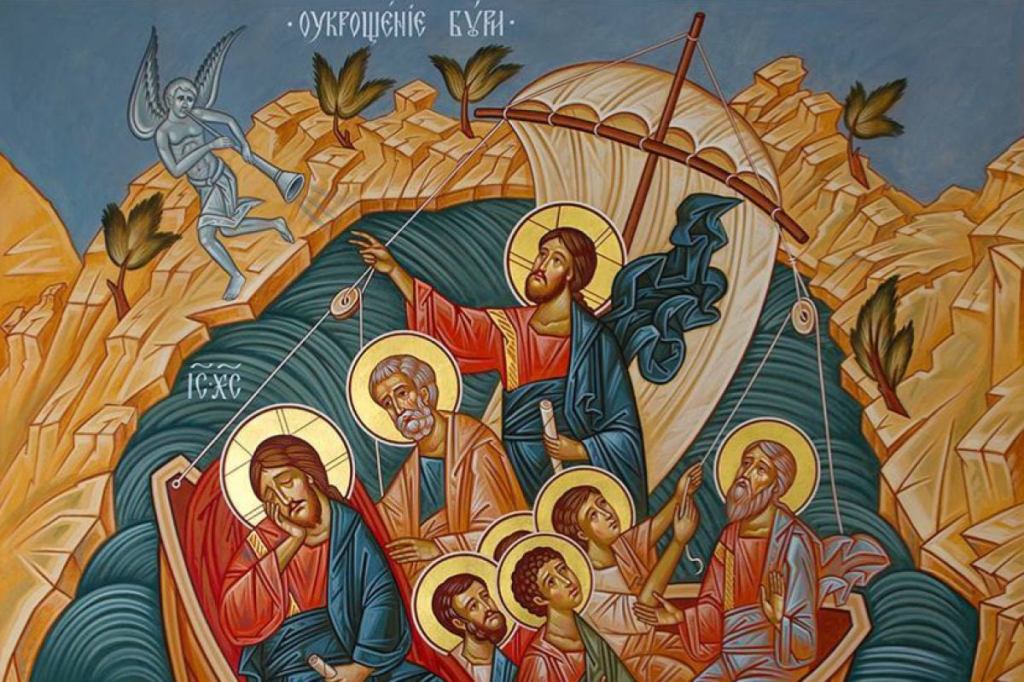
Last week I spoke about how humanity is described often as the jewel of God’s creation. This stems from the fact that Holy Scriptures tell us how only humanity was created in the image and likeness of God compared to all other creation. However, even if humanity is held in such high regard scripturally, God in His divine wisdom uses all creation to reveal his teachings to us. For this reason, I love going to the zoo! I love walking through the exhibits and watching the animals. Though their behavior in the zoo is not what we would see in the wild, zoologists are able to study and learn about animal behavior. Recently learned something about the Bison. Bison are large bovine that used to roam across North America. We often call them Buffalo, though there are some differences. What is unique about Bison is how they behave during a storm. Whenever a storm approaches, birds tend to fly away if they can, many animals run for high ground, while many other animals hunker down to stay safe. In fact, bees can sense a drop in barometric pressure and will instinctively seek to cover their hives. Even we make sure things are firm and held into place and we do our best to be indoors. Yet, what is fascinating about Bison is that though other bovine, like cows, huddle together, the Bison head into the storm, traveling directly into its path. When the storm is at its worst, bison turn and face the storm; It is said they are the only animals known to do so. But why? Are they that stubborn? Maybe they are hardheaded as they have larger heads than their counterpart Buffalo; no my dears. It is because heading into the storm shortens the length of the storm.

My dear brothers and sisters, we all face storms in our life. Thankfully the weather has been good over the last several weeks but only a few days ago, we had a storm come through. For those of us who lived near it, we saw the damage it caused. In Armenia, over the past week, they received so much rain that their underpasses began to flood. Whether through social media, or personally, we have seen and experienced damaging and powerful storms. Yet, the storms that I am referring to in life are not confined to inclement weather. They are the storms of fear, anxiety, doubt, hatred, persecution; battles of addiction, hopelessness, job loss, declining health, broken relationships, and the list goes on. Storms that don’t bring rainfall but tears. Storms not of winds but of loss. And often we ask, how can we escape these storms? More than this my dears, we ask why doesn’t God help us avoid these storms? In the same way, the disciples in today’s Gospel reading ask Christ, “Teacher, do you not care if we perish?” (v. 38)

My dear brothers and sisters, yes God cares! Christ tells us that in this fragile life temptation will happen, storms will rain down on us because we live in a world that is stained with sin. Yet, Christ reminds us that those storms though they hurt, though they are real, they will not take us if we have faith, if we trust God. That not even death on the Cross will divide us from the love and protection of God as St. Paul says in Rom. 8. We may say that we do trust God; we do have faith. Yet, just like in life and the obstacles we face, if we trust our own abilities, in our experience and knowledge, like the Bison, we will be prepared face those obstacles head on knowing we will get through. It is when we don’t trust ourselves that we feel like running, hiding, procrastinate out of fear. Likewise, my dears if we face the storms of life truly trusting in God, knowing as St. Paul says in 2 Corinthians, that our hope will remain unshaken, then the storms in this life will not take us, define us, fill us with hopelessness and despair.

Will they be difficult and heavy? Yes, and as the wonderful creation of God we are, we will not be abandoned or devalued because of the hardship we face. God our Heavenly Father hears our prayers, has mercy, fill us with hope and love for us. That is why Christ emptied Himself and took on our storms; took on sin and its penalty of death. To teach us, that if we face the storms of our life with God then we will be stronger and pass through the storm much quicker than if we try to run away in fear.

The truth is we all want to take the easy way out. We want safety and comfort. The bestselling author Rory Vaden, in his book Take the Stairs, introduces this concept of the Pain Paradox, and says, “The last time you came up to a set of stairs and an escalator, did you take the stairs? If you’re like 95% of the world, then you probably didn’t. Most people don’t; most of the time we look for shortcuts. We all want to be successful, and we all want to have a happy life, but we constantly look for the easy way. We look for the ‘escalator’ in hopes that life will be easier. Unfortunately, in our search for making things easier, we are actually making them worse.” Yes, it is easier perhaps to run and not face the storm. It is easier to abandon faith and hope, to lock our doors and stay indoors. Yet, when we are sick, true healing only comes from taking medicine. Sometimes that medicine is bitter; that process of healing is painful. When someone dislocates their shoulder, popping it back in is painful; when a bone is broken, readjusting the bone so it set properly is extremely painful. Yet, we go through it knowing that in the end we will be healed and stronger. It is the same with our faith. Which is why St. Anthony the Great says, “For it is absurd to be grateful to doctors who give us bitter and unpleasant medicines to cure our bodies, and yet to be ungrateful to God for what appears to us to be harsh, not grasping that all we encounter is for our benefit and in accordance with His providence. For knowledge of God and faith in Him is the salvation and perfection of the soul.” To be healed and walk with God is to trust God as we walk through the storm, not avoid them.

My dears, the storms in life are unavoidable and they will hurt. Difficulties will come! Yet, when we remain faithful, our hope will remain unshaken. If we remain prayerful and face the storm truly trusting in God, then we will overcome, we will heal, we will be comforted, and our faith will grow. Let us pray for each other, that if we are facing storms in our life, that God will hear our prayer, give us the strength to face those storms and with faith overcome. We are Gods beloved children, and all creation is given to us to teach us how to remain faithful. And through the Holy Spirit, let us pray that our eyes will be opened to learn, and teach others of the merciful and healing love of God the Father, which we receive through our Lord and Savior Jesus Christ, who is, was and will forever be with us all through all the storms in life, Amen!

Chicken Coop’s of Life

Passages: Zech. 2:10-13; 2 Corinth. 6:16-7:1; Lk. 1:39-56
Ընթերցուածքներ՝ Զաք. Բ 10-13; Բ Կորնց. Զ 16- Է 1; Ղուկ. Ա 39-56

In the name of the Father, Son and Holy Spirit, Amen!

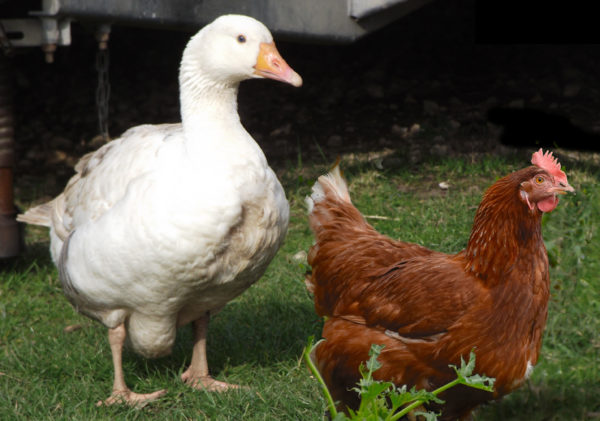
Søren Kierkegaard, the 19th century Danish theologian and philosopher, once shared a story with his students about a goose who had become wounded during migration and was forced to land in a muddy barnyard with some chickens. While in the barnyard, he rested in the chicken coop where he recuperated. Overtime, the goose began, eating with the chickens, playing in the yard with the chickens. Eventually the goose began behaving more and more like a chicken. One day, as the winter snow melted, a gaggle of flying geese flew over the chickens’ coop, as they migrated to their home. The geese honked through the sky, and the goose, who was now fully healed, heard a familiar sound and rushed out to look up at the sky. “Something stirred within the heart of the goose. Something called him to the skies.” Kierkegaard said. And as the other geese flew by, he began to flap his wings which he hadn’t used for a long time. Rising a few feet into the air, suddenly the goose stopped and settled back again into the mud of the barnyard. Kierkegaard said, “He heard the cry to come home, but he settled for less.”

My dear brothers and sisters, it is impossible in life not to be hurt, disappointed or lost. This life is feeble, temporal and fragile. It is full of highs and joys, but it is also full of tears and lows. Throughout the Holy Scriptures we read repeatedly that especially for believers in Christ, persecution, hurt and injury are real and possible. And when we are injured and hurt, emotionally, physically, financially, psychologically, we may feel a sense of safety in the proverbial “kitchen coop” of life. These can be family and friends, jobs, education, money, drugs, sex, alcohol, food, exercise, diets, social media; the list goes on. However, in the same way the chicken coop in the story served as a place for temporary refuge for the hurt goose, likewise, those things I listed earlier serve us only temporarily. They have a purpose, as the proverbial chicken coop had a purpose. But we are not confined to that purpose, to only remain in the barnyard. In the same way, geese fly high in the sky over long distances, we as children of God, are called to set our eyes to heaven, to travel through this life not merely as hurt and injured creatures’ but as grand creatures of God’s creation.

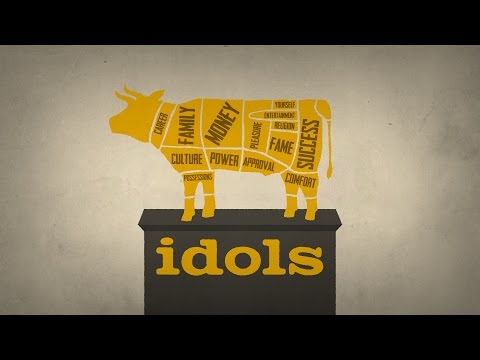
That is why so often in theological discourse we read of how we as humans are the crown jewel of God’s creation; we are the only creatures that were created in the image and likeness of God. Some of the Church Father’s even indicate that God created everything else by saying “let it be so” whereas we read that God took mud and formed humanity. This reveals how important humanity is for God, that we are called for something greater than all other creatures. Yet, how we are called to be greater. What do we do with such greatness my dears? St. Paul in his letter to the Corinthians asks us, “And what agreement has the temple of God with idols?” What do we as children of God, as temples, as this great creation in the image and likeness of God have to do with idols? Idols are those temporary things in our life which we create and put above God. The proverbial chicken coops: Those things that we think give us real safety and healing.

Material and passing things which serve a purpose, which God has given us, but which we must never place above God. Those things I listed earlier are not evil and they are blessing given by God for a purpose. Friends and family are a blessing; having a job, career and calling gives us drive, and means to use our talents and build relationships every day. Yet, becoming a workaholic and hurting our families makes it an idol. Money, we use to build a stronger economy, purchase material things that we need, but it is the love of money that is evil, that makes it an idol. Drugs and alcohol, when used properly are created to bring physical healing. But if it takes us to alcoholism or drug abusing, numbing us to the realities of life, they become an idol. Sex and sexuality are a divine union given to us for procreation and intimacy. But when they become perverted and pornographic, they become an idol. Diet and exercise are ways to take care of our bodies needs physically. Yet, if the food we eat makes us into a glutton, or if we think having our bodies look a certain way, whether cosmetically or through exercise than that makes us a better person that others around us, that becomes an idol. Social media is a tool by which we stay connected over long distance and periods of times. Yet, it too can be made into an idol. If any one of these things become more important for us than God, if they become the purpose of our life above serving God, they become an idol for us, then, my dears, and we too fall victim to the lie of the chicken coop. We settle for less, when God has created each and every one calling us home to Him to reveal to us greatness.

What have we chosen to settle for my dear brothers and sisters? The Church, the Holy Scriptures, the Sacraments and in fact all of creation are blessings given to us humans to reveal God’s majesty. However, through creation we enjoy God’s blessings, through the sacraments we desire to be healed by God, through the Holy Scriptures we hear the call to come home (the honking in the sky), and the Church becomes our home, the place we commune with God, the place where true healing happens. This healing is not a temporary bandage or something that can fall away. This healing is Christ Jesus presence in our life, who calls all of us who are hurt, who are injured, a voice that is heard even from the graves. A voice that we read from the Gospel today, filled Elizabeth with the Holy Spirit, when she heard the mother of God greet her, when she came into the room. The voice that calls each and every one of us, calling us home, where we will be with God.

Which is why the Prophet Zechariah writes, “‘Sing and rejoice, O daughter of Zion! For behold, I am coming, and I will dwell in your midst,’ says the Lord.” Do we sing and rejoice my dears? Do we settle for less than we were created for? It is opportunity my dear brothers and sisters, for us to examine and ask ourselves, are we settling for less or do we answer the call to come home, to be the great that God has created each one of us to be? May the grace of the Holy Spirit, stir our heart, fill us with joy and love, bring healing and revealing to us to answer, did we settle for less or are we ready to come home when we are called by God?

Christ’s DNA?!

Passages: Is. 7:10-16; Gal. 3:29-4:7; Lk. 2:1-7
Ընթերցուածքներ՝ Եսայ. Է 10-16; Գաղ. Գ 29- Դ 7; Ղկ. Բ 1-7

In the Name of the Father, Son and Holy Spirit, Amen!

Over the last several years, DNA ancestry testing has becoming very popular. And there are a plethora of companies offering their services where by submitting our DNA, we receive information about where our ancestors come from, if we have any genetic dispositions to sickness, and even more, if we have any long lost relatives who may have also taken the DNA test. As Armenian’s we know that because of the Genocide, many of our relatives either by escaping or forced marches through the desert, were scattered around the world, or hidden by neighbors in order to be saved or far worse forced into slavery, marriage where they renounced faith, family and heritage. So yes, as Armenian’s, and humanity as a whole, we want to understand our roots; who we are, where we come from, and especially what makes us special and different?

Within the ancient Church, we celebrate unique individuals; we set apart and remember special people known as saints. Contrary to what some other denominations argue, we do not worship saints. We worship God the Father, Son and Holy Spirit. Saints are just people! In Acts 10 we read, “As Peter was coming in, Cornelius met him and fell down at his feet and worshiped him. But Peter lifted him up, saying, ‘Stand up; I myself am also a man.’” (25-26) St. Peter was sent to Cornelius to bring the Gospel and Cornelius recognizes who Peter was and fell to worship before him for which Peter reminded him that he too is only a man and worship should only be to God. Yet, my dears the question remains, why and what makes certain people worth remembering? What makes them so special?

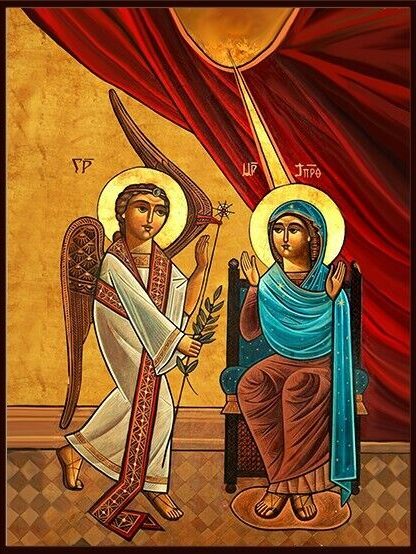
Frederick Buechner, who was a 20-century author and minister, wrote a children story book where he writes about characters from the Bible. In one of his stories, he writes about the Archangel Gabriel as he encounters St. Mary, the Mother of God. He writes: “She struck him as hardly old enough to have a child at all, let alone this child. But he had been entrusted with a message to give her, and he gave it. He told her what the child was to be named, who he was to be, and something about the mystery that was to come upon her. ‘You mustn’t be afraid, Mary,’ he said. As he said it, he only hoped she wouldn’t notice that beneath the great golden wings, he himself was trembling with awe to think that the whole future of Creation hung on the answer of a girl.” Today the Armenian Church celebrates the Feast of the Assumption of the Theotokos, the Mother of Christ Jesus. St. Mary, is chief among the saints and the most beloved. Yet, what makes Mary so special? Why is she worthy of such recognition and honor, that the Church celebrates not just her life, but also her death and assumption; events which are not written in the Scriptures.

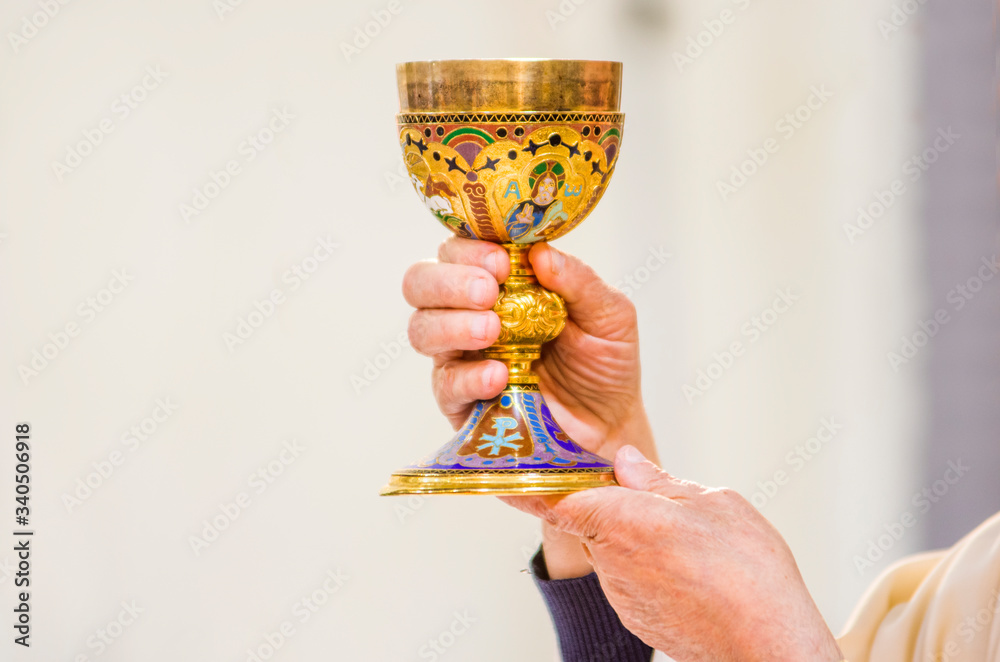
My dears, the reason we remember and honor St. Mary, the reason we venerate any of our saints, is not because of some DNA or ancestral pattern. It is not because their names are written in the Holy Bible. Rather, it is because of Christ Jesus. A saint is a saint because they are sanctified by Christ. In the fictional children’s story of the angel Gabriel’s encounter with Mary, the story teaches us that the angels of heaven, the world, society, and all of creation often does not fully understand the Will of God. Society tells us that we are special if we are related to a famous person, if we have accomplished something difficult, if we have a certain type of body, if we are educated, successful in the workforce, etc. Yet, Scriptures reveal to us that all of us are the same for God. We are all sinners, we are all in need of redemption and salvation and God loves each and every one of us equally which is why it is Christ Jesus that sets us apart, makes us “special”, that sanctifies us. St. Paul writes in Galatians, “And if you are Christ’s, then you are Abraham’s seed, and heirs according to the promise.” (3:29) Abraham’s seed here refers to the chosen people of God; descendants of whom God in the Old Testament promised to Abraham. Before Christ those were the Israelites; those who shared blood and DNA with Abraham. Yet, through Christ Jesus, all who believe in Him came under this promise. Which is why St. Paul continues in Gal. 4 “And because you are children, God has sent forth the Spirit of His Son into your hearts, crying out, ‘Abba, Father!’ Therefore you are no longer a slave but a child, and if a child, then an heir of God through Christ.” Meaning my dears, our value, our worth, what sets us apart and makes us special for God is not the genetic DNA we share with some people, nor is it the blood that flows through our veins; rather, it is the blood of Christ which we receive through the Chalice. The blood that makes us saints.

That is why Christ in the Gospel’s during the last supper said those words, which the priest repeats every Divine Liturgy, “And as they were eating, Jesus took bread, blessed and broke it, and gave it to the disciples and said, ‘Take, eat; this is My body.’ Then He took the cup, and gave thanks, and gave it to them, saying, “Drink from it, all of you. For this is My blood of the new covenant, which is shed for many for the remission of sins.” (Mt. 26:26-28) Yes, I am proud to be an Armenian; as our poets write, we are descendants of Gregory of Narek, Vartan Mamigonian, Gregory of Datev, Movses of Khoren, Hovhannes Toumanian, Krikor Zohrab, Andranik Ozanian, Karekin Njdeh, etc. Yes, I am honored and proud to be a descendant of saints, martyrs, warriors, poets, and musicians. But they are an example of how to live this life, recognizing that it is a gift to me, to us from God. But it is God who gives me those gifts and it is we who must respond, in the same way that God came to Mary and it was St. Mary who humbled and accepted God’s call. A call that gives birth to Christ Jesus – a call that is given to each one of us.

My dears, what makes St. Mary so special? What makes the saints worthy of recognition? What sets us apart, and gives us true value? Worldly definitions? What can be seen on the outside? Where we’ve come from? Our DNA? It is Christ Jesus, God the Son, who came, lived and died for each one of us and who sets us apart that perhaps not even the angels can fully understand why God would love us so much. Christ Jesus sanctifies us and is born through us by the life we live because it is the Will of God to save His entire creation. It is the Will of God our loving and merciful Father to heal all of us. It is only through God the Holy Spirit we will begin to recognize why. Let us pray my dears, pray and ask ourselves, what do we chose to allow to define who we are, our worth, and what makes us special? Do we look to celebrities and famous people who are sinful and full of pride and arrogance? Or do we, through the Church, look to our saints, who are sinful and yet, humble and recognize that it is only through faith in Christ that they too have overcome the world? By the grace of the Holy Spirit, by the intercession of our saints, our beloved St. Mary the mother of God and through prayer and humility, may the love, mercy and compassion of Christ Jesus reveal to us and open our eyes to recognize who we are as heirs and children of our Heavenly Father, Amen!