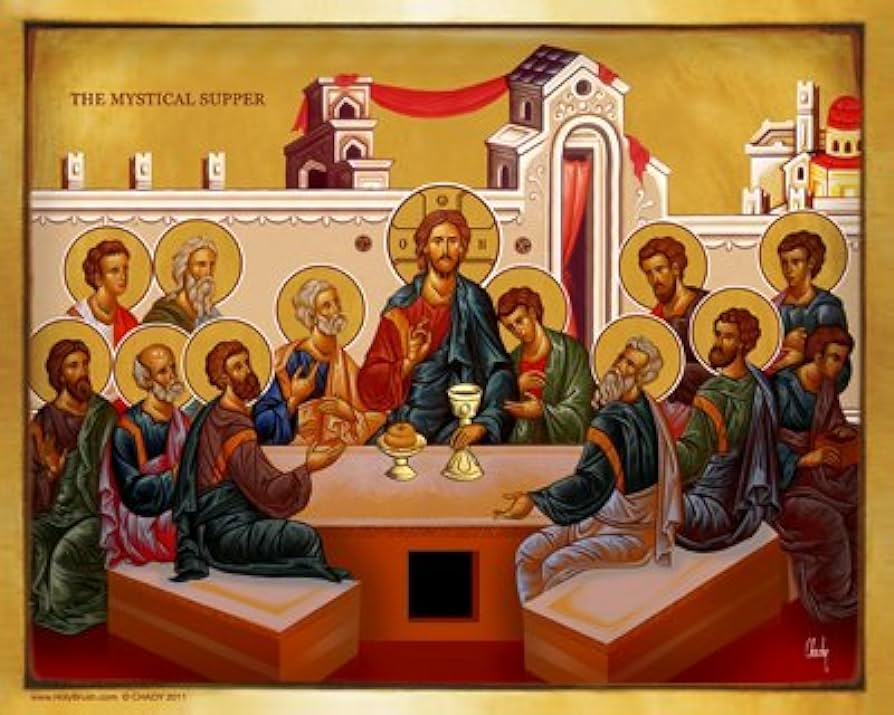
Authority For God

Passages: Is. 65:8-25; Phil. 3:1-4:9; Luke 17:20-18:14
Ընթերցուածքներ` Եսայ. ԾԵ 8-25; Փիլի. Գ 1- Դ 9; Ղկ. ԺԷ 20- ԺԸ 14

In the name of the Father, Son and Holy Spirit, Amen!

This past week, many people across the United States tuned into the State of the Union by the President of this country. Regardless of his comments, regardless of what reactions his comments received, people looked to him for answers because he is the president of this country and he is the one who has received authority to govern this land. As a leader, we look to him and other people like him for answers in times of uncertainty. When I say people like him, it isn’t an indication of his beliefs, personal life or practices but rather we look to his authority. We all have people who have certain authorities in our lives or perhaps we are individuals with certain authority. As parents, as a pastor or community leader, as a business owner and entrepreneur, or even as someone who is older and more experienced. There is a certain authority that comes with office, knowledge, position and age. An authority we look to when we have questions, when we want to learn something and for guidance. Even in the Scriptures, we read of how the Pharisees questioned Christ by questioning what authority he was teaching and doing all his miracles by. Yet, there is something very important that we must acknowledge my dears – if we have authority, if we are in a position of power, or if we are someone who people look to for answers, what kind of an example are we?

This question has little to do with our political viewpoints or some other arbitrary barometer because contrary to what society teaches us today, God’s love for us is not limited by our voting patterns. God does not care whether we think left or right, democrat or republican, donkey or elephant. Or as Armenian’s, God does not care if we are Ramgavar or Tashnagtsagan, a supporter of Pashinyan or Der Pedrosyan. Would you like to know what God cares about? God care about how we live my dears. What we do with our heart, mind, hands, feet, mouth, etc. God cares about what kind of an example are we as people with the authority we have. What do we, what does any political leaders, kings, queens, priests, parents, doctors, lawyers, business owners, students – what do we do with this life.
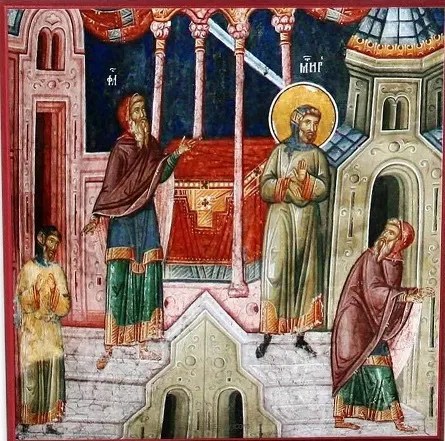
To learn this more clearly, look at today’s Gospel reading where we have 2 important parables – One shows a judge who is stubborn, hardhearted, “a judge who neither feared God nor regarded man” meaning he was pompous and arrogant. He cared about himself and the authority he had, not what responsibility that authority demanded of him. And only after being fed up from a certain widows nagging plea does this judge listen to her case. We read, “Though I neither fear God nor regard man, yet because this widow bothers me, I will vindicate her, or she will wear me out by her continual coming.” Following the parable we read of the Pharisee and Tax collector who both go to the temple to pray. Once again, we see the mindset, the spirit and heart of both men who have authority. The Pharisee who is arrogant, and fully of himself; proud of his authority without any regard to what that authority means. And the sinful and rejected tax-collector – who by the way, has even greater authority than the Pharisee. The Pharisee is who? A spiritual leader, a man who knows the laws of God. Meaning his authority is from God – only useful if you believe in God. The tax-collector has his authority from whom? The Roman government. In other words, it’s the priest vs. the IRS – guess who has more authority? Yet, the tax-collector, who could easily turn around and tax the pharisee who just insulted him, who had greater authority according to this worlds standards, he remains humble, beats his chest and “would not even lift up his eyes to heaven, but beat his breast, saying, ‘God, be merciful to me a sinner!’” What a contrast between these men of authority. 

Nowhere in the Scripture’s does it indicate how they voted, who liked them or who agreed with them; No, my dears. What we read and what Christ reveals to us is – yes, there are people with authority in this life, who are called to a certain position and office. Maybe we ourselves are called to have certain responsibilities and authorities in this life. But what are we doing with that authority? How do we live? How do we live means, what do we do with our time? How do we treat those under us, above us, next to us and around us? Do we live judging others? Do we desire to grow and learn about God? Are we patient and forgiving? Do we respect our bodies, our earth and our communities? You see, though some of us in this life have been given a certain authority, all of us my dear brothers and sisters, each and every one of us, through our baptism has received a divine authority. An authority not of this world, not of paper, not of politics but of the grace and love of our Lord Jesus Christ, as St. Paul teaches us that what we gain is “…found in Him, not having my own righteousness, which is from the law, but that which is through faith in Christ, the righteousness which is from God by faith” (Phil. 3:9)

We have the authority as children of God to do what? To be an example of God’s love, healing presence, hope and mercy in this world. This authority demands a responsibility which is revealed to us in our own humility and recognition that what we have is given by God to us so that we will likewise give to others. Regardless of our age or gender, regardless of our political views or jobs.  That is why I said God cares about what we do with this life. We don’t live a certain way to gain favor with God; God already loves us and has invited us to be in Communion with Him through His Son Jesus Christ. Rather, we live a certain way because it is a reflection, and recognition of the renewal and revelation of God in us and through us. If we look to earthly authorities for earthly answers than it is to the divine we look for Godly answers. The Divine which we are called to be imitators of – God’s presence in this world.
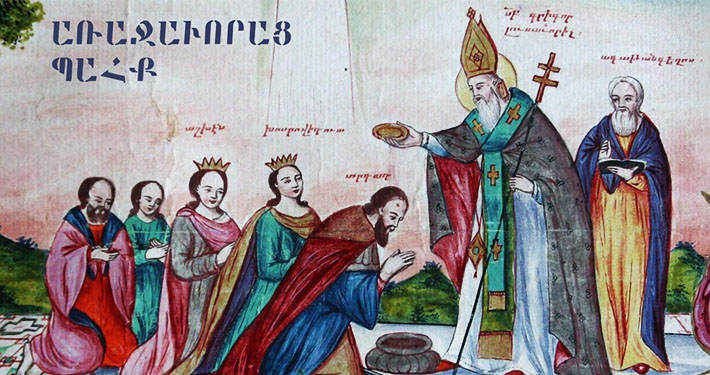
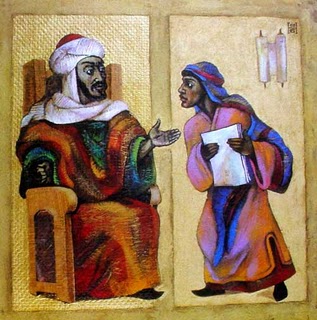
Over the last few weeks we have looked at the saints of the Church, especially those whom we remember during the Badarak. Saints who are examples to us of what it means to be an example of Christ’s presence in this world. Last week we reflected on those teachers, Apostles, martyrs, etc. who are examples to learn from. Yet, God calls all of us to that same sainthood. God calls even the earthly leaders and teachers, kings and commanders to be an example not of governing but of his love and compassion. That is why among the saints of the Badarak we remember Takavorats Havadatselots (the devout faithful kings). So many people argue about what President Trump posted on twitter (sorry X) or what flavor ice cream President Biden likes. We can quote policies, successes and failures of leaders; we can speak of statistics and spew information about celebrities and socialites. Yet, how many of us know about the Godly saints like King Abgar, King Trdat, or Emperor Constantine? King Abgar, who was king of the city of Edessa , who in the 1st century accepted Christianity and according to tradition had a correspondence with Christ Jesus. St. Abgar having become ill with a terrible disease and having heard of Christ’s miracles of healing, sent a letter to Christ inviting Christ to Edessa.  The King’s messenger, Anania, arrived around the time of the Crucifixion and according to the tradition, the Lord sent the impression of his face on a towel through his disciple St. Thaddeus (Addai), the original icon made without hands, venerated throughout Orthodoxy. The King was cured by his faith and converted himself and his Armenian realm to Christianity.
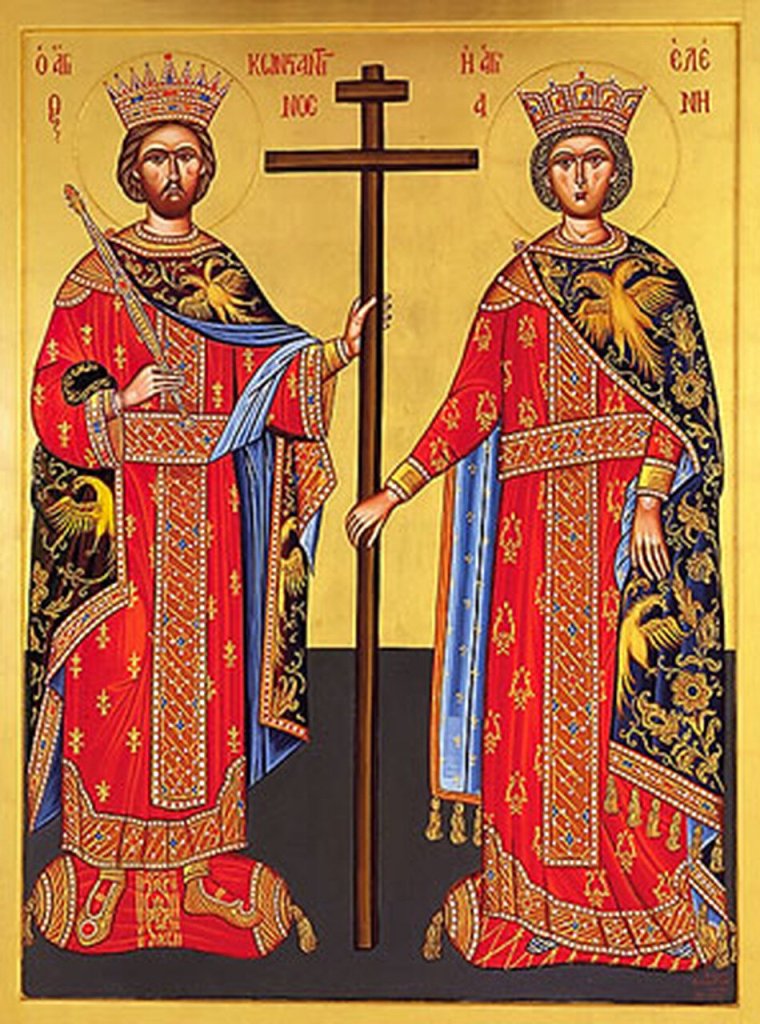
Or perhaps St. Constantine (324 -337) who is a saint of the universal church, remembered for his pivotal role in the acceptance of Christianity in the Roman Empire and the spread of Christianity as a world religion at a time when Christian’s were persecuted. Declaring official tolerance of Christianity of the Roman Empire in 313 by the Edict of Milan, he also in 325 convened the Council of Nicaea, from where we receive our Nicene Creed, to resolve doctrinal disputes in the church and who later, along with his mother, St. Helen, also commissioned the construction of the Church of the Holy Sepulcher in Jerusalem and the Basilica of Bethlehem. And I hope we all know who King Trdat was and what he did. My dears, what did these kings, queens and leaders do with their authority? What lives did they live and why are they remembered as saints?

And even moreso for us, what do we do? How do we live? As we are only a couple of weeks away from celebrating Palm Sunday and Holy Easter, as we are on the latter part of our Lenten journey this year, let us ask ourselves, how are we better by this journey? How are we more connected, how much better do we know our Lord? Like I said, we reflect on our work not to gain favor with Him but because as we read in James 4:7-10, Draw near to God, and he will draw near to you. Cleanse your hands, you sinners, and purify your hearts…”  In order to draw near to God, we must humble ourselves, put away our egos, and embrace the love of God for all of us. We need to ask ourselves, what kind of life are we living? What do we do with what God has entrusted us with? For “The Lord does not show Himself to a proud soul. The proud soul, no matter how many books it reads, will never know God, since by its pride it does not give place for the grace of the Holy Spirit, while God is known only by the humble soul.” – St. Silouan the Athonite, Writings, III.11)

Therefore, let us not worry about the authority of our world leaders but let us pray for them. Let us not focus on what authority we have but focus on using that authority to bring healing, reveal compassion and forgiveness and reflect God by how we treat others. Let us in times of struggle, turn and learn from our saints whom God has ordained and recognized to teach us. Let us live a life of prayer, repentance and mercy, giving All glory to our Lord, who call us to Him, embraces us as a parent and calls us His children. By the intercession of our saintly kings and the love our Lord, may we be a light to this darkened world who is looking for answers, Amen!
What We Do Is Who We Are…

Passages: Is. 56:1-57:20; Eph. 4:17-5:14; Lk. 16:1-31
Ընթերցուածքներ՝ Եսայ. ԾԶ 1- ԾԷ 20; Եփես. Դ 17- Ե 14; Ղկ. ԺԶ 1-31

In the name of the Father, Son and Holy Spirit, Amen!

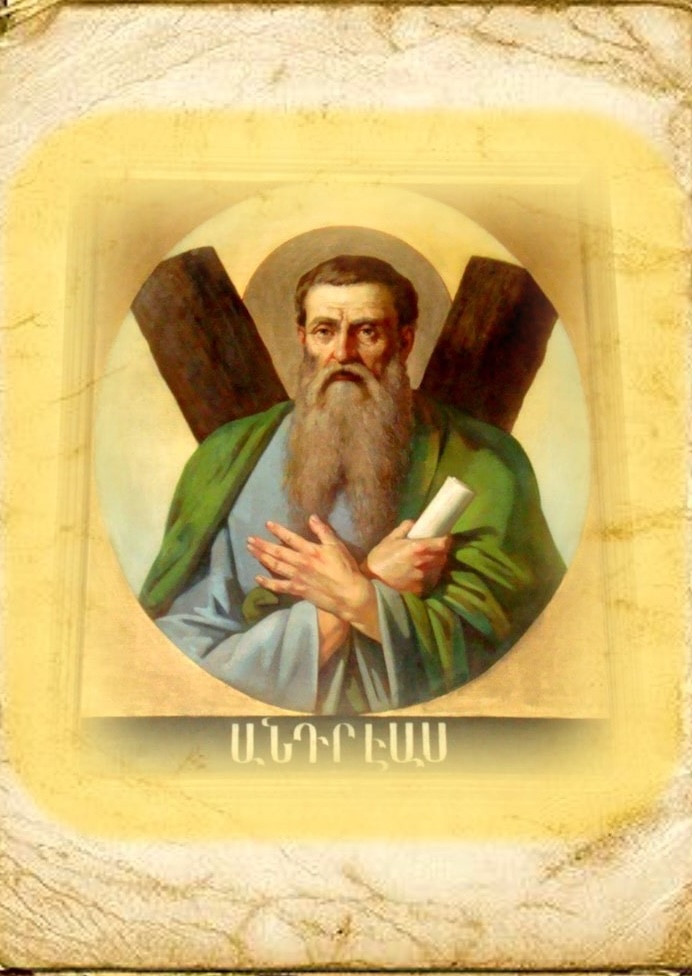
In the Orthodox Church, when a child is baptized they receive their name. Tradition has been created that a child will often receive a 2nd name, or middle name, often chosen by or in conjunction with the priests suggestion. That name is a name of a saint and we refer to those names as our patron saints. In Orthodox and Catholic Churches, we pray for intercession from our saints. As I said in the past, we don’t pray to saints but with the saints. We learn from the lives of the saints, not because they are superhuman or sinless but because the faithful life they lived serves as a place to learn from, to understand and see if their experiences are something we are going through as well and how we can stay faithful. We also believe, that because those individuals lived faithfully even in the constant battle against sin, they are in the living presence of our eternal God. That is why we ask them to pray for us, in the same way we ask one another to pray for us. Apart from baptism, during the Ordination of a priest, the Bishop consecrates and bestows a new name on the priest. In the same way, Levi became Peter, Saul became Paul, Abram became Abraham, Jacob became Israel, I became Andreas or Andrew – one of the 12 disciples, in fact the first disciple of Christ. Yet, in that moment, when Bishop Daniel prayed the words, “Blessed and Sanctified be the forehead of Fr. Andreas…” the very first thought that went through my mind, apart from relief that it was an easy name to say, was who is Andreas? Who was St. Andreas?

Our beautiful Church is filled with countless saints, and we could never remember all their names or all their lives. Yet, we need to learn who our saints are, and how they lived, what temptations they faced; how they overcame depression, fear, anxiety, loss, anger, and pain, all things we face in our daily life, all the questions we ask when we are searching for God. Today in the Armenian Church, this Sunday is known as the Sunday of the Dishonest Steward. And in the parable of the Dishonest Steward, we read Christ telling his disciples a very strange line that perhaps raises questions for us, “And I tell you, make friends for yourselves by means of unrighteous mammon, so that when it fails they may receive you into the eternal habitations. ‘He who is faithful in a very little is faithful also in much; and he who is dishonest in a very little is dishonest also in much. If then you have not been faithful in the unrighteous mammon, who will entrust to you the true riches?’” What is strange about this passages is that it sounds like Christ is saying take advantage of mammon, money, in order to make yourself friends, to win people over. Isn’t money the root of all evil? Aren’t we taught that the material world is not meaningful but it is the spiritual life we must focus on? 

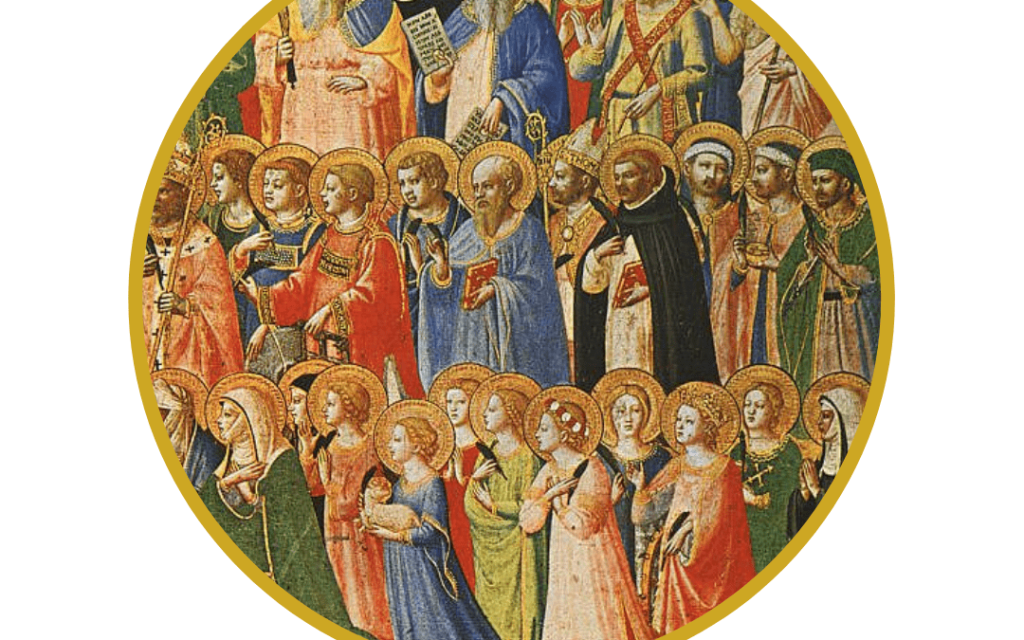
First, no my dear, money is not the root of all evil; it is the love of money that is the root of evil. In fact that passage is from today’s reading as well. The love of money is the same as the love or praise or worship of all idols. Meaning if we put money, phones, cars, clothes, political viewpoints, national identity, skin color, gender, language, our age, our job titles or career choice, our families, in other words anything and everything in this world – if we love those above God, if we put more importance into those things above God’s love, His commandments, His Church, His Holy Word, than we in the love of mammon are rooted in evil. Yet, Christ here is teaching us that instead of loving those things, use those things. Take advantage of those things, such as language, technology, money, age, career, etc. use those to make friends, gain favor and then use that friendship to teach and be an example of faithfulness. So going back to our saints, every Sunday, in the Badarak we remember, in what are known as the diptychs, a set of prayers by the deacons from the altar before the singing of the Lord’s Prayer, 32 individual saints and 6 groups of saints are mentioned by name. We remember those who used this life in various ways to be an example of faith. The first set is arakelots srpots (holy apostles), markareyits (prophets), vartabedats (doctors or teachers), mardirosats (martyrs), yev amenayn hayrapedats srpots (all the Holy Patriarchs). Arakelakordz (those who do the work as the apostles), yepiskobosats (bishops), yeritsants (elders), ooghapar sargavakats (orthodox deacons), yev amenayn srpots (all other saints). So who are we remembering and why? The 12 Disciples and 72 apostles, the Old Testament Prophets, the Teachers, Martyrs, those who did are like the disciples in work, the Bishops, the elders, the Orthodox deacons and in fact all saints. Yet, apart from some the titles by which we identify the saints, what is missing? We haven’t names anyone yet, we do that later on in there other litanies.

My dears, we are not remembering them by gender, by age, by social class, financial abilities, culture, etc. These saints, are those individuals who used the material world to make friends, share the love and forgiveness of God our Heavenly Father and bring the message of Christ to everyone through the life they lived regardless of this materialistic world. We are remember those who loved God above all! The Disciples like Andreas – who was the First-Called of the the Apostles to follow Christ, and he later brought his own brother, the holy Apostle Peter(John 1:35-42). When the holy Prophet, Forerunner and Baptist John began to preach, St. Andrew became his closest disciple and declared Christ to be the Lamb of God when St. John the Baptist himself sent to Christ his own two disciples. On his journey he endured many sufferings and torments from pagans: they cast him out of their cities and they beat him, they pelted him with stones, yet, the persistent disciple of Christ continued to preach to people about the Savior. Saint Andreas with prayer to the Lord willingly went to the place of execution. Or what about St. Stephen, who is described as a man full of grace and the Holy Spirit, and he performed great wonders and miraculous signs among the people., (Acts 6:5-8) St. Stephen was martyred in Jerusalem with the approval of Saul (who later became the apostle Paul), and is revered throughout Christendom as the First Martyr.

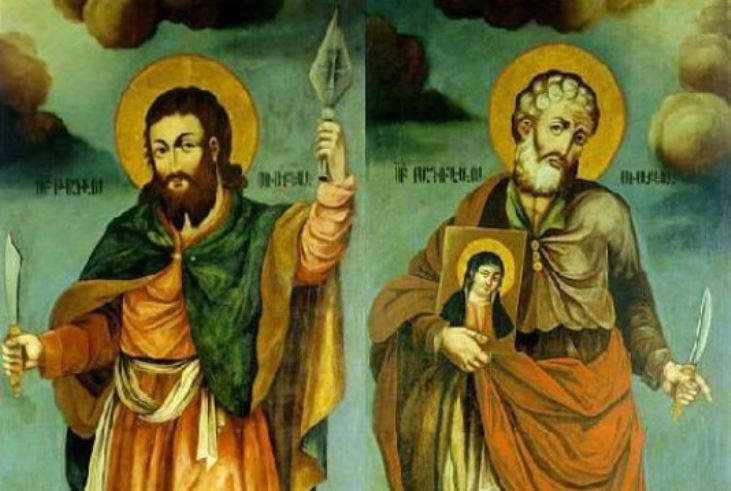
As proud Armenian, who claim to be the first Christian nation in the world, we received our faith and we always remember, Sts. Thaddeus and Bartholomew, two of Jesus’ twelve disciples, who brought Christianity to Armenia shortly after the resurrection. St. Thaddeus reportedly responded to the letter from King Abgar to Christ with a visit to Edessa, bringing with him the spear that pierced Christ’s side, the Holy Geghard (lance) which is now kept at Holy Etchmiadzin.  He was a bold missionary, converting St. Sandukht, the daughter of the pagan Armenian King Sanatruk, until he was martyred in present-day northern Iran, near Maku. And St. Bartholomew following in the apostle Thaddeus’ footsteps, arriving in Armenia converted King Sanatruk’s sister, St. Volouhi leading them both to be martyred in Armenia. Why do we remember them? Because they died? No, my dears, but because even though they physically died, they live.

Jesus said “I am the resurrection and the life. He who believes in Me, though he may die, he shall live. (John 11:25) We live, our saints live. They lived in the same world we live in; they laughed, loved, created, ate, drunk, celebrated, cried and used this material world as blessing from God. That is why when someone new comes to Church and they are not yet baptized, that person or people go through catechism which is a period of learning.  As a priest I am teaching faith to them, as to all of us. We are learning faith. But what are we learning? Doctrine, worship or history? Language, sacred artwork, tradition and music? These are all beautiful but they compliment our faith. We teach how to live, how to be imitators of Christ, as St. Paul says. In fact, in the early Church, one of the earliest writings that we have is not the Holy Bible but rather a book known as the Didache. The teaching of the 12, which is a manual on how to live faith. That is why the words of the book of the Didache begin with – there are 2 paths, one of life and one of death. There are 2 paths to live, which do we choose? Where do we learn how to live? From our saints my dears.

Because they did not love this world, they did not love the material above God. They did not serve 2 masters, as Christ says. Therefore, my dears, as we continue to go through and learn who these saints are, let us ask ourselves, in this season of Lent, in our every day life, what life are we living?  Do we bring glory to God, do we honor our bodies, love and pray for one another? When we struggle do we learn from our saints, do we ask for their prayers? Let us use this Lenten period not for “personal gain” but for the glory of God, who sees us suffering, who willingly in the person of Christ Jesus came and suffered with us, to free us from sin. Use this life to make friends, share the Word of God, the love and hope of God and we will be regarded as honest Stewards, saints of God, called to be disciples, teachers, prophets and vessels of Gods glory in this world. By the grace of the Holy Spirit and through the intercession of our saints, may our prayers be heard and may our minds be illuminated to the love and wisdom our Lord Jesus Christ, Amen!

Ready? Get Set. Go!

Passages: Is. 58:1-14; Rom. 13:11-14:26; Matt. 6:1-21
Ընթերցուածքներ՝ Եսայ. ԾԹ 1-14; Հռոմ. ԺԳ 11- ԺԴ 26; Մատթ. Զ 1-21

In the name of the Father, Son and Holy Spirit, Amen!

Ready? Get Set; GO!! Today we begin; today we take another step. Today all around the world, Armenian Churches, along with this week many of our Christian brothers and sisters, begin the journey of Great Lent. We begin the 7 weeklong period of communal fasting, prayer, and fellowship. From tomorrow until Lazarus Saturday evening, according to the tradition of the Armenian Church, we abstain from meats, dairy, alcohol and other such pleasures while at the same time spending our time and energy, focusing on our prayer life, our faith development, community service, relationships and over all lifestyles. It is almost like a New Year’s resolution reset.  I’m sure many of us make New Years resolutions to eat healthier, exercise, read more, spend time with family, etc. Some of us succeed in breaking old habits and forming new ones, while majority of us make it until the end of the month and fall off our plan. Thus today, the Church invites us to reset. However, this reset is not just about our physical health. We don’t fast from certain foods in order to lose a few inches, nor do we focus on our prayers to make us feel good.  Our Lenten journey is about healing by preparing ourselves, body, soul, and mind for Communion with God.

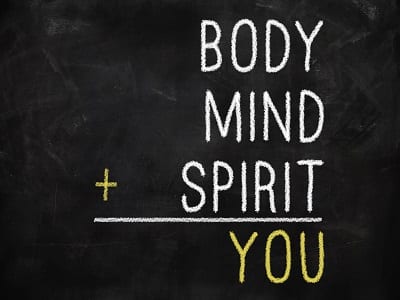
St. Gregory of Datev says that humans have 4 foundations: we are creatures of emotion, spirit, mental (mind) and physical (body). It’s no wonder why the greatest commandment as Christ reminds is to love the Lord your God with all your heart (emotion), soul (spirit), mind (mental), and strength (physical). A healthy individual is someone who takes care of all of these. Most of our New Year’s resolutions focus on one of these like emotional, physical and mental, yet, we might often neglect our spiritual health or we fail to see how all four are in fact connected. Yet, the Churches approach to Great Lent is to heal all 4. We are watchful about what we eat – taking care of our physical well-being. We are called to be more prayerful, taking time to pause, breathe, and reflect – taking care of our mental health. During Lent, we are called to be more merciful, compassionate and proactive in how we treat others – learning to control our emotions. And during Lent, we are invited to read our Scriptures more attentively, attend beautiful Church services, listen to the hymns and in Holy Confession, empty ourselves of our struggles – taking care of our spirit. Great Lent is not about giving up food, it is about letting go. It is about making room in our life so that we will utilize the tools that God has given His Holy Church to help His children (us) find healing by reminding us that this life, our relationships, our food, our bodies, our mind and our spirit are given by God.

When we sin, when we become unhealthy in these areas it impacts the rest of our being. And so God our Heavenly Father, in His compassion and love for each one of us, wants us to be healthy by remaining in Communion with Him, because it is only through Communion with God, a relationship with God, that we can take steps towards growing in our faith – healing. But those steps are not imaginary, allusive, or merely metaphorical. Just look at the Gospel reading today, Christ is instructing us how to pray, how to behave in public, how to do charity, etc. Christ is giving practical examples to us about living our faith. But we live our faith not because through it we gain favor with God, but because through it we begin to bring God into this world. St. Paul teaches us to follow Christ Jesus by imitating Him. Our Christian life finds healing in Christ Jesus by living as He did and becoming like God our Heavenly Father. Christ tells us to be perfect as our Father in Heaven is perfect. Naturally we are all sinners, we are not perfect yet, the path towards perfection, begins from being in Communion with God.

But I’ll be the first to admit, this is harder than it sounds. We all want to be healthy. We want healthy relationships, bodies, minds and spirits. But we struggle; we face temptation, we suffer from mental health, we see abuse of trust in our relationships, we battle demons and addictions. Yes, my dears, it is hard. St. John Chrysostom tells us that the Church is a hospital for the sick for this reason. I don’t know if you’ve spent much time in a hospital, I pray you don’t have to, but it is hard to work and be in a hospital, being surrounded by so much pain. Yet, it is in the hospital that the doctor is able to observe our ailment, follow up with our pain, surgically remove what is foreign to our bodies and provide a place of healing. It isn’t easy but when we leave the hospital, we leave free and cleaned from our sickness. The Church is a hospital, where we are under the constant observance of God, followed up by the priest, and where God removes the sin, the pain, the sickness in us – from where we step forward healed. The Church my dears is therefore, the place we take those first steps towards being healed and cleaned.

Cleansed by the blood of Christ; washed of our sins and healed. That is why the Church recognizing the difficulties we face also recognizes saints. The word saint means “holy.” Though only God is one hundred percent truly holy yet, because God gave us the Holy Spirit through our Baptisms and cleanses us of our sinfulness, we too can be like Him. The saints of the Church are not perfect people but rather saints are imperfect people of faith. They are those with a past; but those who through their life’s example show us what it means to endure, remain faithful and be cleansed by God. That is why the Armenian word for saint is – Soorp. Cleansed ones! And my dears, we are all called to be saints, as St. Paul teaches, “To the church of God…to those who are sanctified in Christ Jesus, called to be saints.” (1 Corinthians 1) But to be a saint, my dears, begins with learning and taking our steps in faith. Great Lent is where we can begin to learn to walk, and a great way to learn how to take those steps is to learn about those the Church calls saints. People who in their faith journey, serve as examples for each one of us. Saints are Christians, like you and me, who believed in God and tried to serve Him, though they often made mistakes. That is why we know that every saint has a past and every sinner has a future. We believe that when we live our life, seeking Christ Jesus, through the Holy Scriptures, through repentance, fasting, prayer and fellowship, we begin to find healing. We begin to journey towards not end of Great Lent but towards the presence of God – being in constant Communion with God, and thereby becoming a presence of God in this world.

And so, get ready, get set, let us go together towards God. Let us learn from our beloved saints what it means to struggle and remain faithful. Let us fast not by giving up food or social media but let us make room in our lives by fasting from evil words and thoughts, abstaining from wickedness and looking for healing in our Lord. May this season of Great Lent be for us a period where we resolve to grow in faith and be sanctified by our Lord. May this season of Lent be a reset and opportunity to learn how we bring glory to our Heavenly Father, the Son, and Holy Spirit not just by words or by coming to Church but through our entire presence – body, soul and mind. Ready? Get Set, Go!

Amen! 

One Way Out!

Passages: Is. 63:18-64:12; Titus 1:1-11; Jn. 7:37-52
Ընթերցուածքներ՝ Եսայ. ԿԳ 18-ԿԴ 12; Տիտ. Ա 1-11; Յով. Է 37-52

In the name of the Father, Son and Holy Spirit, Amen!

I remember that first time I was arrested! Yes, my dears even those of us who become clergy can get into trouble with the law, we aren’t perfect. Regardless of what the circumstances were, the feeling of fear, helplessness, and remorse echoed in my ears most especially when I heard the metal bars of the cell I was placed in slam shut.  It didn’t matter if I was wrongly accused, if I was defending myself, if I was innocent, or if I really did break the law. Reality checks in when you hear the sound of your jail cell doors closing.  Just so there is no scandal, let me reassure everyone, I didn’t do hard time nor was I convicted of a crime. However, this was not the last time I would hear the sound of prison doors shutting. When in seminary, and even now as a priest, every time I do prison ministry, that noise is heard. And my dears, the noise isn’t that scary. Afterall, as a priest or chaplain, I haven’t done anything wrong. Yet, the feeling doesn’t change; the feeling of being trapped, shut off, and isolated from a free world. God forbid if something were to happen in that prison, it would shut down and regardless of how innocent I am, there is no getting out.  Everyone is locked in! There is no escape.

A protestant author Lysa Terkeurst once wrote, “Jesus isn’t trying to expose you to put shame on you. He’s trying to expose the sin that has its chains around you. We all sin! Rom. 3:10 or Ecc. 7:20 says, “Surely there is not a righteous man on earth who does good and never sins.” If any one of us ever thinks we don’t sin, or that our sins are not that bad in comparison to others, – I invite you to read the Parable of the Pharisee and the Tax Collector. We all sin! And Sin is not merely a bad act, a mistake or an inappropriate thought we have. We often read the Confession and maybe on a surface level pay attention to its words but most of us would argue we don’t commit all those sins. Yet, sin, my dears, is anything that disrupts our Communion with God and our relationships with each other. For example, next Sunday is Poon Paregentan and we remember how Adam and Eve were in paradise. They sinned not by eating a piece of fruit but by the act of denying, ignoring, disobeying what God has commanded them. As Christians when we sin, even from age of Sunday School, we are taught to feel bad about what we have done. Perhaps we feel embarrassed, we may feel ashamed. We might feel as if we have failed. This feeling of shame is especially compounded when the priest keeps telling us to repent and confess or when we get caught, or for whatever reason if our sin is exposed. Yet, as Lysa Terkeurst says the purpose of exposing our sin, of talking about our sin and of repenting is not to shame us but rather freedom.

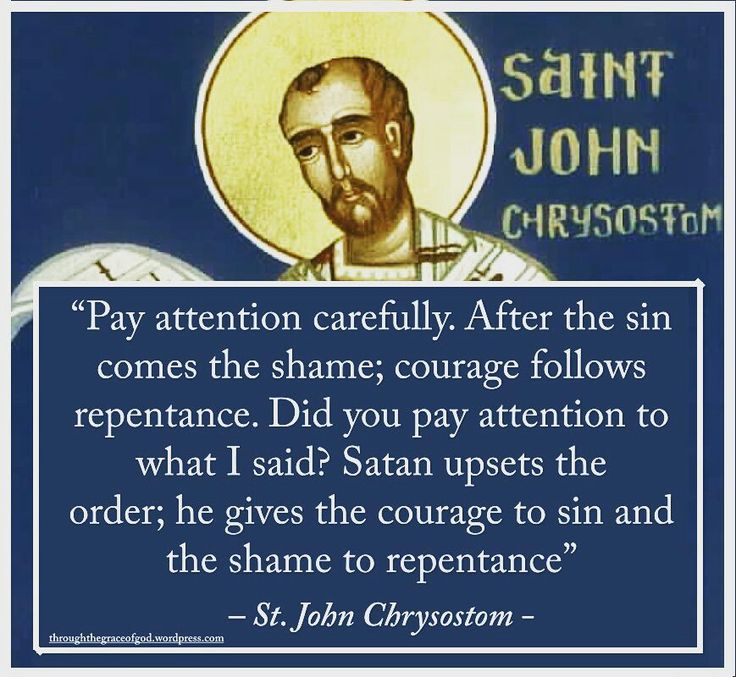
St. John Chrysostom likewise writes, “After the sin comes the shame…” Sin, my dears, regardless of what it is, and the shame that follows is like a prison cell for us. Sin can trap us and create in us hopelessness; and if we turn our back to God, then Satan manipulates the truth of God’s love, fueling our shame and creating in us a false narrative that there is no freedom from sin, no escape. The gates of our sin have shut, like the doors of a prison cell, and we can never get out. Yet, St. John continues further with, “after the sin comes the shame; courage follows repentance…Satan upsets the order; he gives courage to sin and shame to the repentance.” Meaning when we as kids or adults sin, and we feel ashamed for those sins, if we don’t repent, then those sins put root in our heart and overtime, we feel more courageous in deeper sins. Since we’re all sinners, we’ll just keep on sinning or as I said earlier, we begin to think “my sin is not that bad”. Satan pollutes our thoughts and falsely makes us feel trapped in our sin, or indifferent to our sin and so we begin to fall deeper into sin and rather than turn to God, we eventually begin to feel ashamed to trust God and repent.

However, my dears, there is a greater hope than one we could ever ask for. A hope that takes the lies of Satan, who whispers in our ear that we are worthless, we are hopeless and we are trapped in our sinfulness. That hope is Christ Jesus, who has broken the chains, the gates of our prison cell and through His love for each one of us reminds us of true freedom from sin. That is why the Priest turns to the faithful with the Chalice and says, “this is our faith and hope, resurrection and forgiveness…” If Satan and the demons in this world are trying to drag us downward and making us feel discouraged because of the life we have lived and mistakes we have made, it is Christ Jesus who lifts us up through the Cross, who says, we have hope of eternal life, as St. Paul teaches. Life is freedom; Freedom of recognition that yes, sin is in our life, but if the “wages of sin” is death, as St. Paul says, meaning the punishment of sin, then in Christ, who has destroyed the power of sin, in Him we have life, salvation, redemption, renewal.

Next Monday, we begin the season of Great Lent. As we spoke about a few weeks ago, Lent, which is a period of fasting, is set before us as a time of preparation. Preparation not limited to the food we eat or a small task we do. Great Lent in its entirety is a time of reflection, of compassion, community and renewal. It is a time where we are called to not just think about what sins we have committed and feel bad but of how freedom from those sins ultimately is when we are with God. Whether it is through reading Holy Scripture, attending Church more often, volunteering at a soup kitchen or in our Church, almsgiving, fasting, etc. All of these lead us towards Christ, in whom we have true freedom from sin, from lies, from the traps of Satan. That is why Christ says, “If any one thirst, let him come to me and drink.” Whether it is the Sunday of Expulsion, where we remember Adam and Eve having sinned, God takes them out of the Garden allowing sin to die while still protecting humanity or the Sunday of the Prodigal Son, where we remember how a child, wasted his inheritance, yet, when reflecting on who he was and the blessings and love he had with his Father, returned home, where his Father anxiously await to greet us with open arms. This is only the first 2 weeks of Great Lent.

My dears, yes, the reminder of our sins can be scary and shameful in the same way, the reality of hearing the prison gates shut behind us can remind us that we are indeed trapped and cut off from freedom. However, sin is not a trap that we cannot escape from. Sin is not the final verdict of our life. Sin is not who we are. We are a beloved child of God; we are not our job, skin color, gender, age, political party or any arbitrary limit; We are the jewel of God’s creation and when we pray, confess our sins, repent of them, then we will find freedom from the sickness of sin in Christ Jesus.  We will drink from the water of life, be washed and renewed of our brokenness and stand as witness to God’s love for all others. “He who believes in me, as the scripture has said, “‘Out of his heart shall flow rivers of living water.’” May the Grace of the Holy Spirit, illuminate our hearts and minds to seek out Christ our Lord, who has broken the chains of guilt, trampled down the power of death, freed us from sin and invites us into Holy Communion with our Heavenly Father. May we take this time before us, not to be ashamed but be filled with the courage that through Christ and in Christ we can do all things. Glory to God, Amen!

In My Time of Need

Passages: Is. 63:7-18; 2 Tim. 3:1-12; Jn. 6:22-38
Ընթերցուածքներ՝ Եսայ. ԿԳ 7-18; Բ Տիմ. Գ 1-12; Յով. Զ 22-38

In the Name of the the Father, Son and Holy Spirit Amen.

As a priest one of my favorite things to do is visitations. To go and see each and everyone of you, the faithful in their home and their workplaces, to spend time in conversation. One day as a priest was doing his visitations to his community, he noticed it was lunchtime and he really wanted a slice of pizza. He remembered that one of his parishioners happened to have a pizza shop nearby and so he said I’ll drop in for a visit and I’ll have a slice. Walking in, the parishioner standing at the cashier saw him and said, “father it is so wonderful to see you come in have a slice.” The priest asked how have you been it’s been some time since I’ve seen you at church? But before the man could answer, an elderly man walked out the back and looked sternly at the priest. “Father,” said the cashier a little nervous, “this is my dad, I apologize he’s not a fan of clergy.” Suddenly the elderly man said, “God has answered my call and sent me this man in my time of need.” You see it turns out that one of the reasons they had not been coming to church for a while is because the elderly man’s wife was suffering and had passed away and because of past issues with clergy or some churchgoers the elderly man did not want to go to church and didn’t want the priest involved. Yet now seeing the priest standing before him, the elderly man couldn’t help but recognize God entering into his life in his time of need. 

My dear brothers and sisters, as priests yes, we get to do these visitations and we are called to serve the Church by bringing the Good News, the Gospel of Christ Jesus to all. The Gospel which is the good news that God revealed in the person of Christ Jesus is the love of God in our life, that was born into flesh. We celebrated Christmas only a few short weeks ago. Of God living and suffering as we do willingly dying for our sin upon the cross, and through his Holy Resurrection restoring us into the image and likeness of which we were originally created in. It is the message of love – divine and pure a love above all else and for all of us. But my dears, the Gospel message is not a message reserved only for us priests, only for those who’ve been ordained in the Church to share. St. Peter writes in his letter that all are called to the Holy Priesthood in Christ. Meaning we are all called to be messengers of God, the messengers of the Gospel to those around us. How that priesthood manifests or expresses itself through each and everyone of us is unique and different. Some of us will be ordained priests and we’ll do the seminary study and education. Some of us will be altar servers, choir singers, Sunday school teachers, while some of us are volunteers or parents. Some of us are public school teachers, factory workers, lawyers and doctors. St. Paul writes in Ephesians 4, “There is one body and one Spirit…one Lord, one faith, one baptism, one God and Father of us all, who is above all and through all and in all…and his gifts [God’s gifts my dears to us is that we] (were that some) should be apostles, some prophets, some evangelists, some pastors and teachers, to equip the saints for the work of ministry, for building up the body of Christ, until we all attain to the unity of the faith and of the knowledge of the Son of God…” How beautiful and powerful that God has called each and every one of us from the oldest to our youngest to bring His love, to live His love to those around us, regardless of what we do professionally or in our family lives. Until we attain unity of faith. 

Yet, we know today’s world is not like this. Read the news; listen to the radio, scroll through social media -what do you see? Hatred, injustice, malice, contempt, bigotry, over sexualization of everything, poverty, war, and evil that is not only present but rampant and celebrated. A few days ago, I don’t know if any of you have seen this, but a few days ago I saw a commercial for a new cartoon that’s coming out about how Satan, Lucifer was not actually the bad guy, but it was God who was the evil one. St. Paul warns us of things like this“men will be lovers of self, lovers of money, proud, arrogant, abusive, disobedient to their parents, ungrateful, unholy, inhuman, implacable, slanderers, profligates, fierce, haters of good, treacherous, reckless, swollen with conceit, lovers of pleasure rather than lovers of God, holding the form of religion but denying the power of it.” (2Tim. 3). Look at that last sentence – holding the form of religion but denying the power of it. Meaning claiming to be religious believers of God, using words like love, God, and forgiveness, but manipulating and polluting it and what God in fact commands. Sadly, this is the world and it is not just the unbelieving or hedonistic world but it is also something we find here. It has also penetrated the hearts of every Christian and it is no wonder that disbelief and distrust of clergy and of churches and of Christians is so high in this world. The sad truth is my dears, that many of us, if not all, clergy or not, we have all seen or felt something in our life either in the world or even within our churches, that has left a “bad taste” or a “distrust” in us. 

Let us ask ourselves, how much we trust one another, the person in the Pew? How much do we trust the priest and I’m not taking this personally don’t worry. But how often have I spoken about the sacrament of holy confession and about how we are called to come and empty ourselves by confessing our sins to the priest for our own healing. In fact, a lot of times when I’ve asked about confession, I get the question, “is orthodox confession like Catholic confession, where’s the booth? However, it isn’t because the invention of the booth came from royalty not trusting the priest they were confessing to. Whereas in the Orthodox Church, the priest and confessor sit next to each other towards God, not in some booth but in trusting. Yet, how many of us in fact trust vs. how many of us don’t because we don’t want to be vulnerable, we don’t want to open up ourselves to the priest or anyone for that reason? Compounded with the evils of this world, we cannot help but feel hopeless and helpless. It’s no wonder we keep a distance yet, for much of the world that distance is a complete avoidance and distrust of the church and ultimately the message of God’s love, the Gospel.

And so where do we look, where do we turn? It is easy to say the Sunday school answer “Jesus.” Yet, for those who have never opened the Holy Scriptures, for those of us who don’t come to Church or have a distaste in our mouth, for the world that is hurting and is in need and does not know Jesus Christ, the answer is to you and I. The world looks to us to bring Christ to others. So many people in this world are looking for a savior but don’t know who to look for and so they begin to create a version of God for themselves and that leaves them hungry and hurt. That is why in today’s Gospel Christ tells the Jews that we’re looking for him you came seeking not because of the miracles, not because you recognized me as the Savior, the Son of God, the Messiah, no, but because I fed your stomachs. I gave you that temporary relief. But if all we are after is the temporary relief then what we follow will only give us temporary relief. Never fully satisfied. Therefore, it is us my dears, that the world looks to. The world is looking, when we are looking, God reminds us that our eyes, the world’s eyes, are on those who call themselves Christians. Baptized children of the Most High! It is for this reason we are called to be imitators of Christ. 

Look at how St. Paul continues today “Now you have observed my teaching, my conduct, my aim in life, my faith, my patience, my love, my steadfastness, my persecutions, my sufferings…”  After warning against the evils of this world after warning against false religious people, St. Paul instructs and reminds us that, you [we] know the truth because of how I [St. Paul] lived my life my faith, my patience, my love. I lived my life imitating Christ, as Christ commanded me. And so you do know Christ Jesus because you’ve seen Christ through me. It is through each one of us the world will see Christ and it is that which we are called to. But the question remains, will they see hypocrisy and lies or will they begin to see Christ’s love? It is no wonder there is so much distrust and unbelief in this world, my dears. A world sees how we live my dears, the world sees our faith, sees our love, sees us and either they will see evil or like the elderly man in the pizza shop they will see Christ coming to them in their time of need. C.S. Lewis beautifully says “we must show our Christian colors if we are to be true in Christ Jesus.” We must bring not the Gospel by words alone, not just with a collar or a lengthy sermon, but with the very life we live. And that is something we are all called to do!

Believe that the evil is showing itself and the rest of the world is watching and hurting. Believe that when we who say we are Christian, deny the Gospel with our lives, the world is watching and hurting. Believe my dears, that when we are faithful to the commandments, when we live every day in the love of God, lift one another, have compassion and mercy, the world is watching and healing. And maybe when we stop for a slice of pizza, a cup of coffee, or a short conversation with someone in the street, whether they’re a priest or not, they will feel through our presence, “God has answered my call in my time of need.” By the Grace of the Holy Spirit may we be illuminated to the love of Christ and in Communion with God our Father may Christ Jesus come alive through us now and every day, no matter where we are and who we are, Amen!

Fast To Prepare

Passages: Is. 61:10-62:9; 2 Tim. 2:15-26; Jn. 6:15-21
Ընթերցուածքներ՝ Եսայ. ԿԱ 10- ԿԲ 9; Բ Տիմ. Բ 15-26; Յով. Զ 15-21

In the name of the Father, Son and Holy Spirit, Amen!

Before we run a marathon, we train around a track. Before we lift a heavy weight, we brace our core and use proper form. Before we take a test in school, or make a presentation in front of a group, go over our notes, and study. Before going into surgery, our doctor instructs us on how to get ready, by abstaining from certain foods and drinks while taking medication before arriving to the hospital. My dear brothers and sister, everything in life we do, for every challenge we face, for every obstacle we overcome, for every test we take or whatever it may be, we need to prepare. Preparation helps us be equipped for what is to come, but also for what we may not anticipate. Usain Bolt, the world-famous Jamaican Runner, who is an 8-time Olympic gold medalist once said that “I trained 4 years to run 9 seconds…” Imagine the preparation it took for Usain, or really any of those athletes.  Months or years of training their minds and bodies; dieting and sacrificing for what? A higher purpose, a goal, a desire.

My dear brothers and sisters, in a few short weeks, we will begin Great Lent. A period of preparation, a time of study, of sacrificing certain foods and drinks, “a way of emptying ourselves from the cares and concerns of this world” in preparation the glorious feasts of Palm Sunday and Easter, the Holy Resurrection of our Lord Jesus Christ. However, every year I often hear 2 questions about Lent: 1) Do I have to give up meat and cheese for Lent? What about giving up chocolate, or Starbucks, or social media, etc.? 2) I can’t do 40 days, it’s too much, can I do the first and last weeks? My dears, Great Lent was established by our Church Father’s as a period before Palm Sunday for us to prepare. They deemed in their wisdom that what we would refer to as a “vegan diet” to be a sufficient way and a reminder of our time before sin, in the Garden of Eden, when we ate freely from the vegetation of the world, to be a proper way to prepare. However, they did not limit preparation to the food we consume. Great Lent is not merely about what we eat, drink or do with our free time on our cellphones. Great Lent is a time for us to reflect with all our heart, soul and mind, as Christ says, on our way of life, on our faith. And yes, for someone who has never observed Great Lent, or for many of us, the 40 days of Great Lent can be difficult. That is why today the Armenian Church begins “the Fast of Catechumens.”

The word catechumen is a Greek word, katēkhoumenos, meaning those ‘being instructed’. They are those who are not yet baptized. The Armenian word is “Yerakha,” meaning there same thing. In fact, we mention remember catechumens, or yerakhas every Badarak when the Deacon chants, “Mi vor yerakhayts, mi vor terahavadeets…” And though many of us, if not all of us are already baptized, the Fast of Catechumens, is an important and crucial time for all of us to prepare, and be instructed, not just for Great Lent, but for our Christian faith. After St. Gregory the Illuminator was brought out of Khor Virab, and cured King Dertad (King Tiridates III), for 65 days, St. Gregory preached to the King and all about our Lord Jesus Christ. But prior to them being baptized, St. Gregory establish this fast, by instructing everyone to fast for five days before dedicating their lives to Christianity and cleansing themselves from their pagan practices. Why? My dears, because to be a Christian, to follow Christ to the Cross, into the Tomb, not just on Easter but all our lives, takes preparation. If St. Gregory had scolded the King and the Armenian people into 40 days of fast without any preparation and held long winded Church services, regardless of how they looked like back in the 4th century, what would have happened? They would have failed; they would have felt ashamed and possibly given up. That is why St. Gregory established this 5 days fast to protect us, to call each one of us to preparation.

St. Paul tells us today, “Do your best to present yourself to God as one approved, a workman who has no need to be ashamed, rightly handling the word of truth.” Do your best – meaning give it your all. We need to work on ourselves, prepare, study, repent, grow, ask, fast, limit ourselves for a high purpose, a greater goal. And what greater goal or higher purpose is there in this life than to come into the wisdom, hope, love, and faith in our Lord. Yet, preparation in our faith takes a lifetime, not 5 days or 40 days. When we limit or think that 40 days is enough, we hinder our faith growth. Yes, majority of us are baptized yet, so many of us try to pray but find it difficult; so many of us see suffering and sickness, and begin to stray away from God; we see injustice and blame God and His Church; we see evil, and yell out why would God allow that? Earlier on I quoted, Usain Bolt, but I did not complete the full quote, because what Usain actually says is, “I trained 4 years to run 9 seconds… and people give up when they don’t see results in 2 months.” My dears, when we are ill prepared in any area of our life, when we rush, or try to find shortcuts, we eventually fail. We can hurt not just ourselves but others around us. If as a student I don’t study, I will fail my test; if as an athlete I don’t train, I can permanently injure myself; if I don’t follow the doctor’s instruction, complications may happen in my life. If this is true about our everyday life, how much more important is preparation necessary for our faith, our life and Communion in Christ Jesus my dears? Yet, how serious do we take our time of preparation my dears? vs. how often to do we search for an excuse, a reason or shortcut to justify our way of life?

Does this mean if we eat vegan, our faith will grow? Most likely not my dears.  It is called Fast of Catechumens – those being instructed. What instruction and who? Each and every one of us – priest, choir, altar server, elderly, youth, male or female. Regardless of how long we’ve come to Church – saint or sinner – Christ says, unless we all repent…unless we all prepare. What instruction? Everything we read in the Holy Scriptures, our life in the Church, the teachings of the Father’s, the sacrament of Confession and Holy Communion, etc. These are the tools by which we prepare. St. Paul takes it further in today’s teaching, “Avoid (such) godless chatter, for it will lead people into more and more ungodliness…Have nothing to do with stupid, senseless controversies…” This is one example of a plethora we find in the Holy Scriptures. Because whether it is Great Lent, the Fast of the Catechumens, weekly fasts, or anything else we call time of preparation my dears – our entire lives we are called to prepare body, soul and mind.

Our preparation is not limited to our food or drink, it is not limited to our use of our phones, or to how much of the Bible we read. To fully prepare, we need to fully prepare. Abstain from food, but feed others; limit our phone use, but call and reach out to listen and hear those in need; read our Bible but live those words in how we treat one another. Only then will we begin to prepare; only then will we be able to see the challenges in our life and not turn away from God but find God’s presence through it all. To endure it all, all the tests, races, and storms of life. Such as, when we face sickness or loss of life. Yes, my dears, the reality is that sometimes, though we try to prepare, we fail, we struggle, and we feel unprepared. James in his letter (1:12) writes, “Blessed is anyone who endures trial, for when he has stood the test he will receive the crown of life which God has promised to those who love him.” Yes, it is in that storm that Christ calls out to us [His disciples], as we read in the Gospel today, “It is I; do not be afraid.” Yes, my dears, our victorious and resurrected Christ Jesus is here with us, and He will always be with us in the calm and in the storms of life. But unless we prepare, unless we love the Lord of our God, with all our heart, soul, and mind, unless we are ready body, soul and mind – when the storms come, when the race begins, when life happens, we may not recognize Him. Therefore, let us pray for one another, take this opportunity that our beloved St. Gregory the Illuminator and all our Church Fathers have placed before us to prepare and whether we are getting ready for Great Lent, for Palm Sunday, or Easter – every day we ultimately prepare to greet our Resurrected Lord Christ Jesus. Glory to God. Amen!

Fruitful in Death

Passages: Acts 6:8-8:2; John 12:24-26
Ընթերցուածքներ՝ Գործ. Զ 8 – Ը 2; Յով. ԺԲ 24-26

Քրիստոս Ծնաւ եւ Յայտնեցաւ. Օրհնեալ է Յայտնութիւնը Քրիստոսի:
Krisdos Dzunav yev Haydnetzav +Christ is born and Revealed+
Orhnyal eh Haydnootiunun Krisdosi +Blessed is the revelation of Christ+

In the name of the Father, Son and Holy Spirit, Amen!

After each of the major feast days in the Armenian Church, Holy Nativity, Holy Resurrection, Transfiguration, Assumption of the Virgin Mary and the Exaltation of the Holy Cross, the following day is designated as Heeshadag Merelots – Remembrance of the Dead Day. We remember and pray for all our loved ones who have passed from this life into rest, with the hope of God’s love and forgiveness in the life to come. We also pray for our dead after certain Badarak’s, with the prayers of Hokehankist, Requiem service, remembering again our loved ones. As with every service and liturgy in the Armenian Church, we read the Holy Scriptures, the Word of God and more often than not during hokehankist, we read and hear the passage of John 12:24-26. But very few of us understand what today’s scripture passages is speaking about. “Truly, truly, I say to you, unless a grain of wheat falls into the earth and dies, it remains alone; but if it dies, it bears much fruit. He who loves his life loses it, and he who hates his life in this world will keep it for eternal life. If any one serves me, he must follow me; and where I am, there shall my servant be also; if any one serves me, the Father will honor him.” Though not very lengthy, it is arguably one of the most important passages of Christ teachings in my opinion.

For one, it is one of the last public statements or teachings that Christ gives before His betrayal, passion, and Crucifixion. It begins with the ultimate statement of “truly, truly” or in other places we read “Verily, Verilyy” – ճշմարիտ ճշմարիտ. This double emphasis, is a rhetorical method which gives importance to what is about to be said and Christ uses it in a few places. But what is being taught that puts this teaching that high up there? “unless a grain of wheat falls into the earth and dies, it remains alone; but if it dies, it bears much fruit” Contrary to what appears on the surface, this message is not about farmers planting seeds, but rather, Christ is giving us an earthly, physical example of the seed. Unless it dies, it remains alone – what does this mean? First, Christ is referring to himself, that He must die for our sins. And we know this because exactly one verse before this we read, “And Jesus answered them, “The hour has come for the Son of man to be glorified” (v. 23). But in addition to this Christ, as with all Scriptures Christ is calling us to imitate, meaning we are being called to martyrdom.

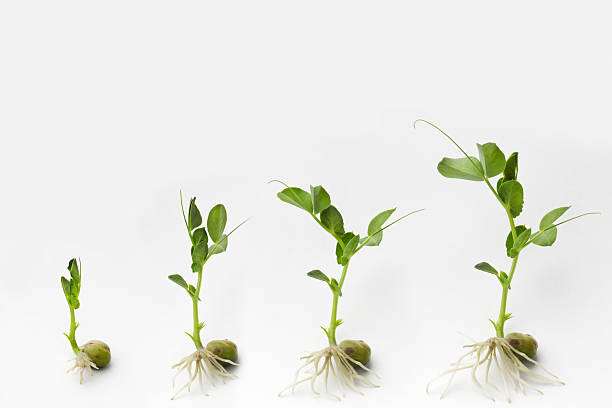
When we say martyrdom, we often picture someone being killed for a cause, a belief or their faith. Yet, in the Orthodox Church, martyrdom is more than the physical death. Marriage, for example, is considered martyrdom. We pray for long and healthy life in marriage but we refer to marriage as martyrdom because the two individuals who are getting married are called to sacrifice themselves for each other. Meaning let of their egos, their self desires, their selfishness for the love and care of their husband or wife. Likewise here, this seed that must die, that Christ is describing, is us. Unless we die, meaning unless we let go of our egos, our arrogance, our pride, our entitlement, but also our self-hatred, our thoughts and ideas of what we are worth, unless we die to those things, our faith, will not bear fruit. Because when a seedling is planted or begins to germinate, what happens? It cracks, it spreads apart for roots to come out, for it to bud. If it doesn’t break than it doesn’t bear fruit, it doesn’t grow.

Therefore my dears, we must break, we must deny or die to ourselves as Christ says, if we truly believe in Christ Jesus. That is why Christ continues by saying, “He who loves his life loses it, and he who hates his life in this world will keep it for eternal life.” Those who love their life will lose it and those who hate their life will keep it for all eternity. I love my love. I love being a priest, I love my family, I love each one of you. So what does this mean? And doesn’t scripture tell us not to hate? Especially in today’s society we view the word hate as something for enemies. Yet, Christ uses this word elsewhere, when he says, “If any one comes to me and does not hate his own father and mother and wife and children and brothers and sisters, yes, and even his own life, he cannot be my disciple.” (Luke 14:26) What and why is Christ calling us to hate?  My dears, this goes back to what spoke about earlier. If we value our physical life, our materials, our education, our cars, our devices, our bodies, etc. more than we value our relationship with God, then we are living for self-gratification and not by self-sacrifice. We are living for the moment without any concern for what God has planned for us. That’s what society teaches us after all. Live for today, be happy, be satisfied and if you are not satisfied then leave it and find something better. If your marriage, your sex life, your friendships, your Church, your job, you parents, your school, your home, your gender, your body, your everything etc. if it doesn’t satisfy you then change it and leave it. Yet, Christ is telling us if that is all we are after, if all we want is to love this life, if we value all this above God our creator, who gave all these things to us as a blessing and called us to be stewards, caretakers of it, than we will lose it.

But if we hate it, meaning, if we understand that these things are temporary and God in His love for us, calls us for so much more, then we will receive what is more valuable than anything we have in this world. But my dears, this begins through our choice of self-denial and martyrdom.  In the same way, no one can force the husband or wife to deny themselves for each other, in the same way no one can force a soldier to go and fight for freedom, in the same way a doctor cannot force us to take medicine, the choice is ultimately ours. That is why Christ concludes with, “If any one serves me, he must follow me; and where I am, there shall my servant be also; if any one serves me, the Father will honor him.” My dears, what are we living for? As I said in my sermon the other day, why are we in Church today? Why do we come? For the food, the music, the sights and smells? Why do we celebrate Christmas and Easter? Because of something that happened over 2000 years ago or because we are Armenian and feel some artificial obligation? Why do we pray for our dead? Why do we get married? Why and what are we living for my dears? If we believe in God, and the Good News of Christ Jesus, God born into our lives, then we must follow Christ, imitate Christ. All this is from the love of God for each one of us. God’s love that calls us to be with Him, not today but everyday; not in this moment but for all eternity.

But this can only happen when we die to ourselves, when we break and are transformed, when we put away our selfishness, we pick up our cross and follow Him. When we forgive each other through love; when we lift each other up; when we see someone alone and spend time with them; when we reach out a helping hand; when we feed the hungry, show mercy to those in pain. When we don’t look at the beggar in the street as lesser just because of their life’s choices or circumstances. When we repent of our own sinfulness and brokenness and come to be in Communion with God because we love Him above all else. That is when we will understand what this life means. That is when we will see Christ Jesus not dead on the Cross but alive and calling us to have real life in Him. That is when no matter what day of the year it is, Christmas or Easter, we will declare “Blessed is the Revelation of Christ”, blessed are we in that love. For to all of us this is the tiding of Great Joy. What will we choose? Amen!

No Room In the Inn…

Passages: Titus 2.11-15; Matthew 1:18-25
Ընթերցուածքներ՝ Տիտ. Բ11-15; Մատթ. Ա 18-25

Քրիստոս Ծնաւ եւ Յայտնեցաւ. Օրհնեալ է Յայտնութիւնը Քրիստոսի:
Krisdos Dzunav yev Haydnetzav +Christ is born and Revealed+
Orhnyal eh Haydnootiunun Krisdosi +Blessed is the revelation of Christ+

In the name of the Father, Son and Holy Spirit, Amen!

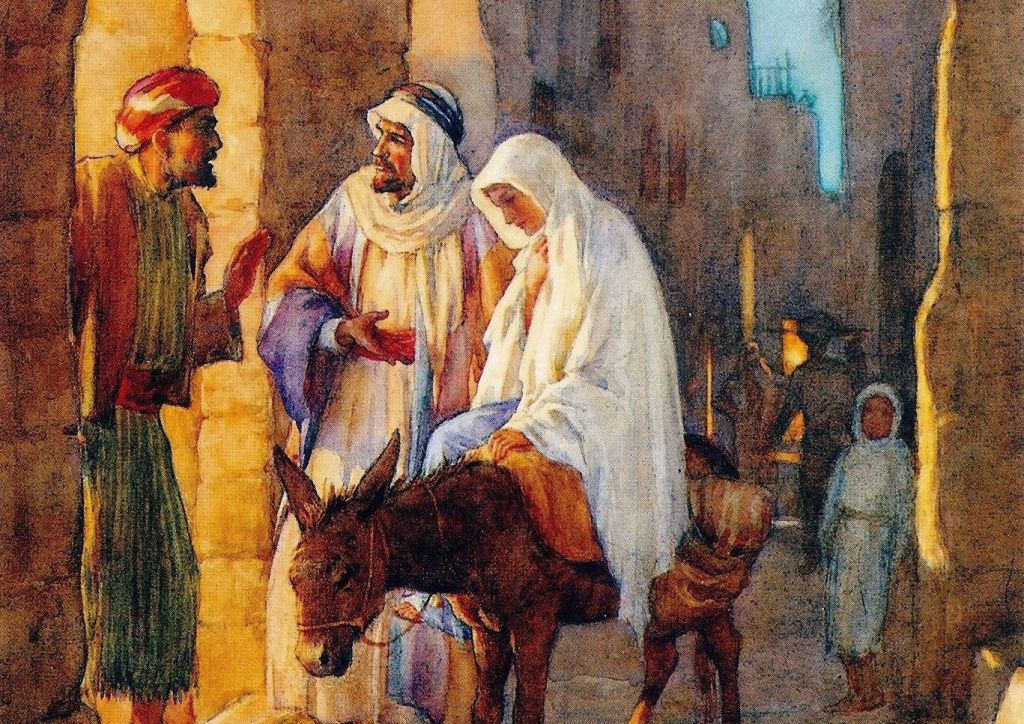
Nowhere to go, no one to turn to, completely abandoned; All those who they knew gone, and unapproachable. Hurt, confused, unsure and feeling more and more helpless. My dear brothers and sisters, all of us know what being alone feels like. When the people we trust, call family and friends turn us away, leave us abandoned and unwelcomed. We feel unloved, misunderstood and lost. I imagine my dears, that Sts. Joseph and Mary felt some of these feelings when they arrived in Bethlehem. In the Gospel of Luke account of what we call the Christmas or Nativity story we read of how Mary and Joseph had come to Bethlehem because Caesar Augustus issued a decree of a census and Joseph and Mary being from the line of David, had to participate in that census, had to travel to the city of David, Bethlehem. And while there, St. Mary gave birth to Jesus, wrapping him in swaddling cloth and placing him in a manger.  A scene we are all familiar with this time of year and in our icons. The reason Mary and Joseph were forced to wrap Jesus and put him in a manger was because according to Luke 2:7 – “there was no guest room available for them” or no room in the Inn. I’m sure we’ve all seen this story in cartoons or even in movies.  As Joseph and Mary go door to door, looking for a room, a hotel, a place, until eventually they are forced into a stable or grotto, where Jesus is born among animals and placed in the manger. Imagine Mary and Joseph, starting a family and yet, nowhere to go, no one accepting them, confused and unsure who would help them.

My dears, there is something very important to this story that is in fact about us. To understand this more clearly, look at how the Evangelist Luke begins this description. “So Joseph also went up from the town of Nazareth in Galilee to Judea, to Bethlehem the town of David, because he belonged to the house and line of David.” What stands out about that verse? Joseph went to Bethlehem because he belonged to the house of David. This means Joseph and Mary are not strangers in Bethlehem; It was not a new place. They belonged to the line of David means that they had other relatives, from the line of David, who were also present in Bethlehem. I don’t like being an inconvenience to other, but when I go to Armenia, Canada, Los Angeles or other places to visit friends and family especially when its only for a few days, undoubtedly, I am invited to stay with friends and family. Likewise all of us here, if we go somewhere or have someone visiting us who is family and/ or a friend, if we have the means, we invite them to stay with us. And so when we read that Joseph and Mary had nowhere to stay, when we see the stories of them going door to door looking for room, they are not being rejected by hotels that are fully booked. They were being rejected first and foremost by their family, others who are from the line of David. Nowhere to go, no one to turn to, completely abandoned. All those who they knew and love rejected them, and unapproachable. Hurt, confused, unsure and feeling more and more helpless. We can imagine how St. Joseph and St. Mary felt.

But why? Perhaps because of rumors that they are having a child and not yet married? In verse 5 we read, Mary “was pledged to be married to him [Joseph] and was expecting a child.” Even Joseph in today’s Gospel reading of Matthew was unsure how to behave towards Mary being pregnant. In other words, they were being rejected because they didn’t fit into everyone else’s expectations or standards. Naturally, people did not understand that she was carrying the Messiah, the Son of God. And above all, they definitely didn’t expect or accept that the Messiah was going to come into the world in such a manner and so they were rejected. In the same way, my dears, we reject Jesus Christ, we reject God, when we begin judging and deciding how God should be for us. We want God to fit into our standards, our way of life, our choices, our values; we want God but only when it is convenient. Yet, Christ Jesus did not come into this world based on our standards. Christ Jesus, God the Son, took our standards, our weakness, our sinfulness, our brokenness, our darkness and invites us to be in Communion with Him. Jesus by being born as one of us reminded us that it is we who are created in God’s image and likeness not the other way around, and when we turn each other way, when we do not love, do not care, do not pray for, do not repent, rejecting each other we reject God.

My dears, it is the infinite love of God that we are celebrating each Christmas. When we look into the manger, when we look at the Cross, when we look into the empty tomb on Easter, when we look to the Holy Altar every Sunday, it is the face of love we are called to see. A face of love that doesn’t reject us because of sin but rather rejects the sin by cleansing us of that sin and lifts us up through our Holy Baptism, through the Word of Scripture and through the Holy Communion. That is why as the Armenian Church, when we celebrate the nativity of Christ, we do so by celebrating the theophany, the baptism of Christ Jesus, through which we receive the revelation of God being born into our lives. Though it is Christ Jesus that is born today, it is Christ being placed in the manger, it is Christ that is baptized for our sake, my dears, it is us being called to be reborn, it is us that the angels reveal God in the flesh, it is us being called to answer the door that St. Joseph and St. Mary are knocking on bringing with them our Lord. Yet, if we come to God with arrogance, with pride, with sin in our hearts, if we look at each other and determine value based on what we think is right, if we decide God should fit our way, then we will not see love, we will not be freed from sin, we will not see Christ Jesus born in our lives because we have rejected God.

Let us pray that God will illuminate us to see His infinite love in each other. Let us pray and come to Him, no matter how rejected we feel in this world. Let us pray my dear brothers and sister, that Christ Jesus be born into our lives, to cleanse us of our sins, to free us from our demons and for us to sing with the angels, “Glory to God in the Highest, and peace on on earth…” Krisdos Dzunav yev Haydnetzav +Christ is born and Revealed+ Orhnyal eh Haydnootiunun Krisdosi +Blessed is the revelation of Christ+ Amen!

The Beginning?

Passages: Titus 2.11-15; Matthew 2.1-12; Luke 2.8-14
Ընթերցուածքներ՝ Տիտ. Բ11-15; Մատթ. Բ 1-12; Ղուկ. Բ 8-14

Քրիստոս Ծնաւ եւ Յայտնեցաւ. Օրհնեալ է Յայտնութիւնը Քրիստոսի:
Krisdos Dzunav yev Haydnetzav +Christ is born and Revealed+
Orhnyal eh Haydnootiunun Krisdosi +Blessed is the revelation of Christ+

In the name of the Father, Son and Holy Spirit, Amen!

“Let’s start at the very beginning
A very good place to start
When you read, you begin with A-B-C
When you sing, you begin with Do-Re-Mi…”
– Julie Andrews, Sound of Music

When we begin a story, as the iconic song says, we need to start at the very beginning. The beginning sets up the rest of the story and a good beginning captures the audience’s attention and forms a deeper connection. And so it might seem strange to us, that tonight being the Nativity, the birth of Christ Jesus, our Church Father’s did not designate the birth of Christ Jesus, the beginning of his earthly life, as the Gospel story. Rather, today’s reading begins with Matthew 2, “After Jesus was born in Bethlehem in Judea, during the time of King Herod, Magi from the east came to Jerusalem” (v. 1) This might feel strange as we are reading about after Jesus being born, while today we are celebrating his birth. My dears, what do we know or don’t know about the Magi, or as they’ve come to be known the Three Wisemen or Three Kings?

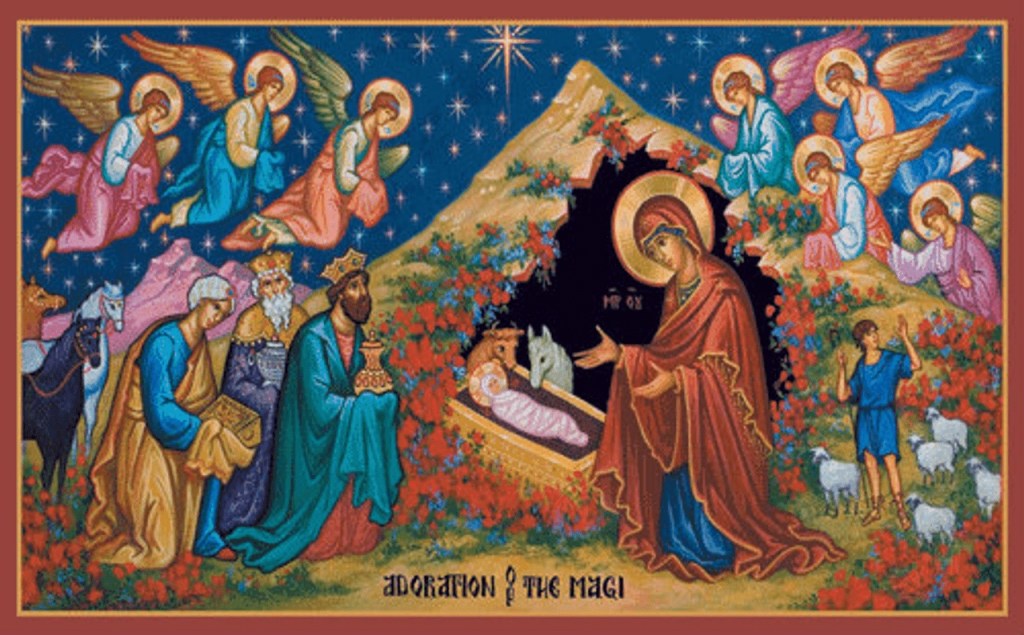
We don’t know how many of them there was. Nowhere in scripture do we read of 3. The tradition of 3 comes from the 3 gifts that were given. If 3 of our friends come over for our birthday, we expect 3 gifts, right? We don’t know their names. The tradition of Melkon, Kaspar and Balthazar come to us far later from the West. We know they were not necessarily kings but rather Magi from the East. East, traditionally would mean Persia and Parthian Empire and all the way into India and rest of Asia. Magi are priests, astronomers, leaders from the desert. That is why, they had read the stars and followed the star to Christ Jesus as we read “We saw his star when it rose and have come to worship him.” We know that they brought gifts of Gold, Frankincense and Myrrh. St. John Chrysostom teaches us that the gifts were fit to be given to not only an earthly king but also to be presented before God as a sacrifice. Not only that but each gift symbolized who Christ was to be. Gold for the Kingship of Christ Jesus, Frankincense the Holy Priesthood of Christ Jesus, and Myrrh which is used to make the oil used in burial and final anointing foreshadowing of Christ Jesus to die on the Cross.

So knowing these things, the still question remains why do we read this Gospel account today, when we are celebrating of Jesus being born? My dears, the Heaven’s and Earth declare God’s majesty. The heavenly hosts witnessed God becoming man, taking on weakness, being born into this world as prophesy declared. Meaning from before the beginning, Christ coming into this world for us was planned and whether the magi would come, whether the shepherds in the field would hear the news, God was with us. Yet, we read the shepherd did receive the good news and the Magi did come, recognizing who the babe born in Bethlehem was. Meaning the story of Christ Jesus being born into this world for each one of us, today’s story, begins from us. The Christmas story is God’s love story about us; what God in His love did for us.  Thus the story of the Magi, asks an important question to us – if we are smarter in today’s society, if we have all the means of technology, of cars, and buildings, if we have the use of our smartphones, and the internet and we are free to worship as we will, if we recognize all these years later of how God is with us – what is our excuse to not learn, to ask, to not search for God in our life? The Magi being desert people did not have the means and comfort we do; they read the stars, not the Holy Scriptures; they risked their lives and came to a foreign King, not to a priest of the Church. Yet, they came with a heart of hope, of love and awe recognizing who Christ was, and we know this because they came to worship the King that was born in Bethlehem.

Therefore my dears, when we come, why do we come? What brings us to Church? The music, the smells, the food, the cultural traditions, or the love of God, the very real presence of God in our lives? Do we come to recognize God being born not just 2024 years ago but every day into our lives?  That is why the beginning is here in our hearts, in our soul, in our mind where we recognize God. God from the beginning of beginnings planned to come into this world to save each of us from sin, from darkness, from pain, from suffering. But just as a doctor cannot force medicine on us, likewise, God will not force His love on us. Healing, life, love and hope in God begins with our choice to come to Him, to kneel before the Holy Altar, repent and confess our sins, read the Holy Scriptures, ask the priest questions and desire to worship the Lord by being in Communion with Him. Meaning its not the frequency of when we come to Church, though that is important but rather, the why we are here? Who is it we are desiring?

Today, as is tradition every Christmas and Easter eve, we celebrate Jrakalooyds (Ճրագալոյձ) Badarak. We conclude this service by lighting candles and lanterns to take the light born into this world, Christ Jesus, with us, to our homes. But my dears, that flame will not light by itself.  That flame, which we take home with us, the light of God, needs care or it will extinguish. We need to choose to come before our Lord, for it is here that we receive that warm embrace, the revealing and healing light. It is here we learn to care for the flame, that light, our faith; it is here we learn why and where today’s story begins – here we recognize God. Yes, God began the story, it is for us to choose to begin our year, our every day with Him.

Let us pray my dears for one another, pray for healing, pray for peace, pray for love and hope, faith and compassion. But pray with not only with words but with the very life we live, with the choices we make of how we treat one another, how we treat ourselves. Let us, like the Magi, seek out, desire and want the Lord, come and worship before Him, lay before Him all that we have to offer and know that God will take what we have and use it to illuminate and heal us and this world. Because the Christmas, Nativity, Christian story is God’s love story that begins with us. And when we love our Lord, when we come with that hope and love that the Magi had in their hearts, then just as the Magi asked to find Christ, the world will come and ask us, where is Christ and we will victoriously with love and hope declare Christ is Born and Revealed, Blessed is the Revelation of Christ in us. Amen!

Thanksgiving Banquet

Passages: Is. 36:1-9; 1 Thess. 1:1-10; Lk. 12:13-31
Ընթերցուածքներ՝ Եսայ. ԼԶ 1-9; Ա Թեսաղ. Ա 1-10; Ղկ. ԺԲ 13-31

In the name of the Father, Son and Holy Spirit, Amen!

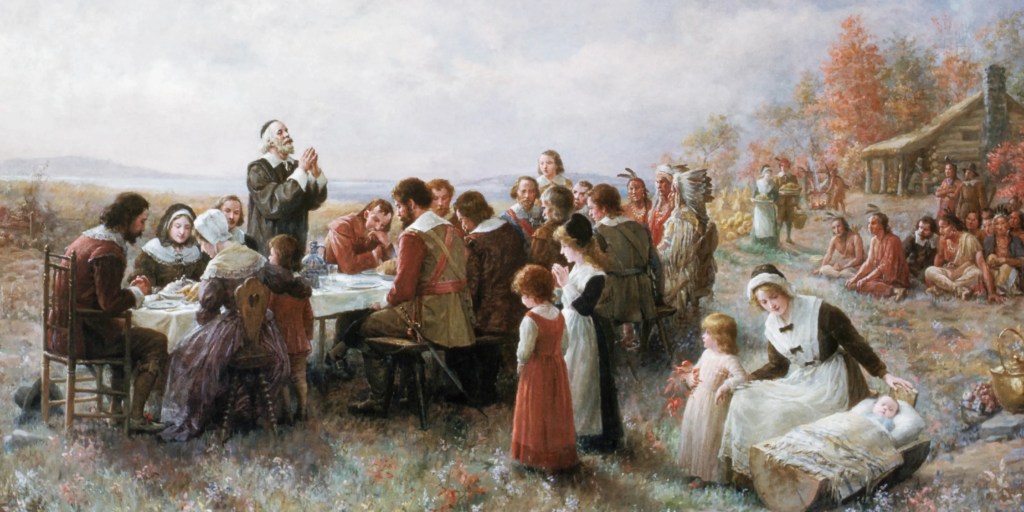
Happy and Blessed Thanksgiving to each and every one of you and your families. This year as I was calling and wishing Happy Thanksgiving to everyone I could, a thought came to me. How strange Thanksgiving is as a holiday. What makes it so strange to me is because it really only exists in the United States and Canada. Perhaps this is because of the stories we hear from childhood of the pilgrims and the indigenous natives who sat down around a table and celebrated the first thanksgiving near Plymouth Rock in the 17th century.  Regardless of the historical circumstances, the story was beautiful because at its core, it emphasized a coming together, a celebration of thanksgiving with those around. Yet, what do we know about the those who gathered around the Thanksgiving table on Plymouth Rock?

(Here is a bit of history) The story of the celebration which we associate as Thanksgiving comes to us from a letter written in December 1621 by Edward Winslow, one of the people who sailed from England aboard the Mayflower in 1620. And in his letter, this feast didn’t happen on the fourth Thursday in November, nor was it about Thanksgiving. In fact, it took place over several days sometime between late September and mid-November and was considered a celebration of ending a successful harvest.  And those who attended were about 50 colonists, men, women, and children, and some 90 native men from the tribe of Pokanoket Wampanoag, including their king or chief Ousemequin. This celebration eventually became known as Thanksgiving because both for the Native’s and for the settlers, while celebrating a successful harvest, they also expressed thankfulness. They were thankful for the harvest, for the food on the table, for having survived the trip over from England. The day had no special meaning but rather showing gratitude and being thankful was very normal and a daily practice both for the settlers and the natives. This is the reason why Thanksgiving Day seems so strange.

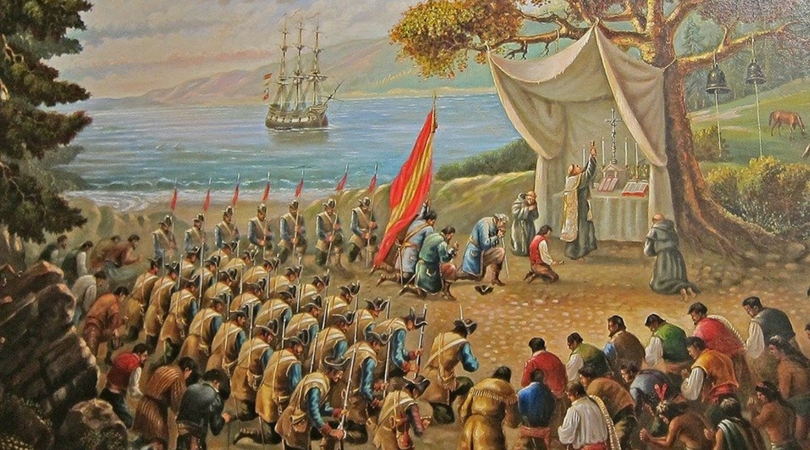
My dears, like the first settlers and the Natives, as Armenians, and more so as Christian’s, coming together for dinner with loved ones and giving thanks is not a once-a-year celebration. We don’t need a set date to gather, to reflect on all we are blessed with.  If you’ve ever been overseas and had dinner with Armenians in Armenia or Middle East, we raise our glasses toast after toast, we drink to life – genats, and remember all that we are grateful for. Thankful for our children, our parents, our soldiers, our health, etc. And most importantly, something we often forget, as Christian’s our first celebration of Thanksgiving is here, the Divine Liturgy, the Badarak, which we call the Eucharist – the Greek word for Thanksgiving. Not once a year, but always. Not just for the harvest but for all life.  If around our dinner tables we are lifting our cups and toasting by saying genats- to life, what about when we lift up the Holy Chalice, and the eternal life we are being offered here in Christ Jesus. This is real Thanksgiving and in fact, this is how the first Thanksgiving in the New World was celebrated.

Perhaps many of us may not know but, in 1565, the Spanish Catholics, celebrated their first Thanksgiving dinner in the colonial town of St. Augustine, Florida. When the Spaniards came over to the new world over 50 years before the Mayflower, they also tried bringing their Christian faith. Sadly, this was marred first by warfare. However, on Sept. 8, 1565, a Catholic Mass, Badarak, was celebrated, and historical evidence says that all who were present, including the curious natives, adored and kissed the Cross. And in an attempt to create a new relationship, the natives of the area brought out and shared their food and thus the Spanish Catholics and Florida Indians held a great banquet of thanksgiving – to God and each other. So my dears, let me ask what does the banquet at Plymouth Rock, the Spanish Catholic Mass and banquet, and our celebration of Badarak – the Eucharist, have in common? To answer this, we need to look back and apply at what I asked earlier, what do we know about the those who gathered around?

Some were Indigenous Natives while others were settlers. There was a mix of men, women and children of all classes and skin colors. People that didn’t necessary speak the same language, eat the same food, agree on politics, or even dress the same. Yet, we know that every one of them, just like every one of us is different. Like them we each have our own personalities, our own ambitions, our own thoughts, and goals, hope and desires. We each vote differently, eat differently, dress differently, laugh or cry differently. But we also, all struggle differently. We each have our own doubts, and fears. We have our own demons and skeletons, shortcomings, and weaknesses. What unites us, what gathers and brings us together my dears, is that as different as we are, we all are invited by God our Heavenly Father to gather together in celebration at His banquet table. This real celebration of Thanksgiving, that doesn’t look to what we have, what we struggle with, or what makes us different, greater or lesser, but who we are called to be.

In the Gospel today, Christ warns about those who only care about the material goods, titles or distinctions. “Take heed, and beware of all covetousness; for a man’s life does not consist in the abundance of his possessions….Therefore I tell you, do not be anxious about your life, what you shall eat, nor about your body, what you shall put on. For life is more than food, and the body more than clothing.” Life is more than age, skin color, job title or money. Life is a gift of God. And God calls all of us equally to share and gather. God’s love for all of us equally calls us to Him to be sharers of His blessings, of new life which we receive through the Holy Communion – the Holy Eucharist, which is the body and blood of our Lord and Savior Christ Jesus. And we approach that Eucharist, the Holy Communion, we gather here not because we are perfect, but because through the grace of the Holy Spirit, we recognize through prayer and repentance, God is our hope, love, renewal and life. We celebrate not a physical harvest but Divine harvest, of faith planted in our hearts and when combined with a desire to learn and grow that faith blossoms and strengthens feeding us and those around us. Holy Communion becomes the source of our virtues, of our strength to overcome darkness not just in our life but in the lives of other. Holy Communion becomes new life as the priest says every Badarak, “this is life, hope, resurrection, and forgiveness of sins”, and through it we become a witness to others of God’s love.

Yet too many people, too many of us, even if we are in Church, don’t have this desire to be in Communion with God, don’t have this desire of that new life. St. basil the Great says, “If in Church every Sunday, gold was given out, everyone would attend, but to receive life, too few.” We are content with being “nice” and only gathering around our tables at home with the people who make us comfortable. We give more importance to the physical and material joys in life, then to our spiritual life. We think that God will be pleased with us when we put a check mark on our own ideas of what a “good Christian” is. Thus, we don’t repent, don’t come to Church or come for the wrong reasons, reject Holy Communion from our lips and our hearts, and reject that life, that faith that is given to us through the Church. We don’t participate in the real celebration of Thanksgiving.

My dears, if those on Plymouth were honored by the presence of the Native King, we have Christ our King with us. If those who celebrated the harvest were grateful for all they had accumulated, think of the blessings we have that God fills our life with. If the Spanish, after warfare desired to heal the brokenness they had caused, and to preach their Christian faith, think about our own battles we are fighting, our broken relationships which we can heal in faith by the power of God. My dears, regardless of historical circumstances and the first Thanksgiving dinners, or even the dinners we gather around with our loved ones at home, this celebration, this relationship, and communion we have is the greatest celebration and remembrance of Thanksgiving. This is life.

And so, it is strange for me to only give thanks once a year because I am thankful to God every day. I am thankful for my joys, I am thankful for my pain that I entrust to God to teach me through. As St. Paul writes to Timothy and says, “We give thanks to God always for you all, constantly mentioning you in our prayers, remembering before our God and Father your work of faith and labor of love and steadfastness of hope in our Lord Jesus Christ.” Likewise, I am thankful for each of you, remembering you in my prayers for your work of faith and labor of love; I am thankful for my Church and for this Holy Table from where all of us are invited to feast from and receive life. My dears, pray for one another, and let us not wait once a year to be grateful. Let us not wait once a year to gather and show affection to those who matter in our life. Let us not wait for once a year to help those in need. Let us not wait once a year to come to Badarak. Happy Thanksgiving no matter where we are, who we are, for God in His mercy and love invites us all to come, pray, turn to Him, learn and grow in Holy Communion, so that through us, darkness will be filled with light, the blind will see, the deaf will hear, and new life will be given to all who seek Him. By the grace and love of our Lord Jesus Christ, may we gather in Thanksgivings always, Amen.