Քրիստոս Յարեաւ ի մեռելոց – Christ is risen!
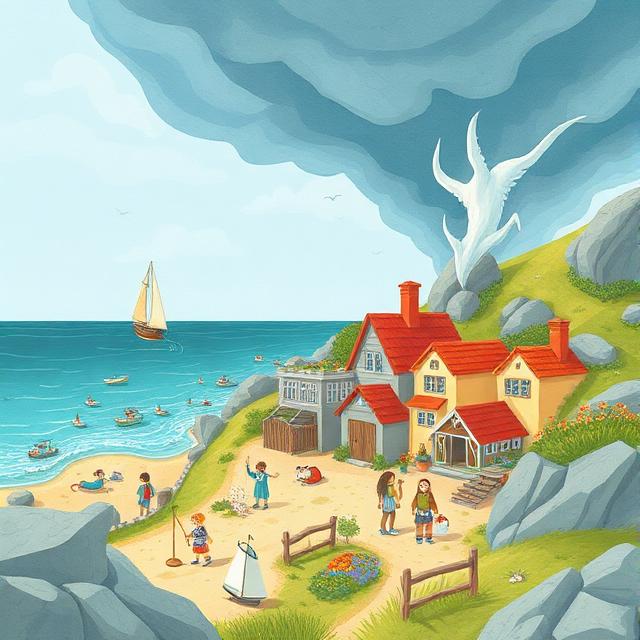
Who cares my dears? Who cares and so what if Christ is risen? This is a question we need to dare ask ourselves and allow it to pierce our heart and mind because who cares if Christ Jesus has is raised from the dead as we proclaim as Christians. This is not a denial of God but a challenge to us. Does the Resurrection of Christ truly matter to us? If we say yes, then in what way does it impact us? There on a large island, is a village that lived in constant fear of a great and terrible storm. For generations, they had been warned that one day a horrific storm would come with such force that nothing would survive it. So they built shelters, stored food, and spoke often about how to endure when the storm finally arrived. They taught their children and prepared them. One day, a messenger came running into the village with astonishing news: “The storm has already come—and it has passed. It has lost its power. You are no longer in danger.” The people, surprised, looked at each other and nodded politely. They thanked the man for the great news, and then turned around back to reinforcing their shelters, living in fear, as though nothing had changed. Nothing changed for the people even with the news of no more danger. The people would rather live in fear of a storm, rather than change their lives.
And that is the problem my dear brothers and sisters. We proclaim with joy: Christ is risen! But do we live as though death—the great storm of humanity—has truly been conquered? As Armenian Christian’s, as people who have endured persecution, and slaughter, who year after year remember the Genocide and what we have lost, who now gather proclaiming victory and sainthood of our Martyrs, those who became the foundation for us to live today, are we changed? What unites us? Fear, death, and loss? As individuals who are each battling a storm in our life, addiction, despair, hopelessness and fear, anger and arrogance, sin of all sorts, how are we changed when we proclaim hope and life in Christ? The tragedy of the story is not that the storm was dangerous—but that the people lived as though it still ruled over them, even after it had been defeated. The greatest tragedy for us my dears today is not that we have faced Genocide, not that we are seeing history repeat itself, not that we have darkness in our life.
The greatest tragedy is that we have allowed death to define us. We have allowed defeat, and persecution to unite us. We haven’t changed. We have placed our trust in the weakness of people to give us peace rather than the power of God. And so I ask, who cares if Christ is Risen, who cares that our martyrs are recognized as saints, who cares if we are able to gather and pray in our own language, in our Mother Church, who cares if we have been able to have families, dance and sing, love and grow, who cares when internally in our hearts and minds nothing has changed? If we care, how are we different? The St. Paul declares: “If Christ has not been raised, your faith is futile; you are still in your sins… But in fact Christ has been raised from the dead, the firstfruits of those who have fallen asleep” (1 Corinthians 15:17,20). If we truly believe that Christ is Risen my dears, then no genocide, no worldly authority, no storm, no darkness, no sin, no addiction, no pain, no worldly ideologies can define who we are; it cannot devalue us or break us.
That is why St. John Chrysostom proclaims, “let no one fear death, for the Savior’s death has set us free.” In other words, my dears, our strength, our response, our hope and our transformation is not merely found in words, but in the life we live. We need to be transformed and changed. Our how and why needs to be grounded in that Good News that the Storm has passed. How and why we love, how and why we go to Church, build careers and families, how and why we treat one another and ourselves with compassion, how and why we are here, how and why we are united, must be changed from fear of suffering, from anger, from shame into life with God. We are not united merely by shared history of death, but by the blood of Christ Jesus. Blood, that our martyrs gave; Blood that demands response; What kind of response, what kind of change?
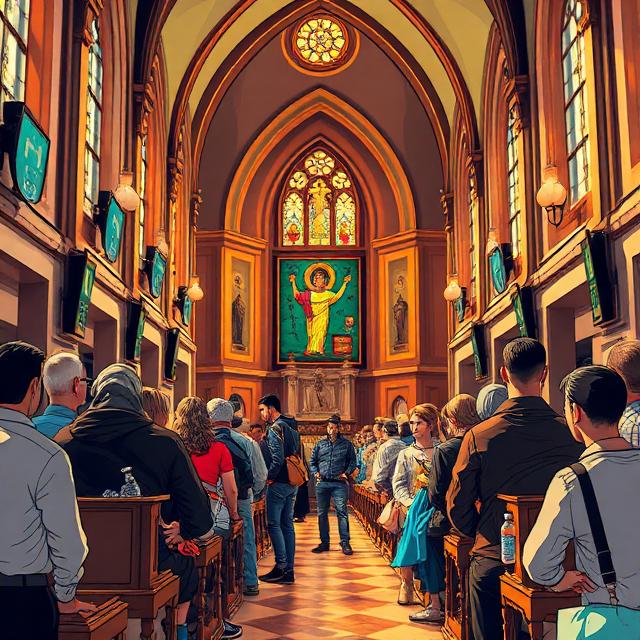
Humility, compassion and forgiveness. Humility to recognize we don’t have all the answers, humility to recognize that neither our brokenness nor our achievements in this life determine our value but the love of God, humility to come to Church focusing on God and not others. Too many of us whether we come to Church every Sunday or once a year, we come with arrogance. We look at the people around us and judge them for how they dress, how the speak, how they vote, how they live, and we think, “at least we’re not like them.” And it’s true! We aren’t like them. We are far worse! Because the worst patient that a doctor can have is one who thinks they don’t need healing and therefore ignore everything the doctor says. The Holy Church is a hospital, St. John Chrysostom teaches, for the sick and broken who are seeking healing, not a palace where we are looking to be glorified. God is who we glorify, not our egos.
This leads into compassion, and recognizing that just as I am suffering, just as others are suffering, we are all looking for peace, for healing, for love from God. And we can begin to therefore, forgive others and ourselves, because we know that nothing, no failure, no sin, not even death or genocide can separate us from God. Yes, we will feel hurt, yes, we will demand justice, but we know that our value is not determined by others but by God. And that is why we care. That is the so what to Christ being Risen. That with Christ we too are risen, we also live, and we will love and grow! We live today not because we fear death, not because we fear storms, but because our ancestors, our parents, placed their trust in God even when they faced immanent death. If Christ is Risen, then how do we respond?
The early Christians, our ancestors, did not merely believe in the Resurrection—they lived it. They faced persecution as they marched through the deserts, they gave without counting the cost and loved in a way that astonished the world. Because they knew that Christ had destroyed death, and nothing—not even suffering—could separate them from His life. If we truly believe, then we must care with our whole being. We must care enough to change, to struggle, to repent, to forgive, to love. We must care enough to live as those who have already begun to rise with Christ. For the Resurrection is not only something that happened to Christ—it is something that must happen in us. Do not be like the villagers who heard the good news but continued to live in fear. Instead, be witnesses—living witnesses—that Christ is risen. That we are risen. In our thoughts, in our words, in our actions, the world will see that death no longer reigns, that love is stronger than hatred, that hope is stronger than despair. For Christ is risen—and we will rise!

