On Earth and In Heaven

Daily Readings: Acts 23:12-35; 1 John 5:13-21; John 12:12-23
Ընթերցուածքներ` Գործ. ԻԳ 12-35; Ա Յով. Ե 13-21; Յով. ԺԲ 12 – 23

In the Name of the Father, Son and Holy Spirit, Amen!

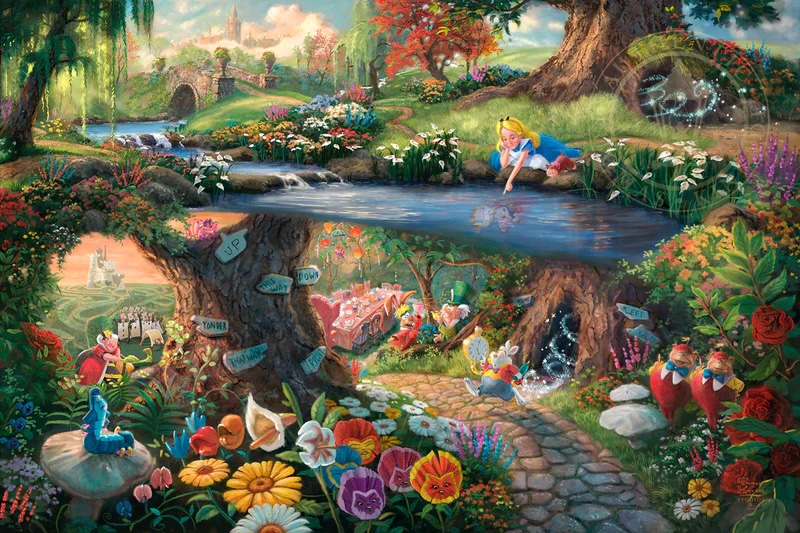
© The Thomas Kinkade Estate. All Rights Reserved.

Lewis Carroll in 1865 wrote an iconic children’s novel, Alice’s Adventures in Wonderland. The story follows a young girl named Alice, who falls down a rabbit hole into a world filled with strange creatures. This story is often interpreted as a story about a parallel world hidden beside ordinary reality. The “parallel world” idea comes from how Wonderland mirrors reality while still being a bit different. With strange characters and personalities, the world feels like stepping into a dream version of reality. Yet, by the end, Alice awakens from the experience, suggesting Wonderland may have been a dream — though the story leaves open the possibility that it was a real alternate world reached only through imagination.

This idea of parallel realities exists in many areas of our life my dears. In movies like the Matrix, in literature such as Alice in Wonderland or Chronicles of Narnia. While these are imaginative stories that have something deeper to teach us, who among us has not wondered if this world is all that there is? Is there another reality, another timeline, other worlds like ours? This imaginative questioning is especially alive in children. Have you ever seen a child look into a mirror? They wonder with amazement at the reflection staring back at them. Is that real? Is it another person in a world behind the mirror? As adults we know that the person in the mirror is us, reflecting with light. As for parallel realities or universes, I’ll leave to our imaginations and to film yet, within our faith my dears, I would argue we in fact do believe in an invisible reality, one that this life directly impacts.

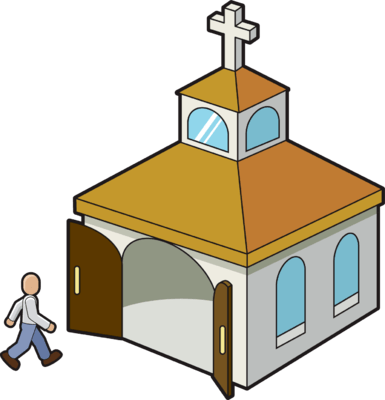
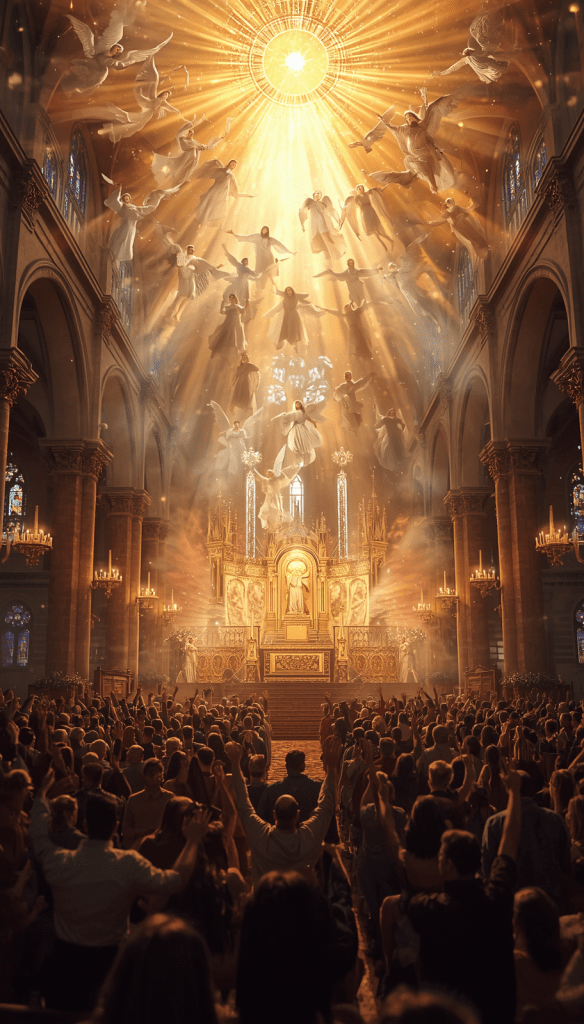
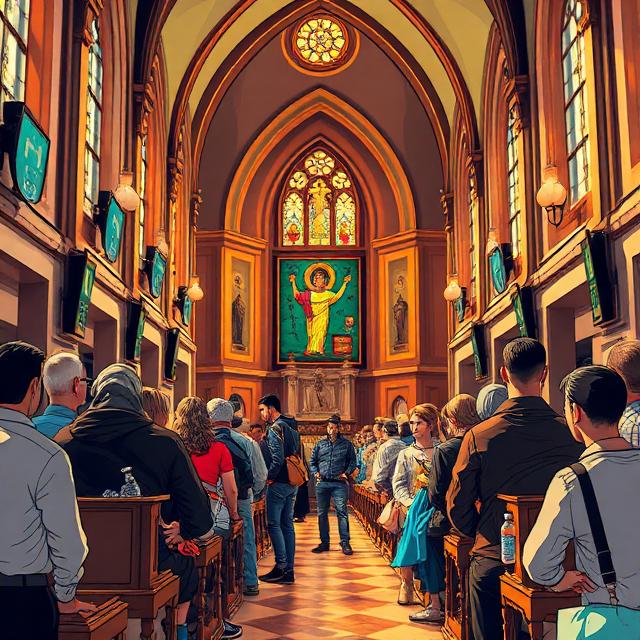
When we come to Church and confess our sins, what does the priest say? “…By the command of the Lord in the Holy Gospel, whatever is forgiven on earth is forgiven in Heaven.” This comes to us directly from Holy Scriptures from the words of Christ to His disciples (Matthew 16 & 18) teaching us that what we do here directly impacts us in Heaven. When we step into a Church, we are surrounded by icons, smell of incense, music, beautiful liturgical services, and we are taught from childhood that in Church we don’t talk loudly, we don’t cross our legs, we dress nicely, we don’t chew gum, etc. This isn’t because these things make us into bad people. Rather, again looking to the Holy Scriptures, when we step through the doors of the Church, we step out of the world and step into the presence of God, into the Kingdom of Heaven. We come into a new reality; a parallel reality. That is why from Isaiah we read of how seeing Heaven, he witnessed the angels singing and worshiping God “Holy, holy, holy is the Lord of Host; the whole earth is full of his glory” (Is. 6:3) and the Book of Revelations (4:8) as St. John lifts our eyes up to Heaven to witness this truth again. So my dear when we are in Badarak, when we step into Church, the name of the Church or the address listed does not matter; the priest and people don’t matter because even in an empty Church, we are all worshipping together, in the Kingdom of God, with all the angels, with the saints, with all humanity – we are worshiping God. We are in a parallel reality.

One day a priest saddened by the reality of his small empty Church decided to resign. He had tried his best, preached, visited, taught the Gospel but his community wasn’t growing, very few people attended services, they were aging, tired, and this led to him to be discouraged overtime; after all he is human. In his prayers he asked God for a sign hoping that even if his Church was empty, he hoped that his prayers were being heard. One Sunday morning he got ready to start Badarak and as the curtain opened and he turned to give that sign of peace, the Church before his eyes was full. The choir was full of people he recognized and of whom he did not. There were priest standing near him, praying with him and the Church was filled with warmth, light and prayer. Uplifted by this was a joyous celebration, he prayed fervently, he gave Communion, offered up his sermon and felt the power of God working through Him. At the end of Badarak, as he turned to do the final dismissal, the Church was suddenly completely empty with only a few of his older parishioners still there. The priest however did not lose heart but recognized, when we pray in Church, we are surrounded by the cloud of witnesses as St. Paul teaches; our prayers are heard, not just in this reality but in the presence of God.

What we do here is what is taking place in the Kingdom of Heaven my dears.. That is also why in the sacraments of the Church we emphasize, what we are doing visibly here, has an invisible reality in the presence of God. As we are reborn through our baptism, as husband and wife 2 become one, as a priest is bestowed with authority to forgive on earth – my dears, invisibly occurs in heaven. So yes, we are gathered in Church here today, in this reality and we are praying. We are praying for answers, and we are recognizing the love of God the Father through Christ Jesus, God the Son who died and is resurrected, who ascends into Heaven. Yet, my dears this love is not just limited to you and I, just to those who come to Church, who think and look like us. This love is not limited to this reality. God’s love is for all creation, for all time. Christ saves not just humanity but all creation that mourns because of sin. As we read, (Lk. 15:7) “I say to you that likewise there will be more joy in heaven over one sinner who repents than over ninety-nine just persons who need no repentance.” Teaching us that when we choose to live in sin, when we choose to hate, and remain unrepentant, the angels in heaven are saddened; yet, when we repent and come to God, they celebrate. What we do in this world, impacts the Heavenly world.

Today in the Armenian Church we are celebrating an invisible reality in the Kingdom of Heaven. For the Armenian Church it is known as Second Palm Sunday. This is a uniquely Armenian feast day and is told to us by St. Gregory the Illuminator, who while in the pit of Khor Virap his guardian angel visited him each day. However, on the fourth day of the Ascension, the angel did not appear. When St. Gregory asked where he had been the following day, the angel explained that on the fourth day of Ascension the angels celebrate and rejoice in the presence of Christ, of His entrance into the Eternal Jerusalem. While there is no scripture to verify this unique feast day, as we saw throughout many scriptural passages, what we do in this life is reflected in Heaven, our prayers here are reflected in the Kingdom of God; as we gather to celebrate here, the angels and saints celebrate in Heaven.

I say all this my dears to ask an important question because though it may seem imaginative or philosophical, the truth there is a deeper reality that if the material world ripples into the Divine world like a stone thrown into the water, what impact are we leaving in this reality? What life are we living, what decisions, what choices, what prayers are we echoing in this world that reflects in the parallel invisible world that is the Kingdom of God? When God created earth, He created it as a blessing for us through which to prepare us for what is to come. To prepare through prayer, humility, love, mercy, compassion; to prepare us through worship, through Holy Scriptures, through faithfulness. If the angels in Heaven serve and celebrate our faithfulness and yet, mourn and pray for our sinfulness, how do we, the children of God behave and live when the world chooses to reject God’s love, to be disobedient and remain dark? Do we pray for them? Do we look with compassion and serve in humility? For what we do in this world, reflects the Kingdom of God my dears for all to see, in all realities echoing over eternity. The man in the mirror, the imagination of parallel worlds and timelines, while fantastic and entertaining begs the question, whether fictional or real, what kind of reflection, what kind of ripple do we leave?

My dears, come and enter into the Kingdom. Come and pray; come and repent. Attend and learn the Holy Scriptures and worship not just in the Church building that may or may not be empty; but worship in the Kingdom of God. In His real presence, under His real love. And when we worship here, step back out of this invisible world, out of the Kingdom and step into the material world and live a life that reflects this place of forgiveness, healing and love, for others to see. For angels celebrate with us, the saints pray for us and what we do in this life, in this reality, directly impacts what will happen and what is happening in the invisible world to come. What will we see?

Christ Is Risen, So What?

Քրիստոս Յարեաւ ի մեռելոցChrist is risen!

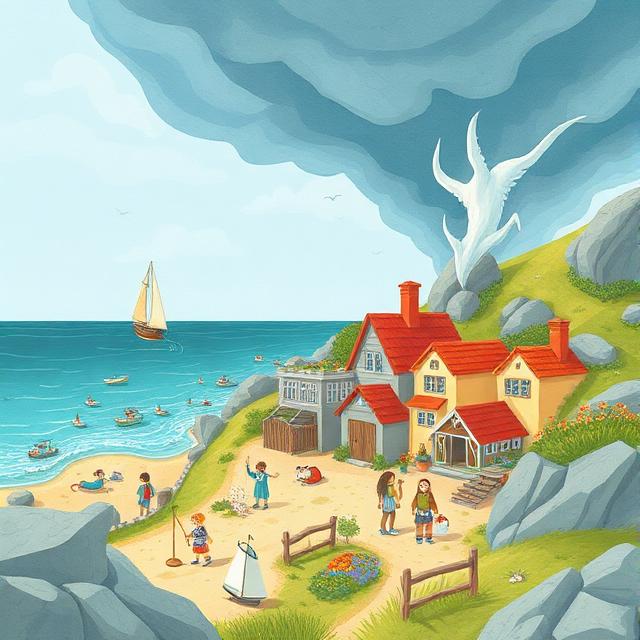
Who cares my dears? Who cares and so what if Christ is risen? This is a question we need to dare ask ourselves and allow it to pierce our heart and mind because who cares if Christ Jesus has is raised from the dead as we proclaim as Christians. This is not a denial of God but a challenge to us. Does the Resurrection of Christ truly matter to us? If we say yes, then in what way does it impact us? There on a large island, is a village that lived in constant fear of a great and terrible storm. For generations, they had been warned that one day a horrific storm would come with such force that nothing would survive it. So they built shelters, stored food, and spoke often about how to endure when the storm finally arrived. They taught their children and prepared them. One day, a messenger came running into the village with astonishing news: “The storm has already come—and it has passed. It has lost its power. You are no longer in danger.” The people, surprised, looked at each other and nodded politely. They thanked the man for the great news, and then turned around back to reinforcing their shelters, living in fear, as though nothing had changed. Nothing changed for the people even with the news of no more danger. The people would rather live in fear of a storm, rather than change their lives.

And that is the problem my dear brothers and sisters. We proclaim with joy: Christ is risen! But do we live as though death—the great storm of humanity—has truly been conquered? As Armenian Christian’s, as people who have endured persecution, and slaughter, who year after year remember the Genocide and what we have lost, who now gather proclaiming victory and sainthood of our Martyrs, those who became the foundation for us to live today, are we changed? What unites us? Fear, death, and loss? As individuals who are each battling a storm in our life, addiction, despair, hopelessness and fear, anger and arrogance, sin of all sorts, how are we changed when we proclaim hope and life in Christ? The tragedy of the story is not that the storm was dangerous—but that the people lived as though it still ruled over them, even after it had been defeated. The greatest tragedy for us my dears today is not that we have faced Genocide, not that we are seeing history repeat itself, not that we have darkness in our life.

The greatest tragedy is that we have allowed death to define us. We have allowed defeat, and persecution to unite us. We haven’t changed. We have placed our trust in the weakness of people to give us peace rather than the power of God. And so I ask, who cares if Christ is Risen, who cares that our martyrs are recognized as saints, who cares if we are able to gather and pray in our own language, in our Mother Church, who cares if we have been able to have families, dance and sing, love and grow, who cares when internally in our hearts and minds nothing has changed? If we care, how are we different? The St. Paul declares: “If Christ has not been raised, your faith is futile; you are still in your sins… But in fact Christ has been raised from the dead, the firstfruits of those who have fallen asleep” (1 Corinthians 15:17,20). If we truly believe that Christ is Risen my dears, then no genocide, no worldly authority, no storm, no darkness, no sin, no addiction, no pain, no worldly ideologies can define who we are; it cannot devalue us or break us.

That is why St. John Chrysostom proclaims, “let no one fear death, for the Savior’s death has set us free.” In other words, my dears, our strength, our response, our hope and our transformation is not merely found in words, but in the life we live. We need to be transformed and changed. Our how and why needs to be grounded in that Good News that the Storm has passed. How and why we love, how and why we go to Church, build careers and families, how and why we treat one another and ourselves with compassion, how and why we are here, how and why we are united, must be changed from fear of suffering, from anger, from shame into life with God. We are not united merely by shared history of death, but by the blood of Christ Jesus. Blood, that our martyrs gave; Blood that demands response; What kind of response, what kind of change?

Humility, compassion and forgiveness. Humility to recognize we don’t have all the answers, humility to recognize that neither our brokenness nor our achievements in this life determine our value but the love of God, humility to come to Church focusing on God and not others. Too many of us whether we come to Church every Sunday or once a year, we come with arrogance. We look at the people around us and judge them for how they dress, how the speak, how they vote, how they live, and we think, “at least we’re not like them.” And it’s true! We aren’t like them. We are far worse! Because the worst patient that a doctor can have is one who thinks they don’t need healing and therefore ignore everything the doctor says. The Holy Church is a hospital, St. John Chrysostom teaches, for the sick and broken who are seeking healing, not a palace where we are looking to be glorified. God is who we glorify, not our egos.

This leads into compassion, and recognizing that just as I am suffering, just as others are suffering, we are all looking for peace, for healing, for love from God. And we can begin to therefore, forgive others and ourselves, because we know that nothing, no failure, no sin, not even death or genocide can separate us from God. Yes, we will feel hurt, yes, we will demand justice, but we know that our value is not determined by others but by God. And that is why we care. That is the so what to Christ being Risen. That with Christ we too are risen, we also live, and we will love and grow! We live today not because we fear death, not because we fear storms, but because our ancestors, our parents, placed their trust in God even when they faced immanent death. If Christ is Risen, then how do we respond?

The early Christians, our ancestors, did not merely believe in the Resurrection—they lived it. They faced persecution as they marched through the deserts, they gave without counting the cost and loved in a way that astonished the world. Because they knew that Christ had destroyed death, and nothing—not even suffering—could separate them from His life. If we truly believe, then we must care with our whole being. We must care enough to change, to struggle, to repent, to forgive, to love. We must care enough to live as those who have already begun to rise with Christ. For the Resurrection is not only something that happened to Christ—it is something that must happen in us. Do not be like the villagers who heard the good news but continued to live in fear. Instead, be witnesses—living witnesses—that Christ is risen. That we are risen. In our thoughts, in our words, in our actions, the world will see that death no longer reigns, that love is stronger than hatred, that hope is stronger than despair. For Christ is risen—and we will rise!                

Over the Weeks, Months and Years…

Daily Readings: Acts 5:34-6:7; James 3:1-12; John 1:1-17
Ընթերցուածքներ` Գործ. Ե 34- Զ 7; Յակ. Գ 1-12; Յով. Ա 1-17

Christ is Resurrected from the Dead – Blessed Is the Resurrection of Christ
Քրիստոս Յարեաւ ի Մեռելոց – Օրհնեալ է Յարութիւնն Քրիստոսի

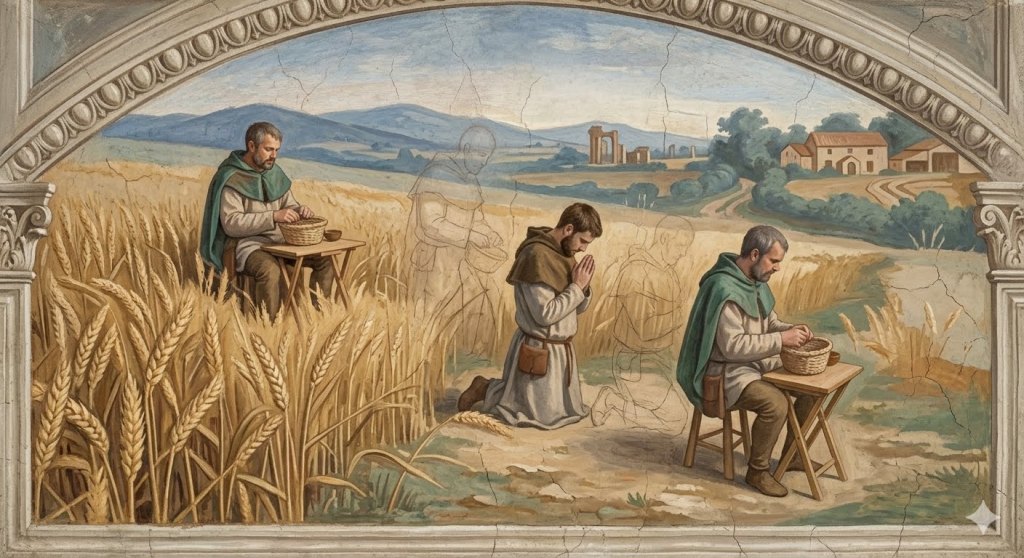
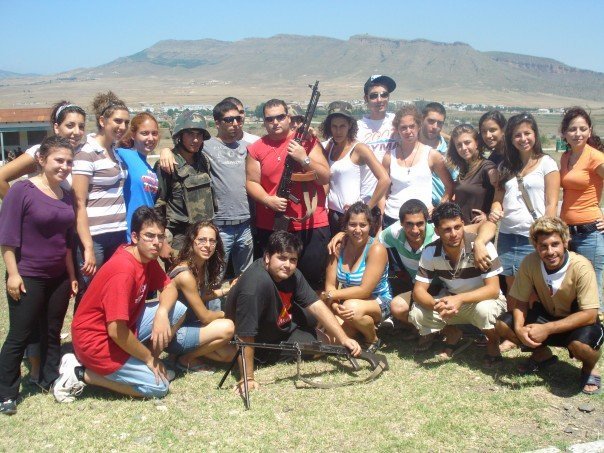
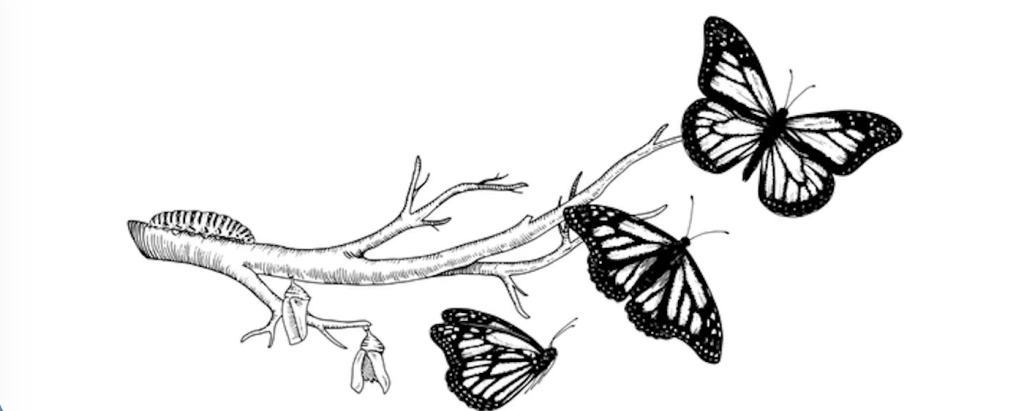
In 2007 I remember joining a group of Armenian Church youth from Canada who traveled to Armenia as volunteers. We lived in villages in Armenia while doing volunteer construction work, teaching the local kids, while also going on excursions to see the beauty and history of Armenia. It filled us all with pride and uplifted our spirits, because we felt a much deeper and appreciative connection to our homeland. When we returned home, we all stayed closely connected, we all attended more Armenian cultural and religious events. We appreciated where we were from and wanted to do more. Yet, over the weeks, months and years, this feeling disappeared. Many in the group stopped attending Church and cultural events, almost all of us stopped messaging each other, and life went on. Many years later, while I was a student in Jerusalem, I met a group of Armenian Church youth who from this Diocese came to Jerusalem as pilgrims. I witnessed the raw emotions and internal questions of faith, as the young men and women, walked the path of Jesus, prayed in ancient temples in their Armenian language, saw the history of not just the world but of our own people in the world. And revitalized, everyone returned to their parishes where they began actively attending their Churches, reading their Scriptures, going to Bible Study, wanting to learn more. Yet, over the weeks, months and years, this feeling disappeared. Life got busy, dating, marriage, careers, and so forth took priority and everything else stopped.

Perhaps my dears we have all felt this way at some point. Not just by going to Armenia or Jerusalem, but even in our everyday lives. When we feel connected and revitalized to do better, work harder, go to the gym, eat healthier, study more, and be more prayerful. Yet, over the weeks, months and years, this feeling disappears. Last week, we celebrated Holy Week, the high point and most difficult religious Christian experience of the reality of Christ Jesus’ being betrayed, tortured and killed for our sins. And the week climaxed with Easter Badarak, with the resounding words of Christ Is Risen, where we witnessed our Churches were filled with faithful. We felt good looking in the pews and seeing how the Church was full. And yet, we are now 1 week later, what changed? Today our Eastern Orthodox brothers and sisters are celebrating Easter, the Resurrection of our Lord, what will change for them next week? Will Church be full? Will we still be energized? What changed? My dear brothers and sisters, nothing has changed and that is the problem.

Our faith must change us, must renew us, and transform us. When we live our faith, it means we need to be changed by it so that what we feel is not merely an emotion but a reality. In the same way when we go to Armenia, when we go on a pilgrimage to Jerusalem, when we volunteer, when we try to better ourselves; if all we are doing is on the surface, eventually that feeling stops, success fails and we go back to being disconnected. Christ Jesus changed death into life, Christ Jesus changed brokenness and rejection into love and hope. That is what our faith is, a response to be changed, and transformed. Changed in how we behave, how we think, and overall live out our lives. Changes that take place over the smallest things, which is why James in his letter gives the example of the rudder on the boat, or the small flame that engulfs the forest. Small changes in how we live. God isn’t saying we need to become hermits or stop everything else but rather, my dears, God wants us to be with Him in our everyday, by recognizing His love. A love that teaches us every day Christ is born and revealed for us, everyday Christ is Risen from the Dead for us. And every day, Christ walks with us.

Elder Paisios of Mt. Athos says, “For true monks and believers, every week is Holy Week. When you think divine thoughts, you live through these holy events. You are transformed.” In other words, we don’t need a date in the calendar to respond and celebrate God’s love. We need only to humble ourselves, and seek Him daily, come to the light and be renewed. Today in the Armenian Church we call it “new Sunday” or “re-Easter”, because we again having been renewed celebrate God’s presence in our life, as His children. That is why in the Gospel we remember, “But to all who received him, who believed in his name, he gave power to become children of God; who were born, not of blood nor of the will of the flesh nor of the will of man, but of God.” To become, as in to be something they were not, receive something we don’t have; and we are called to become, receive His love and be changed into the children of God. For each of us this path is different, for each of us this process is different, yet for all of us it begins with Christ Jesus. And over the days, weeks, months and years, faith will not disappear but we will be changed.

Come and pray, seek and ask, thirst and drink. Don’t wait for Christmas and Easter, or an arbitrary day in the year to begin walking with God. God loves us every day! Christ calls all of us daily and send the Holy Spirit to show us the way, providing us the means by which we can truly be changed, and transformed. And seeing the wonderous and glorious works of God we will always be revitalized and strengthened in our faith, and we will continue sharing His light with this darkened world. May the grace and love of our Lord Jesus Christ be with us all, Amen!

“6-7”?

Passages: Is. 56:1-57:20; Eph. 4:17-5:14; Lk. 16:1-31
Ընթերցուածքներ՝ Եսայ. ԾԶ 1- ԾԷ 20; Եփես. Դ 17- Ե 14; Ղկ. ԺԶ 1-31

In the Name of the Father, Son and Holy Spirit, Amen!

In a world with options and ever-growing trends, it’s often difficult to keep up to date, be in the know, and always stay relevant. Whether its fashion, music, celebrities, or technology, the world around us is constantly growing. This past summer at camp, the kids kept laughing and lifting up their hands in a dance, each time an instructor would say the numbers 6-7, because it had become popularized through the song “Doot Doot (6 7)”. What about parachute pants? Or mesh shirts? What does it mean if someone says, “Austin 3:16” or if begin a song with the words, “I wanna be the very best, like no one ever was…”? How many of us remember these trends Especially with social media, new trends spread fast and if you’re not on Tik Tok, or other social media, or if you don’t have a kid at home who is following along, you’ll get left behind. Yet, even as adults, we have our trends, things we pay attention to. The economy, war, the news, things happening at work, etc. If we don’t pay attention, if we don’t stay up to date, we will get left behind.

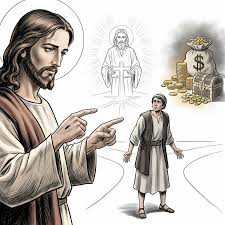
As Christian’s, we recognize that everything we have in life, our body, our wealth, our material possessions, technology, money, etc. are blessings given to us by God. They give us joy and provide for us means to make friends, build relationships, help those who perhaps are unable to have or who are struggling for whatever reason. It is for this reason in the Gospel today, we read, “And I tell you, make friends for yourselves by means of unrighteous mammon, so that when it fails, they may receive you into the eternal habitations.” The unrighteous mammon is the wealth, the material, what is trending today, that we are called to use to build relationships and lift one another up. However, these words come to us at the end of the Parable of the Dishonest Steward, who was abusing what he had, and his responsibilities. In other words, my dear brothers and sisters, we need to first recognize that we are all stewards, caretakers, not masters, of what God has given us.

Yet, the truth is for too many of us, the trend, the money, our bodies, our material possessions have become the purpose of our life. In an effort to become a master over these things, we’ve become a slave to them. We see our value, our importance in what we have, or how our portfolios and 401K performs, or how trendy we are, how many likes and follows we can collect, even at the expense of others. Yet, my dear brothers and sisters, these things are not our master’s, they are tools given to us by God for a purpose. In Psalm 86 we read, “Among the gods there is none like you, Lord; no deeds can compare with yours”. Kind of strange that Scripture is acknowledging that there are gods but just that they are not like the Lord. Isn’t there only one God? Yes, my dears. However, as Christ continues in today’s passage, “we cannot serve two masters” means we need to ask ourselves, who or even what have we made into gods for us? What gives us value, or defines our purpose? Sex, drugs and rock n roll, Tik Tok, our jobs and education, what car we drive, which community we live in, what language we speak, what color of skin we were born with, who we voted for, our citizenship or immigration statues, our money, our bodies, our brokenness, our hurt, our addictions and scars? Which one of these things give us true value and purpose? None of them!

It is the love of God our Heavenly Father, the true master, who provides for us tools with a purpose – to lift each other up, heal the world, bring light to the darkness. It is the love of God the Holy Spirit, who guides us with meaning and purpose as participants in His majesty. It is the love of God the Son Jesus Christ, who takes our pains and brokenness, the rejection and irrelevance that the world says about us, and gives us life. My dears, trends change, the world is changing, what is deemed important and valuable today will be discarded and worthless or unfashionable tomorrow. God is, was and always will be the same! His love for us, even if we are the greatest sinner, will always remain; we will never be discarded or rejected by God. When we recognize our part in His Will, when we recognize that we are stewards called to take care of this world, take care of each other, and ourselves with the blessings we have in this life, than more of true richness and life will be revealed to us. We will begin to truly understand and see who God is.

But we cannot serve God and mammon. We cannot stay trendy and Holy. Be Holy my dears. Focus on your Holy Scriptures more than reading the comments on social media. Recite the words of prayer with our hands and not just lift up our hands when we hear the numbers 6-7. Come to Church not because it is filled with trendy and Holy people, but because it is filled with Christ who calls all people to Him. Use your youth to be an example of faithfulness and wisdom. Use your age and experience to draw others to God’s love. Use what blessings God has given us to be good and faithful stewards of God in this world. And this world will be healed, and we will be healed and the grace and love of God will be seen by all who seek it, giving Him glory now and forever, Amen.