One Man’s Trash…

Daily Readings: Is. 33:22-34:1; 1 Corinth. 1:18-24; Matt. 24:27-36
Ընթերցուածքներ` Եսայ. ԼԳ 22- ԼԴ 1; Ա Կորթ. Ա 18-24; Մատթ. ԻԴ 27-36

In the Name of the Father, Son and Holy Spirit, Amen
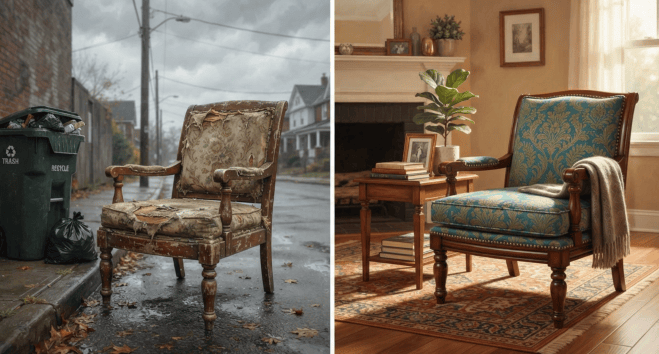
“One man’s trash is another man’s treasure.” In a society of abundance my dears, there are very few things that we would purchase used. Vintage, antique, collector items, and so forth have certain value yet, for the most part, when we go to a garage or yard sale, maybe a thrift store or Church bazaar, honestly, unless we are looking for something specific, there is a lot of trash. Used, abused, worn out things that clearly the seller just wants to get rid of. But it is interesting that while I may go to one of these sales and see trash, someone with an expert eye will look and see value and treasure. I remember once going to a Church festival yard sale in New York and didn’t find anything valuable. Whereas Yeretskin (my ife), who was with me, saw these white dinner plates that caught her eye. Turns out it was a full dinner set of the well-known British Spode fine bone china. For me, it was plates and weight that I would have to carry; yet, for someone who understood the value of the craftsmanship and prestige, it was valuable. The plate didn’t change; it was the perspective of the person who viewed it.

No one wants trash. Yet the underlying premise of the saying “one man’s trash is another man’s treasure” emphasizes, while someone else may see value, there are things in life that we view as unwanted, unnecessary, and we discard them. Sadly, the truth is we use this same approach towards each other and other people. We see certain members of society, of our own community or family members, priests, laity, elders, youth, and so forth as trash, as ugly. We look at beggars, and prostitutes, junkies, and alcoholics as lesser. We look at those who vote different than us, who dress, speak and act strange as lesser. As uneducated, stupid, foolish and devalued. And while no one likes to be called foolish or stupid, no one wants to be seen as garbage, yet we even treat ourselves this way. We look at our scars, our sins, our addictions, our mistakes, the cracks and worn-out marks on our hands and think we are worthless. We hold up in esteem those who are educated, who dress well, who speak eloquently, who fit our own ideologies of proper and valuable. We look at celebrities and influencers, who hide behind filters, and think they are valuable, not I.

Yet, my dears, in the same manner that the value of the plates did not lessen because I didn’t understand rather it was the one who understood their value that made them important, for God, our value is not defined by the world. St. Paul even reminds us that God uses the foolish, the undervalued, the rejected, to reveal Himself. (vv.20-21) “Where is the wise? Where is the scribe?…Has not God made foolish the wisdom of this world? For since, in the wisdom of God, the world through wisdom did not know God, it pleased God through the foolishness of the message preached to save those who believe.” God sees us not for our foolishness, brokenness, or sins, God sees us not for our achievements and wealth; God sees and loves us because He knows our value. Evil has convinced us that sin and shame has made us worthless, yet, through Christ Jesus, we are called to understand that we are in fact priceless. We are love and transformed, not by anything we do but by God. The plates I saw at the Bazaar didn’t change outwardly. Yet, they were valued for what they were, when they were used for their purpose.
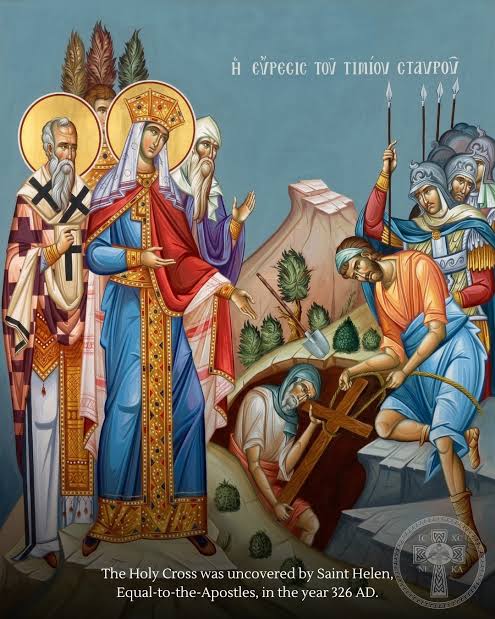
Likewise, us my dears! When we in faith humble ourselves, when we repent and turn to God, when we pray and read Holy Scriptures, outwardly we may not change, our scars may not disappear, and society may still think of us as foolish. Yet, we will live purposefully for God’s kingdom; we will become the very instruments that declare God’s love for all, our value will be revealed. In the same way, the Holy Cross my dears, is for us. Today in the Armenian Church we celebrate how St. Queen Helen discovered the Holy Cross of our Lord. The Cross which was a tool of death, humiliation, shame and fear. Yet, which through the blood of Christ was transformed to be a sign of victory and life for us Christians. No, the wood did not change, and yes, historically Roman’s continued killing criminals on the Cross. Yet, through the death and resurrection of Christ Jesus we understand, that physical death is temporary; that shame and sin do not have the final verdict on us. That the love of God the Father, Son and Holy Spirit sees where our true value is – not determined by language, skin color, IQ or wealth. But by the image and likeness of God in which we were originally created.

Yes, for the rest of the world the cross, we, our faith may be trash, may be foolishness, may be something that would rather be discarded. However, for us foolish ones, we who are born of the Holy Font, who receive the Body and Blood of Christ Jesus, we, who look to the empty tomb, no matter how used, abused, worn out we feel, we know with certainty that the love of God for each one of us is where our value lies. Each person’s value lies. Therefore, we pray for God to open our eyes to this truth; we turn to Him asking to be healed, and to us to be revealed, not our worthlessness according to the world but of our pricelessness according to the grace and love of our Lord Jesus Christ, through whom we are embraced in the love of our Heavenly Father, and by the Holy Spirit our eyes are illuminated to see with a new perspective that for the world we may be trash, but to God we are His treasure, Amen!

What Qualifies Us

Daily Readings: Is. 20:2-21:6; Gal. 4:3-18; Lk. 4:14-23
Ընթերցուածքներ` Եսայ. Ի 2- ԻԱ 6; Գաղ. Դ 3-18; Ղկ. Դ 14-23

In the Name of the Father, Son and Holy Spirit, Amen!

Sitting in an interview, James nervously answered each question he was given. “What are your strengths? What are your challenges? Why makes you fit for this position?” Then the final question – “where do you see yourself in 5 years?” Most of us my dears, have faced these questions. Whether in a job interview or in our self-reflections, we have in some way pondered about our strengths, our weakness or challenges, about what makes us a good fit and ultimately, where we see ourselves in the future. Yet, the truthfully, I wonder if we have ever placed these questions within the context of our faith. Within the daily practice of being a Christian, how many of us have wondered where our strength is, where do we still need to strengthen? And knowing ourselves, have we ever thought why would God place me in the position or environment I am in? And where does this all lead?

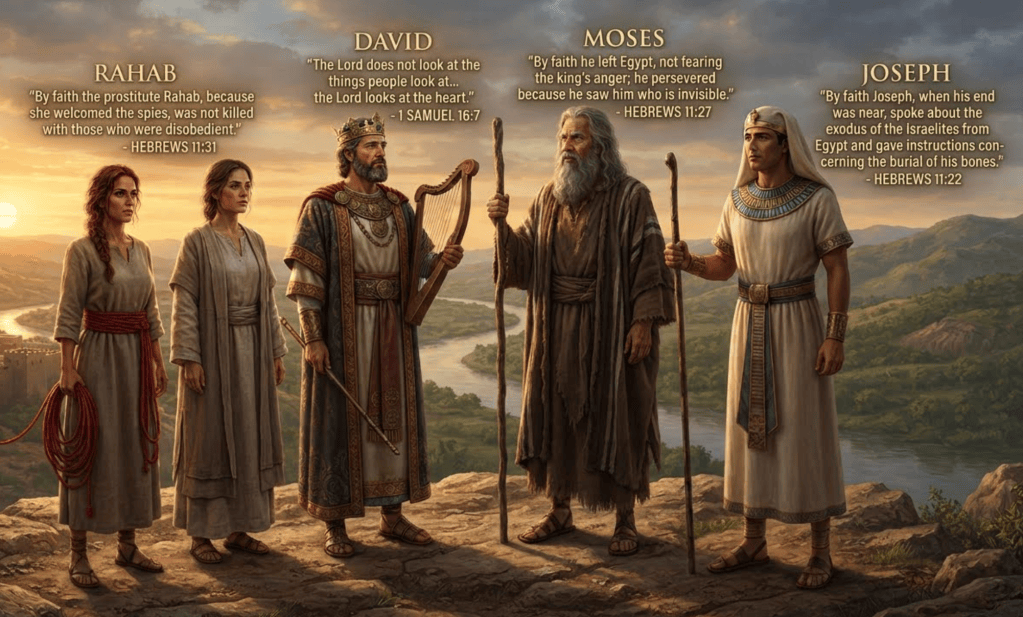
Throughout the Holy Scriptures, we read of how God repeatedly chooses the most unlikely candidates. King David, who was a shepherd, Joseph – a rejected brother who would rule over Egypt, Moses – an adopted son who had a speech impediment; what about Rehab, who was a prostitute but who later helped the Israelites win their war; or even the 12 Apostles, fishermen, tax-collectors, murderers, and rebels. None which in a job interview would be the preferable candidate, and yet, God chose them. Each with strengths certainly but with weakness and challenges that would make us pause and think – clearly, they are not the best fit. Yet, all who, when they trusted God, saw the fruitfulness of their faith not measured in years but in growth of faith. And this my dears, is where we fit.

God our Heavenly Father, has a place for each one of us. Christ Jesus died for you and I, calling each of us towards a meaning and purpose. When we respond to God, when we through confession, repentance, prayer and humility trust God, the Holy Spirit descends upon us and guides us to understanding that meaning and purpose. In the Gospel today we read of how Christ in the Synagogue read the words of Isaiah (Is. 61), “the spirit of the Lord is upon Me, because He has anointed me to preach the gospel to the poor; he has sent me to heal the brokenhearted, to proclaim liberty to the captives and recovery of sign to the blind, to set free those who are oppressed and to proclaim the acceptable year of the Lord.” (v.18-19) Christ here is revealing to us, why He has come into the world – to preach to the poor, to heal the brokenhearted, liberty to captives, sight to the blind, acceptance to the oppressed and declare the year of the Lord. And yet, Christ is also revealing to us, that when the Spirit of the Lord is upon us, we too are charged with this meaning and purpose.

The poor to whom Christ has come to are not merely the materially impoverished – but the Gentiles, those who do not have the laws, the prophets, those who don’t know about the love of God. There are plenty in the world who do not know this love today, and we are called to preach to them through the life we live. The brokenhearted to whom Christ comes to heal, are the Israelites who though they were the chosen people, have placed their trust in others, leaving them hurt. There are plenty in our own families, Church communities, who are baptized, or who came to Church at one point and yet, have now gone astray and are searching for something deeper. To them we are often the only example, the only invitation to come back. The captives Christ liberates, the oppressed are those who have fallen victim to the lies of this world; politics, material wealth, sex, drugs and money. Those who believe freedom is in these things and yet, who have now become slaves to those. It is to them we are sent out to be an example of, in our weakness, in our own shortcomings, to show that true freedom is only through Christ. The blind are those who can’t see their errors, things I just mentioned. That their trust is misguided, that they are trapped, and hurt in darkness. Yet, by the light of God, their paths are illuminated.

Yes, this is why Christ has come, and this is why Christ calls us. To live faithfully, and purposefully. And before we worry that these are too lofty or difficult. My dears, it is only by the Holy Spirit, says, St. Irenaeus, that we can live in this way. The Holy Spirit that anointed David as King, gave Joseph wisdom as a ruler, that guided Moses through the desert, or moved Rehab’s heart to the truth, and descended upon the Jordan River, and upon the Apostles in the Upper room, the same Holy Spirit that descends upon us in our baptism. How we live therefore, by that Spirit, is how we faithfully fulfill our purpose my dears. “We must love others and pray that no soul be lost, that all may enter into the Church.” (St. Porphyrios) By loving ourselves and repenting, by loving our children and teaching, by loving others through how we treat neighbors and peers or the strangers in the street, those who are different than us, who are on the wrong path, who are blind to the truth, who have become slaves to their darkness. Love of God liberates us not litigation of policy.

My dears, what are our strengths? What are our weaknesses? What makes us fit for this position? Knowing my past my dears, I often wonder why God allowed me to become a priest. Perhaps some of us, if not all of us, knowing our own past, might wonder how God could ever use us? Through His love for us, Christ Jesus, reminds us, that when the Holy Spirit is upon us, it is no longer us but God’s light through us. And when we are faithful, 1 year from now, 5 years from now, 10 or how ever many years we have left on this earth, what we will see is the year of the Lord (v. 19) declared. We will become the reason and person God uses for His Holiness. In humility, prayer and repentance ask for wisdom, understanding and hope. Love and pray for all, so that as one body, as the Holy Church, as the children of our Heavenly Father, we will bring glory to Him, with the Son and Holy Spirit, Amen!

What Does God Actually Want?

Daily Readings: Is. 19:1-11; Gal. 2:1-10; Mk. 12:35-44
Ընթերցուածքներ` Եսայ. ԺԹ 1-11; Գաղ. Բ 1-10; Մկ. ԺԲ 35-44

In the name of the Father, Son and Holy Spirit, Amen!

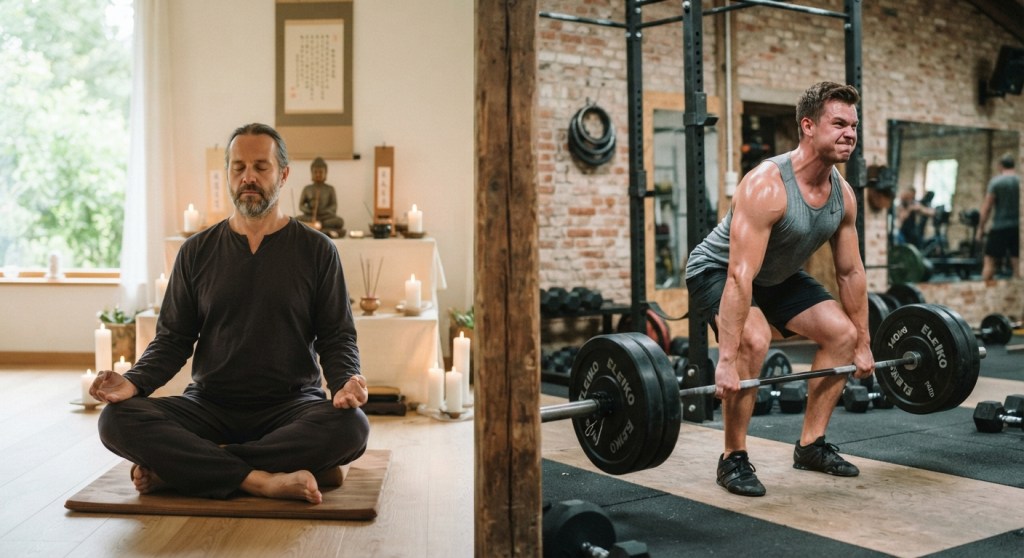
There were two men who had decided to change their lives. One of them had decided he needed to strengthen his spirit. He fasted, eating nothing but a handful of dried lentils and stale bread. He spent days praying, hours reading over Scripture and attending long hourly services in Church. He avoided spending time with people, only traveling to work, Church and home. Though he invested all this time to strengthen his faith, yet, his mind was like a constant chaotic storm of pride, and exhaustion. He struggled with temptation; often looked around at others and saw them as weaker and lesser. On the other hand, the other man decided he would spend his days strengthening his mind and body. He kept a strict diet, exercised, journaled, and overall felt physically stronger. Yet, his heart was troubled. He kept failing at his relationships, his mind kept wandering and though he spent time with friends and colleagues, he always felt alone and misunderstood. Both men with completely different priorities yet, almost the same difficulties and challenges.

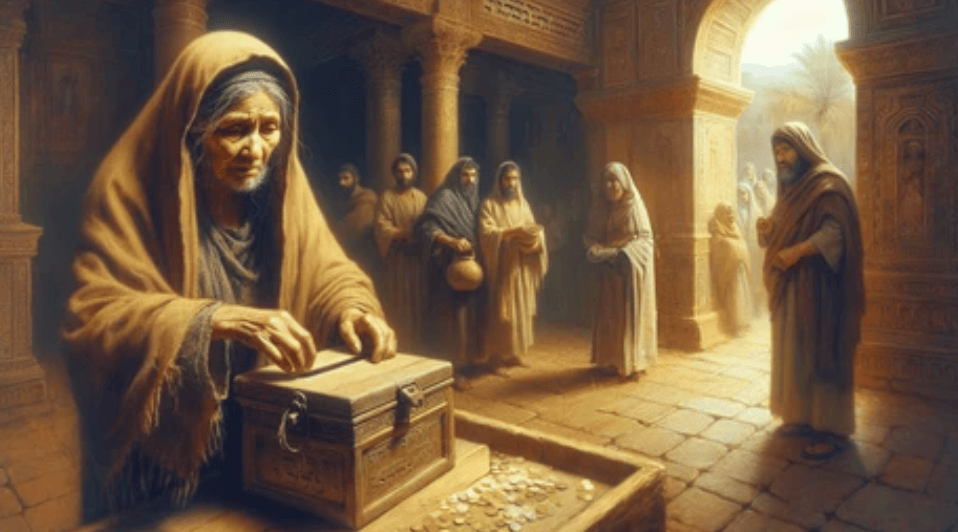
In the Gospel today, as Christ is teaching in the temple, we read of a large crowd having gathered to hear Him. “He sat down opposite the treasury and watched the crowd putting money into the treasury. Many rich people put in large sums. A poor widow came and put in two small copper coins, which are worth a penny.” We all know this story very well, of how what the widow gave was worth more than that which the wealthy gave because she gave all rather than out of her abundance. My dears, while most of us are not widows, and perhaps some of us would say we truly try to give God all we have, yet, what does God want from us? Is it our 2 coins? Perhaps it is our time, energy or appreciation? After all Divine Liturgy, the Badarak is also called the Eucharist, or prayer of Thanksgiving. The trouble is many of us focus on the things the widow gave, the 2 coins. Yet, Christ gives us the example of a widow, therefore, to understand today’s story in the Gospel of Mark, we need to first also understand who the widow is.

We would define a widow, as a woman who has lost her husband due to death. In the same way, a widower is the male equivalent. Yet, there is more than just the loss of a spouse, it is deeper than that. To be a widow or widower is to lose someone we love, someone we have come into a sacred union with, built a life around. As the Scriptures say, “husband and wife, two shall become one.” Therefore, the word widow(er), is loss of someone deeper. It is to be deprived of someone’s deep love and value. In fact, the Greek word χήρα (pronounced chēra or chíra), is rooted in someone who is being deprived, someone who is deficient or being left behind. Even the Armenian word, այրի (pronounced ay-ri), is rooted in the word for “empty,” “abandoned,” or “desolate”. And a widow in the time of Christ was someone like this; they had no voice, no rights, no real value. They were often abandoned, desolate, and left behind.

My dears, when we understand this, we recognize that though only some of us have lost a spouse in this life, yet, in some way all of us are the widow in today’s story. We have all felt loss, isolation, separation and deprivation. We have felt left behind, abandoned and empty. My dears, who among us has not felt this way in life? And what she gives is not merely all her money, but the Church Father says, she gives who she is. The two coins represent the body and the spirit. So often we strive to strengthen one or the other and yet, we fail to give importance to one or the other. We might eat well, exercise and so forth but deprive our spiritual health. Or we might fast and pray, come to Church, read our Bibles, but deprive our physical, emotional and mental needs. My dears, when Christ says, the widow gave not out of her abundance, but she gave out of her poverty, it is poverty based on the world. The world who says often we have no value, no statues, no purpose based on its arbitrary definitions; 2 tiny, worthless coins that would be better left behind. Yet, when we say God desires all of us, it isn’t merely long-winded prayers, nor is it our physical presence in the Church. Rather, God calls us as a whole person to be in Communion with Him. God wants those 2 worthless coins. God wants what others reject and say is worth nothing. To God it is, you are worth everything; God does not abandon us.

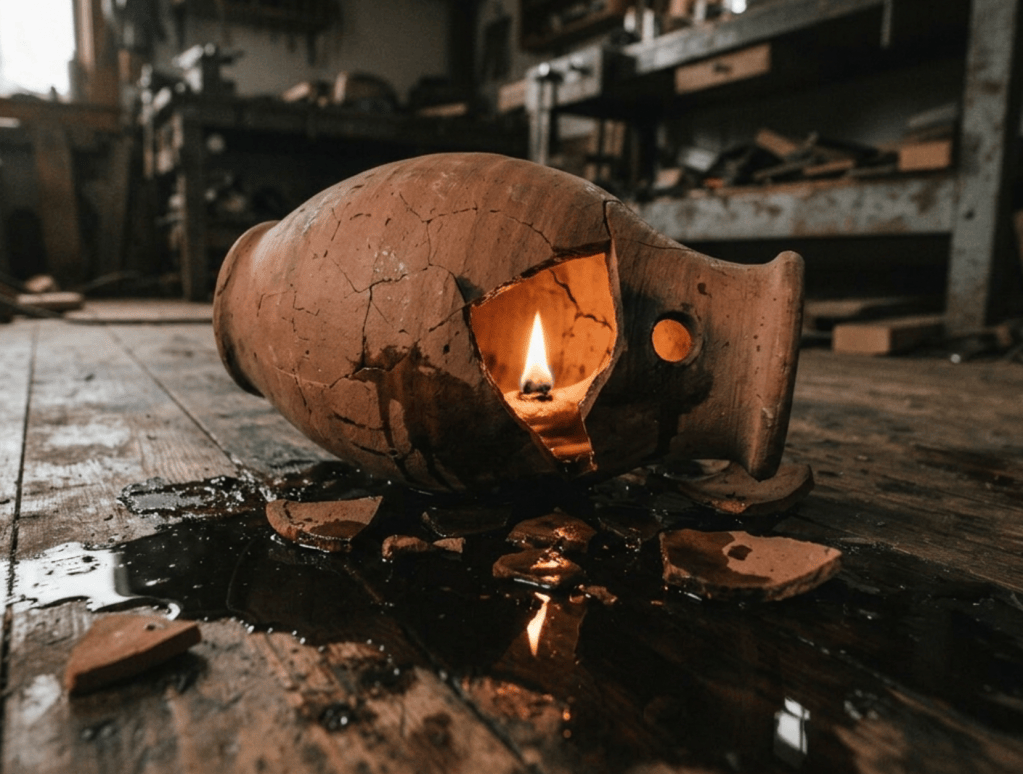
Ancient writers often said that “The soul is the flame, but the body is the lamp. If you do not pour oil into the lamp, the flame goes out. If you smash the clay vessel and do not take care of the physical, the oil spills, and the light is lost forever.” In other words, my dears, just like the two men in the story, we need to ask where have we chosen to put our focus in? What are we holding back from God thinking that other aspects are far more important? St. Paul repeatedly reminds us that we are not merely followers of the law, meaning the physical but we are saved by the Grace of our Lord. In the same way, St. Paul also reminds us that our faithfulness must be fruitful. But this can only happen my dears, when we fully come into communion with God the Father, Son and Holy Spirit, in physical and spiritual. That is why we read in 1 Thess. 5:23 “Now may the God of peace himself sanctify you completely and may your whole spirit and soul and body be kept blameless at the coming of our Lord Jesus Christ.”

Therefore, pray, repent, fast, come to confession, receive the sacraments with an earnest desire to be healed. Read the Holy Scriptures and writings of the Fathers; attend Divine Liturgy giving thanks to God. And doing so also exercise our mind, meditate on His Word, go for walks in nature, sit peacefully, lift heavy weights, be cautious of what we eat and drink and the company we keep, the way we dress, speak and behave. “So whether you eat or drink, or whatever you do, do it all for the glory of God.” (1 Corinthians 10:31) God gave us our soul; God gave us our body. Christ Jesus died on the Cross and was resurrected in save us completely. No matter what we’ve lost, no matter where the people say our value and importance is, no matter how empty we feel, God desires each one of us completely. When we give ourselves to our Lord, we too shall be lifted up out of loss and deprivation. We as one shall glorify our Heavenly Father, the Son and Holy Spirit, in body and soul, Amen!

Examine Your Closet

Daily Readings: Is. 17:7-14; 2 Corinth. 13:5-13; Mk. 11:27-33
Ընթերցուածքներ` Եսայ. ԺԷ 7-14; Բ Կորնց. ԺԳ 5-13; Մկ. ԺԱ 27-33

In the Name of the Father, Son and Holy Spirit, Amen!

How many of us my dears, in our closets have a shirt or pair of pants, something that after we lost weight or grew out of, we still have for some reason. We hold on to because “you never know.” Or the contrary, you have something that’s far too small motivating us that we’re going to one day weare it. It’s interesting because our church fathers actually say that the food in your fridge, the leftovers, the clothing in your closet, the shoes in your room, that you do not use are in fact sinful because they could be used by those who do not have. What we need above all else, when we look at those clothing those shoes is to ask, and be honest with ourselves, why are we holding on to those things?

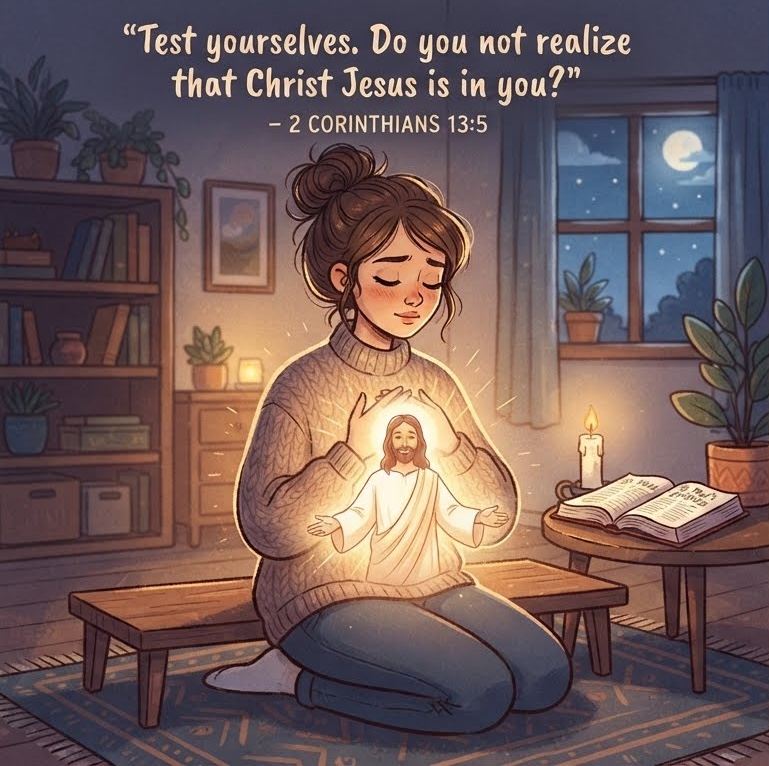
In the letter of Saint Paul today to the Corinthians, he begins by telling us, examine yourself, test yourself, do you not know yourself that Jesus Christ is in you? In other words, look at the life you live, look at your closet, look at the things that you are holding on to such as your past, perhaps your present. Why and what purpose does it serve? Is it Christ, is it Christlike or is it something else, of a life in the past? which we have no more control over, perhaps we live with regrets, or is it something that we are unsure of what may come in the future?

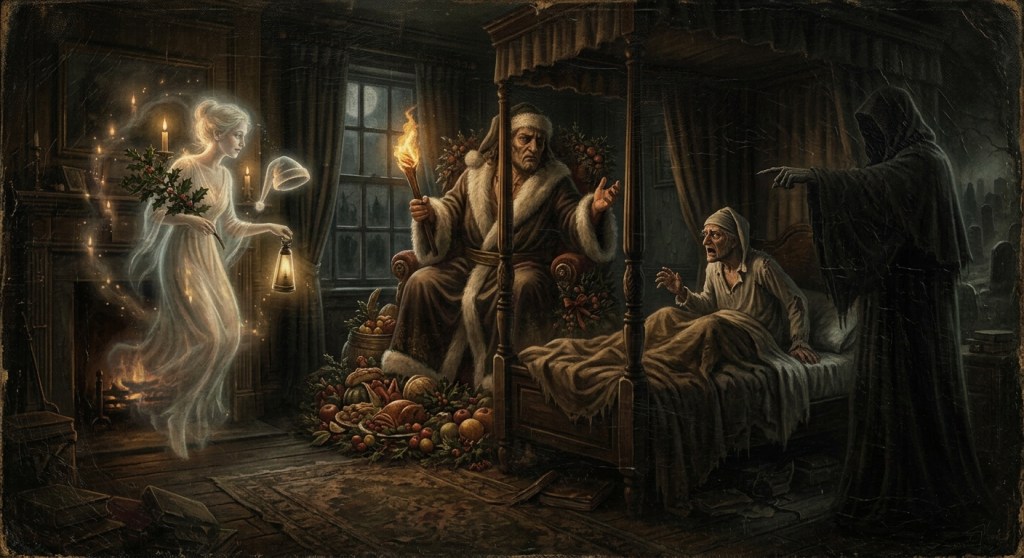
Last week, I spoke about Christmas and Halloween decorations in stores, and well another thing that happens in this time of the season is movies. Every few years, for Christmas we get another version of which movie? Ebenezer Scrooge! Ebenezer Scrooge who is this wealthy, very evil for a lack of word, man who is visited by 3 ghosts – the past, the present and the future, warning him, asking him examine yourself; look at the life that you came from, look at who you are now, and where is it going to lead? Ebenezer Scrooge eventually comes to the realization, what am I doing? Why am I holding on onto those things in the past that have filled me with bitterness today that in my future will, eventually lead me to loneliness, isolation and fear.

I don’t think any of us have a ghost that visits us, showing us our past, present and future. But we do have ghosts, shadows, we all have skeletons, we have things in our closet that we’re holding onto that we are fearful of either letting go, or we hold onto because we’re unsure of what the future will bring. My dears, what are we holding on to in our closets? What kind of life are we living, what are we filling it with? In the Book of Wisdom of Solomon, he writes, “my children have you sinned” in other words is your closet full of the past of things that you wish you could let go or things that you’re holding onto, “have you sinned? Go and don’t add more to it.” Flee from sin, pray for your former sin but flee from it as you would flee from a snake because when you approach it, it will bite you.

My dears, it doesn’t say live with regrets, it doesn’t say be angry about your past. Christ tells us to repent; Christ tells us to live as He commands us, and St. Paul tells us to recognize that we must begin by that self-examination because he continues that Christ Jesus is in you. What does that mean? What does it mean to have Christ Jesus in us? Keep Jesus in our closet right, only use them unnecessary? No, my dears! To have Christ Jesus in us, as Saint Paul says, is to ask are we living as Christ guided us and directed us in humility. In kindness, in mercy, and compassion. Are we imitators of that? The saying goes, and I know many of you have heard it, that “Saints around us our Saints because they sinned yet, trusted God, all saints have a past, and all sinners have a future.

Yet, the sad thing and the difficult thing my dears is that when we hold onto that past, we allow that past brokenness, that sin, that large clothing, that small clothing, that thing that we are afraid to let go, we allow that to define us, rather than Christ.  My dears, there is nothing that defines us, there’s no greater love, there’s no greater mercy, there’s no greater compassion, than of God. His love is greater than any brokenness that we might bring, addiction, hopelessness, despair, depression, murder, lies, cheating, adultery, idolatry, bring what it might be, without adding to it as Solomon says, without focusing on it and think that because we’ve messed up, because we’re broken, that we might as well just keep adding to it. Rather examining yourself, and ask how ever broken I am, is no is not greater than how powerful and loving and merciful my Lord Christ is. For there is nothing greater than that.

Therefore, examine yourself, let go of that piece of clothing, give what you have access of to others. Examine the life you live every day, not just in church but every where and ask is it Christ that is in me? Is it mercy and compassion and forgiveness that comes from me? Or is it something else that I’m holding onto. Hold on to our Lord, hold on and recognize that when we are humble, when we come asking for forgiveness, nothing defines us more than the love of God, nothing is greater, not our broken past, our difficult present or our uncertain future, than that which God has already done through His Son, Christ Jesus through whom we come into communion with the Father and Holy Spirit, and through whom we learn to live not just Christians here, not just as Christians when life is easy, but Christian’s healed of our past, strengthened in our present and prepared for the future, Amen!

Seasonal

Daily Readings: Is. 65:22-25; Gal. 6:14-18; Matt. 24:30-36
Ընթերցուածքներ: Եսայ. ԿԵ 22-25; Գաղ. Զ 14-18; Մատթ. ԻԴ 30-36

In the Name of the Father, Son and Holy Spirit, Amen!

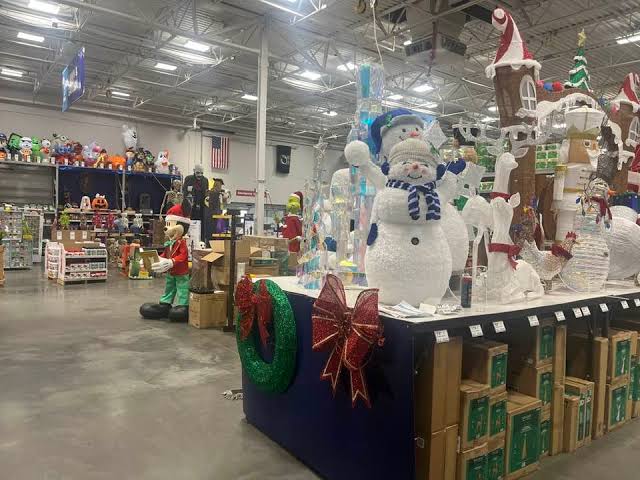
The days are getting darker; the weather is getting cooler and soon my dears fall and winter will be upon us. I always find it strange that in August, when I go to the stores, I start seeing Halloween, Thanksgiving and even Christmas decorations for sale. We barely start summer when we are already preparing to end the year. Of course, when we see these items in the store, they capture our attention and remind us that not only are these events coming up but summer is ending, and soon we will need to prepare for the colder months. What is perhaps surprising to some of us is that the Holy Scriptures do this as well. Not to live by worrying about colder weather but Christ gives us instructions, sets before us warnings, of what is to come and ultimately to ask, are we prepared.

In the Gospel of Matthew, we read about tribulations and difficulties that will come upon this earth, “then will appear the sign of the Son of man in heaven, and then all the tribes of the earth will mourn, and they will see the Son of man coming on the clouds of heaven with power and great glory.” Yet, after these trying times, Christ begins to talk about summer. “From the fig tree learn its lesson: as soon as its branch becomes tender and puts forth its leaves, you know that summer is near.” (v.32) Unlike department stores who are advertising seasons to bolster their profits, Christ is instructing us to pay attention to certain signs for another reason.

“Then will appear the sign of the Son of man in heaven, and then all the tribes of the earth will mourn…” The prophet Isaiah speaks about God’s judgment especially towards the rebellious and hypocritical Israelites. Those who claim to be faithful, to be God’s chosen, and yet, deny it with their lives and choices. Rebellious people who chose to follow their own stubborn ways rather than God’s will. And Isaiah says, this persistent of rebellion, will bring about God judgment which is coming for the disobedient, as a consequence, separating those who forsake Him from those who truly serve Him. These are the ones my dears who will mourn when they see that coming of Christ. They are the one’s caught unprepared for the winter. For them the Cross is foolishness today as St. Paul says but will be a cause of fear later. Yet, for the faithful, the Cross is a sign of victory and a remind that God does not abandon the faithful.

(vv. 22) “They shall not build and another inhabit; they shall not plant and another eat; for like the days of a tree shall the days of my people be, and my chosen shall long enjoy the work of their hands.” God declares His ultimate promise to create a new heaven and a new earth – harmony my dears for His beloved. This my dears the what the Holy Scriptures invite us to reflect upon.

When Christ gives the example of the fig tree and about the summer, He is reminding us that the “summer” represents calm and harmony, but only for the righteous after a harsh storm, contrasted with the final accountability for those who remain unprepared – who remain in the cold. In other words, my dears, ask of ourselves, what kind of life are we living? Are we like the rebellious Israelites, who pick and choose what we believe, what we practice from the commandments of God that fits our way of life? Are we hypocrites who come to Church, sing and pray, volunteer and “do” all the right things outwardly, yet, our hearts have become barren and cold to the commandments of God? The truth is all of us my dears, throughout our lives we all face difficulties; we all face storms and tribulations; we all experience the bitterness of life’s winter. Just as winter kills and silences nature, the “winter” of human life represents aging, illness, and the approach of death. Yet, if we remain faithful, if we focus on the Cross, by reading our Holy Scriptures, the Word of God, repenting and turning to God, asking for guidance and wisdom from the Holy Spirit, after those difficulties, we will see the fruits of the fig tree. We will see the harmony and summer of the blessings of God. In the same way, decorations and items in the store tell us about the change in seasons, the changing of the leaves on the fig tree tells the us that the cold, dead winter is passing and the warmth of summer is right at the door.

The invitation is therefore before us my dears; The signs are before us. The weather is already changing, the hours are getting shorter and the seasons are changing. Are we ready not just physically but spiritually? Pray for discernment; pray for wisdom; take hold of the life-giving Cross and seek the Lord in all our choices. When we see the signs, the warnings of life, when we face the bitter cold, trust in the Lord even more. Be ready to forgive, eager to repent, and filled with love for God. And we will not be counted among the rebellious hypocrites but faithfully, we will glorify our Lord and Savior Jesus Christ, with the Father and Holy Spirit; we will enjoy God’s harmony and the warmth of His embrace. We will take glory “in the cross of our Lord Jesus Christ, by which the world has been crucified to me, and I to the world.” Amen!

“But”

Daily Readings: Is. 49:13-23; Gal. 6:14-18; John 3:13-21
Ընթերցուածքներ` Եսայ. ԽԹ 13-23; Գաղ Զ 15-18; Յով. Գ 13-21

In the name of the Father, Son and Holy Spirit, Amen!

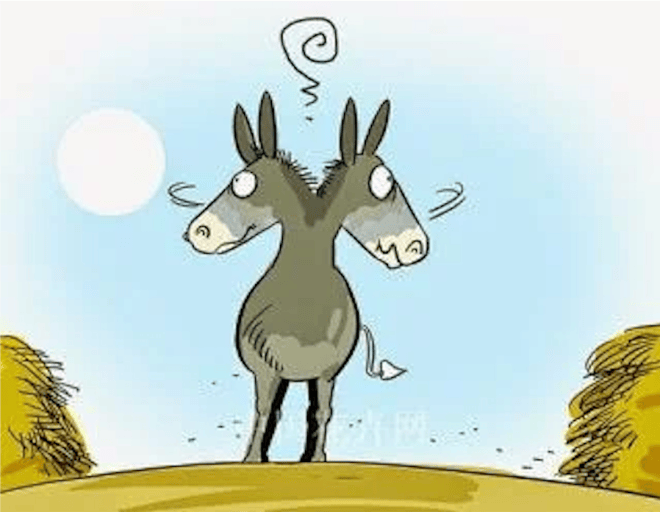
I love chocolate chip cookies, “but” I want to manage my sugar. In the 14th century, French Philosopher Jean Buridan proposed a paradox question, where he illustrated, a dog choosing between equal portions of food. Overtime the experiment changed to “Buridan’s Donkey” yet, proposed the same paradox – choices vs. the idea of our “but.” The experiment was as such, a hungry dog, or donkey stands at an exact equal distance between two identical piles of food. The animal must make a choice – left pile or the right pile. However, as the animal moved towards one choice, the other choice becomes further away. So, the animal stands completely still, makes no choice, and starves to death. Out of fear of losing out of the other option, the animal chose neither and died. A rational person would pick one except for the fear of “but”.

This is true my dears of all of us. We want to be healthy, but we want to eat, drink and make choices that hurt our health. We want to be educated, but we want to go out with friends, be lazy, and relax. We want to be financially stable, have money to be comfortable in the long run, but we splurge on unnecessary things that fill our life with only momentary pleasure. And what is far more detrimental my dears, we want to be faithful, we want to grow in our faith, but we find reasons why we don’t pray, why we don’t attend Church, why we don’t read our Scriptures and why we don’t do what God commands of us. Sadly, what happens is we never reach our goals, we do not become healthy, we don’t find stability, we don’t grow in our faith and eventually we die. No, I am not speaking of physical death. Death is something we cannot avoid, yet what about spiritual death?

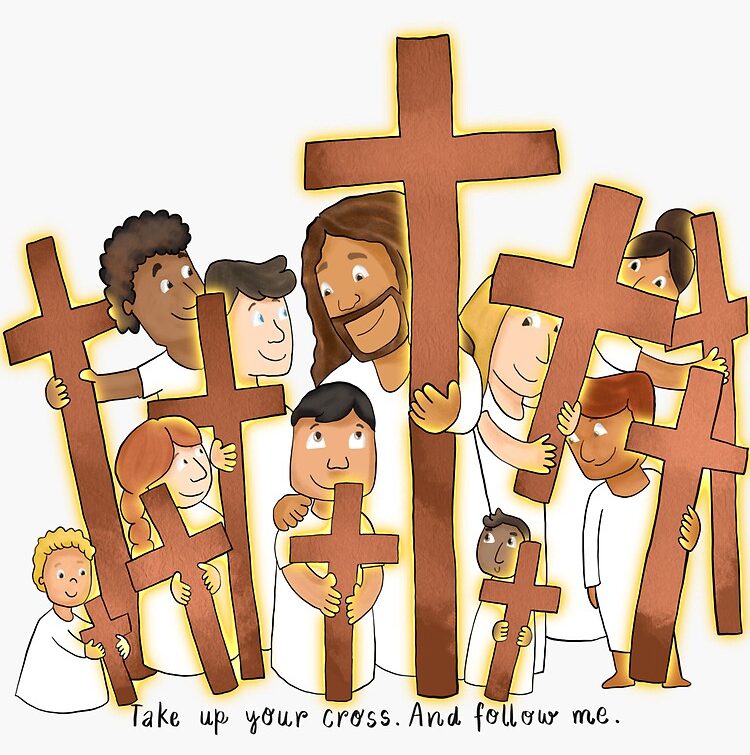
Today the Armenian Church along with all of Christendom celebrates the Feast of the Exaltation of the Holy Cross. The Cross, which the world tells us is weakness, is a “crutch for the weak”, is a tool of death. Yet, St. Paul calls the Cross foolishness for those who are perishing yet for us faithful it is freedom, “by which the world has been crucified to me, and I to the world.” And we as Christian’s, who claim and proclaim faith in Christ Jesus our Lord must choose what is the Cross for us? Faith is not forced upon us, driven by fear, or culture. Faith in God is not a point system, where we tally “being good” vs. “being bad” and therefore God will either punish us or bless us. Faith is not personal opinions, picking a choosing what fits our way of life.

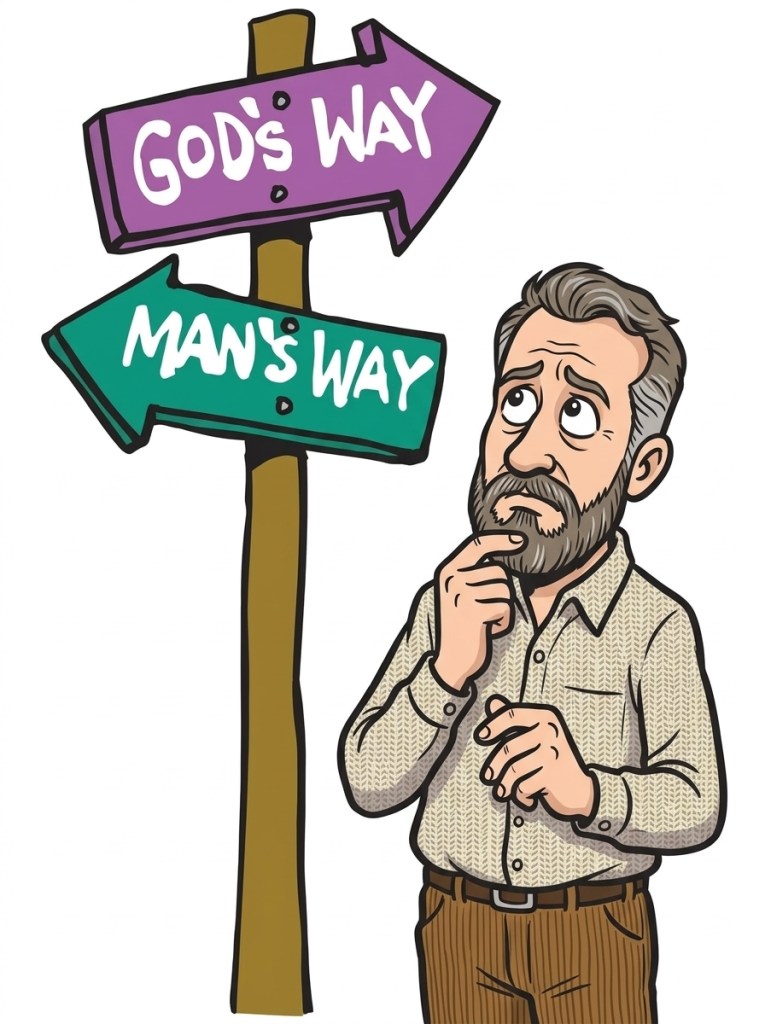
My dears, faith in Christ, being a Christian, is Communion, healing, rehabilitation and transformation. It is about actively choosing the Cross, choosing God, choosing His love. It is about coming as we are, broken as we are, weak or strong as we are, defeated or successful as we are according to whatever standard we have used to govern our life and through repentance, responding to the grace and love of God. To exalt the Cross, meaning to lift it up, is realized through the choices we choose to make, the side we pick to live by. “But” I want this, I want that…does not work with our Christian faith. For Armenians and all Orthodox Christians, being a Christian is not merely a title or a phrase we say, but it is an entire lifestyle.

Will we struggle? Will we have questions? Will we make mistakes? Absolutely! That is why the love of God is greater than our shortcomings. His love that sent Christ Jesus, His Son into this world to save us by the Cross. Yet, just as the thieves on the cross, one chose to reject, while the other accepted Christ, just as the saints even in the face of hardship chose to live faithfully, yet, so many who live in “worldly comfort” choose to reject God, likewise we must choose. Our choice will either feed us or leave us hungry and broken. That is why St. John in the Gospel says our choice is ultimately what brings judgement to us. v. 19-21 “And this is the judgment, that the light has come into the world, and men loved darkness rather than light, because their deeds were evil. For everyone who does evil hates the light, and does not come to the light, lest his deeds should be exposed. But he who does what is true comes to the light, that it may be clearly seen that his deeds have been wrought in God.”

My dears, we daily stand between two choices; we are in Buridan’s paradox. In our everyday decisions and especially when it comes to our faith. Which direction will we move? What decision will we make? Will we stand still, leaving us unsatisfied, hurt and broken? Will we choose what the world tells us and eventually starve our faith? Or will we choose to exalt, glorify and lift up our Cross, follow God, ask questions, feed and drink from His Holy Altar and strengthen our faith? The choice is our, “but” we must recognize that it is our choice.

By the grace and love of our Lord, every day we have another opportunity to repent, to turn and choose God. To live in His love, by His commandments. To pray for wisdom, and to do His will, in how we treat ourselves, how we treat others, how we date, raise our families, dress, think, work, and so forth. Faith is a response; faith is a choice. God our Heavenly Father, the Son and Holy Spirit, has chosen us, “but” what will we choose? Amen.

Annoying, Inconvenient and Cumbersome

Daily Readings: Is. 13:2-11; 2 Corinthians 7:4-16; Mark 7:31-37
Ընթերցուածքներ` Եսայ. ԺԳ 2-11; Բ Կորնց Է 4-16; Մարկ. Է 31-37

In the name of the Father, Son and Holy Spirit, Amen!

Back when I was in high school, I was very active in sports. I remember there was one weekend where both Saturday and Sunday I had 2 sporting events back-to-back. Saturday morning, I had a weightlifting competition, during which time, as I attempted to lift 225 lbs over my head. As I lifted, I lost my concentration and the weight swung too far back and I end up hitting my lower back. But I was young and though it hurt, I didn’t think much of it. On Sunday, though a little sore, I had a football game to get to. During the game, the coach put me in as a half-back and gave me the ball to run for short yardage. In one of the plays, I was blindsided and hit hard from the back. I was young and though it hurt, I didn’t think much of it. Monday morning, when I woke up, I could barely walk and needed special crutches to move around. Though they helped stabilize me to get around, the crutches were annoying, cumbersome and inconvenient. Therefore, I was grateful that after several months of physical therapy and chiropractors, my back finally recovered and I got rid of the crutches.

You know my dears it is interesting, that when we are hurt, when we break our leg, or arm, or God forbid something much worse, we place all our hope and trust in crutches, in slings, in wheelchairs and so forth. The moment we are better, we throw it away without any thought. If we have difficulty hearing, we use hearing aids and special tools, until our hearing improves and immediately, we are grateful to get rid of those as well. If a blind person, who walks around with a cane to guide his path is somehow eventually able to see, and we see this in movies, he immediately throws away that stick that helped guide his path. And while being healed of our ailments is wonderful and if someone who is blind is miraculously able to see is a blessing, and we are no longer in need of the tools that helped guide us, how often do we approach our faith in the same manner?

In fact, Karl Marxx, Sigmund Freud, and many atheist philosophers, often refer to religion being an “opiate of the masses”, “a momentary illusion for the weak” or as former Minnesota governor and professional wrestler Jesse Ventura stated that “organized religion is a sham and a crutch for weak-minded people who need strength in numbers”. Sadly, the truth is, for many of us our faith in God is like a crutch. We pray, we seek help and guidance in times of need; when we are hurting. Yet, we also see it as limitation, an inconvenience, something cumbersome that when things get better, we are often far more grateful to discard it, throw away. My dears, our faithfulness, being a Christian and having Communion with God is not about prayer in difficulty, or words of encouragement in times of need, an “illusion” that if we pray hard enough or go to Church enough then somehow life will be better. Nor is it a opiate to numb us, merely a belief to lean on when we need support. To a be Christian is to daily recognize and respond to one thing only – the love of God.

God’s love is what created life; God’s love is what protects us and illuminates us; it is God’s love that sent His only begotten Son, Christ Jesus to die for us on the Cross. To heal us not only from broken hearts or broken bones, but from sin and death. Yes, the Cross, our faith, at times will be like a crutch, like a walking stick, a guide, that we can lean on to help us keep moving forward. However, the Cross also must bring us discomfort. Faith has to be cumbersome and even feel inconvenient at times in life. That is why St. Paul in his letter today says, “For even if I made you sorry with my letter, I do not regret it (though I did regret it), for I see that that letter grieved you, though only for a while. As it is, I rejoice, not because you were grieved, but because you were grieved into repenting; for you felt a godly grief, so that you suffered no loss through us. For godly grief produces a repentance that leads to salvation” (v.8-10) When Paul is writing his second letter to the Corinthians, he is again being very strict and some might say hurtful to his readers, who had ignored his teachings. Those in Corinth are not living faithfully and are in fact abusing what he has taught them, they had chosen to justify sin in their lives. And so, he says, I know what I am saying is difficult to hear, it is hurtful, but I am glad because that hurt has produced in you a desire to better yourself, to repent and receive what God truly intends for us.

My dears, being a Christian is sometimes hurtful and difficult; it is sometimes cumbersome, and inconvenient like a crutch, especially when the world says, “do what makes you happy”, “do what you want with your own body”, “seek pleasure, avoid discomfort”, etc. But faith protect us always, guide us always – even when we feel inconvenienced by it. When we recognize that this moment of discomfort is permitted by God in our life for us to pause and reflect on how we live, how we think, how we go about our day to day, how we ended up in the situation we are in regardless of what it may be, then we through faith, through our spiritual eyes recognize that even in our hurt, in our pain, in our darkness, our suffering, our addiction, even when we fall, and the world we followed says we have no value, the love of God is with us and gives us the opportunity for to turn back to Him. Not throw Him away, not push faith aside until another rainy day, or when we get hurt again. But turn to Him every day and ask to be renewed, healed, transformed and lifted through His love. This my dears, is experienced in our daily tasks, seen in our daily movements, how we think about ourselves and others; how we speak, how we eat, how we drive, dress, work, play. In our relationships, in our alone time.

Perhaps, like me, when I got hurt when I was younger, I didn’t think much about it. Perhaps we have not thought about how we use faith merely as a crutch to lean on but too often discard when not needed. May today be that opportunity, that moment of reflection to face whatever pain and struggle we have in our life and ask for God to guide us through His love. Pray, read the Holy Scriptures and if it feel hard, annoying and cumbersome, ask for God to open our eyes and ears to understand. Ask the priest! Ask for strength and direction in all decisions so that with renewed faith we can respond to His love and live a life the proclaims that love to others, and brings glory to the Father, Son and Holy Spirit, Amen.

Dirty Window?

Daily Readings: Is. 9:8-19; 2 Corinth. 1:1-11; Mk. 4:35-41
Ընթերցուածքներ` Եսայ. Թ 8-19; Բ Կորնց. Ա 1-11; Մկ. Դ:35-41

In the Name of the Father, Son and Holy Spirit, Amen.

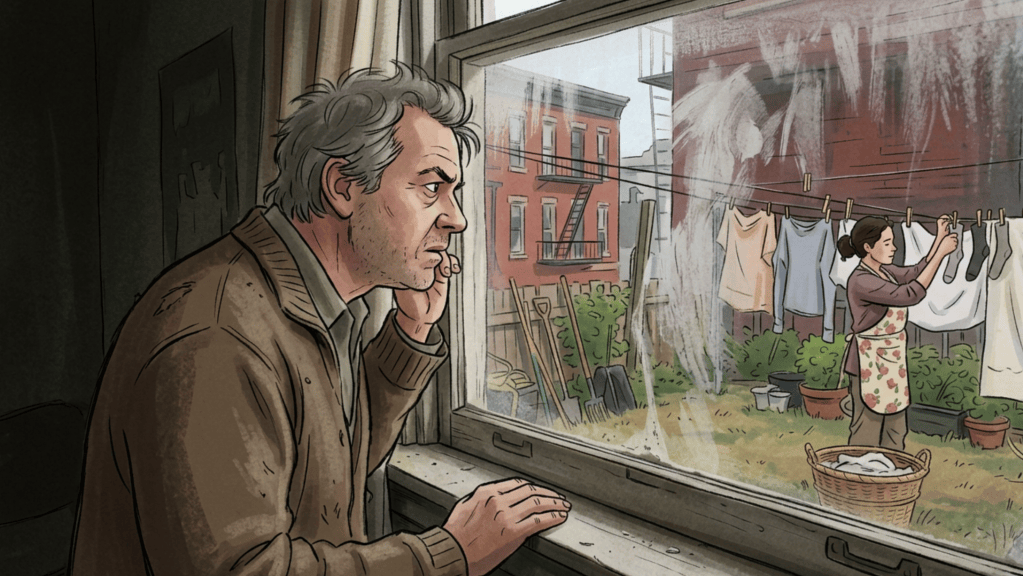
Every morning, a man sat by his window and watched his neighbor. “This person is so dirty,” he would complain to his wife. “Look how unkept their yard is and look how dirty their laundry is!” Day after day, he criticized the neighbor. One morning, he looked again. “Finally!” he said, “her clothes are clean.” His wife smiled and said, “The clothes haven’t changed. I cleaned our window.” The man looked again and realized the truth. The dirt he had been criticizing was not on his neighbor’s clothes. It was on his own window.

My dear brothers and sister, how true is this of us? We look at another person’s faults, mistakes, and weaknesses and become convinced that the problem is with them. People in the streets, in our own homes, in the pews at Church. We look at society, at political, and community leaders, at our parents, our clergy, we even look at God and say they are wrong, they need to change. We look at Christ in today’s Gospel where the disciples are caught in the midst of a storm and we read that Jesus is asleep. (v. 38) “Teacher, do You not care that we are perishing?” they call out. Yet, Christ responds in v. 40 with a question, “Why are you so fearful? How is it that you have no faith?” My dears, faith is not merely a belief or a feeling. Faith is trust; it is recognition and response. It is reflection and transformation. Therefore, when Christ asks the disciples, “how is it that you have no faith” He is ultimately asking, why are you focused on the storm? The transformation of faith is transformation of our focus, to see that though the world may be broken, though there are storms in life, yes, perhaps other are not living faithfully, yet our place is to first trust God. Even in the midst of the brokenness; in the midst of the storm, do we trust God first? Faith is not for us to look and condemn others but to look and reflect on our own lives.

Greg Mathis, a former judge in Michigan once reflected, “I have read the Bible and found many errors, all of which were in me.” When we come to Church, when we read our Holy Scriptures, when we pray and confess our faith in God my dears, are we looking to be transformed? Are we ready to be changed and to grow? Or are we looking out a dirty window, looking with anger in us, preconceived ideas, our own definitions of “right and wrong”, which ultimately not only leave us lost and hurt, but also make us think everyone else is wrong and God doesn’t care. Last week I asked, why do we come to Church? Why do we pray? Why do we believe? My dears, today I ask, how. How do we come? How do look at ourselves and others? How do we pray? How do we believe? How do we look out of our own windows at the world? With pride? With resentment? With anger? With jealousy? With unforgiveness? With hypocrisy? With assumptions? With prejudice? With arrogance? Or do we start each day, each task, each moment with placing our trust in God?

If our trust is in God the Father, Son and Holy Spirit, then regardless of the storms, the brokenness or “dirt” that exists in the world, our focus will begin from within ourselves. As Shakespeare beautifully summarizes in the play Hamlet (Act I, Scene III): “This above all: to thine own self be true…” Meaning be honest with yourself. Honest that, if we are called to faithfulness, to repentance and transformation, then we must live a life as Christ calls us. Where Christ first we are cleansed, we are sanctified. That the Holy Scriptures are given to us as a mirror to look and reflect on. Reflect not our egos and pride but reflect the light and love of our Lord. Therefore, when we are cleansed, we can clearly reflect the love of God for others to be cleansed by as well “A Christian must always be kind, gracious and wise, in order to conquer evil by good” teaches St. John Kronstadt

And so, my dears let us ask of ourselves, are we here in Church, do we read our Holy Scriptures, do we pray and say we are Christian and through repentance ask God to transform us, guide us and cleanse us? Or do we come looking for faults in others, for “errors and contradictions” in others live or what we think the Bible teaches us? If we are going through storms my dears, if we are lost and confused, if we look out our windows and see how broken the world is, pray. Pray with trust in God who is merciful and loving. Read the Holy Scriptures with prayer and humility, asking not what can I find but God what are you revealing to me? Attend Church with a desire to be emptied of vanity and filled with the light of God. Ask God to help clean the window by which we loot out at the world, and at others. And only by doing so, will we be sanctified, cleansed and renewed. We will be transformed and led through the darkness of sin. We will be a reflection of light for all to see and experience the grace and love of God the Father, Son and Holy Spirit, to whom is due glory forever, Amen.

We Don’t Want You

Daily Readings: Zech. 2:10-13; 2 Corinth. 6:16-7:1; Lk. 1:39-56
Ընթերցուածքներ` Զաք. Բ 10-13; Բ Կորնց. Զ 16- Է 1; Ղուկ. Ա 39-56

In the Name of the Father, Son and Holy Spirit, Amen.

Have you heard the terms “cradle born” or “convert”? Cradle born means that from our birth we were raised in the Church, whereas convert means in life we later chose to become a member of the Church. Fr. John Fenton, who is an Orthodox priest at St. Michael’s Church in Whittier, CA during an interview shared a story from his seminary years, who before he became Orthodox, was a Lutheran, studying in Lutheran seminary when for one summer he attended an intensive class at the Orthodox seminary of St. Vladimir. While on campus, a clergymen appeared who everyone seemed to admire as it was the renowned Metropolitan Bishop Kallistos Ware. Students approached asking for the Bishop’s blessing and likewise, John, who was not yet a Orthodox, but who knew about Bishop Ware, because he had read many of his books, approached and introduced himself. The Bishop asked him, “who are you?” Clearly, John stood out. John said he was a Lutheran seminarian but had been thinking of converting to the Orthodox Church. Surprisingly, the Bishop asked him, “why would you do that?” John responded by saying how in Lutheranism, and many protestant denominations, they have many-many problems. The Bishop gave John a reality check. He said, “we don’t want you. When you are able to be Orthodox and still embrace the good in Lutheranism, we will accept you. But if you’re just running away from Lutheranism, we don’t want you”.

Imagine if you told the priest you wanted to come to Church and he says we don’t want you. We would feel hurt; we would be confused. Especially as we are constantly worried about how empty our Churches have become. Yet, the Bishop’s words are very powerful to reflect upon. What brings us to Church? Why are we here? Do we like the priest? Because our last name ends with -ian or -yan? Perhaps we are “cradle born” – our parents brought us from the beginning. Perhaps we are ABC – “Armenian By Choice”, or perhaps we married into an Armenian family and well, the food is better here than in some of the other Churches? Or are we running away from something? Are we escaping some darkness and think that maybe the Church will accept me for who I am? My dears, Christianity is not about escapism, it isn’t about ignoring our past or running away from darkness. It isn’t about the priest or the choir and it certainly is not about our last names or the family we belong to.

Scripture is full of the opposite. We are called to not run away but to stand before the Cross, recognizing that God is our light to help in the darkness. St. Paul reminds us in Ephesians 3:17, “So that Christ may dwell in your hearts through faith. And I pray that you, [are] being rooted and established in love…” In other words, my dears the Church, Christianity is not about someone who is simply running away from their past. And belonging to our a certain family or cultural does not make us an Christian. Being a Christian, to come to Church is about embracing our Cross and running towards the love of God. It is about being part of God’s family, in Communion with Him, as adopted co-heirs as St. Paul teaches us through Holy Baptism.

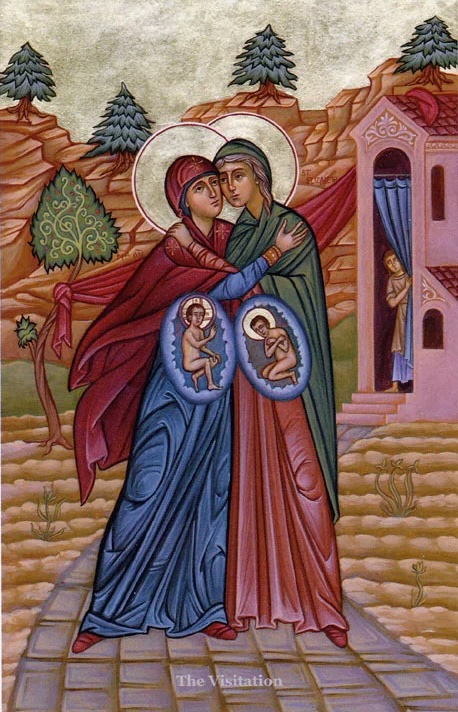
Last week we celebrated the Feast of St. Mary and her Assumption. St. Mary the Mother of God is beloved not because she was superhuman but because Christ dwelled in her womb and in her humility, she gave life to God in the Flesh. As the hymns proclaim, “Mother of God, luminous tabernacle of the unbounded Sun of life, Who became the Dawn of the Sun of righteousness, And who shined light upon us who sat in darkness, We magnify you always.” It is likewise the same with us my dears. She is the Mother of God because she gave physical birth to Jesus Christ; the fruit of her faithfulness brought salvation into this world; Light to those in darkness. And when we live responding to the love of God, through us God, our faithfulness proclaims that same salvation in the name of Christ Jesus in this world; Light in darkness. When we turn from the world not out of hatred or disapproval of it but turn because we recognize the love of God the Father, Son and Holy Spirit, then do we truly begin the process of becoming a Christian – Christlike.

Only then can we embrace the words of St. Paul in Corinthians “For you are the temple of the living God.” Yet, too many of us, rather than become temples of the living God, we would prefer to become museums hoping our doors never open. Rooms full of past scars, skeletons we would rather ignore. The world tells us we are worthless because we have brokenness and so we create filtered facades on social media about a life worth putting on display. Yet, our wounds remain blistering and unhealed. We look at the world and say look how dark it is; look at our leaders, look at the broken families. We become hopeless and fall into despair. We try to fight or run away, and yet, nothing seems to get better. Rather than the light of God shining in us and through us, we try to ignore and pretend that somewhere else things are are better. Another Church, another family, another community, and so forth. Yet, being a Christian is not about us finding something better. It is about responding to the reality that we are found by God and through Christ Jesus, we are renewed, our wounds are healed and by the power of the Holy Spirit our lives echo the words of St. Mary, “My soul magnifies the Lord, and my spirit has rejoiced in God my Savior.”

My dears, why do we come to Church? Or perhaps why don’t we? What are we running away vs. through repentance are we running towards God? Someone once told me they don’t come to Church because they don’t need a priest, the people gossip, and they can just pray at home, read their own Bibles and have a relationship with God without all this so-called organized religion. Well as my own professor from St. Vladimir’s used to say, “if you’re against organized religion, then the Orthodox Church is the place for you. It’s been 2,000 years and we’re still unorganized.”

My dears, come but come seeking the Lord. Respond to His love by embracing the scars of our past, standing before the Cross, and in humility repenting and turning to our Lord’s mercy. That is what the word repentance ultimately means – to turn to joy, turn to God. Doing so, we will be healed of our wounds; we will be found; we will be part of His family. For the only cradle we should be born from is the cradle of our Jesus Christ in Bethlehem; the womb of St. Mary; our baptismal Fonts from which we are born again having received Christ in us. This is what true conversion is about; this is what it means to be Christian. This is what we proclaim every Divine Liturgy when we say, “Christ is in our midst”. And through us, Christ comes into the midst of this world. And when we recognize His presence, when we understand that to carry our Cross is not about ignoring the world but rather being a witness to that world about the love of God, then our paths will be illuminated. St. Ephraim the Syrian proclaims, “Do not lose heart, for there is hope in Christ” That hope is what will renew our heart and mind by the power of the Holy Spirit. And as the Psalmist and the Gospel of St. John proclaims – no darkness will overcome us. And if Christ is why we are here, we are glad you came. Amen.

“I don’t know…I want to Learn”

Daily Readings: Is. 7:10-16; Gal. 3:29-4:7; Lk. 2:1-7
Ընթերցուածքներ` Եսայ. Է 10-16; Գաղ. Գ 29- Դ 7; Ղկ. Բ 1-7 

In the Name of the Father, Son and Holy Spirit, Amen!

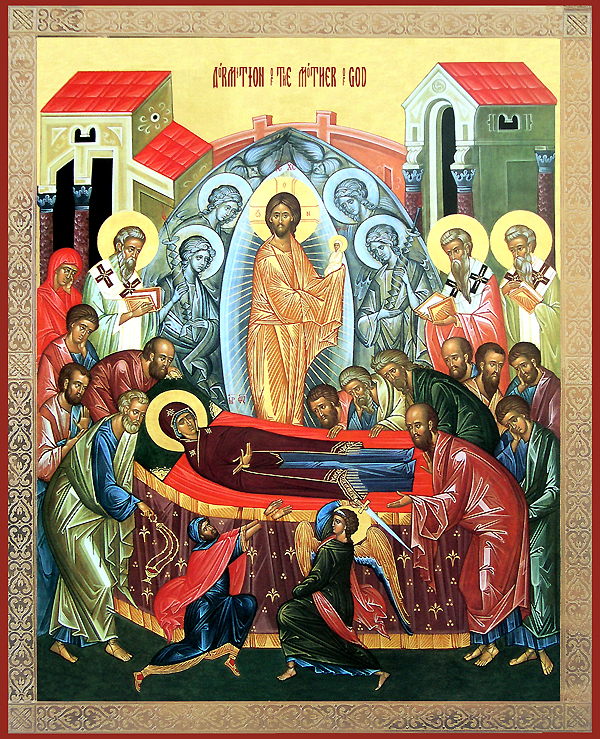
Within the Church, we have many symbols, images and icons which tell us a story. Initially that is why icons were so popular in Churches, because they teach, remind us of important lessons and so forth. In the same way, when we look or share pictures from our past, we need to often tell a back story, explain what is going on, so people can understand what is happening. Today as Armenian Orthodox, and yesterday all other Orthodox Churches, celebrate the Feast of the Assumption of the Holy Virgin Mary. When we look at the icon of this feast day, what do we see? When St. Mary entered dormition, the Apostles and other Christians naturally held a funeral. The story of how St. Mary passed, and her assumption by Christ which comes to us from the early Church, tells us of how angelic prayers and singing was heard around her tomb and that when her tomb was reopened, her body was no longer there but had been assumed into Heaven. That is what we see in this image. Yet, in this icon we see something strange; A man, who appears to be in pain, with both his hands cut off. Why and what is this?

According to Holy Tradition of the Church which dates all the way back to the 5th-6th century, a Jewish priest named Jephonias, who was hostile to Christ and His followers, attempted to disturb the procession of the Apostles carrying the Theotokos to Gethsemane. And so he tried to overturn the bier, the place St. Mary’s body lay, and at that moment the Archangel Michael appeared and struck with his sword, severing his hands. Confronted by this terrible wonder, Jephonias immediately repents and confesses his faith in Christ, and prays asking for forgiveness from St. Mary. Through the intercession of the Theotokos, his hands were miraculously restored, and he stood up and joined the procession as a believer. And so, in this scene, in this icon of St. Mary what can we learn? What does this picture teach us? And more importantly, apart from a story, what can we learn to take with us in our walk of faith?

A couple of days ago while having coffee, I had an interesting conversation with a man who had grown up in the Evangelical Church but had since become an atheist. He remarked that one of the issues he had was that when he had spoken to pastors in the past asking questions, every answer they gave was baseless or far-fetched; they seemed to want to answer even if it made no sense. It had annoyed him that they just couldn’t say, “I don’t know.” And this is true for many of us. We all want to have the answers; and we want to be right. We want our opinions to matter and for us to be heard. Yet, one of the greatest virtues and qualities that we learn from Holy Scriptures is humility. The recognition to say, “I don’t know.” We don’t have all the answers, yet, because of pridefulness, arrogance and ego, we insist on our way, we think we have the truth, the whole truth and nothing but the truth and while our intensions may be pure, we cause hurt to ourselves and perhaps to others. We begin to become careless and hopeless.

Multiple Icons of Saints in the Church

You see this Jewish priest in the icon who did not know Christ. And rather than be humble and say, “I don’t know”, he insisted on his own way, for which he was punished. Yet, the story does not stop there because ultimately, he did repent, he did humble himself and recognize, he didn’t know and he was wrong. And this is the virtue my dears, we need not just in our day to day but especially in our faith. As Christian’s yes, we know and believe in God, the Father, Son and Holy Spirit; we know and believe that God the Father is the author of all life and creation, we know and believe that Christ Jesus, God the Son, came and died on the Cross for our sins and was resurrected on the third day; we know and believe in the Holy Spirit that breathes life into us, guiding us forever and that by faith, which we live daily we respond to all that God does.

Yes, we know and believe that Christianity in the Orthodox Church is the fullness of faith, yet, we also know and believe that we still know nothing. As Socrates says, “I know that I know nothing.” That just because we believe in God, it doesn’t make us better than those who do not. Just because we come to Church, light a candle, say a prayer, leave a donation, volunteer at soup kitchens, etc. doesn’t make us greater than the beggar in the street, or the atheist at the coffee shop. My dears, that is why St. Mary the Mother of God is so beloved. Not for external knowledge, not for stature, or some arbitrary characteristic; not because she had all the answers. Clearly she didn’t which is why in the Gospel she questions the angel. Yet, her humility, even when she wasn’t sure is why look to her. Humility in trusting God above her own abilities and limitations; Humility to remain faithful, even if she wasn’t theologically trained. Therefore, in life and even in death, St. Mary ultimately points us to this virtue of Christlike humility.

Today’s feast, therefore, and this icon is a lesson for us of humility and reverence especially when it comes to our faith. Humility to say, “I don’t know” and reverence to say, “I want to learn.” Learn to love as Christ calls us to love, even those who don’t love us back. Learn to forgive and pray for, even those who have hurt us. Learn to trust that God cares for us, lifts us out even from the grave, even when the world says we have not value, we have no voice, we have nothing to offer. Like Jephonias, we are called to repent, humble ourselves, and approach God with faith. Learn from the lives of the saints my dears, learn to read the icons, and symbols in the Church as tools that guide us to Christ. Ask questions and say, “I don’t know.”

Pray for wisdom and God our Heavenly Father will teach us, illuminate our hearts and minds to know the truth, to know His love, to know Him. And God will make us into icons for others to learn from about faith. Not with our answers but with the stories of our lives. And with humility and reverence we will approach His Holiness and be washed by His grace to live a life that brings glory to Him, with the Son and Holy Spirit, Amen.