Stop Focusing on the Tares

Daily Readings: Isaiah 2:5-11; Rom. 8:30-10:4; Matt. 13:24-30
Ընթերցուածքներ` Եսայ. Բ 5-11;  Հռոմ. Ը 30- Ժ 4; Մատ. ԺԳ 24-30 

In the name of the Father, Son and Holy Spirit, Amen!

One day, a young man inherited a beautiful gold antique pocket watch from his beloved grandfather. It was ornate, with a beautiful chain and a heavy weight. The mechanism in the watch was intricate and masterfully crafted. The young man loved his grandfather and now loved this watch and wanted to show his appreciation for it. He was careful with it, making sure it was always properly set so that he could keep perfect time. Because you can’t carry a pocket watch in shorts and t-shirt, the young man even changed his outward attire, so that he could wear the pocket watch on his vest regularly. Everyone would comment on how he had changed; he was on time, he dressed nicely, he behaved maturely, yet, no one knew it was because of the pocket watch. One day, as he passed through a doorway, his watch fell out of his vest pocket. Worried he had damaged the watch, he frantically looked all over and saw no blemishes. Undisturbed he placed it safely back in his pocket and went about his day. Several days later, as he sat on the chair admiring his watch, his finger suddenly caught a small blemish on the chain of his watch. Heartbroken that his watch had been damaged he examined it closer. The scratch was almost invisible to the naked eye and yet, he couldn’t help but focus on it. Every time, he touched the watch, he felt like the scratch was gnawing at him. Eventually, he became disheartened with the watch and stopped carrying it with him, began changing his clothes, and stopped being on time and eventually he started being careless with his behavior. The watch still kept perfect time, but for this young man, his entire focus was on the scratch that no one could see and only he knew was there.

My dears, in today’s Gospel reading, Christ set before us “another parable.” By starting with these words, Christ is telling us to focus. Focus on the important teaching before us; in this case about the Kingdom of Heaven, which he likens again to seeds being planted. While this parable is one many of us know very well, unfortunately, a lot of times when we read our Bibles we lose our focus. The Scriptures are not one dimensional and the more we read, the more we see. For example, in today’s parable many of us focus on the wheat and tares; of how the devil came and planted bad seeds among good seeds. Yet, when they sprouted, the master told the servants to let them grow together and once matured, at the harvest they would be separated. Likewise, God created us good and the devil planted the seeds of sin into our life. On the last day, we will be separated for judgement based on our fruits. Yet, my dears, there is more to this parable that needs our attention because sadly too many of us focus only the surface level; we focus too much on the bad people.

In the same way the young man focused on the scratch and grew in contempt for the watch, likewise, we tend to see the bad things in this world, the darkness, and we begin to judge it. Or perhaps in our own lives, we see our addictions, our struggles, our shortcomings, and begin to think that what’s the point, we’re just going to fail. Yet, my dears, God created all of us for good. As we read in Psalm 139:14, “I praise you because I am fearfully and wonderfully made; your works are wonderful, I know that full well.” We are all created in God’s image and likeness far more ornate and beautiful than anything else, even the most beautiful pocket watches with all its intricate mechanisms. While yes, we acknowledge that sin has polluted the world, and Scripture teaches us this, yet, our focus should not be on the negative, but on the how and why my dears.

In v. 25 we read, “but while men slept, his enemy came and sowed tares among the wheat and went his way.” These men are us; while we, humanity slept, the enemy came. This isn’t saying don’t sleep or bad things will happen, rather, those who “slept” my dears, are those who become careless, lazy, and indifferent to God. It is here my dears, that we need to focus. Not on the evil of others, not only on our own struggles but on what kind of life we live that has made room for the enemy to penetrate our hearts and minds, to plant seeds of fear, doubt and sin. What Christ is speaking about here is not lack of energy, but spiritual laziness and carelessness: acedia, slothfulness. Our Church Father’s remind us that this laziness is when we have no prayer in our life, no active growth in faith; when our eyes seek others rather than look up towards Heaven. We work hard, we are devoted to family, etc. yet, spiritual laziness and indifference is when God becomes secondary.

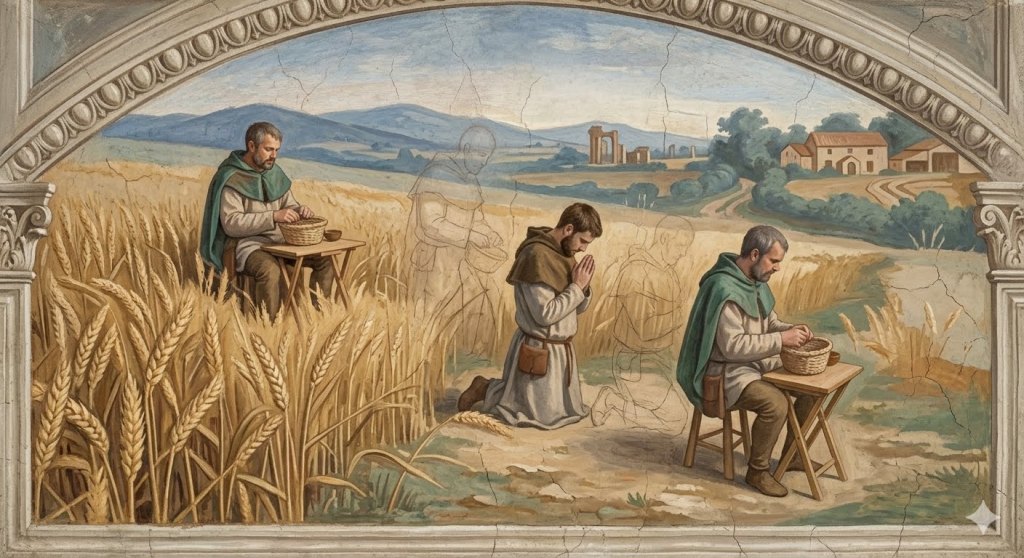
There is a story about St. Anthony, the Great Dessert Father, who when struggling with slothfulness cried out to God in prayer, how could he overcome his laziness. All of a sudden, he saw a man just like himself, a little distance from him who sat down to work. St. Anthony watched the man work for several minutes when suddenly, the man stood up from his work, knelt for a moment and began to pray. Just has quickly as he had stopped to work and pray, he again sat down to work. The great saint watched this man do this every few minutes, when he realized God was telling him, “Do this, and you shall be saved.” This doesn’t mean my dears that while we work in our office, or in class, or driving the car, we need to stop every few minutes and pray. Perhaps for some of us it does. Yet, for all of us, we need to be honest with our selves, how much energy, and time, strength and hope do we place in our prayers, in reading Holy Scriptures, or the words of the Fathers? How much of our focus is on God vs. on work, and the material world, or on the faults, the scratches, the blemishes in our life that blind us to the love of God? Even when coming to Church is our focus on Him, His Word, or on everyone and everything else?

My dears, when we become lazy and indifferent in our faith, overtime the enemy, Satan will penetrate our heart and mind with seeds of sin. We will judge the world, be filled with contempt and sorrow. Those seeds will impact how we behave, how we think, how we live and eventually who we are. When we live in faith, we change, the world around us is changed. If a watch changed the man and his behavior, imagine how faith can change and transform us. Pray daily, purposefully and regularly. God our Heavenly Father does not leave us but stays with us. The master gardener, Christ Jesus came to save us from those evil seeds. Therefore, pray that the Holy Spirit will keep us alert and vigilant, protected and guarded not just physically but spiritually, emotionally and mentally from all harm. And by the grace and love of God, only the good seeds, only good fruits will flourish in us, through us and for us. Glory to God for all, Amen.

Arrogant Christianity

Daily Readings: Isaiah 1:21-31; Rom 7:25-8:11, Mt. 12:38-45
Ընթերցուածքներ` Եսայ. Ա 21-31; Հռոմ. Է 25- Ը 11; Մատ. ԺԲ 38-45 

In the name of the Father, Son and Holy Spirit, Amen!

As Christian’s we are very arrogant; We are arrogant, and audacious. Yes, this may be true of people who are not Christian as well, but as Christians we are especially seen as arrogant. Why though? I remember the first time as a teenager I had to appear before a judge in a courtroom. I had to dress a certain way and was not allowed to speak unless spoken t and when I did speak, my words had to be weighed and carefully chosen. I’ll be honest, even though I hadn’t done anything wrong, I was in a place where I was answering to a higher authority so, there was a sense of fear, awe, and reverence for the judge. The judge was someone who had the power to free me, exonerate me, punish me and question me. Therefore, it was right that I felt that sense of fear. Likewise, in life there are other people who hold a certain level of authority that must be honored and respected such as a police officer, a doctor, a priest, a teacher, a parent, or someone in our life that has more experience than us. We respect them not because they are perfect but because we recognize the authority that has been entrusted to them. There is fear in that authority, there is respect, there may even be admiration.

Yet, we as Christian’s are very arrogant when it come so the ultimate authority. We are arrogant not because we don’t respect others but because we claim to believe in God, and even more than believe, we relate. We believe in God, recognizing His greatness, and authority and we are taught to have a sense of fear and awe out of recognizing that authority. “Fear God and keep his commandments, for this is the whole duty of man.” (Ecclesiastes 12:13) We also declare God as our Lord. We recognize the authorship, as supreme ruler, master, and possessor of all creation. That is why we go to Him to be illuminated and grow and as Scripture teaches us “The fear of the LORD is the beginning of knowledge, but fools despise wisdom and instruction.” (Prov. 1) Yet, as Christians we also claim God as our Heavenly Father. And it is for this reason my dears, that we are arrogant. To refer to God as God, we are declaring our belief in His authority; to refer to God as our Lord, we declare our submission to His authority; yet, to call God “father” is to speak with such intimacy that one must either be arrogant or more?

In the Divine Liturgy, (p. 40) the priest prays, “God of truth and Father of mercy, we thank you, who have exalted our nature, condemned as we were, above that of the blessed patriarchs; for you were called God to them, whereas in compassion you have been pleased to be named Father to us…” You see in Judaism, prayer to God acknowledged that God is a Lord, that God is omnipotent, unapproachable, unknowable and must be feared. In Judaism when one would pray to God, they would refer to their forefathers, “God of Abraham, Isaac and Jacob…” Yet, through God the Son Christ Jesus, that relationship, that communion with God for us changed. We became no longer a distant creation, or a stranger that feared God or was ashamed because of our brokenness and our sinfulness, but rather, we became the children of God.

It is here that we must reflect, how much audacity do we have to call God our Father? Because to be a Christian my dears is to be courageous in this way. A courage we receive through God the Holy Spirit, who illuminates us to see not God the Father not as a distant power, or as only a Lord, and King but to see us as His children and Him as our compassionate Father. That is why the prayer in the Badarak continues, “…And now, O Lord, we beseech you, make the grace of so new and precious a naming of yourself shine forth and flourish day by day in your holy Church And grant us to open our mouths with a cry of bold voice, to call upon you, O heavenly Father, to sing and say…” To be a Christian therefore begins with a commanding voice to claim God as our Father and us as His children. This is something the world will see and call us arrogant for. Who are we to be that intimate with God? What makes us special?

It is the love of God my dears that gives us that authority, give us the claim to be His children. A love we are given through God the Son Jesus Christ, who came and died on the Cross for us, not because we are perfect but because He loves us in the same way our earthly fathers would give of themselves for their children. Yet, there is another layer to this relationship my dears. If appearing before a judge or someone of higher authority demands of us a level of preparation and respect, perhaps we need to ask, what is required of us as a child of God? What is more arrogant, calling God our Heavenly Father or denying that truth as His children through the way we live? There is nothing a child must do to earn the love of their father. A father (and mother) will do everything and anything for their child to be better than them, to have more than them. Yet, as children when we grow up, we begin to mature and recognize that no matter where we end up in life, it was only because of the love our parents we had the opportunities that we had.

Likewise, though we are courageous to say God is our Father, we must be humble my dear brothers and sisters, as His children, to live as He commands, no longer out of fear but as a reflection of His love. To recognize that God is no longer merely a judge who will condemn us for our sins, but is like a father, who embraces us when we fall, defends us when we are hurt, loves, guides, and provides us. To call God as our Father is to also see ourselves as His beloved child; to be as our Father in Heaven is. It is this truth gives us courage; it is the recognition at being a beloved child of God, His love that sees not our stain but removes our sinfulness, and that love that sees our darkness, our shortcomings, our real arrogance, our hatred, our pridefulness, our addictions, our failures and yet, does not look with disappointment but stretches out His hand to bring us back into Communion with Him. And as our response to that love, we are called to repent, to turn to Him, to live, pray, ask, learn and be the children we were created to be.

So that one day, when we stand before the Judgement seat, we will not be afraid, but our Lord, our God, our Heavenly Father will embrace us, heal us, and raise us to life through His merciful love. A love that the world will say makes us arrogant and audacious. Yet, a love that is freely given to all creation, and which opens our mouth, with a courageous cry of our bold voice, to call upon our Heavenly Father and say, “Hayr Mer”. Amen!

What Do You Want To Be When You Grow Up?

Daily Readings: Isaiah 1:2-15; Rom 6:12-23, Mt. 12:1-8
Ընթերցուածքներ` Եսայ. Ա 2-15; Հռոմ. Զ 12-23; Մատ. ԺԲ 1-8

In the Name of the Father, Son and Holy Spirit, Amen!

As children grow up, we always like to ask them, what do you want to do when you grow up? Of course, no one asks us as adults what do we want to do with our life because when we ask this, we mean what job, career path, or even educational journey would the child like to pursue in their adult life. As a child, I apparently had said I wanted to be the king of Armenia, yet, as I grew up, I changed this from being a priest like my father, to being a marine biologist, lawyer, actor, singer, mobster, football player, teacher, cook, to eventually somehow, recognizing that God is calling me to priesthood. I’m sure this trajectory is similar to all of us. Even in college, most students change their majors or go back after graduation and realize what they learned is not what they like and so they go on a different career path. In this journey of career searching, we also question what is our purpose in life? Especially if we have faith, we will ask what does God want me to do?

My dears, God does not decide what we do; Not even priesthood is decided by God, in that priesthood is not a job, it is a calling; it is a specific response to do the Will of God in this life we live through service. This calling however, is not limited to the physical sacramental office of the priesthood. God calls all of us – but to what? In Rom. 6, St. Paul writes, “Therefore do not let sin reign in your mortal body, that you should obey it in its lusts. And do not present your members as instruments of unrighteousness to sin, but present yourselves to God as being alive from the dead, and your members as instruments of righteousness to God. For sin shall not have dominion over you, for you are not under law but under grace.” This means my dears, what we do as a career, where we go to school, where we live, what language we speak, what we wear, all the things we daily use to place value, purpose and importance on our life pale in comparison to what God wants for us and of us.

God created humanity in His image and likeness and God gave humanity dominion over the rest of the created world. Dominion not to abuse it, hurt it, pervert it, and fill it with sin. But dominion as in responsibility, an opportunity to participate in His work of creation. Yet, let us for a moment be honest with ourselves, parents think about your children, or as adults think about your day to day, how much time, energy and focus do we utilize on participating in Gods creation? Do we understand what this means? How devoted are we the material vs. our the strengthening of our faith in God? As a parent, we will sit with our children to help them with homework, raise them to be successful in school. We make sure they are fed with proper nutrition, bathed to be clean, clothed in proper attire – yet, do we sit with our children and pray or talk about Christ? Do we bring them to Church and feed their faith? Do we help wash them of their sinfulness and clothe them in the knowledge and love through the Holy Spirit? As young men and women, we go on apps, go to social events, perhaps Church events, we go on dates, to find and build relationships, we spend time with likeminded people, forming lifelong friendships – yet, what do we do, what do we use to build up our eternal relationship, our Communion with God the Father? We look for meaning and purpose in our jobs, at the expense of our physical and mental health we sacrifice to be successful in our careers, for the bonus, for that recognition, for tenure and so forth – yet, what about our spiritual health?

Of course, growing up and wanting to do something we love is not wrong, taking care of our children is our responsibility, building relationships is something we all need, but we need to ask where do we find our value and our purpose? This isn’t a question merely for self-discovery, but it also impacts our view of others. If our physical appearance, our jobs, our education, our relationships determine value and importance, than others who fall short of this standard we have set, also fall short in our heart and mind in value. We begin to judge them and look down.

In the Gospel today, the Pharisees rebuke Jesus and His disciple for plucking grain and eating on the Sabbath. The Pharisees saw value not in the personhood of the Disciples but in their actions, which was clearly breaking the law. Yet, Christ reminds them and us, that the God requires “mercy and not sacrifice.” This doesn’t negate the wrongfulness of the breaking of Sabbath, but it tells the Pharisees, you are hypocrites in your judgement because you yourself of breaking the Sabbath not by physical labor but by the hatred of your heart. Likewise, us my dears. If someone is living in sin, if someone is wasteful of their time, and talent, if someone is ignorant, arrogant, hateful, spiteful, and hurtful; if someone is not living in faith or breaking the rules, how do we approach them? If someone keeps failing at their job or school, as a parent, in their relationships do we see them as lesser? If someone doesn’t dress like we dress, act, speak, look the way we think is best, do we see them as a failure? Do we devalue them, or do we pray for them, help them if we can with love and kindness because they are a child of God?

St. Nektarious of Aegine says, “A Christian must be courteous to all. His words and deeds should breathe with the grace of the Holy Spirit, which abides in his soul, so that in this way he might glorify the name of God. He who regulates all of his speech also regulates all of his actions. He who keeps watch over the words he is about say also keeps watch over the deeds he intends to do, and he never goes out of the bounds good and benevolent conduct. The graceful speech of a Christian is characterized by delicateness and politeness. This fact, born of love, produces peace and joy. On the other hand, boorishness gives birth to hatred, enmity, affliction, competitiveness, disorder and wars.” In other words my dears, yes, as Christian’s it is our place to call out right from wrong, but to do so as God does, with mercy, and love. To love the sinner not the sin, to guide the lost towards light not blind them with arrogance. To recognize our value and the value of others is not in what we grow up to do, what we struggle with, what we look like, what we fail or succeed at. Our value, everyone’s value, is the love of God the Father, Son and Holy Spirit, in whose image and likeness we are all created in.

And in that likeness, we must grow to be as He is. To be as God is begins with separating ourselves from sin, from darkness, from the passions and lies of this world such as pride, anger, fear, hatred, and so forth. To be as He is means to raise children in wisdom and love; to be compassionate and merciful regardless of our jobs or schooling; to be patient and with self-control in our relationships. To be as He is, is to be in Holy Communion with God the Father, Son and Holy Spirit everyday, in all we do. Yet, to be as God is, to be in Communion with God, we need to come to God in humility and repentance.

Therefore, come in humility and compassion! Come to Church to grow in faith; open the Holy Scriptures, ask questions to the priest, feed your spiritual hunger, step out these doors and recognize that our value, our purpose can be lived out every day when we answer the call from God to be as He is. So that when someone asks, what do we want to be when we grow up, regardless of our age or profession we will all say, I want to be a Christian, a beloved child of God. My dears, what is our purpose? Where is our value? What do we want to be when we grow up by faith? Amen!

Me For Me or God Through Me?

Daily Readings: 2 Kings 2:1-15; James 5:16-20; Luke 4:25-30
Ընթերցուածքներ` Դ Թագ. Բ 1-15; Յակ. Ե 16-20; Ղուկ. Դ 25-30 

In the name of the Father, Son and Holy Spirit, Amen!

An angry man, was driving down the highway, when all of a sudden his phone rang. He ignored it, and again it rang. He ignored it again until, finally he answered the phone snapping, “what? I’m driving, I can’t talk now!” Frantic, the voice of his wife on the other said, “Where are you? Be careful!” Why, what’s going on? he answered. “I just heard that there’s a car driving on the wrong side of the highway.” The husband said, “one car? You should see, all of them are on the wrong side.” My dears, how often is it that when someone points out our faults, our mistakes, our first instinct is to jump into defense rather than reflection? That the fault is not in us but in everyone else.

Christ while preaching in the synagogue gives the example of the Prophet Elijah and of how in times of famine and difficulty God sent the Prophet to a widow who was not a Jew, not a part of the community; or of how the Prophet brought healing to the Syrian, not the Jewish people because of the disobedience and faithlessness of the Jews at the time. The response? (vv.28-29) “So all those in the synagogue, when they heard these things, were filled with wrath, and rose up and thrust Him out of the city…” The Jews felt angry that Jesus was calling them out for their faithlessness, their sinfulness. How many of us are guilty of this as well my dears? Perhaps we live lives and make choices that don’t align with what the Scriptures teach us, with what the Church asks of us. Politically, socially, in our relationships, in our day to day, we live in such a way that is unacceptable or hurtful when compared to what is taught in our Christian faith. Our reaction when we’re called out is often to be filled with anger and desire to throw Christ out of our lives, fabricate a false version of Jesus Christ leaving us momentarily satisfied but broken in the long term.

Yet, my dears, to be a Christian begins from self-examination and reflection. To be a Christian is to walk as Christ walked, grow in God’s likeness, be a light in darkness. To be a Christian is to ask not do people accept me for me, but rather, do people accept God through me. When we read our Holy Scriptures, when the priest or the teachings in the Church challenge us, or call us out, speak out against something we do, believe or choose to live by, we need to ask with wisdom and prayer, why do we feel this way? If we know and believe that God loves us, if we truly believe that God is our Heavenly Father, then we need to recognize that His love is going to challenge us to be better, stronger, and wiser. Not because we are always wrong, not because we are devalued but rather because God knows our full potential and provides the best for us.

In seminary, we had an English teacher who would give us daily assignments. One of those daily tasks was dictations – where he would read out loud and we would copy down what he said. Following his dictation, we were told to rewrite his story in our own words. Every time, no matter what we wrote, our pages would come back with red pen marks with instructions of how we could rewrite it better. One day, a classmate of mine decided he would just hand in exactly what was dictated without any further changes. When he received his notebook back, it was again covered in red pen marks with instructions on how we could reword it better. This wasn’t because our teacher disliked us, but because our teacher wanted us to live up to our full potential, beyond what we recognized.

Truthfully, as a student all we wanted to do was get the task done, get the grade and leave the classroom to do what we wanted. As Christian’s we act this way as well; all we want is to be happy, to “do the right thing” to somehow satisfy God and then leave Church or “leave our faith” to do what we want, what we think is best for us. In the process we hurt ourselves; we are left angry, dissatisfied, hurt and unsure. Yet, our Heavenly Father desires more for us and of us. God corrects us out of love and teaches us that He already knows what is best for us, if we would only remain faithful and obedient to His Will. This obedience my dears, starts with reflection and prayer!

In James we read, “Confess your sins to one another, and pray for one another, that you may be healed.” Confession, which is one of the Holy Sacraments of the Church, which is done privately to God, with the aid of the priest in the Church is that self-reflection of our challenges, of our struggles, and the choices we make that tell us we are on the wrong “side of the highway.” To confess is to be transparent; to confess is to verbalize and seek is God in our actions and choices. Is God in our relationships, is God in our addiction, in the way we treat our bodies, in the way we dress, in the way we live. If God is not, how can we change in order not to bring God into our choices but for us to enter God’s love. Confession is a reflection of seeing those red marks in our life not as condemnation but as correction for us to live to our full potential; asking what needs to change and how can we change so that God’s fullness is seen through us. Inner reflection and acceptance that the darkness of this world does not define us, our faults to break us, but the love of God our Heavenly Father is what saves us.

This reflection leads to prayer my dears. A thankfulness for God’s love, gratefulness for another day to grow. Prayer is asking for help to be transformed in heart and mind to live according to His Will. Prayer is openness of our heart; prayer not as laundry list of things we want transactionally from God but prayer as an openness to listen to learn; learning as we wait. When we pray and we wait for God to answer, what do we become? What do we become when we’re waiting? We become waiters! When a waiter is waiting on a table, what do they do? They serve! A waiter serves. When we pray with openness we wait to learn from God by serving. Serving each other in prayer and love. Yet, how many of us are willing to be this open? How many of us are ready to serve rather than be served? How many of us listen with this openness of learning? How many of us are ready to come and confess seeking transformation? Verses how many of us instead react with anger to the challenges, the Cross that God places before us?

To be a Christian is not easy. It is to face challenges from outside and inside. If we come to Church all our life and we never feel challenged, if we read the Scriptures and never feel uncomfortable when we reflect on our life, if we have conversations with our priest and don’t feel pushed to grow, than we have failed. For the way of our faith is through the Cross. Yet, it does not end with the Cross for through the Cross of Christ we are led to the empty tomb. My dears, God our Heavenly Father loves each and every one of us, regardless of how we look, how we act, what we choose. Even if we deny Him, He loves us and waits for us to turn back to Him. It is we who must, therefore, respond to that love, desiring to be transformed and changed. Christ Jesus by His love and grace has already broken the chain of sin, it is we who respond in faithfulness by turning to Him and not chaining ourselves back to our passions, to this world and the material darkness. The Holy Spirit comes and illuminates our hearts and mind, teaches us with wisdom, and compassion. It is we who respond by walking in faith, reading our Holy Scriptures, praying with sincerity, sobriety and reflecting the love of God. If we truly are faithful Christian’s, children of our Lord, we need to ask do we want people to accept me for me or, do will my life be a cause for others to accept God through me? This is a challenge given to us all, Amen!

On Earth and In Heaven

Daily Readings: Acts 23:12-35; 1 John 5:13-21; John 12:12-23
Ընթերցուածքներ` Գործ. ԻԳ 12-35; Ա Յով. Ե 13-21; Յով. ԺԲ 12 – 23

In the Name of the Father, Son and Holy Spirit, Amen!

© The Thomas Kinkade Estate. All Rights Reserved.

Lewis Carroll in 1865 wrote an iconic children’s novel, Alice’s Adventures in Wonderland. The story follows a young girl named Alice, who falls down a rabbit hole into a world filled with strange creatures. This story is often interpreted as a story about a parallel world hidden beside ordinary reality. The “parallel world” idea comes from how Wonderland mirrors reality while still being a bit different. With strange characters and personalities, the world feels like stepping into a dream version of reality. Yet, by the end, Alice awakens from the experience, suggesting Wonderland may have been a dream — though the story leaves open the possibility that it was a real alternate world reached only through imagination.

This idea of parallel realities exists in many areas of our life my dears. In movies like the Matrix, in literature such as Alice in Wonderland or Chronicles of Narnia. While these are imaginative stories that have something deeper to teach us, who among us has not wondered if this world is all that there is? Is there another reality, another timeline, other worlds like ours? This imaginative questioning is especially alive in children. Have you ever seen a child look into a mirror? They wonder with amazement at the reflection staring back at them. Is that real? Is it another person in a world behind the mirror? As adults we know that the person in the mirror is us, reflecting with light. As for parallel realities or universes, I’ll leave to our imaginations and to film yet, within our faith my dears, I would argue we in fact do believe in an invisible reality, one that this life directly impacts.

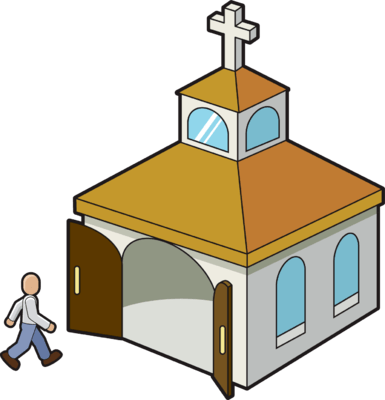
When we come to Church and confess our sins, what does the priest say? “…By the command of the Lord in the Holy Gospel, whatever is forgiven on earth is forgiven in Heaven.” This comes to us directly from Holy Scriptures from the words of Christ to His disciples (Matthew 16 & 18) teaching us that what we do here directly impacts us in Heaven. When we step into a Church, we are surrounded by icons, smell of incense, music, beautiful liturgical services, and we are taught from childhood that in Church we don’t talk loudly, we don’t cross our legs, we dress nicely, we don’t chew gum, etc. This isn’t because these things make us into bad people. Rather, again looking to the Holy Scriptures, when we step through the doors of the Church, we step out of the world and step into the presence of God, into the Kingdom of Heaven. We come into a new reality; a parallel reality. That is why from Isaiah we read of how seeing Heaven, he witnessed the angels singing and worshiping God “Holy, holy, holy is the Lord of Host; the whole earth is full of his glory” (Is. 6:3) and the Book of Revelations (4:8) as St. John lifts our eyes up to Heaven to witness this truth again. So my dear when we are in Badarak, when we step into Church, the name of the Church or the address listed does not matter; the priest and people don’t matter because even in an empty Church, we are all worshipping together, in the Kingdom of God, with all the angels, with the saints, with all humanity – we are worshiping God. We are in a parallel reality.

One day a priest saddened by the reality of his small empty Church decided to resign. He had tried his best, preached, visited, taught the Gospel but his community wasn’t growing, very few people attended services, they were aging, tired, and this led to him to be discouraged overtime; after all he is human. In his prayers he asked God for a sign hoping that even if his Church was empty, he hoped that his prayers were being heard. One Sunday morning he got ready to start Badarak and as the curtain opened and he turned to give that sign of peace, the Church before his eyes was full. The choir was full of people he recognized and of whom he did not. There were priest standing near him, praying with him and the Church was filled with warmth, light and prayer. Uplifted by this was a joyous celebration, he prayed fervently, he gave Communion, offered up his sermon and felt the power of God working through Him. At the end of Badarak, as he turned to do the final dismissal, the Church was suddenly completely empty with only a few of his older parishioners still there. The priest however did not lose heart but recognized, when we pray in Church, we are surrounded by the cloud of witnesses as St. Paul teaches; our prayers are heard, not just in this reality but in the presence of God.

What we do here is what is taking place in the Kingdom of Heaven my dears.. That is also why in the sacraments of the Church we emphasize, what we are doing visibly here, has an invisible reality in the presence of God. As we are reborn through our baptism, as husband and wife 2 become one, as a priest is bestowed with authority to forgive on earth – my dears, invisibly occurs in heaven. So yes, we are gathered in Church here today, in this reality and we are praying. We are praying for answers, and we are recognizing the love of God the Father through Christ Jesus, God the Son who died and is resurrected, who ascends into Heaven. Yet, my dears this love is not just limited to you and I, just to those who come to Church, who think and look like us. This love is not limited to this reality. God’s love is for all creation, for all time. Christ saves not just humanity but all creation that mourns because of sin. As we read, (Lk. 15:7) “I say to you that likewise there will be more joy in heaven over one sinner who repents than over ninety-nine just persons who need no repentance.” Teaching us that when we choose to live in sin, when we choose to hate, and remain unrepentant, the angels in heaven are saddened; yet, when we repent and come to God, they celebrate. What we do in this world, impacts the Heavenly world.

Today in the Armenian Church we are celebrating an invisible reality in the Kingdom of Heaven. For the Armenian Church it is known as Second Palm Sunday. This is a uniquely Armenian feast day and is told to us by St. Gregory the Illuminator, who while in the pit of Khor Virap his guardian angel visited him each day. However, on the fourth day of the Ascension, the angel did not appear. When St. Gregory asked where he had been the following day, the angel explained that on the fourth day of Ascension the angels celebrate and rejoice in the presence of Christ, of His entrance into the Eternal Jerusalem. While there is no scripture to verify this unique feast day, as we saw throughout many scriptural passages, what we do in this life is reflected in Heaven, our prayers here are reflected in the Kingdom of God; as we gather to celebrate here, the angels and saints celebrate in Heaven.

I say all this my dears to ask an important question because though it may seem imaginative or philosophical, the truth there is a deeper reality that if the material world ripples into the Divine world like a stone thrown into the water, what impact are we leaving in this reality? What life are we living, what decisions, what choices, what prayers are we echoing in this world that reflects in the parallel invisible world that is the Kingdom of God? When God created earth, He created it as a blessing for us through which to prepare us for what is to come. To prepare through prayer, humility, love, mercy, compassion; to prepare us through worship, through Holy Scriptures, through faithfulness. If the angels in Heaven serve and celebrate our faithfulness and yet, mourn and pray for our sinfulness, how do we, the children of God behave and live when the world chooses to reject God’s love, to be disobedient and remain dark? Do we pray for them? Do we look with compassion and serve in humility? For what we do in this world, reflects the Kingdom of God my dears for all to see, in all realities echoing over eternity. The man in the mirror, the imagination of parallel worlds and timelines, while fantastic and entertaining begs the question, whether fictional or real, what kind of reflection, what kind of ripple do we leave?

My dears, come and enter into the Kingdom. Come and pray; come and repent. Attend and learn the Holy Scriptures and worship not just in the Church building that may or may not be empty; but worship in the Kingdom of God. In His real presence, under His real love. And when we worship here, step back out of this invisible world, out of the Kingdom and step into the material world and live a life that reflects this place of forgiveness, healing and love, for others to see. For angels celebrate with us, the saints pray for us and what we do in this life, in this reality, directly impacts what will happen and what is happening in the invisible world to come. What will we see?

Did You Hear It?!

Daily Readings: Acts 9:23-31; 1 Peter 2:1-10; John 2:23-3:12
Ընթերցուածքներ` Գործ. Թ 23-31; Ա Պետ. Բ 1-10; Յով. Բ 23 – Գ 12

In the Name of the Father, Son and Holy Spirit, Amen

If a tree falls in the woods and no one’s there to hear it, does it still make a sound? This philosophical question is perhaps one we’ve all heard. The answer is of course yes, it makes sound vibrations though there is no one to receive those vibrations and therefore, the sound is not heard. In science this concept of sound vibrations is actually quite fascinating because it begs the question, are those vibrations powerful enough to make an impact in the world around them even if no one hears it. In science, this is called string theory, which proposes that the fundamental elements of the universe, the things that exist in other words, are not made up of particles, but rather minuscule, vibrating strings of energy. Meaning the entire universe is made up of vibrating energy, what we call frequency, much like a sound wave. Yet, what is so fascinating about this is if we take this theory and apply it to the question I asked about the tree falling in the woods, we can reword it to ask, what in the woods created the sound vibrations and what came of it?

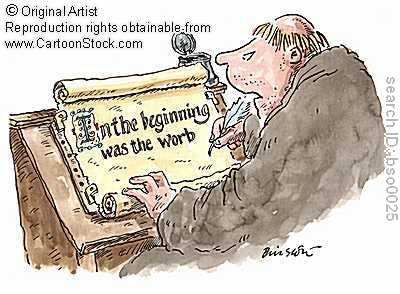
And this is an important question to ask my dears as Christians, not philosophically or scientifically but practical for our lives. Because if science suggests that the entire universe is made up of these vibrations, we need to ask what is the source of those vibrations? For us Christians we know that this was God. In fact, what do we read in the Book of Genesis about creation? How did creation take place? “God said…”Creation was spoken, by sound vibrations, into existence. Even though we were not there to hear it, those vibrations caused life. Ps. 33:4 – 6 we read, “For the word of the Lord is right, And all His work is done in truth. He loves righteousness and justice; The earth is full of the goodness of the Lord. By the word of the Lord the heavens were made, And all the host of them by the breath of His mouth. God created all through His Word, through speech. Last week we even read in Jn. 1 – “in the beginning was the Word…All things were made through Him, and without Him nothing was made that was made.”

And speech, or word to create is one of our shared qualities with God. In fact, in Armenian what do we call animals? Anasun, literally “non-verbal”. Yet, if the entire universe as we believe was spoken into existence, which even science affirms, these sound vibrations are what make up the universe and all in it, and we as humans differing from all animals of creation likewise speak, regardless of who is there to hear it, what kind of vibrations, what words, do we speak and put out into the universe? You see my dears, this question is neither scientific nor philosophical, it is personal, because we are responsible for what comes out of our mouths, we are responsible for what we create. And this is not limited to merely words. We are responsible for what choices we make, which likewise leave an impact in this world. The saintly Mother Theresa says, “Kind words can be short and easy to speak, but their echoes are truly endless.”

Regardless of if anyone hears our words, or thoughts, if anyone is on the receiving end of our actions, we leave an impact in this world. Our words, and our actions my dears, leave a vibration and imprint in this universe. Sometimes we don’t even realize this until it’s too late. I remember once getting cut-off in traffic and I used angerly responded with a slur in Armenian, only to hear my son laughing and repeating the same word all of a sudden. So often I hear people say, “oh this is my sin,” “or this doesn’t hurt anyone else.” Yet, as a body, if I have a headache, my entire body is uncomfortable. Likewise, we through our choices not only impact our lives but also those around us. Even the words we use about ourselves, in the privacy of our mind, impact us.

A famous Japanese doctor, Masaru Emoto, conducted an experiment where he would expose water to negativity and hatred. He would use negative, hate filled words, play harsh music, or share unkind thoughts towards a body of water. In another container, Dr. Emoto would play classical music, speak kind and loving words, sharing positivity. At the end of the experiment, he froze both samples of water and examined the participles. In the negative water, he discovered broken, and ugly ice crystals, whereas in contrast with the positive water he found beautiful harmonious structures formed. My dears, does my life leave positive or negative, violent or loving, Godly or sinful impact? As children of God, we are created by the harmonious, kind, loving Word of God. Through sin, the negativity and hatred of the world, pollutes are very being. We fill our lives with anger, hatred, we hold on to hurt, we abuse our mind, and our body, we listen to evil words and thoughts, we go after things that ultimately leave us far worse, broken and unsatisfied. Yet, through His Word, Christ Jesus, God calls us out of the darkness. Our creative God renews us through His Holy Church, through the Holy Scriptures – through His love and mercy.

And in our Psalms, we call out, “Lord if you open my lips, may I sing your praise.” Sing your praise not just in the Church my dears, but with our words, with our lives, sing His praise by forgiving others, sing His praise by forgiving ourselves, sing His praise by our choices in accordance with His commandments. Come and be reborn, washed of iniquity through the Holy Baptismal font, be the Holy Priesthood that God calls us to be through His Word, as St. Peter writes to us. “But you are a chosen race, a royal priesthood, a holy nation, God’s own people, that you may declare the wonderful deeds of him who called you out of darkness into his marvelous light.” (1 Peter 2:9) Declare the wonderful deeds of Him! Create, speak, do, so that when the world sees us, when the world feels the vibrations we leave, even if they never personally know us, they will personally know God. Whether or not there is any one there to hear the sound of a falling tree, God sees. Whether or not the there is any on there to see or hear our actions, God sees. And through us, the universe is impacted, the love of God is shared, the light of God is brightly shined, and all creation, verbal or non-verbal, will glorify or deny Him. By the Word of God, Jesus Christ, by the love and mercy of our Heavenly Father, through the grace of Holy Spirit, let us open our minds with compassion to do His will, let us open our mouths in praise, Amen!

Over the Weeks, Months and Years…

Daily Readings: Acts 5:34-6:7; James 3:1-12; John 1:1-17
Ընթերցուածքներ` Գործ. Ե 34- Զ 7; Յակ. Գ 1-12; Յով. Ա 1-17

Christ is Resurrected from the Dead – Blessed Is the Resurrection of Christ
Քրիստոս Յարեաւ ի Մեռելոց – Օրհնեալ է Յարութիւնն Քրիստոսի

In 2007 I remember joining a group of Armenian Church youth from Canada who traveled to Armenia as volunteers. We lived in villages in Armenia while doing volunteer construction work, teaching the local kids, while also going on excursions to see the beauty and history of Armenia. It filled us all with pride and uplifted our spirits, because we felt a much deeper and appreciative connection to our homeland. When we returned home, we all stayed closely connected, we all attended more Armenian cultural and religious events. We appreciated where we were from and wanted to do more. Yet, over the weeks, months and years, this feeling disappeared. Many in the group stopped attending Church and cultural events, almost all of us stopped messaging each other, and life went on. Many years later, while I was a student in Jerusalem, I met a group of Armenian Church youth who from this Diocese came to Jerusalem as pilgrims. I witnessed the raw emotions and internal questions of faith, as the young men and women, walked the path of Jesus, prayed in ancient temples in their Armenian language, saw the history of not just the world but of our own people in the world. And revitalized, everyone returned to their parishes where they began actively attending their Churches, reading their Scriptures, going to Bible Study, wanting to learn more. Yet, over the weeks, months and years, this feeling disappeared. Life got busy, dating, marriage, careers, and so forth took priority and everything else stopped.

Perhaps my dears we have all felt this way at some point. Not just by going to Armenia or Jerusalem, but even in our everyday lives. When we feel connected and revitalized to do better, work harder, go to the gym, eat healthier, study more, and be more prayerful. Yet, over the weeks, months and years, this feeling disappears. Last week, we celebrated Holy Week, the high point and most difficult religious Christian experience of the reality of Christ Jesus’ being betrayed, tortured and killed for our sins. And the week climaxed with Easter Badarak, with the resounding words of Christ Is Risen, where we witnessed our Churches were filled with faithful. We felt good looking in the pews and seeing how the Church was full. And yet, we are now 1 week later, what changed? Today our Eastern Orthodox brothers and sisters are celebrating Easter, the Resurrection of our Lord, what will change for them next week? Will Church be full? Will we still be energized? What changed? My dear brothers and sisters, nothing has changed and that is the problem.

Our faith must change us, must renew us, and transform us. When we live our faith, it means we need to be changed by it so that what we feel is not merely an emotion but a reality. In the same way when we go to Armenia, when we go on a pilgrimage to Jerusalem, when we volunteer, when we try to better ourselves; if all we are doing is on the surface, eventually that feeling stops, success fails and we go back to being disconnected. Christ Jesus changed death into life, Christ Jesus changed brokenness and rejection into love and hope. That is what our faith is, a response to be changed, and transformed. Changed in how we behave, how we think, and overall live out our lives. Changes that take place over the smallest things, which is why James in his letter gives the example of the rudder on the boat, or the small flame that engulfs the forest. Small changes in how we live. God isn’t saying we need to become hermits or stop everything else but rather, my dears, God wants us to be with Him in our everyday, by recognizing His love. A love that teaches us every day Christ is born and revealed for us, everyday Christ is Risen from the Dead for us. And every day, Christ walks with us.

Elder Paisios of Mt. Athos says, “For true monks and believers, every week is Holy Week. When you think divine thoughts, you live through these holy events. You are transformed.” In other words, we don’t need a date in the calendar to respond and celebrate God’s love. We need only to humble ourselves, and seek Him daily, come to the light and be renewed. Today in the Armenian Church we call it “new Sunday” or “re-Easter”, because we again having been renewed celebrate God’s presence in our life, as His children. That is why in the Gospel we remember, “But to all who received him, who believed in his name, he gave power to become children of God; who were born, not of blood nor of the will of the flesh nor of the will of man, but of God.” To become, as in to be something they were not, receive something we don’t have; and we are called to become, receive His love and be changed into the children of God. For each of us this path is different, for each of us this process is different, yet for all of us it begins with Christ Jesus. And over the days, weeks, months and years, faith will not disappear but we will be changed.

Come and pray, seek and ask, thirst and drink. Don’t wait for Christmas and Easter, or an arbitrary day in the year to begin walking with God. God loves us every day! Christ calls all of us daily and send the Holy Spirit to show us the way, providing us the means by which we can truly be changed, and transformed. And seeing the wonderous and glorious works of God we will always be revitalized and strengthened in our faith, and we will continue sharing His light with this darkened world. May the grace and love of our Lord Jesus Christ be with us all, Amen!

To Hell (And Back) With Jesus


Daily Readings: Acts 1:15-26; Mark 16:2-8
Ընթերցուածքներ` Գործք. Ա 15-26; Մարկ. ԺԶ 2-8

Kristos Haryav i merelots,
Christ is Risen from the Dead
Krisdos Anesti
Kristos VosKrese
El Misa Qam
Le Christ est réssuscité
Blessed is the Resurrection of Christ – Օրհնեալ է Յարութիւնը Քրիստոսի

To hell with Jesus Christ! Oh, my goodness Fr. Andreas has lost his mind. In our everyday language we so often use the name of Christ Jesus, or references of God in Armenian and English without realizing their significance. For example, “Oh my God” or “Jesus Christ” are used to express frustration, joy, anger, clarity. In Armenian we have expressions such as “Vay Astvadz” (Oh God) “Ter Voghormya” (Lord have mercy), “Megha Qez Astvac” (I have sinned against God), to express likewise frustration, anger, and other such emotions. Perhaps thinking about this now, we would agree with a slight smirk that yes these are ill-placed and misused, but we wouldn’t think of them as overly harsh. What about “God damn it”, “Holy ____”, or as I started my sermon “to hell with ____”? Do we understand what we are expressing? Even if out of frustration or joy, or anger. In the Gospel of Matthew we read “For by your words you will be justified, and by your words you will be condemned” (Matthew 12:37) Our spoken words are a reflection of the heart and carry immense weight. Careless or idle words (Matthew 12:36) reveal a person’s true character, acting as evidence for or against them. So, do we truly wish for God to damn, send into hellfire and torment, the thing or person that is causing us frustration? Are we truly equating holiness with feces or other such things? Or in Armenian, so often we will in frustration curse “Dirocht mayr or hayr” where we are literally saying, cursed be your mother or fathers Lord “Der”.  Isn’t our Lord God?

My dear brothers and sisters, each Easter and Christmas we greet each other with praiseworthy words of recognition of what God has done for us. We commandingly say, “Christ is Risen from the Dead” – yet, how much of those words are careless vs. said with understanding? If our words of prayer are private between us and God, the proclamation of Christ being resurrected is one we say openly to all, share with the angels, our priest, and families. Perhaps some of us will even post it online. Yet, do those words mean truth to us or are they like the many forms of expressions we use daily, the curses, the slang, the negative comments we utter or write online? Do we believe the Christ is Risen? When I begin with the words today “to Hell with Jesus Christ” I am in fact saying them with understanding my dears. Understanding that when Christ was crucified and died for our sins, His body was wrapped and placed in the Tomb. His soul however, traveled to Hell or more correctly, to the Bosom of Abraham and Shaol. The Bosom of Abraham is the place where those who had died before Christ’s coming, yet, who lived faithfully rested waiting for the Messiah.

Shaol was the place where those who died before Christ yet, did not know God, waited. You see Shaol is the Hebrew word for the place of waiting for the dead, while Ghenna or Hell is the place after final judgement. And so those who had died faithfully and faithlessly before Christ, were waiting. And as Orthodox Christian we believe that when Christ died on earth He went to Hell, to Shaol and the Bosom of Abraham, and here He was revealed to those who died as the Messiah. And the reason He did this is because God’s love extends beyond just this material world. God did not abandon those who did not know Him, as is stated by Scriptures in todays reading, “But God raised him up, having freed him from death, because it was impossible for him to be held in its power. For David says concerning him, ‘I saw the Lord always before me, for he is at my right hand so that I will not be shaken; therefore my heart was glad, and my tongue rejoiced; moreover, my flesh will live in hope. For you will not abandon my soul to Hades, or let your Holy One experience corruption. You have made known to me the ways of life; you will make me full of gladness with your presence.’” (Acts 2:24-28) And also, “For this is the reason the gospel was proclaimed even to the dead, so that, though they had been judged in the flesh as everyone is judged, they might live in the spirit as God does.” (1 Peter 4:6)

It is this understanding for which I say, Christ Jesus goes to Hell. Yet, why is this so important for us today to know? My dears, no matter where we are in life, no matter our darkness, no matter our hurt, no matter our addictions and brokenness and sin, no matter how much failure or success we’ve had, no matter our language, or politics, skin color, dress, position in life or age, even if we are in hell, God does not abandon us. Even when we think we are lost to the abyss, when we are calling out in prayer, God does not abandon us. Whether we are celebrating joyfully around a banquet table as Christ did during the Wedding of Cana or we are standing before His Cross, seeing the one we loved crucified, God does not abandon us. But as Christ went to Hell and the dead responded to Him, we too must respond to Him. Respond by living out the commandments, respond by remaining faithful and prayerful, respond through patience and compassion. Respond daily in our lives with our actions and words. Actions with these hands by which we cross ourselves and pray but then go out and do hurtful things, reject and deny one another. Words that come out of our lips of prayer, worship and proclamations of God’s love but with these same words which we curse one another, carelessly profane, insult, reject, and devalue ourselves and this world.

Yes, my dears, Christ Jesus harrowed into Hell, destroyed its gates, entered the darkness and lifts out all those who are lost to renewed life and hope. And Christ enters our darkness, to lift us out into renewed life and hope, inviting us into Communion with Him, the Heavenly Father and the Holy Spirit. This renewal is not merely a feeling nor is it superlative words and proclamations we say in Church but is the foundational transformation that we are each called today. Hell into Heaven, Doubt into Certainty, Fear into Love, Brokenness into Wholeness, Death into Life.

My dears this transformation, our response of faith is lived out daily, in our words, in our actions, in our interactions, in our private and public lives. Days that feel great and days that feel like hell on earth. As St. David says, “therefore my heart was glad, and my tongue rejoiced” Therefore, be careful, be watchful what we say, and what we do for our lives are a reflection of who we are my dears. Reflect Christ Resurrected. Reflect life and hope in a world that feels lost and confused. Remain prayerful even if we feel lost. Remain vigilant even if we feel unsure. And know that God will not abandon us, God will not leave us in darkness. “For Christ is Risen from the Dead, trampling down death by death and to those in the Tomb bestowing life.” Understanding this, we proclaim Christ goes to Hell so that we can declare, with Christ we are Risen from the Dead- Christos Haryav I merelots. Amen

Be Watchful Of…

Passages: Is. 66:1-24; Col. 2:8-3:17; Matt. 22:34-23:39
Ընթերցուածքներ՝ Եսայ. ԾԶ 1-24; Կող. Բ 8- Գ 17; Մատթ. ԻԲ 34- ԻԳ 39

In the Name of the Father, Son and Holy Spirit, Amen!      

Be watchful of your thoughts for they become your words; be watchful of your words, for they become your actions; be watchful of your actions, for they become your habits; be watchful of your habits, for they become your character; be watchful of your character, for it becomes your destiny. My dear brothers and sisters, these words come to us from an ancient Japanese proverb which highlights a very important reality, yet one we sometimes forget to reflect upon. I know it’s a bit ironic that I begin today’s sermon with a Japanese proverb when today’s reading from St. Paul to the Colossians literally begins with the words, “Beware lest anyone cheat you through philosophy…” And yet, these philosophical words do not replace Scripture but emphasize rather, and uphold an important question that Holy Scripture asks of us – who are we as a person, what do we do, which shapes and impacts how the world around us will be?

I am always asked why the world is falling apart. War, hatred, rejection; crime, sacrilege, sickness; darkness, addiction and loss. Whether in our own lives or the world around us, we see these negative realities, we experience these pitfalls and wonder how and why. We see parents who do not parent, teachers who do not teach, leaders who do not lead, and faithful who do not pray. We are left again wondering how and why. Yet, my dear brothers and sisters, the answer is quite simple. The why is dependent on each one of us, and why we choose to live the way we do. Why we choose to cheat, why we choose to lie, why we choose to not forgive, or why we do pray, why we do love, why we do care for others. Yet, the how is not immediate, nor is it unique to us.

How the world becomes dark, how our own lives are filled with so much negativity begins step by step, as the Japanese proverb teaches us. Be careful of our thoughts asks, how do we think about those around us, about our own selves, and the world we live in. What kind of thoughts enter our heart and mind that shape us? If we are careless, things will fall apart. If we are overly critical, we are never satisfied and overly burdened. If we judge before knowing, or reject before understanding, we are filled with hatred. Yet, if we are overly accepting and non-judgmental, we allow our own lives to become polluted with things not pleasing to God. As the saying goes,“when a generation tolerates a sin, the next will celebrate it, and the generation after won’t even know it’s a sin!” Be cautious of your thoughts, because those thoughts come out in our words.

How often are we watchful and careful of our words? How careful are we in our vocabulary, regardless of our spoken language? Just think about how much more we hear profanity and vulgar words used not just in private conversations but perhaps in the office, on the news, in our own families. We might argue that we only occasionally use those words in private, yet our words which are shaped in how we think speak about how we view ourselves and others. Through jokes, through white-lies, into hateful, and damning speech. I remember as a kid, playing with my friends we would use horrible language or say racist jokes. I would always be careful that those jokes were only with friends or that language was only when I was frustrated with friends playing games, until one day I used it in a classroom in front of my teacher when I was frustrated on a test.

And whether we like it or not those thoughts, which we speak, translate into actions. How we behave and the choices we make, the lies or truths we justify. And if we do something often enough, that becomes a habit and shapes our character. People expect those things from us negative or positive. “Oh, Armenians and Greeks, they’re always late!” Sure, that might be playful, yet, what about negative stereotypes “California Armenians are all criminals,” “Jews are cheap”, “Asians can’t drive” and so forth. And while no, we may argue we don’t truly believe these things, our thoughts, and words reflect eitherwise in our actions. And perhaps we may not believe in destiny, we certainly believe and know that the life we choose to live based on these steps, our thoughts, words, and actions not only highlight who we are, ultimately they impact our communion with God, and how others view God. Not just Heaven and Hell, but here in our everyday experiences my dears.

That is why Christ is so critical of the Pharisees in today’s Gospel. They know the truth, they have the teachings yet, with their thoughts, words, actions, habits and character not only do they reject God, reject Christ, but also become a stumbling block for others to believe. Well, my dear brothers and sisters, what about us? We have journeyed through another Great Lent period, and we are preparing for Palm Sunday, Holy Week and Easter. Many of us have asked how do we do Lent, what does that consist of, yet how many of us remembered not just the food, or the donations but the way we live our everyday? What kind of music we listen to, what kind of news commentators or literature, videos, movies, and so forth do we allow to be part of our everyday life? How we talk to others, about others, how we think about ourselves and others, and so forth.

These steps my dears, when going down the wrong way is what ultimately leads not just us but also impacts how others are led either towards or away from God, away from His forgiveness and love. Why we choose to do things we do, why we come to Church, why we diet, why we exercise, why we pray, why we care, why we don’t, is a personal reason, impacted by the journey we are on. And yes, along the way we may mistakes, but we can learn to grow, learn and change so that our why will become richer and more impactful. Yet, how the world is in the state it is in, how we make a change, how we, grow starts from the steps we take every day, to be cautious and careful of our thoughts, which become words, which become actions, which become habit, which shape our character and ultimately impact how we receive the love of God in our lives.

God desires the best for us; God our Father, embraces us and offers forgiveness for our past, present and future. God the Son, Jesus Christ, teaches us that no past, no word, no thought or habits or actions is greater than His love, His Word, His act on the Cross for our sake. And God the Holy Spirit, continually provides us with the opportunity to come back, be reshaped, transformed, grounded in faith, so that not only will we be changed, but the people around us will also desire the love of God, the world around us will be changed. Be watchful of your thoughts for they become your words; be watchful of your words, for they become your actions; be watchful of your actions, for they become your habits; be watchful of your habits, for they become your character; be watchful of your character, for it becomes the means by which we either accept or reject the grace and love of God, the Father, the Son and Holy Spirit, daily and for all eternity, Amen!

“6-7”?

Passages: Is. 56:1-57:20; Eph. 4:17-5:14; Lk. 16:1-31
Ընթերցուածքներ՝ Եսայ. ԾԶ 1- ԾԷ 20; Եփես. Դ 17- Ե 14; Ղկ. ԺԶ 1-31

In the Name of the Father, Son and Holy Spirit, Amen!

In a world with options and ever-growing trends, it’s often difficult to keep up to date, be in the know, and always stay relevant. Whether its fashion, music, celebrities, or technology, the world around us is constantly growing. This past summer at camp, the kids kept laughing and lifting up their hands in a dance, each time an instructor would say the numbers 6-7, because it had become popularized through the song “Doot Doot (6 7)”. What about parachute pants? Or mesh shirts? What does it mean if someone says, “Austin 3:16” or if begin a song with the words, “I wanna be the very best, like no one ever was…”? How many of us remember these trends Especially with social media, new trends spread fast and if you’re not on Tik Tok, or other social media, or if you don’t have a kid at home who is following along, you’ll get left behind. Yet, even as adults, we have our trends, things we pay attention to. The economy, war, the news, things happening at work, etc. If we don’t pay attention, if we don’t stay up to date, we will get left behind.

As Christian’s, we recognize that everything we have in life, our body, our wealth, our material possessions, technology, money, etc. are blessings given to us by God. They give us joy and provide for us means to make friends, build relationships, help those who perhaps are unable to have or who are struggling for whatever reason. It is for this reason in the Gospel today, we read, “And I tell you, make friends for yourselves by means of unrighteous mammon, so that when it fails, they may receive you into the eternal habitations.” The unrighteous mammon is the wealth, the material, what is trending today, that we are called to use to build relationships and lift one another up. However, these words come to us at the end of the Parable of the Dishonest Steward, who was abusing what he had, and his responsibilities. In other words, my dear brothers and sisters, we need to first recognize that we are all stewards, caretakers, not masters, of what God has given us.

Yet, the truth is for too many of us, the trend, the money, our bodies, our material possessions have become the purpose of our life. In an effort to become a master over these things, we’ve become a slave to them. We see our value, our importance in what we have, or how our portfolios and 401K performs, or how trendy we are, how many likes and follows we can collect, even at the expense of others. Yet, my dear brothers and sisters, these things are not our master’s, they are tools given to us by God for a purpose. In Psalm 86 we read, “Among the gods there is none like you, Lord; no deeds can compare with yours”. Kind of strange that Scripture is acknowledging that there are gods but just that they are not like the Lord. Isn’t there only one God? Yes, my dears. However, as Christ continues in today’s passage, “we cannot serve two masters” means we need to ask ourselves, who or even what have we made into gods for us? What gives us value, or defines our purpose? Sex, drugs and rock n roll, Tik Tok, our jobs and education, what car we drive, which community we live in, what language we speak, what color of skin we were born with, who we voted for, our citizenship or immigration statues, our money, our bodies, our brokenness, our hurt, our addictions and scars? Which one of these things give us true value and purpose? None of them!

It is the love of God our Heavenly Father, the true master, who provides for us tools with a purpose – to lift each other up, heal the world, bring light to the darkness. It is the love of God the Holy Spirit, who guides us with meaning and purpose as participants in His majesty. It is the love of God the Son Jesus Christ, who takes our pains and brokenness, the rejection and irrelevance that the world says about us, and gives us life. My dears, trends change, the world is changing, what is deemed important and valuable today will be discarded and worthless or unfashionable tomorrow. God is, was and always will be the same! His love for us, even if we are the greatest sinner, will always remain; we will never be discarded or rejected by God. When we recognize our part in His Will, when we recognize that we are stewards called to take care of this world, take care of each other, and ourselves with the blessings we have in this life, than more of true richness and life will be revealed to us. We will begin to truly understand and see who God is.

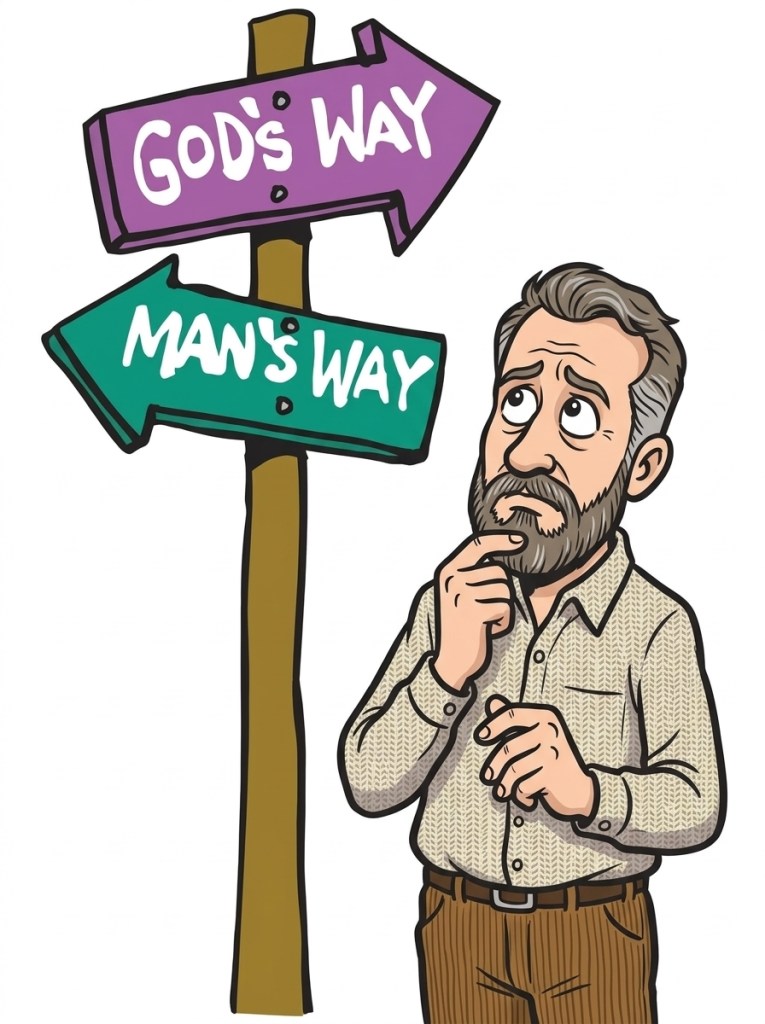
But we cannot serve God and mammon. We cannot stay trendy and Holy. Be Holy my dears. Focus on your Holy Scriptures more than reading the comments on social media. Recite the words of prayer with our hands and not just lift up our hands when we hear the numbers 6-7. Come to Church not because it is filled with trendy and Holy people, but because it is filled with Christ who calls all people to Him. Use your youth to be an example of faithfulness and wisdom. Use your age and experience to draw others to God’s love. Use what blessings God has given us to be good and faithful stewards of God in this world. And this world will be healed, and we will be healed and the grace and love of God will be seen by all who seek it, giving Him glory now and forever, Amen.