Daily Readings: Isaiah 1:2-15; Rom 6:12-23, Mt. 12:1-8
Ընթերցուածքներ` Եսայ. Ա 2-15; Հռոմ. Զ 12-23; Մատ. ԺԲ 1-8
In the Name of the Father, Son and Holy Spirit, Amen!

As children grow up, we always like to ask them, what do you want to do when you grow up? Of course, no one asks us as adults what do we want to do with our life because when we ask this, we mean what job, career path, or even educational journey would the child like to pursue in their adult life. As a child, I apparently had said I wanted to be the king of Armenia, yet, as I grew up, I changed this from being a priest like my father, to being a marine biologist, lawyer, actor, singer, mobster, football player, teacher, cook, to eventually somehow, recognizing that God is calling me to priesthood. I’m sure this trajectory is similar to all of us. Even in college, most students change their majors or go back after graduation and realize what they learned is not what they like and so they go on a different career path. In this journey of career searching, we also question what is our purpose in life? Especially if we have faith, we will ask what does God want me to do?
My dears, God does not decide what we do; Not even priesthood is decided by God, in that priesthood is not a job, it is a calling; it is a specific response to do the Will of God in this life we live through service. This calling however, is not limited to the physical sacramental office of the priesthood. God calls all of us – but to what? In Rom. 6, St. Paul writes, “Therefore do not let sin reign in your mortal body, that you should obey it in its lusts. And do not present your members as instruments of unrighteousness to sin, but present yourselves to God as being alive from the dead, and your members as instruments of righteousness to God. For sin shall not have dominion over you, for you are not under law but under grace.” This means my dears, what we do as a career, where we go to school, where we live, what language we speak, what we wear, all the things we daily use to place value, purpose and importance on our life pale in comparison to what God wants for us and of us.
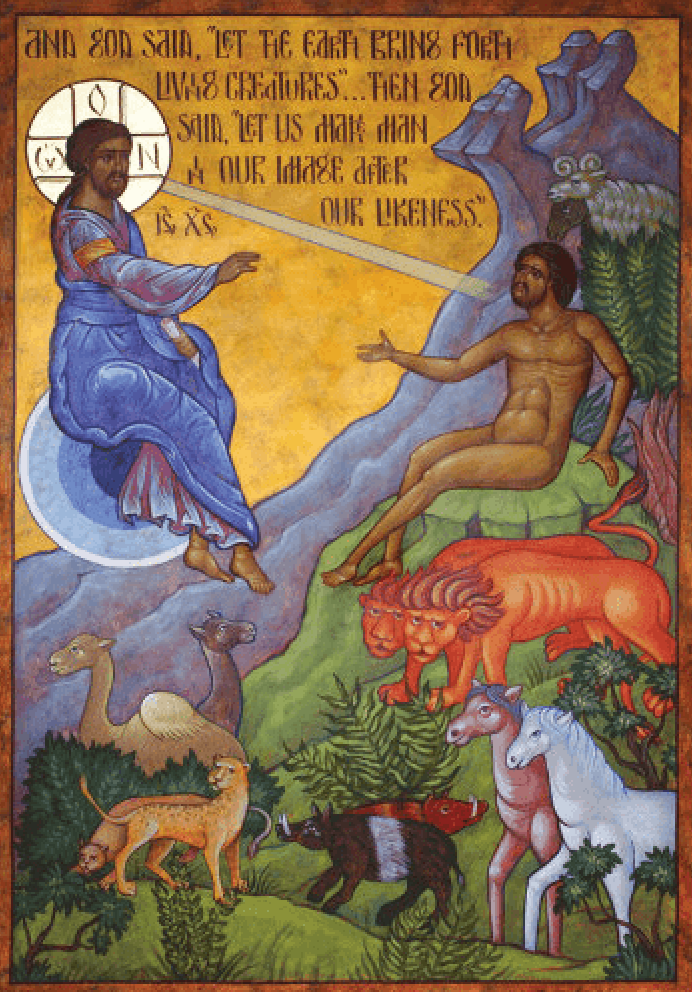
God created humanity in His image and likeness and God gave humanity dominion over the rest of the created world. Dominion not to abuse it, hurt it, pervert it, and fill it with sin. But dominion as in responsibility, an opportunity to participate in His work of creation. Yet, let us for a moment be honest with ourselves, parents think about your children, or as adults think about your day to day, how much time, energy and focus do we utilize on participating in Gods creation? Do we understand what this means? How devoted are we the material vs. our the strengthening of our faith in God? As a parent, we will sit with our children to help them with homework, raise them to be successful in school. We make sure they are fed with proper nutrition, bathed to be clean, clothed in proper attire – yet, do we sit with our children and pray or talk about Christ? Do we bring them to Church and feed their faith? Do we help wash them of their sinfulness and clothe them in the knowledge and love through the Holy Spirit? As young men and women, we go on apps, go to social events, perhaps Church events, we go on dates, to find and build relationships, we spend time with likeminded people, forming lifelong friendships – yet, what do we do, what do we use to build up our eternal relationship, our Communion with God the Father? We look for meaning and purpose in our jobs, at the expense of our physical and mental health we sacrifice to be successful in our careers, for the bonus, for that recognition, for tenure and so forth – yet, what about our spiritual health?
Of course, growing up and wanting to do something we love is not wrong, taking care of our children is our responsibility, building relationships is something we all need, but we need to ask where do we find our value and our purpose? This isn’t a question merely for self-discovery, but it also impacts our view of others. If our physical appearance, our jobs, our education, our relationships determine value and importance, than others who fall short of this standard we have set, also fall short in our heart and mind in value. We begin to judge them and look down.
In the Gospel today, the Pharisees rebuke Jesus and His disciple for plucking grain and eating on the Sabbath. The Pharisees saw value not in the personhood of the Disciples but in their actions, which was clearly breaking the law. Yet, Christ reminds them and us, that the God requires “mercy and not sacrifice.” This doesn’t negate the wrongfulness of the breaking of Sabbath, but it tells the Pharisees, you are hypocrites in your judgement because you yourself of breaking the Sabbath not by physical labor but by the hatred of your heart. Likewise, us my dears. If someone is living in sin, if someone is wasteful of their time, and talent, if someone is ignorant, arrogant, hateful, spiteful, and hurtful; if someone is not living in faith or breaking the rules, how do we approach them? If someone keeps failing at their job or school, as a parent, in their relationships do we see them as lesser? If someone doesn’t dress like we dress, act, speak, look the way we think is best, do we see them as a failure? Do we devalue them, or do we pray for them, help them if we can with love and kindness because they are a child of God?

St. Nektarious of Aegine says, “A Christian must be courteous to all. His words and deeds should breathe with the grace of the Holy Spirit, which abides in his soul, so that in this way he might glorify the name of God. He who regulates all of his speech also regulates all of his actions. He who keeps watch over the words he is about say also keeps watch over the deeds he intends to do, and he never goes out of the bounds good and benevolent conduct. The graceful speech of a Christian is characterized by delicateness and politeness. This fact, born of love, produces peace and joy. On the other hand, boorishness gives birth to hatred, enmity, affliction, competitiveness, disorder and wars.” In other words my dears, yes, as Christian’s it is our place to call out right from wrong, but to do so as God does, with mercy, and love. To love the sinner not the sin, to guide the lost towards light not blind them with arrogance. To recognize our value and the value of others is not in what we grow up to do, what we struggle with, what we look like, what we fail or succeed at. Our value, everyone’s value, is the love of God the Father, Son and Holy Spirit, in whose image and likeness we are all created in.
And in that likeness, we must grow to be as He is. To be as God is begins with separating ourselves from sin, from darkness, from the passions and lies of this world such as pride, anger, fear, hatred, and so forth. To be as He is means to raise children in wisdom and love; to be compassionate and merciful regardless of our jobs or schooling; to be patient and with self-control in our relationships. To be as He is, is to be in Holy Communion with God the Father, Son and Holy Spirit everyday, in all we do. Yet, to be as God is, to be in Communion with God, we need to come to God in humility and repentance.
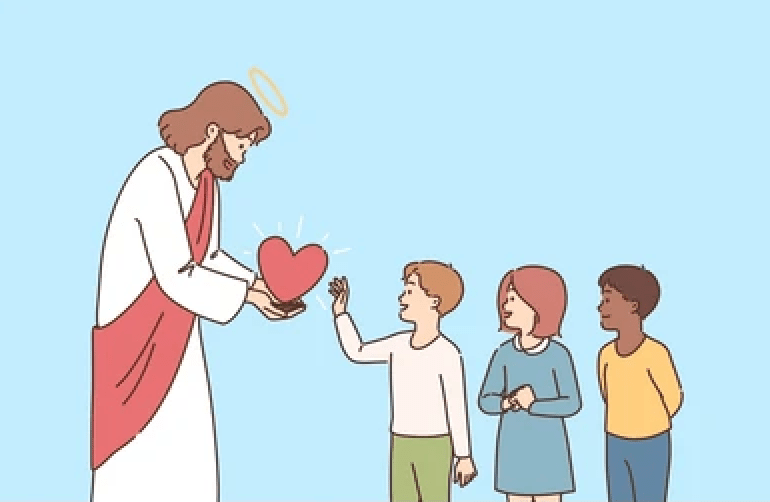
Therefore, come in humility and compassion! Come to Church to grow in faith; open the Holy Scriptures, ask questions to the priest, feed your spiritual hunger, step out these doors and recognize that our value, our purpose can be lived out every day when we answer the call from God to be as He is. So that when someone asks, what do we want to be when we grow up, regardless of our age or profession we will all say, I want to be a Christian, a beloved child of God. My dears, what is our purpose? Where is our value? What do we want to be when we grow up by faith? Amen!
 St. Gregory the Illuminator Armenian Church