Daily Readings: Zech. 2:10-13; 2 Corinth. 6:16-7:1; Lk. 1:39-56
Ընթերցուածքներ` Զաք. Բ 10-13; Բ Կորնց. Զ 16- Է 1; Ղուկ. Ա 39-56
In the Name of the Father, Son and Holy Spirit, Amen.
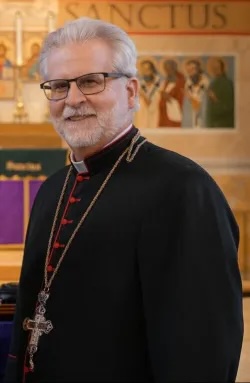
Have you heard the terms “cradle born” or “convert”? Cradle born means that from our birth we were raised in the Church, whereas convert means in life we later chose to become a member of the Church. Fr. John Fenton, who is an Orthodox priest at St. Michael’s Church in Whittier, CA during an interview shared a story from his seminary years, who before he became Orthodox, was a Lutheran, studying in Lutheran seminary when for one summer he attended an intensive class at the Orthodox seminary of St. Vladimir. While on campus, a clergymen appeared who everyone seemed to admire as it was the renowned Metropolitan Bishop Kallistos Ware. Students approached asking for the Bishop’s blessing and likewise, John, who was not yet a Orthodox, but who knew about Bishop Ware, because he had read many of his books, approached and introduced himself. The Bishop asked him, “who are you?” Clearly, John stood out. John said he was a Lutheran seminarian but had been thinking of converting to the Orthodox Church. Surprisingly, the Bishop asked him, “why would you do that?” John responded by saying how in Lutheranism, and many protestant denominations, they have many-many problems. The Bishop gave John a reality check. He said, “we don’t want you. When you are able to be Orthodox and still embrace the good in Lutheranism, we will accept you. But if you’re just running away from Lutheranism, we don’t want you”.
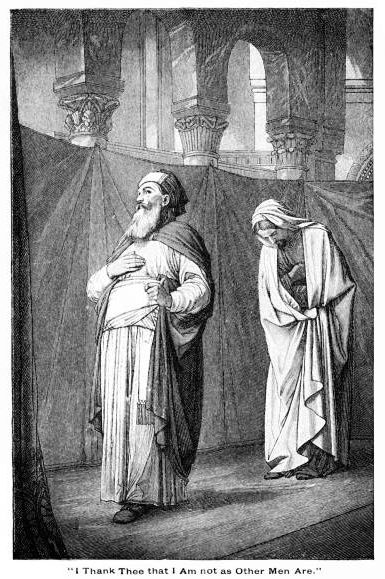
Imagine if you told the priest you wanted to come to Church and he says we don’t want you. We would feel hurt; we would be confused. Especially as we are constantly worried about how empty our Churches have become. Yet, the Bishop’s words are very powerful to reflect upon. What brings us to Church? Why are we here? Do we like the priest? Because our last name ends with -ian or -yan? Perhaps we are “cradle born” – our parents brought us from the beginning. Perhaps we are ABC – “Armenian By Choice”, or perhaps we married into an Armenian family and well, the food is better here than in some of the other Churches? Or are we running away from something? Are we escaping some darkness and think that maybe the Church will accept me for who I am? My dears, Christianity is not about escapism, it isn’t about ignoring our past or running away from darkness. It isn’t about the priest or the choir and it certainly is not about our last names or the family we belong to.
Scripture is full of the opposite. We are called to not run away but to stand before the Cross, recognizing that God is our light to help in the darkness. St. Paul reminds us in Ephesians 3:17, “So that Christ may dwell in your hearts through faith. And I pray that you, [are] being rooted and established in love…” In other words, my dears the Church, Christianity is not about someone who is simply running away from their past. And belonging to our a certain family or cultural does not make us an Christian. Being a Christian, to come to Church is about embracing our Cross and running towards the love of God. It is about being part of God’s family, in Communion with Him, as adopted co-heirs as St. Paul teaches us through Holy Baptism.
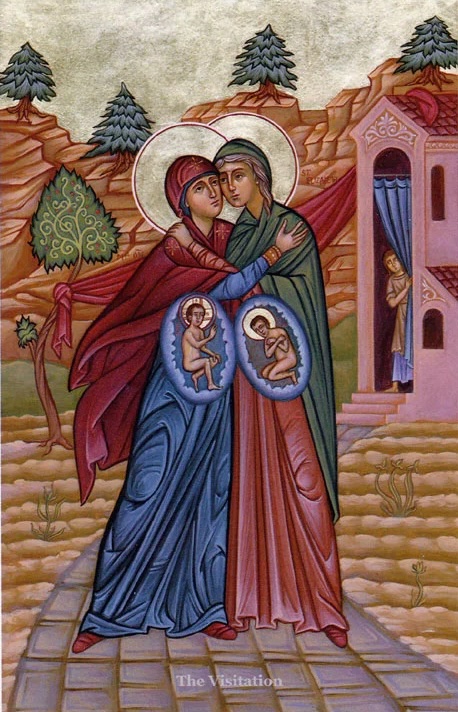
Last week we celebrated the Feast of St. Mary and her Assumption. St. Mary the Mother of God is beloved not because she was superhuman but because Christ dwelled in her womb and in her humility, she gave life to God in the Flesh. As the hymns proclaim, “Mother of God, luminous tabernacle of the unbounded Sun of life, Who became the Dawn of the Sun of righteousness, And who shined light upon us who sat in darkness, We magnify you always.” It is likewise the same with us my dears. She is the Mother of God because she gave physical birth to Jesus Christ; the fruit of her faithfulness brought salvation into this world; Light to those in darkness. And when we live responding to the love of God, through us God, our faithfulness proclaims that same salvation in the name of Christ Jesus in this world; Light in darkness. When we turn from the world not out of hatred or disapproval of it but turn because we recognize the love of God the Father, Son and Holy Spirit, then do we truly begin the process of becoming a Christian – Christlike.
Only then can we embrace the words of St. Paul in Corinthians “For you are the temple of the living God.” Yet, too many of us, rather than become temples of the living God, we would prefer to become museums hoping our doors never open. Rooms full of past scars, skeletons we would rather ignore. The world tells us we are worthless because we have brokenness and so we create filtered facades on social media about a life worth putting on display. Yet, our wounds remain blistering and unhealed. We look at the world and say look how dark it is; look at our leaders, look at the broken families. We become hopeless and fall into despair. We try to fight or run away, and yet, nothing seems to get better. Rather than the light of God shining in us and through us, we try to ignore and pretend that somewhere else things are are better. Another Church, another family, another community, and so forth. Yet, being a Christian is not about us finding something better. It is about responding to the reality that we are found by God and through Christ Jesus, we are renewed, our wounds are healed and by the power of the Holy Spirit our lives echo the words of St. Mary, “My soul magnifies the Lord, and my spirit has rejoiced in God my Savior.”
My dears, why do we come to Church? Or perhaps why don’t we? What are we running away vs. through repentance are we running towards God? Someone once told me they don’t come to Church because they don’t need a priest, the people gossip, and they can just pray at home, read their own Bibles and have a relationship with God without all this so-called organized religion. Well as my own professor from St. Vladimir’s used to say, “if you’re against organized religion, then the Orthodox Church is the place for you. It’s been 2,000 years and we’re still unorganized.”
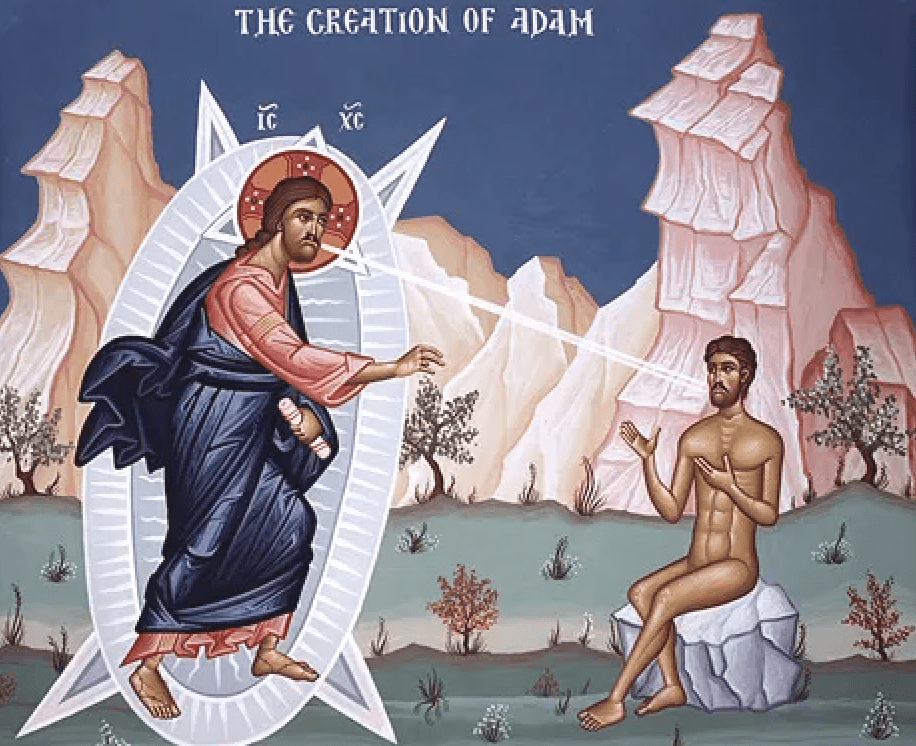
My dears, come but come seeking the Lord. Respond to His love by embracing the scars of our past, standing before the Cross, and in humility repenting and turning to our Lord’s mercy. That is what the word repentance ultimately means – to turn to joy, turn to God. Doing so, we will be healed of our wounds; we will be found; we will be part of His family. For the only cradle we should be born from is the cradle of our Jesus Christ in Bethlehem; the womb of St. Mary; our baptismal Fonts from which we are born again having received Christ in us. This is what true conversion is about; this is what it means to be Christian. This is what we proclaim every Divine Liturgy when we say, “Christ is in our midst”. And through us, Christ comes into the midst of this world. And when we recognize His presence, when we understand that to carry our Cross is not about ignoring the world but rather being a witness to that world about the love of God, then our paths will be illuminated. St. Ephraim the Syrian proclaims, “Do not lose heart, for there is hope in Christ” That hope is what will renew our heart and mind by the power of the Holy Spirit. And as the Psalmist and the Gospel of St. John proclaims – no darkness will overcome us. And if Christ is why we are here, we are glad you came. Amen.