Arrogant Christianity

Daily Readings: Isaiah 1:21-31; Rom 7:25-8:11, Mt. 12:38-45
Ընթերցուածքներ` Եսայ. Ա 21-31; Հռոմ. Է 25- Ը 11; Մատ. ԺԲ 38-45 

In the name of the Father, Son and Holy Spirit, Amen!

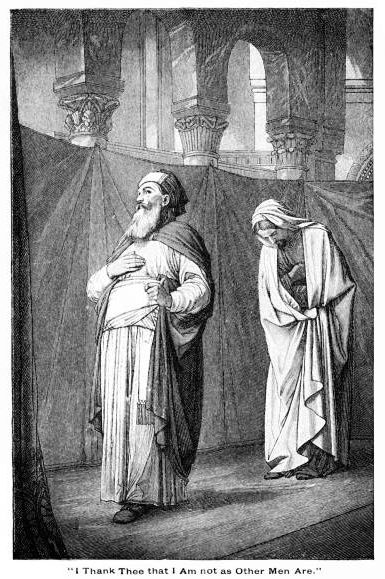
As Christian’s we are very arrogant; We are arrogant, and audacious. Yes, this may be true of people who are not Christian as well, but as Christians we are especially seen as arrogant. Why though? I remember the first time as a teenager I had to appear before a judge in a courtroom. I had to dress a certain way and was not allowed to speak unless spoken t and when I did speak, my words had to be weighed and carefully chosen. I’ll be honest, even though I hadn’t done anything wrong, I was in a place where I was answering to a higher authority so, there was a sense of fear, awe, and reverence for the judge. The judge was someone who had the power to free me, exonerate me, punish me and question me. Therefore, it was right that I felt that sense of fear. Likewise, in life there are other people who hold a certain level of authority that must be honored and respected such as a police officer, a doctor, a priest, a teacher, a parent, or someone in our life that has more experience than us. We respect them not because they are perfect but because we recognize the authority that has been entrusted to them. There is fear in that authority, there is respect, there may even be admiration.

Yet, we as Christian’s are very arrogant when it come so the ultimate authority. We are arrogant not because we don’t respect others but because we claim to believe in God, and even more than believe, we relate. We believe in God, recognizing His greatness, and authority and we are taught to have a sense of fear and awe out of recognizing that authority. “Fear God and keep his commandments, for this is the whole duty of man.” (Ecclesiastes 12:13) We also declare God as our Lord. We recognize the authorship, as supreme ruler, master, and possessor of all creation. That is why we go to Him to be illuminated and grow and as Scripture teaches us “The fear of the LORD is the beginning of knowledge, but fools despise wisdom and instruction.” (Prov. 1) Yet, as Christians we also claim God as our Heavenly Father. And it is for this reason my dears, that we are arrogant. To refer to God as God, we are declaring our belief in His authority; to refer to God as our Lord, we declare our submission to His authority; yet, to call God “father” is to speak with such intimacy that one must either be arrogant or more?

In the Divine Liturgy, (p. 40) the priest prays, “God of truth and Father of mercy, we thank you, who have exalted our nature, condemned as we were, above that of the blessed patriarchs; for you were called God to them, whereas in compassion you have been pleased to be named Father to us…” You see in Judaism, prayer to God acknowledged that God is a Lord, that God is omnipotent, unapproachable, unknowable and must be feared. In Judaism when one would pray to God, they would refer to their forefathers, “God of Abraham, Isaac and Jacob…” Yet, through God the Son Christ Jesus, that relationship, that communion with God for us changed. We became no longer a distant creation, or a stranger that feared God or was ashamed because of our brokenness and our sinfulness, but rather, we became the children of God.

It is here that we must reflect, how much audacity do we have to call God our Father? Because to be a Christian my dears is to be courageous in this way. A courage we receive through God the Holy Spirit, who illuminates us to see not God the Father not as a distant power, or as only a Lord, and King but to see us as His children and Him as our compassionate Father. That is why the prayer in the Badarak continues, “…And now, O Lord, we beseech you, make the grace of so new and precious a naming of yourself shine forth and flourish day by day in your holy Church And grant us to open our mouths with a cry of bold voice, to call upon you, O heavenly Father, to sing and say…” To be a Christian therefore begins with a commanding voice to claim God as our Father and us as His children. This is something the world will see and call us arrogant for. Who are we to be that intimate with God? What makes us special?

It is the love of God my dears that gives us that authority, give us the claim to be His children. A love we are given through God the Son Jesus Christ, who came and died on the Cross for us, not because we are perfect but because He loves us in the same way our earthly fathers would give of themselves for their children. Yet, there is another layer to this relationship my dears. If appearing before a judge or someone of higher authority demands of us a level of preparation and respect, perhaps we need to ask, what is required of us as a child of God? What is more arrogant, calling God our Heavenly Father or denying that truth as His children through the way we live? There is nothing a child must do to earn the love of their father. A father (and mother) will do everything and anything for their child to be better than them, to have more than them. Yet, as children when we grow up, we begin to mature and recognize that no matter where we end up in life, it was only because of the love our parents we had the opportunities that we had.

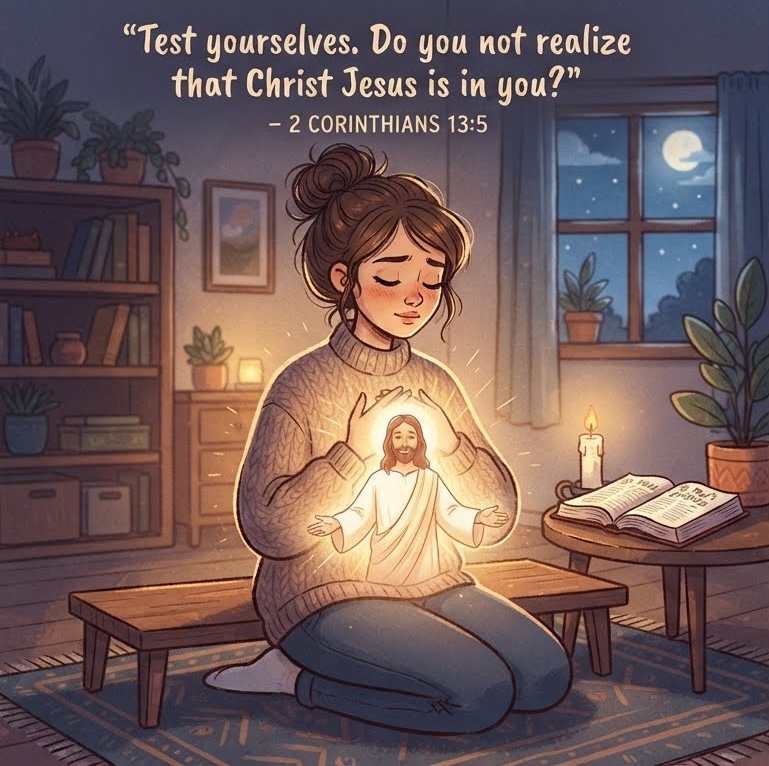
Likewise, though we are courageous to say God is our Father, we must be humble my dear brothers and sisters, as His children, to live as He commands, no longer out of fear but as a reflection of His love. To recognize that God is no longer merely a judge who will condemn us for our sins, but is like a father, who embraces us when we fall, defends us when we are hurt, loves, guides, and provides us. To call God as our Father is to also see ourselves as His beloved child; to be as our Father in Heaven is. It is this truth gives us courage; it is the recognition at being a beloved child of God, His love that sees not our stain but removes our sinfulness, and that love that sees our darkness, our shortcomings, our real arrogance, our hatred, our pridefulness, our addictions, our failures and yet, does not look with disappointment but stretches out His hand to bring us back into Communion with Him. And as our response to that love, we are called to repent, to turn to Him, to live, pray, ask, learn and be the children we were created to be.

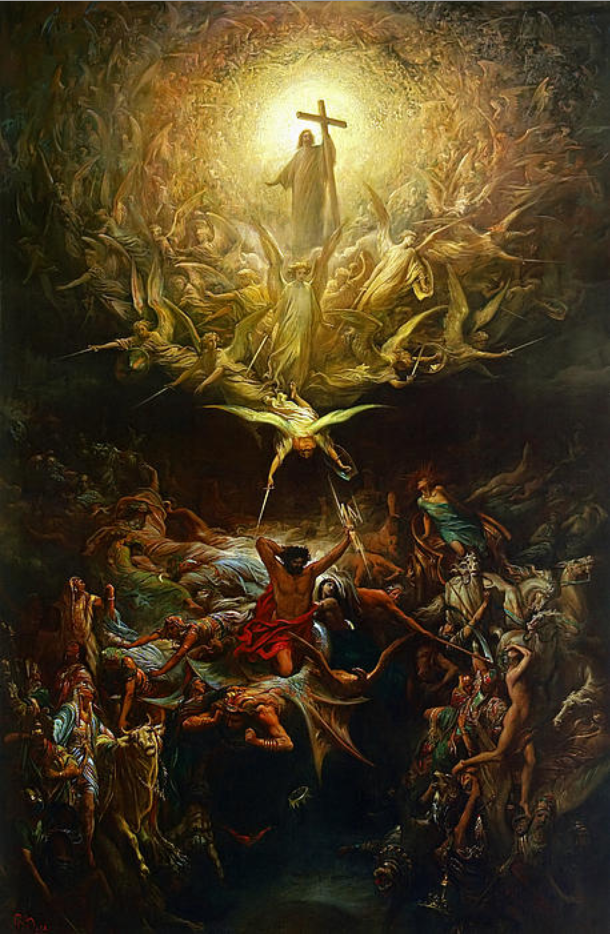
So that one day, when we stand before the Judgement seat, we will not be afraid, but our Lord, our God, our Heavenly Father will embrace us, heal us, and raise us to life through His merciful love. A love that the world will say makes us arrogant and audacious. Yet, a love that is freely given to all creation, and which opens our mouth, with a courageous cry of our bold voice, to call upon our Heavenly Father and say, “Hayr Mer”. Amen!

Out of the Pit and Into What?

Daily Readings: Zech. 3:7-4:9; Heb.9:1-10; John 10:22-30
Ընթերցուածքներ` Զաք. Գ 7-Դ 9; Եբր. Թ 1-10; Յով. Ժ 22-30

In the name of the Father, Son and Holy Spirit, Amen!

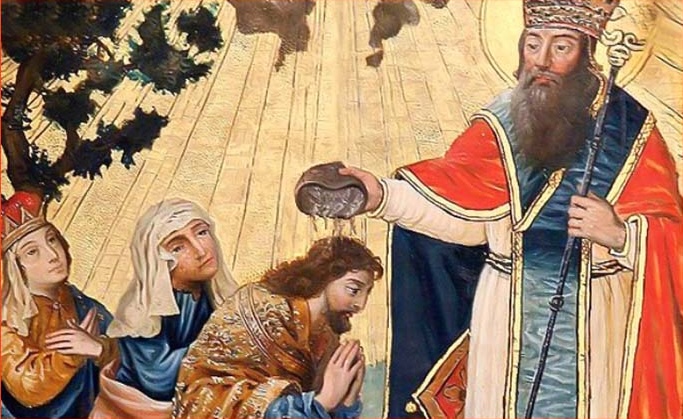
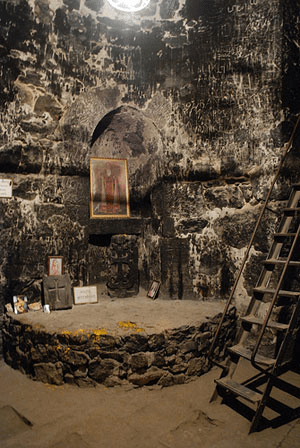
The name of our Church and many other Armenian Churches is St. Gregory the Illuminator. Yet, why are many of our Churches named after him? St. Gregory, the same as all our saints, lived a life of faithfulness in times of difficulty. He had a past, he had sins, and challenges, yet, by trusting God through those challenges, he did the work of God and today serves as an example to each of us not just in name but through the life he lived. We of how St. Gregory served in the royal courts, under King Trdat in the 4th century. However because of his devotion to God, he eventually was imprisoned and thrown into a pit, khor virap, where he was left to die in darkness alongside snakes and scorpions, where miraculously Gregory survived for 13 years. While in the pit, King Trdat, persecuted many other Christian’s including the virgin saints Hripsime and Gayane and their companions. After martyring them, the king went mad and became like a wild beast. The kings sister, St. Khosrovidukht, who had secretly converted to Christianity, had a recurring dream revealing that only St. Gregory could heal the king. With no other choice, the king’s officials pulled Gregory out of the pit, and the historian Agathangelos reports that the moment St. Gregory was pulled out of the pit, the pains of the king subsided. Through prayer, teaching for 40 days, and “rebirth” King Trdat accepted Christ and was fully restored and healed. Along with him, the entire royal courts were baptized, and Christianity was declared the state religion of the Kingdom of Armenia in 301 AD, making Armenia the first nation to adopt Christianity as it’s official religion.

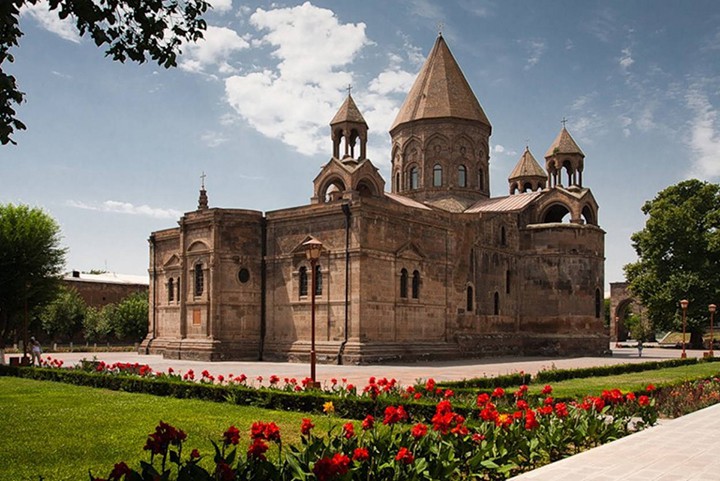
What else did St. Gregory do following these events? Yesterday, (June 6) the Armenian Church celebrated the feast of St. Gregory’s removal from the pit, what we just spoke about. The Sunday following this day, the Armenian Church celebrates the Feast of Holy Etchmiadzin, the building of our Holy Mother Cathedral in 303 AD. After St. Gregory baptized the king, he saw a vision of Christ Jesus descending from Heaven with a gold hammer and showing where the Cathedral, the birthplace of our faith would be built. So why is this so important my dears? Isn’t this all just history?

Each of us are on a walk of faith my dears! Along that journey, we will have pitfalls. Either by our own making or by the hardships of life, we will fall into temptation, doubt, depression, anxiety, uncertainty, despair, confusion, loss, addiction and darkness. We all have scars that we look back on and remember painfully what we have gone through. As Christian’s we are taught and we believe that no pit, no darkness, not even the tomb can separate us from the love of God, when we seek Him. You see St. Gregory even though he was left to die by the king whom he had served for many years, someone he called his friend, even though he was left in the darkness by the world, he remained prayerful and faithful. God protected him from the scorpions, serpents, the heat, and elements while he was imprisoned. Even while in the pit, St. Gregory was not abandoned by God.

This teaches us my dears, that even if in life we fall into darkness, even if we have sinned, and are broken, God our Heavenly Father, will not abandon us. Christ enters the tomb for us; Christ enters our darkness to help us out. What we need to ask my dears, is when we finally faithfully come out of the darkness and struggles, what then? Do we return to the life that led to the pit in the first place or do we become the tool that God uses to build his Church, to share His love of hope and mercy to others who are struggling? To have faith my dears, is to do the work of God not for self-gain but for sharing of His love; To be a Christian is to be transformed and to be a cause for transformation for the world to witness the power of God. That is why God has given us the Holy Church, “the Altar of Light” which shines upon us as St. Gregory teaches. The Church with her clergy, the sacraments, the teachings all given to us to illuminate us and transform us.

One day, 2 men are walking on a dirt road, and they come by a hole with a fire burning inside. They look and see that there is a snake caught in the fire. One of the men pulls the snake out of the fire to help it, but immediately the serpent bites him and falls back into the fire. Again, the man tries to help, but the serpent bites again and falls back into the pit. The third time that man attempts to pull the snake out of the pit, yet again he is bitten and the snake falls into the pit and burns to death. The 2nd man asks him, “why did you keep trying to help the snake, didn’t you see it kept biting you?” And the man replied, “it is in the nature of the serpent to bite, but it is my nature to help.” In this story my dears, we learn that God sends people, prophets, teachers, parents, friends, a community through the Holy Church, to help us out of life’s pits. Yet, unless we are willing to be transformed and changed, we will fall back into the pit. Unless we are changed my dears, we will fall back into the pit of hopelessness and fear. Yet, when with humility, prayerfulness, if we ask God to help change us, to save us from darkness, when we respond in faith, God will transform us and empower us to build not merely physical Churches but to be the Church, an Altar of light, to become a reflection of God’s divine love and a cause to help others.

Does this mean we will never struggle again? No, my dears! St. Gregory when he came out of the pit, all his life still had the physical scars of his torture, yet, he recognized that remaining faithful and obedient, God can use us, use our past to teach others, to build and grow in Communion towards Him. That is why the Prophet Zechariah teaches us, “the Lord Almighty had said: ‘If you obey my laws and perform the duties I have assigned you, then you will continue to be in charge of my Temple and its courts, and I will hear your prayers, just as I hear the prayers of the angels who are in my presence.’” If we remain faithful my dears, God will entrust us to do His work, to share His love, His Gospel. We will be a witness of what it is we say we believe in the Church. That God does not abandon us to our darkness; that by the Holy Spirit we are illuminated to the truth that God the Son, Jesus Christ, enters our darkness, and saves us from the pit of death.

That is why St. Gregory and all our saints are so loved because they teach us that though we all have a past, with God we all have a future. A future of healing, of love, of hopefulness, of compassion, mercy, and growth. Pray, learn, come to Church with a desire to be transformed. Let go of pride, anger, hatred, arrogance and in humility ask God to enter our darkness to lift us out. Come to Church to be changed not to change the Church which is the home, our Holy Mother and the Bride of Christ. For it is only by the grace and love of God the Father, Son and Holy Spirit, that not only we will be transformed, but the world will see us Christians as the saints we are all called to be, the cloud of witness, the Holy Church through which all creation gives glory to Him, Amen.

Me For Me or God Through Me?

Daily Readings: 2 Kings 2:1-15; James 5:16-20; Luke 4:25-30
Ընթերցուածքներ` Դ Թագ. Բ 1-15; Յակ. Ե 16-20; Ղուկ. Դ 25-30 

In the name of the Father, Son and Holy Spirit, Amen!

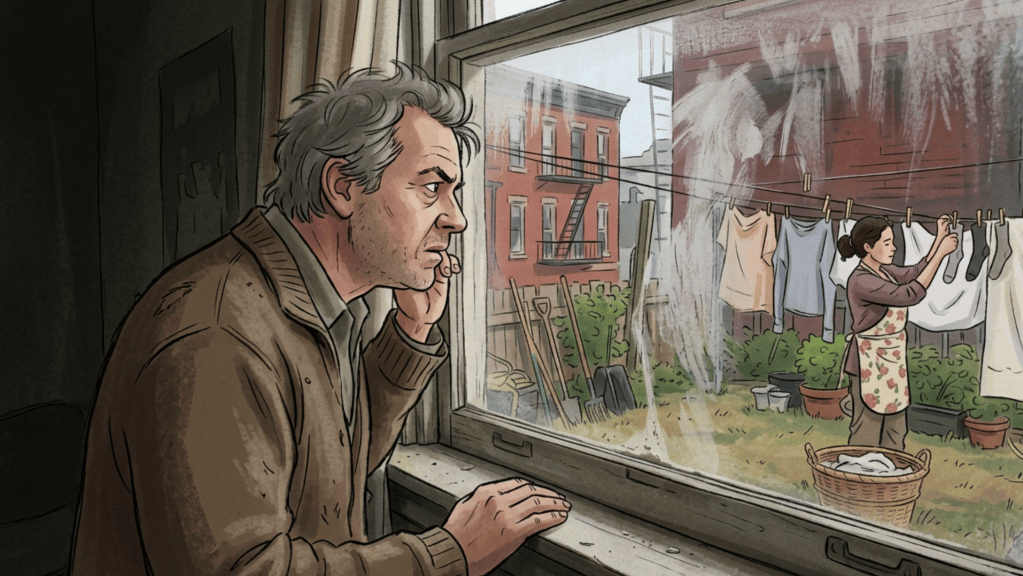
An angry man, was driving down the highway, when all of a sudden his phone rang. He ignored it, and again it rang. He ignored it again until, finally he answered the phone snapping, “what? I’m driving, I can’t talk now!” Frantic, the voice of his wife on the other said, “Where are you? Be careful!” Why, what’s going on? he answered. “I just heard that there’s a car driving on the wrong side of the highway.” The husband said, “one car? You should see, all of them are on the wrong side.” My dears, how often is it that when someone points out our faults, our mistakes, our first instinct is to jump into defense rather than reflection? That the fault is not in us but in everyone else.

Christ while preaching in the synagogue gives the example of the Prophet Elijah and of how in times of famine and difficulty God sent the Prophet to a widow who was not a Jew, not a part of the community; or of how the Prophet brought healing to the Syrian, not the Jewish people because of the disobedience and faithlessness of the Jews at the time. The response? (vv.28-29) “So all those in the synagogue, when they heard these things, were filled with wrath, and rose up and thrust Him out of the city…” The Jews felt angry that Jesus was calling them out for their faithlessness, their sinfulness. How many of us are guilty of this as well my dears? Perhaps we live lives and make choices that don’t align with what the Scriptures teach us, with what the Church asks of us. Politically, socially, in our relationships, in our day to day, we live in such a way that is unacceptable or hurtful when compared to what is taught in our Christian faith. Our reaction when we’re called out is often to be filled with anger and desire to throw Christ out of our lives, fabricate a false version of Jesus Christ leaving us momentarily satisfied but broken in the long term.

Yet, my dears, to be a Christian begins from self-examination and reflection. To be a Christian is to walk as Christ walked, grow in God’s likeness, be a light in darkness. To be a Christian is to ask not do people accept me for me, but rather, do people accept God through me. When we read our Holy Scriptures, when the priest or the teachings in the Church challenge us, or call us out, speak out against something we do, believe or choose to live by, we need to ask with wisdom and prayer, why do we feel this way? If we know and believe that God loves us, if we truly believe that God is our Heavenly Father, then we need to recognize that His love is going to challenge us to be better, stronger, and wiser. Not because we are always wrong, not because we are devalued but rather because God knows our full potential and provides the best for us.

In seminary, we had an English teacher who would give us daily assignments. One of those daily tasks was dictations – where he would read out loud and we would copy down what he said. Following his dictation, we were told to rewrite his story in our own words. Every time, no matter what we wrote, our pages would come back with red pen marks with instructions of how we could rewrite it better. One day, a classmate of mine decided he would just hand in exactly what was dictated without any further changes. When he received his notebook back, it was again covered in red pen marks with instructions on how we could reword it better. This wasn’t because our teacher disliked us, but because our teacher wanted us to live up to our full potential, beyond what we recognized.

Truthfully, as a student all we wanted to do was get the task done, get the grade and leave the classroom to do what we wanted. As Christian’s we act this way as well; all we want is to be happy, to “do the right thing” to somehow satisfy God and then leave Church or “leave our faith” to do what we want, what we think is best for us. In the process we hurt ourselves; we are left angry, dissatisfied, hurt and unsure. Yet, our Heavenly Father desires more for us and of us. God corrects us out of love and teaches us that He already knows what is best for us, if we would only remain faithful and obedient to His Will. This obedience my dears, starts with reflection and prayer!

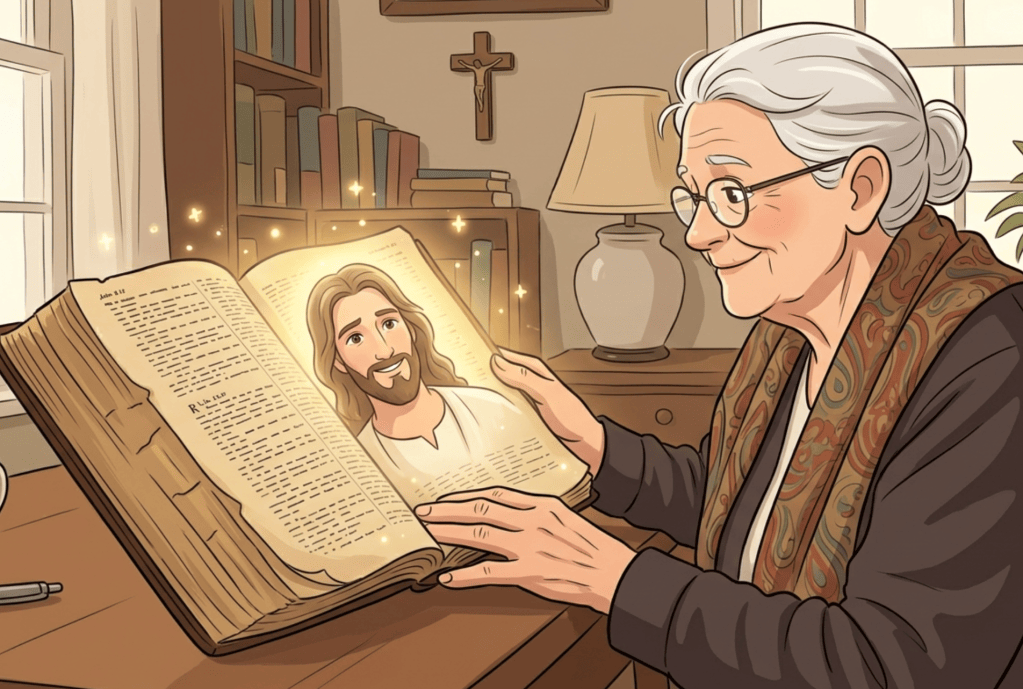
In James we read, “Confess your sins to one another, and pray for one another, that you may be healed.” Confession, which is one of the Holy Sacraments of the Church, which is done privately to God, with the aid of the priest in the Church is that self-reflection of our challenges, of our struggles, and the choices we make that tell us we are on the wrong “side of the highway.” To confess is to be transparent; to confess is to verbalize and seek is God in our actions and choices. Is God in our relationships, is God in our addiction, in the way we treat our bodies, in the way we dress, in the way we live. If God is not, how can we change in order not to bring God into our choices but for us to enter God’s love. Confession is a reflection of seeing those red marks in our life not as condemnation but as correction for us to live to our full potential; asking what needs to change and how can we change so that God’s fullness is seen through us. Inner reflection and acceptance that the darkness of this world does not define us, our faults to break us, but the love of God our Heavenly Father is what saves us.

This reflection leads to prayer my dears. A thankfulness for God’s love, gratefulness for another day to grow. Prayer is asking for help to be transformed in heart and mind to live according to His Will. Prayer is openness of our heart; prayer not as laundry list of things we want transactionally from God but prayer as an openness to listen to learn; learning as we wait. When we pray and we wait for God to answer, what do we become? What do we become when we’re waiting? We become waiters! When a waiter is waiting on a table, what do they do? They serve! A waiter serves. When we pray with openness we wait to learn from God by serving. Serving each other in prayer and love. Yet, how many of us are willing to be this open? How many of us are ready to serve rather than be served? How many of us listen with this openness of learning? How many of us are ready to come and confess seeking transformation? Verses how many of us instead react with anger to the challenges, the Cross that God places before us?

To be a Christian is not easy. It is to face challenges from outside and inside. If we come to Church all our life and we never feel challenged, if we read the Scriptures and never feel uncomfortable when we reflect on our life, if we have conversations with our priest and don’t feel pushed to grow, than we have failed. For the way of our faith is through the Cross. Yet, it does not end with the Cross for through the Cross of Christ we are led to the empty tomb. My dears, God our Heavenly Father loves each and every one of us, regardless of how we look, how we act, what we choose. Even if we deny Him, He loves us and waits for us to turn back to Him. It is we who must, therefore, respond to that love, desiring to be transformed and changed. Christ Jesus by His love and grace has already broken the chain of sin, it is we who respond in faithfulness by turning to Him and not chaining ourselves back to our passions, to this world and the material darkness. The Holy Spirit comes and illuminates our hearts and mind, teaches us with wisdom, and compassion. It is we who respond by walking in faith, reading our Holy Scriptures, praying with sincerity, sobriety and reflecting the love of God. If we truly are faithful Christian’s, children of our Lord, we need to ask do we want people to accept me for me or, do will my life be a cause for others to accept God through me? This is a challenge given to us all, Amen!

Failure to Finish

Christ is Resurrected from the Dead – Blessed Is the Resurrection of Christ
Քրիստոս Յարեաւ ի Մեռելոց – Օրհնեալ է Յարութիւնն Քրիստոսի

In the Name of the Father, Son and Holy Spirit, Amen.

Mara had a talent for beginnings. She enjoyed starting new endeavors—a new job, a new habit, a new version of herself—with a kind of electric hope that made people believe in her instantly. The problem was that she also had a talent to always fail. Somewhere between the excitement of starting and the satisfaction of finishing, things fell apart. Her first business idea collapsed in three months. She decided to go back to school to be better prepared, but she struggled to understand the subject matter and so she flunked out. She met the love of her life, got married and began getting ready to start a family. Yet, as quickly as she began, her marriage sadly ended in divorce. She again attempted to start anew. This time she worked harder, slept less, sacrificed more. When she failed again, it didn’t just feel like bad luck, she truly began to feel like failure. Though she tried to laugh it off, she began to tell herself, “You’re just not built for success. You will always fail.” She replayed it in her mind so much, it sounded like truth. Failure had taken a lot from her. One night, without announcing it to anyone, Mara started again. When things started going wrong, she didn’t spiral; she adjusted. When she felt the urge to quit, she waited. The difference wasn’t that she stopped failing; She failed constantly. Ideas didn’t land, people said no, progress stalled. There were moments, that that voice of her past crept back telling her to give up because she would fail. But while in the past doubt caused fear, now Mara saw failure as an opportunity and not a verdict. She wasn’t defined by doubt or questions or uncertainty. Then, one day, she noticed something strange! Things were working. Not perfectly, not effortlessly but they worked. When people asked her how she finally succeeded, Mara even failed to answer that because it wasn’t that she became more talented, or that she got lucky. The biggest difference was that she stopped treating failure like the end of the story. She had failed enough times to realize something important: Failure doesn’t mean you’re done. It just means you’re still in the middle. And the middle, as it turns out, is where almost everything important happens.

My dear brothers and sisters, no one likes to fail. No one starts a diet with thoughts of failing, no one dates or gets married with fear of divorce, no one studies with expectations of flunking out, no one starts with belief they’ll fail. Yet, so many of us listen to that voice of failure, we devalue ourselves, we define who we are focusing on the failures. We become disheartened and feel like giving up. This is especially true with our faith my dears. We try to remain faithful, we try to be forgiving, we try to be prayerful and yet, even with our faith we like a failure the moment we begin to struggle or doubt. And yet, Holy Scripture teaches us, Prov. 24:16 “for though the righteous fall seven times, they rise again, but the wicked stumble when calamity strikes.” The righteous fall seven time. Meaning those who try to remain faithful, prayerful, those who strive to succeed fail not once, not twice but multiple times. Yet, they rise again. They rise not through mere human efforts, nor strength, nor talent.

Remember Mara when asked how she succeeded admitted her talents, or smarts, or skills had not changed. What raises us my dears is our trust and love in our Lord; recognizing that our sin is not the end when through Christ Jesus we live. See how the proverbs says, the “wicked stumble when calamity strikes.” The wicked my dears are the arrogant, the prideful, those who look to blame others, and the world. The wicked are those who are unrepentant, who believe they are sinless. As we read in 1 John 1:8 “If we say that we have no sin, we deceive ourselves, and the truth is not in us.” The truth is that failure does not define us; our darkness, our addiction, our mistakes, our brokenness, our sin does not define us; it is not the end!

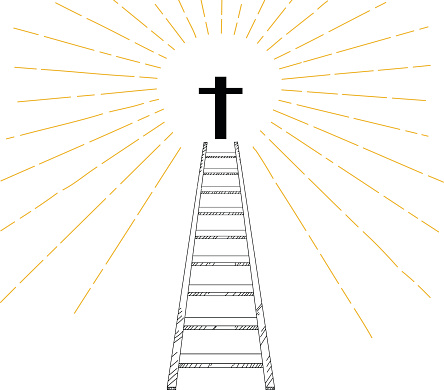
Christ defines us; the love of God, who through grace and mercy forgives us of our sins through His death and resurrection raises us out of failure, renews us as righteous, lifts us out even out of our tombs. It is for this reason that St. Anthony of Padua teaches us that “Apart from the Cross, there is no other ladder.” A ladder to get back up, a ladder to lean on, a ladder to hold on to when our strength has failed. We need take hold of that ladder, take hold of the Cross and use it to get back up. Trust in not our strengths or weakness but in God. Yes, we might feel discouraged when we fail, yes, we can doubt and worry. Yet, “A drop of prayer is worth more than a sea of worry” – St. Nikolaj Velimirovic. In the face of our failures, we have an opportunity to renew our trust, confess, repent and start again, start with a simple prayer. The cross – in the name of the Father, Son and Holy Spirit.

This is prayer; it is a symbol of us placing our trust in God; it is a shield that defends us against evil. It is victimhood transformed into victory. Pray my dears. Come to Church with a thirst and hunger to be filled with love, compassion, mercy. Failure is not the end; death is not the end; sin does not define us. Bring worry, doubt, fear and failure and lay it before the Holy Altar. Take hold of the Cross, and we know, that as Christ has been raised, we will be raised. We will be raised and renewed in love, hope and mercy to be an example for others to see and recognize that through God, even multiple failure, even the darkest of pains, has no power over the love and of our Lord. By the Grace of the Holy Spirit, see and hold on to the Cross and we will be lifted up to proclaim in word and in deed, Christ is Risen, Amen!