On Earth and In Heaven

Daily Readings: Acts 23:12-35; 1 John 5:13-21; John 12:12-23
Ընթերցուածքներ` Գործ. ԻԳ 12-35; Ա Յով. Ե 13-21; Յով. ԺԲ 12 – 23

In the Name of the Father, Son and Holy Spirit, Amen!

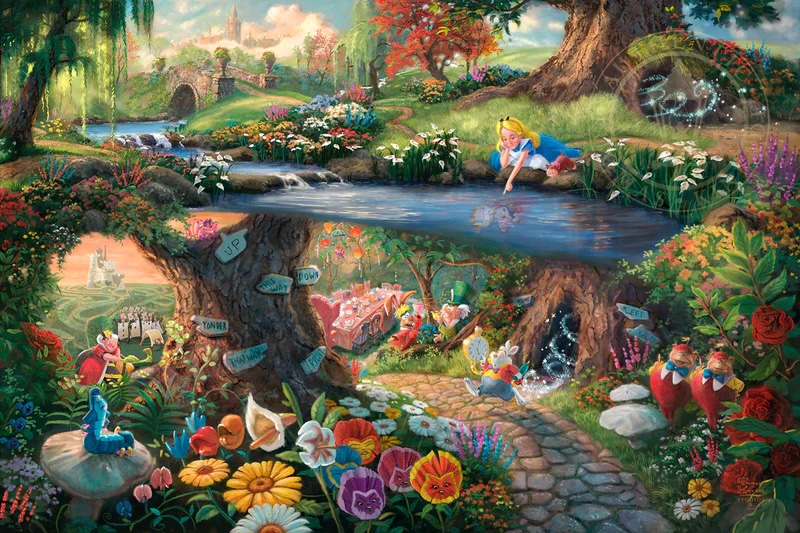
© The Thomas Kinkade Estate. All Rights Reserved.

Lewis Carroll in 1865 wrote an iconic children’s novel, Alice’s Adventures in Wonderland. The story follows a young girl named Alice, who falls down a rabbit hole into a world filled with strange creatures. This story is often interpreted as a story about a parallel world hidden beside ordinary reality. The “parallel world” idea comes from how Wonderland mirrors reality while still being a bit different. With strange characters and personalities, the world feels like stepping into a dream version of reality. Yet, by the end, Alice awakens from the experience, suggesting Wonderland may have been a dream — though the story leaves open the possibility that it was a real alternate world reached only through imagination.

This idea of parallel realities exists in many areas of our life my dears. In movies like the Matrix, in literature such as Alice in Wonderland or Chronicles of Narnia. While these are imaginative stories that have something deeper to teach us, who among us has not wondered if this world is all that there is? Is there another reality, another timeline, other worlds like ours? This imaginative questioning is especially alive in children. Have you ever seen a child look into a mirror? They wonder with amazement at the reflection staring back at them. Is that real? Is it another person in a world behind the mirror? As adults we know that the person in the mirror is us, reflecting with light. As for parallel realities or universes, I’ll leave to our imaginations and to film yet, within our faith my dears, I would argue we in fact do believe in an invisible reality, one that this life directly impacts.

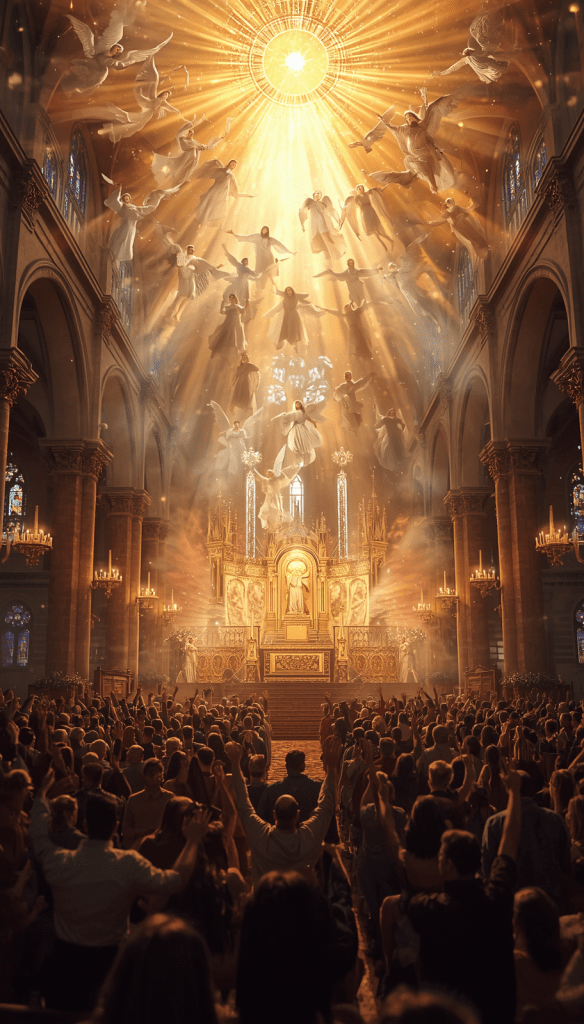
When we come to Church and confess our sins, what does the priest say? “…By the command of the Lord in the Holy Gospel, whatever is forgiven on earth is forgiven in Heaven.” This comes to us directly from Holy Scriptures from the words of Christ to His disciples (Matthew 16 & 18) teaching us that what we do here directly impacts us in Heaven. When we step into a Church, we are surrounded by icons, smell of incense, music, beautiful liturgical services, and we are taught from childhood that in Church we don’t talk loudly, we don’t cross our legs, we dress nicely, we don’t chew gum, etc. This isn’t because these things make us into bad people. Rather, again looking to the Holy Scriptures, when we step through the doors of the Church, we step out of the world and step into the presence of God, into the Kingdom of Heaven. We come into a new reality; a parallel reality. That is why from Isaiah we read of how seeing Heaven, he witnessed the angels singing and worshiping God “Holy, holy, holy is the Lord of Host; the whole earth is full of his glory” (Is. 6:3) and the Book of Revelations (4:8) as St. John lifts our eyes up to Heaven to witness this truth again. So my dear when we are in Badarak, when we step into Church, the name of the Church or the address listed does not matter; the priest and people don’t matter because even in an empty Church, we are all worshipping together, in the Kingdom of God, with all the angels, with the saints, with all humanity – we are worshiping God. We are in a parallel reality.

One day a priest saddened by the reality of his small empty Church decided to resign. He had tried his best, preached, visited, taught the Gospel but his community wasn’t growing, very few people attended services, they were aging, tired, and this led to him to be discouraged overtime; after all he is human. In his prayers he asked God for a sign hoping that even if his Church was empty, he hoped that his prayers were being heard. One Sunday morning he got ready to start Badarak and as the curtain opened and he turned to give that sign of peace, the Church before his eyes was full. The choir was full of people he recognized and of whom he did not. There were priest standing near him, praying with him and the Church was filled with warmth, light and prayer. Uplifted by this was a joyous celebration, he prayed fervently, he gave Communion, offered up his sermon and felt the power of God working through Him. At the end of Badarak, as he turned to do the final dismissal, the Church was suddenly completely empty with only a few of his older parishioners still there. The priest however did not lose heart but recognized, when we pray in Church, we are surrounded by the cloud of witnesses as St. Paul teaches; our prayers are heard, not just in this reality but in the presence of God.

What we do here is what is taking place in the Kingdom of Heaven my dears.. That is also why in the sacraments of the Church we emphasize, what we are doing visibly here, has an invisible reality in the presence of God. As we are reborn through our baptism, as husband and wife 2 become one, as a priest is bestowed with authority to forgive on earth – my dears, invisibly occurs in heaven. So yes, we are gathered in Church here today, in this reality and we are praying. We are praying for answers, and we are recognizing the love of God the Father through Christ Jesus, God the Son who died and is resurrected, who ascends into Heaven. Yet, my dears this love is not just limited to you and I, just to those who come to Church, who think and look like us. This love is not limited to this reality. God’s love is for all creation, for all time. Christ saves not just humanity but all creation that mourns because of sin. As we read, (Lk. 15:7) “I say to you that likewise there will be more joy in heaven over one sinner who repents than over ninety-nine just persons who need no repentance.” Teaching us that when we choose to live in sin, when we choose to hate, and remain unrepentant, the angels in heaven are saddened; yet, when we repent and come to God, they celebrate. What we do in this world, impacts the Heavenly world.

Today in the Armenian Church we are celebrating an invisible reality in the Kingdom of Heaven. For the Armenian Church it is known as Second Palm Sunday. This is a uniquely Armenian feast day and is told to us by St. Gregory the Illuminator, who while in the pit of Khor Virap his guardian angel visited him each day. However, on the fourth day of the Ascension, the angel did not appear. When St. Gregory asked where he had been the following day, the angel explained that on the fourth day of Ascension the angels celebrate and rejoice in the presence of Christ, of His entrance into the Eternal Jerusalem. While there is no scripture to verify this unique feast day, as we saw throughout many scriptural passages, what we do in this life is reflected in Heaven, our prayers here are reflected in the Kingdom of God; as we gather to celebrate here, the angels and saints celebrate in Heaven.

I say all this my dears to ask an important question because though it may seem imaginative or philosophical, the truth there is a deeper reality that if the material world ripples into the Divine world like a stone thrown into the water, what impact are we leaving in this reality? What life are we living, what decisions, what choices, what prayers are we echoing in this world that reflects in the parallel invisible world that is the Kingdom of God? When God created earth, He created it as a blessing for us through which to prepare us for what is to come. To prepare through prayer, humility, love, mercy, compassion; to prepare us through worship, through Holy Scriptures, through faithfulness. If the angels in Heaven serve and celebrate our faithfulness and yet, mourn and pray for our sinfulness, how do we, the children of God behave and live when the world chooses to reject God’s love, to be disobedient and remain dark? Do we pray for them? Do we look with compassion and serve in humility? For what we do in this world, reflects the Kingdom of God my dears for all to see, in all realities echoing over eternity. The man in the mirror, the imagination of parallel worlds and timelines, while fantastic and entertaining begs the question, whether fictional or real, what kind of reflection, what kind of ripple do we leave?

My dears, come and enter into the Kingdom. Come and pray; come and repent. Attend and learn the Holy Scriptures and worship not just in the Church building that may or may not be empty; but worship in the Kingdom of God. In His real presence, under His real love. And when we worship here, step back out of this invisible world, out of the Kingdom and step into the material world and live a life that reflects this place of forgiveness, healing and love, for others to see. For angels celebrate with us, the saints pray for us and what we do in this life, in this reality, directly impacts what will happen and what is happening in the invisible world to come. What will we see?

Blinded to What Really Matters

Daily Readings: Acts 20:17-38; 1 John 3:2-6; John 9:39-10:10
Ընթերցուածքներ` Գործ. Ի 17-38; Ա Յով. Գ 2-6; Յով. Թ39 – Ժ10

Christ is Resurrected from the Dead – Blessed Is the Resurrection of Christ
Քրիստոս Յարեաւ ի Մեռելոց – Օրհնեալ է Յարութիւնն Քրիստոսի

In the Name of the Father, Son and Holy Spirit, Amen!

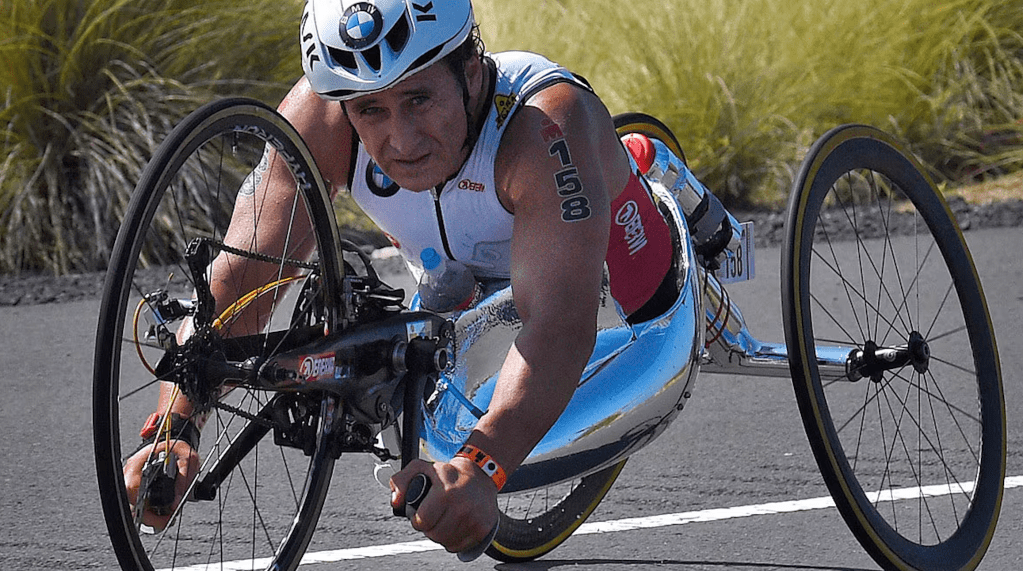
In 2001, Alex Zanardi a famous Italian world class driver, was involved a horrific accident that resulted in the loss of both his legs. He was on top of the world, with accolades, trophies and success, heights that many aspire to but very few achieve. Until it all stopped; He lost control, and his car swerved across a grassy area and onto the track crashing into a fellow driver going 200 mph. In a moment, Alex lost his ability to make a living, to work, to enjoy life. What value he brought into the world disappeared in that split second. Though he lived, his recovery was painful as he experienced periods of deep depression even while working towards rehabilitation. Even as he looked for tools to make a transition back to some form of normality, he struggled finding properly fitting prosthetics. What value did Alex have in this world after losing so much?

My dears, so many of us place such high value on our physical abilities or inabilities, on our appearance, on what we have and do, compared to what God calls us to. Think about how and when we pray? We ask for healing over physical ailments, we ask for success and achievements in material endeavors and plans, we pray for peace, love and fulfillment in ways defined by the world. While there is nothing wrong with praying to be healthy, praying to find peace, love, and hope in our day to day, working and asking for success, yet is this where our value lies? Christ did not die for us so that our value would be determined by those things. In the same way, a parent loves their child regardless of what they achieve in life, likewise our value as the children of God is not limited to what we wear, or what we achieve. That is why St. John addresses us as, “Beloved, now we are children of God…” (v.2) Children to whom, by the grace and love of God through Jesus Christ, our true self and what that means is revealed. Which is why, St. John continues, “it has not yet been revealed what we shall be, but we know that when He is revealed, we shall be like Him, for we shall see Him as He is.” See Him and be seen. Know God and see Him in ourselves and others.

Yet, so many of us, still choose to not see, choose to place our value and limit ourselves to what the world sees as important. And so Christ tells the Pharisees that, “For judgment I have come into this world, that those who do not see may see, and that those who see may be made blind.’ Then some of the Pharisees who were with Him heard these words, and said to Him, ‘Are we blind also?’” The Pharisees are thinking like us, they are seeing their value in their physical ability of blindness. They are associating physical health, or material status as something far for valuable because for the Jewish people, any disability or failure was seen as a form of “punishment from God.” That is why a few verses back, in Jn. 9 the Disciples asked Jesus, “Rabbi, who sinned, this man or his parents, that he was born blind?” In fact, it is right after this miracle of the blind man being healed that the Pharisees question Jesus about physical blindness. No, the Pharisees may have not been physically blind, yet, because they lived according to the flesh, having misplaced their trust, choosing sin of pride, and arrogance, Jesus is saying they were blind to the truth; they chose to be blind.

My dears, God doesn’t punish us with sickness. God doesn’t allow hurt, darkness and pain in our life because we sin. And God does not limit our value more or less, based on our abilities, disabilities, achievements and failures. Yes, those things exist in our life. Sickness, failure, darkness, addiction are a painful consequence of the sin that has polluted the creation of God. Yet, despite all that poison God still loves us all. Despite a rebellious child, a true parent continues to love. And God the Father, in His Divine love for us sent His Son Jesus Christ to suffer all that darkness and failure, to be devalued according to this world. Not abandoning Him, God also raised Christ from the tomb defeating the power of sin. And God did so to reveal also to us, that we are also His beloved children, and He will raise us out of our failure, our brokenness and darkness. Christ Jesus opens not just our physical eyes but heals our spiritual blindness from the lies of this world. Christ removes not just the stone that covered the tomb to reveal the truth of the resurrection inside, but removes the stones that cover our eyes to reveal our value.

Just as our value is not limited to our physical  healing, likewise healing, what God offers is not about physical healing rather, He opens our heart and illuminates our spirit. Reminding us not to be ashamed of our failure, of our hurt, of our blindness. Reminding us to be ashamed of choosing sin and remaining in blindness; ashamed of the lies we tell ourselves, our pride, our arrogance and hatefulness. Ashamed and cautious, not about what we physically look like but of how we choose to live apart from God. For we say we believe in God yet, we don’t know the Holy Scriptures, we don’t pray honestly, we don’t love, we don’t forgive, we don’t see – and so we remain spiritually blinded. Yet, despite all this, God reminds us ultimately that in humility His love is revealed for us not determined by those external things but the internal – the image and likeness we bare. And that we have a chance every day to repent, to turn to Him and ask to be healed of our blindness, to see His love.

Alex Zanardi, eventually changed. No, life did not get easier, no he did not get his legs back, he had to change his life, but he did not allow his limitations to be a limitation on the strength of his spirit. He joked about how the awkward prosthetic made him feel taller, or that he no longer worried about smelly feet or washing his socks. Eventually Alex went back to racing, driving a modified race car. To be a positive change, Alex discovered, the loss of his feet made room for the strength of his hands. He learned the difficult sport of handcycling, a three-wheeled bike that uses hand cranks instead of foot pedals. In 2011, he won the handcycle division of the New York City Marathon and continued on to  win two gold medals and a silver medal at both the 2012 Paralympics in London and the 2016 Paralympics in Rio de Janeiro. He did not allow his limitations to blind him to his true value, no matter what the world said.

(Mark J. Terrill/Associated Press/File)

My dears, no matter what the world says about us, regardless of our limitations, our sickness, our shortcomings, regardless of our achievements, physical attributes, money and statues – our value is not limited nor determined by those things. God loves us all and God desires to heal us all, to be whole and holy. Let go of the hate; let go of the pride; let go of what the world tells us is important and trust in God. Repent and return to His love. Learn the Scriptures, come to Church with questions, live in Communion seeking true healing, and our spiritual blindness will be lifted. Yes, we may need to change how we live, how we act, how we dress, and so forth and this may be difficult. Rehabilitation and repentance often are. Yet, when we let go, we open ourselves to more. We open our hands to do the work of God, to be made whole and Holy. We open our heart and mind, to recognize love and mercy. We open our eyes and see the Risen Lord Jesus Christ, with whom we too are risen out of darkness and blindness. By the grace of the Holy Spirit, may our eyes be opened to His love, so that we will see and recognize that we are the beloved children of our Heavenly Father, to whom with the Son and Holy Spirit is due glory now and forever, Amen!

Did You Hear It?!

Daily Readings: Acts 9:23-31; 1 Peter 2:1-10; John 2:23-3:12
Ընթերցուածքներ` Գործ. Թ 23-31; Ա Պետ. Բ 1-10; Յով. Բ 23 – Գ 12

In the Name of the Father, Son and Holy Spirit, Amen

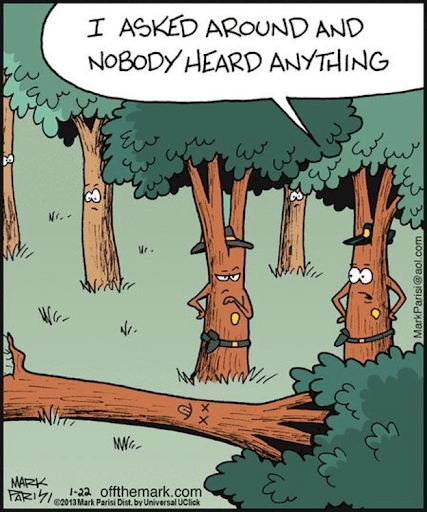
If a tree falls in the woods and no one’s there to hear it, does it still make a sound? This philosophical question is perhaps one we’ve all heard. The answer is of course yes, it makes sound vibrations though there is no one to receive those vibrations and therefore, the sound is not heard. In science this concept of sound vibrations is actually quite fascinating because it begs the question, are those vibrations powerful enough to make an impact in the world around them even if no one hears it. In science, this is called string theory, which proposes that the fundamental elements of the universe, the things that exist in other words, are not made up of particles, but rather minuscule, vibrating strings of energy. Meaning the entire universe is made up of vibrating energy, what we call frequency, much like a sound wave. Yet, what is so fascinating about this is if we take this theory and apply it to the question I asked about the tree falling in the woods, we can reword it to ask, what in the woods created the sound vibrations and what came of it?

And this is an important question to ask my dears as Christians, not philosophically or scientifically but practical for our lives. Because if science suggests that the entire universe is made up of these vibrations, we need to ask what is the source of those vibrations? For us Christians we know that this was God. In fact, what do we read in the Book of Genesis about creation? How did creation take place? “God said…”Creation was spoken, by sound vibrations, into existence. Even though we were not there to hear it, those vibrations caused life. Ps. 33:4 – 6 we read, “For the word of the Lord is right, And all His work is done in truth. He loves righteousness and justice; The earth is full of the goodness of the Lord. By the word of the Lord the heavens were made, And all the host of them by the breath of His mouth. God created all through His Word, through speech. Last week we even read in Jn. 1 – “in the beginning was the Word…All things were made through Him, and without Him nothing was made that was made.”

And speech, or word to create is one of our shared qualities with God. In fact, in Armenian what do we call animals? Anasun, literally “non-verbal”. Yet, if the entire universe as we believe was spoken into existence, which even science affirms, these sound vibrations are what make up the universe and all in it, and we as humans differing from all animals of creation likewise speak, regardless of who is there to hear it, what kind of vibrations, what words, do we speak and put out into the universe? You see my dears, this question is neither scientific nor philosophical, it is personal, because we are responsible for what comes out of our mouths, we are responsible for what we create. And this is not limited to merely words. We are responsible for what choices we make, which likewise leave an impact in this world. The saintly Mother Theresa says, “Kind words can be short and easy to speak, but their echoes are truly endless.”

Regardless of if anyone hears our words, or thoughts, if anyone is on the receiving end of our actions, we leave an impact in this world. Our words, and our actions my dears, leave a vibration and imprint in this universe. Sometimes we don’t even realize this until it’s too late. I remember once getting cut-off in traffic and I used angerly responded with a slur in Armenian, only to hear my son laughing and repeating the same word all of a sudden. So often I hear people say, “oh this is my sin,” “or this doesn’t hurt anyone else.” Yet, as a body, if I have a headache, my entire body is uncomfortable. Likewise, we through our choices not only impact our lives but also those around us. Even the words we use about ourselves, in the privacy of our mind, impact us.

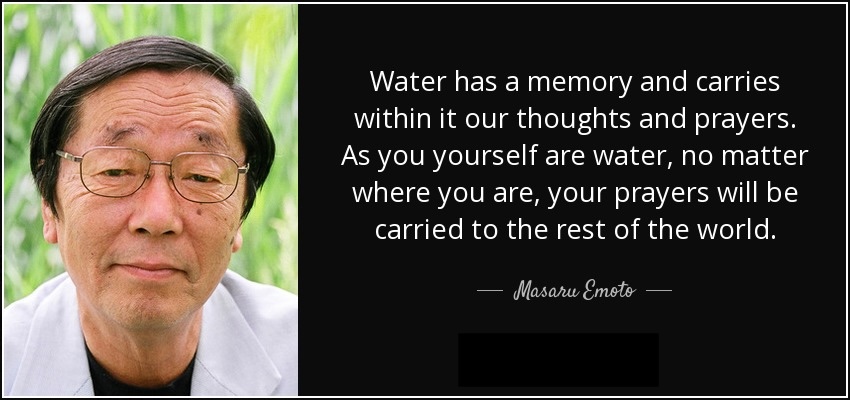
A famous Japanese doctor, Masaru Emoto, conducted an experiment where he would expose water to negativity and hatred. He would use negative, hate filled words, play harsh music, or share unkind thoughts towards a body of water. In another container, Dr. Emoto would play classical music, speak kind and loving words, sharing positivity. At the end of the experiment, he froze both samples of water and examined the participles. In the negative water, he discovered broken, and ugly ice crystals, whereas in contrast with the positive water he found beautiful harmonious structures formed. My dears, does my life leave positive or negative, violent or loving, Godly or sinful impact? As children of God, we are created by the harmonious, kind, loving Word of God. Through sin, the negativity and hatred of the world, pollutes are very being. We fill our lives with anger, hatred, we hold on to hurt, we abuse our mind, and our body, we listen to evil words and thoughts, we go after things that ultimately leave us far worse, broken and unsatisfied. Yet, through His Word, Christ Jesus, God calls us out of the darkness. Our creative God renews us through His Holy Church, through the Holy Scriptures – through His love and mercy.

And in our Psalms, we call out, “Lord if you open my lips, may I sing your praise.” Sing your praise not just in the Church my dears, but with our words, with our lives, sing His praise by forgiving others, sing His praise by forgiving ourselves, sing His praise by our choices in accordance with His commandments. Come and be reborn, washed of iniquity through the Holy Baptismal font, be the Holy Priesthood that God calls us to be through His Word, as St. Peter writes to us. “But you are a chosen race, a royal priesthood, a holy nation, God’s own people, that you may declare the wonderful deeds of him who called you out of darkness into his marvelous light.” (1 Peter 2:9) Declare the wonderful deeds of Him! Create, speak, do, so that when the world sees us, when the world feels the vibrations we leave, even if they never personally know us, they will personally know God. Whether or not there is any one there to hear the sound of a falling tree, God sees. Whether or not the there is any on there to see or hear our actions, God sees. And through us, the universe is impacted, the love of God is shared, the light of God is brightly shined, and all creation, verbal or non-verbal, will glorify or deny Him. By the Word of God, Jesus Christ, by the love and mercy of our Heavenly Father, through the grace of Holy Spirit, let us open our minds with compassion to do His will, let us open our mouths in praise, Amen!

To Hell (And Back) With Jesus


Daily Readings: Acts 1:15-26; Mark 16:2-8
Ընթերցուածքներ` Գործք. Ա 15-26; Մարկ. ԺԶ 2-8

Kristos Haryav i merelots,
Christ is Risen from the Dead
Krisdos Anesti
Kristos VosKrese
El Misa Qam
Le Christ est réssuscité
Blessed is the Resurrection of Christ – Օրհնեալ է Յարութիւնը Քրիստոսի

To hell with Jesus Christ! Oh, my goodness Fr. Andreas has lost his mind. In our everyday language we so often use the name of Christ Jesus, or references of God in Armenian and English without realizing their significance. For example, “Oh my God” or “Jesus Christ” are used to express frustration, joy, anger, clarity. In Armenian we have expressions such as “Vay Astvadz” (Oh God) “Ter Voghormya” (Lord have mercy), “Megha Qez Astvac” (I have sinned against God), to express likewise frustration, anger, and other such emotions. Perhaps thinking about this now, we would agree with a slight smirk that yes these are ill-placed and misused, but we wouldn’t think of them as overly harsh. What about “God damn it”, “Holy ____”, or as I started my sermon “to hell with ____”? Do we understand what we are expressing? Even if out of frustration or joy, or anger. In the Gospel of Matthew we read “For by your words you will be justified, and by your words you will be condemned” (Matthew 12:37) Our spoken words are a reflection of the heart and carry immense weight. Careless or idle words (Matthew 12:36) reveal a person’s true character, acting as evidence for or against them. So, do we truly wish for God to damn, send into hellfire and torment, the thing or person that is causing us frustration? Are we truly equating holiness with feces or other such things? Or in Armenian, so often we will in frustration curse “Dirocht mayr or hayr” where we are literally saying, cursed be your mother or fathers Lord “Der”.  Isn’t our Lord God?

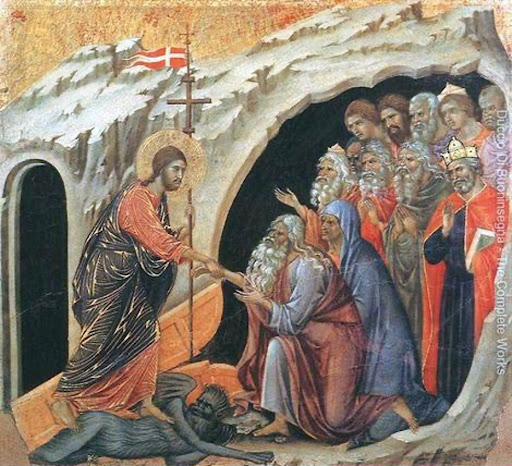
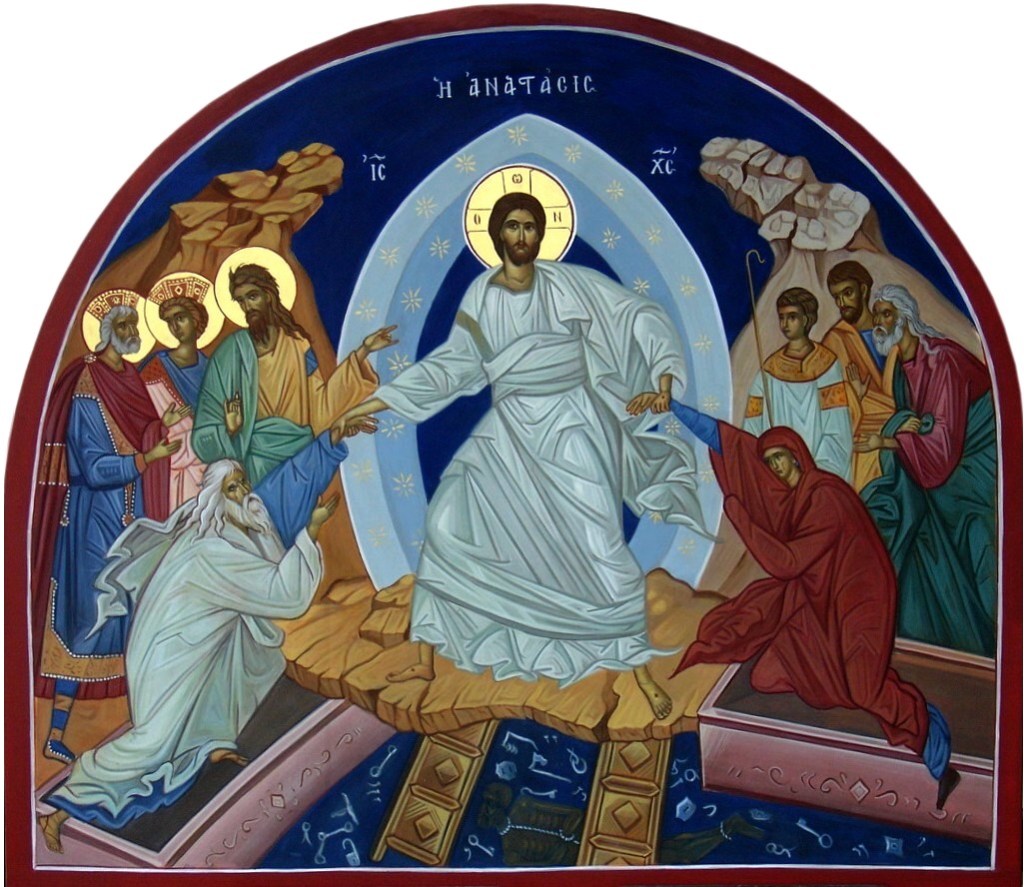
My dear brothers and sisters, each Easter and Christmas we greet each other with praiseworthy words of recognition of what God has done for us. We commandingly say, “Christ is Risen from the Dead” – yet, how much of those words are careless vs. said with understanding? If our words of prayer are private between us and God, the proclamation of Christ being resurrected is one we say openly to all, share with the angels, our priest, and families. Perhaps some of us will even post it online. Yet, do those words mean truth to us or are they like the many forms of expressions we use daily, the curses, the slang, the negative comments we utter or write online? Do we believe the Christ is Risen? When I begin with the words today “to Hell with Jesus Christ” I am in fact saying them with understanding my dears. Understanding that when Christ was crucified and died for our sins, His body was wrapped and placed in the Tomb. His soul however, traveled to Hell or more correctly, to the Bosom of Abraham and Shaol. The Bosom of Abraham is the place where those who had died before Christ’s coming, yet, who lived faithfully rested waiting for the Messiah.

Shaol was the place where those who died before Christ yet, did not know God, waited. You see Shaol is the Hebrew word for the place of waiting for the dead, while Ghenna or Hell is the place after final judgement. And so those who had died faithfully and faithlessly before Christ, were waiting. And as Orthodox Christian we believe that when Christ died on earth He went to Hell, to Shaol and the Bosom of Abraham, and here He was revealed to those who died as the Messiah. And the reason He did this is because God’s love extends beyond just this material world. God did not abandon those who did not know Him, as is stated by Scriptures in todays reading, “But God raised him up, having freed him from death, because it was impossible for him to be held in its power. For David says concerning him, ‘I saw the Lord always before me, for he is at my right hand so that I will not be shaken; therefore my heart was glad, and my tongue rejoiced; moreover, my flesh will live in hope. For you will not abandon my soul to Hades, or let your Holy One experience corruption. You have made known to me the ways of life; you will make me full of gladness with your presence.’” (Acts 2:24-28) And also, “For this is the reason the gospel was proclaimed even to the dead, so that, though they had been judged in the flesh as everyone is judged, they might live in the spirit as God does.” (1 Peter 4:6)

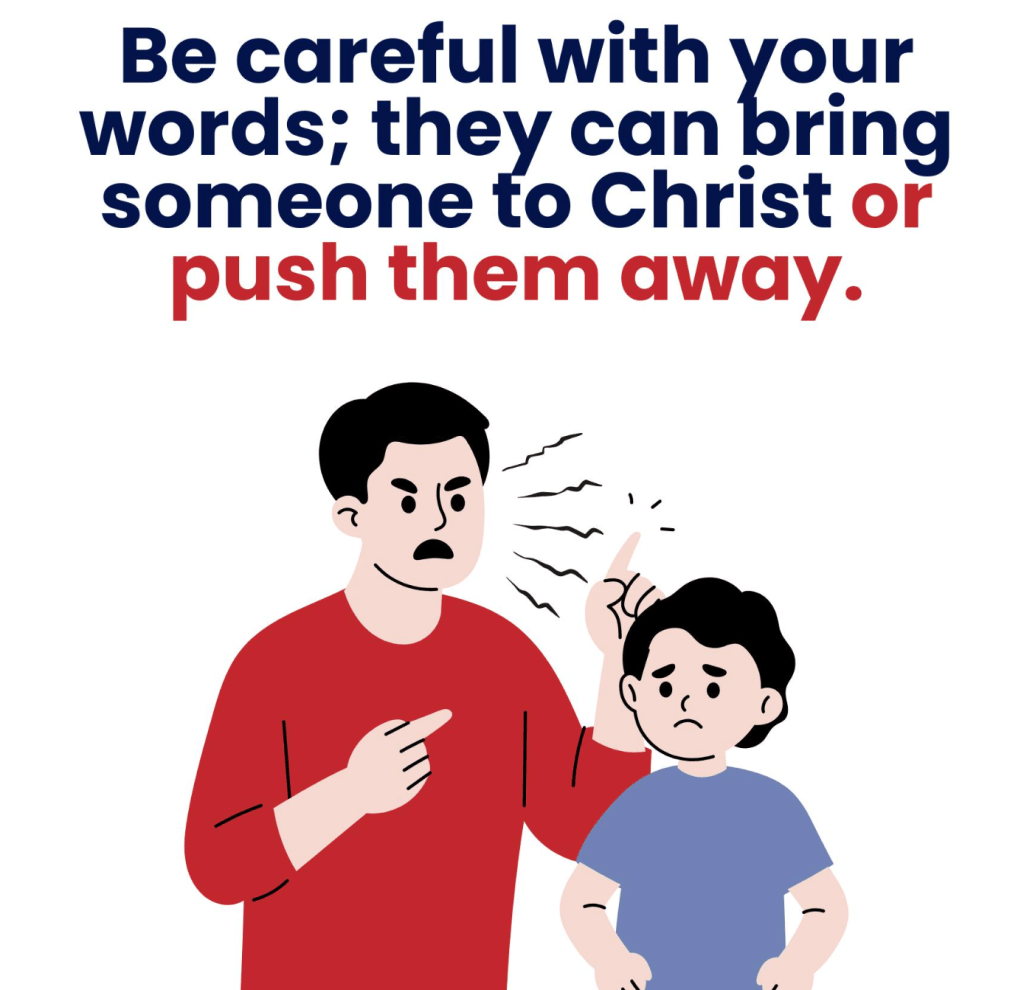
It is this understanding for which I say, Christ Jesus goes to Hell. Yet, why is this so important for us today to know? My dears, no matter where we are in life, no matter our darkness, no matter our hurt, no matter our addictions and brokenness and sin, no matter how much failure or success we’ve had, no matter our language, or politics, skin color, dress, position in life or age, even if we are in hell, God does not abandon us. Even when we think we are lost to the abyss, when we are calling out in prayer, God does not abandon us. Whether we are celebrating joyfully around a banquet table as Christ did during the Wedding of Cana or we are standing before His Cross, seeing the one we loved crucified, God does not abandon us. But as Christ went to Hell and the dead responded to Him, we too must respond to Him. Respond by living out the commandments, respond by remaining faithful and prayerful, respond through patience and compassion. Respond daily in our lives with our actions and words. Actions with these hands by which we cross ourselves and pray but then go out and do hurtful things, reject and deny one another. Words that come out of our lips of prayer, worship and proclamations of God’s love but with these same words which we curse one another, carelessly profane, insult, reject, and devalue ourselves and this world.

Yes, my dears, Christ Jesus harrowed into Hell, destroyed its gates, entered the darkness and lifts out all those who are lost to renewed life and hope. And Christ enters our darkness, to lift us out into renewed life and hope, inviting us into Communion with Him, the Heavenly Father and the Holy Spirit. This renewal is not merely a feeling nor is it superlative words and proclamations we say in Church but is the foundational transformation that we are each called today. Hell into Heaven, Doubt into Certainty, Fear into Love, Brokenness into Wholeness, Death into Life.

My dears this transformation, our response of faith is lived out daily, in our words, in our actions, in our interactions, in our private and public lives. Days that feel great and days that feel like hell on earth. As St. David says, “therefore my heart was glad, and my tongue rejoiced” Therefore, be careful, be watchful what we say, and what we do for our lives are a reflection of who we are my dears. Reflect Christ Resurrected. Reflect life and hope in a world that feels lost and confused. Remain prayerful even if we feel lost. Remain vigilant even if we feel unsure. And know that God will not abandon us, God will not leave us in darkness. “For Christ is Risen from the Dead, trampling down death by death and to those in the Tomb bestowing life.” Understanding this, we proclaim Christ goes to Hell so that we can declare, with Christ we are Risen from the Dead- Christos Haryav I merelots. Amen