Daily Readings: Acts 1:15-26; Mark 16:2-8
Ընթերցուածքներ` Գործք. Ա 15-26; Մարկ. ԺԶ 2-8
Kristos Haryav i merelots,
Christ is Risen from the Dead
Krisdos Anesti
Kristos VosKrese
El Misa Qam
Le Christ est réssuscité
Blessed is the Resurrection of Christ – Օրհնեալ է Յարութիւնը Քրիստոսի
To hell with Jesus Christ! Oh, my goodness Fr. Andreas has lost his mind. In our everyday language we so often use the name of Christ Jesus, or references of God in Armenian and English without realizing their significance. For example, “Oh my God” or “Jesus Christ” are used to express frustration, joy, anger, clarity. In Armenian we have expressions such as “Vay Astvadz” (Oh God) “Ter Voghormya” (Lord have mercy), “Megha Qez Astvac” (I have sinned against God), to express likewise frustration, anger, and other such emotions. Perhaps thinking about this now, we would agree with a slight smirk that yes these are ill-placed and misused, but we wouldn’t think of them as overly harsh. What about “God damn it”, “Holy ____”, or as I started my sermon “to hell with ____”? Do we understand what we are expressing? Even if out of frustration or joy, or anger. In the Gospel of Matthew we read “For by your words you will be justified, and by your words you will be condemned” (Matthew 12:37) Our spoken words are a reflection of the heart and carry immense weight. Careless or idle words (Matthew 12:36) reveal a person’s true character, acting as evidence for or against them. So, do we truly wish for God to damn, send into hellfire and torment, the thing or person that is causing us frustration? Are we truly equating holiness with feces or other such things? Or in Armenian, so often we will in frustration curse “Dirocht mayr or hayr” where we are literally saying, cursed be your mother or fathers Lord “Der”. Isn’t our Lord God?
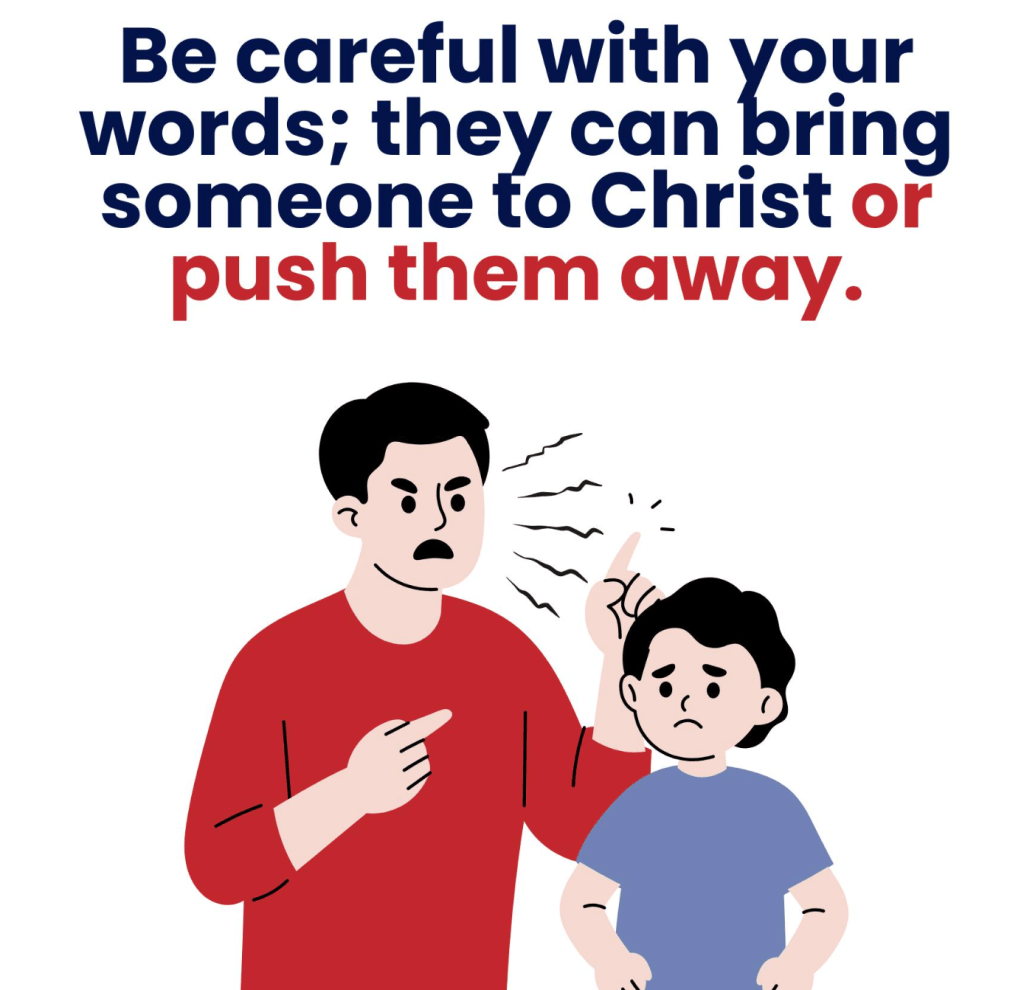
My dear brothers and sisters, each Easter and Christmas we greet each other with praiseworthy words of recognition of what God has done for us. We commandingly say, “Christ is Risen from the Dead” – yet, how much of those words are careless vs. said with understanding? If our words of prayer are private between us and God, the proclamation of Christ being resurrected is one we say openly to all, share with the angels, our priest, and families. Perhaps some of us will even post it online. Yet, do those words mean truth to us or are they like the many forms of expressions we use daily, the curses, the slang, the negative comments we utter or write online? Do we believe the Christ is Risen? When I begin with the words today “to Hell with Jesus Christ” I am in fact saying them with understanding my dears. Understanding that when Christ was crucified and died for our sins, His body was wrapped and placed in the Tomb. His soul however, traveled to Hell or more correctly, to the Bosom of Abraham and Shaol. The Bosom of Abraham is the place where those who had died before Christ’s coming, yet, who lived faithfully rested waiting for the Messiah.
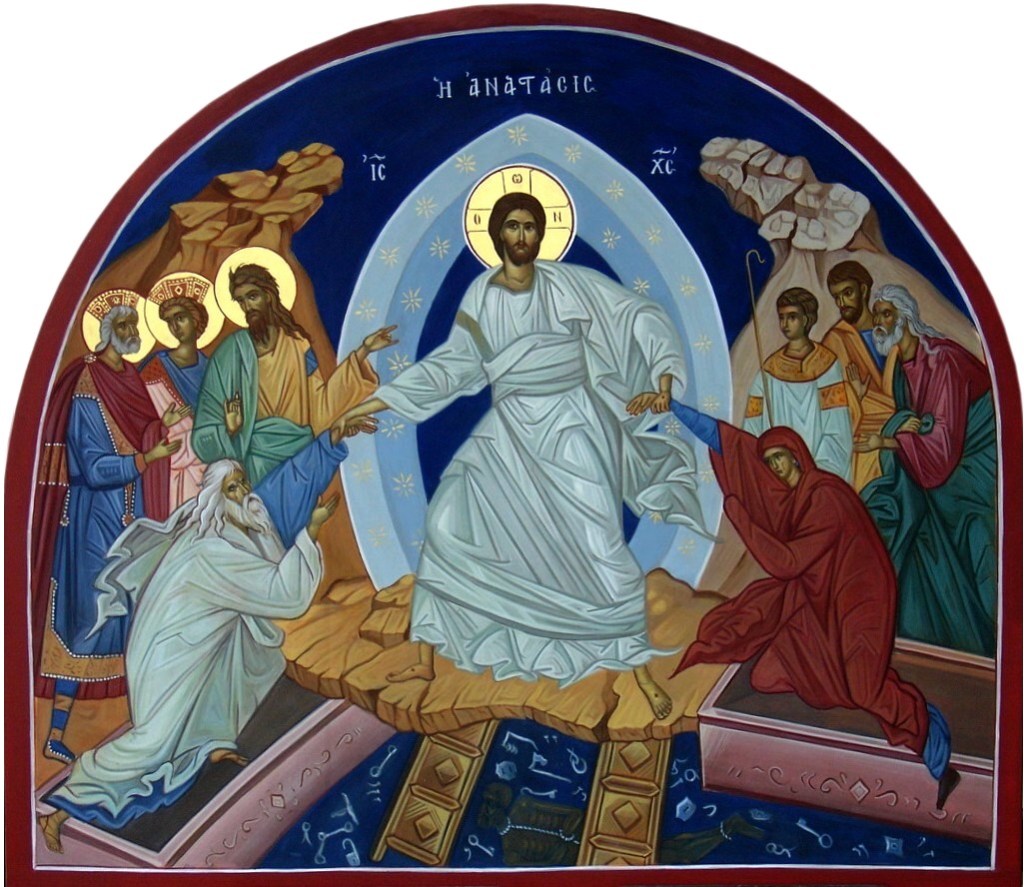
Shaol was the place where those who died before Christ yet, did not know God, waited. You see Shaol is the Hebrew word for the place of waiting for the dead, while Ghenna or Hell is the place after final judgement. And so those who had died faithfully and faithlessly before Christ, were waiting. And as Orthodox Christian we believe that when Christ died on earth He went to Hell, to Shaol and the Bosom of Abraham, and here He was revealed to those who died as the Messiah. And the reason He did this is because God’s love extends beyond just this material world. God did not abandon those who did not know Him, as is stated by Scriptures in todays reading, “But God raised him up, having freed him from death, because it was impossible for him to be held in its power. For David says concerning him, ‘I saw the Lord always before me, for he is at my right hand so that I will not be shaken; therefore my heart was glad, and my tongue rejoiced; moreover, my flesh will live in hope. For you will not abandon my soul to Hades, or let your Holy One experience corruption. You have made known to me the ways of life; you will make me full of gladness with your presence.’” (Acts 2:24-28) And also, “For this is the reason the gospel was proclaimed even to the dead, so that, though they had been judged in the flesh as everyone is judged, they might live in the spirit as God does.” (1 Peter 4:6)
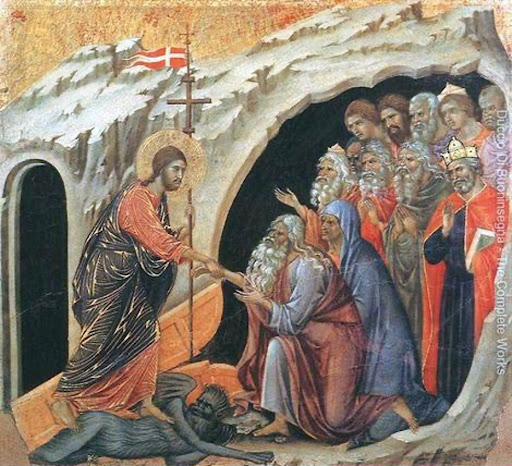
It is this understanding for which I say, Christ Jesus goes to Hell. Yet, why is this so important for us today to know? My dears, no matter where we are in life, no matter our darkness, no matter our hurt, no matter our addictions and brokenness and sin, no matter how much failure or success we’ve had, no matter our language, or politics, skin color, dress, position in life or age, even if we are in hell, God does not abandon us. Even when we think we are lost to the abyss, when we are calling out in prayer, God does not abandon us. Whether we are celebrating joyfully around a banquet table as Christ did during the Wedding of Cana or we are standing before His Cross, seeing the one we loved crucified, God does not abandon us. But as Christ went to Hell and the dead responded to Him, we too must respond to Him. Respond by living out the commandments, respond by remaining faithful and prayerful, respond through patience and compassion. Respond daily in our lives with our actions and words. Actions with these hands by which we cross ourselves and pray but then go out and do hurtful things, reject and deny one another. Words that come out of our lips of prayer, worship and proclamations of God’s love but with these same words which we curse one another, carelessly profane, insult, reject, and devalue ourselves and this world.
Yes, my dears, Christ Jesus harrowed into Hell, destroyed its gates, entered the darkness and lifts out all those who are lost to renewed life and hope. And Christ enters our darkness, to lift us out into renewed life and hope, inviting us into Communion with Him, the Heavenly Father and the Holy Spirit. This renewal is not merely a feeling nor is it superlative words and proclamations we say in Church but is the foundational transformation that we are each called today. Hell into Heaven, Doubt into Certainty, Fear into Love, Brokenness into Wholeness, Death into Life.
My dears this transformation, our response of faith is lived out daily, in our words, in our actions, in our interactions, in our private and public lives. Days that feel great and days that feel like hell on earth. As St. David says, “therefore my heart was glad, and my tongue rejoiced” Therefore, be careful, be watchful what we say, and what we do for our lives are a reflection of who we are my dears. Reflect Christ Resurrected. Reflect life and hope in a world that feels lost and confused. Remain prayerful even if we feel lost. Remain vigilant even if we feel unsure. And know that God will not abandon us, God will not leave us in darkness. “For Christ is Risen from the Dead, trampling down death by death and to those in the Tomb bestowing life.” Understanding this, we proclaim Christ goes to Hell so that we can declare, with Christ we are Risen from the Dead- Christos Haryav I merelots. Amen
 St. Gregory the Illuminator Armenian Church