Passages: Is. 66:1-24; Col. 2:8-3:17; Matt. 22:34-23:39
Ընթերցուածքներ՝ Եսայ. ԾԶ 1-24; Կող. Բ 8- Գ 17; Մատթ. ԻԲ 34- ԻԳ 39
In the Name of the Father, Son and Holy Spirit, Amen!
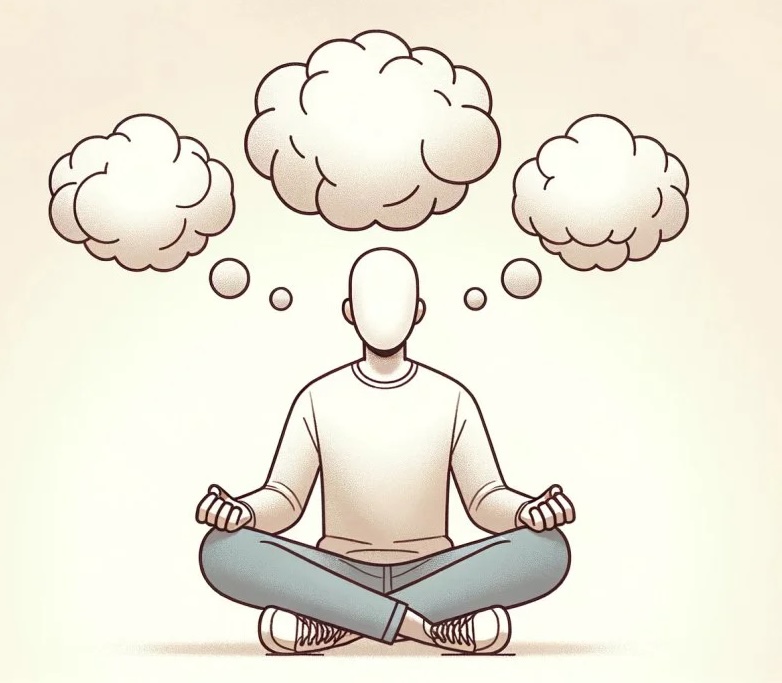
Be watchful of your thoughts for they become your words; be watchful of your words, for they become your actions; be watchful of your actions, for they become your habits; be watchful of your habits, for they become your character; be watchful of your character, for it becomes your destiny. My dear brothers and sisters, these words come to us from an ancient Japanese proverb which highlights a very important reality, yet one we sometimes forget to reflect upon. I know it’s a bit ironic that I begin today’s sermon with a Japanese proverb when today’s reading from St. Paul to the Colossians literally begins with the words, “Beware lest anyone cheat you through philosophy…” And yet, these philosophical words do not replace Scripture but emphasize rather, and uphold an important question that Holy Scripture asks of us – who are we as a person, what do we do, which shapes and impacts how the world around us will be?
I am always asked why the world is falling apart. War, hatred, rejection; crime, sacrilege, sickness; darkness, addiction and loss. Whether in our own lives or the world around us, we see these negative realities, we experience these pitfalls and wonder how and why. We see parents who do not parent, teachers who do not teach, leaders who do not lead, and faithful who do not pray. We are left again wondering how and why. Yet, my dear brothers and sisters, the answer is quite simple. The why is dependent on each one of us, and why we choose to live the way we do. Why we choose to cheat, why we choose to lie, why we choose to not forgive, or why we do pray, why we do love, why we do care for others. Yet, the how is not immediate, nor is it unique to us.
How the world becomes dark, how our own lives are filled with so much negativity begins step by step, as the Japanese proverb teaches us. Be careful of our thoughts asks, how do we think about those around us, about our own selves, and the world we live in. What kind of thoughts enter our heart and mind that shape us? If we are careless, things will fall apart. If we are overly critical, we are never satisfied and overly burdened. If we judge before knowing, or reject before understanding, we are filled with hatred. Yet, if we are overly accepting and non-judgmental, we allow our own lives to become polluted with things not pleasing to God. As the saying goes,“when a generation tolerates a sin, the next will celebrate it, and the generation after won’t even know it’s a sin!” Be cautious of your thoughts, because those thoughts come out in our words.
How often are we watchful and careful of our words? How careful are we in our vocabulary, regardless of our spoken language? Just think about how much more we hear profanity and vulgar words used not just in private conversations but perhaps in the office, on the news, in our own families. We might argue that we only occasionally use those words in private, yet our words which are shaped in how we think speak about how we view ourselves and others. Through jokes, through white-lies, into hateful, and damning speech. I remember as a kid, playing with my friends we would use horrible language or say racist jokes. I would always be careful that those jokes were only with friends or that language was only when I was frustrated with friends playing games, until one day I used it in a classroom in front of my teacher when I was frustrated on a test.

And whether we like it or not those thoughts, which we speak, translate into actions. How we behave and the choices we make, the lies or truths we justify. And if we do something often enough, that becomes a habit and shapes our character. People expect those things from us negative or positive. “Oh, Armenians and Greeks, they’re always late!” Sure, that might be playful, yet, what about negative stereotypes “California Armenians are all criminals,” “Jews are cheap”, “Asians can’t drive” and so forth. And while no, we may argue we don’t truly believe these things, our thoughts, and words reflect eitherwise in our actions. And perhaps we may not believe in destiny, we certainly believe and know that the life we choose to live based on these steps, our thoughts, words, and actions not only highlight who we are, ultimately they impact our communion with God, and how others view God. Not just Heaven and Hell, but here in our everyday experiences my dears.
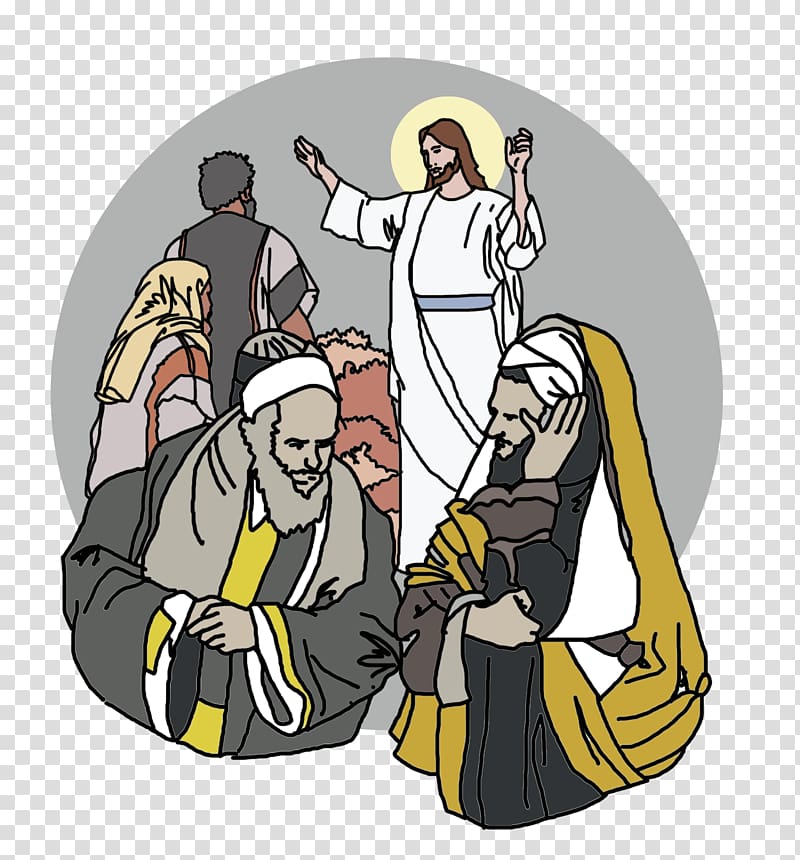
That is why Christ is so critical of the Pharisees in today’s Gospel. They know the truth, they have the teachings yet, with their thoughts, words, actions, habits and character not only do they reject God, reject Christ, but also become a stumbling block for others to believe. Well, my dear brothers and sisters, what about us? We have journeyed through another Great Lent period, and we are preparing for Palm Sunday, Holy Week and Easter. Many of us have asked how do we do Lent, what does that consist of, yet how many of us remembered not just the food, or the donations but the way we live our everyday? What kind of music we listen to, what kind of news commentators or literature, videos, movies, and so forth do we allow to be part of our everyday life? How we talk to others, about others, how we think about ourselves and others, and so forth.
These steps my dears, when going down the wrong way is what ultimately leads not just us but also impacts how others are led either towards or away from God, away from His forgiveness and love. Why we choose to do things we do, why we come to Church, why we diet, why we exercise, why we pray, why we care, why we don’t, is a personal reason, impacted by the journey we are on. And yes, along the way we may mistakes, but we can learn to grow, learn and change so that our why will become richer and more impactful. Yet, how the world is in the state it is in, how we make a change, how we, grow starts from the steps we take every day, to be cautious and careful of our thoughts, which become words, which become actions, which become habit, which shape our character and ultimately impact how we receive the love of God in our lives.
God desires the best for us; God our Father, embraces us and offers forgiveness for our past, present and future. God the Son, Jesus Christ, teaches us that no past, no word, no thought or habits or actions is greater than His love, His Word, His act on the Cross for our sake. And God the Holy Spirit, continually provides us with the opportunity to come back, be reshaped, transformed, grounded in faith, so that not only will we be changed, but the people around us will also desire the love of God, the world around us will be changed. Be watchful of your thoughts for they become your words; be watchful of your words, for they become your actions; be watchful of your actions, for they become your habits; be watchful of your habits, for they become your character; be watchful of your character, for it becomes the means by which we either accept or reject the grace and love of God, the Father, the Son and Holy Spirit, daily and for all eternity, Amen!


 St. Gregory the Illuminator Armenian Church